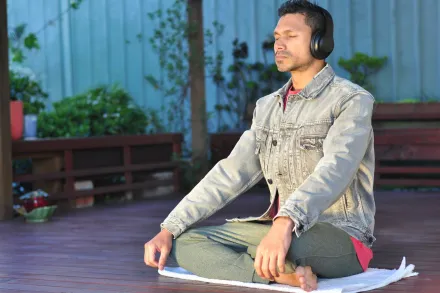
Understanding Stress and the Purpose of Meditation
In the modern world, stress is a constant companion for many people; work deadlines, social expectations, and the rapid pace of information can accumulate into a subtle but persistent pressure. Meditation offers a different approach to this pressure by inviting a deliberate pause, a space where attention can be observed without judgment. When someone sits quietly, with a soft focus on breath or sound, the mind has a chance to disengage from habitual patterns that keep stress active. This moment of pause does not erase the stimuli that cause concern, but it helps reframe the experience so stress becomes a signal rather than a command. By approaching stress with curiosity rather than with resistance, a person begins to cultivate a sense of internal steadiness that persists beyond the cushion or the pillow. The practice develops a quiet resilience that can be accessed in everyday life, turning reactions into measured responses and transforming tension into awareness that can guide smarter choices.
To understand the role of meditation in stress reduction, it helps to recognize how stress operates in the nervous system. When a perceived threat appears, the body naturally activates a cascade of neurochemical processes designed for preparation and protection. The heart rate rises, the breath shifts to a faster pace, and muscles become ready for action. Meditation introduces a deliberate slowing mechanism that allows the nervous system to recalibrate rather than remain in a constant state of alert. It is not denial of reality but a recalibration of how one relates to it. Through consistent practice, the brain learns to differentiate between imminent danger and ordinary daily concerns, which gradually reduces the frequency and intensity of the stress response. This shift fosters a broader sense of calm that can influence mood, energy, and sleep, creating a virtuous circle where less baseline stress makes it easier to cope with new challenges.
As a technique that can be accessed by beginners and seasoned practitioners alike, meditation invites an inward focus that strengthens self-regulation. This is not about emptying the mind of all thoughts, a goal that often proves elusive, but about noticing thoughts without becoming entangled in them. The act of naming what is felt, whether it is worry, irritation, or restlessness, creates space for choice and intention. When this larger frame of reference becomes familiar, people report feeling less overwhelmed by incoming information and more able to maintain a steady perspective during upheaval. The practice thus functions as a mental training program that reshapes habitual responses and builds a foundation for sustained stress management.
Biological and Neurological Mechanisms
Scientific exploration into meditation has revealed several mechanisms by which it can influence stress physiology. One of the central effects is a modulation of the autonomic nervous system, particularly by enhancing parasympathetic activity that calms the body after activation. This shift translates into slower breathing, lower heart rate, and a reduction in stress hormones such as cortisol. Over time, these physiological changes become more readily accessible, which means that shorter moments of rest throughout the day can deliver meaningful reductions in sympathetic arousal. The brain also benefits, with changes observed in regions involved in attention, emotional regulation, and self-referential thinking. The prefrontal cortex, responsible for executive functions, and the anterior cingulate, linked to emotion processing, may show increased activity and connectivity, supporting better control over impulses and a more adaptive interpretation of emotional stimuli.
From a cognitive perspective, meditation strengthens metacognition—the awareness of one’s own mental processes. This heightened awareness enables people to observe their reactions to stress without automatically acting on them. The result is greater cognitive flexibility, which makes it easier to choose constructive responses rather than impulsive ones. In practical terms, this translates into calmer workload management, more thoughtful communication, and a reduced tendency to catastrophize. Moreover, sustained practice is associated with improved attention and reduced rumination, which is the persistent looping of negative thoughts that often fuels anxiety. The brain’s plasticity in response to meditation suggests that even relatively brief daily sessions can accumulate meaningful gains over weeks and months.
The gut-brain axis, an increasingly studied pathway in stress science, also appears to interact with meditation. Because the gut houses a large network of neurons and produces various neurochemicals, reductions in stress can influence digestion, appetite, and gut comfort. While these connections are complex and still under investigation, the overall pattern supports the idea that meditation not only alters brain function but can also harmonize bodily systems that are frequently disrupted during periods of chronic stress. In sum, meditation weaves together physiological regulation, neural efficiency, and cognitive clarity into a coherent framework for reducing the body’s stress footprint.
Practical Approaches to Start a Meditation Practice
Starting a meditation practice does not require elaborate equipment or a particular philosophical stance; it begins with intention and a simple routine that fits into daily life. A basic approach can involve choosing a comfortable position, tuning into the breath, and allowing thoughts to pass without clinging. The key is consistency rather than intensity, so even a few minutes each day can establish a reliable foundation. For many, establishing a regular time and place creates an anchor that makes the practice easier to sustain. A quiet corner, a comfortable chair, or a cushion by a window can become a sanctuary where attention can rest without interruption. Over time, the ritual of preparation becomes part of the meditation itself, signaling the brain and body that a period of rest and focus has begun.
In practical terms, one can begin with a simple breath awareness exercise. Inhale slowly through the nose, feeling the abdomen expand, then exhale with awareness of the release. If the mind wanders, which is natural, gently guide attention back to the breath without judgment. This nonjudgmental stance is a core feature of effective meditation, helping to reduce self-criticism that can undermine motivation. As comfort grows, one can introduce light variations such as body scans, where attention travels from the toes to the crown of the head, noting sensations and tensions and inviting a soft release with each exhale. The diversity of approaches means there is no single right method; the best practice is the one that consistently encourages presence and calm.
Another accessible route is to use guided practices that lead the listener through a structured experience. Guided sessions can be delivered through audio recordings, apps, or live classes, and they often provide a gentle roadmap that reduces the friction of starting alone. For beginners, guided formats that emphasize breath, sound, or loving-kindness can be particularly effective, because they offer concrete anchors to hold attention. It is important to choose voices and styles that feel trustworthy and soothing, because a disconnected or irritating guide can become a barrier rather than a bridge to calm. The point is to cultivate a relationship with one’s own attention that feels safe and dependable.
To maintain momentum, it helps to set realistic expectations and avoid overloading on ambition. Short, frequent sessions typically outperform long, sporadic efforts when developing a habit. Moreover, integrating micro-practices into daily routines—such as a brief pause before meals, a moment at the start of a meeting, or a few mindful breaths before bed—can extend the benefits beyond the dedicated practice period. When small, manageable steps accumulate over time, the overall level of daily stress tends to diminish, and the practice stops feeling like a chore and begins to feel like a natural complement to living.
Meditation Techniques Suitable for Beginners
There are many entry points into meditation, and the best choice is the one that invites regular engagement without friction. A foundational technique is focused attention on the breath. This method involves following the sensation of air entering and leaving the nostrils or watching the abdomen rise and fall with each inhale and exhale. The aim is not to control the breath but to become intimately aware of its rhythm, which anchors the mind and reduces the pull of wandering thoughts. As distractions arise, one learns to acknowledge them and return to the breath with gentle persistence. This practice teaches steadiness under distraction, a skill highly relevant to stress in daily life.
A second accessible approach is body scan meditation, where attention passes sequentially through different regions of the body, inviting a sense of release and relaxation. Beginning with the feet and gradually moving upward, the practitioner notices sensations, temperatures, and areas of tension, offering a voluntary relaxation response with each exhale. The body scan cultivates interoceptive awareness—the ability to perceive internal bodily states—which can be a powerful ally when stress manifests as physical symptoms like tight shoulders or a racing heart. When combined with a compassionate inner voice, the body scan becomes a practice of kindness toward oneself, strengthening the emotional regulation that stress often disrupts.
Third, loving-kindness or compassion-based meditation invites the practitioner to cultivate warmth toward oneself and others. This technique guides the imagination to send well-wishes to the body, to loved ones, to neutral acquaintances, and even to those with whom there is difficulty. The intention is to soften judgments, expand the window of tolerance, and reframe stress as a shared human experience rather than an isolating burden. Although this method can feel unfamiliar at first, repeated exposure gradually reveals its capacity to reduce negative affect and increase positive mood states, which in turn lowers perceived stress levels.
A fourth beginner-friendly route is mindful movement, which blends gentle physical activity with moment-to-moment awareness. This approach can involve slow stretching, yoga-inspired postures, or simple mobility exercises performed with a deliberate focus on sensation, breath, and alignment. The benefit of mindful movement is twofold: it reduces muscular tension and creates a tangible sense of embodiment that anchors attention. For many people, movement helps bridge the gap between cognitive understanding of stress management and the felt experience of calm.
Finally, breath-based rhythms such as box breathing or coherent breathing provide structured patterns that stabilize the autonomic nervous system. Box breathing cycles through equal counts for inhale, hold, exhale, and hold again, creating a rhythmic cadence that promotes a sense of safety and predictability. Coherent breathing emphasizes a smooth, slightly longer exhale, which has been associated with improved parasympathetic tone. These techniques are particularly useful in high-stress situations where there is little time for extended practice but a clear need for rapid emotional regulation.
Creating a Consistent Routine and Environment
Consistency is a cornerstone of meditation’s effectiveness, and creating the right environment can make the practice easier to sustain. A quiet, comfortable space reduces external distractions and signals the brain that a period of rest has begun. The environment does not need to be perfect; it simply needs to be predictable enough to invite regular engagement. Lighting, temperature, and seating comfort all influence the ease with which attention can settle. Some people prefer a strictly minimal setup, while others benefit from personal touches such as a soft blanket or a small plant that signals care and intention. The key is to curate a space that invites a pause rather than a scramble of activity.
Building a routine also involves integrating meditation into the flow of daily life rather than treating it as an isolated event. Scheduling a fixed time, such as early morning or late evening, helps establish habit strength. It is sometimes useful to pair meditation with a cue that already exists in daily life, such as after brushing teeth or before starting a meal. Over time, the practice becomes automatic, and the cognitive load required to begin reduces. A practical habit is to start with short sessions and gradually extend them as comfort and confidence grow. For many, the most powerful outcome is the sense that stress has a manageable rhythm rather than an overwhelming surge.
Additionally, reducing noise and digital interruptions during practice can significantly improve quality. Turning off notifications, selecting a tranquil soundtrack at a low volume, or using a timer that does not demand constant attention helps preserve the flow of attention. A gentle reminder may be enough to keep a routine on track, but it should never feel punitive. The objective is to create a compassionate framework in which the mind can learn to rest, breathe, and reengage with the world from a place of steadiness rather than haste.
Another practical consideration is accessibility. People with demanding schedules, caregivers, students, and professionals across fields can all benefit from flexible formats. Short sessions can be embedded between tasks, and on days when time is scarce, even a few mindful breaths taken during a break can accumulate into meaningful relief. The ultimate aim is to form a sustainable practice that honors personal limits while gradually expanding capacity for calm. In this way, meditation becomes a reliable tool rather than a distant ideal.
Mindfulness, Compassion, and Stress Reduction
Mindfulness, in its essence, is about paying deliberate attention to present-moment experience with openness and curiosity. When applied to stress, mindfulness helps individuals distinguish between what is happening in the environment and how they respond to it. This distinction is crucial because it reduces automatic reactivity and opens space for deliberate choice. Mindful awareness helps notice early signs of tension, such as shallow breathing, muscle clenching, or tight jaw, allowing a gentle intervention before the stress response reaches a peak. The repeated experience of pausing and choosing responses gradually reduces the frequency of escalations and fosters a calmer baseline.
Compassion, particularly toward oneself, complements mindfulness by softening harsh internal judgments that often accompany stress. When people treat themselves with kindness during difficult moments, they create a psychological safety net that supports ongoing practice. Self-compassion helps sustain effort after setbacks and diminishes the tendency to abandon routines when progress feels slow. This approach invites a more sustainable relationship with stress, grounded in acceptance and patience rather than blame or perfectionism. Over time, compassion broadens the circle of concern to others, which can diffuse personal anxieties and foster social connectedness that has protective effects against stress.
Another aspect of mindful practice is nonjudgmental observation, which allows the practitioner to witness the fluctuations of emotion without identifying with them. This detachment is not detachment in a cold sense but a mature stance that recognizes thoughts as mental events rather than facts. By observing with curiosity, people can see patterns—such as worry about the future or rumination about the past—and choose more adaptive responses. This perspective reduces the perceived intensity of stressors and enhances perceived control, contributing to a more resilient emotional life. In practice, mindfulness and compassion work together to transform stress from a threatening force into information that can guide wiser choices.
Beyond the individual benefits, mindfulness and compassion can improve interactions with others during stressful times. When one’s own stress diminishes, it becomes easier to listen, empathize, and respond with clarity rather than reaction. This relational shift can reduce interpersonal friction, a common source of stress in families and workplaces. The social dimension of stress reduction thus emerges as a practical dividend of sustained meditation practice, reinforcing a positive feedback loop in which calmer individuals contribute to more harmonious environments, which in turn support further personal regulation.
Meditation Across Age Groups and Lifestyles
Across different stages of life, meditation offers adaptable benefits that can align with varying needs. For young adults navigating academic pressures and career choices, meditation can sharpen focus, reduce performance anxiety, and foster healthier sleep patterns. For middle-aged individuals balancing work, parenting, and caregiving, it supports emotional regulation and resilience in the face of multiple responsibilities. For older adults, meditation can aid in managing chronic pain, improving sleep quality, and sustaining a sense of purpose. The universal thread is the cultivation of stable attention and a compassionate relationship to experience, which transcend age and circumstance.
In diverse lifestyles such as shift work, travel-heavy professions, or intense creative endeavors, brief, flexible meditation formats become especially valuable. Short, frequent sessions can be woven into irregular schedules without demanding large blocks of time. The practice can also adapt to different environments, from a quiet room at home to a crowded lounge in an airport terminal, as long as there is a moment of pause and a focus point for attention. The adaptability of meditation makes it an inclusive tool that respects individual rhythms while offering consistent benefits across a spectrum of life situations.
Participation in group meditation settings, whether in community centers, clinics, or online communities, often enhances motivation and accountability. Shared practice can provide a sense of belonging and mutual encouragement, reinforcing the personal commitment to stress reduction. However, individual practice remains essential, since true change emerges from ongoing personal experience. The combination of solitary discipline and communal support can be a powerful catalyst for lasting stress management, allowing people to carry the calm learned on the cushion into conversations, decisions, and everyday activities.
Common Barriers and How to Overcome Them
Many people encounter obstacles on the path to regular meditation, including time constraints, restlessness, or skepticism about the practice’s usefulness. Time scarcity is often the most cited barrier, yet research suggests that even brief moments of practiced attention can accumulate into meaningful effects when done consistently. The solution lies in embedding small pockets of calm into daily routines and treating these pockets as nonnegotiable appointments with well-being. Scheduling a specific time and honoring it as a priority can gradually reframe the day around presence rather than perpetual doing.
Restlessness and an active mind are common initial challenges. It is important to normalize this experience and approach it with a friendly stance rather than frustration. Techniques that emphasize accepting wandering thoughts rather than forcing mental stillness can reduce the sense of failure and promote perseverance. People often find that setting a realistic duration, such as five or seven minutes, and gradually increasing it as comfort grows, helps to sustain motivation. The key is to maintain consistency while allowing the mind’s natural variability to unfold without judgment.
Another barrier is skepticism about measurable outcomes. While meditation may not yield immediate, dramatic shifts, its benefits tend to accumulate over time in areas like sleep quality, mood stability, and cognitive flexibility. Keeping a simple practice log or noticing qualitative changes in daily life can reinforce motivation. It is also helpful to remember that meditation is not a competition or a test of willpower; it is an ongoing relationship with one’s own attention that becomes more generous and reliable with time.
High expectations can also undermine practice, especially if the initial experiences differ from imagined serenity. In such cases, reframing the goal toward gentleness and curiosity rather than perfect quiet can reduce pressure. A realistic aim is to show up with honest intention, notice what happens, and accept what the mind offers in that moment. By gradually integrating these attitudes, the practice becomes a source of stability rather than a source of stress, and the barriers begin to soften as familiarity grows.
Long-Term Benefits Beyond Stress Reduction
While the primary purpose of meditation may be to reduce stress, the technique yields a constellation of long-term benefits that extend into many aspects of health and daily living. Sleep often improves as the mind learns to downshift and regulate arousal levels at night, leading to deeper rest and easier morning awakenings. Mood tends to become more stable, with fewer extreme highs and lows, which supports sustained energy throughout the day and reduces the risk of burnout. The immune system can also benefit from reduced chronic activation, potentially lowering the incidence of frequent illnesses and supporting recovery.
Attention and cognitive flexibility are notable areas of improvement for many practitioners. With regular practice, people report better concentration, faster recovery from distractions, and more capacity to plan and execute tasks with clarity. This enhanced executive function translates into greater productivity and less mental fatigue, which in turn further reduces stress. Emotional regulation becomes a durable skill, enabling more constructive communication and problem solving under pressure. As emotional resilience grows, relationships often improve, because calmer individuals tend to respond with greater empathy and patience.
Physical health indicators frequently show positive trends as well. Blood pressure may stabilize for some individuals, and autonomic balance can support metabolic processes that contribute to overall well-being. Pain perception can shift in meaningful ways, with many people experiencing a diminished sense of discomfort or a better tolerance for chronic conditions. In a broader sense, meditation nurtures a lifestyle of mindfulness that encourages healthier choices in diet, activity, and recovery. The cumulative effect is a more resilient organism equipped to adapt to life’s inevitable stresses.
Finally, a shift in perspective often accompanies long-term meditation practice. People describe a sense of increased meaning, a greater openness to experience, and a deeper sense of connection to others. This existential dimension does not erase hardship, but it can transform how hardship is interpreted and endured. When stress becomes less of a looming adversary and more of a signal that invites attention, individuals often experience a broader sense of agency, peace, and well-being that permeates personal and professional life alike.