The Role of Virtual Reality in Physical Rehabilitation


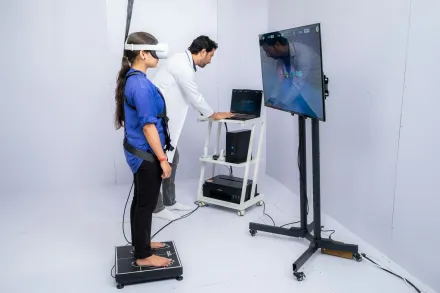
Virtual reality has moved from the realm of science fiction into everyday clinical practice, reshaping the landscape of physical rehabilitation. The technology creates immersive environments that blend real world tasks with computer generated challenges, allowing patients to engage in therapeutic activities that feel meaningful, motivating, and responsive. Clinicians increasingly rely on VR to complement traditional therapies, because it can deliver precise, repeatable, and adaptable experiences that align with each patient’s unique goals. In practical terms, VR offers a bridge between skilled supervision and autonomous practice, turning repetitive movement into purposeful exploration and progress rather than monotony and fatigue. This shift matters because adherence, intensity, and feedback are all critical drivers of recovery, and VR directly influences those factors by design and implementation across diverse settings.
Beyond entertainment value, VR-based rehabilitation rests on a solid understanding of motor learning principles, neuroplasticity, and the need to dose practice appropriately. When patients perform movements in a VR task, they receive multi sensory feedback that can be tailored to emphasize accuracy, speed, timing, or endurance. The technology also enables real time performance metrics and progress tracking that are visible to the patient and the clinician alike. Importantly, virtual environments can be made progressively challenging while maintaining safety, which supports motor relearning after injury or disease. The result is a therapeutic modality that addresses not only physical capacity but also confidence, motivation, and the psychological readiness essential for successful rehabilitation.
As VR integrates with sensors, wearables, and telehealth platforms, it opens avenues for remote rehabilitation, collaborative care, and data-driven decision making. The core idea is to create treated experiences that resemble daily activities while maintaining a closed loop of feedback. In this loop, movement quality, timing, and coordination are captured, interpreted, and used to adjust difficulty or provide corrective cues in real time. For patients with acute injuries or chronic conditions, this capability means more efficient use of therapy sessions and more opportunities to practice out of the clinic under appropriate supervision. The technology thus acts as a multiplier for the clinician’s expertise, enabling personalized therapy plans that are scalable, accessible, and capable of sustaining engagement over longer rehabilitation horizons.
Understanding Virtual Reality in Rehabilitation
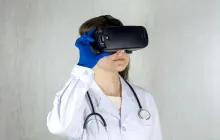
The term virtual reality encompasses a spectrum of experiences, from simple screen based simulations to immersive head mounted displays that track full body motion. In a rehabilitation context, VR is not a single device but a toolkit that includes immersive environments, interactive controllers, reflective feedback, and sometimes haptic sensations that convey touch. The immersive variety has distinct implications for neurocognitive engagement, with highly engaging tasks often producing stronger attention and effort. However, the choice of VR modality must be aligned with clinical goals, patient comfort, and safety considerations. Screen based systems may be sufficient for certain joint range of motion exercises or cognitive motor tasks, while immersive systems can more effectively simulate complex functional activities such as reaching for objects, balancing on virtual terrains, or performing simulated daily routines. The control schemas vary as well, ranging from simple one to one mappings to sophisticated multitask interfaces that demand problem solving and rapid adaptation. Across modalities, the essential promise of VR in rehabilitation lies in delivering meaningful, motivating experiences that support motor learning while preserving clinical rigor.
Within the rehabilitation setting, it is important to distinguish between presence, engagement, and transfer. Presence refers to the subjective sense of being inside the virtual environment, which can amplify attention and emotional involvement. Engagement describes the degree to which the patient is actively participating, following cues, and striving to improve. Transfer concerns how well improvements observed in the VR context translate to real world tasks and daily activities. A growing body of clinical work emphasizes that high levels of presence and purposeful engagement are associated with greater practice intensity and better generalization of skills. Conversely, if the tasks feel unrelated to real life or if the system is bulky, patients may disengage and the therapeutic benefits may diminish. This nuanced understanding guides clinicians in selecting appropriate VR experiences and in designing sessions that maximize real world relevance while maintaining safety and comfort.
Historical Perspective and Technological Evolution
The journey of virtual reality in rehabilitation extends from early instrumentation that simulated movement for research into motor control to contemporary consumer grade systems repurposed for clinical use. In the late twentieth century, researchers explored computer aided rehabilitation devices that could guide limb movement, provide visual feedback, and measure kinematics, establishing the foundational concept that practice under guided conditions can shape neural pathways. The adoption of VR accelerated as affordable head mounted displays and advanced motion capture became accessible, enabling more naturalistic tasks and richer feedback. Early experiments often focused on isolated joints or simple tasks, but as software platforms evolved, therapists gained the ability to simulate functional tasks in safe controlled environments—tasks that mimic real life, such as reaching, grasping, walking on varied terrains, or transferring objects between containers. Over time, the integration of haptic devices and improved data analytics allowed clinicians to quantify movement quality, reaction times, and error patterns with increasing precision, creating a feedback loop that supports deliberate practice and adaptive progression. The historical arc reveals a shift from novelty technology to evidence informed practice that is integrated into standard care pathways, with VR becoming a partner rather than a stand alone novelty in rehabilitation programs.
In parallel with hardware advances, software ecosystems expanded to support remote monitoring, cloud based data storage, and interoperability with electronic health records. This progression enabled multidisciplinary teams to monitor patient trajectories across sessions, settings, and even geographic boundaries. The evolution also brought attention to ethical and safety considerations, including data privacy, cyber security, and the need to maintain clinical oversight when patients use VR at home. In modern practice, VR is not a singular device but an adaptable framework that clinicians tailor to patient populations, therapeutic goals, and institutional capabilities. The historical trajectory thus informs current best practices by illustrating how iterative design improvements, coupled with rigorous clinical evaluation, produce tools that are both powerful and safe in diverse rehabilitation contexts.
Mechanisms by Which VR Affects Rehabilitation Outcomes
VR influences rehabilitation outcomes through multiple interacting mechanisms that support motor learning, motivation, and functional transfer. First, the multisensory feedback provided by VR environments enhances error detection and correction, offering immediate cues about movement accuracy and timing. This rapid feedback accelerates skill acquisition by enabling patients to adjust strategies on the fly rather than relying solely on clinician feedback after the fact. Second, VR tasks can be structured to provide graded difficulty, allowing for progressive overload that is essential for neuroplastic changes and muscle adaptation. By calibrating challenge levels to a patient’s current capabilities, therapists can maintain an optimal zone of proximal development where learning is most efficient. Third, the psychological dimensions of VR, including novelty, autonomy, and gamified rewards, help sustain motivation and adherence, which are crucial for the high volumes of repetition necessary in rehabilitation. Fourth, the immersive or semi immersive nature of VR can foster heightened concentration and reduced perceived effort, which paradoxically may enable patients to sustain longer or more intense sessions without excessive fatigue. Finally, virtual environments can simulate meaningful functional tasks that may not be readily replicable in typical therapy rooms, thereby enhancing the ecological validity of practice and increasing the likelihood that gains will generalize to daily activities.
Another important mechanism concerns neuro plasticity and cortical reorganization. By providing task specific, adaptive training that demands precision and timing, VR can shape the brain networks involved in planning, sensorimotor integration, and feedback processing. Repetitive and rhythmic movements performed in an engaging context may promote synaptic strengthening and connectivity changes that underpin motor relearning. The presence of explicit goals and immediate outcomes in VR helps encode motor memories more robustly, which translates into more efficient retrieval of motor plans during real tasks. The combination of practice variability, error augmentation or reduction as appropriate, and the ability to measure subtle changes in movement patterns collectively contributes to meaningful clinical gains. When designed thoughtfully, VR sessions become laboratories for motor learning where variables such as speed, range, trajectory, and coordination can be tuned to optimize outcomes for each patient.
Safety considerations also influence outcomes. The design of VR experiences should minimize cognitive load, prevent simulator sickness, and avoid overstimulation that could lead to fatigue or anxiety. Careful screening and progressive exposure help patients acclimate to the virtual environment, particularly when balance, proprioception, or vestibular systems are involved. When these precautions are observed, VR can reduce fear of movement, encourage exploratory behavior, and create a positive feedback cycle that reinforces progress. Clinicians must also ensure that the data generated by VR platforms are accurate, reliable, and interpretable, so that decisions about therapy intensity, task selection, and progression are evidence based. The convergence of these mechanisms—neural, motivational, perceptual, and safety oriented—constitutes the core explanatory framework for why VR can be a potent amplifier of conventional rehabilitation strategies.
Applications in Upper Limb Rehabilitation
Upper limb rehabilitation benefits from VR by providing tasks that mirror daily activities requiring coordinated shoulder, elbow, and wrist movements. In post stroke or traumatic injury scenarios, patients can engage in reaching, grasping, and object manipulation tasks inside engaging virtual environments. The ability to customize the reach trajectories, force feedback, and object properties allows therapists to target deficits such as impaired finger dexterity, reduced grip strength, or shoulder instability. Importantly, VR systems can deliver precise metrics for range of motion, movement smoothness, and grip force, enabling clinicians to quantify progress with objective benchmarks. With careful task selection, VR can simulate functional tasks like opening doors, preparing meals, or sorting items, thereby aligning therapy with meaningful outcomes and daily independence. Repeated practice within a motivating context helps consolidate motor plans and supports transfer to real world activities, particularly when the virtual tasks closely resemble the patient’s daily routines.
Immersive experiences and interactive controllers enable task specificity that traditional devices may struggle to provide, while also offering variability to prevent plateaus. Some VR platforms integrate virtual objects with real world haptics or wearable sensors to enhance the sense of embodiment and realism. In clinical programs, upper limb VR often complements conventional therapy by allowing patients to practice high repetition, assistive device use, or compensatory strategy training without taxing therapist time. For example, a patient relearning elbow extension might practice reaching and releasing objects along optimized trajectories, receiving real time feedback on accuracy and speed. The asynchronous data capture enables clinicians to review performance trends across sessions, adjust the difficulty, and tailor home exercise programs, which can improve continuity of care and reduce the need for clinic visits while maintaining therapeutic efficacy.
Applications in Lower Limb and Gait Training
Lower limb rehabilitation emphasizes gait mechanics, balance, and functional mobility, where VR can introduce controlled walking tasks, stair negotiation, and terrain adaptation in a safe, repeatable environment. Virtual walking tasks can be delivered on treadmill based systems, balance boards, or fully immersive ambulation suites, all designed to challenge proprioception and postural control. The ability to manipulate auditory feedback, visual flow, and surface characteristics allows therapists to address cadence, step length, symmetry, and weight shifting in a way that is difficult to replicate with conventional therapy alone. For individuals recovering from stroke, spinal cord injury, or orthopedic procedures, VR supported gait training can couple motor practice with cognitive tasks, promoting dual tasking and executive function under realistic conditions. This combination is important because real world walking often involves attention to obstacles, pedestrians, or terrain, and training in VR can create safe approximations that transfer to real environments when properly matched to clinical goals.
Safety is a critical consideration in gait related VR interventions. Systems must monitor fall risk, ensure secure harnesses or support when needed, and provide immediate cessation mechanisms if instability is detected. The equipment should be accessible and adjustable to accommodate different body sizes, leg strength, and control capabilities. Some programs focus on reducing compensatory patterns such as hip hiking or trunk leaning by offering real time kinematic feedback that nudges the patient toward more normalized gait patterns. As with upper limb rehabilitation, data from lower limb VR tasks support objective progress tracking and allow clinicians to fine tune the workload to preserve confidence and motivation through the rehabilitation journey.
Neurological Rehabilitation and Stroke
Neurorehabilitation presents particular challenges and opportunities for virtual reality. After stroke or other neurological conditions, patients often contend with motor weakness, spasticity, coordination deficits, and cognitive demands that complicate motor relearning. VR can help by providing highly motivating, goal oriented practice that fosters neuroplastic changes in motor circuits. Task variety, error based feedback, and the possibility to simulate complex functional tasks in a controlled environment can improve motor sequencing and temporal organization of movement. In many programs VR is combined with conventional physical therapy, occupational therapy, and neurocognitive training to ensure a holistic approach. The ability to calibrate difficulty and gradually escalate task complexity supports incremental recovery and helps patients regain independence in activities of daily living. VR also offers a non threatening platform for patients to practice challenging tasks, potentially reducing fear of movement and improving confidence in performing daily activities again.
In stroke rehabilitation, clinicians often leverage VR to target specific impairment areas such as hand dexterity, finger individuation, lower limb strength, and balance. The feedback loops in VR promote rapid perception action coupling, a key determinant of functional recovery. When integrated into a comprehensive therapy plan, VR contributes to improved motor control, faster reacquisition of coordinated movements, and enhanced proprioceptive awareness. Moreover, the educational aspect of VR, wherein patients can observe representations of their own movement and understand how adjustments affect outcomes, can empower patients to take an active role in their rehabilitation and sustain engagement over months rather than weeks. Evidence continues to refine the parameters of therapy dose, task selection, and the ideal balance between immersive and task specific VR experiences for optimal recovery trajectories.
Pediatric and Adolescent Rehabilitation
The pediatric population presents unique considerations for VR, including differences in attention spans, safety concerns, and the importance of play based learning. When used thoughtfully, VR can transform physical therapy sessions into playful adventures that naturally integrate therapeutic movements, range of motion, and endurance training. For children managing congenital or acquired conditions, VR facilitates motivation by turning repetitive exercises into interactive challenges that reward effort and progression. Clinicians tailor content to be age appropriate, culturally relevant, and inclusive, ensuring that children are neither overwhelmed nor under challenged. In many cases VR experiences emphasize gross motor skills such as reaching, stepping, jumping, or balancing while also incorporating fine motor tasks to develop hand eye coordination. A well designed pediatric VR program fosters autonomy, reduces distress associated with uncomfortable tasks, and supports the social aspects of therapy by enabling shared experiences with family members or peers during sessions. Understanding developmental considerations and maintaining child friendly safety protocols are essential to successful implementation in this population.
As with adults, data driven approaches guide pediatric VR programs. Clinicians monitor movement quality, symmetry, reaction times, and fatigue indicators to adjust task demands and ensure that practice remains within an optimal zone of challenge. The ability to customize rewards, avatar representations, and progress milestones aligns with motivational theories relevant to youth, helping sustain engagement throughout longer rehabilitation courses. Importantly, parental involvement and caregiver education are integrated into pediatric VR protocols to ensure continuity of care at home and to reinforce therapeutic goals beyond the clinic walls. When used as part of a comprehensive plan, VR can support meaningful functional recovery, social participation, and improved quality of life for pediatric patients and their families.
Mobility, Safety, and Ethical Considerations
Integrating virtual reality into rehabilitation requires careful attention to safety, ethics, and patient well being. Safety protocols include screening for vestibular sensitivity, motion sickness, seizure risk, and cardiovascular tolerance, especially for high intensity or full body immersive experiences. Physical therapists must ensure that equipment is calibrated correctly, that belts and supports are in place when needed, and that emergency stop features are readily accessible. Ethical considerations revolve around ensuring informed consent for data collection, clear communication about what the VR system records, and transparent data sharing practices. Equity in access is also a concern, as not all patients have equal opportunities to utilize VR technologies due to cost, internet connectivity, or technological literacy. Clinicians and administrators should pursue implementation strategies that emphasize patient safety, privacy, and inclusivity, while also recognizing the potential for VR to reduce disparities by enabling home based or community based rehabilitation options. Informed consent should include discussion of any potential side effects, such as cybersickness, fatigue, or cognitive overload, and patients should be empowered to pause or discontinue use if discomfort arises.
From an ethical standpoint, there is an ongoing obligation to ensure that VR interventions are evidence based and clinically appropriate. Clinicians must remain vigilant for over reliance on technology, ensuring that VR augmentations respect patient preferences, cultural considerations, and individual goals. The therapeutic relationship and professional judgment remain central, with VR serving as a tool to support skilled assessment, goal setting, and collaborative decision making. Ongoing monitoring and quality improvement processes help ensure safety and efficacy as the technology and its applications evolve. Balancing innovation with patient centered care is essential as VR becomes more integrated into physical rehabilitation across settings and populations.
Clinical Evidence and Outcome Measurements
The clinical literature on VR in rehabilitation spans randomized controlled trials, observational studies, and systematic reviews, highlighting improvements in motor function, engagement, and, in some cases, functional independence. Outcome measures commonly include objective kinematic data such as movement onset time, trajectory smoothness, and velocity profiles, alongside clinical scales that assess strength, range of motion, balance, and activities of daily living. Importantly, meta analyses emphasize that the effectiveness of VR is often context dependent, with larger improvements observed when VR is integrated as part of a comprehensive program rather than used in isolation. The element of patient-specific tailoring—adjusting task difficulty to match recovery stage and personal goals—emerges as a predictor of positive outcomes. In addition, the duration and intensity of VR practice seem to influence the magnitude of gains, suggesting that optimal dose is patient and condition specific rather than universal. Researchers continue to refine metrics to capture meaningful change from the patients perspective, prioritizing clinically relevant endpoints such as independence in self care and safe community ambulation over abstract laboratory scores.
In some conditions, VR has demonstrated promising results for reducing compensatory strategies and promoting more normalized movement patterns. For example, in upper limb rehabilitation after stroke, improvements in reach accuracy and finger coordination have been reported, while in gait training VR environments, improvements in symmetry and speed have been observed. Pediatric populations show potential for improved engagement and functional task performance, though long term outcomes require further study to confirm durability. Across studies, the heterogeneity of VR platforms and study designs makes direct cross trial comparisons challenging, underscoring the need for standardized protocols, core outcome sets, and rigorous long term follow ups. Clinicians should interpret VR research with attention to study quality, population characteristics, and the specific rehabilitation goals they seek to achieve in practice.
Implementation in Clinical Settings and Home Based Rehabilitation
Adopting VR in clinical practice involves careful planning, including technology selection, staff training, workflow integration, and patient education. In clinic based rehabilitation, VR systems should be chosen to align with specific therapeutic goals, support safe supervision, and fit the physical space available. Staff training emphasizes not only technical operation but also the interpretation of performance data, the translation of VR outcomes into actionable therapy plans, and strategies for maintaining patient motivation. When VR is implemented at home, considerations shift toward ease of use, remote monitoring, data privacy, and the provision of remote support. Home based VR can extend therapy dosage beyond clinic hours, reduce barriers to access, and empower patients to take an active role in their recovery. The most successful implementations tend to be those that establish clear protocols for progression, safety checks, equipment maintenance, and channels for timely clinician feedback. The collaboration among therapists, physicians, engineers, and information technology professionals is essential to ensure that VR systems are not only effective but also reliable, user friendly, and sustainable within the care pathway.
One practical strategy involves starting with a small set of clinically validated VR tasks that closely resemble the patient’s daily activities, then gradually introducing more complex tasks as confidence and capability grow. Data driven dashboards enable therapists to monitor adherence, progress, and adherence patterns, enabling timely adjustments to the therapy plan. Interoperability with electronic health records and secure cloud based storage allows for seamless sharing of progress reports with multidisciplinary teams and family members, which supports coordinated care and reinforcement of goals across settings. Importantly, patient education about the purpose of VR, expected outcomes, and the role of home practice helps set realistic expectations and fosters sustained engagement. In resource limited environments, scalable VR solutions that require minimal hardware can still deliver meaningful benefits when integrated with traditional therapy strategies and community based programs.
Future Directions and Emerging Technologies
The horizon for virtual reality in physical rehabilitation is wide and dynamic. Advances in wearable sensing, augmented reality overlays, and tele presence technologies promise to blur the boundaries between clinic and home as well as between physical and cognitive rehabilitation domains. More sophisticated haptic feedback may provide a deeper sense of touch and force, enabling more precise manipulation of objects and richer motor learning experiences. Artificial intelligence and machine learning are anticipated to personalize therapy by analyzing large volumes of movement data to identify optimal progression paths, customize feedback, and anticipate fatigue or risk of injury. The integration of VR with robotic assistive devices could extend the range of movements that patients can practice safely, particularly for severe motor impairment. Another exciting direction involves social VR experiences that allow patients to engage with peers or family members, providing social support and accountability that enhances adherence. Ethical considerations, including data privacy, informed consent for continuous monitoring, and equitable access to technologically advanced therapies, will continue to shape the adoption of these innovations.
Future research will likely explore how VR influences specific neurophysiological pathways, whether certain content types yield superior transfer to real world tasks, and how to optimize the balance between challenge and safety across diverse patient groups. As the technology becomes more ubiquitous, standardization of outcome measures and reporting guidelines will strengthen the evidence base, enabling clinicians to compare approaches, replicate successful programs, and justify investments. The ultimate aim remains clear: to personalize rehabilitation, accelerate recovery where possible, and empower patients to regain independence with confidence and resilience. By continuing to connect patient needs with evolving VR capabilities, the field of physical rehabilitation stands to become more efficient, engaging, and inclusive than ever before.
Patient Experience and Behavior
Understanding the patient experience is crucial because perception of usefulness, enjoyment, and perceived control strongly influence engagement and adherence. Patients often report that VR sessions feel less tedious than conventional exercises, thanks to interactive tasks, game like feedback, and visible milestones. The sense of accomplishment from achieving a task in virtual space can translate into confidence in real world activities, which reinforces continued participation in therapy. However, experiences vary based on individual preferences, prior exposure to technology, and comfort with the equipment. Clinicians should assess not only physical progress but also emotional responses, anxiety levels, and motivation across sessions, adjusting the program to preserve a positive outlook and minimize frustration. This person centered approach helps ensure that VR remains a supportive tool rather than a source of stress, thereby promoting sustainable engagement and long term functional gains.
Moreover, successful VR programs often incorporate education about movement strategies, body awareness, and self monitoring. Patients who understand why certain tasks are chosen and how to interpret feedback tend to take greater ownership of their rehabilitation journey. Family involvement can also influence outcomes, as caregivers who participate or observe progress may reinforce practice outside sessions and help establish consistent routines. As with any healthcare intervention, culturally sensitive content, inclusive design, and respect for diverse backgrounds are essential to ensure that VR rehabilitation is accessible and acceptable to a broad range of patients. A thoughtful approach to patient experience ultimately supports adherence, satisfaction, and meaningful improvements in physical function and daily life.
Interdisciplinary Collaboration and Training
Implementing VR in rehabilitation requires collaboration across disciplines, including physical therapy, occupational therapy, neurology, engineering, and informatics. Clinicians contribute expertise in movement science, patient selection, and safety, while engineers and developers translate therapeutic concepts into usable software and hardware. Ongoing training ensures that clinicians stay current with new features, data interpretation methods, and best practices for session design. Interdisciplinary teams can also share insights about patient outcomes, leading to continuous improvement of VR platforms and therapy protocols. In addition, collaboration with cyber security and privacy experts helps address data protection concerns as more health information becomes digital and cloud based. When teams work together to align technology with clinical goals and patient needs, VR interventions become sustainable, scalable, and capable of delivering consistent value across care pathways.
Training programs for clinicians may emphasize how to calibrate difficulty, interpret movement patterns, and integrate VR metrics into decision making. They also cover safety protocols, such as how to screen for vulnerabilities, monitor fatigue, and respond to adverse events during VR sessions. A culture of ongoing evaluation and feedback supports the responsible use of VR and fosters innovation while maintaining patient safety and ethical standards. Ultimately, the success of VR in rehabilitation depends not only on the technology itself but on the people who design, implement, and adapt it to real world clinical contexts.
Challenges, Barriers, and Solutions
Despite the promise of VR in rehabilitation, several challenges limit widespread adoption. Cost considerations for equipment and software, limited reimbursement pathways, and the need for specialized training can hinder implementation, especially in resource constrained settings. Technical issues such as hardware wear, software updates, and data management can disrupt clinical workflows if not managed effectively. Another barrier is ensuring that VR tasks remain clinically meaningful and do not prioritize novelty over therapeutic value. To mitigate these issues, strategies include selecting scalable, evidence based platforms; building partnerships with academic institutions and industry to share expertise; and designing pragmatic programs that demonstrate clear patient outcomes and cost effectiveness. Moreover, attention to accessibility, device comfort, and inclusive content helps ensure that VR rehabilitation serves diverse populations, including older adults, people with complex comorbidities, and those from underserved communities. Addressing these barriers requires leadership, strategic planning, and a commitment to continuous improvement driven by patient centered data and stakeholder feedback.
In practice, successful implementation hinges on aligning technology with established rehabilitation paradigms, ensuring that every VR session has defined therapeutic goals, and maintaining a clear plan for progression and safety. Clinicians must remain vigilant to maintain the human element of care, using VR as an advanced tool to enhance clinical judgment rather than replace it. By integrating VR thoughtfully, therapists can expand the possibilities for recovery, support more intensive practice, and help patients achieve meaningful improvements in function, independence, and quality of life. Continued research, transparent reporting, and stakeholder engagement will be essential as this field evolves, guiding the development of smarter, safer, and more accessible VR solutions for physical rehabilitation.
In summary, virtual reality represents a dynamic adjunct to physical rehabilitation that can amplify patient engagement, personalize therapy, and foster meaningful transfer of skills to daily life. By understanding its mechanisms, appreciating its limitations, and embracing interdisciplinary collaboration, clinicians can harness VR to complement traditional approaches, extend reach to home based and remote care, and support patients through the challenging journey of recovery with evidence informed practice, patience, and renewed hope.