Introduction: The intersection of surgical care and robotics
In modern medicine, the post-surgical period is a critical window when the patient transitions from a controlled operating room environment to the unpredictable terrain of daily life. Robotics stands at the edge of this transition, not as a replacement for human clinicians but as a complementary partner that enhances precision, safety, and pace of recovery. The integration of robotic systems into post-surgical pathways is driven by a simple aim: to reduce the trauma of healing, to accelerate regain of function, and to empower patients to participate actively in their own rehabilitation. When used thoughtfully, robotic devices can assist with gentle mobilization, monitor physiological signals, deliver targeted therapies, and support care teams by reducing repetitive tasks that can lead to fatigue or human error. The role of robotics in post-surgical recovery is therefore multifaceted, touching on mobility, wound management, pain control, airway and respiratory therapy, and the psychological well being of patients who benefit from consistent, predictable support during a vulnerable phase of healing.
Robotics as a catalyst for early mobilization and safe movement
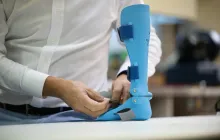
One of the most tangible benefits of robotic technology after surgery is the facilitation of early mobilization. Early movement has long been recognized as a cornerstone of recovery, helping to preserve muscle mass, maintain joint flexibility, and reduce the risk of complications such as venous thromboembolism. Robotic-assisted devices for mobilization range from autonomous bed-to-chair transfer systems to wearable exoskeletons and assistive exogait devices that guide a patient through safe, supported walking patterns. These technologies are designed to complement physical therapists by providing highly controlled, repeatable movement patterns that adapt to the patient’s tolerance level. In practice, a patient emerging from an orthopedic procedure might begin with a robotic-assisted assistive device that supports weight-bearing as needed, gradually increasing the intensity and range of motion as healing progresses. This approach minimizes the fear of movement, encourages confidence, and creates a sense of progress that is measurable and motivating. The result is not merely faster ambulation but a tailoring of activity to the patient’s anatomical realities and pain tolerances, which can mitigate the risk of setbacks that occur when movement is either rushed or underemphasized.
Beyond the inpatient environment, robotic systems can support safe mobilization at home through telemonitoring and home-based assistive devices. A connected robotic platform can track steps, range of motion, and adherence to prescribed activity regimens, transmitting data to clinicians who can adjust the recovery plan without requiring repeated clinic visits. This data-driven approach supports a continuous care model in which the patient receives timely feedback, reassurance, and clinical oversight. When integrated with patient education resources, robotic mobilization tools help patients understand the rationale for each movement, the expected sensations, and the markers of safe progression, which in turn reduces anxiety and enhances adherence to therapy protocols.
Robotic rehabilitation devices: upper limb and lower limb therapy
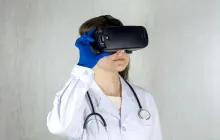
Rehabilitation after surgery often targets restoring range of motion, strength, and coordinated motor control. Robotic therapy devices for the upper limb provide repetitive, precise, and adjustable training that can be difficult to achieve with manual therapy alone. Robotic platforms can guide shoulder and elbow movements, provide real-time feedback on movement quality, and deliver graded resistance that adapts to the patient’s evolving capabilities. For lower limb rehab, robotic gait trainers, treadmill-based systems, and stationary exoskeletons offer controlled environments in which patients relearn gait patterns, balance, and propulsion. These devices can incorporate virtual reality interfaces, which enhance patient engagement and motivation by offering immersive goals and challenges. A key advantage of robotics in this domain is the ability to standardize therapy intensity and duration, ensuring consistent practice that complements the clinical judgment of therapists and surgeons. This consistency reduces the variability that can occur with manual therapy, helping to standardize outcomes across diverse patient populations.
Importantly, robotic rehabilitation is not about replacing therapists but about expanding their toolkit. Clinicians can program devices to emphasize specific movement trajectories, monitor deviations from ideal kinematics, and adjust therapy in real time as the patient fatigues or experiences discomfort. This collaborative dynamic helps preserve joint integrity, minimize compensatory patterns that could lead to secondary injuries, and encourage patients to push the boundaries of what they can accomplish within safe limits. In addition to physical benefits, robotic therapy can accelerate neuromuscular re-education, facilitating faster reacquisition of proprioceptive awareness and functional motor control after procedures such as joint replacements, ligament repairs, or spine surgeries. The combination of precise robotic guidance and human expertise creates a powerful synergy that often translates into shorter rehabilitation timelines and higher overall functional outcomes.
Monitoring, safety, and intelligent feedback loops
Safety is the cornerstone of any post-surgical recovery program, and robotics adds a sophisticated layer of monitoring and feedback that can preempt adverse events. Modern robotic systems incorporate sensors that track force, torque, velocity, joint angles, and patient-initiated cues, enabling clinicians to detect early signs of excessive strain, poor alignment, or compensatory movements. When integrated with patient monitoring platforms, these systems can trigger alerts to caregivers or clinicians if certain thresholds are exceeded, allowing for rapid intervention. The feedback loops also extend to the patient, providing immediate performance metrics such as symmetry of movement, range achieved, and time under therapy. This transparent feedback fosters a sense of agency, as patients can observe their own progress in a structured, objective manner. Such data-driven feedback can be particularly valuable for patients who may be overwhelmed by pain or anxiety but thrive on tangible signs of improvement that reinforce adherence to therapy regimens.
Another crucial aspect of safety is the ability to tailor robotic interventions to individual risk profiles. For example, patients with cardiovascular instability, obesity, or prior orthopedic complications require careful dosing of activity and precise angle limits. Robotic systems can adapt to these constraints automatically, offering slower ramp-ups and capped ranges of motion when necessary. This adaptability reduces the chance of post-operative complications and supports a safer, more confident recovery trajectory. The ability to customize therapy intensity, duration, and complexity in real time makes robotic post-operative care a versatile option across a wide spectrum of surgical procedures, from minor laparoscopic interventions to complex spinal operations.
Robotics in airway management, secretion clearance, and respiratory therapy
Respiratory recovery is a major determinant of post-surgical outcomes, particularly after procedures that involve anesthesia, chest wall restriction, or abdominal surgery. Robotics can contribute to respiratory care by providing devices that assist with airway clearance, guided breathing exercises, and cough training in a controlled manner. Robotic exhalation trainers and breathing coaching systems can pace inspiratory efforts, measure lung volumes, and encourage diaphragmatic breathing patterns. For patients with reduced mobility or limited endurance, robotic interfaces can deliver consistent, low-resistance respiratory therapy sessions that reduce the risk of atelectasis and pneumonia while gradually expanding pulmonary function. When integrated with monitoring systems, these devices can adapt to fluctuations in patient effort and fatigue, ensuring that respiratory therapy remains effective without overexertion. Importantly, the use of robotics in respiratory care helps to standardize postoperative pulmonary rehabilitation protocols, ensuring that all patients receive an evidence-based dose of therapy regardless of where they are recovering.
In advanced settings, robotic platforms may coordinate multi-modal therapy that combines respiratory exercises with cardiovascular conditioning and motor rehab. This holistic approach recognizes the interconnected nature of physiological systems during recovery and leverages automation to deliver sequential, integrated therapy sessions. The overarching goal is to prevent complications such as pneumonia and deconditioning while maintaining patient autonomy and comfort throughout the convalescent period.
Wound management and tissue healing support through robotics
Postoperative wound care remains a delicate balance between protection, monitoring, and timely intervention. Robotics contributes to this balance in several ways. Automated wound assessment systems equipped with imaging sensors can monitor wound appearance, drainage, and temperature patterns to detect early signs of infection or compromised tissue healing. Robotic assistants can facilitate dressing changes with precision, maintaining sterile technique while reducing the physical burden on caregivers. While the actual wound closure and dressing tasks still rely on skilled clinicians, robots can handle repetitive, meticulous steps that improve consistency and reduce the risk of human error. In some models, robotic platforms supervise negative-pressure wound therapy devices, ensuring proper seal integrity, pressure regulation, and timely replacements, thus optimizing healing environments without requiring constant on-site attention. These capabilities are particularly valuable in inpatient units with multiple patients, where nurse staffing constraints can delay early detection of wound complications. The result is a safer healing environment and a reduction in readmission risk due to wound-related issues.
Moreover, robotic systems can assist with scar management and tissue support by delivering targeted therapies such as localized heat, cold, or electrical stimulation in a controlled and personalized manner. A well-designed robotic wound care protocol can adapt therapy parameters to the stage of healing, patient comorbidities, and pain tolerance, ensuring that modalities contribute meaningfully to recovery without causing discomfort or tissue irritation. The integration of robotics into wound care also supports patient education, offering explanations of the healing process and visual demonstrations of how therapies contribute to recovery, which helps patients remain engaged and informed about their own care plan.
Patient experience, empowerment, and psychological aspects
The patient experience is a central dimension of postoperative recovery, and robotics can profoundly influence how patients perceive their own healing journey. The predictable, gentle cadence of robotic-assisted therapies can reduce anxiety by providing consistent routines and objective markers of progress. For some patients, robotic devices become companions that encourage activity, provide real-time feedback, and transform rehabilitation from a passive process into an active collaboration. This shift can improve mood, enhance motivation, and foster a sense of control at a moment when uncertainty about recovery is common. Clinicians often observe that patients who engage with robotic therapy report higher satisfaction with care, stronger adherence to prescribed regimens, and a more positive outlook on their futures after surgery. It is important to acknowledge, however, that individualized support remains essential, as some patients may experience technophobia or discomfort with new devices. In such cases, a gradual introduction, clear explanations, and a compassionate, patient-centered approach can help bridge the gap between technology and human needs.
Another emotional dimension concerns the perceived safety advantages of robotics. Knowing that a device can monitor vital parameters, protect joints from excessive strain, and provide rapid alerts in case of distress can relieve patients and families from constant worry. This reassurance, combined with the sense of being actively involved in one’s own recovery, can accelerate engagement in therapy and reduce the sense of helplessness that sometimes accompanies recovery. As robotic platforms become more user-friendly and visually reassuring, their acceptance among a broader range of patients is likely to increase, expanding access to high-quality postoperative care beyond specialized centers.
Clinical integration: workflow, training, and multidisciplinary collaboration
Successfully embedding robotics into post-surgical pathways requires thoughtful integration into clinical workflows. The best outcomes arise when robotic systems are aligned with established recovery protocols, surgical teams, therapists, nurses, and pharmacists. This alignment begins with careful selection of devices that match the patient population and the specific recovery goals associated with different procedures. It continues with staff training that emphasizes not only how to operate the devices but also how to interpret the data they generate, how to respond to alerts, and how to modify therapy plans based on the patient’s evolving condition. The multidisciplinary collaboration also extends to patient education, with nurses and therapists guiding patients through the use of devices, explaining what the data means, and ensuring that patients understand how to safeguard devices during daily activities. In practical terms, integrating robotics requires designated storage and charging spaces, defined cleaning and maintenance protocols, and a governance framework that addresses safety, data privacy, and device lifecycle considerations. When these elements are in place, robotics becomes a seamless element of the care team rather than an added burden or a novelty experiment.
Cost considerations, reimbursement frameworks, and health system priorities inevitably influence how widely robotic programs are adopted. While upfront investment is a factor, the long-term potential for reduced hospitalization time, fewer readmissions, and improved functional outcomes can justify a favorable return on investment. Moreover, robotics can support equitable care by enabling high-quality rehabilitation services to be delivered in diverse settings, including community hospitals and regional clinics, thereby reducing travel burdens for patients and expanding access to specialized therapies. The economic calculus must also account for device depreciation, maintenance, software updates, and ongoing training needs, all of which require careful budget planning and stakeholder engagement. Ultimately, the decision to deploy robotics in post-surgical recovery rests on a shared understanding of value among patients, clinicians, administrators, and payers, with a common goal of delivering safer, faster, and more personalized healing journeys.
Clinical trials, evidence, and outcomes: what the research shows
The evidence base for robotics in post-surgical recovery is growing and evolving. Early studies have demonstrated improvements in mobility milestones, shorter inpatient stays, and enhanced patient satisfaction in certain surgical cohorts, particularly where precise, repetitive therapy is a substantial component of recovery. Large-scale randomized trials remain essential to establish generalized benefits across procedures, patient demographics, and health care systems. In the interim, observational data and pragmatic trials offer practical insights into device performance in real-world settings, including issues related to usability, adherence, and long-term functional gains. Clinicians emphasize that robotics should be viewed as an augmentation of standard care, not a replacement for skilled hands-on therapy and careful clinical judgement. The most compelling evidence often centers on meaningful, patient-centered outcomes such as time to independent ambulation, pain trajectories, pulmonary function recovery, range of motion restoration, and the rate of return to daily activities and work. As methodologies improve and larger datasets become available, the precise contribution of robotics to post-surgical outcomes will become clearer, enabling more targeted recommendations for different surgical populations.
In addition to outcome measures, research increasingly examines patient-reported experiences, engagement levels, and the psychosocial dimensions of recovery when robotics are part of the care plan. Qualitative studies highlight how patients interpret and respond to robotic interventions, the perceived safety profile, and the ways in which technology shapes their sense of autonomy. This broader view of evidence supports a more nuanced approach to implementation, ensuring that devices are matched to patient preferences and clinical objectives. Ultimately, the pursuit of rigorous evidence is inseparable from the goal of delivering compassionate, individualized post-operative care that respects patient values while leveraging the best available technologies to promote healing.
Ethical, privacy, and regulatory considerations
As with any medical technology, robotics in post-surgical recovery raises important ethical and regulatory questions. Respect for patient autonomy, informed consent, and the right to decline robotic assistance must be preserved even as teams promote best practices. Data privacy and security are paramount because many robotic systems collect sensitive physiological information and behavioral metrics. Clear governance policies should define who can access data, how data are stored, and the circumstances under which information can be shared with family members or other care providers. From a regulatory perspective, devices that assist with rehabilitation often require validation demonstrating safety and efficacy, as well as ongoing post-market surveillance. Clinicians should stay informed about device updates, software patches, and potential changes in indications for use. Equity considerations must guide implementation to avoid widening disparities in access to advanced therapies. Thoughtful engagement with patients about expectations, potential limitations, and realistic outcomes helps maintain trust and ensures that robotics serves the patient’s best interests throughout recovery.
Moreover, the ethical dimension includes balancing the promise of automation with the irreplaceable value of human care. Robots may handle repetitive, precise, and physically demanding tasks, but the clinician’s empathy, clinical reasoning, and nuanced understanding of a patient’s unique context remain essential. The ideal model treats robotics as an enabling partner that extends the reach of compassionate care, enabling caregivers to focus more on personalized assessment, education, and moral support while machines handle the repetitive and data-rich aspects of rehabilitation. This balance fosters a healthcare environment where technology amplifies human expertise rather than replacing it, maintaining the central role of clinical judgment in every recovery plan.
Future directions: soft robotics, personalization, and adaptive care
The horizon of robotics in post-surgical recovery is bright with innovations that promise to deepen personalization and expand capabilities. Soft robotics, which employs compliant, flexible materials that safely interact with human tissue, holds particular promise for gentle assistance during sensitive rehabilitation tasks. Such systems can adapt their stiffness and grip in response to patient feedback, reducing discomfort while delivering effective therapy. In parallel, advances in artificial intelligence and machine learning enable rehabilitation devices to learn from thousands of recovery trajectories, predicting patient responses and customizing therapy sequences with remarkable precision. This adaptive approach can optimize recovery by tailoring intensity, duration, and modality to the unique healing timeline of each patient. Wearable robotics, embedded sensors, and cloud-connected platforms are likely to converge into integrated recovery ecosystems where data flows seamlessly among patients, clinicians, and researchers, creating the possibility of continuous improvement of rehabilitation protocols based on real-world evidence.
Personalization will also involve interfacing with patient-specific factors such as age, comorbidities, nutritional status, and psychosocial support systems. Recovery is not a single linear path, and future robotic programs aim to reflect this reality by offering flexible, patient-centered trajectories that accommodate fluctuations in pain, fatigue, and social circumstances. The integration of robotics with augmented reality and virtual coaching could further empower patients by providing interactive demonstrations, motivational cues, and remote supervision that feels both intimate and supportive. As these technologies mature, ethical and regulatory frameworks will evolve to ensure safety, accountability, and equitable access while preserving the human elements that are fundamental to healing. Through ongoing collaboration among surgeons, therapists, engineers, and patients, robotics can become an even more integral force in shaping resilient, efficient, and dignified recoveries after surgery.
Closing reflections: how robotics reshapes the recovery journey
Across the spectrum of postoperative care, robotics contributes to a richer recovery experience by combining precision, personalization, and patient empowerment. The ability to deliver controlled movement, monitor safety parameters, support respiratory mechanics, assist with wound care, and extend therapeutic sessions beyond traditional care settings fosters a more integrated and proactive approach to healing. Central to this transformation is the recognition that technology is most effective when it serves the patient’s goals, preferences, and values, and when clinicians guide its use with compassion, expertise, and thoughtful judgment. As research advances and real-world experience accumulates, the role of robotics in post-surgical recovery will likely become more nuanced, expanding into new domains of support while maintaining a steadfast commitment to patient safety and well being. In this evolving landscape, the patient’s recovery story is enriched by the reliable, compassionate partnership of robotic systems that shoulder repetitive burdens, augment clinical skill, and illuminate the path toward restored function and renewed vitality.