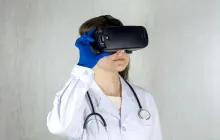
In modern healthcare, the role of the Internet of Things extends far beyond the simple accumulation of data from connected devices. It emerges as a strategic framework that intertwines operational discipline with clinical excellence, creating a fabric where devices, systems, and people collaborate in real time. Hospitals that adopt a well orchestrated IoT ecosystem transform episodic care into continuous workflows, turning scattered information into actionable intelligence. The goal is not merely to collect signals from sensors and wearables but to translate those signals into timely decisions, efficient processes, and safer patient experiences. This shift redefines what it means to manage a hospital, recasting daily routines as data driven activities that optimize both clinical outcomes and resource utilization while maintaining patient trust and regulatory compliance. The outgrowth of this transformation is a complex but coherent network of devices and software that communicate across departments, borders, and care settings, weaving together clinical care, logistics, facilities, and administration into a unified management paradigm that supports resilience, agility, and sustainable performance in a rapidly evolving healthcare landscape.
Overview of IoT in Healthcare and Hospitals
Hospital IoT encompasses a broad constellation of technologies, including sensor networks embedded in rooms and medical devices, wearable patient monitors, automated inventory trackers, smart lighting and climate systems, and gatekeeping networks that securely route information to clinical and administrative users. Unlike simpler automation tasks of the past, contemporary IoT in healthcare operates as an intelligent, interoperable ecosystem. It relies on standardized data models, secure communication protocols, and edge computing capabilities that allow processing near the source of data so that cloud based analysis can be reserved for more complex, resource intensive tasks. The essence of this paradigm is real time awareness coupled with predictive insights that anticipate potential problems before they escalate into adverse events or operational bottlenecks. When physicians, nurses, facility managers, and supply chain professionals share a common, continuously updated picture of the hospital’s state, decisions become faster, coordination improves, and the patient experience deepens through more consistent care delivery and fewer interruptions in critical workflows. This interconnected approach also helps hospitals adapt to external pressures such as seasonal surges, emergencies, and evolving regulatory requirements by providing scalable mechanisms for data aggregation and process optimization without sacrificing patient safety or privacy.
Key Technologies Enabling IoT in Hospitals
At the core of hospital IoT is a layered technology stack that includes reliable sensing hardware, robust communication networks, secure data storage, and intelligent analytics. Sensor technologies deployed in patient rooms, operating theaters, and imaging suites capture a wide array of measurements, from vital signs to environmental conditions and equipment statuses. These sensors must be durable, compliant with clinical standards, and capable of operating in demanding hospital environments. The associated networks rely on a mix of wired and wireless technologies, with redundancy built into critical segments to prevent single points of failure. Edge computing plays a pivotal role by enabling immediate interpretation of local data streams, which reduces latency and preserves bandwidth for more intensive cloud based workloads. Standardization is essential; common data models and interoperable interfaces facilitate seamless data exchange among disparate systems, such as electronic health records, laboratory information systems, radiology platforms, and facility management software. Security is embedded at every layer, incorporating encryption, device identity management, and continuous monitoring to detect anomalies without compromising patient privacy or clinical workflows. The analytical layer then leverages artificial intelligence and machine learning to derive insights, support decision making, and predict trends across patient cohorts, supply chains, and facility operations. Visualization tools translate complex analytics into intuitive dashboards that frontline staff and managers can use to act decisively, while governance mechanisms ensure that data usage aligns with ethical principles and regulatory requirements.
Applications in Hospital Management
The application space for IoT in hospital management is broad and deeply integrated with core hospital functions. In patient care, continuous monitoring networks can alert clinicians to deteriorations in real time, enabling timely interventions that reduce the risk of adverse events. In addition, IoT enhances the patient journey through smoother admission and discharge processes, better alignment of care teams, and more accurate medication administration, all while safeguarding patient comfort and dignity. For operational management, asset tracking technologies provide immediate visibility into the location and status of critical equipment, ensuring devices such as infusion pumps, wheelchairs, and portable imaging systems are available where and when they are needed. Inventory management benefits from automated stock level monitoring, expiry alerts, and just in time replenishment that minimizes waste and prevents shortages of essential consumables. From a facilities perspective, energy optimization and environmental controls can be continuously tuned based on occupancy patterns, weather, and clinical demand, resulting in healthier indoor environments and lower operating costs. Across the board, IoT enables a data driven governance model where performance indicators are monitored in real time and decisions are guided by evidence rather than conjecture. This integrated approach strengthens the hospital’s ability to deliver high quality care while maintaining financial viability and regulatory compliance, even under pressurized conditions.
Patient Care and Monitoring
In patient care, IoT devices deliver continuous data streams from wearables, bedside monitors, and smart beds, creating a dynamic picture of a patient’s status that can be observed by clinicians across shifts. Real time telemetry facilitates early detection of physiological changes such as shifts in heart rate, respiration, oxygen saturation, and blood pressure, enabling proactive interventions and reducing the likelihood of critical events. The integration of ambient sensors within patient rooms provides contextual information about the environment, including temperature, humidity, light levels, and air quality, which influence patient comfort and infection control. Data fusion from multiple sources enhances the reliability of alarms, helping clinicians distinguish clinically meaningful alerts from nuisance signals. Predictive algorithms can anticipate complications like sepsis or respiratory failure by recognizing subtle patterns across longitudinal data while preserving patient privacy through sophisticated de identification techniques. The patient experience benefits from streamlined workflows, as IoT informed bedside rounds, automated documentation, and alerting systems shorten response times and minimize manual data entry, allowing clinicians to devote more attention to direct patient interaction. In this ecosystem, the patient remains the focal point, and technology acts as an enabler that reduces cognitive load and supports safer, more personalized care plans that adapt to evolving clinical needs.
Asset Tracking, Inventory, and Supply Chain
Asset tracking and inventory management are transformed by IoT through the use of RFID, battery powered sensors, and connected asset tags that provide continuous visibility into the location, condition, and lifecycle of critical items. Hospitals can monitor the movement of equipment such as infusion devices, portable imaging units, and elicit surgical instruments, reducing time wasted searching for assets and enabling more efficient deployment during patient care. Inventory management is enhanced by automatic stock level updates, automated reordering, and expiry monitoring, which minimize waste and guarantee that essential supplies are readily available. The integration of asset data with procurement and vendor management systems creates a closed loop that supports cost containment, better utilization of capital assets, and improved contract management. For sterile supplies and operating room readiness, IoT based sterilization process tracking ensures that instruments meet regulatory standards and are traceable through the sterilization cycle, providing accountability and traceability that can be critical during audits and quality improvement initiatives. This level of visibility also enables hospitals to optimize maintenance schedules, extend the usable life of devices, and coordinate rapid replacement strategies without compromising patient safety or care continuity.
Facility Management and Energy Efficiency
IoT extends into the built environment of healthcare facilities, where smart building management systems monitor and adjust energy usage, temperature, humidity, airflow, and lighting in response to occupancy, clinical activities, and external conditions. Predictive maintenance for critical mechanical and electrical systems helps prevent unscheduled downtime, reduces the risk of sudden failures, and lowers maintenance costs by addressing issues before they escalate. Dynamic occupancy sensing informs space utilization, enabling better planning of patient flow, staff movement, and equipment positioning. Energy optimization strategies, such as demand controlled ventilation, adaptive lighting, and precooling during low cost energy periods, can deliver substantial reductions in energy consumption while maintaining a comfortable and safe environment for patients and staff. Smart environmental controls also play a key role in infection prevention by maintaining appropriate air changes per hour and filtration performance in high risk areas, where IoT data streams feed continuous quality assurance programs. The operational benefits extend to administrators who gain granular visibility into facility performance, enabling data driven decisions that align with strategic priorities, balance budgets, and support regulatory compliance related to building codes and safety standards.
Security, Privacy, and Compliance Considerations
As hospitals deploy increasingly interconnected systems, they confront a complex landscape of security, privacy, and regulatory requirements. IoT devices expand the attack surface, necessitating a layered security strategy that encompasses device authentication, encrypted data transport, secure firmware updates, and continuous threat monitoring. Data governance frameworks must ensure that patient information flows are transparent, auditable, and compliant with regulations such as HIPAA or other local privacy laws, while still enabling clinicians to access the data they need at the point of care. Identity and access management for clinicians, staff, and contractors must be carefully managed to prevent unauthorized data access, with role based permissions and context aware access controls that respond to changing risk levels. Regulatory compliance also implies robust incident response workflows, data retention policies, and rigorous vendor risk management to address third party integrations and supply chain dependencies. Balancing security with usability is essential; overly restrictive controls can impede care delivery, whereas lax controls increase risk. The optimal approach combines security by design with ongoing training, governance, and auditing to create a culture where safety, privacy, and patient trust are embedded in every IoT enabled process.
Data Management, Analytics, and Decision Support
The data generated by hospital IoT ecosystems is vast, diverse, and valuable when properly organized. A data management architecture that integrates clinical data, operational metrics, and environmental information across departments provides a foundation for advanced analytics, dashboard driven governance, and evidence based decision making. Data quality, lineage, and timeliness are critical prerequisites for reliable analytics; missing data and inconsistent formats can undermine confidence in insights. Once data is properly curated, analytics platforms can support predictive maintenance, outbreak detection, patient risk scoring, and capacity planning. Machine learning models can identify patterns across large patient cohorts that are not obvious to human analysts, offering early warnings that guide clinical interventions, staffing decisions, and supply chain adjustments. Visualization and storytelling become essential for translating complex analytics into actionable guidance for diverse users, from bedside clinicians to hospital executives. Interoperability standards enable these insights to be shared with external partners, researchers, and regional health networks, amplifying learning and enabling coordinated responses to population health challenges. In addition, governance mechanisms govern data access, model transparency, and the ethical use of AI, ensuring that algorithms support patient welfare and do not introduce biases or unintended discrimination.
Challenges and Barriers to Adoption
Hospitals face a constellation of challenges when embarking on large scale IoT deployments. Interoperability remains a central concern, as the integration of multiple devices, platforms, and software systems can be complex and costly. Legacy IT infrastructure and dated medical equipment may require substantial modernization, including updates to networks, storage, and cybersecurity controls. The financial implications are nontrivial, encompassing capital expenditure for devices and ongoing operating costs for maintenance, data storage, and software subscriptions. Change management is essential; clinicians, nurses, and administrators must trust and adopt new workflows, which requires thoughtful training, user friendly interfaces, and demonstration of tangible benefits. Data privacy concerns and regulatory scrutiny demand rigorous governance practices, with clear policies on data access, retention, and patient consent. Vendor lock in and supply chain risk add another layer of complexity, making it important for healthcare organizations to pursue open standards, modular architectures, and scalable partnerships. Finally, the human factor should not be underestimated; successful adoption relies on a culture that embraces continuous improvement, cross disciplinary collaboration, and the readiness to adapt as technologies evolve and clinical practices change.
Roadmap for Hospitals Adopting IoT Solutions
A practical roadmap begins with a clear strategy that aligns IoT initiatives with clinical priorities, patient safety objectives, and financial targets. Stakeholder engagement across clinical leadership, operations, information technology, and procurement creates a sense of shared ownership and reduces resistance to change. The initial phase should emphasize pilot projects with well defined success criteria and measurable benefits, allowing teams to gain experience with data governance, vendor management, and system integration while minimizing risk. A scalable architecture is essential, adopting a modular approach that supports incremental deployment across departments and care settings. Data security and privacy considerations must be embedded from the outset, with incident response plans, regular audits, and ongoing staff training. As deployment expands, governance structures and standard operating procedures evolve to institutionalize best practices, ensuring consistency, accountability, and continuous improvement. The procurement strategy should emphasize open standards, interoperability, and the ability to swap or upgrade components without disrupting care delivery. Ultimately, hospitals should design IoT programs around patient outcomes, operational resilience, and long term value, rather than focusing solely on technology novelty, so that investments yield durable improvements in quality, safety, and efficiency.
Future Trends and Emerging Practices
Looking forward, IoT in hospital management will be shaped by advances in connectivity, intelligence, and patient centered design. 5G and beyond will enable ultra low latency communications that unlock new possibilities for real time robotics, remote consultation, and immersive simulation training for clinicians. Edge AI will allow sophisticated inference to occur near the source of data, preserving privacy and reducing cloud based processing demands while delivering immediate, context aware guidance. Digital twins of hospital facilities and patient cohorts promise to simulate scenarios and test interventions before they are enacted, supporting planning, risk assessment, and preventive maintenance. Standardization efforts will likely accelerate the creation of interoperable ecosystems, reducing integration costs and enabling faster deployment of end to end solutions. Patient engagement will be enhanced through intelligent sensing that respects autonomy and consent, providing personalized feedback and empowering people to participate more actively in their own care. These trends collectively point toward a future where IoT enables more precise care, agile operations, and a health system that learns continuously from data, experiences, and outcomes while maintaining a steadfast commitment to safety and equity.
The Path Ahead for IoT in Hospital Management
As hospitals continue to explore and expand the role of IoT in management, they will benefit from a disciplined, human centered approach that balances technological opportunity with ethical responsibility. The path ahead involves not only refining existing capabilities, such as improving alarm reliability, accelerating data to decisions, and optimizing energy use, but also exploring emerging modalities like patient owned devices integrated with facility systems, and cross institution data sharing within trusted networks. The success of these efforts hinges on governance that maintains patient privacy, preserves clinical autonomy, and drives measurable improvements in outcomes and experiences. Hospitals that invest in resilience, staff training, and ongoing evaluation will be better positioned to respond to evolving patient needs, shifting reimbursement models, and public health challenges. In this evolving landscape, technology serves as a catalyst for better coordination, smarter use of scarce resources, and deeper insights into the factors that influence safety, quality, and satisfaction in healthcare. The ultimate value of IoT in hospital management will be realized when each data point translates into an improved moment of care, a safer environment, a more efficient operation, and a more trusted relationship between patients, clinicians, and the institutions that care for them.