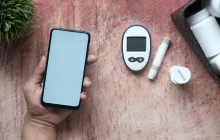
Over the past decade, wearable glucose monitors have evolved from novelty devices into essential tools for millions of people living with diabetes and for researchers exploring metabolic health. The convergence of microelectronics, materials science, and data science has transformed how glucose levels are tracked, interpreted, and used to inform daily decisions. Today’s wearables blend miniature sensors, flexible substrates, odorless adhesives, and unobtrusive forms to deliver continuous streams of glucose information, while improving user comfort, reducing calibration burdens, and enabling data to flow seamlessly into smartphones and care networks. This article explores the innovations reshaping wearables, from sensing modalities and materials to analytics, power strategies, and the evolving regulatory and ethical landscape that governs their development.
Historical Context and Current Landscape
The early era of glucose monitoring relied on fingerstick tests and bulky devices that offered limited snapshots rather than meaningful trends. The emergence of continuous glucose monitoring brought a fundamental shift, allowing a patient’s glucose trajectory to be observed throughout the day and night. The modern wearable revolution extends this concept by embedding sensors into skin-adjacent patches, wristbands, or even garments, aiming to reduce friction and intrusion while maintaining accuracy across diverse activities and environmental conditions. The current ecosystem is characterized by a growing spectrum of products, each with distinct sensor principles, data paradigms, and integration capabilities. Some devices emphasize patch-like minimalism and direct contact with the dermal layer, while others rely on noninvasive optical principles that attempt to infer glucose concentrations through intact skin or interstitial fluids. Across this landscape, cross-disciplinary collaboration between clinicians, engineers, data scientists, and user-experience designers has become essential for translating laboratory innovations into real-world benefits. The result is a broader acceptance of wearables as not only medical devices but everyday health companions that can prompt lifestyle adjustments, inform medication decisions, and empower patients to participate actively in their care.
Technological Foundations
At the core of wearable glucose monitoring lies a delicate balance between sensitivity, specificity, and comfort. Traditional electrochemical sensors, which rely on enzymatic reactions to generate electrical signals proportional to glucose concentration, have demonstrated reliable performance in hospital-grade meters and some commercial CGMs. The wearable variants, however, challenge engineers to adapt these reactions for subcutaneous or transcutaneous contexts, where the sensor must withstand mechanical deformation, sweat, temperature fluctuations, and skin movements. Advances in flexible electronics, microfabrication, and biocompatible adhesives enable sensor arrays to conform to irregular surfaces and maintain stable contact for extended periods. In parallel, noninvasive optical approaches seek to detect glucose through light-based interactions with tissue—be it near-infrared absorption characteristics, Raman scattering signatures, or fluorescence changes in targeted probes. Each modality carries unique trade-offs: electrochemical methods often demand calibration and enzymatic stability, while optical methods aim for calibration-free operation but must contend with tissue scattering, water content, and motion artifacts. The ongoing exploration of hybrid sensors that couple enzymatic detection with optical verification promises to improve robustness, offering multiple data streams that can be fused by algorithms to yield more accurate glucose estimates in real-world usage.
Material science plays a pivotal role in determining both the responsiveness of the sensing layer and the comfort of wearables. Flexible polymers, hydrogels, and elastomeric substrates can house microelectrodes and microfluidic channels while bending with the skin. Biocompatible adhesives and breathable membranes reduce skin irritation and infection risk, enabling longer wear times. Emerging materials such as graphene and other two-dimensional conductors provide high surface area, low noise, and the potential for ultra-thin, transparent sensors that can be integrated into fashion-forward devices without sacrificing performance. The integration challenge extends beyond the sensing element to the entire system power budget, where energy-efficient electronics, low-noise amplifiers, and wireless interfaces must harmonize with form-factor constraints. In this landscape, the sensing element is just one piece of a broader platform that includes data storage, protection against environmental moisture, and secure channels for transmission to the user’s mobile device or cloud environment.
Non-invasive Sensing Modalities
Non-invasive approaches to glucose monitoring have attracted substantial investment and interest because they promise to reduce the burden of calibration and the risk of local tissue injury. Near-infrared spectroscopy techniques probe how glucose and surrounding tissues absorb light at specific wavelengths, extracting change signals that correlate with glucose fluctuations. However, the skin’s layered structure and varying pigmentation create complex signal paths, requiring sophisticated calibration strategies and advanced signal processing to separate glucose-related changes from confounding factors such as hydration status and ambient light. Optical methods are increasingly augmented by machine learning to differentiate subtle patterns and improve accuracy over time, especially as more users accumulate diverse datasets under real-world conditions. Raman-based methods offer another pathway by detecting fingerprint-like vibrational signatures of glucose molecules, but their practical deployment has been slowed by limited signal strength and the need for precise optical alignment. Time-resolved fluorescence techniques can improve specificity by analyzing how certain fluorescent probes respond to glucose variations, enabling dynamic sensing in a minimally invasive context when paired with skin-friendly carriers. Each optical approach contributes valuable insights, and the most successful devices often employ multimodal sensing that integrates optical data with electrochemical or impedance measurements to triangulate glucose levels with greater resilience to noise and motion.
Transdermal and microneedle strategies represent another branch of non-invasive breakthroughs. Ultra-thin microneedle patches barely breach the stratum corneum, delivering minimal invasiveness while sampling interstitial fluid that more closely tracks blood glucose than surface measurements alone. By combining microfuel-like power sources, flexible readout circuits, and compact storage, these patches can deliver continuous data streams for extended periods. The goal remains to achieve error margins compatible with clinical needs while preserving user comfort and skin health. Temperature compensation, hydration monitoring, and contact quality sensing are among the features that help these modalities maintain reliable performance over hours and days. As wearables proliferate, clinicians expect that consistent performance across skin tones, age groups, and activity levels will become a central design criterion, driving research into adaptive calibration routines and personalized baselines that evolve with the user’s physiology.
Sensors and Materials Innovation
Beyond sensing modality, the materials that cradle the electronics dictate wearability and durability. Flexible substrates such as polyimide, PET, or newly developed stretchable polymers allow circuits to bend and twist with joints without compromising electrical integrity. Conductive inks and printed electronics enable rapid, scalable manufacturing on curved surfaces, reducing costs and enabling mass customization. Biocompatible adhesives must strike a balance between secure attachment and skin health, enabling users to wear devices overnight or during intense physical activity. Water resistance and abrasion resistance are non-negotiable for daily wear, which pushes the design toward encapsulated or sealed sensor stacks that keep moisture out while letting the skin breathe. Microfluidic channels embedded within the device can manage sample collection from interstitial fluid or sweat, enabling more precise calibration and reducing the impact of environmental variables. The integration of energy storage, signal processing, and radio communication within a thin, wearable footprint remains a central engineering challenge, but recent breakthroughs in low-power chips, energy harvesting concepts, and wireless charging bring us closer to truly autonomous wearables that can operate for extended periods without frequent maintenance.
In parallel, advances in data encapsulation and hardware security protect sensitive health information. As wearables become more capable, the potential for cyber threats grows, making secure authentication, encrypted data transmission, and robust access controls essential parts of device design. Engineers are increasingly incorporating tamper-evident elements and privacy-preserving data-sharing models to reassure users and clinicians that glucose data will be managed responsibly. The hardware-software interface also benefits from interpretable algorithms and transparent calibration routines that help users and clinicians understand how readings are derived, increasing trust in the technology and encouraging sustained engagement with continuous monitoring regimes.
Data Processing, AI, and Personalization
Data processing is the heartbeat of modern glucose wearables. Raw signals from sensors are subjected to a sequence of calibration, filtering, and fusion steps to yield a clinically meaningful glucose estimate. Traditional calibration approaches often require periodic fingerstick checks; however, contemporary devices increasingly rely on adaptive algorithms that learn a user’s physiological response and environmental influences over time. Machine learning models can correct systematic biases, identify headroom for improvement, and provide predictive insights such as the likelihood of impending hyperglycemia or hypoglycemia events. The personalization facet is crucial because glucose dynamics vary widely among individuals due to differences in tissue perfusion, skin properties, ambient temperature, and daily activity. On-device processing reduces latency and preserves privacy, while cloud-based analytics enable more intensive processing on aggregated data and support research efforts. The best systems blend edge intelligence with secure cloud services, ensuring that users experience fast, reliable feedback while benefiting from large-scale pattern discovery and population-level benchmarks. In addition to glucose trends, wearables increasingly capture contextual data such as heart rate, sleep quality, and physical activity, which can enrich models and support holistic health management without overwhelming the user with notifications. The user experience then becomes an orchestration problem: timely alerts, intuitive visualizations, and actionable recommendations that fit naturally into daily routines rather than interrupt them.
Interpretability and clinical relevance are central to adoption. Clinicians seek not only accurate point readings but also meaningful summaries that translate into therapeutic decisions. Explainable AI approaches help by outlining how a prediction was formed and indicating the confidence interval around a given estimate. This transparency is essential when push notifications suggest changes to insulin dosing or dietary choices, because patient safety depends on clear, trustworthy guidance. To support healthcare integration, wearables must align with established care pathways, share interoperable data formats, and present detailed event logs that clinicians can review during visits. The result is a collaborative ecosystem where digital health tools augment standard care rather than complicate it, enabling a more proactive, data-driven approach to diabetes management.
Power, Form Factor, and User Experience
Power efficiency is a perpetual constraint for wearable devices. Battery life directly influences user adherence, and users are more likely to wear a sensor consistently when it feels barely noticeable and requires minimal maintenance. Advances in ultra-low-power processors, energy-aware software, and efficient wireless communications help devices run longer between charges. Some designs explore backscatter or passive energy transfer to eliminate batteries entirely, while others use compact rechargeable cells that can be refueled with wireless charging or simple USB interfaces. The form factor is equally important; sleek, skin-conforming patches with breathable layers and discreet aesthetics help reduce the social frictions that sometimes accompany medical devices. The best wearables disappear into daily life, acting as invisible observers rather than cumbersome instruments. To support sustained use, designers emphasize comfort in all conditions, from hot weather to vigorous exercise, and ensure that materials resist degradation from sweat, oils, and friction. User experience is further enhanced by thoughtful notification strategies, long-range connectivity, and reliable synchronization with mobile apps, electronic health records, and telemedicine platforms. When users feel supported by a device that respects their routines, adherence improves and the data landscape becomes richer and more actionable for both patients and clinicians.
Clinical Validation, Regulation, and Standards
As wearables move from concept to routine clinical tools, rigorous validation and regulatory oversight become essential. Clinical studies are designed to evaluate accuracy, repeatability, and robustness across diverse populations, including variations in skin tone, age, body mass, and comorbid conditions. Regulatory pathways emphasize that a device provides clinically meaningful information and does so with a predictable level of performance. In some jurisdictions, this translates to clearance or approval for specific indications, while in others it emphasizes post-market surveillance and ongoing performance monitoring. Beyond regulatory milestones, standards bodies are shaping interoperability and safety benchmarks that encourage manufacturers to align with common data formats, secure communication protocols, and consistent calibration methods. This harmonization reduces barriers to adoption, especially in integrated care settings where glucose data must harmonize with electronic health records, pharmacotherapy systems, and decision-support tools. A robust validation framework also fosters clinician trust, which is crucial for integrating wearables into chronic disease management plans and reimbursement pathways. When clinicians can rely on standardized metrics and transparent reporting, wearable technologies find a clearer path toward long-term integration into patient care strategies.
Ethical and safety considerations accompany clinical validation. Researchers and developers are increasingly attentive to skin integrity, infection risk, and the potential for device-induced irritation. User education becomes a pillar of safe deployment, with clear guidance on wear schedules, skin care, and when to remove a device for rest. Equity in access remains a priority, prompting efforts to reduce cost and ensure that advanced monitoring technologies reach underserved populations. The regulatory narrative thus encompasses not only technical performance but also governance, transparency, and accountability, reflecting the broader aim of wearable glucose monitors to support sustainable, patient-centered care while upholding high standards for safety and privacy.
Privacy, Security, and User Empowerment
Today’s wearables traverse a sensitive boundary between health monitoring and personal data ecosystems. Glucose data can reveal intimate aspects of daily life, including dietary habits, activity patterns, and sleep quality. Protecting this information requires layered security measures, from secure enrollment and data encryption to granular consent models that let users decide which data are shared, with whom, and for what purposes. Privacy by design principles are increasingly embedded in device firmware and accompanying apps, with clear policies about data retention, anonymization, and usage rights. Beyond technical safeguards, user empowerment comes from transparency about how algorithms operate and what factors influence readings. When users understand the data lineage and can control where their information flows, they gain confidence in the technology and are more likely to engage consistently with monitoring. Interoperability also plays a critical role: devices that support open standards enable users to integrate glucose data with other health platforms, which can amplify the value of the information and facilitate coordinated care, while still preserving privacy protections. As wearables become more pervasive, the balance between data portability and individual rights remains a central ethical consideration that shapes design choices and policy development.
Future Directions and Global Health Impact
The trajectory of innovations in wearable glucose monitors points toward closer integration with therapy pipelines and more proactive health management. Closed-loop systems that couple continuous glucose data with automated insulin delivery—sometimes referred to as artificial pancreas ecosystems—are moving from research settings toward real-world usage, with safety features, failsafes, and clinician-guided protocols designed to minimize risk while maximizing glycemic control. Beyond insulin-centric care, a broader vision includes multi-omics sensing and metabolic profiling, where glucose data coexists with markers of hydration, electrolyte balance, and inflammatory status. Such integration could enable more responsive lifestyle recommendations, personalized nutrition, and early detection of metabolic disturbances. The capacity to calibrate and validate sensors across diverse populations will be essential to avoid disparities in performance, ensuring that wearables deliver accurate information for children, older adults, people with skin conditions, and those living in regions with limited access to healthcare infrastructure. Global health implications extend to remote monitoring programs, disaster relief scenarios, and community-based health initiatives where simple, reliable, noninvasive sensors can support early intervention and empower communities to manage chronic conditions more effectively.
In addition to medical benefits, wearables in glucose monitoring have the potential to broaden our understanding of metabolism as a dynamic, context-dependent process. As researchers accumulate longitudinal datasets that link glucose trajectories to lifestyle, environmental exposures, sleep patterns, and psychosocial factors, new insights may emerge about disease prevention and wellness optimization. The ongoing collaboration among device manufacturers, clinical researchers, patient advocacy groups, and policymakers will be vital to translating these insights into accessible technologies, appropriate care pathways, and sustainable models of reimbursement. Ultimately, innovations in wearable glucose monitors aspire to reduce the burden of disease, improve quality of life, and empower individuals to participate more fully in their health journeys, all while maintaining rigorous scientific standards and responsible stewardship of personal data.