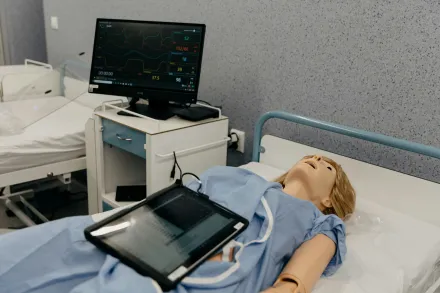
Foundations of Smart Hospital Architecture
In the evolving world of healthcare delivery, a smart hospital system embodies a layered ecosystem where physical infrastructure, digital platforms, and human expertise align to improve outcomes. At its core, a smart hospital combines pervasive sensing, real time data capture, and intelligent orchestration to transform pockets of care into an interconnected network. Walls become carriers for environmental sensors, patient rooms host smart devices, and corridors buzz with cameras and beacons that respect privacy while enabling timely responses. The architecture emphasizes modularity so new devices can join the network with minimal friction, while governance ensures that data ownership, access, and consent are preserved even as the system scales across departments and campuses. Edge computing brings decision making closer to the point of care, lowering latency for critical alerts and reducing bandwidth demands for central servers. The cloud remains a powerful repository for archival data, analytics, and cross facility benchmarking, but it operates within a secure boundary where encryption, identity management, and role based access control govern every transaction. This foundation creates a resilient fabric where clinicians can rely on reliable connectivity, accurate data, and coherent workflows rather than ad hoc improvisation. The design also anticipates the inevitable growth of autonomous tools, so standards and interoperability choices are made with future devices and software in mind, enabling a horizon where new sensors, actuators, or care assistants can be integrated without a complete rework of the system. The result is a platform that does not merely collect information but curates it into actionable intelligence that surgeons, nurses, pharmacists, and administrative staff can use in real time to make better decisions while patients experience smoother journeys through their care.
Beyond technical schematics, the human element drives resilience in smart hospital design. Interdisciplinary governance councils shape policies that blend clinical priorities with cybersecurity, privacy, and ethical considerations. Reliable physical infrastructure—like robust power supplies, climate control, and redundant network paths—works in concert with software that monitors health of the system itself, alerting leaders to potential outages before they impact patient care. A successful architecture embraces continuous improvement via feedback loops that integrate frontline experiences with high level analytics, ensuring that the system evolves as clinical practices, patient expectations, and regulatory landscapes shift. In practice, this means clear accountability, well documented change management, and a culture that treats data as a public good guided by patient safety as the ultimate north star. The outcome is not only a technologically sophisticated environment but also a sustainable ecosystem that clinicians trust and patients experience as seamless and supportive.
Adaptive Patient Care through AI and Data Analytics
Healthcare increasingly leverages artificial intelligence to interpret complex signals and to learn patterns from vast amounts of clinical and operational data. AI models can sift through imaging studies, laboratory trends, vital signs, and patient narratives to highlight anomalies that might escape human attention or to predict deterioration before it becomes critical. In practice, adaptive care means care plans that dynamically adjust to a patient’s evolving status, drawing on real time data from monitoring devices, medication administration records, and the patient’s own reported symptoms. Clinicians access concise, context rich dashboards that surface the most relevant information with interpretability features that explain why a recommendation emerges, reducing the cognitive load during busy shifts. Data analytics also power population health insights inside the hospital by identifying clusters of risk, evaluating the effectiveness of interventions, and guiding quality improvement initiatives. As models mature, they become embedded into clinical decision support tools that offer recommendations with transparent confidence levels, enabling clinicians to balance evidence with judgment and patient preferences. The ethical use of AI requires continuous validation, diverse training data, and monitoring to prevent biases that could unfairly influence care trajectories, while the system maintains strict audit trails so every decision is traceable.
In ongoing practice, AI driven insights extend into operational realms where patient flow, bed management, and staffing align with demand in real time. Predictive analytics anticipate surges in patient volume and adjust resource allocation accordingly, while natural language processing helps extract meaningful information from clinical notes and clinician communications to refine care pathways. The challenge remains to design AI systems that are transparent, explainable, and aligned with clinical workflows, so that they assist rather than obstruct the clinical team. Continuous learning pipelines ensure that models evolve with new data without compromising safety, and governance frameworks ensure accountability for the decisions that originate from algorithmic recommendations. The result is not a replacement for clinical judgment but an augmentation that amplifies human expertise, fosters timely interventions, and enhances patient safety through smarter, data informed actions.
Intelligent Medical Devices and IoT in the Hospital Ecosystem
The modern hospital floor hosts an array of smart devices that communicate through robust networks to deliver timely information and automate routine tasks. Vital sign monitors, infusion pumps, wearable patches, smart beds, and environmental sensors form an integrated fabric that reports status and triggers alerts when safety thresholds are crossed. Internet of Things concepts enable devices to self organize, calibrate, and share context, so a single event such as a drop in a patient’s blood pressure can cascade appropriately to clinicians, pharmacy, and care coordinators. In practice this means fewer manual checks, reduced alarm fatigue through intelligent aggregation, and more precise dosing through telemetry linked to patient physiology. However, the abundance of connected devices also raises concerns about reliability, cyber risk, and device compatibility, which are mitigated through rigorous validation, standardized communication protocols, and ongoing firmware management. Hospitals adopt secure wrappers around devices so that data flows are consistent, authentic, and traceable, preserving patient safety while unlocking the benefits of real time monitoring, remote diagnostics, and proactive maintenance. The net effect is a more responsive care environment in which devices not only perform dedicated tasks but participate as proactive agents that contribute to safety, efficiency, and patient engagement.
Healthcare systems also face the need to harmonize device lifecycles with clinical workflows. Asset tracking, predictive service scheduling, and automated calibration routines reduce downtime and extend the useful life of critical equipment. The IoT landscape supports rapid prototyping of new care models, enabling clinicians to test innovations in controlled pilot environments before scaling up. As connectivity becomes pervasive, vendors and hospital IT teams collaborate to ensure that data generated by devices can be contextualized with patient records, imaging data, and laboratory results so that the whole organism of care can be understood rather than viewed in isolated silos. The outcome is a more agile environment where devices act as intelligent partners, translating mechanical performance into meaningful clinical signals and enabling more precise, timely, and personalized care.
Smart Rooms and Environment for Patient Recovery
The patient room becomes a smart environment that supports comfort, dignity, and recovery through thoughtful integration of technology. Lighting that adjusts with circadian rhythms reduces sleep disruption, noise levels are managed through adaptive acoustics and patient centered scheduling of routine disturbances, and climate control responds to both comfort and infection control needs. Interactive displays provide patients with clear information about their care plan, test results, and education resources, while privacy controls ensure that sensitive information is visible only to those who require it. Smart beds monitor movement, respiration, and weight distribution to detect risk of falls or pressure ulcers, prompting timely interventions. Anesthesia recovery suites, post anesthesia neural monitoring, and recovery rooms can be connected into the same ecosystem so signals from different stages of care feed into a unified picture of a patient’s trajectory. The design aims to empower patients to participate in their own care by giving them access to understandable explanations of their conditions and progress, while still preserving the critical human connection that lies at the heart of compassionate medicine.
Beyond comfort, smart rooms play a crucial role in safety and efficiency. Precise environmental control reduces infection risk while improving patient satisfaction, and integrated nurse calls enable rapid escalation when concerns arise. Modular room components allow facilities to adapt spaces for different specialties without major renovations, supporting a hospital’s ability to respond to evolving clinical programs. The result is a patient experience that feels personalized yet consistently safe, where technology lowers friction and enhances communication between patients and caregivers.
Robotics, Automation, and Workforce Support
Robotics and automation extend the reach of clinicians by performing repetitive, precision based, or dangerous tasks with consistency and accuracy. Mobile robots can transport supplies, deliver medications, and assist with patient transport, freeing nurses to spend more time with patients. Robotic assistance in the operating room supports delicate maneuvers, image guided procedures, and sterile workflow, while automated labs accelerate testing cycles and reduce manual handling errors. Beyond the physical devices, automation orchestrates workflows—scheduling, supply chain replenishment, and documentation—so tasks occur in the correct sequence and at the right time. This capability reduces bottlenecks, improves throughput, and helps hospitals cope with rising demand while maintaining safety and quality. The integration of robotics with AI enables adaptive assistance that learns from each clinical scenario, while human oversight preserves professional judgment, ensuring technology remains a support rather than a replacement for skilled care. The growth of automation must be accompanied by careful change management that includes training, acceptance, and consideration of the emotional and ergonomic needs of workers who interact with new systems.
As automation matures, collaborative robots or cobots work alongside humans to handle tasks that require precision and endurance. They can operate within sterile fields under supervision, assist with imaging equipment calibration, and support rehabilitation activities with consistent timing and feedback. The deployment of robots is most effective when clinicians are involved early in the design process, ensuring that devices complement rather than disrupt established routines. A human centered approach to robotics emphasizes safety, empathy, and clear delineation of responsibilities so that the technology elevates the overall care experience and helps teams focus on what matters most: the patient.
Clinical Decision Support and Diagnostics
Clinical decision support systems provide clinicians with real time guidance that integrates patient data, the latest evidence, and local practice patterns. By correlating symptoms, history, imaging findings, and laboratory metrics, these tools highlight potential diagnoses, propose differential considerations, and suggest investigations or treatments aligned with best practices. As diagnostic devices produce increasingly rich data, decision support can triangulate information from multiple sources to reduce diagnostic uncertainty and speed up appropriate interventions. Visual analytics, risk scoring, and predictive indicators enable early action when a patient’s trajectory begins to diverge from normal expectations. To maintain clinical credibility, decision support must offer transparent rationale, provenance for data sources, and the ability for clinicians to override suggestions when necessary, preserving professional autonomy and patient safety. The usability of these tools depends on a design that minimizes cognitive load, presents information succinctly, and supports rapid decision making in high pressure environments. As precision medicine expands, decision support also embraces genomic data and pharmacogenomics to tailor therapies to individual patients while upholding ethical standards and patient preferences.
Clinical decision support further integrates with imaging and laboratory information systems to present a unified view that guides management. Advanced decision aids can help clinicians assess risk for adverse drug events, identify opportunities for early sepsis intervention, and optimize ventilator strategies in critical care, always with the caveat that these tools are advisory and must be interpreted within the clinical context. The ongoing challenge is to maintain trust by ensuring that recommendations are explainable, reproducible, and consistent with the evolving standard of care, while ensuring that the human clinician remains the ultimate authority in life and death decisions. The convergence of data sources and decision support fosters a culture of continuous learning where every patient encounter contributes to a broader picture of best practice.
Interoperability, Standards, and Data Governance
Interoperability stands as a cornerstone of smart hospitals because disparate systems must speak a common language to create a seamless patient journey. Harmonizing data formats, message schemas, and authentication methods enables information to flow across departments, facilities, and even external partners. Standards such as FHIR for health data exchange and DICOM for imaging underpin the ability to assemble a comprehensive view of a patient, while gateway components translate between legacy systems and modern API driven services. Data governance ensures that data quality, lineage, and stewardship are upheld. Clear policies about who may access data, under what conditions, and for what purposes prevent leakage and misuse while enabling legitimate research, quality improvement, and operational optimization. The architecture must also address data timeliness, accuracy, and completeness so clinical decisions are based on trustworthy information. In practice, interoperability supports patient mobility, continuity of care across transitions, and the ability to aggregate insights for hospital wide performance management. When implemented thoughtfully, it creates an environment where data can be harnessed to improve outcomes without compromising safety or privacy.
Real world interoperability also entails effective vendor coordination, clear service level agreements, and robust testing environments that simulate complex care scenarios before changes are released into production. It demands governance that is proactive, not merely reactive, so that patient safety is never compromised by misaligned data interpretations or broken integrations. Teams learn to map clinical workflows to technical capabilities, ensuring that technology enhances rather than disrupts care processes. The cumulative effect is a hospital where information traverses systems with fidelity, clinicians can assemble accurate patient stories quickly, and research teams have access to rich, deidentified data sets that accelerate discovery while rigorously protecting patient privacy. This harmonized competence forms the backbone of scalable, sustainable innovation.
Cybersecurity and Privacy in Connected Hospitals
With the flood of connected devices and cloud based services, robust cybersecurity and privacy protections are non negotiable components of modern hospital systems. Strategies emphasize defense in depth, regular vulnerability assessments, and continuous monitoring for anomalous activity. Identity and access management governs who can view or modify data, while encryption protects data both at rest and in transit. Incident response planning, backup and disaster recovery, and business continuity measures ensure resilience even when a breach or outage occurs. Privacy by design means contemplating patient consent, deidentification, and data minimization from the earliest stages of system development, ensuring that only necessary information is collected and retained. Training and culture are essential because human error remains a common factor in security incidents; ongoing education helps staff recognize phishing attempts, manage credentials, and follow secure procedures. The result is a hospital ecosystem that can advance innovation while keeping patient information safe and maintaining public trust.
As security practices mature, organizations adopt zero trust models, continuous risk assessment, and automated threat detection that adapts to evolving tactics used by adversaries. Regular tabletop exercises, red team testing, and governance audits reinforce a culture of preparedness, while privacy impact assessments ensure that new features respect patient autonomy and rights. The dynamic balance between openness for innovation and protection for individuals requires leadership that communicates transparently about risks and mitigations, ensuring that patients understand how their data supports better care without compromising their dignity. The ongoing commitment to cybersecurity becomes part of the hospital’s identity, reinforcing reliability as a core value alongside clinical excellence.
Future Trends and Integration with Public Health
Looking ahead, smart hospital systems will increasingly blend clinical care, operational intelligence, and population health in ways that extend beyond individual facilities. Real time analytics will anticipate seasonal surges, optimize staffing, and coordinate supply chains to reduce waste. Predictive maintenance for devices and infrastructure will help avert outages before they impact care, while autonomous logistics will ensure that essential items are where they are needed without delays. The patient experience will continue to benefit from more intuitive interfaces, personalized education, and greater transparency about treatment options, costs, and expected outcomes. On a larger scale, hospitals will participate in health information networks that share de identified data for research and public health surveillance, with strong governance to protect privacy while enabling rapid responses to disease outbreaks or environmental threats. Collaboration with community partners, researchers, and policymakers will shape standards and incentives that accelerate meaningful improvements in care quality, patient safety, and access. The convergence of these capabilities will create a learning health system in which insights drawn from daily practice continuously refine guidelines, workflows, and patient experiences.
As innovations mature, a broader ecosystem emerges where regional health ecosystems integrate hospital data with community care providers, pharmacies, and social services to address social determinants of health. The role of digital twins and simulation platforms grows, allowing hospitals to prototype new care pathways, test resource allocation, and forecast the impact of policy changes before they are enacted. The result is a healthcare landscape where data driven insights inform not only individual treatment decisions but also strategic planning at scale, ultimately reducing disparities, improving outcomes, and delivering care with greater equity and efficiency. The evolution of public health collaboration ensures that lessons learned within one hospital can ripple outward to benefit neighboring institutions and the populations they serve.
Challenges, Adoption, and Change Management
Even with compelling technical possibilities, real world adoption faces cultural, financial, and logistical hurdles that demand thoughtful strategies. Hospitals must justify the return on investment of smart technologies through measurable improvements in safety, efficiency, and patient satisfaction, while recognizing that capital expenditures must be balanced against ongoing operating costs. Change management requires clear leadership, inclusive planning, and frontline engagement so clinicians and staff see technology as a partner rather than a threat. Data integration across departments may reveal incompatibilities or data quality gaps that require targeted remediation before wide scale deployment. Training programs must be designed to fit the rhythms of busy healthcare environments, offering hands on experience and ongoing support rather than one off sessions. Regulatory compliance, reimbursement models, and procurement practices influence the pace of implementation as does the need to align new systems with existing workflows to avoid unintended friction. The long term success of smart hospital systems depends on governance structures that empower clinicians, IT professionals, and administrators to collaborate, iterate, and continuously improve without sacrificing safety or patient trust.
In the journey toward widespread adoption, leadership must cultivate a culture that values patient centered care alongside data driven innovation. Stakeholders ranging from frontline nurses to executive sponsors need clear narratives about benefits, risks, and responsibilities, and the governance framework must remain adaptable as new technologies evolve. Financial planning becomes an ongoing discipline that balances upfront costs with long term savings and value creation, while pilots and phased rollouts help minimize disruption and build organizational confidence. Finally, patient engagement remains central; communicating the purpose of smart hospital systems, how data is used, and how safety is maintained helps to preserve trust and encourage active participation in care. This approach ensures that technology serves people, not merely implements novelty for its own sake.
Ethical and Social Impacts
As hospitals become more data driven and automated, ethical considerations rise to the forefront. Ensuring equity in access to advanced care, avoiding algorithmic biases, and preserving patient autonomy require deliberate design choices and ongoing oversight. Transparency about how AI systems make recommendations helps patients and clinicians understand the rationale behind decisions, while ensuring that accountability remains clear in case of error. The social context of technology adoption includes the impact on the workforce, patient privacy expectations, and the potential for surveillance that extends beyond the clinical setting. Respecting human dignity means maintaining a humane bedside culture even as digital tools proliferate, and ensuring that technology amplifies the clinician’s capacity to provide compassionate care rather than replacing the human elements that patients value. Active stakeholder engagement, ethical review processes, and adherence to professional standards anchor the investment in innovation to outcomes that matter to patients and communities.
Ethical considerations also extend to data sharing and research practices. Deidentification techniques must be rigorous enough to prevent reidentification while still enabling meaningful analyses, and consent processes must be clear about how information will be used for care improvement, research, and system optimization. The societal stakes involve balancing the potential benefits of rapid learning with the protection of personal information, particularly for vulnerable populations who may already face barriers to care. By foregrounding equity, transparency, and accountability, smart hospital innovations can deliver benefits that are broadly shared, avoiding the traps of privilege or exclusion that can accompany highly automated systems. The ongoing dialogue among clinicians, patients, technologists, and policymakers helps ensure that innovation remains aligned with public values and human-centered goals.