Overview: from gadgets to integrated health ecosystems
The home environment has undergone a remarkable transformation as digital health technologies migrate from specialized clinics into the fabric of daily life. Connected sensors, intelligent hubs, and cloud-backed analytics empower individuals to monitor vital signals, track activity, and receive personalized guidance without stepping away from their routines. This shift is not merely about collecting data; it is about turning streams of measurements into meaningful narratives that users can understand, trust, and act upon. The emerging ecosystems emphasize continuity of care, enabling smoother handoffs between self monitoring at home and professional oversight when needed.
What makes these developments compelling is the convergence of several capabilities: accurate sensing in non clinical settings, reliable wireless communication that works across rooms and walls, secure data handling that respects privacy, and software experiences designed to be approachable for all ages. When a wearable, a smart bathroom scale, an environmental sensor, and a voice assistant share a common platform, the result is a holistic picture of health that spans physical fitness, chronic disease management, environmental exposures, and mental well being. This integrated approach helps users notice subtle shifts in health status before they become acute problems, while providing clinicians with timely information that can refine care plans and support remote decision making.
Advances in Wearable Health Sensors
Wearable health sensors have evolved from simple step counters to sophisticated multi parameter devices capable of capturing cardiovascular, respiratory, and metabolic signals in real time. Modern wearables deploy photoplethysmography to estimate heart rate and arterial oxygen saturation, while some models incorporate electrocardiography to detect irregular rhythms. Advances in flexible electronics and bio compatible materials enable sensors to be embedded into textiles, wristbands, or even adhesive patches that conform to the skin with minimal irritation. Battery life has improved dramatically, supported by energy efficient sensors, low power microprocessors, and wireless charging options that reduce the friction involved in daily use.
Beyond the core metrics, wearables are increasingly able to infer context that enriches interpretation. Through motion sensors and skin temperature measurements, they can deduce sleep quality, stress levels, hydration status, and physical exertion. AI driven analytics on the device or in the cloud fuse these signals with user stated goals or medical history, producing personalized feedback that becomes part of daily routines. The challenge remains to balance accuracy with comfort, ensuring that devices remain visible enough to be worn consistently while preserving privacy and data sovereignty. As designs become more modular, users can add or remove sensors to tailor devices to their needs, expanding capabilities without buying entirely new systems.
Smart Blood Pressure and Cardiovascular Monitoring
Home blood pressure monitoring has entered a new era through devices that connect seamlessly to mobile apps and clinical portals. Traditional cuffs are being complemented or even replaced by cuffless approaches that estimate blood pressure from pulse transit time, a measurement derived from the time it takes for the arterial pulse to propagate between two sites. While cuff based devices remain the standard for validation, cuffless solutions are increasingly offered as convenient options for continuous monitoring, enabling users to track day to day fluctuations and correlate them with activity, medication, and sleep. These capabilities are complemented by reminder systems, trend visualization, and automatic report generation that can be shared with healthcare providers to support remote management of hypertension and related cardiovascular conditions.
In addition to blood pressure, comprehensive cardiovascular dashboards pull together resting heart rate, variability, rhythm analysis, and activity levels to create a risk aware profile. AI driven insights can highlight patterns such as morning blood pressure spikes or nocturnal heart rate changes that warrant clinical attention. Such integrations require careful calibration and validation to avoid over interpretation, and they depend on robust privacy controls and consent models. The result is a more proactive approach to heart health at home, where small, timely actions can yield meaningful long term benefits and reduce the burden on in person visits.
Diabetes Management and Glucose Monitoring at Home
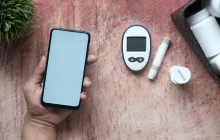
For people with diabetes, home based monitoring has evolved from intermittent finger stick checks to continuous data streams that integrate with insulin delivery and dietary planning. Continuous glucose monitors provide near real time readings that can be paired with smart pens or insulated reservoirs to support automated insulin dosing in some systems. This continuous feedback loop enables users to understand how meals, activity, and medications affect glucose levels and to adjust behaviors accordingly. The most compelling implementations tie together CGMs with predictive analytics that forecast glucose trends, enabling pre emptive actions before values deviate from targets.
Beyond glucose data, the home health ecosystem is extending to nutritional insights and meal timing. AI driven calculations can propose meal adjustments, snack timing, or hydration strategies that stabilize glycemic variability. Data sharing with caregivers and clinicians becomes more meaningful when it is contextual rather than raw, so dashboards emphasize trend stories rather than isolated numbers. As with other health domains, rigorous attention to usability, privacy, and clear explanations of how insights are derived remains essential to maintaining trust and ensuring day to day adherence.
Sleep Health and Environmental Monitoring
Sleep health has become a focal point for home based monitoring because sleep quality touches nearly every aspect of well being. Wearable sensors track heart rate, breathing patterns, and movement, while environmental sensors measure ambient temperature, humidity, light exposure, and noise. The combination of physiological signals with environmental context enables a more accurate interpretation of sleep stages and disturbances. Smart beds, mattress pads, and pillows may host multiple sensors to create a seamless experience that minimizes user effort while maximizing data fidelity. When these devices share data with an intelligent hub, they can adjust room conditions automatically, such as dimming lights, moderating temperature, or offering gentle white noise in response to detected sleep onset issues.
The practical advantage extends to personalized sleep coaching. Users receive feedback that considers their daily routines and environment, helping them establish consistent bedtimes, optimize daytime activity, and manage caffeine or alcohol intake that might disrupt rest. Privacy concerns are addressed through on device processing of sensitive data and transparent controls for data sharing. The ultimate objective is to help people wake up feeling more rested, with dashboards that translate complex signals into easy to comprehend recommendations and progress visualizations.
Fall Detection, Mobility, and Elder Care Solutions
Protecting independence while ensuring safety at home is a central driver for modern health devices. Wearable accelerometers can detect abrupt changes in movement that indicate a fall, triggering alerts to caregivers or emergency services. Complementary ambient sensors, such as floor mats or ceiling mounted activity monitors, provide additional coverage in living spaces where falls are most common. The combination of wearables and smart environments creates a robust safety net that remains unobtrusive in daily life. Nonetheless, systems must be tuned to minimize false positives and respect user privacy, particularly in shared living spaces or apartment buildings where multiple residents share environments.
Design considerations for elderly users emphasize simplicity, reliability, and non intrusive operation. Interfaces favor large icons, audible prompts, and forgiving pathways for incorrect actions. Some solutions incorporate automatic gait analysis and mobility trend assessment to identify gradual declines that signal the need for caregiver involvement or a clinical review. Overall, these innovations support aging in place by enabling timely support while preserving dignity and autonomy, a balance that requires thoughtful engineering, ongoing validation, and respectful data governance.
Nutrition, Hydration, and In-Home Wellness Tracking
Smart kitchens and connected hydration solutions illustrate how health devices extend beyond measurements to influence daily choices. Connected scales, smart cups, and nutrient aware refrigerators can track portions, fluid intake, and macro balance, presenting users with actionable dietary guidance aligned with personal health goals. Some systems integrate barcode scanning or voice recognition to simplify logging meals, while others synthesize data from wearables to infer energy expenditure and adjust recommendations accordingly. The outcome is more consistent dietary habits, improved adherence to dietary plans, and a clearer sense of how nutrition impacts energy, mood, and metabolic health.
As with other domains, privacy and usability are central concerns. Users should control which devices contribute data and how long it is retained. Accessibility features, multilingual support, and intuitive onboarding are crucial to ensure that diverse households can benefit from these capabilities without feeling overwhelmed. In practice, the most successful solutions blend effortless data capture with insightful coaching, turning nutrition data into a sustainable lifestyle asset rather than a daily burden.
Air Quality, Allergen, and Respiratory Health at Home
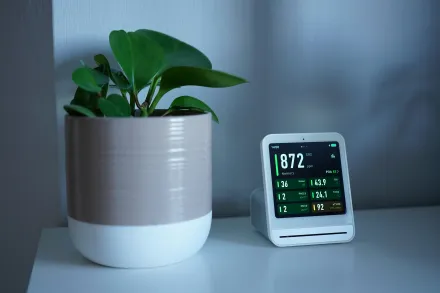
Indoor air quality has emerged as a meaningful determinant of health, especially for individuals with asthma, allergies, or chronic respiratory conditions. A network of compact sensors can monitor particles such as PM2.5, volatile organic compounds, humidity, and temperature, relaying information to a central hub. Smart air purifiers or ventilation systems respond in real time, reducing exposure when pollutants rise and indicating when maintenance or filter changes are due. The health perspective is strengthened when these environmental measures are correlated with symptoms, sleep quality, or activity levels. This linkage aids users in identifying triggers and adjusting routines, such as exercising outdoors during lower pollution periods or optimizing indoor ventilation during allergy seasons.
Understanding that indoor environments are dynamic, manufacturers emphasize accurate placement recommendations and calibration procedures to prevent misleading readings. Education about how to interpret sensor data is essential; users who grasp the practical meaning of VOC spikes or humidity shifts are more likely to take effective actions. The ultimate aim is to create healthier living spaces where environmental health becomes as routine as temperature control and lighting management.
Interoperability and Standards in the Smart Home Health Sphere
Interoperability lies at the heart of scalable health technology in the home. As devices proliferate across brands and platforms, standardized protocols and data models become essential to ensure that information flows reliably and securely. Initiatives around open protocols, such as Matter for device control and standardized health data schemas, aim to reduce fragmentation and empower users to assemble ecosystems that fit their preferences without vendor lock in. Clinicians benefit when data from disparate devices can be integrated into familiar dashboards, enabling a more complete view of a patient’s health status without forcing manual data reconciliation.
Standards also support portability and consent management. By adopting interoperable data formats, users can move their health histories between devices, apps, and care teams with confidence that the record remains coherent and meaningful. The journey toward seamless interoperability involves collaboration among device manufacturers, software developers, healthcare providers, and regulators to define validation protocols, privacy safeguards, and clear expectations for data stewardship. When effectively implemented, interoperability reduces complexity for patients and improves continuity of care across settings.
Privacy, Security, and Ethical Dimensions
The expansion of home health devices raises important questions about privacy, security, and ethics. The sensitive nature of health related data makes encryption during transmission and storage essential, and many platforms support local processing to minimize exposure of data to cloud based services. Users must have transparent choices about what data is collected, how it is used, who can access it, and for how long it is retained. Clear consent workflows and easy to understand privacy notices help build trust and empower users to configure their settings according to personal comfort levels.
Ethical considerations extend beyond technical safeguards. The home is a intimate space where family members share devices and care teams may include informal caregivers. Therefore, it is critical to design with consent at the center and ensure that data sharing is restricted to purposes that users explicitly authorize. As machine learning systems interpret personal data to generate recommendations, there is a responsibility to provide explanations for alerts and decisions, enabling users to question and understand the basis for guidance and to intervene when necessary.
Artificial Intelligence, Predictive Analytics, and Personal Health Decision Support
Artificial intelligence enables sophisticated interpretation of multi modal data streams gathered at home. By combining physiological signals with contextual information such as sleep, activity, medication schedules, and environmental conditions, AI models can identify early warning signs, predict potential health events, and tailor recommendations to individual patterns. The value lies not only in detecting anomalies but in presenting meaningful narratives that are easy to grasp, such as trends in heart rate variability over several weeks or predicted glucose excursions after meals. These insights can motivate proactive health behaviors and support clinical decision making when shared with professionals.
However, the deployment of AI in home health requires caution. Designers strive for explainable AI so that users understand why an alert was issued and what actions are advised. Systems must allow clinicians to curate alert thresholds, validate models against diverse populations, and retain human oversight to avoid overreliance on automated guidance. A carefully balanced approach integrates machine intelligence with human judgment, fostering trust and ensuring safety across a wide range of users and health conditions.
Edge Computing, Battery Life, and Sustainable Design
Edge computing brings processing closer to the user, reducing latency, lowering cloud traffic, and enhancing privacy by handling sensitive in home data locally whenever feasible. This approach supports real time decision making, such as immediate feedback on a heart rate pattern or sleep disruption, without routing data to external servers. At the same time, power efficiency remains a central constraint, motivating the adoption of energy efficient sensors, adaptive sampling rates, and intelligent duty cycling. Some devices use swappable or rechargeable batteries, while others leverage passive charging techniques or kinetic energy harvesting to extend longevity between charges.
Sustainability considerations extend to materials and manufacturing. Manufacturers increasingly favor durable housings, repairable components, and programs for recycling or refurbishing devices. The combination of longevity, ethical data handling, and reduced energy consumption contributes to a healthier planet as more households rely on technology for health management. Consumers, in turn, gain devices that are not only capable but also dependable for long periods, supporting consistent health routines.
In-Home Diagnostics and Early Warning Systems
Home based diagnostic tools, such as portable ECGs, digital stethoscopes, and cough or voice analysis systems, empower users and clinicians to detect signs of respiratory or cardiovascular issues early. These devices often provide structured data that can be shared with care teams, enabling remote assessments that mimic parts of the traditional clinical workflow. The ability to acquire clinically meaningful measurements at home can shorten the time to diagnosis, guide test ordering, and reduce unnecessary clinic visits.
Validation and user education remain critical. Users must understand how to perform measurements correctly, interpret results, and know when to seek professional evaluation. Clinically validated protocols, user friendly interfaces, and clear instructions help ensure that home diagnostics provide reliable information that supports safe, timely medical decisions. As technology advances, these tools may become more integrated with telehealth platforms, creating a cohesive thread from home observation to professional care.
Telehealth Enablement and Remote Monitoring Platforms
Telehealth has evolved from occasional video visits to a continuous, data driven care model that relies on home devices to supply timely information. Remote monitoring dashboards aggregate data from wearables, home BP monitors, CGMs, sleep trackers, and environmental sensors into comprehensive clinician facing views. This enables proactive outreach, such as sending reminders, adjusting treatment plans, or scheduling virtual check ins before a condition deteriorates. The experience for patients becomes more reassuring when they know clinicians can observe their status between appointments and respond promptly to concerns.
For clinicians, the challenge is to manage data volume without being overwhelmed. Thoughtful analytics, prioritization of clinically meaningful alerts, and configurable thresholds help maintain workflow efficiency. Patient education is essential so individuals know how to interpret feedback, respond to changes, and maintain engagement with the care team. When done well, telehealth powered by home health devices reduces barriers to consistent monitoring, supports equitable access, and fosters a collaborative, patient centered care model.
Impact on Healthcare Costs, Access, and Equity
Home health innovations promise to alter the economics of care by reducing acute care utilization and enabling more precise management of chronic diseases. Continuous monitoring can catch decompensation early, potentially lowering hospital admissions and emergency visits. In parallel, households in underserved or rural areas gain access to ongoing expert oversight that would otherwise require travel or limited local resources. The net effect is a shift in where care happens, with more care delivered in familiar environments and less time spent in clinics.
Realizing these benefits requires smart policy and sustainable business models. Reimbursement frameworks, coverage for devices and services, and rigorous evidence of real world effectiveness will influence adoption rates. The most successful programs demonstrate clear patient value, measurable health outcomes, and reliable data security. When these conditions are met, smart home health technologies can contribute to more affordable, accessible, and patient centered care for diverse populations.
User Experience, Accessibility, and Inclusive Design
As devices proliferate, the importance of intuitive design grows. User experience that accommodates sensory, cognitive, and motor differences increases adoption and sustained use. Interfaces should offer multiple ways to interact, including voice, touch, and visual cues, with sensible defaults that protect privacy. Onboarding must be forgiving, providing guided setup, contextual help, and clear feedback about what data is collected and how it is used. Inclusive design also means ensuring language options, readability, and color contrast meet varied user needs so that a broad demographic can benefit from the technology.
The best products empower users to take ownership of their health without overwhelming them. They present insights in plain language, translate metrics into practical actions, and track progress over time with meaningful visuals. In addition, users should retain control over data sharing with family members or clinicians, including the ability to revoke access easily. When built with empathy and respect for privacy, health devices become trusted partners that support healthier choices rather than surveillance instruments.
Emerging Trends and the Road Ahead
The horizon for smart home health devices includes a blend of deeper personalization, more seamless integration, and ever more capable sensors. Researchers are exploring biocompatible wearables, ultra flexible electronics that can be woven into clothing or directly integrated into bedding, and ultra low power sensors that can operate for months or years without interruption. The promise of ambient sensing—where health signals are passively monitored through the environment without requiring active user engagement—paints a future where devices quietly support health maintenance in the background.
Connectivity continues to evolve with faster networks, edge computing, and cloud platforms tailored to privacy and compliance. Interdisciplinary collaboration among device makers, healthcare providers, regulators, and patients will be essential to navigate validation, reimbursement, and ethical deployment. As these technologies mature, homes will increasingly function as proactive health ecosystems that anticipate needs, respond to changes in real time, and empower individuals to participate in their own care with confidence.