In the last decade the field of hearing technology has shifted from a narrow focus on amplifying sound to a broad ecosystem of intelligent devices that perceive, interpret, and adapt to complex auditory environments. Today smart hearing aids are not merely amplifiers but sophisticated systems powered by real time signal processing, machine learning, biomedically aware sensors, and seamless wireless connectivity. This convergence of acoustic engineering, digital signal processing, wearable design, and cloud based analytics has transformed how people with hearing loss experience daily life. The most notable innovations come from refining the core perceptual algorithms that separate speech from noise, extending battery life without sacrificing performance, and creating interfaces that let clinicians tailor devices to the individual while enabling effortless user control. The result is a generation of devices that can automatically adjust to a crowded restaurant, a windy street, a quiet office, or a bustling classroom, delivering intelligibility and comfort without demanding constant manual tweaking from the wearer.
Central to the ongoing evolution is a shift toward adaptive, context aware processing. Early hearing aids relied on fixed gain profiles and basic noise suppression. Modern systems harness multiple microphones, directionality, and adaptive feedback cancellation to create robust spatial cues. These devices continuously analyze acoustic scenes, identify target speech, anticipate user intent, and apply a sequence of processing stages in real time. The aim is not only to raise low sounds but to preserve natural timbre, preserve essential cues such as voicing and pitch, and minimize listening effort. When this functionality is paired with user tailored settings, the experience becomes more natural and less fatiguing, enabling longer, more productive listening sessions and a greater sense of immersion in diverse environments.
Advances in miniaturization and power efficiency have made these capabilities feasible in compact devices. Engineers have pushed the envelope on microphone array design, analog to digital conversion, and low power digital signal processing that can run sophisticated algorithms on device rather than in the cloud. The result is faster reaction times, lower latency, and improved privacy since sensitive audio never needs to traverse networks unless the wearer chooses to stream something like music or a call. These hardware and software co designs are complemented by new materials and assembly techniques that reduce heat generation and improve comfort for extended wear, a factor that often determines whether a user sticks with an otherwise powerful solution. In parallel, voices from clinicians emphasize that device performance must be aligned with clinical care pathways, ensuring that the technology supports measured habilitation goals rather than simply offering novelty features.
The market now features a spectrum of smart hearing aids with different form factors and sensory capabilities designed to meet diverse needs. Behind the scenes, manufacturers invest in platform level architectures that allow updates over the air, enabling software driven improvements long after purchase. This has created a dynamic where the device remains current with evolving standards for connectivity, privacy, and accessibility. The result is not just incremental gains but a strategic shift toward long term value: devices that improve through software, adapt to new listening environments as the wearer’s routines change, and provide a bridge between clinical care and everyday life. The increasing attention to individualized programming, patient education, and collaboration with audiologists ensures that the innovations translate into real world benefits rather than abstract specifications that sound impressive but feel opaque to users.
The Evolution of Sound Processing in Smart Hearing Aids
Sound processing has moved from generic amplification toward intelligent, temporally adaptive representation of sound. Modern processors perform sophisticated analysis in multiple domains, including spectral, temporal, and spatial dimensions, to separate speech from background noise. By modeling the auditory scene with higher fidelity, the devices can preserve temporal cues essential for understanding speech while still reducing intrusive noise. In practice this means listeners can follow a conversation in a busy cafe without sacrificing the ambient cues that help them localize sounds and appreciate music. The algorithms often operate in layers: an initial separation of signal and noise, followed by dynamic gain control, advanced directional micro processing, and finally quality enhancement to preserve natural timbre. The result is a more comfortable listening experience across contexts, with less cognitive strain and clearer speech perception, particularly for individuals with varying degrees of hearing loss or auditory processing differences.
Algorithms now incorporate predictive modeling that anticipates the next sound source based on the wearer’s location, schedule, and observed patterns. For example, a user moving from a quiet hallway into a noisy cafeteria can trigger a smooth transition that preserves the speech signal and reduces abrupt changes that can be jarring. Real time adaptation is supported by high efficiency digital signal processors that minimize energy use while maximizing fidelity. The public health implications include improved speech recognition in critical moments such as conversations with caregivers or in emergency announcements, which can reduce frustration and improve adherence to listening rehabilitation plans. Clinicians benefit too, because these systems provide richer data about daily usage and environmental exposure, enabling more precise therapy planning and outcome tracking over time.
In addition to the core processing, there is an increasing emphasis on preserving the natural voice quality of speakers. This involves refining vocal tract resonance cues and controlling feedback in a way that avoids coloration of sound. The goal is to deliver a sound that feels familiar to the user, which in turn supports trust and acceptance of the device. Achieving this requires careful calibration not only at the factory but through personalized fittings that consider the wearer’s unique anatomy, ear canal dimensions, and residual hearing. Innovative calibration techniques leverage acoustic measurements performed at home or in clinic using user driven tests, aligning the device’s response with the wearer’s perception of loudness and quality. The synthesis of clinical knowledge with hardware and software engineering is what makes current hearing aids potent tools for real world listening rather than mere aids for volume control.
The broader ecosystem surrounding sound processing includes ergonomic considerations such as instantaneous ear canal seal, impedance matching, and feedback suppression strategies. Firms are exploring multi microphone beamforming to direct attention toward specific speakers while suppressing distractions from other directions. In challenging listening environments, the devices can highlight a target voice by analyzing prosody and semantical cues, maintaining intelligibility even when the spectral content of speech becomes masked by competing sounds. The result is a hearing aid that not only makes speech louder but also makes it easier to extract meaning from speech. The culmination of these efforts is a suite of prescriptions that can be dynamically adjusted for different listeners, ensuring that the devices remain effective across the broad spectrum of age, auditory loss patterns, and daily routines.
Advances in Microphone Arrays and Directionality
Microphone array technology has progressed from single omnidirectional mics to sophisticated multi microphone systems that exploit spatial filtering techniques. These arrays can capture relative timing and intensity differences across microphones, enabling precise estimation of sound source location and robust suppression of off axis noise. By harnessing beamforming and adaptive directionality, smart hearing aids can emphasize sounds from in front of the user, such as a conversational partner, while attenuating sounds from the sides and rear. This capability is especially beneficial in reverberant spaces where reflections can blur the directivity of a single microphone. The result is improved speech intelligibility without increasing overall loudness, which reduces listening effort and fatigue over time. The algorithmic complexity is balanced with practical constraints such as battery life and device size, ensuring that gains in performance do not come at the cost of comfort.
More advanced arrays incorporate geometric optimization and flexible microphone placement to maximize speech capture while minimizing mechanical noise. Some designs integrate microelectromechanical systems with high fidelity acoustic sensing that reduces wind noise and wind driven gusts that can degrade speech signals outdoors. In addition, the introduction of miniature array configurations allows for more precise sound localization so wearers can determine whether a sound originates from a particular direction. The clinical implications of improved directionality include better user satisfaction and adherence to rehabilitation plans, since the perception of being able to control what one hears in complex settings reinforces a sense of agency. From a design standpoint, these innovations must be paired with comfortable housings and gentle ear canal interfaces to maintain daily wearability in real life scenarios. The engineering challenge remains achieving adequate performance without compromising the user experience, but recent developments demonstrate that it is possible to have both simultaneously.
Directionality also benefits from software driven scene analysis, which continuously updates the beam pattern based on how the environment evolves. For example, when a user moves from a quiet room to a bustling street, the system can reorient the array toward the most salient speech source while maintaining broad protection against background noise. This interplay between hardware and software is at the heart of modern smart hearing aids; the microphones provide raw data, while the processors interpret that data to generate perceptually meaningful output. Clinicians often use these capabilities as part of a holistic fitting, where the device’s directional profile is calibrated to the wearer’s typical environments, lifestyle, and speech preferences. The net effect is an auditory experience that feels instinctive and natural rather than engineered, a hallmark of the current generation of muted hearing aids.
Another notable trend is the use of flexible microphone technology that can adapt to ear anatomy and user movement. This adaptability helps maintain optimal signal capture as the user speaks, turns, or tilts their head. The combination of robust mechanical design and agile acoustic processing reduces the need for manual adjustments, which is a key driver of user satisfaction and adoption. By prioritizing a seamless listening experience, manufacturers can help people with hearing loss participate more fully in social and professional life, reducing isolation and promoting better overall well being. The ongoing research into array topology, microphone placement, and wind noise suppression continues to push the boundaries of what is possible in compact wearable devices, pointing toward a future where even more nuanced acoustic cues can be preserved and enhanced in real time.
Adaptive Noise Reduction and Real-Time Scene Analysis
Adaptive noise reduction has matured into a spectrum of techniques that operate in concert rather than in isolation. Modern devices combine statistical noise estimation, spectral subtractive methods, and machine learned priors to distinguish background noises from speech and then attenuate the undesired signals. The challenge lies in maintaining the natural quality of speech while enhancing intelligibility, particularly in dynamic environments where the acoustic scene can shift rapidly. Real time scene analysis enables the device to classify environments such as a quiet office, a bustling street, a classroom, or a restaurant. Once classified, the device applies environment specific gain profiles, spectral shaping, and dynamic range adjustments that align with the wearing user’s preferences. The result is a listening experience that remains comfortable across contexts without requiring constant manual recalibration.
From a user perspective adaptive noise reduction translates into fewer moments of listening fatigue and more consistent comprehension across conversations. For instance, in a noisy restaurant the system might emphasize conversation partners while reducing ambient clatter and hum. In a windy outdoor setting, the algorithms can suppress wind noise and transient rumbles that would otherwise degrade speech cues. The personalization layer allows individuals to set preferred levels of suppression and comfort, ensuring that the device respects subjective loudness and clarity. Importantly the latest approaches emphasize minimal distortion, preserving the natural timbre of voices and the spatial cues that help listeners locate sound sources, which is essential for safe and confident mobility in daily life.
Real time scene analysis also enables what researchers describe as cognitive load management. By reducing unnecessary processing artefacts and restoring a sense of naturalness, the wearer’s brain is less taxed and processing resources can be allocated to higher level tasks such as conversation comprehension and memory encoding. This is particularly relevant for older adults or people with cognitive challenges who rely on efficient auditory processing to maintain independence and social connection. As devices become smarter, they increasingly rely on context cues drawn from a broader data set including user schedules, location histories, and preferences collected with user consent. The interplay between privacy, usefulness, and ease of use shapes a carefully balanced design philosophy intended to maximize benefit while respecting autonomy and data protection norms.
More sophisticated models also exploit psychoacoustic principles to preserve critical timing and pitch cues that underpin the perception of speech. By maintaining the harmonic structure of voice signals and minimizing phase distortions introduced during processing, smart hearing aids deliver a more faithful representation of the speaker’s voice. This reduces the likelihood that listeners will perceive voices as artificial or robotic, which can impede natural conversational flow. In practice, this means the devices can help wearers follow rapid dialogues in social settings and keep track of conversational turns without straining to hear and understand. The practical impact is a broader range of social participation, improved confidence in new environments, and a higher quality of life for many users who previously found hearing aids challenging to adapt to because of distortion or odd sound quality.
Artificial Intelligence and Personalization
Artificial intelligence has moved from a theoretical possibility to a practical staple in smart hearing aids. AI enables devices to learn from user interactions, listening habits, and environmental patterns to tailor the listening experience. Onboard AI can adjust gain, directionality, and noise control in real time based on detected contexts, while cloud based analytics can synthesize data across days or weeks to refine fitting strategies. This two tier approach allows for swift reactions to immediate conditions while supporting long term improvements that reflect evolving user preferences and life changes. The result is a hearing aid that feels almost prescient, anticipating needs before they are explicitly communicated and delivering more consistent outcomes across diverse listening situations.
Personalization extends beyond automatic adjustments. Users can train their devices to recognize preferred speech sources, such as family members’ voices or colleagues in a familiar office. They can fine tune frequency response to emphasize vowels in soft speech or compress certain ranges to preserve natural voice quality. Clinicians play a critical role here, guiding patients through structured learning tasks that calibrate the device to the wearer’s unique auditory profile. The AI layer also supports adaptive learning for different acoustic environments. A wearer who spends time in classrooms, for example, can establish distinct profiles for lectures versus seminars, and the device will switch seamlessly between profiles as the context shifts. While this level of customization is compelling, it is crucial that the user interface remains intuitive so that patients can adjust or override AI decisions when desired without feeling overwhelmed by options.
Privacy considerations are central to AI driven personalization. Manufacturers implement robust data governance measures including on device data processing whenever possible, optional anonymized cloud processing, and strong encryption for any transmitted information. Patients are empowered to control what data is collected, who can access it, and for how long. In the clinical setting, AI powered insights are valuable for tailoring rehabilitation plans, detecting patterns of improvement or stagnation, and guiding follow up care. The union of AI and hearing care thus holds the promise of more efficient services, better outcomes, and a smoother path toward normalizing the use of assistive devices in daily life without creating new cognitive or privacy burdens for wearers.
In practice AI driven personalization manifests as smarter soundscapes that anticipate user goals. A wearer commuting to work might prefer a balance that reduces car traffic noise but keeps the voice of a bus conductor audible, while at home the focus might shift to long distance speech in quiet rooms with natural ambient sounds preserved. The algorithms that enable this adaptability rely on models trained with diverse acoustic data, as well as explicit user input about preferences. In this sense, the transformation in personalization is both a technical triumph and a patient centered service enhancement, ensuring that each device becomes more responsive to the wearer’s daily life and evolving needs without requiring constant manual programming.
Connectivity and the Internet of Hearing
Connectivity has become a cornerstone of modern hearing aids, turning devices into hubs that integrate with phones, televisions, and a wide range of smart devices. Wireless protocols such as Bluetooth Low Energy and near field communication allow for streaming of calls, music, and notifications with minimal latency. This level of integration reduces the friction between hearing and digital life, enabling a more seamless transfer of audio content and improving the overall usefulness of the device. In addition to direct streaming, contemporary devices support multi device pairing, enabling a wearer to switch automatically between a smartphone and a tablet or computer without losing spatial cues or speech clarity. The ability to route audio streams with precision to each ear allows for natural binaural listening experiences and more accurate localization in complex scenes.
Beyond personal devices, cloud connectivity introduces a broader set of capabilities. Remote programming by clinicians through secure servers allows adjustments to be made without a clinic visit, improving access for patients in rural areas or during times when in person appointments are difficult to schedule. Cloud based services also enable software updates, performance improvements, and new features that extend the lifespan of the device and reduce the need for hardware replacements. Users can receive prompts for software updates, run diagnostic checks, and view personalized guides through companion apps. While cloud connectivity offers tremendous benefits, it also requires thoughtful safeguards to protect privacy and ensure that streaming and data sharing occur only with explicit user consent and transparent controls.
In addition to streaming, interoperability with other assistive technologies is expanding rapidly. Devices can integrate with hearing loop systems, personal amplifiers, and cochlear implants where appropriate, creating a continuum of care that benefits users across different stages of hearing health. This ecosystem approach aligns with modern rehabilitation practice, which emphasizes coordinated care and easy access to services. The end result is a more robust user experience in which the device serves as a central node within a wider network of devices and services, enabling more flexible listening strategies and better social participation while maintaining a strong emphasis on safety and privacy.
Another aspect of connectivity is the development of developer ecosystems around hearing aid platforms. Software developers can design compatible applications that extend functionality, from enhanced device diagnostics to novel listening experiences, while ensuring compliance with safety and privacy standards. Open platforms encourage innovation while preserving the integrity of the user experience, allowing for rapid iteration of features such as environment aware streaming profiles, adaptive equalization, or personalized alert systems. The net effect is a broader set of tools that clinicians can leverage to tailor devices to individual needs, and a richer, more engaging experience for wearers who use hearing aids as part of their daily digital lives.
Health Monitoring and Wellness Features
Smart hearing aids are becoming instruments for broader health monitoring, leveraging sensors and data analysis to glean insights that extend beyond hearing. Modern devices may include accelerometers, skin temperature sensors, and other biometrics that help track activity levels, sleep quality, and overall wellness. When combined with hearing data, these signals can provide a holistic picture of an individual’s daily routine and how it interacts with hearing health. The integration of wellness features supports the concept of hearing care as a comprehensive health service rather than a standalone assistance device. For example, activity data can be used to tailor rehabilitation plans, identify fatigue patterns that might influence listening effort, and guide recommendations for rest and recovery in high cognitive load situations.
From a clinical perspective, continuous streams of data enable audiologists to monitor how effectively a patient uses hearing devices in real life, rather than relying solely on voluntary self reports. This real world evidence informs adjustments in programming, follow up scheduling, and patient education strategies. The health monitoring capabilities also hold potential for early detection of issues such as changes in hearing sensitivity, which might signal the onset of a medical condition requiring attention. While these capabilities are promising, they must be implemented with careful attention to privacy, consent, and the user’s autonomy to opt in or out of health data sharing. Transparency and clear explanations about what data are collected, how they are used, and who can access them are essential to building trust with wearers and their clinicians.
In addition to sensor based wellness tracking, some devices are beginning to offer features that help manage hearing related fatigue. This can include adaptive day long profiles that minimize listening effort during long sessions, or gentle reminders to take breaks when the brain has absorbed significant listening demand. As the science of hearing health expands, manufacturers are exploring ways to convert data into practical guidance, such as recommended listening habits, environmental management strategies, and personalised exercises designed to strengthen auditory processing, especially when combined with structured audiology based rehabilitation programs. The ultimate goal is to support balance and quality of life by offering tools that help people manage the cognitive load associated with listening in demanding environments.
In the realm of mental health and social engagement, smart hearing aids can become facilitators of communication by delivering timely reminders to check in with trusted contacts, alerting family members when a wearer experiences difficulty in a conversation, or by providing gentle feedback to keep conversations inclusive in group settings. The thoughtful integration of health and communication features fosters a more supportive and connected daily experience. As society grows more connected and as people live longer, these kinds of innovations can contribute positively to independence and well being for a broad range of users, while strengthening the role of hearing care as an essential component of overall health management.
Energy efficiency and power management stand as a critical enabler of health monitoring features. The ability to run sensors, AI processing, and wireless communication for extended periods hinges on advances in battery technology and power optimized software. Researchers are exploring novel battery chemistries, energy harvesting concepts, and ultra low power architectures to extend wear time without sacrificing performance. In practice this means fewer interruptions for charging, which translates into better adherence to rehabilitation protocols and reduced anxiety about device failure in important moments. The combination of wellness sensing with long lasting power creates a compelling value proposition for users who rely on their devices throughout the day for both hearing and health monitoring, making smart hearing aids a central tool in the management of everyday life.
Energy Efficiency and Power Management
Battery technology remains a pivotal bottleneck in the quest for longer lasting smart hearing aids. Modern devices balance performance with energy efficiency by optimizing the power budget across all subsystems, including the microphone array, digital signal processor, wireless radios, and sensors. Techniques such as dynamic power scaling, wake up strategies for sensor events, and duty cycling for non critical tasks contribute to meaningful gains in endurance. Manufacturers are also focusing on smarter charging solutions, including rapid charging and energy aware mode switching that preserves critical functions during periods of limited power. In practice wearers experience fewer interruptions due to battery depletion, which reduces anxiety and supports consistent use in daily activities, from morning commutes to evening conversations.
Another facet of energy management is the use of adaptive sampling rates and quantization for digital signal processing. By adjusting the precision of computations based on the complexity of the acoustic scene, devices can conserve energy when the environment is stable and ramp up processing when the scene becomes complex. Hardware optimizations, such as on chip memory hierarchies and specialized instruction sets, enable richer algorithms to run without skyrocketing power usage. All of these innovations reflect a broader engineering philosophy: maintain or improve auditory performance while reducing the energy footprint of each listening moment. The practical payoff is clear in real world use where wearers can rely on devices across a full day with confidence and minimal planning around charging needs.
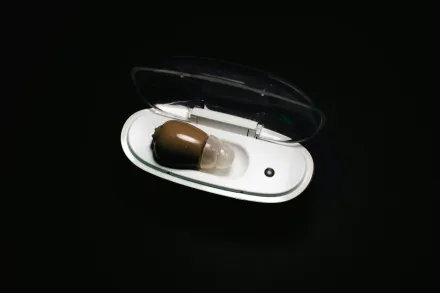
In addition, the evolution of rechargeable solutions has helped democratize access to premium features. Modern hearing aids increasingly rely on rechargeable lithium ion or zinc air based systems designed for quick top ups and predictable durability. The user experience benefits from removable charging cases, fast tethers for travel, and durable housings that tolerate daily wear. The environmental footprint is also a consideration, with many manufacturers aiming to use recyclable components and longer lasting hardware that reduces waste. The convergence of energy efficiency, durable design, and user friendly charging ecosystems is making smart hearing aids more practical for everyday life and for people who may have inconsistent routines or limited access to frequent replacements.
Design and Comfort Innovations
Design innovations focus on achieving an invisible or near invisible form factor without compromising performance. Advances in miniaturization, micromachining, and new materials enable sleeker shells that rest comfortably behind the ear or within the ear canal. A critical part of comfort is achieving a secure fit that remains comfortable for long listening sessions while preserving acoustic performance. Ergonomic studies inform the shape of devices, the texture of surfaces, and the way devices interact with the ear and surrounding tissues. The result is a device that users can forget they are wearing, which is crucial for consistent daily use. Comfort considerations also extend to weight distribution, heat generation, and moisture management, with coatings and seals designed to resist sweat and humidity while maintaining comfortable contact with sensitive skin.
Beyond the mechanical aspects, the visual design now embraces a spectrum of personalized aesthetics. Consumers increasingly expect devices that reflect individual style as well as function. Manufacturers respond with modular color options, interchangeable faceplates, and case finishes that harmonize with personal fashion preferences. The design philosophy is complemented by ergonomic control elements such as quiet touch surfaces, minimal protrusion, and intuitive button or touch controls that can be operated easily in demanding situations. Importantly, these design choices do not compromise the device’s acoustic performance or reliability; instead they support accessibility and daily usability by making the technology approachable and socially acceptable for a broad user base.
Additionally, the design of services surrounding the device has evolved. Companion apps emphasize clarity, simplicity, and reassurance. They guide users through initial fitting, ongoing adjustments, and routine maintenance with clear visuals and context dependent help. Clinicians also benefit from simplified workflows that support remote programming and streamlined follow ups. The combined effect is a more patient centered experience where the technology feels approachable and integrated with everyday life rather than isolated in a clinical or technical niche. As wearers gain confidence in using the device, they are more likely to participate actively in rehabilitation activities and to adopt listening strategies that maximize benefit over time.
Remote Fitting and Teleaudiology
Remote fitting and teleaudiology have emerged as a practical response to geographic and logistical barriers to accessing hearing care. With secure connections and privacy protected channels, clinicians can assess device performance, modify fitting parameters, and verify satisfaction with the hearing aid’s performance without requiring in person visits. This capability is particularly valuable for populations such as older adults, rural residents, and busy professionals who struggle to attend frequent appointments. The remote workflow typically includes a structured set of steps: initial data collection, remote calibration, live checks using standard speech tests or self driven listening tasks, and a follow up session to confirm that the adjustments meet the wearer’s needs. The outcome is faster, more convenient care with fewer delays, reducing the time people spend struggling with hearing difficulties.
The efficacy of teleaudiology is enhanced by standardized protocols, robust data security, and user friendly patient interfaces. Both patients and clinicians benefit from the ability to share reports, environmental logs, and user feedback with confidence, making collaborative decision making more efficient. The remote model does not replace in person care but rather complements it by providing continuous support between visits and enabling more timely interventions when issues arise. For wearers, this translates into smoother transitions when changing environments or routines, as clinicians can quickly adapt devices to the wearer’s current needs. The broader impact includes improved access to specialized services, greater equity in hearing healthcare, and the potential to shift care models toward a more proactive and preventative approach rather than reactive adjustments after problems become significant.
In addition to direct clinician interaction, remote capability opens possibilities for user driven troubleshooting. Patients can capture audiological data with guided app based tools, compare current perceptions with previous sessions, and receive step by step instructions to perform simple checks or exercises. The combination of remote care and patient empowerment aligns with a modern, patient centered philosophy where technology serves as a partner in daily life rather than a barrier to participation. As teleaudiology continues to mature, it promises to reduce the wait times for care, decrease geographic disparities, and support people in maintaining better hearing health through ongoing, convenient engagement with their care team.
Ethical and Privacy Considerations
As hearing aids become more connected and capable, privacy and ethics emerge as central design concerns. The devices collect data for personalization, health insights, and remote optimization, raising questions about who owns the data, how it is used, and how it is protected. Responsible manufacturers implement privacy by design, limiting data collection to what is necessary for function, and offering clear consent flows with granular controls. Data governance policies emphasize transparency, allowing wearers to understand what is collected, how it is analyzed, and with whom it is shared. When possible, data processing occurs on the device to minimize exposure and preserve privacy, with cloud based analyses reserved for non sensitive information and always subject to user consent.
Security measures include encryption for data at rest and in transit, secure authentication for account access, and regular security updates for firmware and software. Public trust depends on consistent, understandable communication about privacy practices and the ability of users to modify preferences as needed. Clinicians and researchers also have a stake in these considerations, since data sharing can improve understanding of hearing loss and the effectiveness of interventions. Ethical practice requires balancing the benefits of data driven improvements with the right to privacy, ensuring that data use respects autonomy, dignity, and consent. In addition, there is a responsibility to avoid biases in AI systems that could disproportionately affect certain groups or environments, and to strive for inclusive design that accommodates diverse users with varying levels of familiarity with technology.
Education plays a crucial role in empowering wearers to make informed choices about their devices. Users should be given accessible explanations of what data are collected, how they are used, and what the potential risks are, along with practical steps to minimize exposure. This includes the ability to opt out of certain data streams or to disable features that rely on sensitive information. Ethical governance also encompasses broader considerations such as environmental impact, product lifecycle, and responsible disposal or recycling of old devices. When privacy and ethics are integrated into the development process from the outset, smart hearing aids can deliver significant benefits without compromising personal rights or societal expectations for responsible technology use.
Future Trends and Emerging Technologies
The horizon for innovations in smart hearing aids is broad and continuously evolving. Researchers are exploring even more powerful neural inspired processing models that draw on advances in neuromorphic computing and bio inspired sound processing. Such approaches aim to emulate the efficiency and adaptability of biological hearing, enabling devices to learn rapidly from user experience with minimal energy cost. In practical terms this could lead to faster adaptation to new environments, more natural sounding voices, and improved robustness against unpredictable acoustic scenes. The emergence of onboard deep learning capabilities promises to expand personalization possibilities while preserving privacy through on device inference rather than cloud based processing whenever possible.
Another exciting direction is the integration of more sophisticated biosignals and physiological data to tailor auditory experiences. For instance, combining heart rate variability, stress indicators, and sleep patterns with daily hearing experiences could enable devices to adjust listening tactics to reduce cognitive load during times of high fatigue or increased stress. This holistic approach connects hearing health with broader wellbeing and reflects a broader shift toward patient centered care. From a technological standpoint, these advances require careful design to ensure that additional sensors do not compromise comfort or drain power resources, while still delivering clear value to users and clinicians alike.
The materials science aspect continues to influence device performance and user comfort. Researchers investigate flexible, biocompatible materials that conform more naturally to ear anatomy, along with new coatings that resist moisture and microbial growth. These developments support longer wear time, better hygiene, and a more secure fit, which in turn improve the efficacy of the devices. The manufacturing ecosystem is expanding to incorporate sustainable, scalable production processes that reduce waste and enable rapid iteration of new form factors. As the field matures, collaborations among audiologists, engineers, designers, and patients will shape products that are not only technically advanced but also deeply aligned with user needs and daily realities.
In the near term, we can anticipate more seamless cross platform compatibility, more accessible remote care, and smarter, more adaptive listening experiences that respond in real time to the wearer’s goals. The best innovations will be those that reduce listening effort, preserve speech intelligibility in a wide range of environments, and support broader participation in social and professional life. The ultimate measure will be the degree to which these technologies empower people with hearing loss to engage with their surroundings with confidence, maintain independence, and enjoy a sense of normalcy in every day conversations and encounters. As researchers and clinicians continue to collaborate with users, the future of smart hearing aids promises not only to improve hearing but to enrich living through intelligent, compassionate design and responsible innovation.