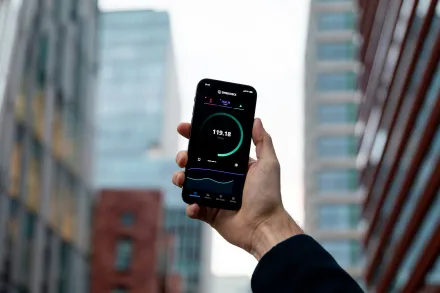
The evolving landscape of personal health monitoring
In recent years, the field of smart health tracking has moved beyond simple step counting and heart rate observation to become a sophisticated ecosystem of digital health technologies. Innovations now enable continuous monitoring, contextual analysis, and proactive guidance that can influence daily routines, preventive care, and chronic disease management. This expansion is fueled by advances in sensor technology, mobile processing power, and intelligent software that can transform streams of raw data into meaningful insights for individuals and clinicians alike.
Smart health tracking apps have grown from standalone tools into interconnected platforms that combine wearables, smartphones, and cloud services. They serve as personal health assistants that collect data from multiple sources, enrich it with external context such as location or weather, and present it through intuitive interfaces. The result is a continuous conversation between a person and their health information, enabling timely decisions, early warnings, and personalized recommendations without overwhelming the user with complexity.
At the core of this evolution is a shift toward usability and real world relevance. Apps now emphasize actionable feedback rather than mere data presentation. They employ careful pacing of information, adaptive goals, and motivational nudges designed to sustain engagement. This requires thoughtful design, robust data governance, and transparent explanations of how insights are generated, so users can trust and rely on the app in everyday life.
Another key trend is the drive toward openness and interoperability. Health data interoperability is seen not as an optional feature but as a strategic capability that enables researchers, clinicians, and patients to collaborate more effectively. Standards, secure data exchange, and user consent workflows are becoming embedded in app architectures, enabling a broader ecosystem where information flows smoothly while respecting privacy and autonomy.
As the user base widens to include diverse ages and abilities, inclusive design emerges as a central theme. Health tracking apps now address accessibility challenges, language differences, and the needs of people with varying levels of digital literacy. The most successful platforms present information in plain language, support multimodal inputs, and provide adaptive interfaces that respond to user preferences and changing health status over time.
Sensor technologies and multi-parameter data streams
Modern smart health apps harvest a multitude of data streams from both wearable devices and smartphone sensors. Photoplethysmography (PPG) sensors measure pulse, while electrodermal activity, skin temperature, and motion sensors capture physiological and behavioral signals. When combined, these data streams enable more accurate estimations of health states such as stress levels, sleep quality, or recovery status than any single sensor could achieve.
The integration of electrocardiogram (ECG) sensing into wearables marks another significant leap. Portable ECG capabilities provide information about heart rhythm abnormalities with a level of convenience that encourages frequent use. For users with arrhythmia risk, this means earlier detection of potential issues and faster communication with healthcare providers, all within the context of daily life activities rather than in clinical settings alone.
Sleep tracking has matured into a data-rich domain thanks to axes such as movement, heart rate variability, respiration, and ambient conditions. Sophisticated algorithms parse nightly patterns to categorize stages of sleep and highlight disruptions that may contribute to daytime fatigue or mood disturbances. The ability to correlate sleep quality with workouts, caffeine intake, or screen time helps users fine-tune their routines for better overall health outcomes.
Environmental sensors and contextual data enrich health narratives as well. Light exposure, noise levels, air quality, and microclimate information can influence circadian rhythms, respiratory comfort, and metabolic processes. Apps that fuse personal data with environmental context provide a more holistic picture of health, enabling users to adjust routines or environments to support well-being.
Data quality remains a crucial concern in multi-sensor ecosystems. Engineers implement edge processing, sensor fusion, and outlier detection to ensure that results reflect real physiological states rather than artifacts. Users benefit from clearer insights, fewer false alarms, and a more reliable basis for decisions about exercise, medication adherence, or symptom monitoring.
On-device processing has grown in prominence as a way to reduce latency and preserve privacy. By performing initial data interpretation locally, apps can deliver real-time feedback even with limited bandwidth. In addition, on-device models mitigate data transmission risks and can operate during periods of limited connectivity, a practical advantage for travelers or remote populations.
As models become more sophisticated, explainability gains importance. Users increasingly want to understand why a particular suggestion is made or why a health risk flag was raised. Developers respond with transparent visualizations, plain-language rationales, and the option to review raw metrics alongside the interpreted conclusions, reinforcing user trust and engagement.
Edge AI and federated learning are notable innovations in this space. They allow devices to train and refine models using local data without sending sensitive information to a central server. When aggregated across many devices, these approaches improve accuracy while maintaining privacy, which is especially valuable for rare conditions or niche user cohorts where data is precious and sensitive.
Adaptive sampling rates represent another efficiency enhancement. Apps can dynamically adjust how often they collect data based on user activity, time of day, or detected health states. This reduces battery drain and data usage while preserving the fidelity of important signals during critical periods, such as recovery after an intense workout or onset of symptoms that require attention.
Privacy, security, and ethical considerations
As the data ecosystems around health tracking expand, privacy protections and security safeguards take center stage. Apps implement privacy-by-design principles, minimize data collection to what is strictly necessary, and provide users with clear choices about how their information is stored, used, and shared. The ability to opt into or out of data analytics services is a standard feature, along with transparent consent flows that explain the purposes of data processing.
End-to-end encryption, strong authentication, and secure data storage are non-negotiable in modern health apps. Vendors frequently employ industry-standard protocols and regular security audits to mitigate risks associated with data breaches or unauthorized access. Users benefit from a sense of safety and confidence that sensitive information such as biometric measurements or location data remains protected.
Data localization and portability concerns shape how apps design their architectures. Some users prefer their health data to reside within certain geographic boundaries or to be easily transferred to other platforms or clinicians. Compliance features that support portability without compromising security are increasingly prioritized, enabling smoother transitions across devices and services while preserving user rights.
Ethical considerations extend beyond privacy into aspects of bias, fairness, and inclusivity. Algorithms trained primarily on homogeneous populations may misinterpret signals from underrepresented groups. The most forward-looking apps actively audit models for bias, seek diverse data inputs, and adjust interpretations to avoid systematic inaccuracies that could disproportionately affect certain users.
Transparency about data usage remains essential for trust. Clear privacy policies, accessible summaries of how metrics are derived, and straightforward explanations of data sharing with researchers or third parties help users make informed decisions. Consent workflows are designed to be revisitable, allowing users to modify permissions as health goals or comfort levels evolve over time.
Informed consent also encompasses the possibility of data sharing with clinicians or health systems. Interoperability standards support secure exchange with electronic health records while preserving patient autonomy. When clinicians can view an integrated health narrative that respects privacy settings, it enhances collaborative decision-making and supports more personalized care planning.
Digital health literacy becomes a protective factor in privacy and security. Apps increasingly incorporate educational content and in-app guidance that helps users understand what data is collected, how it is used, and the practical implications for their privacy. This approach empowers individuals to take ownership of their health information in a confident and informed manner.
Artificial intelligence and predictive analytics
Artificial intelligence transforms raw sensor streams into forward-looking insights that anticipate health events before they escalate. Predictive models analyze patterns across time, recognize subtle shifts that precede symptoms, and deliver timely recommendations for activity adjustments, hydration, nutrition, or medical consultation. This anticipatory capability is a major driver of the value proposition for modern health apps.
Personalized risk scoring emerges as a practical outcome of AI-driven analytics. By weighting an individual’s historical data, current measurements, and contextual factors, apps generate risk profiles for issues such as sleep-related health problems, stress, or overtraining. The goal is to empower users with clear, actionable steps rather than overwhelming them with abstract numbers.
Natural language processing enables conversational interfaces that make complex health information accessible. Users can ask questions in everyday language and receive explanations that blend data-derived insights with practical guidance. This interaction style lowers barriers to engagement and supports healthier decision-making across diverse user groups.
Machine learning models continually adapt to new data, improving accuracy over time. Federated learning enables this adaptation without compromising privacy, as models are updated based on aggregated insights from many devices rather than centralized raw data. The resulting improvements benefit all users while maintaining individual confidentiality.
Edge computing supports rapid, responsive AI at the device level. On-device inference reduces latency, enables offline operation, and minimizes server dependence for routine tasks. For users in low-connectivity environments, this capability ensures that critical health insights remain accessible when they are most needed.
Explainable AI becomes part of responsible deployment. Users receive concise explanations for AI-driven recommendations, including the confidence level and the specific signals that contributed to the inference. This fosters trust and helps users decide when to act on suggested changes or seek professional input.
The collaboration between clinicians, researchers, and developers accelerates innovation. Shared data insights, de-identified datasets, and collaborative validation studies help refine models and ensure that AI tools address real clinical needs without compromising safety. This collaborative ethos strengthens the overall ecosystem of smart health tracking.
As AI capabilities mature, risk assessment remains essential. Apps implement guardrails that limit the scope of automated decisions, require human oversight for critical actions, and provide users with options to customize AI behavior. This balanced approach supports autonomy while preserving safety and accountability.
User experience design and engagement strategies
Intuitive user experiences are the centerpiece of successful health tracking apps. Designers now emphasize clarity, minimal cognitive load, and contextual guidance that adapts to a user’s current state. Visualizations are tailored to different literacy levels and health goals, using color, typography, and layout that communicate meaning without overwhelming the user with data.
Motivation and behavior change support are integrated through a blend of coaching, reminders, and micro-goals. Rather than commanding users with rigid regimes, modern apps offer flexible pathways, celebrate small wins, and provide feedback that reinforces sustainable habits. The result is higher adherence and longer-term engagement with healthy routines.
Personalization is achieved through adaptive interfaces that learn user preferences over time. Settings such as notification frequency, data presentation style, and goal thresholds can be customized to fit lifestyles, making the app feel like a tailored companion rather than a generic tool. This customization is balanced with sensible defaults to help new users start with a strong foundational experience.
Contextual nudges are strategically timed to maximize impact. For example, a reminder to hydrate may appear during a typical sedentary stretch, while a gentle prompt to take a walk might follow a period of inactivity. These nudges are designed to support health behavior without becoming intrusive or annoying, preserving user trust and long-term engagement.
Accessibility remains integral to UX design. High-contrast color schemes, scalable text, and voice-assisted navigation make apps usable for people with visual or motor impairments. Multilingual support and culturally relevant content broaden reach and ensure that diverse populations can benefit from modern health tracking tools.
Onboarding experiences set the tone for continued use. Clear value propositions, minimal setup frictions, and guided tours that demonstrate core features help users understand how the app supports their goals from day one. An excellent onboarding process reduces drop-off and accelerates the path to meaningful outcomes.
Visual storytelling such as dashboards, timelines, and trend narratives helps users grasp progress over time. Carefully designed visuals translate complex physiological data into a coherent story that users can act on. When users see how small daily choices accumulate into meaningful health improvements, motivation often follows naturally.
Feedback loops between users and developers are essential for ongoing improvement. In-app feedback channels, usability testing, and proactive updates based on user needs ensure that apps stay aligned with real-world use cases. This responsive development approach keeps the product relevant over the long term.
Education features embedded in apps support health literacy. Short explainers, glossaries, and clinically reviewed content empower users to understand what measurements mean and how to interpret fluctuations. This educational scaffold helps users participate more actively in their own care and reduces anxiety around data interpretation.
Interoperability and integration with healthcare systems
Interoperability is a cornerstone of modern health tracking platforms. Standards such as Fast Healthcare Interoperability Resources (FHIR) enable consistent data exchange between apps, clinics, and hospital information systems. This compatibility unlocks a coordinated approach to patient care, where information travels safely across settings and supports informed clinical decisions.
Secure APIs and consent-centric architectures allow patients to authorize data sharing with caregivers, specialists, and research projects. Fine-grained controls enable users to specify exactly what data is shared, with whom, and for what purposes. This transparency strengthens trust while enabling more personalized care pathways.
Electronic health records (EHR) integration enriches the health narrative available to clinicians. When patients bring comprehensive data—ranging from activity metrics to sleep quality and symptom diaries—into consultations, clinicians can perform more precise assessments and tailor interventions. Such integration also supports remote monitoring programs and population health initiatives.
Standards-based data models reduce fragmentation across devices and services. App developers benefit from reusable components, while healthcare providers gain confidence that incoming data meets clinical quality requirements. The result is a more scalable and sustainable ecosystem that reduces duplication and errors caused by incompatible data formats.
Reminders, alerts, and decision support hosted within clinical workflows are enhanced by interoperability. For instance, an elevated wearables-derived heart rate variability metric can trigger clinician notifications or patient outreach through the EHR-integrated alert system. This seamless collaboration helps respond to potential health concerns more rapidly.
From a reimbursement perspective, interoperable health apps can align with value-based care models. When data demonstrate tangible improvements in outcomes or cost savings, healthcare systems may recognize and reimburse the use of digital health tools as part of standard care. This alignment supports broader adoption and investment in innovation.
Regulatory alignment is crucial for safe integration into clinical practice. App developers monitor evolving guidelines around medical device classification, data stewardship, and risk management to ensure compliance. Proactive regulatory engagement helps products adapt to new requirements without disrupting user access to beneficial features.
Patient portals increasingly serve as a hub where app data and clinical information converge. A single interface that consolidates measurements, messaging, and appointment scheduling reduces fragmentation and fosters a more patient-centered care experience. This cohesion is particularly valuable for chronic disease management and post-discharge follow-up.
Developer ecosystems around interoperability promote collaboration. Certification programs, shared test datasets, and open sandbox environments encourage third-party innovations while protecting patient safety. A healthy ecosystem accelerates new features and enables clinicians to select tools that best fit their workflows.
Behavioral change support and motivation engines
Tracking is most powerful when it translates into sustained behavior change. Modern apps incorporate evidence-based techniques from behavior science to foster habits that improve health outcomes. This includes goal setting, social accountability, rewards for consistency, and actionable feedback aligned with individual capabilities and preferences.
Habit formation is supported through progressive challenge design. Rather than imposing drastic changes, apps introduce small, manageable steps that escalate gradually as user confidence grows. A gentle curve of increased difficulty minimizes burnout and helps users experience repeated success, reinforcing positive associations with healthy actions.
Social features may enhance motivation through peer support, shared goals, or friendly competition. Carefully moderated communities provide encouragement, reduce isolation, and create a feedback-rich environment where users can celebrate progress and seek advice. Privacy controls ensure that social interactions remain positive and voluntary.
In-app coaching leverages virtual agents or human coaches to deliver personalized guidance. Coaches interpret data trends, adjust plans, and provide encouragement tailored to the user's context. The blend of automation and human support balances scalability with empathy, producing more meaningful behavior change outcomes.
Just-in-time interventions optimize timing for behavior change. If a user tends to snack after work or skip evening workouts, the app can offer timely prompts, alternatives, or quick routines to fit the moment. Timely support respects autonomy while increasing the likelihood of adherence.
Motivation is supported by transparent progress visibility. Clear dashboards that show trajectory toward goals, highlighted milestones, and expected impact of current choices help users stay engaged. When users see the cumulative benefit of consistent effort, motivation often strengthens rather than wanes.
Respect for intrinsic motivation is balanced with extrinsic incentives. Badges, levels, or streaks can be beneficial when used judiciously and aligned with health objectives. If rewards become the sole focus, engagement can wane; the most effective systems keep intrinsic value—the actual health benefits—front and center.
Education and skill-building clusters reinforce sustainable change. Apps provide practical lessons on nutrition, sleep hygiene, stress management, and physical activity, enabling users to apply new knowledge practically. This educational component elevates health literacy and empowers long-term self-management.
Motivation engines are continually refined through user feedback and longitudinal studies. Observing which prompts, messages, or goal structures yield the best outcomes allows developers to tailor experiences to diverse populations and adapt to changing health trends.
Accessibility and inclusivity in health tracking
Equitable access to health technology is a growing priority. Developers ensure that apps function across a broad range of devices, including older smartphones, low-bandwidth environments, and various operating systems. This inclusivity widens the reach of digital health benefits and helps reduce disparities in health information access.
Language support and cultural relevance are central to inclusive design. Multilingual interfaces, culturally sensitive health content, and appropriate examples help diverse users relate to app guidance and feel understood. This approach increases engagement and trust among populations who might otherwise be underserved.
Accessibility features extend to sensory and motor impairments. Voice control, screen reader compatibility, scalable typography, and simplified navigation ensure that users with disabilities can participate fully in health tracking. Inclusive design not only broadens reach but also improves usability for everyone.
Clinically validated features add credibility and safety for all users, including those who rely on the tools for medical reasons. When apps demonstrate alignment with evidence-based guidelines, patients and clinicians can integrate digital tools into care plans with confidence.
Localization considers environmental and lifestyle differences across regions. Sleep patterns, activity norms, and dietary guidance can vary widely. Tailoring content to local routines and available resources improves relevance and adherence in daily life.
Affordability is addressed through tiered access models and partnerships. Freemium offerings, subsidized devices, or bundled services help reduce cost barriers. When equity is a core objective, more people can benefit from continuous health monitoring and proactive care support.
Privacy-preserving defaults protect vulnerable users. Default settings may emphasize privacy or minimize data sharing unless users explicitly opt in. This cautious approach helps build trust among individuals who may be new to digital health technologies.
Community-based design choices encourage user empowerment. Local health organizations, patient advocacy groups, and community clinics can contribute to content relevance and provide trusted channels for support, creating a more holistic ecosystem that respects regional needs.
Safety nets and error handling are essential for inclusivity. Clear guidance on how to respond to abnormal results, when to seek professional help, and how to manage device malfunctions reduce anxiety and promote responsible use of health tracking tools.
Regulatory and compliance developments
Regulatory oversight shapes how health tracking apps operate in real-world settings. Compliance frameworks address data protection, medical device classifications, and safety disclosures. Developers keep pace with evolving regulations to ensure that innovative features remain accessible without compromising patient safety or rights.
Certification processes and third-party assessments add credibility. Independent validation of data accuracy, privacy safeguards, and clinical relevance helps users distinguish high-quality tools from less reliable options. Certifications also support clinician confidence when integrating apps into care plans.
Medical device classifications influence how features are marketed and used. Some capabilities may be treated as wellness tools, while others may be regulated as medical devices requiring additional evidence and oversight. Clear labeling and compliance documentation help users navigate these distinctions.
Data governance policies govern how information is stored, shared, and used for analytics. Regulatory expectations often emphasize data minimization, consent management, and robust audit trails. Strong governance reassures users that their health information is treated with care and responsibility.
After-action reviews and incident reporting contribute to continuous safety improvements. When anomalies occur, transparent investigations, remediation plans, and public communications demonstrate a commitment to user protection and accountability.
Interoperability requirements are increasingly harmonized across regions to support cross-border care. Standards that enable data exchange while protecting privacy enable patients to receive consistent care even when they move between countries or healthcare systems.
Clinical evidence generation is gaining importance for app credibility. Real-world studies, patient-reported outcomes, and clinically meaningful endpoints help establish the practical value of digital health tools. This evidence supports informed adoption by clinicians, payers, and patients alike.
Regulatory sandboxes and pilot programs foster responsible innovation. Regulators collaborate with developers to test new features under controlled conditions, balancing safety with the need to accelerate beneficial technologies to market while collecting essential lessons for policy refinement.
Liability and accountability frameworks are evolving as digital health tools proliferate. Clarifying responsibilities among developers, clinicians, and users helps manage risk and clarify expectations when outcomes are uncertain or when errors occur in digital health ecosystems.
Standards development organizations and professional bodies advocate for best practices in user privacy, data security, and clinical relevance. Engaging with these groups helps align app design with long-term quality benchmarks and professional norms, contributing to a mature and trustworthy digital health landscape.
Future trends and emerging technologies
Looking ahead, innovations in smart health tracking will likely hinge on deeper integration of genomics, precision analytics, and immersive user experiences. The convergence of molecular data with real-time physiological signals promises highly personalized health narratives that can guide prevention and early intervention with unprecedented nuance.
Advances in sensor miniaturization and energy harvesting will push wearables toward longer lifespans and lighter form factors. Devices that can harvest ambient energy or operate efficiently with ultra-low power will free users from frequent charging, enhancing continuous monitoring without interrupting daily life.
Context-aware systems will improve the relevance of recommendations by understanding not only the current state but also the purpose behind user actions. For example, an app might interpret a morning workout as productive rather than taxing based on a user’s recent sleep, nutrition, and stress indicators, leading to more accurate guidance about next steps.
Smart textiles and embedded sensors will enable seamless data collection without the need for bulky devices. Clothing integrated with physiological sensors can monitor heart rate, respiration, and movement continuously, providing richer data with minimal user intervention and greater comfort during everyday activities.
Augmented reality (AR) interfaces may transform how users interact with their health data. Overlaying guidance and real-time metrics onto the user’s environment could facilitate in-the-moment coaching during exercise, rehabilitation, or stress management practices, making self-care a more immersive experience.
Open data ecosystems and patient-driven research initiatives will broaden the scope of insights available from health tracking. Participants may contribute anonymized data to large studies in exchange for personalized feedback, contributing to science while advancing individual health awareness and outcomes.
Digital twin concepts could enable users to model potential health trajectories based on current habits and interventions. By simulating different choices, individuals can visualize potential outcomes and select strategies with the best projected impact on long-term health and vitality.
Regulatory clarity for artificial intelligence in health will continue to evolve. Standards for AI transparency, controllability, and auditability will shape how AI-powered health apps are developed, validated, and deployed in clinical contexts, ensuring consistency and accountability across providers and devices.
Personalization at scale will be driven by more powerful models that can account for rare conditions and unique physiological patterns. Tailored recommendations will extend beyond generic populations to support minority groups, people with complex needs, and diverse cultural backgrounds with equally robust evidence bases.
Cross-sector collaborations between tech companies, healthcare systems, insurers, and researchers will accelerate the deployment of digital health tools. These partnerships can align incentives, expand access, and ensure that innovations translate into meaningful improvements in population health and individual well-being.
Ethical frameworks will guide responsible deployment of increasingly capable tracking technologies. Developers will balance innovation with principles of autonomy, beneficence, and justice, ensuring that advancements uplift users without compromising rights or exposing vulnerable populations to harm.
Education and continuous learning for users will accompany technological progress. As features become more sophisticated, accessible tutorials, coaching resources, and guided practice will help users build digital health literacy, enabling them to maximize benefits while mitigating risks associated with misinterpretation or misuse.
Resilience and reliability will remain practical priorities in health apps. Systems designed to withstand disruptions, maintain data integrity, and recover gracefully from outages will be essential as these tools become embedded in critical aspects of daily life and medical management.
In sum, the innovations in smart health tracking apps reflect a holistic shift toward integrated, user-centered, privacy-preserving, and clinically meaningful digital health ecosystems. The fusion of rich sensor data, intelligent analytics, thoughtful design, and interoperable infrastructure is enabling a future where personal health management is proactive, personalized, and deeply embedded in everyday living, with the potential to improve outcomes on an individual and population scale.