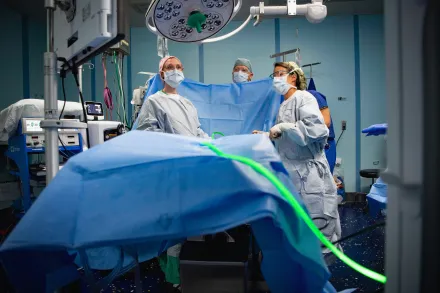
In the rapidly evolving landscape of modern medicine, robotic-assisted surgery has emerged as a transformative paradigm that blends precision engineering with intricate human expertise. The journey from early robotic concepts to today's sophisticated systems reflects a sustained collaboration among surgeons, engineers, computer scientists, and regulatory bodies. The core promise of robotic assistance is not simply to mechanize manual tasks, but to augment human capability by delivering stable, tremor-free motion, enhanced visualization, and refined control that can translate into smaller incisions, better tissue handling, and improved recovery trajectories for patients. This broad arc is characterized by gradual, iterative improvements rather than a single breakthrough, and it hinges on an ecosystem that includes imaging modalities, instrument design, feedback mechanisms, and intelligent software that can support decision making without supplanting the surgeon’s judgment.
The early experiments in robotic assistance focused on rigidly controlled motion and the replication of open surgical maneuvers within confined anatomical spaces. Over time, innovators introduced master-slave configurations, where the surgeon manipulates input devices that translate nuanced hand movements into scaled, precise actions at the surgical site. These systems, initially bulky and expensive, gradually evolved toward more compact footprints, improved ergonomics, and safer failure modes. As clinicians gained experience, the importance of meticulous calibration, intuitive interfaces, and reliable safety interlocks became evident, guiding the design of subsequent generations toward more reliable performance in diverse operating room environments. The historical narrative is marked by a clear transition from laboratory curiosity to clinical utility, with patient-centered outcomes such as reduced blood loss, faster return to daily activities, and meaningful improvements in postoperative pain profiles driving continued investment and adoption.
Historical context and the evolution of robotic systems
The earliest forays into robotics in the surgical theater were anchored in a desire to overcome the limitations of conventional laparoscopy, where less-than-ideal visualization and restricted dexterity posed challenges. Pioneering teams recognized that overcoming these barriers would require not only mechanical solutions but also sophisticated software that could translate human intention into precise, repeatable motion in a dynamic anatomical setting. As the field matured, robotic platforms began to emphasize passive stability, active tremor reduction, and degree-of-freedom optimization, which in turn enabled surgeons to approach complex dissections with greater confidence. The shift from purely mechanical assistance to a more integrated, software-driven system aligned with broader trends in digitization and cloud-based collaboration, while keeping the surgeon at the center of decision making. The net effect was a reevaluation of what constitutes a successful operation, where safety margins, tissue handling quality, and patient-specific planning factors gained equal footing with traditional metrics such as operative time and intraoperative blood loss.
Dynamic improvements in haptic perception, even when direct force feedback could be challenging due to sterilization and biosafety constraints, laid the groundwork for more nuanced tactile appreciation through surrogate cues and enhanced visual information. In parallel, instrument miniaturization and refined articulation increased the reach and maneuverability within small or deeply situated anatomical regions. The convergence of these advancements enabled a broader spectrum of procedures to be attempted robotically, spurring a cycle of real-world data collection, outcome monitoring, and iterative refinements that have continued to propel the field forward. As regulatory frameworks adapted to these new capabilities, surgeons gained greater assurance about device performance, and manufacturers embraced accessibility considerations that could broaden the availability of robotic systems beyond highly specialized centers.
The modern era has witnessed a deliberate emphasis on safety architectures that anticipate and mitigate uncommon but potentially consequential events. Redundancy in critical subsystems, robust fault detection, and clear user interfaces that communicate risk in an actionable manner have become essential design principles. These features, when combined with high-resolution imaging, enable a level of precision that was previously unattainable with manual techniques alone. The ongoing dialogue between clinical practice and engineering has also catalyzed improvements in sterilization, instrument life cycle management, and workflow integration, ensuring that robotic assistance integrates smoothly with preoperative planning, intraoperative decision making, and postoperative care pathways.
Beyond the hardware, the evolution of robotic-assisted surgery has increasingly incorporated data-driven insights, standardized protocols, and personalized care models. Surgeons are now guided by analytics that contextualize intraoperative decisions within large datasets drawn from institutional registries, multicenter collaborations, and anonymized patient records. This shift toward evidence-based enhancements reinforces confidence in robotic approaches, as investigators can identify which patient populations stand to benefit most, optimize procedural steps, and refine training curricula. The net effect is a more nuanced understanding of when robotics add value, how to optimize their use in different clinical scenarios, and how to balance innovation with patient safety and cost considerations, all of which shape the ongoing trajectory of the field.
In contemporary practice, the visual landscape of robotic surgery has surpassed the limitations of two-dimensional imaging through three-dimensional high-definition visualization and advanced lighting. The depth perception and magnification offered by modern systems provide surgeons with a more accurate sense of tissue planes, vascular structures, and subtle tissue characteristics that influence critical decisions during dissection and suturing. This enhanced visualization is complemented by improved instrument articulation that mimics the natural dexterity of the human hand while filtering out involuntary tremor. Collectively, these advancements expand the repertoire of procedures that can be performed robotically, including those requiring delicate suturing in confined spaces, complex reconstructions, and meticulous hemostasis in vascular-rich environments. In addition, software-based planning tools enable meticulous preoperative simulations, enabling rehearsal of complex maneuvers before entering the actual operating room.
Attention to ergonomics and surgeon comfort has also proven pivotal. Robotic consoles designed with adjustable seating, intuitive control layouts, and minimized physical strain reduce fatigue during long operations, which can correlate with improved precision and attentional focus. At the same time, the ability to share real-time views with the broader clinical team enhances collaboration and ensures that critical information is accessible wherever it is most needed. The social dimension of this technology, including the potential for remote proctoring and mentorship through secure platforms, invites broader participation in complex cases and accelerates the dissemination of best practices. All of these components—visualization, articulation, ergonomics, and collaborative capabilities—have together cemented robotic-assisted surgery as a durable and widely applicable modality in contemporary surgical care.
Advances in imaging and visualization
One of the most transformative domains in robotic-assisted surgery is imaging, where multimodal data streams converge to deliver a clearer, more informative intraoperative view. High-definition, three-dimensional visualization provides surgeons with superior depth cues that are critical for precise tissue discrimination. Endoscopic technologies continue to improve with higher frame rates, broader dynamic range, and enhanced contrast, which helps to delineate subtle differences in tissue texture and vascularity. In addition, fluorescence imaging, often using targeted enhancers that illuminate specific cellular or molecular features, allows surgeons to identify structures such as tumors, nerve bundles, or bile ducts with greater confidence. The integration of functional imaging with anatomical detail supports a more holistic understanding of the operative field and informs critical decisions about dissection planes and resection margins.
Intraoperative navigation has benefited from advances in three-dimensional reconstructions derived from preoperative imaging, such as computed tomography or magnetic resonance imaging, which are registered to the live patient anatomy during surgery. This fusion of data supports precise localization and resection planning, enabling surgeons to anticipate anatomical variations that might otherwise complicate a procedure. Real-time imaging modalities, including ultrasound and optical coherence tomography, contribute depth-specific information that updates the surgeon on tissue characteristics as they change in response to surgical manipulation. The dynamic integration of these modalities is facilitated by sophisticated software that can overlay semantic annotations onto the surgical view, highlight critical structures, and provide audible or visual alerts when proximity thresholds are approached. Together, these imaging innovations create a richer, more actionable perceptual environment in which robotic systems operate.
Beyond conventional imaging, augmented reality and mixed reality platforms are beginning to play a meaningful role in surgical planning and execution. By anchoring virtual anatomical models onto the patient in the operating room, these technologies offer a spatially consistent reference framework that helps surgeons visualize planned resections, anastomoses, or reconstructive grafts. The ability to toggle between conventional and augmented views without breaking sterility or workflow is crucial, and ongoing work focuses on reducing latency, improving alignment accuracy, and ensuring that overlays remain robust under tissue deformation and patient motion. As these systems mature, they are expected to harmonize with intraoperative data streams, supporting more precise dissections and potentially reducing the rate of complications associated with ambiguous anatomy.
In parallel with enhanced visualization, advances in sensor technology are enabling more refined control of robotic instruments. Force-sensing capabilities, proximity sensing, and tissue compliance feedback contribute to a tactile-like experience that helps surgeons gauge tissue consistency and respond to delicate structures with appropriate force. Although direct haptic feedback poses challenges in sterile and sterilizable environments, researchers are exploring indirect feedback channels, such as force-informed visual cues or auditory signals, to convey tactile information without compromising safety or ergonomics. The cumulative effect of improved imaging and sensing is a more predictable and safer surgical environment, where the surgeon can operate with confidence in both the plan and the real-time execution leading to better patient outcomes.
Precision instrumentation and control
As robotic platforms have matured, instrument design has become a central axis of improvement, focusing on increasing dexterity, reducing instrument collision, and enabling more natural, tissue-preserving maneuvers. Enhanced articulation mechanisms provide a broader range of motion inside restricted spaces, while miniaturization reduces the burden on surrounding tissues and lowers the risk of collateral damage. Instrument geometry has evolved to optimize suction, dissection, coagulation, and suturing, with specialized end-effectors tailored to different tissue types and procedural requirements. This level of customization helps surgeons select tools that best align with the specific goals of a case, from gentle tissue retraction to precise anastomosis in delicate vascular settings.
Control systems now frequently incorporate submillisecond latency, advanced motion scaling, and real-time stabilization algorithms to ensure that every input from the surgeon translates into a proportional, predictable response at the instrument tip. These features are crucial when precision is paramount, such as in.microvascular anastomosis or nerve-sparing dissection. Redundancy and fault-tolerant design protect against unexpected subsystem failures, and rigorous calibration protocols help maintain instrument accuracy across multiple procedures and operators. The overall effect is a level of procedural reliability that supports more ambitious surgical plans, reduces the need for conversion to open approaches, and can shorten hospital stays for patients who benefit from minimally invasive methods.
Innovations in materials science contribute to this progress by enabling instruments that are both stiff enough to deliver consistent force transmission and flexible enough to navigate curved anatomical paths. Biocompatible coatings reduce tissue sticking and wear, while sterilization-compatible materials prolong instrument life without compromising performance. In tandem with mechanical refinements, software layers optimize motion planning to avoid collisions between multiple robotic arms and to maintain safe interaction with the patient’s physiology. The synthesis of hardware and software design results in tools that not only extend the surgeon’s capabilities but also enhance safety margins in high-stakes surgeries.
User interfaces and haptic feedback
The design of the user interface—how the surgeon feels connected to the robotic system—has a profound influence on performance and adoption. Ergonomic consoles, intuitive control layouts, and responsive feedback loops reduce cognitive load and enable surgeons to operate with a sense of ease and confidence. Visual cues, haptic approximations, and adaptive tremor suppression work together to create an experience that resembles, and often surpasses, the natural precision of manual skills. While true force feedback remains technically complex due to sterilization and latency considerations, hybrid approaches that combine tactile cues with enhanced visual indicators can provide meaningful perceptual information about tissue properties and instrument interactions. The aim is to maintain a seamless flow from intention to action, ensuring that the surgeon’s expertise remains the guiding force behind every maneuver.
Artificial intelligence and machine learning components are increasingly embedded in the user interface to assist with routine tasks, such as instrument exchange, camera optimization, or automatic docking. These features reduce the cognitive burden on the operator without removing active control from the surgeon. The result is a more forgiving system for complex cases that demand steady hands and sharp decision making. Importantly, safety remains a non-negotiable priority; autonomy is deliberately constrained to keep the surgeon in the driver’s seat, with AI acting as a knowledgeable co-pilot that can anticipate needs, prevent unsafe tissue handling, and suggest optimal sequences of steps based on prior successful outcomes and real-time patient data.
In addition to visual and tactile enhancements, auditory cues provide another channel for information transfer. Subtle sounds can indicate proximity to critical structures, the completion of a coagulation cycle, or imminent instrument saturation. The combination of multisensory feedback creates an immersive environment where perception is reinforced across modalities, enabling quicker recognition of anomalies and faster corrective actions. As training paradigms evolve, surgeons increasingly practice with simulated feedback systems designed to mimic the auditory and tactile hallmarks of real procedures, thereby reducing the learning curve for complex operations and enabling broader dissemination of advanced robotic techniques.
As robotic systems become more user-friendly and capable, the surgical workflow itself is increasingly optimized around these technologies. Preoperative planning is enriched by automated segmentation and target identification, while intraoperative decision support helps align real-time actions with overlaid plans. The ability to adapt in real time to unexpected findings—such as an anomalous anatomy or an unanticipated scar tissue—depends on the depth of training, the robustness of the interface, and the system’s capacity to present viable alternatives without overwhelming the operator. These integrated improvements in user interface design, feedback modalities, and planning tools collectively contribute to safer, more efficient, and more accessible robotic-assisted surgery across a broad spectrum of procedures.
In practice, this translates into tangible benefits for patients, including smaller incisions, reduced tissue trauma, and shorter recovery times. It also translates into more predictable outcomes for complex cases where precision matters most, such as intricate reconstructions after cancer resections or delicate nerve-sparing approaches in oncologic surgery. By continually refining the ways surgeons interact with robotic platforms, manufacturers and researchers are expanding the boundaries of what is feasible in the operating room, while maintaining the ethical and clinical safeguards that protect patient welfare and promote responsible innovation.
AI and machine learning in planning and intraoperative decision making
Artificial intelligence and machine learning are now integral to both preoperative planning and intraoperative decision making, enabling data-driven precision that complements the surgeon’s expertise. Preoperative planning benefits from automated image analysis, tissue characterization, and patient-specific modeling that can forecast potential challenges and simulate alternative trajectories for the operation. These capabilities empower teams to design highly customized surgical plans that account for variations in anatomy, prior interventions, and comorbid conditions. The ability to forecast risk, estimate tissue planes, and quantify the likelihood of specific complications supports more informed consent discussions with patients and more targeted allocation of resources within the operating room. The planning phase becomes a collaborative exercise where human judgment is augmented by computational insights, and where decisions are backed by transparent risk profiles derived from large, de-identified datasets.
Intraoperatively, AI supports decision making by processing vast streams of sensory data, recognizing patterns that may elude human perception, and offering timely recommendations that align with established best practices. For example, AI can help optimize trocar placement, predict the ideal sequence of steps for a given anatomy, and monitor for deviations from the planned path that could jeopardize critical structures. This real-time guidance is designed to supplement, not replace, the surgeon’s control, preserving professional autonomy while enhancing safety margins. The use of patient-specific simulations and adaptive planning during the operation can also help adjust trajectories in response to intraoperative findings, thereby reducing the need for conversions to open procedures and shortening overall operative times when appropriate.
Ethical considerations accompany the integration of AI into robotic surgery. Transparency about algorithmic decision making, data provenance, and the ability to audit recommendations are essential to maintaining trust and accountability. Clinicians must understand the limitations of AI tools and retain ultimate responsibility for patient outcomes. Regulators are likewise focused on establishing clear standards for validation, performance benchmarks, and post-market surveillance to ensure that AI-driven guidance remains reliable across diverse patient populations and clinical scenarios. The convergence of AI with robotic systems thus represents a pivotal frontier—one that promises to enhance precision, democratize expertise, and accelerate the adoption of advanced techniques while safeguarding patient safety and ethical integrity.
In addition to planning and intraoperative assistance, AI is contributing to ongoing quality improvement by analyzing outcomes across institutions, identifying best practices, and enabling continuous learning cycles for surgeons and teams. Through observational studies and controlled trials, researchers can quantify the incremental value of robotic approaches relative to traditional methods, while also highlighting areas where robotics may not offer substantial advantages. This evidence base informs policy decisions, reimbursement models, and training priorities, ensuring that innovations in robotic-assisted surgery translate into meaningful improvements in population health. As the field matures, AI-driven insights will increasingly support personalized care pathways that anticipate recovery needs, tailor postoperative monitoring, and optimize long-term outcomes for patients undergoing robotic procedures.
Autonomous and semi-autonomous robotic platforms
One of the most intriguing and debated directions in robotic surgery is the development of autonomous or semi-autonomous platforms capable of executing portions of a procedure under the supervision of a surgeon. Semi-autonomous capabilities may include tasks such as camera alignment, tissue retraction, or precise suturing under predefined constraints. Autonomous features aim to execute complex patterns of motion with minimal human input, guided by sophisticated planning algorithms, real-time imaging, and safety protocols. The potential benefits of such systems include reduced operative times, consistency in repetitive tasks, and the ability to allocate human attention to decision-rich aspects of the procedure while the robot handles routine maneuvers. However, achieving reliable autonomy in the unpredictable and nuanced environment of the human body presents formidable technical and ethical challenges that require rigorous validation, robust fail-safes, and clear delineation of responsibility between the human operator and the machine.
Progress toward autonomous capabilities has been incremental and pragmatic, focusing on well-defined sub-tasks within specific surgical domains. For instance, autonomous camera control can stabilize views and maintain framing, while semi-autonomous tissue manipulation can reposition mucosal layers or prepare tissue planes with high repeatability. In other areas, autonomous suturing remains primarily experimental and is typically deployed in controlled simulation settings or carefully selected clinical cases with extensive oversight. The trajectory of autonomously driven components is shaped by advances in perception, planning under uncertainty, and reliable control under real-time constraints. Critical questions about liability, accountability, and patient safety continue to guide the pace and scope of integration of autonomous features in clinical practice.
From a workflow perspective, autonomous components are most valuable when they harmonize with the surgeon’s cognitive map of the procedure. They can reduce fatigue, support precision in tasks that are technically demanding, and provide redundancy in high-stakes steps. Yet, successful deployment hinges on rigorous training, transparent performance reporting, and continuous human-in-the-loop validation to ensure that autonomy enhances rather than complicates the operation. As research progresses, the dialogue among surgeons, engineers, patients, and regulators will determine how far autonomous capabilities can reasonably extend within the boundaries of safe and beneficial clinical application, while maintaining the primacy of the surgeon's clinical judgment and ethical obligations.
Manufacturers are also exploring modular robotic architectures that can be tailored to different specialties and procedure types, enabling institutions to deploy autonomous or semi-autonomous capabilities incrementally. This modular approach supports gradual adoption and ongoing evaluation without necessitating wholesale system replacement. In time, the combination of modular design, robust autonomy safeguards, and comprehensive training pipelines could unlock new efficiencies and enable a broader spectrum of surgeons to leverage advanced robotic assistance, thereby expanding access to high-quality surgical care and unlocking improvements in patient experience and outcomes across diverse healthcare settings.
Training, simulation, and assessment
Effective training and rigorous assessment are essential for realizing the full benefits of robotic-assisted surgery. Contemporary training programs increasingly blend didactic learning, virtual simulation, and hands-on practice with progressively challenging scenarios. High-fidelity simulators, virtual reality environments, and cadaveric models provide safe spaces for surgeons to refine instrument handling, spatial orientation, and complex suturing techniques before operating on real patients. These training modalities shorten the learning curve, reduce intraoperative errors, and promote standardization across institutions. An emphasis on objective metrics, such as precision scores, time-to-completion for critical steps, and tissue handling quality, supports transparent assessment and benchmarking for individual practitioners and training programs alike.
Assessment frameworks are evolving to quantify both technical and non-technical competencies. Non-technical skills, including communication, teamwork, situational awareness, and decision making under stress, are recognized as crucial contributors to safe robotic practice. Simulation-based assessments can evaluate these soft skills by recreating stressful OR scenarios and requiring teams to coordinate under pressure, thereby strengthening the overall safety culture. Certification pathways increasingly require demonstrated proficiency across multiple dimensions, ensuring that practitioners entering the robotic arena bring a comprehensive skill set rather than relying on a narrow focus. The net effect is a more robust workforce prepared to implement cutting-edge technology responsibly and effectively.
Continuous professional development extends beyond initial certification. Ongoing feedback from performance data, procedural audits, and peer-reviewed outcomes informs iterative improvements in technique and protocol. Manufacturers contribute by sharing risk models, failure analyses, and best-practice guidelines that help surgeons recognize and mitigate potential pitfalls. The importance of a culture that values safety, transparency, and learning cannot be overstated, as it ensures that the rapid pace of innovation translates into steady, reliable improvements in patient care. In this environment, training becomes a perpetual process that supports the responsible adoption of robotic technologies across a wide array of clinical contexts.
Simulation ecosystems increasingly incorporate AI-driven scenario generation, adaptive difficulty levels, and objective scoring that aligns with real-world performance. By simulating rare but critical events, these tools prepare surgical teams to respond with composure and precision when confronted with unexpected complications. The integration of analytics into training platforms also enables educators to identify skill gaps, tailor individualized curricula, and track progression over time. As a result, the preparation for robotic procedures becomes more standardized, evidence-based, and scalable, laying a solid foundation for the widespread and safe deployment of these sophisticated systems.
Beyond operator training, simulation plays a vital role in patient-specific planning and rehearsal. By importing a patient’s imaging data into a realistic virtual model, surgeons can practice the entire procedure, anticipate potential challenges, and refine the sequence of steps before entering the OR. This proactive approach reduces intraoperative uncertainty, enabling more precise execution and smoother teamwork. The synergy between training, simulation-based rehearsal, and clinical practice thus forms a cornerstone of quality assurance in robotic surgery, ensuring that innovation is matched with rigorous preparation and continuous improvement.
Clinical applications across specialties
Robotic-assisted surgery has demonstrated versatility across a broad spectrum of specialties, including urology, gynecology, general surgery, thoracic surgery, and head and neck procedures. In urology, robotic systems have become central to nephrectomy, prostatectomy, and reconstructive interventions, with outcomes often showing reduced blood loss, shorter hospital stays, and quicker convalescence. In gynecology, robotic platforms facilitate complex pelvic reconstructions and minimally invasive cancer surgeries, offering enhanced visualization and articulation that support meticulous dissection and reconstruction in confined anatomical spaces. General surgery has benefited from robotic assistance in procedures such as colectomies, bariatric operations, and corrective hernia repairs, where precision and consistency contribute to favorable postoperative recovery and reduced complication rates.
Thoracic applications include esophagectomies and lung resections, where the capacity to work within narrow thoracic cavities and preserve critical structures is particularly valuable. Head and neck surgeries present unique challenges given the proximity to vital neural and vascular elements; robotic platforms can enable transoral approaches with improved access and reduced morbidity compared with traditional open techniques. Across these specialties, evidence from multicenter trials and registry analyses suggests that robotic-assisted procedures can offer advantages in selected patient populations, particularly when performed by experienced teams with appropriate case selection, training, and perioperative care pathways. The ongoing accumulation of high-quality data continues to refine indications, standardize techniques, and optimize patient outcomes.
Nevertheless, there are areas where robotic techniques may offer limited or context-dependent benefits. Prolonged operative times during the early adoption phase, learning curves for complex reconstructions, and cost considerations can influence decision making for individual cases and institutions. In these contexts, careful patient selection, multidisciplinary planning, and robust outcome monitoring are essential to ensure that the benefits of robotic assistance are realized without compromising efficiency or safety. As more centers contribute to shared data sets and as technology advances in instrument design, imaging, and AI-assisted planning, the evidence base will continue to evolve, guiding best practices and enabling more precise tailoring of robotic approaches to diverse clinical scenarios.
In addition to major organ systems, robotic platforms are expanding into specialized procedures that demand delicate finesse and high degrees of freedom. For instance, complex microvascular reconstructions, reconstructive microsurgery, and certain pediatric interventions present unique opportunities and challenges for robotic assistance. The ability to scale motion precisely at small scales, minimize tissue trauma, and maintain stable visualization opens new avenues for care that may previously have relied on open techniques or less satisfactory laparoscopic methods. As researchers explore interdisciplinary collaborations between robotics, oncology, and regenerative medicine, the potential for robotic systems to contribute to improved functional outcomes, faster rehabilitation, and enhanced quality of life for patients becomes even more compelling.
Regulatory, safety, and ethical considerations
The rapid adoption of robotic-assisted surgery has necessitated a careful, methodical approach to regulation, oversight, and ethical practice. Regulatory agencies around the world have established guidelines for premarket evaluation, performance testing, and ongoing post-market surveillance to ensure that robotic systems meet high standards of safety and efficacy. These frameworks emphasize rigorous clinical evidence, transparent reporting of adverse events, and robust risk management processes that address device malfunctions, communication gaps, and workflow integration. The goal is to strike a balance between encouraging innovation and protecting patient welfare through rigorous validation and continuous monitoring.
Safety considerations extend beyond device performance to encompass training, credentialing, and supervision. Institutions must ensure that surgeons and teams have completed appropriate training, demonstrate competence in predefined tasks, and operate within well-defined protocols that govern instrument exchange, docking, and intraoperative escalation. A culture of safety also requires transparent incident reporting, systematic investigation of complications, and the dissemination of lessons learned to prevent recurrence. These practices align with broader patient safety initiatives and support a responsible, patient-centered approach to the introduction of robotic technologies into the operating room.
Ethical aspects of robotic surgery include equitable access to advanced care, informed consent that clearly communicates potential benefits and risks, and consideration of patient autonomy in decisions about treatment modalities. As robotic systems increasingly influence the standard of care, questions about resource allocation, cost-effectiveness, and disparities in access become central to policy discussions. Stakeholders must address these concerns through thoughtful health technology assessment, inclusive service planning, and strategies that promote affordability and broad-based benefits. The ethical framework guiding robotic surgery therefore integrates safety, efficacy, justice, and patient empowerment as core principles that shape the responsible evolution of the field.
Finally, ongoing regulatory engagement with stakeholders—surgeons, patients, hospital systems, insurers, and manufacturers—is essential to adapt to evolving capabilities such as autonomous features and AI-driven decision support. Navigating this landscape requires transparent performance data, rigorous risk assessment, and clear criteria for verifying that new functionalities deliver meaningful improvements in patient outcomes without introducing unintended harms. As robotic-assisted surgery continues to mature, a collaborative, evidence-informed, and ethically grounded approach will be crucial to sustaining trust, advancing innovation, and ensuring that the technology remains aligned with the fundamental aim of medicine: to reduce suffering, restore function, and extend healthy life.
Costs and access remain a central topic in the real-world deployment of robotic systems. While the upfront investment in hardware, maintenance, and consumables can be substantial, the downstream effects often include shorter hospital stays, reduced postoperative pain, and faster return to work for many patients. Health systems are increasingly evaluating total cost of care rather than device price alone, weighing factors such as theater time, staffing requirements, sterilization workflows, and long-term outcomes. In some regions, bundled payment models and demonstration projects are designed to explore value-based scenarios that capture the full spectrum of benefits Robotic-assisted surgery can offer. The economic landscape continues to shift as competition, standardization, and scale reduce prices and expand access, enabling more patients to benefit from minimally invasive approaches powered by advanced robotics.
Global adoption of robotic-assisted surgery is shaped by a mosaic of disparities, healthcare infrastructures, and local expertise. High-volume centers may spearhead innovations and generate robust evidence that informs best practices, while regional hubs can serve as training grounds for local surgeons who travel to gain exposure to complex procedures. Telepresence, remote mentoring, and cloud-based collaboration further broaden the reach of expertise, allowing expert teams to support less experienced centers during complex cases. This democratization of knowledge is critical to ensuring that the benefits of robotic technology are not confined to a select few institutions but are available across diverse settings, including those with limited resources. The ultimate objective is to translate the promise of robotics into tangible improvements in patient outcomes regardless of geography, while maintaining safety, quality, and equity as guiding priorities.
Future directions and challenges
The horizon for innovations in robotic-assisted surgery is expansive and interdisciplinary, drawing on advances in materials science, bioengineering, artificial intelligence, and human-machine interfaces. Researchers expect ongoing improvements in instrument flexibility, miniaturization, and durability, enabling new procedures that were previously impractical or impossible. Advancements in soft robotics, bioinspired actuation, and flexible end-effectors hold the promise of even more delicate tissue handling and reduced tissue trauma. The integration of real-time, patient-specific modeling with in situ decision support could enable surgeons to anticipate tissue response to manipulation and optimize the timing and sequencing of steps with unprecedented precision. These developments may lead to safer, more efficient surgeries that preserve function and enhance recovery for a broad spectrum of patients.
Another anticipated trend involves the further merging of robotics with regenerative medicine and tissue engineering. Robotic platforms could assist in intricate graft placement, vessel reconstruction, and the handling of biomaterials in ways that support healing and functional restoration. The cross-disciplinary collaboration among surgeons, engineers, and biologists will be essential to translating these concepts from the laboratory to the bedside, with careful attention to safety, efficacy, and patient outcomes throughout the translational pipeline. In addition, ongoing work in imaging and sensing will continue to sharpen the surgeon’s perceptual capabilities, enabling more accurate tissue identification, safer dissection, and superior control during complex maneuvers.
From a systems perspective, scaling robotic-assisted surgery will require thoughtful attention to workflow integration, resource optimization, and workforce development. As centers adopt these technologies more widely, programmatic considerations such as OR scheduling, perioperative pathways, and multidisciplinary collaboration will play increasingly prominent roles in realizing the full potential of robotics. Training pipelines will need to expand to meet demand, ensuring that surgeons, nurses, anesthesiologists, and techs are equipped to operate seamlessly within technologically enhanced environments. Equally important is the ethical stewardship of data, with robust privacy protections, transparent governance, and accountability structures that support trust and responsible innovation.
Finally, patient engagement and public understanding will influence the trajectory of robotic-assisted surgery. Clear communication about what robotics can and cannot do, realistic expectations regarding outcomes, and accessible information about risks and benefits will help patients make informed choices. As the field progresses, the collaboration between clinicians and engineers will become even more essential, guiding the design of systems that align with patient values, clinical needs, and the realities of diverse healthcare settings. The innovations described here collectively represent a dynamic and evolving enterprise, rooted in the conviction that technology should extend human capability while preserving the art and empathy of surgical care, ultimately improving lives through safer, more precise, and more compassionate treatment.")