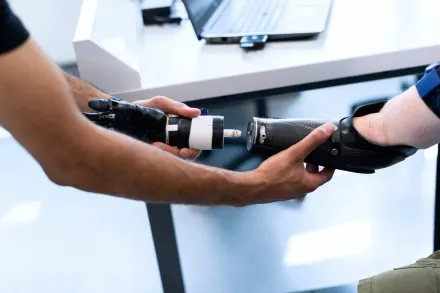
The Evolution of Rehabilitation Robotics
The field of rehabilitation robotics has evolved from conceptual ideas about mechanical assistance to a vibrant ecosystem of devices that are increasingly integrated into everyday clinical practice and home environments. The early demonstrations of robotic assistive devices in rehabilitation centers showed how machines could augment motor practice, measure progress, and provide consistent repetition that human therapists alone could seldom sustain over long periods. Over the ensuing decades, researchers and clinicians collaborated to design systems that do not merely mimic human motion but adapt to the unique needs of each patient. This evolution has been shaped by advances in actuators, sensing technologies, control algorithms, and the growing appreciation that motor recovery is a dynamic process influenced by neuroplastic changes, motivation, and the patient’s broader health context. As a result, modern rehabilitation robotics blends technical sophistication with practical usability, enabling therapy to be more objective, scalable, and deeply personalized while remaining anchored in the expertise of clinicians and the lived experiences of patients.
In contemporary practice, robotic-assisted rehabilitation is typically organized around two overarching paradigms: end-effector devices that impart movement by guiding a limb through a prescribed trajectory, and exoskeletons or wearable assistive devices that provide joint-level torque or support along the limb. End-effector solutions excel in delivering targeted movement patterns, while wearable systems offer greater freedom of choice in posture and functional tasks. The convergence of these approaches with real-time sensing, data analytics, and networked care models has broadened the scope of what is possible. Patients recovering from stroke may practice reach and grasp tasks with a robotic arm, while those with spinal cord injury might engage in supported gait training using a wearable exoskeleton. Across conditions, a core aspiration remains constant: to optimize the dose and quality of practice, while safeguarding safety and comfort, so that neural and behavioral adaptations can unfold more efficiently.
From a design perspective, the focus has shifted toward devices that are lighter, more compliant, and capable of rapid reconfiguration to suit different therapeutic goals. This shift has been propelled by innovations in materials science, such as soft robotics and advanced polymers, which allow devices to conform more closely to anatomical contours and deliver gentle, distributed forces. At the same time, clinicians increasingly demand intuitive interfaces that require minimal cognitive load and permit seamless integration into therapy sessions. This means control schemes that translate intention into action with high fidelity, yet remain robust to variability in patient effort, fatigue, and attention. The result is a family of robotic systems that can be customized for pediatric through geriatric populations, accommodate coexisting medical issues, and function across inpatient, outpatient, and home-based settings while maintaining a strong emphasis on safety and evidence-based practice.
Crucially, the trajectory of innovation has been accompanied by a growing emphasis on outcomes beyond raw motor scores. Clinicians, patients, and researchers increasingly consider practical metrics that reflect real-world functioning, such as independence in daily activities, participation in meaningful tasks, and the psychological experience of rehabilitation. In this context, robotics is not merely a mechanical aid but a catalyst for engaged, purposeful practice. The dialogue between engineers and clinicians has therefore become more iterative and interdisciplinary, with design cycles that incorporate user feedback, clinical constraints, and evolving scientific insights about motor learning and recovery. As this collaborative spirit continues to mature, rehabilitation robotics stands at a crossroads where technology and human-centered care reinforce one another in ways that expand both access and quality of care.
The ongoing expansion of robotics in rehabilitation is also deeply tied to the broader digital health landscape. Sensor-rich devices generate streams of data about movement quality, force profiles, timing, and autonomic responses that, when responsibly managed, can illuminate patterns of recovery and guide personalized therapy plans. Data governance, privacy, and secure cloud-based platforms have become essential components of therapy programs, enabling remote monitoring, longitudinal tracking, and scalability without sacrificing patient trust. At the same time, manufacturers and clinical partners are navigating regulatory pathways to ensure safety, efficacy, and consistency across diverse patient populations. The result is a mature ecosystem in which innovation is tempered by rigorous evaluation, yet remains relentlessly focused on improving function, independence, and quality of life for individuals undergoing rehabilitation.
In sum, the evolution of rehabilitation robotics reflects a shift from isolated devices toward integrated systems that combine mechanical excellence with intelligent control, human factors engineering, and patient-centered care. The field now stands on a platform that supports adaptive practice, data-informed decision making, and collaborative care networks, creating opportunities to accelerate recovery while broadening access to high-quality rehabilitation services. As new materials, sensing modalities, and artificial intelligence tools mature, the potential to tailor therapy to the unique neurophysiological signature of each patient grows, making robotic-assisted rehabilitation not just a technical achievement but a meaningful partner in the journey toward restored function and autonomy.
Key Technologies Driving Change
At the heart of modern robotic-assisted rehabilitation lies a diverse set of technologies that work in concert to deliver safe, effective, and motivating therapy. Actuation systems, which convert electrical energy into mechanical motion, have evolved from bulky, power- hungry motors to compact, highly efficient devices that can provide precise torque and assist-as-needed support. These actuation architectures include electric motors, hydraulic and pneumatic systems, and novel approaches like series elastic actuators that introduce compliant behavior to protect joints while preserving control accuracy. The choice of actuator architecture influences not only the safety and comfort of the patient but also the energy efficiency, weight, and portability of the device, all of which are critical for long therapy sessions or home-based programs.
Complementing actuation are sophisticated sensing systems that capture kinematic and kinetic data with high fidelity. Multi-axis encoders, force sensors, pressure sensors, and inertial measurement units form a feedback loop that informs control strategies, enabling devices to respond in real time to patient effort and movement. Some devices integrate embedded cameras or depth sensors to assess posture and movement quality, while others rely on wearable sensors positioned on limbs to monitor acceleration and angular velocity. This rich data environment supports objective progress tracking and opens the door to advanced analytics, such as identifying subtle improvements in motor timing or detecting compensatory movements that may hinder recovery if unchecked.
Control strategies in rehabilitation robotics have shifted toward intention-based and assist-as-needed paradigms. Intent detection seeks to infer a patient’s desired movement from residual muscle activity, neural signals, or user interactions, and the robot then provides only the assistance necessary to accomplish the task. This approach preserves the patient’s active effort, which is essential for neuroplastic changes, while reducing fatigue and preventing over-reliance on robotic support. Model-based control, adaptive algorithms, and machine learning play increasingly prominent roles in shaping how devices adapt to changing performance levels, fatigue, and variability across sessions. The net effect is a more natural and responsive therapy experience where the patient remains the driver of the movement while the machine acts as a dynamic co-therapist.
Another crucial technology frontier is haptic feedback and sensory augmentation. By delivering tactile cues, force feedback, and proprioceptive information, devices can enhance the patient’s sense of embodiment and improve motor learning. Haptic modalities can help patients recalibrate their internal models of limb position and movement, reducing reliance on vision and enabling more efficient training. When paired with multisensory feedback that combines auditory, visual, and proprioceptive inputs, rehabilitation programs become more engaging and cognitively manageable, which supports sustained participation. This multisensory design philosophy is particularly valuable for populations with attentional or cognitive challenges, where clear, consistent cues can significantly influence adherence and outcomes.
Delicate balance between safety and performance is achieved through intelligent safety systems. Machines incorporate force and velocity limits, emergency stop mechanisms, and fault-tolerant control architectures to protect users during high-intensity tasks or unexpected patient responses. These safety measures extend beyond the device itself to include clinician training, patient education, and robust maintenance programs. In conjunction with validation studies and regulatory oversight, safety-focused design ensures that the benefits of robotic-assisted rehabilitation are accessible to a broad spectrum of patients without compromising well-being or trust in the technology.
As the field progresses, interoperability becomes a central design principle. Devices are increasingly built to communicate with electronic health records, telehealth platforms, and other rehabilitation tools so that therapists can assemble comprehensive, seamless treatment regimens. Standardized data formats, open interfaces, and collaborative ecosystems encourage the sharing of best practices and enable researchers to compare outcomes across institutions. This openness accelerates learning, reduces duplication of effort, and ultimately makes innovative therapies more reproducible and scalable while preserving patient-specific tailoring.
Control Interfaces and Intention Detection
The interface between patient and machine is a critical determinant of therapy effectiveness. Interfaces that infer movement intention from physiological signals allow patients with limited voluntary control to engage in meaningful tasks. In EMG-based control, residual muscle activity is decoded to predict intended joint movements or end-effector trajectories, enabling intuitive and responsive assistance. Brain-computer interfaces extend this concept by translating neural activity directly into device commands, which can be particularly impactful for individuals with severe motor impairment. While BCIs face challenges such as signal variability and calibration requirements, advances in noninvasive recording techniques, robust decoding algorithms, and user-centered training protocols are driving progress toward practical, daily-use solutions.
Beyond neural signals, wearable sensing and inertial data provide rich information about the user’s kinematics and effort. Algorithms that fuse EMG, kinematic data, and fatigue indicators can adapt assistance on a moment-to-moment basis, ensuring that the patient remains actively engaged. This real-time adaptability is critical for tasks that demand precision and timing, such as precise hand movements or controlled weight-bearing during gait training. Clinicians benefit from transparent feedback about patient performance, which supports goal setting, progress evaluation, and the adjustment of therapeutic parameters to maximize learning while preventing overexertion or compensatory strategies that may slow recovery.
Learning-based control approaches enable robotics to improve through experience. Reinforcement learning and supervised learning techniques can optimize how and when to apply assistance, tailoring the intensity and timing of support to each patient’s evolving capabilities. These methods can also generalize across tasks, enabling a device first trained on a simple movement to adapt to more complex functional activities without requiring exhaustive reprogramming. The human-in-the-loop paradigm remains essential, with therapists guiding the learning process, validating outcomes, and ensuring that the robot’s behavior aligns with clinical goals and patient safety considerations.
Ultimately, the goal of control interfaces and intention detection is to restore a sense of agency for patients. When a person feels that the device is responding to their goals rather than imposing a predefined pattern, motivation and engagement typically rise, and that psychological dimension becomes a powerful driver of motor recovery. Bridging the gap between intention and action in a way that feels natural requires thoughtful design, rigorous testing, and ongoing collaboration among engineers, clinicians, and patients who use these tools in diverse contexts.
Sensory Feedback and Embodiment
Embodiment in robotic rehabilitation refers to the patient’s perception that the device is an extension of their own body rather than a separate tool. Achieving a strong sense of embodiment hinges on delivering convincing sensory feedback that mirrors natural movement. Proprioceptive cues, tactile sensations, and kinesthetic information can be conveyed through a variety of modalities, including haptic actuators, pressure arrays, and distributed vibration patterns. When carefully calibrated, these cues help align the user’s internal motor plan with observable outcomes, reinforcing correct movement patterns and reducing cognitive load during task execution.
Haptic feedback is particularly important during grasping and manipulation tasks, where subtle finger forces and contact dynamics influence success. For patients relearning hand function after stroke or spinal cord injury, tactile augmentation can sharpen discrimination between different object textures, shapes, and stiffness, enhancing the fidelity of motor learning. In gait and upper-limb rehabilitation, proprioceptive feedback about joint position and muscle length supports the development of coordinated multi-joint movements. Multisensory integration, which combines visual, auditory, and somatosensory cues, is especially beneficial for individuals with sensory deficits or attentional challenges, helping them more reliably interpret the consequences of their actions and adjust their performance accordingly.
From a design perspective, sensory augmentation must respect safety and comfort thresholds while remaining adaptable to diverse patient anatomies. Devices must deliver consistent feedback without overstimulation, and clinicians must be able to tune intensity and timing to align with therapy goals and patient preferences. Efforts to personalize sensory feedback environments often involve adjustable calibration routines, patient education on the meaning of cues, and iterative refinement based on observed progress and subjective reports. The result is a rehabilitation experience that feels intuitive, engaging, and closely aligned with the patient’s evolving sense of self and capability.
Beyond the individual patient, robust sensory feedback strategies can facilitate motor learning transfer to real-world tasks. When the sensory experience during therapy resembles that of daily activities, patients may show better retention of skills and greater confidence in performing tasks outside the clinical setting. This transfer is a critical measure of success for rehabilitation programs and remains an active area of inquiry as researchers explore optimal patterns of feedback scheduling, task variety, and reinforcement signals that maximize durable recovery across functional domains.
Soft Robotics and Wearable Exoskeletons
Soft robotics brings a new dimension of safety and adaptability to rehabilitation devices. Using compliant materials such as elastomeric polymers and flexible fabrics, soft actuators can apply smooth, distributed forces that are easier for patients to tolerate than rigid aids. This compliance reduces peak contact pressures, minimizes pinching or pin-point loading, and enables more natural interaction with delicate joints and soft tissues. The ability to tailor stiffness dynamically allows therapists to shift from supportive modes during early recovery to more challenging resistance as strength and control improve. The result is a more forgiving training environment that encourages progression without compromising safety.
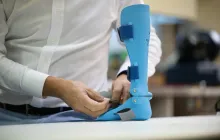
Wearable exoskeletons and assistive suits have advanced from bulky prototypes to more compact, modular, and user-friendly systems. Portable rigs with thigh and calf or arm and forearm configurations can enable overground walking, stair negotiation, or overhead reaching in community settings. Lightweight power sources, efficient actuators, and ergonomic attachment schemes contribute to better tolerance during lengthy sessions and higher adherence to home rehabilitation programs. The modular approach means therapists can address specific impairment patterns, such as ankle dorsiflexion weakness, knee extensor control, or proximal trunk stability, by swapping or adjusting components rather than replacing entire devices.
Design trade-offs in soft robotics emphasize the balance between compliance and controllability. While soft systems offer gentler interaction, they may exhibit slower response times or nonlinear behavior that demands sophisticated control strategies and robust state estimation. Engineers address these challenges with sensor fusion, model-based controllers, and adaptive algorithms that compensate for material aging, temperature changes, and wear patterns. Clinically, these devices expand access for pediatric patients, older adults, and individuals with hypersensitivity to rigid interfaces, thus broadening the therapeutic reach of robotic rehabilitation while maintaining rigorous safety margins and ease of cleaning, maintenance, and sanitization in clinical environments.
In practice, soft robotic and wearable technologies are increasingly deployed as part of comprehensive therapy programs that blend conventional therapeutic exercises with autonomous practice. Therapists may guide patients through a sequence of activities that start with passive range of motion supported by soft devices and gradually transition to active participation with assistive torque. This staged approach aligns with principles of motor learning, encouraging repetition, task-specific practice, and progressive challenge. The end result is a more versatile, patient-centric, and sustainable approach to rehabilitation that leverages the distinct advantages of soft, wearable technology while remaining sensitive to clinical workflows and patient safety requirements.
AI, Data, and Personalization
Artificial intelligence and machine learning are increasingly woven into the fabric of robotic rehabilitation. Data collected during therapy sessions—ranging from movement trajectories and baton-like cue patterns to force profiles and fatigue indicators—can be analyzed to uncover patterns of recovery, tailor therapy plans, and predict outcomes. Personalization emerges as a central objective: rather than applying a one-size-fits-all protocol, devices adjust intensity, duration, and task selection to align with an individual patient’s trajectory. This data-driven approach supports more efficient use of therapy time, maximizes meaningful practice, and helps clinicians identify when to modify goals in response to plateaus or accelerated gains.
Clinical decision support tools grounded in AI assist therapists by presenting interpreted insights rather than raw data. Visual dashboards may highlight trends in movement quality, suggest optimal progression steps, and flag compensatory strategies that require intervention. Importantly, these systems operate as partners in care, not as arbiters; clinicians interpret the AI outputs within the broader context of medical history, comorbidities, psychosocial factors, and patient preferences. By enabling more precise dosing of therapy and enabling real-time feedback, AI-enabled personalization can reduce the burden on therapists while enhancing the consistency and reproducibility of rehabilitation outcomes across different settings and patient groups.
Ethical considerations accompany the deployment of AI in rehabilitation. Transparency about data use, models' decision processes, and potential biases is essential to maintain patient trust. Privacy protections, secure data management, and clear patient consent processes are indispensable as more devices connect to cloud-based platforms or remote monitoring networks. When these principles are upheld, AI-powered rehabilitation supports equitable access to high-quality therapy, helps bridge workforce gaps in underserved regions, and accelerates the translation of research discoveries into routine clinical practice.
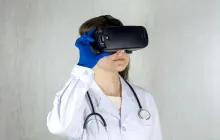
Another salient trend is the use of simulation-based and virtual environments to augment real-world therapy. High-fidelity simulators and immersive training paradigms enable patients to practice challenging tasks in a controlled, motivating setting before transferring skills to daily activities. AI-driven adaptation ensures that simulations remain relevant to each patient’s goals, gradually increasing task difficulty and introducing variability that promotes robust motor learning. This combination of realism, personalization, and scalable delivery holds promise for expanding rehabilitation reach while maintaining high standards of safety and effectiveness.
Remote and Telerehabilitation
The integration of robotics with telehealth creates new opportunities for remote therapy that can reach patients who face access barriers due to geography, transportation, or scheduling constraints. Robotic devices designed for home use are often accompanied by cloud-connected software that enables therapists to monitor progress, adjust treatment parameters, and deliver guidance without requiring in-person visits. Remote supervision can include live video sessions, asynchronous data review, and remote calibration of the device to ensure alignment with therapy goals. This model helps sustain therapy intensity over extended periods and supports continuity of care across transitions from hospital to community settings.
Remote rehabilitation also fosters collaborative care models that involve caregivers, family members, and community health workers in the therapeutic process. Devices can be configured to provide clearer, step-by-step cues and feedback to non-specialist users, reinforcing correct practice and safety. However, the remote paradigm introduces considerations around data security, patient privacy, and the reliability of network connections. Stakeholders address these challenges through encryption, robust authentication, and offline contingencies that allow therapy to continue even when connectivity temporarily falters. The net effect is a resilient, patient-centered approach to rehabilitation that respects individual circumstances while maintaining therapeutic rigor.
Economic and regulatory factors influence the adoption of remote robotic rehabilitation. Reimbursement models increasingly recognize the value of at-home therapy that preserves continuity and engagement, provided outcomes are demonstrably favorable. Clinicians must navigate licensure constraints, device maintenance responsibilities, and privacy regulations that vary across regions. As these frameworks mature, more patients will experience the benefits of sustained, data-informed rehabilitation in the comfort of their own environments, with clinicians guiding progress through secure, accountable digital channels. The interplay of technology, policy, and patient empowerment will shape how remote rehabilitation evolves in the coming years.
Clinical Applications and Outcomes
Robotic-assisted rehabilitation spans a broad spectrum of conditions, with stroke recovery constituting a central focus due to the prevalence of upper limb impairments and gait disturbances. In stroke survivors, devices that support wrist and finger extension or assist knee and ankle movements during walking have been shown to augment therapy dose, encourage correct movement patterns, and enable task-specific practice that translates to functional gains. Beyond the acute phase, robotics can reinforce motor learning during subacute and chronic stages, reinforcing neural plasticity through repetitive, engaging, and well-timed interventions. The ability to quantify improvement with objective metrics helps clinicians tailor progression and document meaningful changes for patients, families, and payers alike.
Spinal cord injury presents another compelling domain for robotic rehabilitation. Exoskeletons and assistive devices can enable overground locomotion for individuals who otherwise rely on wheelchairs, unlocking opportunities for weight-bearing, cardiovascular conditioning, and social participation. Even when voluntary movement remains limited, devices that stabilize posture and provide controlled mobility can foster independence in daily routines, reduce secondary complications, and improve mood and motivation. In tandem with gait training, arm and hand therapy aided by robotics supports functional recovery of activities of daily living, enabling patients to engage in self-care, feeding, grooming, and communication with greater autonomy.
Traumatic brain injury, cerebral palsy, and other neurodevelopmental or neurodegenerative conditions also benefit from robotic-assisted modalities. In pediatric populations, devices must balance safety with developmental considerations, delivering age-appropriate challenges that sustain curiosity and participation. In adults, robotic systems can complement conventional therapy by optimizing the intensity and specificity of practice, while clinicians monitor for potential fatigue or overtraining. Across these applications, the central theme is that robotics should adapt to the patient’s evolving capacity rather than forcing the patient to adapt to a fixed device, thereby supporting durable improvements in motor function and participation in meaningful activities.
In orthopedic rehabilitation, robotic assistance supports post-surgical progression and rehabilitation after joint replacement or soft tissue injuries. Robotic-guided therapy can facilitate precise range-of-motion work, gradual loading, and progressive resistance training, providing standardized benchmarks that help clinicians evaluate healing trajectories. When integrated with conventional physical therapy, robotics can reduce recovery time, improve range, and encourage safer, incremental progression through complex movement sequences. The evidence base for these applications continues to grow, with meta-analyses highlighting improvements in motor function, independence, and patient satisfaction when robots are used as part of a comprehensive rehab program.
Across all these clinical areas, patient-reported outcomes and quality-of-life measures are increasingly recognized as essential complements to objective motor metrics. Patients value not only the gains in movement but also the confidence, autonomy, and social participation that accompany improved function. Robotic rehabilitation systems that support goal-setting, progress visibility, and meaningful task practice tend to foster stronger engagement and adherence, which are critical determinants of long-term recovery. As the evidence base expands and devices become more accessible, the potential impact of robotic-assisted rehabilitation on patient-centered care continues to grow across diverse clinical pathways.
User Experience, Engagement, and Motivation
Engagement is a central pillar of successful rehabilitation. Devices that are perceived as intuitive, comfortable, and motivating tend to produce higher adherence and more effortful practice, which in turn accelerates motor learning. Designers emphasize ergonomic fit, lightweight construction, and quiet, unobtrusive operation to reduce barriers to use. Features such as adaptive feedback, progress celebrations, and narrative-driven goals can transform repetitive exercises into meaningful stories of recovery, sustaining motivation over weeks or months of therapy.
Gamification and immersive interfaces are increasingly employed to maintain patient interest and encourage sustained participation. By transforming repetitive tasks into challenges with clear rewards, these approaches can improve attention, reduce perceived exertion, and create a sense of mastery. Importantly, game-like elements are tailored to individual abilities, ensuring that tasks remain within an optimal challenge zone that supports learning without causing frustration. Clinicians can calibrate difficulty levels, track engagement, and align digital rewards with real-world functional goals, bridging virtual experiences and tangible outcomes.
Therapist- patient collaboration remains essential even as robotics assume a greater role in therapy delivery. Devices are designed to augment, not replace, professional expertise. Clinicians interpret device-generated data, adjust therapy plans, and provide the human connection that sustains motivation, safety, and confidence. The most successful programs leverage a seamless workflow in which robotic practice complements therapist- led sessions, enabling therapists to extrapolate from device metrics to refine compensation strategies, balance rest with activity, and foster a therapeutic alliance that supports resilience and empowerment.
Beyond physical outcomes, emotional well-being and social participation are recognized as integral components of recovery. Devices that reduce fatigue and enhance independence can have meaningful effects on mood, self-efficacy, and social engagement. In pediatric settings, for instance, robots that enable play-like activities and family involvement can transform rehabilitation into a positive and inclusive experience. The human-centered ethos embedded in design choices—acceptance by patients, trust by families, and communicative clarity for clinicians—helps ensure that robotic rehabilitation remains a welcoming, empowering, and sustainable part of care.
Safety, Standards, and Ethics
Safety is foundational in rehabilitation robotics because these devices directly interact with vulnerable populations and influence delicate physiological processes. Designers implement layered safety strategies that include mechanical protections, software interlocks, motion limits, and rigorous validation in both laboratory and real-world environments. Comprehensive risk analyses guide design choices, and standards-based testing provides a structured framework for evaluating performance, durability, and fault handling. Regular maintenance, battery checks, and calibration routines are essential components of a safe, dependable therapy program that patients and clinicians can trust over the long term.
Ethics enters rehabilitation robotics in several dimensions. Equity of access is a central concern, as advanced devices may be costlier and require specialized training. Policymakers, providers, and industry players are increasingly called upon to develop models that ensure affordability, reimbursement, and broad distribution of beneficial technologies. Informed consent, patient autonomy, and transparency about data usage and potential risks must underpin every clinical deployment. Researchers and clinicians also grapple with the issue of dependency: ensuring that robotic assistance facilitates genuine recovery rather than creating a reliance on devices that may impede unassisted movement when devices are unavailable.
Regulatory oversight helps strike a balance between innovation and patient safety. Clear guidelines for clinical trials, post-market surveillance, and reporting of adverse events are essential as devices move from research prototypes to widely adopted rehabilitation tools. Clinicians benefit from standardized training, ongoing professional development, and robust support networks that accompany new technologies. Strong collaboration among regulators, clinicians, researchers, and patients is vital to cultivate an environment where innovation can flourish without compromising patient well-being or public trust.
The Future Landscape
Looking ahead, innovations in robotic-assisted rehabilitation are likely to ride on the convergence of multiple technological streams. Integrating robotics with neuromodulation techniques, such as targeted electrical stimulation or noninvasive brain stimulation, could amplify plasticity and speed recovery by combining motor practice with neuromodulatory support. The synergy between sensorimotor training and neural feedback may become a cornerstone of next-generation therapies, enabling patients to retrain neural networks more efficiently while receiving precise, task-specific cues that reinforce correct movement patterns.
Personalized rehabilitation pathways will increasingly rely on longitudinal data collected across devices, clinics, and home environments. Advanced analytics and predictive modeling could forecast recovery trajectories, enabling proactive adjustments to therapy plans and resource allocation. The democratization of robotics through modular, affordable designs and scalable cloud-based platforms holds promise for reducing regional disparities in access to high-quality rehabilitation. In this future, patients, families, and clinicians will partner within ecosystems that support continuous learning and adaptation, ensuring that therapy remains aligned with evolving goals and life circumstances.
Ethical and social considerations will shape how these technologies are adopted and valued. Societal expectations about assistive devices, privacy protections in an era of pervasive data collection, and the distribution of healthcare resources will influence policy, reimbursement, and research priorities. Designers and clinicians must remain attentive to the diverse needs of users, including those with cultural, linguistic, or sensory differences, to ensure that robotic rehabilitation serves as an inclusive standard of care. Ultimately, the enduring aim is to empower individuals to regain meaningful independence, participate in daily life with confidence, and experience rehabilitation as a hopeful, empowering journey rather than a taxing or isolated process.