In the evolving landscape of medicine, remote surgical assistance has transitioned from a speculative concept to a practical, life saving technology. This transformation has been propelled by advances in robotics, communication networks, imaging modalities, and simulation based training. The journey began with telepresence experiments and now includes sophisticated robotic arms controlled by surgeons thousands of miles away, augmented by secure data links, real time monitoring, and intelligent decision support. This article explores the innovations shaping remote surgical assistance, tracing the trajectory from early explorations to the frontier technologies that promise to redefine how complex procedures are delivered to patients everywhere.
The roots of remote surgical care lie in the desire to extend expert hands to patients who cannot easily access specialized operating theaters. Early pilots used basic videoconferencing to guide on site teams and slowly introduced robotic interfaces that allowed surgeons to manipulate instruments from distant control rooms. As bandwidth improved, latency reduced, and imaging fidelity increased, teams could perform more intricate maneuvers with an unprecedented sense of presence. In this context, the modern remote surgical ecosystem began to coalesce around three core pillars: robotic platforms that translate the surgeon’s intent into precise instrument motion, high fidelity imaging systems that provide depth, tactile feedback, and situational awareness, and robust communications infrastructures that maintain secure, low lag connections even across continents. This triad laid the groundwork for a new era where geography no longer dictates the availability of expert skill.
As researchers and clinicians gained experience, the scope of remote surgical assistance expanded beyond simple guidance to include fully remote operative capabilities. The advent of multi port robotic systems, improved haptic feedback, and advanced visualization technologies allowed surgeons not only to view the surgical field but to interact with it as if they were present in the operating room. With time, safety protocols, standardized workflows, and certification programs matured in parallel, creating an ecosystem where patient safety remained paramount while enabling broader access to specialized procedures. The integration of artificial intelligence based analytics, real time data interpretation, and adaptive control strategies further enhanced the precision, predictability, and resilience of remote interventions. These developments began to reshape care delivery, particularly in settings where access to highly trained surgeons is constrained by geographic, economic, or logistical factors.
Today remote surgical assistance is increasingly characterized by a hybrid model that combines on site teams with remote operators who supervise, guide, or directly manipulate robotic instruments depending on the clinical scenario. This model benefits from redundant communication channels, high performance computing resources, and cloud based platforms that support collaboration among experts who may be located in different countries. Hospitals and universities collaborate to advance the technology stack while regulatory agencies evaluate risk, establish standards, and define credentialing pathways. The result is a vibrant, iterative environment where clinical feedback informs engineering refinements, and software driven improvements continually push the boundaries of what is ethically prudent, technically feasible, and clinically meaningful for diverse patient populations.
In parallel with technological advance, patient engagement and acceptance of remote surgery have evolved. Transparent risk communication, informed consent tailored to remote modalities, and patient education materials help individuals understand the benefits and potential limitations of procedures conducted at distance. The shared goal across stakeholders is to ensure that remote surgical assistance offers comparable safety and outcomes to traditional models while delivering additional advantages such as reduced travel, faster access to specialists, and the possibility of scheduling adaptability that minimizes disruption to patients’ lives. As public confidence grows and reimbursement frameworks adapt, more health systems are willing to invest in the infrastructures that enable remote capabilities, recognizing the potential for improved equity in access to expert surgical care.
At the core of the ongoing expansion is a design philosophy that prioritizes resilience and modularity. Remote surgical systems are increasingly architected to tolerate network variability, to switch seamlessly between control modalities, and to recover gracefully from interruptions without compromising patient safety. Engineers emphasize modular software architectures, standardized interfaces, and interoperable components that can be upgraded without requiring complete system overhauls. This approach reduces downtime, accelerates maintenance, and invites cross discipline collaboration, inviting contributions from fields such as computer vision, biomechanics, human factors engineering, and cybersecurity. As systems become more capable, clinicians gain more options: perform fully remote operations when logistically feasible, provide remote assistance during on site procedures, or employ tele presence to guide trainees through complex maneuvers in a controlled setting. The flexibility inherent in these configurations expands the potential reach of surgical expertise across hospitals, clinics, and disaster response scenarios alike.
Recent decades have witnessed a convergence of remote surgical capabilities with broader telemedicine platforms. The blend of real time video, audio, instrument telemetry, and environmental sensing creates a holistic view of the patient and the operating room. Surgeons can monitor physiological parameters, instrument torque, tissue stiffness, and system diagnostics without being physically present in the room. The resulting data richness enables more nuanced clinical decision making, enabling teams to anticipate complications before they arise and to adjust plans rapidly if unexpected findings emerge. This integrated approach also supports quality improvement initiatives, providing a detailed record of the procedural step sequence, instrument trajectories, and response of patient physiology that can be used to refine training curricula and inform future research directions. The information ecosystem surrounding remote surgery increasingly resembles a living, adaptive brain that learns from each case and shares insights across the network to elevate the standard of care worldwide.
As the field advances, ethical considerations accompany technical progress. Issues related to patient autonomy, informed consent in a remote context, data privacy, and the potential for unequal access require careful attention. Guidelines increasingly stress the importance of independent oversight during remote procedures, robust risk communication, and transparent accountability frameworks that clearly delineate the responsibilities of remote operators, on site teams, and technology providers. In addition, clinicians and engineers work together to design fail safe mechanisms, such as predefined abort criteria, automated safety checks, and rapid disengagement protocols that empower local teams to assume control when necessary. The interplay between innovation and governance thus remains a defining feature of the modern remote surgical landscape, ensuring that technological gains translate into meaningful, ethical, and patient centered outcomes.
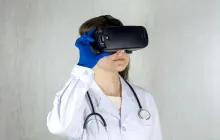
The training paradigm for remote surgery also reflects this maturation. Comprehensive curricula blend theoretical instruction with high fidelity simulation, hands on practice with robotic systems, and supervised real world experience under stringent oversight. Trainees engage with virtual reality environments that replicate a wide range of scenarios, from routine procedures to rare emergencies, enabling the development of muscle memory, spatial perception, and decision making under pressure. Debriefing sessions, performance metrics, and objective structured clinical examinations help quantify progress and identify areas for improvement. Moreover, ongoing professional development ensures that seasoned surgeons remain proficient as equipment evolves and new platforms enter clinical use. Hospitals increasingly invest in simulation centers, cloud based training modules, and collaborative networks that enable remote mentors to guide learners regardless of location. This ecosystem supports continuous skill enhancement, a prerequisite for maintaining high standards of patient safety in the face of rapid technological change.
In clinical practice, the repertoires of diseases and procedures that benefit from remote assistance continue to grow. Complex tumor resections, delicate microsurgical tasks, and organ preservation operations are among the areas where remote control of robotic systems is now routine in some centers. In other contexts, remote assistance provides valuable support during disaster response, battlefield medicine, or in remote rural settings where expert surgeons must collaborate with on site teams who possess variable levels of specialization. The versatility of remote platforms enables customization to local capabilities, aligning technical sophistication with patient needs and infrastructure realities. As the evidence base expands through multicenter trials, registries, and post market surveillance, more clinicians gain confidence in deploying remote techniques for appropriate indications, guided by consistent care standards and close collaboration with device manufacturers and regulatory bodies.
Historical Context and Emergence of Remote Surgical Care
The early experiments that seeded remote surgery were driven by curiosity and the compelling promise of expanding access. Pioneering groups explored the feasibility of conveying surgical control through cameras, haptic devices, and robotic interfaces, testing the boundaries of how much distance could be bridged without compromising the surgeon’s ability to perform precise maneuvers. These foundational efforts highlighted both the potential and the challenges: the need for stable networks, high fidelity imaging, and intuitive, surgeon friendly interfaces. Over time, incremental improvements addressed latency, synchronization between control and response, and the reliability of instrument guidance systems. The narrative of this era emphasizes collaboration across disciplines—engineering, anesthesiology, nursing, and IT—each contributing essential expertise to create a working, patient centered solution. The lessons learned during these early demonstrations seeded later innovations and established a culture of safety that continues to guide remote surgical programs today.
The emergence of robust robotic platforms reframed what remote surgery could achieve. Robotic arms offered enhanced precision, tremor filtration, and scalable tool configurations that could be adapted to a wide array of procedures. The tactile feedback that links the surgeon’s feel to the tissue response became a focal point of research, as the sense of touch is integral to safe, nuanced tissue handling. Meanwhile, imaging technologies evolved from two dimensional video feeds to three dimensional high resolution visualization with real time guidance. The cumulative effect of these advances was a shift from telepresence as a demonstration of remote capability to teleoperation as a clinically viable, patient safe modality. Lessons from this transition informed regulatory thinking, risk management strategies, and the development of standardized operating procedures that could be adopted across institutions, enabling broader adoption while preserving high safety standards.
Regulatory environments gradually recognized remote surgical systems as medical devices requiring rigorous validation. The focus broadened to include software as a medical device, cybersecurity protections, and comprehensive post market oversight. Certification programs for operators and teams began to emphasize not only technical proficiency but also the capacity to manage remote teamwork dynamics, communication with on site clinicians, and rapid escalation protocols if a complication arises. This regulatory maturation complemented the engineering advances, ensuring that patient safety remained at the center of the innovation cycle. As a result, more hospitals incubated remote programs and began to recruit multidisciplinary teams that could sustain ongoing improvements, operate in diverse settings, and adapt to evolving clinical needs and technological breakthroughs.
Ethical considerations accompanied this historical arc. The central concern was ensuring that distance did not erode patient autonomy, consent, and trust. Clinicians and researchers worked to articulate informed consent processes that explicitly addressed the remote nature of the intervention, data handling practices, and the possibility of remote intervention limitations. Privacy protections, data integrity, and the potential for cyber threats were incorporated into risk assessments and safety planning. Community engagement and patient education emerged as essential components, helping patients understand the rationale for remote surgery, the safeguards in place, and the expected clinical benefits compared with conventional approaches. By acknowledging and addressing these ethical dimensions early, remote surgery programs laid a durable foundation for responsible growth that remains a constant consideration as the technology advances.
The patient outcomes associated with early remote procedures varied widely, reflecting the learning curves, user experience, and resource heterogeneity across institutions. As centers accumulated case experience and shared best practices, outcome data began to stabilize and show favorable trends in selected indications. This evolution reinforced the case for remote assistance in scenarios where geography or resource limitations could otherwise prevent timely access to expert care. It also underlined the importance of context: remote capabilities are most effective when integrated into a broader care pathway that includes meticulous preoperative planning, intraoperative monitoring, and postoperative follow up. Through continuous evaluation and knowledge exchange, the field built a practical, evidence based framework that supports careful patient selection, rigorous training, and ongoing quality assurance for remote interventions.
Technological convergence continued to accelerate progress. Advances in cloud computing enabled scalable data processing and analytics that could operate in tandem with local control systems. Edge computing brought latency sensitive processing closer to the surgeon’s control interfaces, reducing delay and improving responsiveness. Artificial intelligence powered decision support systems could assist with image interpretation, risk stratification, and real time guidance through anatomical landmarks. Cybersecurity practices evolved to protect patient information and control commands from unauthorized access, while redundancy and failover mechanisms safeguarded system availability. The interplay of these capabilities created a robust, resilient framework in which remote surgical assistance could function with high reliability under diverse conditions, including resource constrained environments where equipment budgets are a critical constraint.
The human factors dimension has remained central. Designers sought to preserve the surgeon’s situational awareness, cognitive load, and perceived control in the remote context. Ergonomic interfaces, intuitive control schemes, and clear visual cues help reduce fatigue and misinterpretation during long or complex cases. Training simulators now incorporate realistic networking delays, imperfect audio channels, and diagnostic uncertainties to prepare teams for real world variability. Multidisciplinary teams practice under simulated stress conditions to improve communication, coordinate actions, and maintain patient safety even when technical hiccups occur. The result is a more seamless synergy between human expertise and machine precision, where remote systems extend the surgeon’s capabilities without diminishing the central role that clinical judgment plays in every procedure.
Looking ahead, researchers anticipate further integration of smart sensors, adaptive control, and personalized patient models that inform intraoperative decisions. The prospect of tailoring instrument guidance and tissue handling strategies to an individual patient’s anatomy and tissue properties could push outcomes toward even higher levels of safety and efficacy. In parallel, the expansion of remote surgical capabilities into training environments, disaster zones, and underserved regions offers a pathway to equitable access to highly specialized care. The ongoing challenge is to sustain momentum while maintaining unwavering emphasis on patient welfare, clinician well being, and the integrity of the ethical framework that governs medical practice in a connected, technologically advanced era.
Core Technologies Driving Remote Assistance
Remote surgical assistance rests on a confluence of technologies that translate the surgeon’s intent into precise action while maintaining rich, real time awareness of the patient’s condition. Precise robotic actuators form the mechanical backbone, converting high level commands into micro movements that manipulate instruments with sub millimeter accuracy. These robotic platforms incorporate sophisticated control algorithms, motion scaling, and tremor suppression to deliver steadiness that surpasses human manual capabilities in many delicate maneuvers. The haptic feedback channel, when present, attempts to convey a sense of tissue texture and resistance to the surgeon, creating a tactile connection that enhances situational understanding. Even in systems where direct haptics are limited, force sensing and instrument telemetry provide informative cues about tissue interaction and instrument limits, enabling safer handling and more predictable outcomes. The synergy between mechanical design and human perception is central to achieving a compelling sense of presence in the remote environment.
Visualization technologies have matured from two dimensional video streams to immersive three dimensional representations of the surgical field. High fidelity stereoscopic feeds, coupled with depth perception cues and augmented reality overlays, help surgeons discern spatial relationships among tissues, vessels, and critical structures. Real time imaging modalities—such as ultrasound, intraoperative CT, or fluorescence guided fluorescence imaging—offer functional information that complements anatomical views. When integrated into the remote workflow, these imaging modalities support precise navigation, safer dissection, and accurate targeting of pathologies. The challenge lies in synchronizing multiple data streams without overwhelming the operator’s cognitive bandwidth, which has driven research into intelligent prioritization, adaptive display modes, and smart filters that highlight clinically salient information during different phases of a procedure.
Communication networks are the lifeblood of remote surgery. The ideal system sustains ultra low latency, high bandwidth, and robust security to support not only visual and control data but also instrument telemetry, patient monitoring, and cloud based decision support. Contemporary solutions employ dedicated fiber links or optimized wireless paths with Quality of Service guarantees to minimize delays. Edge computing accelerates processing close to the operator and patient, reducing round trip times and enabling more responsive control loops. Redundancy is a standard feature, with multiple data pathways and automatic failover to preserve connectivity even in the face of network disruptions. Moreover, cybersecurity is woven into the fabric of the platform, incorporating encryption, authentication, and attack detection to mitigate risks unique to connected medical devices while preserving patient privacy and data integrity.
Artificial intelligence contributes to remote surgery in several meaningful ways. Deep learning models assist with real time image interpretation, feature localization, and anomaly detection within the surgical field. Predictive analytics provide risk assessments during the procedure, offering guidance about potential complications based on tissue characteristics and physiological signals. Expert systems can craft context specific recommendations for instrument choices or sequencing of steps, while maintaining clinician override capability. Importantly, AI in this setting acts as an assistive partner rather than a replacement for human expertise, providing support that enhances precision and consistency while preserving the physician’s ultimate decision making authority. Ongoing validation across diverse patient cohorts is essential to ensure that AI augmentation translates into tangible improvements in safety, accuracy, and patient outcomes.
Safety engineering underpins every aspect of remote assistance. Redundancy in hardware, software, and networks reduces the chance that a single failure could compromise care. Continuous monitoring systems detect anomalies in device performance, environmental conditions, or patient physiology and trigger predefined contingency measures. Abort routines enable immediate cessation of remote control and a safe transition back to local control when needed. Standardized failure mode effect analysis informs design choices and emergency protocols, ensuring that teams can respond swiftly in the face of unexpected events. The regulatory environment reinforces these safety practices by requiring rigorous verification and validation, traceable change management, and comprehensive incident reporting that builds a transparent safety culture across the ecosystem.
The human computer interface continues to evolve to support more natural and intuitive interaction. Control devices range from traditional master-slave robotic consoles to novel wearable and gesture based interfaces that rely on motion tracking and proprioceptive feedback. The objective is to minimize the cognitive burden and reduce the time needed to translate intention into action. Multisensory feedback, including auditory cues and visually distinct alerts, helps keep the surgeon oriented even in complex, dynamic environments. Training programs emphasize the development of muscle memory for remote pathways and the ability to adapt control gestures to different robotic systems, ensuring portability of skill across platforms. As interfaces converge toward more seamless, embodied experiences, clinicians gain the capacity to perform with a level of control and fluency that mirrors or surpasses what is possible in conventional settings.
In many settings, remote surgical assistance is augmented by planning tools that assist with case setup, imaging registration, and intraoperative decision making. Preoperative planning environments simulate the planned incision lines, trajectories, and resection boundaries based on patient imaging. During the operation, real time alignment checks verify that the patient reference frames remain correctly registered, a critical step when tissue shifts or patient movement introduce uncertainties. These planning and verification tools help standardize procedures, reduce variability, and support teaching and quality assurance across institutions. The cumulative effect of these planning aids is a smoother intraoperative workflow, enabling surgeons to execute intricate procedures with increased confidence and reproducibility across different clinical teams and facilities.
Emerging materials and instrument designs aim to further close the tactile gap between remote operators and the surgical field. Innovative force feedback mechanisms, compliant actuators, and soft robotics concepts are exploring ways to convey a more natural sense of tissue reaction without compromising sterility or reliability. Researchers test new modalities for haptic communication, including kinesthetic cues that simulate resistance and textures, which could substantially improve the surgeon’s perception of tissue properties even when direct contact is mediated through robotic interfaces. The continued convergence of materials science, microfabrication, and control theory holds promise for more intuitive and robust tactile experiences that empower remote surgeons to perform delicate maneuvers with heightened sensitivity and confidence.
Robotic Platforms and Haptic Feedback
Robotic platforms provide the core physical means by which remote surgeons exert influence over the operative field. These systems translate human intent into precise instrument motion, enabling a range of actions from gentle tissue separation to precise cauterization. The mechanical design emphasizes compact, sterile configurations that can be integrated into existing operating rooms or deployed in field environments. Instrument versatility is essential, with joints, grippers, and energy delivery modalities that cover common surgical tasks while minimizing instrument exchanges that could prolong procedures or introduce risk. The ability to exchange tools rapidly without compromising sterility supports efficient case flow and reduces patient time under anesthesia. As platforms advance, modular architectures that accommodate new tools without extensive reconfiguration become increasingly valuable for institutions seeking to expand capabilities over time.
Haptic feedback remains a focus of intense investigation, as the sense of touch has historically been a limiting factor in remote manipulation. When accurate, timely haptic cues allow surgeons to gauge tissue properties and respond to subtle changes in resistance, tissue pliability, or vessel pulsatility. Achieving this in real time requires precise force sensing, low latency communication, and high fidelity actuators capable of delivering tactile sensations that are both informative and non Fatiguing. Some systems integrate force sensing at the instrument tips, while others rely on servo motors and impedance matching to approximate the feel of interacting with tissue. Even when full haptics are not achievable due to bandwidth constraints, researchers explore surrogate cues such as visual indicators of tissue stiffness or colorimetric feedback that correlate with tissue state. The ultimate goal is to provide a perceptual bridge that makes remote procedures feel as natural and controlled as possible, reducing cognitive load and enhancing precision during critical steps of surgery.
To support a broad range of procedures, robotic platforms increasingly embrace interoperability and standardized interfaces. This approach allows clinicians to select from a spectrum of instruments and accessories from different manufacturers while maintaining compatibility with their core control systems. Open standards facilitate collaboration, allow rapid iteration, and enable institutions to adopt best in class components without being locked into a single vendor strategy. The benefits of such interoperability include cost efficiency, faster adoption of new capabilities, and the ability to tailor systems to the needs of specific specialties or patient populations. Regulatory acceptance of interoperable architectures hinges on robust validation, clear safety boundaries, and traceability of software and hardware changes, but the long term payoff is a more resilient and adaptable remote surgical ecosystem that can evolve with evolving clinical demands.
Despite tremendous progress, haptic fidelity remains an active research area, and some clinical contexts may temporarily favor high quality visualization and precise instrument control over tactile sensation. The balance among these modalities depends on the procedure, patient factors, and the surgeon’s preferences. In time, improved haptics may become a standard feature across widely adopted platforms, while lighter, more cost effective configurations may rely on enhanced visual cues and AI driven assistance to compensate when tactile feedback is limited. The diversity of platforms and feedback modalities is shaping the surgical landscape in ways that increase access to expert techniques while preserving the nuanced control that experienced surgeons rely on for successful outcomes.
In the context of continuous improvement, maintenance, and safety monitoring play pivotal roles. Regular software updates, calibration routines, and instrument integrity checks are embedded into daily operation schedules to ensure sustained performance. Remote teams can deploy remote diagnostics, perform remote software validation, and implement patch management without disrupting patient care. In hazard prone or high risk settings, additional layers of safety are introduced, such as guarded control modes that prevent excessive or unintended instrument motion and emergency stop capabilities that immediately disengage the robot and return control to the surgical team. Collectively, these practices contribute to a predictable, dependable remote surgical experience in which clinicians feel secure in the capabilities of the platform and patients receive reliable care.
The field continues to explore the lines between human and machine contributions to surgery. In some scenarios, the operator’s role may shift toward high level guidance, supervision, and decision support, while the robot executes precise micro maneuvers. In others, fully remote control remains feasible for a skilled surgeon who can operate with the necessary fidelity and confidence. In every case, the emphasis is on maintaining patient safety as the non negotiable constraint and on creating workflows that support teamwork, rapid decision making, and high quality outcomes. As technology matures, education and experience will align with regulatory expectations to ensure that remote surgical teams are well prepared to manage the complexities of modern operating rooms, regardless of where the patient is located. This alignment fosters trust among patients and clinicians alike and sustains a trajectory of responsible innovation in remote surgical assistance.
Telepresence, Real-time Visualization, and Immersion
Telepresence technologies anchor the surgeon’s sense of presence in the patient’s operative field. High quality visualization, accurate depth cues, and stable, immersive displays enable the operator to interpret complex anatomy with confidence. Real time imaging modalities, including endoscopic camera feeds, three dimensional reconstructions, and image based overlays, facilitate precise navigation through challenging anatomical landscapes. Immersion is enhanced by head mounted displays, stereoscopic monitors, and structured light techniques that provide a realistic projection of the surgical area. The capacity to zoom, pan, and rotate the field without introducing disruptive latency is critical to maintaining a coherent sense of space and orientation, especially in deep seated procedures where margins are narrow and precision is paramount. Telepresence also supports distant teaching and mentorship, allowing experts to observe, annotate, and guide learners during procedures without compromising patient safety.
In addition to traditional optical visualization, multimodal imaging integrates functional information that informs decision making. Fluorescence guided imaging highlights vascular structures and tissue perfusion characteristics, while ultrasound or intraoperative CT supplies real time contextual data about tissue planes and organ boundaries. The fusion of these data streams creates a more complete understanding of the surgical environment, enabling more accurate dissection and safer preservation of critical structures. For remote surgeons, reliable synchronization of these modalities with the robotic interface is essential so that the operator can correlate instrument position with tissue state in real time, minimizing the risk of inadvertent injury or incomplete resections. The ongoing refinement of registration algorithms, image fusion techniques, and user interface design continues to elevate the quality and safety of remote visualization in diverse surgical contexts.
Latency remains a primary technical determinant of the quality of telepresence. Even small delays can disrupt depth perception, timing of instrument movements, and the coordination with on site team actions. Engineers address latency through a combination of hardware optimization, predictive control models, and software strategies that smooth the perceived flow of information. Edge computing reduces round trip times, while advanced networking protocols prioritize critical control data to minimize jitter. Predictive rendering and motion modeling help compensate for unavoidable delays by extrapolating expected instrument trajectories within safe bounds. As networks become faster and more reliable, the fidelity of remote telepresence improves, enabling surgeons to perform more complex operations with confidence while maintaining a close connection to the patient and the on site team.
Immersive visualization also supports education and collaboration. Trainees can participate in remote proctoring sessions that involve live annotation, case discussion, and step by step walkthroughs of difficult maneuvers. Experienced surgeons can share expert perspectives across institutions, enabling knowledge transfer that accelerates skill development and standardization of best practices. This collaborative dimension expands the reach of subspecialty expertise beyond the confines of a single hospital, nurturing a community of practice that can respond to evolving patient needs and rare cases with collective wisdom. As immersive telepresence becomes more accessible, its potential to democratize access to high quality surgical care grows, particularly for communities that struggle to attract and retain subspecialists.
From a patient perspective, telepresence features contribute to transparency and trust. Real time updates, visual explanations of what the surgeon is seeing, and the ability to observe the workflow can help patients and families understand the procedure better, which supports informed consent and engagement in decision making. The psychosocial aspects of remote surgery, including comfort with the remote operator’s presence and the perceived quality of communication between the care team and the patient, are becoming recognized as important drivers of satisfaction and adherence to postoperative care plans. Clinicians, in turn, benefit from improved clarity about intraoperative steps and enhanced communication with anesthesia teams and support staff, contributing to safer intraoperative processes and smoother recoveries for patients undergoing remote assisted procedures.
Another aspect of telepresence involves remote collaboration during procedures performed in austere or space constrained environments. In such contexts, surgeons can leverage remote visualization to gain access to expert guidance when on site expertise is limited. The combination of motion control, feedback loops, and clear visual communication enables teams to stretch capabilities beyond their local resources while remaining aligned with patient safety standards. The success of these efforts depends on comprehensive pre procedure planning, robust on site infrastructure, and synchronized operational protocols that ensure a unified approach to case execution across distributed teams. The cumulative impact of telepresence innovations thus extends beyond the operating room, supporting system wide improvements in how surgical care is organized, delivered, and learned across geographic barriers.
Global Health Impact and Resource Allocation
The promise of remote surgical assistance in global health contexts is particularly compelling where skilled surgeons may be scarce. In rural clinics or developing regions, remote programs can connect local teams with centralized centers of excellence, enabling access to complex procedures that would otherwise be unavailable. This capability can reduce patient travel burdens, decrease wait times for critical interventions, and improve outcomes for time sensitive conditions such as certain cancers, vascular problems, or neonatal surgical issues. Implementation requires careful alignment of infrastructure with local realities, including reliable power supplies, network connectivity, infection control practices, and maintenance capabilities for sophisticated equipment. Partnerships among governments, non governmental organizations, academic centers, and industry players can mobilize resources and knowledge to support sustainable programs that respect local clinical workflows and cultural considerations.
Resource allocation decisions for remote surgical programs must balance the costs of equipment, maintenance, training, and ongoing technical support against the expected health gains. Economic models consider capital expenditures for robotic platforms, amortization timelines, and operational costs such as consumables and personnel. Reimbursement policies must adapt to reflect the complexity and value of remote interventions, including appropriate incentives for institutions to invest in the necessary infrastructure. Cost effectiveness analyses help stakeholders estimate the net benefit to populations over time, taking into account improved access, reduced patient burden, and potential reductions in complications and readmissions. While the financial calculus is nuanced, the overall trend shows that remote surgical capability can be cost effective when deployed strategically in settings where patient need is greatest and conventional access is limited.
Clinical impact in global health contexts also hinges on the training of local teams and the transfer of expertise. Remote programs emphasize mentorship, on site capacity building, and the development of local champions who can sustain the program after initial implementation. Knowledge exchange occurs through live case experiences, simulation based training, and collaborative research projects that compare remote and local approaches across diverse patient populations. This emphasis on capacity building strengthens health systems by expanding the competency of local providers, improving the quality of care, and fostering a culture of ongoing innovation. In the long run, widespread adoption of remote surgical assistance in resource constrained environments could help narrow disparities in surgical care and contribute to better overall population health outcomes.
Despite the potential benefits, real world deployment encounters challenges related to infrastructure, governance, and cultural acceptance. Many settings face gaps in broadband availability, intermittent power supply, and limited technical support personnel. Addressing these issues requires a holistic strategy that includes infrastructure upgrades, robust maintenance programs, and the establishment of local partnerships that ensure continuity of service. Governance frameworks must establish clear lines of accountability, data privacy protections, and safety oversight that align with international standards while respecting local regulatory environments. Cultural adaptation and community engagement are essential to ensure that remote surgical programs are accepted by patients and clinicians, integrating local practices with evidence based remote care models. Together, these considerations shape a realistic path toward scalable and sustainable remote surgery initiatives that can deliver meaningful health gains across diverse contexts.
In addition to direct clinical benefits, remote surgical programs can catalyze research opportunities. Large multicenter registries and data sharing initiatives enable investigators to study outcomes across populations and procedures, identify best practices, and accelerate the discovery of more effective techniques. The standardization of data collection and interoperability of systems are critical to unlocking these insights. By pooling experience and expertise, the global medical community can learn from a broader set of cases, refine indications for remote interventions, and develop more precise patient selection criteria. The knowledge generated through such collaborations not only improves remote surgical care but also informs adjacent fields like training, scheduling optimization, and health system planning, creating a virtuous cycle of improvement that enhances medical practice worldwide.
Training, Simulation, and Credentialing for Remote Surgeons
A cornerstone of reliable remote surgical care is comprehensive training that integrates simulation, supervised practice, and rigorous credentialing. High fidelity simulators reproduce realistic tactile feedback, visual immersion, and network variability to prepare surgeons for the unique demands of remote operation. Trainees practice instrument control, suturing, hemostasis, and complex dissection under conditions that mimic real world delays and potential system interruptions. Regular assessment against objective performance metrics helps ensure readiness and identifies areas where additional training is required. Simulation based education thus anchors the transition from novice to proficient remote practitioner by providing a safe, controlled environment in which skills can be refined without patient risk.
Credentialing processes for remote surgery involve multidisciplinary evaluation. Candidates demonstrate technical mastery with robotic systems, ensure familiarity with the specific platform used in their institution, and show competence in managing remote teamwork dynamics. Assessment typically includes performance in simulated cases, supervised live procedures, and documentation of outcomes across a defined case mix. Ongoing recertification ensures that surgeons remain current with technological advances, new platforms, and evolving clinical guidelines. Hospitals often require ongoing audit and quality assurance activities, including case reviews, incident reporting, and adherence to standardized protocols for remote operations. This rigorous approach helps maintain high safety standards and supports public trust in remote surgical services.
Simulation based training tools also support continuing education for the broader care team, including anesthesiologists, nurses, and technicians who participate in remote procedures. Understanding the workflow, control interfaces, and safety procedures enhances teamwork and reduces the likelihood of miscommunication during critical moments. Interprofessional drills contribute to a cohesive response during contingencies, enabling swift collaboration between remote operators and on site teams. The education ecosystem thus becomes a central driver of quality improvement for remote surgery programs, ensuring that all members of the care team share a common mental model and a clear sense of roles and responsibilities.
Standards development plays a vital role in fostering interoperability and safety across platforms. Professional societies, regulatory agencies, and industry groups collaborate to define guidelines for system performance, surgical technique, and data governance. These standards help reduce variability, facilitate cross institutional collaboration, and support the diffusion of best practices globally. As the field evolves, new requirements for cybersecurity, data interoperability, and ethical considerations continuously inform standard setting. The result is a more predictable, transparent landscape in which clinicians can rely on proven methodologies while having access to innovative tools that enhance patient outcomes. Credentialing and training programs that align with these standards create a path toward broader adoption and sustained excellence in remote surgical care.
Clinical Applications Across Specialties
Remote surgical assistance has demonstrated applicability across a broad spectrum of specialties. In neurosurgery, remote guidance can connect experts with teams performing delicate skull base or spine procedures, enabling higher precision in anatomically constrained environments. In urology, remote platforms support complex dissections and reconstructive steps where meticulous tissue handling and sterile technique are paramount. In general surgery, remote assistance has facilitated challenging oncologic resections, biliary procedures, and organ preservation strategies that benefit from expert supervision when logistical constraints exist. To maximize benefit, programs carefully select procedures that align with the capabilities of the available robotic platforms, the level of local expertise, and the reliability of the network infrastructure. This strategic alignment helps ensure patient safety while still offering access to specialized skill sets that might otherwise be unavailable in a given location.
In vascular and cardiovascular fields, remote operation can complement on site expertise during technically demanding interventions such as endovascular repairs or complex graft placements. The precise coordination of imaging, guidewires, and catheters benefits from the remote operator’s controlled instrument movements and the on site team’s hands on assistance. In pediatric surgery, remote capabilities may reduce the need for patient transport to specialized centers for certain procedures, offering safer anesthesia management and shorter hospital stays. In trauma and emergency settings, telepresence can provide real time decision support when rapid triage and expert consultation influence the choice between operative and non operative strategies. Across these diverse applications, the shared emphasis remains on patient safety, high quality outcomes, and the scalable integration of remote techniques into standard surgical care wherever appropriate.
As experiences accumulate, pattern recognition and outcome analyses illuminate which procedures derive the most benefit from remote support and which contexts require more caution. In some scenarios, remote assistance may enable surgeons to perform operations that would otherwise have been delayed until sufficient expertise is available, thereby reducing the time to treatment and potentially improving survival. In other cases, more straightforward procedures may not justify the complexity or investment required for remote implementation. Continuous data collection, registry reporting, and multicenter trials help refine indications, optimize case selection, and quantify the value proposition of remote surgical care for different patient populations. The evolving clinical evidence base informs policy decisions, guides allocation of resources, and shapes the evolution of training and infrastructure investments that support safe, high quality remote interventions across a wide range of specialties.
Future Trends: AI-Augmented Surgical Guidance
The next horizon for remote surgical assistance is powered by artificial intelligence that augments the clinician’s capabilities without supplanting human decision making. AI can analyze large volumes of data from preoperative imaging, intraoperative feeds, and historical case outcomes to propose optimized streamlines for each case. It can identify anatomical variants, flag potential risk zones, and suggest instrument sequences that maximize safety and efficiency. In real time, AI driven assists can monitor for signs of fatigue, equipment drift, or physiological instability, offering proactive recommendations to the operator or automatically triggering safety interventions when thresholds are exceeded. Such assistance has the potential to reduce complication rates, shorten operative times, and broaden the spectrum of procedures that can be successfully performed remotely by combining human expertise with algorithmic insight.
However, the integration of AI into remote surgery requires careful validation and robust governance. The safety critical nature of surgical care demands transparent algorithmic explanations, auditable decision trails, and clear delineation of responsibility when AI generated guidance is followed. Clinicians must retain the final authority to accept or override AI suggestions, ensuring that automated recommendations support, rather than undermine, clinical judgment. Data governance and privacy protections are essential as AI relies on vast datasets to learn and improve, necessitating stringent de identification and secure storage practices. The ethical deployment of AI involves balancing innovation with patient autonomy and ensuring that benefits are equitably distributed across patient populations and geographic locations.
In the future, we can anticipate AI to contribute to procedure planning, risk stratification, instrument selection, and post operative care decisions. Predictive models may anticipate recovery trajectories and guide tailored rehabilitation protocols. Collaborative robotics integrated with AI could enable more autonomous systemic behaviors in specific tasks under direct supervision, where the surgeon provides strategic oversight while the platform executes highly repetitive or precision dependent components. These advances could dramatically increase efficiency, enable more precise standardization of complex procedures, and lower the barrier to adoption in centers with limited specialist resources. As with all transformative technologies, ongoing evaluation, clinician education, and robust safety oversight will remain essential to ensure that AI augmentation translates into tangible gains for patients and clinicians alike.
Latency, Bandwidth, and Network Resilience
The performance envelope of remote surgical assistance is tightly coupled to network characteristics. Latency, jitter, bandwidth, and reliability determine the feasibility and safety of various remote configurations. Lower latency enables more intuitive control and tighter coordination with on site teams, while higher latency can degrade hand eye coordination and complicate decision making. Solutions include optimizing data encoding, using predictive control methods that compensate for delays, and deploying networks with dedicated pathways for critical surgical data. In addition, edge computing strategies bring computation closer to the user, reducing round trip times and enabling faster response to dynamic intraoperative events. Resilience is achieved through redundant connections, automatic failover, and robust error handling that ensures continuity of care even in the face of partial outages. This resilience is not merely a technical attribute; it is a safety culture that prioritizes patient welfare and system reliability above all.
Bandwidth considerations influence the choice of visualization and control modalities. High fidelity 3D visualization and AI assisted overlays require substantial data rates, while simpler configurations may rely on robust 2D feeds and essential instrument telemetry. Systems can adaptively scale the data delivered to the surgeon based on network conditions, enabling a graceful degradation that preserves essential situational awareness even as bandwidth fluctuates. In remote or resource constrained environments, scalable configurations that maintain core functionality while reducing data load are particularly valuable, ensuring that critical procedures remain feasible where infrastructure is variable. The ongoing optimization of encoding schemes, compression algorithms, and transmission architectures is thus a central thread in advancing remote surgery to a broader global audience while preserving safety and effectiveness.
Security considerations intersect with latency and resilience in meaningful ways. Encryption, authentication, and integrity checks must function without introducing prohibitive overhead that would compromise real time performance. Cybersecurity strategies emphasize continuous monitoring, anomaly detection, and rapid incident response to protect patient data and ensure the integrity of surgical commands. The challenge is to maintain a strong security posture while delivering a seamless user experience in high stakes clinical environments. Organizations address this by layering defenses, conducting regular penetration testing, and adopting security by design principles during system development. This holistic approach to security is essential to sustaining trust in remote surgical programs and preventing disruptions that could adversely affect patient outcomes.
Ultimately, the success of remote surgical programs hinges on the alignment of network engineering with clinical workflows. Teams design end to end pathways that minimize cognitive load, maintain predictability, and support collaboration across sites and time zones. The future likely holds adaptive networking that intelligently prioritizes surgical data, anticipates network contention, and preserves performance during surges in demand. As new communication technologies emerge, including ultra fast wireless networks and satellite based links, remote surgery can extend into new environments, such as disaster zones or space habitats, where the ability to provide expert surgical input from afar could save lives, reduce risk, and expand the reach of modern medicine beyond traditional boundaries.
Safety, Regulatory, and Ethical Considerations
Safety remains the central priority in remote surgical care. The introduction of any new platform triggers rigorous evaluations of risk, including potential device failures, cyber threats, and the impact of communication delays on clinical outcomes. Regulatory bodies require evidence of reliability, effectiveness, and safety through preclinical testing, clinical trials, and post market surveillance. Standardized reporting and independent audits help ensure that remote systems meet consistently high standards of care. Ethical considerations focus on patient autonomy, privacy, equitable access, and accountability. Transparent informed consent processes describe how remote elements function, what data are collected, who has access to them, and how decisions are made. The risk of over reliance on automation or AI is addressed through explicit human oversight, clear escalation protocols, and the ability for local clinicians to intervene immediately if needed. These safeguards form the backbone of responsible innovation in remote surgical practice.
Regulatory frameworks continue to evolve as techniques and technologies mature. International collaborations aim to harmonize standards for device safety, data privacy, and professional credentialing, while national agencies tailor requirements to local healthcare landscapes. A key challenge is balancing the need for rapid innovation with the imperative to uphold patient safety. As platforms become more sophisticated and more widespread, regulators are increasingly focusing on post market surveillance, real world evidence, and adaptive regulatory pathways that can accommodate incremental improvements without compromising safety. Emphasis on transparency, traceability, and reproducibility helps maintain public trust while enabling ongoing improvements in remote surgical care.
Patient centered ethics guide the translation of remote capabilities into practice. Clinicians weigh the benefits of greater access to expertise and shorter travel against concerns about depersonalization, quality of communication, and the perceived distance between patient and clinician. Shared decision making, culturally sensitive communication, and careful disclosure about the remote nature of the intervention help patients feel respected and informed. Equity considerations demand attention to who gains access to remote surgery and who does not, with efforts focused on reducing disparities related to geography, socioeconomic status, and existing health system structures. This ethical vigilance ensures that remote surgical innovations contribute to broader improvements in health equity and do not exacerbate existing gaps in care.
In practice, patient safety programs for remote surgery incorporate multidisciplinary risk assessments, standardized operating procedures, and regular performance reviews. Teams conduct simulated disaster drills, including loss of connectivity scenarios, to reinforce readiness and teamwork. Safety culture emphasizes continuous learning, near miss reporting, and open communication about errors and adverse events. The combination of rigorous safety practices and ongoing technological refinement creates an ecosystem in which remote surgical care can continually improve while maintaining the highest standards of patient protection and professional accountability.
Training, Simulation, and Credentialing for Remote Surgeons
Education remains fundamental to achieving durable improvements in remote surgical care. Training starts with foundational knowledge about robotic systems, imaging modalities, and the principles of teleoperation. Simulation based experiences enable learners to practice core tasks, respond to simulated failures, and build confidence before performing real procedures. The most effective curricula integrate cognitive rehearsal with hands on practice, blended with realistic networking conditions and team based drills that mimic the dynamics of actual operating rooms. By exposing performers to varying cases, delays, and communication patterns, training programs cultivate flexibility, resilience, and the capacity to maintain high performance under pressure. This comprehensive approach to education ensures that remote surgery practitioners develop a robust skill set that translates into safe, effective patient care.
Credentialing for remote surgery requires demonstrating technical proficiency, patient safety awareness, and the ability to coordinate with on site teams. Evaluations include practical demonstrations on simulators, supervised clinical cases, and objective criteria that assess precision, speed, and error rates. Ongoing certification and re assessment ensure that surgeons stay current with evolving platforms, new instruments, and updated clinical guidelines. Credentialing processes extend to the broader care team, recognizing that anesthesiology, nursing, biosignal monitoring, and technical support all contribute to successful remote interventions. When teams operate cohesively, the patient benefits from a smooth, well coordinated experience that emphasizes safety, efficiency, and superior outcomes.
Educational frameworks emphasize ethical considerations, data privacy, and cybersecurity awareness as integral components of professional development. Clinicians learn about how to protect patient information during remote sessions, how to respond to privacy concerns, and how to communicate transparently with patients about the remote aspects of their care. This holistic training ensures that the medical profession remains vigilant and principled as technology transforms the practice of surgery, reinforcing the trust that patients place in clinicians who extend their reach beyond the traditional operating room. Through ongoing education, simulation, and credentialing, remote surgical programs can sustain excellence even as the technology landscape continues to evolve rapidly.
In addition to formal education, practical experience gained through participation in multidisciplinary case reviews, live case mentorship, and collaborative research studies enriches the professional development of remote surgeons. Participation in these activities helps clinicians compare outcomes across institutions, identify best practices, and drive iterative improvements in both technique and technology. A culture of shared learning accelerates the dissemination of knowledge and the refinement of remote surgical workflows, ultimately benefiting patients by delivering safer, more effective care grounded in collective expertise. The education and credentialing ecosystem thus acts as a foundation for responsible, scalable growth of remote surgical programs across the healthcare system.
Economic Models and Reimbursement Landscape
Economic considerations strongly influence the pace and pattern of adoption for remote surgical assistance. Hospitals must weigh capital investment in robotic platforms, ongoing maintenance costs, consumables, and the need for dedicated space and personnel against the potential benefits of improved access, reduced patient travel, and shorter hospital stays. Reimbursement policies vary by country and payer, but the overarching aim is to recognize the added value of remote interventions in appropriate clinical contexts. Payers increasingly consider the total cost of care, including downstream outcomes such as reduced readmissions, fewer complications, and faster returns to normal function when evaluating coverage for remote hardware, software, and professional services. A coherent reimbursement framework stimulates investment in technology while ensuring pricing reflects improved patient outcomes and efficiency gains.
Economic models also explore shared risk and value based care arrangements that align incentives among patients, healthcare providers, and technology vendors. Fee for service arrangements may be supplemented with bundled payments for particular procedures that include remote involvement as part of the service package. Performance based incentives tied to quality metrics, patient satisfaction scores, and safety outcomes can encourage continuous improvement and careful case selection. In resource constrained settings, partnerships and grant programs may subsidize initial implementation costs, enabling early adopters to build a track record that demonstrates value and informs sustainable funding models. These financial frameworks are essential to expanding the reach of remote surgical care while preserving the financial viability of health systems and ensuring long term access for patients in diverse environments.
Challenges and Roadmap to Widespread Adoption
Several interlinked challenges must be navigated to realize the full potential of remote surgical assistance. Technical hurdles include further reducing latency in wide area networks, ensuring consistent quality of imaging, and maintaining system reliability under real world conditions. Clinical challenges involve expanding indications for remote surgery through rigorous research, expanding training pipelines, and developing standardized protocols that integrate remote capabilities with existing clinical pathways. Regulatory and reimbursement barriers require ongoing advocacy and policy development to adapt to rapidly changing technologies and demonstrate value. Ethical considerations continue to guide practice, ensuring that privacy, autonomy, equity, and accountability remain central to implementation strategies. Overcoming these obstacles requires sustained collaboration among clinicians, engineers, regulators, and payers to design scalable, safe, and ethically sound solutions that deliver tangible patient benefits.
A pragmatic roadmap emphasizes phased deployment, rigorous evaluation, and iterative improvement. Early adoption may focus on high impact, low complexity scenarios where remote assistance is clearly advantageous, followed by gradual expansion into more complex interventions as confidence, infrastructure, and experience grow. This approach also supports targeted investments in training and capacity building at the local level, fostering autonomy and resilience while maintaining access to remote expert support. A concerted emphasis on data governance, safety culture, and continuous quality improvement helps ensure that growth occurs within a framework that protects patients and sustains the integrity of clinical practice in a world where technology and medicine are increasingly intertwined.
As the field moves forward, stakeholder collaboration will be essential. Clinicians provide insights into patient needs and operational realities, engineers translate these insights into capabilities, and regulators translate technical risk into protective standards. Patients and families contribute perspectives on values, preferences, and acceptable trade offs, helping ensure that remote surgical innovations align with societal expectations and contribute to overall well being. The shared purpose across all participants is to deliver safer, more accessible, and more effective surgical care by extending the reach of the most advanced expertise while maintaining the highest standards of clinical practice. The path ahead invites ongoing creativity, rigorous science, and a steadfast commitment to patient centered outcomes that transcends borders and transforms health systems for the better.
In closing, innovations in remote surgical assistance are reshaping the future of operation rooms around the world. By integrating state of the art robotics, immersive visualization, resilient networks, and intelligent decision support within ethically guided, safety oriented frameworks, this field holds the promise of delivering advanced surgical care to more patients with fewer delays and improved outcomes. The journey is ongoing, and every incremental improvement in technology, training, governance, and clinical experience contributes to a more capable, equitable, and humane model of surgical care that honors the trust patients place in their clinicians and the commitment of the medical community to healing without boundaries.