Foundations of remote oncology monitoring
In the rapidly evolving field of cancer care, remote oncology monitoring stands as a cornerstone of modern treatment paradigms. It blends clinical insight with patient-centered technology to create continuous observation beyond the hospital walls. By leveraging secure channels, clinicians can track vital signs, symptom trajectories, and treatment responses while patients continue their daily lives. Historically, monitoring relied on periodic visits and retrospective notes, but the digital shift enables real-time data streams that illuminate patterns invisible to infrequent checkups. This foundational shift promises to shorten the gap between patient experiences and clinical decisions, enabling timely interventions that can alter prognosis and preserve quality of life.
Central to this transformation is the recognition that cancer care is not solely about tumor metrics but also about patient well-being, treatment tolerability, and functional status. Remote monitoring aggregates diverse data sources, from wearable sensors measuring heart rate and activity to patient-reported outcomes collected through user friendly interfaces. The integration of these data streams requires thoughtful design to protect patient privacy while ensuring that clinicians receive actionable information. When implemented with robust governance, remote monitoring becomes a partner in care rather than a burden, supporting efficient workflows and patient engagement across geographic boundaries.
At the core of the foundation lies interoperability, the ability for diverse devices, apps, and electronic health records to communicate seamlessly. Interoperability reduces data siloes and enables clinicians to see a comprehensive picture that spans home, clinic, and imaging centers. It demands adherence to standardized vocabularies, reliable data quality checks, and clear ownership of data elements. In addition, patient education on data sharing and consent is essential to build trust and encourage ongoing participation. The result is a learning system that can adapt to rapidly changing therapies and emerging evidence while maintaining patient safety as a priority.
Finally, regulatory and ethical considerations frame the adoption of remote monitoring in oncology. Health systems must ensure validation of devices, accuracy of measurements, and transparent risk disclosures. Reimbursement policies that recognize remote visits, remote monitoring services, and data stewardship help sustain these innovations. As institutions pilot pilots and scale, clinicians must balance enthusiasm with critical appraisal, continually evaluating outcomes, workflow impact, and patient satisfaction. When foundations are sound, remote oncology monitoring can expand access, improve early detection of adverse events, and personalize treatment journeys in meaningful and measurable ways.
Digital health platforms and integration with electronic health records
Digital health platforms sit at the intersection of patient empowerment and clinician oversight. These platforms compile data from multiple sources, including wearable devices, mobile applications, and laboratory results, and present them in dashboards designed for oncology teams. The design challenge is to present complex information in an accessible format that supports rapid interpretation during busy clinical days. Patient facing interfaces should be intuitive, incorporating educational content, medication reminders, and symptom checklists that are easy to navigate even for individuals with limited digital literacy. The resulting ecosystem can shorten the cycle from symptom onset to clinical action, which is especially important in managing chemotherapy toxicities and postoperative recovery.
Interfacing remote monitoring with electronic health records is essential to maintain a continuous patient story. EHR integration allows clinicians to view remote data alongside discrete orders, imaging reports, and pathology results, creating a single source of truth. Achieving this requires standardized data models, robust privacy controls, and reliable data reconciliation processes. When data provenance is clear, clinicians can verify the source, timestamp, and context of every measurement, which reduces misinterpretation. Moreover, seamless integration reduces duplicate data entry, enabling teams to devote more time to patient care rather than administrative tasks.
From the patient perspective, interoperable platforms can simplify the user journey by offering consistent login credentials, unified notifications, and centralized access to care coordinators. Patients can initiate symptom reporting, monitor their treatment calendars, and review lab results without navigating separate systems. This coherence fosters trust and sustained engagement, which is critical for long term cancer management. Health teams can also configure alert thresholds that reflect individual risk profiles, enabling targeted outreach when a patient indicators suggest escalation. The combination of thoughtful user experience and reliable data exchange is a powerful enabler of proactive oncology care.
As platforms mature, governance frameworks emerge to guide data ownership, consent, and algorithmic transparency. Clinicians, patients, and caregivers benefit when decisions are traceable and explainable. Organizations are increasingly adopting governance councils that review data use policies, monitor algorithm performance, and ensure compliance with privacy regulations. In practice, this means documenting how remote measurements influence care decisions and providing patients with accessible explanations of how their data informs treatment choices. When governance is explicit, it supports ethical innovation while maintaining patient confidence in remote monitoring processes.
Wearable sensors and patient-reported outcomes
Wearable sensors have moved from novelty to clinical utility in remote oncology monitoring. Modern devices can continuously track physiological signals such as heart rate variability, sleep patterns, activity levels, and even gait stability. These metrics serve as proxies for cancer related fatigue, cardiovascular risk, and treatment tolerance. The real value lies in longitudinal trend analysis, where small changes over days or weeks may signal evolving toxicity or recovery trajectories. For patients undergoing chemotherapy, early disruption of activity or persistent fatigue can prompt timely symptom management that prevents hospitalizations.
In parallel with hardware, patient-reported outcomes provide patient voice at scale. Digital questionnaires delivered via smartphones or dedicated devices capture pain intensity, nausea, mood, appetite, and performance status. The strength of patient reported data is its sensitivity to subjective experiences that may not be visible in vital signs alone. When combined with sensor data, PROs create a multidimensional picture that helps clinicians tailor supportive care plans, adjust dosing, or modify schedules to optimize both efficacy and tolerability. Importantly, PRO workflows should be designed to minimize burden and maximize completion rates by leveraging adaptive questioning and concise scales.
Data quality and device validation remain central considerations. Not all wearables are equal in accuracy, and calibration may be needed to align measurements with clinical grade sensors. Vendors increasingly pursue clinical validation studies and regulatory clearances to reassure healthcare teams. At the same time, clinicians must develop protocols for data review, triage, and escalation that fit within existing care pathways. Clear rules about who responds to alerts, how often patients are contacted, and what constitutes a clinically meaningful change help standardize remote monitoring practice.
Engagement strategies are critical to sustaining participation. Education about the purpose of monitoring, privacy protections, and how data translates into improved outcomes helps patients stay motivated. Support networks, caregiver involvement, and culturally appropriate materials also contribute to inclusivity in remote oncology programs. By centering patients in design decisions, remote monitoring becomes a tool that enhances empowerment rather than a surveillance mechanism. Over time, the accumulation of patient reported outcomes and wearable data supports population level insights that can drive quality improvement and guide research priorities in oncology care.
Imaging remotely and AI-driven interpretation
Remote imaging capabilities have expanded through cloud based storage, secure transfer, and remote access to radiology services. While the image acquisition remains centralized in many centers, clinicians can review scans, annotate findings, and discuss results with patients via telemedicine visits. The remote workflow reduces travel burden for patients who would otherwise commute long distances for follow up imaging. It also enables multidisciplinary teams to participate in image interpretation regardless of location, facilitating timely decisions about surgery, radiation therapy, or systemic treatment adjustments. The challenge lies in maintaining diagnostic quality and ensuring that image transfer adheres to regulatory standards for privacy and data integrity.
Artificial intelligence augments remote imaging by assisting with lesion detection, segmentation, and quantification. Machine learning models trained on extensive annotated datasets can highlight subtle changes in tumor size, edema, or metastases that may be missed in routine reads. AI can also triage studies by prioritizing scans that show potential progression or adverse treatment effects, thus accelerating clinical action. Importantly, AI is a decision support tool, not a replacement for human expertise. Clinical context, patient history, and physician judgment remain essential to interpretation and treatment planning.
Integrating AI insights with remote monitoring data creates richer decision support. For example, a sudden rise in heart rate paired with fatigue and a CT scan showing new pulmonary mets could prompt a rapid care team conference. Conversely, stable imaging with improving PROs may support therapy continuation. The synthesis of disparate data streams requires transparent algorithms, reason codes for recommendations, and audit trails that document how conclusions were reached. This transparency helps clinicians trust automated suggestions and communicate them clearly to patients and families.
Ethical and regulatory considerations shape the deployment of remote imaging AI. Validation in diverse patient populations is necessary to avoid biased performance, and ongoing monitoring for model drift is essential as treatments evolve. Data privacy must be safeguarded whenever imaging data traverses networks, and access controls should reflect the sensitive nature of radiologic information. With appropriate safeguards, remote imaging and AI can provide faster, more precise assessments while maintaining the human touch that lies at the heart of cancer care.
Mobile apps and patient engagement strategies
Mobile applications have become a primary conduit for patient engagement in remote oncology monitoring. Apps offer symptom tracking, medication reminders, appointment scheduling, and educational resources in a single accessible interface. A well designed app supports patient autonomy by enabling timely reporting of side effects, adherence checks, and alerts to caregivers when help is needed. By curating content in plain language and providing local language options, apps can accommodate diverse patient populations and improve inclusivity in cancer care. The best apps empower patients without overwhelming them with notifications or complicated workflows.
From a clinical perspective, mobile apps automate routine aspects of care while preserving the human connection. Automated reminders reduce missed doses and late appointments, while secure messaging with the care team fosters rapid communication. Integration with wearable data and PROs allows clinicians to spot early signals of deterioration and respond before a problem escalates. When paired with educational feedback about self management strategies, apps can improve patient confidence and potentially shorten hospital stays or reduce emergency visits.
Designing for usability requires attention to accessibility, readability, and cultural sensitivity. Developers incorporate larger tap areas, adjustable font sizes, and color contrasts that aid users with varying abilities. Accessibility features such as screen reader compatibility and voice input help broaden reach. Regular updates based on patient feedback ensure that the app evolves with user needs and does not become obsolete. User testing with diverse patient groups should be a routine part of development to avoid unintended barriers to participation.
Privacy and data security are integral to patient engagement success. Apps collect sensitive health information, so robust encryption, secure authentication, and clear consent flows protect user trust. Patients should be informed about what data is collected, how it is used, and who may access it. Transparency about data sharing with providers, researchers, or payers helps patients make informed decisions about participation. When privacy is respected, mobile apps can sustain long term engagement and contribute to meaningful improvements in cancer care outcomes.
Telemedicine consultations and remote symptom management
Telemedicine has matured into a standard modality for oncology care, complementing in person visits with remote consultations. Telehealth enables routine follow ups, treatment planning discussions, and symptom management without requiring travel. For patients living in rural or underserved areas, telemedicine reduces barriers to access and supports timely decision making. Clinicians can review laboratory results, imaging findings, and PRO data during a virtual visit, and collaboratively adjust treatment plans in real time. The session must balance clinical rigor with compassionate communication to ensure that patients feel heard and supported.
Remote symptom management relies on structured assessment tools and clear escalation pathways. Clinicians use standardized symptom scales, activity diaries, and alert rules to identify troublesome patterns such as pain, nausea, fatigue, or fever. When remote monitoring reveals early warning signs, care teams can initiate pharmacologic adjustments, arrange home nursing support, or schedule urgent in person evaluations if necessary. This proactive approach reduces the likelihood of emergency department visits and improves patient confidence in their treatment journey.
Equity considerations require expanding access to telemedicine beyond optimal broadband zones. Programs that provide devices, data subsidies, and user friendly interfaces help prevent disparities in care. Training for both patients and clinicians on best practices for virtual encounters ensures that communication remains clear, respectful, and effective. Reimbursement policies that recognize telemedicine visits as legitimate encounters further catalyze adoption and integration into standard treatment workflows.
From a research perspective, telemedicine facilitates dynamic patient enrollment into remote monitoring studies, enabling real world evidence generation and pragmatic trials. Diverse patient cohorts can contribute to insights about tolerability, adherence, and outcomes across different settings. The ability to conduct remote visits also accelerates patient recruitment and reduces site burdens for investigators. As technology enhances video quality, latency improves, and sensors stream data, telemedicine continues to evolve as a core pillar of remote oncology care.
Remote monitoring for chemotherapy and immunotherapy toxicities
Monitoring toxicities in real time is a central advantage of remote oncology programs. Couple wearable signals with symptom reports to detect early signs of cytopenias, neuropathies, mucositis, or electrolyte disturbances before symptoms necessitate urgent care. Digital dashboards can flag combinations of indicators that historically correlate with adverse events, allowing oncology teams to intervene swiftly with dose adjustments, supportive medications, or scheduling changes. The aim is to preserve treatment intensity while maintaining patient safety and comfort in the amphitheater of cancer therapy.
Adaptive dosing strategies are increasingly feasible when clinicians have reliable remote data. Pharmacokinetic models, shared decision making, and real time symptom trends can inform decisions about dose reductions, treatment pauses, or alternative regimens. Remote monitoring supports more precise management of therapy related risks, enabling personalized schedules rather than a one size fits all approach. This personalization can improve tolerability and adherence, which are both associated with better outcomes in many cancer types.
Home based management reduces hospitalizations and enables earlier recognition of infection or dehydration. Patients can receive timely guidance on hydration, nutrition, and symptom control from the care team, often without leaving home. Trained nurses or allied health professionals can conduct regular check ins via telemedicine, ensuring that patients maintain hydration, manage fever promptly, and adjust medications as needed. The cumulative effect is a safer, more comfortable treatment experience that respects patient autonomy.
Clinicians must remain cautious about information overload and clinician burnout. Efficient triage processes, smart alert thresholds, and human oversight ensure that remote monitoring enhances rather than overwhelms care teams. Ongoing education about interpreting data streams, recognizing false positives, and maintaining patient privacy is essential. When skillfully integrated, remote toxicity monitoring can extend the therapeutic window for effective cancer therapies and improve the overall patient experience during demanding treatment regimens.
Blood-based biomarkers and home phlebotomy innovations
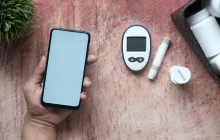
Blood based biomarkers offer windows into tumor dynamics and treatment response, and innovations are extending their reach into home settings. Dried blood spot testing, fingerstick panels, and micro sampling techniques enable patients to provide specimens without clinic visits. In combination with telemedicine, these methods create a cadence of molecular data that tracks tumor burden, angiogenesis markers, circulating tumor DNA, and inflammatory indices. When performed with validated devices and proper quality control, home sampling can inform decisions about therapy continuation or modification while reducing patient burden.
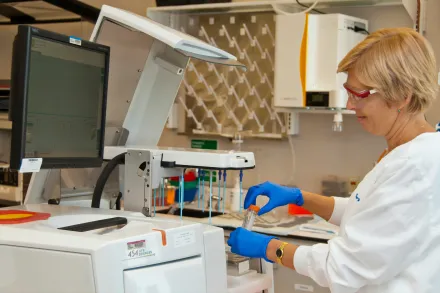
Analytical pipelines for home collected specimens require careful validation and secure transmission. Laboratories implementing remote sampling must ensure specimen integrity, chain of custody, and timely reporting of results to clinicians. Digital interfaces can deliver actionable reports to providers, including interpretable trends and confidence intervals for biomarker measurements. Patients benefit from reduced travel and discomfort while clinicians maintain vigilance over disease evolution and early detection of resistance mechanisms.
Emerging modalities combine biomarker monitoring with symptom data to create composite risk scores. Integrating molecular signals with PROs and wearable metrics can sharpen predictions of adverse events or progression. This integrative approach supports risk stratification and personalized follow up intervals. As remote sampling becomes more prevalent, home phlebotomy services may coordinate with courier networks to deliver reliable specimen collection with minimal disruption to patients’ daily routines.
Ethical, regulatory, and logistical considerations frame home based biomarker programs. Ensuring equitable access to home sampling, safeguarding sample integrity, and maintaining privacy in data sharing are paramount. Reimbursement frameworks must align with the value of these capabilities, acknowledging the benefit of reduced clinic visits and earlier treatment decisions. When implemented thoughtfully, home biomarker monitoring enriches remote oncology programs and strengthens the continuum of care across the cancer journey.
Data governance, privacy, and patient trust in remote monitoring
As data streams multiply, governance structures become essential to maintain patient trust and safety. Clear policies determine who has access to data, under what circumstances it is shared, and how long records are retained. Governance rings also define responsibilities for data cleaning, quality checks, and accountability for algorithmic recommendations. By establishing transparent data stewardship, institutions can reassure patients that their information is used ethically to improve care and accelerate research while preserving autonomy.
Privacy considerations are central to patient acceptance of remote monitoring. End to end encryption, secure authentication, and granular consent capabilities help patients feel protected. Patients should be informed about the potential use of their data in research, quality improvement, and educational initiatives, with options to opt out if they prefer. When privacy measures are robust, patients are more likely to participate fully in remote programs, which in turn yields richer data to inform clinical decisions and scientific discovery.
Data quality and validity are ongoing concerns in remote oncology monitoring. Researchers and clinicians must implement rigorous validation, calibration, and error handling protocols. Real world data often includes noise from different devices, environmental factors, and user behavior. Establishing data provenance, timestamps, and device identifiers helps ensure that analysts interpret information correctly and avoid misattribution of events. A culture of continuous improvement underpins trustworthy analytics in remote cancer care.
Finally, informed consent and patient education are fundamental to sustaining engagement. Patients should understand what data are collected, how dashboards function, and what actions may follow alerts. Ongoing dialogues about expectations, limitations, and potential risks cultivate a respectful partnership between patients and healthcare teams. When patients feel informed and protected, remote monitoring becomes a valued extension of clinical care rather than a privacy minefield, enabling shared decision making and long term collaboration.
Regulatory, reimbursement, and adoption challenges
Widespread adoption of remote oncology monitoring encounters a mosaic of regulatory and reimbursement considerations. Regulatory bodies require evidence of device safety, data integrity, and clinical utility. Payers seek demonstrations of cost effectiveness, improved outcomes, and equity in access. Navigating this landscape requires rigorous study designs, real world evidence, and transparent reporting. When policymakers align with clinicians and patients, remote monitoring programs can scale while maintaining high standards of care.
Reimbursement policies are evolving to recognize non traditional encounters and digital health services. Remote monitoring visits, data review time, and telemedicine follow ups may be reimbursed under new codes or bundled payments, but coverage varies by region and payer. Institutions must educate stakeholders about coding, documentation, and billing workflows to ensure financial viability of remote oncology programs. As reimbursement expands, clinicians can dedicate resources to data curation, patient education, and system integration that elevate care quality.
Adoption challenges include digital literacy gaps, device accessibility, and infrastructural constraints in underserved communities. Programs should adopt universal design principles, provide training for patients and caregivers, and offer equipment support to reduce barriers. Clinician workload and alert fatigue also threaten sustainable uptake, so workflows must emphasize prioritization, triage, and team based care. Cultivating a culture of innovation while preserving patient safety is the balancing act of successful deployment.
To overcome these barriers, stakeholders invest in partnerships that span technology vendors, health systems, patient groups, and regulators. Shared standards for data formats, privacy safeguards, and performance metrics facilitate interoperability and trust. Demonstrations through pilot programs, cost benefit analyses, and patient outcome data build the case for broader investment in remote oncology monitoring as a core component of contemporary cancer care.
Equity, access, and global perspectives
Remote oncology monitoring has the potential to reduce disparities by bringing expert care into homes that would otherwise lack access. However, achieving equity requires proactive strategies to address social determinants of health, digital gaps, and language barriers. Programs must offer multilingual interfaces, offline capabilities, and devices suitable for low bandwidth environments. When designed with inclusivity at the forefront, remote monitoring can extend the reach of high quality oncology care to rural communities, aging populations, and marginalized groups.
Access considerations include providing affordable devices, subsidized data plans, and community based digital literacy programs. Partnerships with local clinics and community health workers can create a bridge between home based monitoring and in person support, ensuring that patients feel connected to a local care ecosystem. Equity focused implementations should track and report on outcomes across demographic groups to identify and address gaps quickly, fostering accountability and continuous improvement.
Global perspectives reveal a spectrum of adoption shaped by policy, infrastructure, and culture. In low and middle income countries, remote monitoring can leapfrog some traditional care stage, but challenges such as supply chain reliability and regulatory harmonization persist. International collaborations, capacity building, and technology transfer initiatives help share best practices while tailoring solutions to regional needs. The result is a more inclusive global oncology landscape where patients benefit from digital innovations irrespective of geography.
Ultimately, innovations in remote oncology monitoring must be evaluated through the lens of patient experience, clinical outcomes, and system sustainability. By centering humans in the design and deployment of technology, the field can advance care delivery without sacrificing empathy, safety, or trust. The ongoing evolution of devices, data science, and care models promises to reshape how cancer is managed, enabling earlier detection of adverse events, greater personalization, and more resilient health systems that can withstand future challenges.