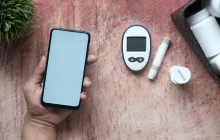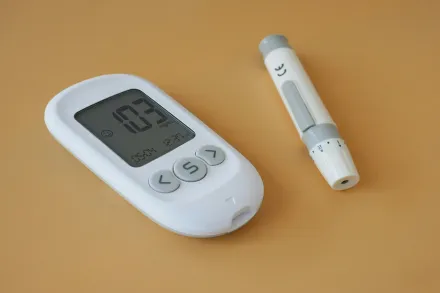
In recent years the landscape of diabetes care has undergone a transformation that extends far beyond the traditional clinic encounter. The discipline of remote glucose monitoring has evolved from sporadic data sharing and periodic fingerstick measurements to an integrated ecosystem that captures continuous streams of physiological information, transmits them securely to cloud platforms, and translates complex datasets into actionable insights for patients, caregivers, and clinicians. This evolution has been driven by advances in sensor materials, wireless communication protocols, data analytics, and user-centered design. It has also been propelled by a growing recognition that glucose management is a dynamic, context dependent process that benefits from real time feedback, remote supervision, and timely interventions. The result is a shift from episodic care to continuous engagement, with implications for outcomes, quality of life, and health system efficiency.
At the heart of remote glucose monitoring is the goal of reducing the burden of disease by making information more accessible and usable. Historically, patients relied on intermittent self testing and clinic visits that could fail to reflect the daily fluctuations of glucose levels influenced by meals, activity, stress, sleep, and medication adherence. Remote systems are designed to bridge this gap by providing near real time data, historical trends, and predictive alerts that anticipate hypo or hyperglycemic events before they become dangerous. The practical impact includes fewer emergency episodes, improved dose timing, and a greater sense of control for individuals who must calibrate insulin regimens to complex routines. As data streams multiply and devices become more interoperable, clinicians gain a more complete picture of a patient’s metabolic status in the context of their daily life, not just during a scheduled appointment.
Historical context and evolving needs
To understand the present momentum in remote glucose monitoring, it is helpful to trace the arc from early fingerstick measurements to modern implanted and wearable sensing technologies. Early approaches relied on only a few measurements per day, sometimes accompanied by subjective notes about meals and activity. These methods offered limited insight into glycemic variability and failed to capture nocturnal trends that significantly shape long term risk for complications. As we entered the era of continuous glucose monitoring, sensors began to measure interstitial glucose levels at frequent intervals, creating a richer data fabric that could be transmitted to mobile devices and shared with care teams. The evolution was accelerated by improvements in biocompatible materials, miniaturization of electronics, and the development of low power wireless protocols that could operate for days or weeks without frequent battery changes. The unmet needs driving innovation included reliability in diverse environments, accuracy across ranges of glucose values, ease of use for a broad spectrum of users, and robust data governance frameworks that protect privacy while enabling meaningful clinical use. The outcome has been a more patient centered approach that recognizes the daily realities of living with diabetes and the shared responsibilities of patients and providers in achieving healthy trajectories.
Core technologies enabling remote monitoring
Modern remote glucose monitoring integrates several core technologies that work in concert to deliver value. High quality sensors are designed to detect glucose with minimal lag, maintain stability over weeks to months, and resist interference from temperature changes, dehydration, or mechanical stress. The data captured by these sensors are transmitted through wireless channels that support secure synchronization with smartphones, hubs, or dedicated medical devices. In parallel, cloud based platforms process raw measurements, harmonize data formats from different devices, and apply analytical models to identify patterns that might not be obvious from a single reading. The result is a system that converts raw interstitial glucose values into intuitive displays, trend arrows, and context aware alerts that guide decision making. It is important to note that the technology stack also incorporates robust authentication, encryption, and access controls to protect patient privacy while enabling legitimate clinical oversight across multiple care settings.
Another fundamental technology is the ability to integrate continuous glucose data with other streams such as physical activity, heart rate, sleep quality, and dietary information. This multisensor fusion allows for a richer understanding of the drivers of glucose excursions and supports personalized recommendations. On the software side, rule based alert systems complement advanced machine learning models that can predict near term risk windows. The user experience is shaped by careful interface design that emphasizes clarity, reduces alarm fatigue, and respects the cognitive load associated with diabetes management. Together these technologies create a living model of a patient’s metabolic state that can be accessed by the patient themselves, by caregivers, and by clinicians who need to intervene when thresholds are breached, or when trends indicate an opportunity to optimize therapy.
Sensor innovations and biocompatibility
The most visible advances in remote glucose monitoring come from sensor science, where researchers are crafting materials that respond accurately to glucose concentrations with minimal drift over time. Innovations include hydrogel coatings that reduce tissue inflammation, enzyme immobilization techniques that enhance sensitivity, and novel transduction methods that convert biochemical signals into electronic readouts with high fidelity. Biocompatibility remains a central concern because sensors are often worn for extended periods, possibly in contact with fragile skin or mucosal surfaces. Scientists are exploring strategies to minimize foreign body reactions, improve skin adhesion, and extend sensor life without sacrificing accuracy. Some approaches involve flexible, conformable substrates that move with the body, while others emphasize ultrathin membranes that shield sensors from biofouling. As these materials mature, users can expect longer wearing times, fewer replacements, and more consistent data streams that strengthen confidence in remote monitoring systems.
Additionally, there is ongoing work to reduce the size and power consumption of sensing electronics, enabling smaller and lighter devices with longer battery life. Energy harvesting techniques, low power microprocessors, and efficient wireless communication protocols contribute to extended usage without frequent recharge. The material science breakthroughs are closely tied to clinical validation, ensuring that changes in interface design or sensor chemistry do not compromise accuracy across physiological conditions, such as rapid shifts after meals or during intense exercise. In parallel, researchers are refining calibration methods to account for individual variability, which helps maintain reliability even when a device is used by people with different body types, skin properties, and metabolic profiles. This holistic approach strengthens the real world performance of remote monitoring systems and broadens their applicability across diverse patient populations.
Wearable integration and cross device ecosystems
Interoperability is emerging as a defining feature of remote glucose monitoring, enabling seamless integration with wearables, smartphones, and clinical information systems. A growing number of devices are designed with standardized data formats and open APIs that permit secure data exchange without proprietary lock in. This openness fosters collaborative innovation, allowing developers to build complementary tools such as nutrition trackers, physical activity dashboards, and telemedicine interfaces that can all draw from a single glucose data stream. For patients, this translates into simpler workflows and fewer device switching scenarios, which in turn improves adherence. For clinicians, it means a tighter, longitudinal view of glycemic control that spans multiple care encounters and remote monitoring sessions. The ecosystem benefit is a more holistic picture of a patient’s health, with glucose data contextualized by lifestyle factors and environmental conditions, enabling more precise, timely, and individualized guidance.
From a patient perspective, the ability to customize display modalities, choose preferred alert mechanisms, and share dashboards with designated care partners is a powerful facilitator of engagement. When devices communicate across platforms, caregivers can receive alerts during critical windows, clinicians can monitor trends between visits, and patients can participate more actively in their own care decisions. The system architecture supporting these capabilities emphasizes security, consent management, and auditable data provenance so that every data point is traceable to its source. The result is a more resilient and user friendly experience that respects autonomy while enabling timely clinical action when glucose levels deviate from desired ranges.
Artificial intelligence in remote glucose data interpretation
Artificial intelligence and machine learning have begun to play a central role in turning voluminous glucose data into meaningful guidance. Algorithms can detect patterns associated with dietary choices, insulin timing, stress, and sleep, distilling complex sequences into actionable recommendations. For instance, predictive models may estimate the likelihood of a hypo event within the next few hours and prompt preemptive dosage adjustments or behavioral strategies. Others may identify subgroups of users for whom specific interventions yield the greatest benefit, enabling clinicians to tailor treatment plans with greater precision. Importantly, AI applications in this space are designed to support human decision making rather than replace it; clinicians retain ultimate responsibility for therapeutic decisions, while the technology acts as an expert companion that provides evidence based insights, flags unusual deviations, and suggests evidence aligned next steps.
Quality considerations for AI in remote monitoring include robust validation across diverse populations, transparent model explanations, and continuous performance monitoring to avoid drifts over time. Data quality is a prerequisite for reliable AI output, so sensor calibration, data imputation during transmission gaps, and bias mitigation are critical components of the development process. When deployed thoughtfully, AI can reduce cognitive load for users, offer personalized guidance that aligns with a patient’s goals, and support proactive care by highlighting opportunities to optimize basal rates, meal boluses, or lifestyle adjustments. The ongoing refinement of these systems will require collaboration among data scientists, clinicians, regulatory bodies, and patients to ensure safety, effectiveness, and ethical use in everyday life.
Edge computing and privacy considerations
As data volumes surge, edge computing strategies are increasingly used to process information near the source, reducing latency and easing the burden on cloud based infrastructure. By performing initial analytics on a device or local hub, sensitive data can be screened and flagged locally before any transmissions occur, providing a layer of privacy preserving processing. Edge computing also helps preserve bandwidth in settings with limited connectivity, ensuring that essential alerts reach users even when network access is spotty. In parallel, privacy by design principles guide how data is collected, stored, and shared, with emphasis on patient consent, access controls, and the minimization of data points that are unnecessary for clinical care. These considerations are essential to earning and maintaining trust, particularly as remote monitoring extends into school settings, workplaces, and community clinics where data sharing may involve multiple stakeholders.
Hardware and software designers are increasingly adopting privacy preserving techniques such as encryption at rest and in transit, secure enclave processors, and transparent user controls that allow individuals to determine who can view their information and for how long. Regulatory frameworks adapt in step with technology, and providers must navigate a landscape that balances innovation with the rights of patients to control their personal health information. The net effect is a more secure and user friendly environment in which remote glucose data can be leveraged to improve outcomes while maintaining rigorous standards for privacy and data protection.
Remote monitoring in underserved settings
One of the most compelling aspects of remote glucose monitoring is its potential to reach populations that historically had limited access to specialized diabetes care. In rural areas or resource constrained environments, remote systems reduce the need for frequent travel, enabling patients to stay connected with clinicians who may be miles away. When connectivity is unreliable, devices may store data offline and synchronize once a connection is restored, ensuring continuity of care. In community clinics, shared dashboards can support team based approaches where nurses, pharmacists, and physicians work in concert to adjust therapy in a timely manner. The social determinants of health that influence glycemic control—such as nutrition security, housing stability, and physical activity opportunities—can be addressed more effectively when data is accessible across settings and care teams are empowered with real time information. The aim is to democratize access to advanced monitoring by lowering cost barriers, simplifying device use, and building trust through culturally sensitive engagement strategies.
Education and training are integral to success in underserved communities. Patients learn to interpret alerts, tailor notification preferences to their daily routines, and participate actively in shared decision making. Clinicians receive support through remote supervision tools, enabling them to monitor multiple patients, identify high risk patterns early, and allocate resources to those in most need. By combining sensor technology, connectivity, and human centered design, remote glucose monitoring can contribute to reducing disparities in diabetes outcomes while preserving patient dignity and independence.
Regulatory and clinical adoption challenges
The path from innovation to routine clinical practice is navigated through a complex regulatory environment, clinical validation studies, and reimbursement policies that reflect real world value. Regulators assess safety, efficacy, reliability, and the potential for patient harm in remote monitoring solutions, often requiring robust evidence from trials and real world data. Manufacturers face the ongoing task of designing devices and software that meet these standards while maintaining user friendliness and affordability. Clinicians must evaluate the relevance of remote monitoring data within the context of individual patient goals, organ function, comorbidities, and psychosocial factors. Adoption is likely to be incremental, with early successes concentrated in settings that can demonstrate sustained improvement in clinical outcomes, reduced hospitalizations, or better patient satisfaction. The challenge is to harmonize technology readiness with practical workflows, ensuring that devices augment, rather than complicate, the daily routines of patients and healthcare teams.
Reimbursement considerations will influence how widely remote glucose monitoring is adopted in different health systems. Payers are increasingly recognizing the value of continuous data that informs therapeutic decisions and reduces avoidable complications. As coverage expands, there is a need for clear guidelines on device qualification, data sharing, and outcomes tracking to demonstrate cost effectiveness. Clinicians benefit from decision support tools integrated into electronic health records, but the success of these systems depends on consistent data quality, reliable interoperability, and transparent governance processes. Regulatory clarity, market competition, and patient engagement will together determine the pace at which remote glucose monitoring becomes an established standard of care rather than a novel option for select patients.
Future directions and patient centric designs
The horizon of remote glucose monitoring is shaped by patient centered design principles that prioritize ease of use, comfort, and meaningful engagement. New form factors are likely to blur the boundaries between wearable, implantable, and discreet devices, offering options that align with individual preferences and lifestyle demands. Personalization will extend beyond therapy adjustments to encompass education, support networks, and motivational strategies that reinforce healthy behaviors. In this envisioned future, patients may interact with intelligent assistants that provide context aware nutrition guidance, activity plans, and sleep optimization strategies, all tailored to their specific glycemic patterns. The aim is to transform data streams into practical, daily actions that accumulate into durable improvements in metabolic health while reducing the cognitive burden of self management.
Clinicians will benefit from richer clinical narratives that combine sensor data with patient reported outcomes, enabling more precise risk stratification and more timely interventions. As predictive models mature, proactive care could become a standard component of diabetes management, with remote monitoring enabling preemptive adjustments that avert excursions and promote smoother glycemic trajectories. The ethical and social implications of such systems require ongoing dialogue among patients, clinicians, researchers, policymakers, and industry partners to ensure that innovations serve the broadest possible spectrum of users while safeguarding autonomy, dignity, and access to care. The journey ahead is defined by collaboration, continuous learning, and a steadfast commitment to translating technological capability into tangible health benefits for people living with diabetes.
Economic and healthcare system implications
From an economic perspective, remote glucose monitoring promises to reduce costs associated with uncontrolled diabetes, such as hospitalizations for hypoglycemia, emergency visits, and long term complications. However, the initial investment in devices, infrastructure, and training can be substantial for health systems and households. A sustainable approach emphasizes scalable solutions, tiered service models, and partnerships that spread risk and maximize value. Cost effectiveness analyses increasingly incorporate not only direct medical expenses but also indirect benefits such as improved productivity, reduced caregiver burden, and enhanced quality of life. Equitable access remains a central consideration, with efforts directed at lowering the price of devices, expanding insurance coverage, and ensuring that programs are inclusive of diverse populations and languages. The ultimate objective is to align incentives so that stakeholders share responsibility for achieving better health outcomes at a reasonable societal cost.
As remote glucose monitoring becomes more embedded in standard practice, education for both patients and professionals evolves. Patients gain literacy in digital health tools, data interpretation, and the meaning of alerts, while clinicians acquire competencies in remote care workflows, data governance, and collaborative decision making. Training programs increasingly emphasize user experience, cultural sensitivity, and communication skills that support effective remote engagements. In parallel, industry participants pursue resilient supply chains, sustainable manufacturing practices, and transparent reporting of device performance in real world settings. The cumulative effect is a health system that leverages technology to deliver higher value care without compromising safety, equity, or patient autonomy.