The landscape of cardiac care has transformed dramatically in the past decade as technologies that were once confined to the research lab migrate into everyday clinical practice. Remote cardiac monitoring now sits at the intersection of wearable sensing, cloud computing, real time data streaming, and patient centered care, creating an ecosystem where clinicians can observe heart rhythms outside the walls of the hospital. This shift has deep roots in telemedicine, but it has evolved into a specialized discipline that emphasizes continuous streams of physiological signals, proactive intervention, and patient engagement. The implications extend beyond individual patients to health systems, insurers, and the broader trajectory of digital health.
The core idea behind remote cardiac monitoring is to translate momentary observations into a continuous narrative, where patterns emerge from long term data rather than sporadic snapshots. This narrative helps detect subtle deviations that may precede symptoms, enabling earlier assessment and more precise treatment. Over time the technology stack has become more accessible, more affordable, and more user friendly. Physicians, nurses, data scientists, and patients now collaborate within a shared digital environment that can be accessed across distances, time zones, and care settings, facilitating a continuity of care that was previously difficult to sustain.
In this evolving field, technology is not merely an instrument but a catalyst for new care pathways. Remote monitoring supports early risk stratification, guides therapy adjustments, and informs decisions about hospital admission or intervention. It also reframes patient responsibility by encouraging active participation in day to day health management. The result is a model of care that blends clinical monitoring with lifestyle support, lifestyle modification, and education, creating a holistic approach to cardiac health that leverages data to inform actions in near real time.
Historical context and paradigm shift
To understand current innovations, it helps to consider how cardiac monitoring evolved from intermittent telemetry in hospital wards to home based and mobile systems. Early efforts relied on single lead devices and wired connections, which constrained patient mobility and limited the duration of monitoring. As electronics miniaturized and wireless communications advanced, distant telemetry gave patients the option to wear sensors continuously while moving through daily life. The paradigm shifted from episodic assessment toward longitudinal surveillance, a change that has substantial implications for clinical decision making and patient experience.
The adoption of remote monitoring accelerated as healthcare systems faced rising chronic disease burdens and the demand for cost containment. Trials and pilot programs demonstrated that remote strategies could reduce readmissions, shorten hospital stays, and improve symptom management. However, success depended on aligning technology with workflows, ensuring data quality, and integrating patient and clinician practices. Over time standards for interoperability emerged, enabling different devices, platforms, and electronic medical records to communicate, which further reinforced the shift toward remote, proactive cardiorespiratory care.
Key technologies powering remote monitoring
At the heart of remote cardiac monitoring lies a layered technology stack that starts with sensors capable of capturing heart rate, rhythm, rhythm disturbances, and hemodynamic indicators. Modern wearables deploy electrocardiography, photoplethysmography, and impedance based sensing to derive insights about rhythm regularity, heart rate variability, and autonomic tone. These signals are continuously acquired, processed, and transmitted to cloud based repositories where sophisticated analytics can be applied. The data stream is secured through encryption and authenticated communication protocols to protect patient privacy while preserving clinical usefulness.
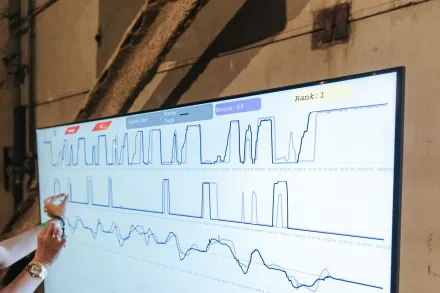
On the software side, platforms provide dashboards, alerting mechanisms, and programmable algorithms that prioritize critical events. The most valuable systems translate raw signals into clinically meaningful summaries, identify persistent patterns, and present actionable recommendations to clinicians. Advanced analytics can detect silent arrhythmias, evaluate response to therapy, and forecast risk trajectories, turning reactive care into proactive management. In addition to patient facing apps, robust back end infrastructure supports audit trails, version control, and regulatory reporting that are essential for safe clinical practice.
Interoperability plays a central role in enabling seamless data flow between devices, applications, and health records. Standards such as HL7, FHIR, and domain specific interfaces facilitate data exchange while preserving data integrity. Emerging approaches emphasize modular architectures where components can be swapped or upgraded without disrupting entire workflows. This flexibility is critical as new sensors, algorithms, and clinical insights continue to emerge, allowing healthcare teams to adapt quickly to the evolving landscape without compromising patient safety.
Wearable sensors and continuous data streams
Wearable sensors have evolved from simple fitness trackers to clinically meaningful instruments capable of detecting a spectrum of cardiovascular signals. Lightweight patches with skin friendly adhesives collect continuous ECG data, producing high fidelity tracings over days or weeks. Wrist worn devices leverage PPG to estimate heart rate, while some systems combine multiple modalities to infer blood pressure trends and pulse arrival times. The result is a multidimensional portrait of cardiovascular function that reveals rhythms, tempo, and hemodynamic fluctuations that might escape single momentary measurements.
Durability and comfort are essential for sustained wear, especially when monitoring is needed over extended periods. Research and development efforts focus on minimizing skin irritation, improving battery life, and enhancing signal quality in real world conditions where motion, sweating, and ambient light can degrade measurements. Beyond consumer style wearables, clinical grade sensors are engineered to withstand rigorous use, deliver consistent performance, and provide calibrated outputs that clinicians can trust for decision making. The practical impact is a higher rate of data capture, fewer gaps, and richer datasets for analysis.
Smart fabrics, textile integrated sensors, and unobtrusive patches further broaden the opportunities for continuous monitoring. In some contexts, implantable devices offer long term rhythm surveillance and direct measurement of intracardiac signals, providing unparalleled accuracy for detecting pathologies such as atrial fibrillation, bradyarrhythmias, or complex tachyarrhythmias. Regardless of placement, the common objective remains the same: to translate ongoing electrical and hemodynamic information into timely clinical insights that can guide testing, therapy, and lifestyle recommendations without forcing patients into disruptive routines.
Mobile platforms and cloud based data management
The move to mobile platforms has transformed how patients engage with their health data. Mobile apps present intuitive interfaces for viewing summaries, receiving alerts, and communicating with care teams. The convenience of smartphones as a single data hub allows patients to carry out routine measurements, confirm device status, and manage settings with minimal friction. For clinicians, cloud based data management unlocks scalable storage, powerful analytics, and automated reporting that would be impractical with local systems alone. The cloud model also enables rapid updates to algorithms and patient risk models without requiring on site software installations.
Cloud based infrastructures support collaboration among multidisciplinary teams. Clinicians can monitor cohorts, allocate resources, and stratify patients by risk, all within secure environments that preserve patient privacy. From an operational perspective, cloud platforms can improve throughput, reduce redundancy, and facilitate remote auditing. Yet the shift to cloud services also raises concerns about data sovereignty, access controls, and regulatory compliance, which must be carefully addressed with robust governance and transparent policies.
Artificial intelligence and predictive analytics in cardiology
AI technologies are increasingly integrated into remote cardiac monitoring to interpret complex data streams and anticipate events before they manifest clinically. Machine learning models can identify subtle rhythm patterns, quantify arrhythmic burden, and distinguish artifacts from true pathology. Predictive algorithms may estimate the likelihood of heart failure decompensation, device malfunctions, or stroke risk, enabling preemptive interventions such as medication adjustments or escalation of care. The value lies in turning raw data into meaningful foresight that informs decisions in real time or near real time.
However, the deployment of AI in cardiology must be grounded in rigorous validation, diverse datasets, and continuous monitoring for model drift. Clinicians require transparent explanations of algorithm outputs to build trust, and systems should provide confidence scores alongside recommendations. Integration with electronic health records ensures context, such as comorbidities and current therapies, is considered in the analysis. Responsible use also means addressing potential biases, ensuring equitable performance across populations, and maintaining patient autonomy in how data informs care.
Adaptive learning pipelines allow models to improve as more data accrue from different devices and patient groups. This continuous improvement can refine detection thresholds, personalize alerts, and tailor follow up schedules to individual risk profiles. The synergistic combination of wearable data, telemetry streams, and intelligent analytics is redefining what it means to practice precision cardiology in a remote setting, where timely, patient specific actions translate into better outcomes and reduced clinical burden.
Telemedicine integration and patient empowerment
Remote monitoring is most effective when it is embedded within broader telemedicine workflows that enable virtual visits, remote programming, and collaborative decision making. Telehealth enables clinicians to review data with patients in comfortable environments, discuss symptom evolution, and adjust treatment plans without requiring in person clinic visits. This integration supports continuity during care transitions, such as discharge after hospitalization for acute cardiac events, where early follow up and monitoring is critical for recovery and stabilization.
Patient empowerment emerges as a central benefit of these advances. Access to personal health information, combined with understandable explanations of what the data means, helps patients participate more actively in their care. Educational resources, remote coaching, and digital reminders can promote adherence to medications, lifestyle modifications, and timely engagement with clinicians. The outcome is a care model that respects patient preferences, reduces anxiety about disease management, and fosters a collaborative relationship between patients and their care teams.
Privacy, security, and regulatory considerations
With the accumulation of continuous health data comes heightened responsibility to protect privacy and ensure data security. Remote monitoring ecosystems must implement robust encryption, strict access controls, and regular security audits to prevent unauthorized data access and tampering. Compliance with regulations such as data protection laws, medical device directives, and health information privacy standards is essential to maintain legitimacy and public trust. Consent processes should be clear, revocable, and adaptable to changing uses of data as research and care models evolve.
Regulators are increasingly focused on the safety and efficacy of digital health tools, including how remote monitoring devices are validated, how alert algorithms are tested for accuracy, and how manufacturers report adverse events. Clinical workflows must incorporate risk management, incident response plans, and periodic reassessment of cybersecurity measures in light of new threats. In addition, policies that govern data ownership, sharing with third parties, and patient rights to access their information are critical to preserve autonomy and transparency across the care continuum.
Clinical evidence and patient outcomes
As remote monitoring has matured, a growing body of evidence has examined its impact on clinical outcomes, patient satisfaction, and healthcare utilization. Randomized trials and observational studies have reported reductions in hospital readmissions, shorter lengths of stay for selected conditions, and improved early detection of rhythm disturbances. Yet results vary across populations, device types, and care models, underscoring the importance of context when interpreting outcomes. Clinicians often tailor remote strategies to specific cardiovascular conditions, balancing the benefits of continuous data against the potential for information overload.
Beyond hard outcomes, remote monitoring systems influence patient experience by reducing travel burdens, enabling timely advice, and fostering a sense of security through ongoing oversight. The patient perspective frequently highlights the reassurance of knowing that health status is being watched and managed proactively. When implemented with thoughtful workflows and clear communication channels, remote monitoring can augment patient quality of life while aligning with the goals of value based care and efficient resource use.
Challenges and barriers to adoption
Despite the promise, several obstacles slow widespread adoption. Technical issues such as device interoperability, data standardization, and reliable connectivity in diverse settings can disrupt monitoring and compromise data integrity. Clinician time and workflow integration remain critical concerns; without streamlined processes for reviewing alerts and acting on findings, the burden can offset the benefits of continuous monitoring. Reimbursement models also influence uptake, as programs must demonstrate cost effectiveness and sustainable funding to justify investment.
Patient factors matter as well. Acceptance of wearable devices, comfort with data sharing, digital literacy, and concerns about privacy can affect engagement. Equitable access is another challenge, as disparities in technology availability may widen gaps in care. Addressing these barriers requires a thoughtful blend of user centered design, education, supportive policies, and collaboration among device makers, healthcare organizations, and payers to ensure remote monitoring serves diverse populations fairly.
Future directions and emerging trends
The horizon for remote cardiac monitoring is rich with possibilities that blend biology, computation, and human centered care. New sensors promise richer signal quality, longer battery life, and the ability to monitor additional physiologic parameters such as ambient stress markers and sleep patterns. Advanced analytics and AI will continue to improve the precision of rhythm classification, enabling earlier detection of atypical events and more personalized therapy adjustments. The integration of predictive models within patient workflows will transform episodic care into continuous prevention, with timely interventions designed to forestall deterioration.
Interoperability and data fusion will deepen as more sources converge: wearable devices, implantable loop recorders, imaging data, and laboratory results will be synthesized to create comprehensive cardiovascular risk profiles. Public health insights could emerge from aggregated, de identified datasets, shedding light on population level trends, regional variations in disease burden, and the effectiveness of remote management strategies across health systems. The pace of innovation will be shaped by ongoing collaborations among clinicians, engineers, researchers, and patients who contribute to the evolving standard of care.
Personalized monitoring strategies will become more common, with devices dynamically adjusting monitoring intensity based on detected risk and patient preferences. Real world evidence will complement clinical trials, helping to refine best practices, establish thresholds for interventions, and define expected outcomes in diverse communities. Ethical considerations will remain central as data driven care becomes more pervasive, ensuring that innovation serves patient autonomy, improves equity, and maintains trust in the medical process.
Impact on health systems and cost considerations
Health systems are grappling with the economics of remote monitoring, weighing upfront investments in devices, platforms, and training against potential downstream savings. Reductions in unnecessary clinic visits and hospitalizations can lower overall costs, while improved chronic disease management can yield longer term savings and better population health metrics. Financial models increasingly favor value based arrangements, where payment reflects outcomes and the quality of care delivered rather than the volume of services provided.
From an organizational perspective, remote monitoring demands robust governance, clear roles, and well defined escalation protocols. Care teams must adapt to new rhythms, balancing automated alerting with human judgment. Data governance structures, audit trails, and compliance programs become integral to everyday operations, ensuring that the benefits of monitoring do not come at the expense of patient safety or privacy. When aligned with strategic goals and patient centered objectives, remote monitoring can strengthen care delivery while maintaining fiscal responsibility.
Ethical and social implications
As data flows increase and decision making becomes more instrumented, ethical questions arise about autonomy, consent, and the potential for algorithmic bias. Patients should retain meaningful control over how data are used, who can access them, and how long they are stored. Societal considerations include ensuring that remote monitoring does not disproportionately exclude vulnerable groups, and that benefits are distributed across different communities with attention to rural and underserved populations. The human dimension—empathy, communication, and shared decision making—must remain central amid rapid technological change.
Social dynamics around remote monitoring also involve the redefinition of roles for caregivers, family members, and informal supports who often participate in daily management. Clear boundaries, privacy protections, and respectful engagement strategies help maintain trust while enabling supportive networks. As technology becomes more pervasive, ongoing dialogue among patients, clinicians, policymakers, and technology developers will be essential to navigate evolving norms and preserve patient dignity within high tech care environments.
Case studies and real world implementations
Across multiple healthcare markets, real world deployments illustrate how remote monitoring reshapes care pathways. In some programs, post discharge surveillance reduces the chance of early readmission by enabling rapid assessment of chest pain or palpitations, guiding timely interventions that avert escalation. In other settings, patients with chronic rhythm disorders receive continuous monitoring that informs medication choices, and when combined with telemedicine, supports remotely guided therapy adjustments. Each implementation supplies practical lessons about workflow design, patient selection, and integration with existing clinical teams.
Clinician experiences highlight benefits such as improved confidence in managing complex patients, enhanced skill with data interpretation, and opportunities to personalize follow up. From the patient side, stories emphasize reduced travel, quicker reassurance after symptoms, and a sense of ongoing partnership with their care team. However, challenges such as alert fatigue, device maintenance, and ensuring data quality remain focus areas for iterative improvement. These case studies collectively guide best practices and inform future innovations.
Emerging technologies and ongoing research directions
Research continues to explore ultra low power sensors, stretchable electronics, and multimodal sensing that could further enrich the data landscape. Prospects include real time tissue and hemodynamic monitoring, improved signal processing to filter noise in daily life, and smarter alert systems that adapt to patient context and lifestyle. Clinical research increasingly emphasizes patient centered outcomes, investigating how remote monitoring affects daily functioning, mental health, and long term adherence to therapy. This holistic lens supports a richer understanding of technology’s impact beyond discrete clinical metrics.
Another promising area is the integration of pharmacogenomics and personalized medicine with remote surveillance. By combining genetic risk profiles with dynamic rhythm data, clinicians may tailor pharmacotherapy and dosing in more precise ways. Moreover, studies are examining how remote monitoring can be used in public health to detect emerging cardiac risk patterns across communities, contributing to early intervention efforts and resource planning. The convergence of device innovation, data science, and humanistic care points toward a future where prevention and treatment feel intimately connected to everyday life.
As innovation accelerates, education and training for clinicians become crucial. Medical curricula and continuing professional development must encompass sensor technology, data interpretation, cybersecurity principles, and patient communication strategies in digital environments. Equally important is patient education that demystifies devices, explains what to expect, and teaches practical skills for sustaining engagement over time. Together, these educational efforts support a resilient ecosystem where technology amplifies the clinician’s judgment and the patient’s agency.
Closing thoughts and ongoing research directions
In sum, innovations in remote cardiac monitoring are reshaping how care is delivered, the expectations patients bring to the clinical encounter, and the metrics by which success is measured. The ongoing research agenda seeks to refine accuracy, expand capabilities, and ensure that remote monitoring remains accessible, affordable, and ethically sound for diverse populations. The promise lies in harmonizing sophisticated analytics with compassionate care, turning continuous streams of data into meaningful improvements in heart health, and sustaining a patient centered approach as technology becomes ever more embedded in everyday life.