Overview of IoT in Healthcare
The Internet of Things in healthcare refers to a network of increasingly intelligent devices and sensors that collect, transmit, and analyze data to support medical decision making, patient monitoring, and system-wide efficiency. These devices range from wearable sensors that track heart rate and glucose levels to smart infusion pumps, connected imaging modalities, and ambient sensors embedded in hospital rooms. The common thread across this diverse ecosystem is the ability to generate timely information that was previously inaccessible in real time, enabling clinicians to observe patterns, detect anomalies, and intervene earlier than ever before. The shift from episodic data points captured during visits to continuous streams of information has transformed the diagnosis, management, and prevention of disease, while also introducing new complexities around data governance, security, and interoperability.
At its core, healthcare IoT blends sensing hardware with connectivity, cloud-based analytics, and sometimes edge computing to deliver actionable insights at the point of care or beyond. When a patient wears a patch that monitors rhythm disturbances or a hospital bed sensor that detects movement and pressure, a cascade of processes is activated: data is collected, transmitted through secure channels, stored in compliant repositories, and analyzed by algorithms that may flag urgent conditions or guide routine care. The potential is vast because IoT devices can provide longitudinal visibility into a patient’s physiology, daily habits, medication adherence, and environmental triggers, which together create a more complete picture than traditional episodic care alone. Yet this potential comes with responsibility to safeguard patient privacy, ensure accuracy, and manage the lifecycle of devices in a way that aligns with clinical workflows and regulatory expectations.
Transforming Patient Monitoring
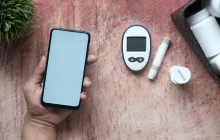
One of the most visible impacts of IoT in healthcare is the expansion of patient monitoring beyond the walls of clinics and hospitals. Wearable devices, biosensors, and implantable sensors continuously capture vital signs such as heart rate, respiratory rate, glucose concentrations, and activity levels, transmitting data to clinicians in near real time. This continuous feed supports early warning systems that can prompt proactive interventions, potentially reducing the frequency and duration of hospital stays for patients with chronic conditions like heart disease, diabetes, or chronic obstructive pulmonary disease. In rural or underserved areas, remote monitoring can mitigate access barriers by enabling patients to receive high-quality care without frequent travel, lowering the burden on families and care networks while preserving independence and improving quality of life.
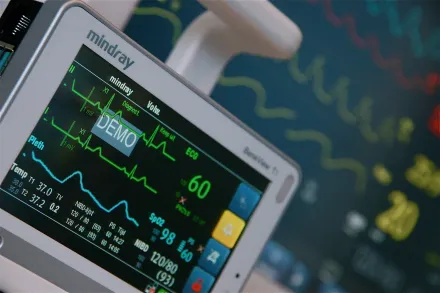
Beyond simple metric collection, advanced IoT deployments integrate environmental sensors within patient rooms to detect risks such as excessive noise, poor lighting, or suboptimal air quality, which can affect sleep, stress, and recovery. In intensive care units, smart monitors and ventilators coordinate with cloud-based analytics to identify subtle shifts that escape manual observation. The result is a more responsive care environment where clinicians receive timely alerts and context-rich information. However, the success of remote monitoring hinges on the fidelity of data, the reliability of connectivity, and the clinical relevance of alerts to prevent alarm fatigue. A well-designed system prioritizes meaningful signals, ensures patient safety, and respects patient autonomy by offering meaningful choices about what data is shared and with whom.
Clinical Workflow and Operational Efficiency
IoT devices are not limited to patient-facing sensors; they permeate clinical workflows by enabling automatic data capture, seamless documentation, and smarter asset management. When vital signs from a wearable or bedside monitor flow directly into an electronic health record (EHR) with appropriate patient context, clinicians can focus more on interpretation and care coordination rather than manual data entry. Smart room technologies, including ambient sensors, integrated lighting, and voice-assisted interfaces, can reduce cognitive load for healthcare workers, freeing time for direct patient interaction and teamwork. In hospitals, asset tracking through RFID tags and location beacons improves the efficiency of equipment utilization, reduces the time spent searching for devices, and lowers the risk of equipment loss or misplacement that can delay critical care.
In addition to real-time data capture, IoT-enabled devices support inventory control, medication management, and preventive maintenance of medical equipment. Sensors monitor refrigerator temperatures for vaccines and biologics, verify consumables’ shelf life, and trigger automated reordering when stocks run low. This level of operational visibility helps organizations optimize supply chains, reduce waste, and maintain regulatory compliance. The cumulative effect is a more reliable and predictable care environment where teams can deliver consistent service quality, respond to capacity changes, and maintain safety standards under pressure. Yet it is crucial that these improvements are achieved without compromising patient trust or introducing new kinds of risk through excessive automation or opaque decision making.
Data Analytics and Decision Support
The data produced by IoT ecosystems opens doors to sophisticated analytics that can support both individual care and population health management. Real-time streams are analyzed to identify early warning signs of deterioration, enabling clinicians to intervene before a crisis unfolds. At the patient level, dashboards can present trends across multiple physiological domains, contrasting current measurements with historical baselines, genetic predispositions, and lifestyle factors to generate personalized risk assessments. On a broader scale, aggregated IoT data supports predictive models that inform resource planning, public health surveillance, and early detection programs. The insights derived from these data streams drive precision medicine by aligning interventions with the unique physiological patterns of each patient rather than relying on one-size-fits-all approaches.
As analytics mature, the integration of IoT data with other information systems, including laboratory results, imaging archives, and genomic data, enables more nuanced clinical decision support. Machine learning and artificial intelligence can detect complex, non-linear relationships that humans may overlook, while providing clinicians with interpretable explanations for recommended actions. This is essential because trust in automated guidance hinges on transparency and the ability to validate recommendations against clinical evidence. When implemented thoughtfully, data-driven decision support can improve diagnostic accuracy, shorten time to treatment, and tailor therapies to individual patients, all while preserving clinician autonomy and accountability for patient outcomes.
Security, Privacy, and Compliance
With the proliferation of connected devices comes an expanded attack surface. IoT in healthcare introduces new vectors for data breaches, ransomware, and device tampering that can compromise patient safety and erode trust. Healthcare institutions must implement layered security defenses, including robust authentication, encrypted data transmission, secure device provisioning, and continuous monitoring for anomalous activity. Privacy considerations are central to the responsible use of IoT data; patients must be informed about what data is collected, how it is used, and who has access. Compliance frameworks such as HIPAA in the United States or GDPR in the European Union shape data governance practices, imposing requirements for safeguarding personal health information, ensuring auditability, and maintaining patient control over data sharing decisions. Security must be engineered into devices from the design phase, a philosophy often described as security-by-design, so vulnerabilities do not propagate as devices scale within a networked environment.
Operationalizing security in a healthcare IoT environment requires ongoing risk management, including vulnerability assessments, patch management, and incident response planning. When devices rely on third-party services or cloud platforms, governance agreements must clearly delineate responsibilities, data ownership, and data localization requirements. Clinicians and IT teams should collaborate to establish clear escalation pathways for suspected breaches, along with regular drills to validate containment and recovery procedures. Balancing robust protection with usability is essential; overly restrictive security controls can impede clinical workflows, while permissive configurations can expose sensitive information. The best practices emphasize continuous education, governance, and a culture that prioritizes patient safety alongside technological innovation.
Interoperability and Standards
Interoperability remains a pivotal challenge in healthcare IoT. The value of devices and sensors multiplies when data from disparate sources can be shared seamlessly across systems and settings. Achieving semantic and syntactic harmony requires adherence to standards and open APIs, as well as careful consideration of data models. Industry bodies have promoted frameworks such as HL7 FHIR for exchanging clinical information, while device manufacturers and integrators collaborate to ensure compatibility with EHRs,Picture archiving and communication systems (PACS), and laboratory information systems. Yet real-world implementation often reveals gaps in data formats, timeliness, and the granularity of information. The absence of universal conventions can lead to silos, duplicate data entry, or inconsistent interpretations of the same measurement, undermining the promise of IoT-enhanced care.
To overcome these hurdles, healthcare organizations invest in middleware that can translate, normalize, and route data while preserving provenance and audit trails. The goal is to achieve a fabric of interoperable components that can evolve independently without breaking integration. As standards mature, the development of certification programs and compliance testing helps clinicians and administrators identify devices that meet reliability and safety benchmarks. The ongoing evolution of interoperability also invites new business models, including platform-based ecosystems and software-defined clinical workflows that adapt as patient needs and technology landscapes shift, ensuring that IoT remains a tool for enhancing care rather than a source of fragmentation.
Patient Engagement and Empowerment
IoT devices offer patients unprecedented opportunities to participate actively in their own care. Wearables and home monitoring systems enable individuals to observe real-time metrics, gain insights into how lifestyle choices affect health, and participate in shared decision making with clinicians. For chronic conditions, continuous feedback loops can reinforce adherence to treatment plans, motivate healthier behaviors, and provide early warnings that prompt timely medical advice. When patients are empowered with clear, accessible information, their sense of agency grows, potentially leading to improved outcomes and satisfaction with care. It is important, however, to strike a balance between empowerment and information overload, ensuring that patients receive concise, meaningful feedback without being overwhelmed by data or misinterpretations of statistics.
Caregivers and families also benefit from IoT-enabled transparency, as remote monitoring can reduce uncertainty and facilitate timely support when a patient requires assistance. This expanded involvement must be governed by respectful consent and robust privacy protections to prevent inadvertent exposure of sensitive information. Communication channels integrated with IoT ecosystems—alerts, secure messages, and patient portals—should be designed to minimize alarm fatigue while maintaining clarity about what actions are required. In designing these interactions, clinicians should consider health literacy, cultural factors, and individual preferences to ensure that technology enhances, rather than detracts from, the human connection at the heart of healthcare.
Economic and Social Implications
Adopting IoT in healthcare introduces meaningful economic considerations. Initial capital expenditure for devices, infrastructure upgrades, and integration efforts must be weighed against anticipated savings from improved outcomes, reduced hospital readmissions, and more efficient workflows. Over time, devices incur maintenance costs, software subscriptions, and the need for periodic retraining of staff. The economic calculus is nuanced, as savings may accrue unevenly across departments or patient populations, and return on investment hinges on thoughtful deployment that aligns with clinical priorities and organizational capabilities. Additionally, the scale of IoT deployments can influence pricing structures, with cloud services and data analytics platforms often operating on usage-based or tiered models that require careful budgeting and governance.
Beyond cost considerations, IoT deployments intersect with broader social and equity issues. Access to reliable internet connectivity, device familiarity, and digital literacy can create disparities in who benefits from connected care. Rural communities, older adults, and underserved populations may face barriers to adopting IoT-enabled health services, potentially widening health gaps if no targeted measures are taken. Policymakers, providers, and researchers must work together to design inclusive programs, offer training and assistance, and ensure that the benefits of IoT in healthcare are broadly shared. This requires balancing innovation with ethical commitments to equity, safety, and patient autonomy, while maintaining robust privacy protections and clear accountability for outcomes.
Device Lifecycle and Technology Adoption
The lifecycle management of IoT devices in healthcare encompasses procurement, deployment, updates, and eventual retirement. Lifecycle governance must address not only technical performance but also regulatory compliance, vendor support, and compatibility with existing clinical systems. Software updates bring features and security patches but also carry potential risks of disruption to critical workflows; therefore, change management processes are essential to minimize downtime and maintain patient safety. The pace of innovation means devices can rapidly become obsolete, necessitating forward-looking strategies for upgrade paths, interoperability guarantees, and strategies to avoid vendor lock-in that could limit the ability to adapt to evolving clinical needs.
Adoption strategies also require careful consideration of training, change readiness, and organizational culture. Clinicians and IT staff benefit from hands-on experience with devices through simulations, pilot programs, and phased rollouts that identify bottlenecks and ensure robust support. Clear governance structures, defined success metrics, and continuous feedback loops help ensure that IoT technologies deliver value without overwhelming users or compromising care quality. The best implementations recognize the human element as a critical driver of success; technology should augment clinical judgment, not replace it, while providing transparent, interpretable outputs that clinicians can trust and act upon confidently.
Ethical and Legal Considerations
As IoT devices become more embedded in the practice of medicine, ethical questions about consent, autonomy, and data sovereignty come to the fore. Patients must be informed about what data is captured, who can access it, and how it may be used for research, quality improvement, or commercial purposes. The permissibility of data sharing with family members, caregivers, or third-party services hinges on explicit consent and clear boundaries. Additionally, the deployment of AI-driven insights in clinical decision support raises ethical concerns about accountability for outcomes, potential biases in algorithms, and the need for clinicians to retain ultimate responsibility for patient care. Regulators and professional societies increasingly emphasize transparency, explainability, and governance practices that ensure decisions supported by IoT systems align with medical ethics and patient rights.
Legal considerations extend to liability in cases where device malfunctions or sensor inaccuracies contribute to adverse events. Establishing clear roles and responsibilities for manufacturers, healthcare providers, and IT teams is essential for risk management. Data ownership and control are also critical domains, with questions about who holds responsibility for data quality, how patients can access their information, and the rights to withdraw consent later in a care relationship. In this evolving landscape, robust policies, continuous education, and stakeholder engagement are necessary to harmonize technological advancement with respect for patient dignity and the foundational principles of medical ethics.
Future Trends and Emerging Technologies
The horizon of healthcare IoT is shaped by rapid advances in sensor technology, connectivity, and intelligent analytics. Edge computing is increasingly used to process data near the source, reducing latency and preserving bandwidth while enabling real-time responses in critical settings. The rollout of faster networks, such as 5G, expands the feasibility of high-bandwidth applications like real-time remote imaging, telepresence, and complex video consultations, even in crowded hospital environments. AIoT, the convergence of artificial intelligence with IoT, is enabling more autonomous monitoring, smarter alerting, and adaptive care pathways that respond to shifting patient states with minimal human intervention where appropriate, always with clinician oversight and accountability.
Innovations in sensor design promise to broaden the range of measurable physiological and environmental parameters. Flexible, textile-integrated sensors can blend with clothing for comfortable, continuous monitoring, while implantable devices may offer deeper insights into internal processes that were previously inaccessible. Robotics, assisted by IoT-enabled sensory feedback, is increasingly used in rehabilitation, bedside care, and surgical contexts, creating coordinated ecosystems that extend human capabilities. Digital twins, virtual replicas of patient bodies or hospital systems, may simulate scenarios to optimize treatment plans, resource allocation, and emergency response protocols. As these technologies mature, the emphasis will reside in harmonizing accuracy, safety, and patient-centered care within a framework of clear governance and empathetic clinical relationships.