How Telemedicine Supports Chronic Disease Management



Chronic diseases represent a persistent challenge in health care, demanding ongoing monitoring, timely adjustments to therapy, and continuous engagement from patients who often juggle multiple health needs along with daily life responsibilities. The conventional model, centered on periodic in-person visits, frequently fails to capture the dynamic nature of chronic illness, leading to gaps in care, preventable complications, and higher downstream costs. Telemedicine offers a complementary framework that aligns with the realities of modern patient life by enabling timely communication, data exchange, and remote assessment. This article examines how telemedicine supports chronic disease management across the care continuum, from initial evaluation and treatment planning to long-term monitoring, patient education, and coordinated team-based care. By weaving together technology, clinical expertise, and patient-centered design, telemedicine can transform how chronic conditions are managed while maintaining a high standard of safety, privacy, and value for both individuals and health systems.
Foundations of Telemedicine in Chronic Care
The term telemedicine describes a broad set of practices that use telecommunications and digital technologies to connect patients with clinicians who may be physically distant. It includes synchronous video visits, asynchronous messaging or data exchange, remote monitoring of physiological signals, and decision support embedded in care workflows. In chronic disease management, telemedicine is not merely a substitute for office visits; it is a catalyst for continuous care, enabling clinicians to observe trends over time, detect early signals of deterioration, and respond with timely adjustments that reduce flare-ups and hospitalizations. The foundational value lies in transforming episodic care into a sustained, collaborative partnership between patient and provider, with information flowing securely and efficiently across the care ecosystem.
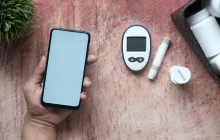
Beyond connectivity, the foundation rests on reliable data streams, user-friendly interfaces, and robust governance around privacy, consent, and data stewardship. Devices such as blood pressure cuffs, glucose meters, pulse oximeters, or wearable trackers feed information into interoperable platforms that integrate with electronic health records and clinical decision support. Clinician teams coordinate around shared dashboards, standardized metrics, and proactive outreach. In this landscape, telemedicine is a means to empower patients through clearer feedback loops, accessible education, and flexible communication channels that accommodate diverse work schedules, languages, and cultural contexts.
Remote Monitoring and Real-Time Data
Remote monitoring is a cornerstone of telemedicine for chronic disease. By collecting data such as blood glucose levels, blood pressure, weight, oxygen saturation, and activity metrics from home devices, clinicians gain a longitudinal view of a patient’s trajectory. This visibility supports early intervention when readings drift outside established targets, potentially averting complications that would otherwise require urgent care. The benefits extend to patients who live far from clinics or who face mobility barriers, because the home-based data collection reduces travel burdens while keeping clinicians informed about the patient’s daily realities.
The integration of remote monitoring into clinical practice requires careful attention to data interoperability, device calibration, and patient engagement. Systems that automatically aggregate data from multiple devices and present it in a concise, comprehensible format help clinicians interpret trends and make evidence-informed decisions. The patient experience improves when alerts are meaningful and actionable rather than overwhelming; for example, reminders for self-management tasks paired with tailored feedback can reinforce adherence and empower patients to participate actively in their care. When properly implemented, remote monitoring becomes a collaborative feedback loop that strengthens trust and motivation for long-term behavior change.
Enhancing Patient Engagement and Self-Management
Engagement is a critical driver of success in chronic disease management. Telemedicine platforms often include patient portals, secure messaging, educational resources, and self-management tools that help patients set goals, track progress, and communicate concerns promptly. Regular virtual check-ins can reinforce medication adherence, clarify complex instructions, and address psychosocial factors that influence health outcomes. By meeting patients where they are, on devices they already use, health systems can lower barriers to care, increase engagement, and cultivate a sense of partnership rather than paternalism.
Effective patient engagement also involves tailoring content to individual literacy levels, cultural backgrounds, and language preferences. Clinicians can embed educational materials within the telemedicine workflow, provide multilingual resources, and use plain language explanations or visual aids to simplify complex concepts. The goal is to transform passive receipt of information into active participation, enabling patients to recognize warning signs, understand the rationale for treatment choices, and report symptoms or side effects promptly. In practice, this may translate into proactive outreach after a missed appointment, asynchronous check-ins about symptom changes, or virtual coaching that supports sustained lifestyle modifications alongside pharmacotherapy.
Care Coordination Across the Care Team
Chronic disease management rarely involves a single clinician. Telemedicine facilitates coordinated care across primary care physicians, specialists, nurses, pharmacists, social workers, and care coordinators by providing a unified communication channel and shared data. Virtual rounds, multidisciplinary case reviews, and secure messaging help align treatment plans, reconcile medications, and ensure that every member of the care team operates from the same information. This level of coordination reduces duplication of services, minimizes conflicting instructions, and accelerates decision-making, which is especially important for patients with multiple comorbidities and complex regimens.
Coordinated telemedicine workflows also support transitions between care settings, such as from hospital discharge to home or from clinic-based care to community resources. By documenting care plans, follow-up responsibilities, and escalation protocols within a centralized platform, teams can monitor adherence to discharge instructions, schedule timely follow-ups, and connect patients with home health services when needed. The result is a smoother continuum of care that preserves continuity and reduces the risk of readmissions, while enabling patients to experience a cohesive and supportive care journey rather than a fragmented set of encounters.
Access and Equity in Rural and Underserved Areas
One of the most compelling advantages of telemedicine is its potential to bridge geographic barriers to care. Rural communities, economically disadvantaged neighborhoods, and areas with clinician shortages often face significant hurdles in obtaining timely, specialty-level care. Telemedicine can bring expert perspectives to the patient’s doorstep, enabling routine follow-ups with endocrinologists, cardiologists, nephrologists, or pulmonologists without long travel times. In addition, telemedicine facilitates outreach to communities that historically experience delayed diagnoses, enabling earlier intervention and preventive care that can alter the disease trajectory.
However, achieving real equity requires attention to the broader social determinants that influence digital access. Issues such as broadband availability, device ownership, digital literacy, and language barriers must be addressed to ensure that telemedicine benefits are equitably distributed. Health systems can respond by integrating low-bandwidth solutions, providing multilingual interfaces, offering technical support, and partnering with community organizations to facilitate training and access. When these supports are in place, telemedicine becomes a powerful instrument for reducing disparities and expanding the reach of high-quality chronic disease management to underserved populations.
Cost, Efficiency, and Sustainability
From a system perspective, telemedicine has the potential to improve efficiency and reduce costs through several pathways. Remote monitoring can decrease the frequency of urgent visits and hospitalizations by enabling earlier detection of deterioration and timely medication adjustments. Virtual visits typically require less overhead than in-person encounters, which can lower facility costs and expand patient capacity within existing teams. By streamlining care pathways, optimizing scheduling, and enabling more flexible patient interactions, telemedicine can absorb growing patient volumes while maintaining or improving clinical outcomes.
For patients, telemedicine can reduce indirect costs associated with chronic disease management, such as travel expenses, time off work, and caregiving burdens. The financial benefits are complemented by enhanced convenience and the sense that care is more responsive to daily life realities. Long-term sustainability depends on aligning reimbursement structures with value, maintaining user-friendly technologies, and continually refining workflows to maximize the efficiency and safety of remote care. As payers increasingly recognize the value of chronic disease management delivered through telemedicine, providers can invest in scalable platforms that support population health strategies without sacrificing individual attention or patient satisfaction.
Clinical Workflows and Safety
Integrating telemedicine into clinical workflows requires thoughtful redesign of scheduling, documentation, triage, and follow-up processes. A well-designed telemedicine workflow specifies when visits are appropriate, how data flows from devices to the clinician, who is responsible for monitoring remote information, and how alerts are escalated. Clear pathways help prevent burnout among clinicians by reducing unnecessary interruptions and ensuring that urgent issues receive timely attention. Safety considerations extend to patient identification, consent, data accuracy, and appropriate use of remote monitoring, with redundancy built into the system to catch gaps in data or miscommunication.
Documentation also evolves in a telemedicine-enabled practice. Visit notes must reflect the remote assessment, the data streams reviewed, and the plan for subsequent monitoring or escalation. Interoperability with electronic health records ensures that telemedicine encounters become part of the patient’s longitudinal record, enabling other providers to review prior decisions and avoid conflicting recommendations. Privacy and security remain central, with encryption, access controls, and audit trails that safeguard sensitive information while enabling appropriate clinician access across care settings. When these safety nets are in place, telemedicine can deliver high-quality care that is as reliable and accountable as traditional in-person services.
Regulatory Environment, Reimbursement, and Quality Metrics
Regulatory and payer environments shape how telemedicine can be used for chronic disease management. In many regions, telehealth services, remote patient monitoring, and virtual check-ins are now recognized within the continuum of care, with reimbursement tied to visit modality, clinical necessity, and documented outcomes. Clinicians must stay informed about evolving guidelines, licensure requirements, and cross-border practice considerations to ensure compliance while delivering accessible care. Quality measurement in telemedicine includes clinical outcomes, patient satisfaction, adherence to evidence-based guidelines, and timeliness of follow-up, all of which help demonstrate value and guide improvement initiatives.
The regulatory landscape also drives data privacy standards, consent practices, and data sharing agreements. Platforms must meet security requirements, support audit capabilities, and provide patients with control over how their information is used and who can access it. As technologies evolve, policymakers and professional bodies may introduce new metrics for telemedicine effectiveness, such as reductions in avoidable hospitalizations, improvements in patient-reported outcomes, and demonstrated improvements in treatment adherence. Clinicians and health systems that anticipate these shifts can implement scalable, compliant telemedicine programs that deliver measurable value for patients and payers alike.
Patient Outcomes and Case Examples
Evidence increasingly supports the positive impact of telemedicine on outcomes in chronic disease management. For instance, remote monitoring programs for diabetes have shown improved glycemic control when supported by timely feedback and structured education. Hypertension management through home blood pressure monitoring paired with regular virtual coaching has demonstrated reductions in average blood pressure and improved adherence to therapy. In chronic lung diseases, telemonitoring and tele-rehabilitation approaches have contributed to fewer exacerbations and better functional status. While outcomes vary by condition and program design, the overall trajectory suggests that telemedicine can enhance disease control, quality of life, and patient empowerment when embedded in well-designed care models.
Real-world experiences illuminate how virtual platforms translate into durable health gains. A patient with congestive heart failure might use home weight monitoring and symptom tracking to trigger early nurse outreach, potentially preventing hospital admission. A person living with chronic kidney disease can benefit from periodic virtual reviews of lab results and medication reconciliation to slow progression and avoid adverse drug events. Across conditions, the common thread is proactive, data-informed communication that helps patients feel understood and involved, while clinicians gain timely insight into subtle changes that warrant attention. These narratives highlight the practical value of telemedicine when combined with a patient-centered philosophy and a multidisciplinary team approach.
Implementation Considerations and Change Management
Successfully implementing telemedicine for chronic disease management requires careful planning, stakeholder engagement, and a phased approach to change. Organizations should begin by defining clear goals, selecting interoperable platforms, and mapping patient journeys to identify where telemedicine adds the most value. Training for clinicians, support staff, and patients is essential to ensure proficiency with devices, software, and privacy practices. Change management also involves aligning workflows with existing clinical routines, creating feedback loops, and building a culture that embraces continuous learning and improvement.
Onboarding patients effectively involves simplifying access, offering multilingual support, and providing hands-on tutorials that demystify technology. It is important to address digital literacy gaps and to provide alternatives for those who prefer telephone-based interactions or in-person visits when appropriate. A sustainable telemedicine program includes governance structures, performance dashboards, and ongoing evaluation of patient outcomes, satisfaction, and cost-effectiveness. When organizations invest in user-centered design and robust support, telemedicine becomes a durable component of chronic disease care rather than a temporary fix during crises or disruptions.
Future Trends and Innovations
Looking ahead, telemedicine is poised to evolve through advances in artificial intelligence, predictive analytics, and more seamless interoperability. AI can help prioritize patient alerts, personalize education, and support decision-making by synthesizing data from diverse sources, including wearable devices, laboratory results, and social determinants of health. Predictive models may anticipate deterioration before clinical symptoms appear, enabling preemptive interventions that protect health and reduce costs. Interoperability standards and universal patient identifiers can simplify data exchange, creating a more cohesive ecosystem where information flows smoothly across clinics, hospitals, and community settings.
Emerging innovations in telemedicine include asynchronous communication that allows patients to upload symptoms, photos, or test data and receive timely clinician feedback without scheduling a live visit. Virtual reality and immersive education tools may enhance patient understanding of complex regimens, while home-based rehabilitation programs expand access to specialized therapies. As networks expand and broadband becomes more ubiquitous, telemedicine can reach segments of the population that remain underserved, enabling more precise, proactive, and compassionate chronic disease management that respects patient preferences and improves overall health trajectories.