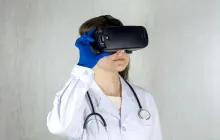
Introduction: The transformation of chronic pain care through telemedicine
The management of chronic pain has long challenged clinicians and patients alike, intertwining complex physiological mechanisms with psychological, social, and emotional factors. Telemedicine entered the healthcare landscape not as a replacement for in person care but as an additive modality that expands access, enhances monitoring, and supports continuous engagement. When used thoughtfully, virtual care can preserve the nuance of a thorough physical examination while leveraging digital tools to capture patient-reported outcomes, real time symptom trajectories, and functional indicators that might be less accessible in traditional settings. The result is a more responsive approach to chronic pain that aligns with the realities of patients living with persistent discomfort, mobility limitations, and day to day variability in symptoms. As telemedicine matures, its value emerges not only in convenience but in the ability to coordinate care across disciplines, integrate data from diverse sources, and adapt treatment plans with greater timeliness and precision. This evolution is reshaping expectations on both sides of the encounter, encouraging patients to participate actively in their care and inviting clinicians to employ a broader toolkit for assessment, communication, and intervention.
In chronic pain management, the digital dimension intersects with a patient’s lived experience in meaningful ways. Telemedicine can reduce barriers such as travel distance, transportation costs, and geographic isolation, particularly for those who must commute long distances to reach a pain specialist or a multidisciplinary clinic. It also invites a broader range of care settings, including home based programs, community health centers, and school or work environments where pain symptoms influence performance and productivity. Beyond access, telemedicine facilitates continuity of care during periods when symptoms fluctuate, such as times of increased activity, travel, or stress. Clinicians can schedule regular check ins, use asynchronous messaging to track concerns between visits, and deploy decision support tools that help tailor therapy choices to a patient’s evolving condition. In essence, telemedicine offers a framework for sustainable, patient centered management of chronic pain that respects the complexity of the condition while embracing the advantages offered by digital connectivity.
Expanding access and equity through virtual care
Access is a central pillar of telemedicine’s impact on chronic pain management. For patients living in rural areas or regions with limited pain specialty coverage, virtual visits can bring expertise that would otherwise require long travel times or temporary relocation. This expansion of access is intrinsically linked to equity. When clinics implement telemedicine thoughtfully, they consider language accessibility, cultural relevance, and the need for user friendly interfaces that accommodate older adults or patients with limited digital literacy. The ability to connect with a clinician from home reduces the burden of appointment logistics, enabling more consistent follow up and enabling care teams to address comorbid conditions such as depression, anxiety, sleep disturbances, and fatigue that often accompany chronic pain. Virtual tertiary centers can collaborate with local primary care providers to co manage cases, ensuring that patients receive comprehensive evaluations without the friction that previously impeded timely care. While barriers such as internet access and device availability persist, ongoing investments in broadband infrastructure, community education, and user friendly platforms are steadily narrowing the gap and creating more inclusive pathways to relief and functional improvement.
Equity also requires attention to socioeconomic determinants that influence pain experience and treatment outcomes. Telemedicine programs that offer sliding scale fees, multilingual support, and compatibility with low bandwidth environments create opportunities for a broader cross section of patients to benefit from evidence based interventions. In addition, virtual care affords a degree of privacy that some individuals value when discussing sensitive symptoms or stigmatized conditions. For others, the flexibility to incorporate telehealth into a busy work schedule minimizes disruption and promotes adherence to prescribed therapeutic regimens. As health systems expand telemedicine offerings, they must monitor equity indicators, collect feedback from diverse patient groups, and adjust program design to ensure that virtual care complements but does not replace essential in person assessments when they are needed. These considerations are essential to ensure that telemedicine remains a force for equitable improvement in chronic pain outcomes rather than a barrier for those who encounter digital or social disadvantage.
Clinical assessment and remote monitoring of pain
Assessment in chronic pain is a dynamic process that blends history taking, observations, physical examination, and quantitative measures. Telemedicine preserves the core elements of clinical assessment while enabling new modalities for remote monitoring. A well structured virtual visit can begin with a comprehensive history that captures duration, intensity, quality, aggravating and alleviating factors, sleep impact, and functional consequences. Clinicians can guide patients through self palpation, range of motion tests, and observation of movement patterns via video, which, when performed systematically, can inform diagnostic hypotheses and treatment decisions. The integration of standardized patient reported outcome measures within telemedicine platforms provides a consistent framework to track pain intensity, interference with daily activities, mood, and cognitive function over time. Digital pain diaries and weekly symptom checklists empower patients to contribute data that reveal patterns, identify triggers, and support shared decision making. The combination of narrative information and structured data creates a more robust picture of chronic pain than episodic in person visits alone, allowing clinicians to calibrate therapy with greater confidence and to sequence interventions in a way that respects patient preferences and life circumstances.
Remote monitoring goes beyond questions about pain levels. Wearable devices and digital trackers can complement clinical assessments by supplying objective data related to activity, sleep, heart rate variability, and gait. When used with care, these tools illuminate the functional impact of pain and response to treatment, helping clinicians distinguish between true changes in pain and fluctuations driven by mood or fatigue. It is essential, however, to maintain clear boundaries around data ownership, privacy, and interpretation. Telemedicine programs should establish transparent protocols for data collection, storage, and review, ensuring that patients understand how their information informs care and what actions may follow. By combining patient reported outcomes with objective activity metrics, clinicians can create a more nuanced timeline of the pain experience, identify seeds of deterioration early, and adjust rehabilitation plans, medication strategies, or behavioral therapies accordingly. This integrative approach supports a move toward proactive rather than reactive management, with patients playing an active role in shaping their treatment as data accumulate over time.
Multidisciplinary teams and care coordination remotely
The complexity of chronic pain often requires input from multiple disciplines, including physicians, physical therapists, psychologists, occupational therapists, and nurse practitioners. Telemedicine enables a cohesive multidisciplinary model that is accessible from a patient’s home or a local clinic with telepresence capabilities. Virtual tumor boards of pain care are not literal, but virtual case conferences can help specialists align on treatment pathways, coordinate pharmacologic strategies, and synchronize non pharmacologic therapies such as cognitive behavioral therapy, graded exposure, mindfulness practices, and physical rehabilitation. This model reduces fragmentation of care and minimizes redundant testing by ensuring that each team member is aware of the patient’s goals, progress, and concerns. Clear communication channels across disciplines strengthen the continuity of care, facilitate timely adjustments to therapy, and support a patient centered plan that is coherent across the full spectrum of interventions. In practice, remote multidisciplinary care relies on secure messaging, synchronized electronic records, and well designed appointment schedules that allow for joint visits when appropriate, so that patients can experience a unified approach without the friction of coordinating multiple in person appointments across different locations.
Coordination also extends to primary care and specialty services. Telemedicine can bridge gaps by providing quick access to pain specialists for second opinions, clarifying diagnostic questions, and enabling rapid referrals to physical therapy, psychology, or rehabilitation medicine. When primary care providers are integrated into virtual pain management pathways, they can monitor comorbidities, such as hypertension or diabetes, and adjust analgesic plans in a way that minimizes risks and improves overall health outcomes. The collaborative capacity of virtual teams supports shared decision making, enhances patient trust, and fosters a sense of continuity that can be challenging to achieve with episodic care. As telemedicine platforms mature, the design of team workflows, the roles of each participant, and the mechanisms for handoffs become central factors in the success of remote pain management programs. A well aligned team delivers care that is not only technically proficient but also emotionally responsive to the patient’s evolving needs and preferences.
Remote therapies and rehabilitation delivered at home
Non pharmacologic therapies play a crucial role in chronic pain management, often providing durable benefits when combined with pharmacologic strategies. Telemedicine supports remote delivery of education, exercise programs, manual therapy guidance through guided demonstrations, and home based rehabilitation. Physical therapy and occupational therapy sessions conducted via video can be carefully structured to advance mobility, strength, flexibility, and function while minimizing discomfort. Therapists can observe posture, movement patterns, and technique, offering real time feedback and safe progressions that are tailored to an individual’s capabilities. In addition, tele rehabilitation platforms can host asynchronous instructional content, enabling patients to practice exercises at times most convenient for them, while clinicians review performance data and adjust programs accordingly. This combination of live coaching and self directed practice expands the reach of therapy services and empowers patients to integrate therapeutic activities into daily life, thereby enhancing adherence and outcomes. The home based nature of these programs also aligns with patients’ goals of maintaining independence, reducing disability, and improving overall quality of life, all without frequent travel or facility based visits.
Mindfulness, relaxation training, and cognitive behavioral approaches for pain coping are particularly well suited to telemedicine. Virtual sessions can be scheduled with psychologists or trained counselors who guide patients through skills that reduce pain related distress, catastrophizing, and sleep disruption. When delivered in combination with physical therapy and medical management, these behavioral strategies contribute to more resilient coping and improved function. The convenience of teletherapy often leads to greater session attendance and sustained engagement, which in turn enhances long term outcomes. As with other forms of remote care, therapists adapt assessment tools to the virtual environment, using validated measures to monitor distress, pain interference, and coping strategies over time. This integrated, home centered approach to therapy embodies a holistic model of pain management where physical, emotional, and behavioral components are addressed in a unified, accessible framework.
Behavioral health integration and pain coping strategies
Chronic pain seldom exists in isolation from psychological distress, sleep problems, and mood disorders. Telemedicine makes behavioral health integration more feasible by reducing stigma associated with seeking mental health support and by providing convenient access to therapists who specialize in pain coping. Virtual care pathways can include structured programs that blend education about pain physiology, cognitive restructuring techniques, and behavioral activation strategies designed to improve activity engagement. Regular tele visits allow clinicians to monitor mood and sleep, adjust therapeutic approaches, and reinforce positive coping skills. In addition, asynchronous communication can enable patients to share concerns between sessions, receiving timely guidance that prevents escalation of distress. The emphasis on behavioral health within telemedicine also helps address the biopsychosocial model of pain, recognizing that improving emotional well being and sleep quality can diminish pain perception and enhance physical functioning. As patients experience improved coping resources, they often report greater satisfaction with care, higher adherence to exercise regimens, and more consistent engagement with treatment plans, contributing to meaningful improvements in daily living and overall well being.
Empowerment through education is another core benefit. Telemedicine platforms can deliver targeted psychoeducation about pain mechanisms, the rationale for various interventions, and realistic expectations for outcomes. When patients understand how medications, exercises, and cognitive strategies work together, they become active participants in decision making. This collaborative approach fosters trust, reduces anxiety about treatment choices, and supports adherence. Additionally, remote access to social workers, peer support groups, and caregiver resources helps create a robust support network around the patient, reinforcing strategies learned in clinical sessions and promoting sustained recovery. The combination of accessible behavioral health support and practical coping tools represents a powerful dimension of telemedicine that complements pharmacologic and physical therapies and contributes to a more comprehensive, patient centered pain management plan.
Medication management, safety, and policy considerations
Medication management for chronic pain poses unique challenges, particularly when medicines with dependence potential, such as opioids, are part of the treatment plan. Telemedicine offers opportunities for careful monitoring, risk assessment, and timely adjustments while maintaining patient access. Virtual visits enable clinicians to review injury history, concomitant medications, and potential interactions with real time access to pharmacy records where permissible. They also facilitate remote prescription management, enabling clinicians to tailor dosing, schedule follow ups, and implement risk reduction strategies such as urine drug screening coordination when appropriate and feasible. Telemedicine can support adherence to safety guidelines by documenting consent, monitoring for adverse effects, and evaluating functional outcomes that reflect the impact of medications on daily life. In parallel, clinicians can discuss non pharmacologic alternatives and stepwise management plans, encouraging a balanced approach that prioritizes safety and patient preferences. By aligning medication management with patient education and ongoing monitoring, telemedicine helps reduce both over reliance on pharmacotherapy and the risk of under treatment across diverse patient populations.
Policy considerations shape how telemedicine is practiced and reimbursed, which in turn influences access to and the quality of chronic pain care. Public and private payors increasingly recognize telemedicine as a legitimate mode of delivery, provided that care meets established standards and documentation requirements. Clinicians must stay informed about licensure requirements that may affect cross jurisdiction practice, as well as payer policies related to remote visits, digital therapeutics, and remote monitoring services. These policy levers can either enable broader adoption or create friction that slows progress. Effective telemedicine programs engage with administrators and policymakers to advocate for parity in reimbursement between telemedicine and in person care, ensure appropriate privacy protections, and support data interoperability so that information flows smoothly between telemedicine platforms and electronic health records. With thoughtful policy design, telemedicine for chronic pain can be scaled in a way that maintains safety, quality, and patient centeredness while expanding access to evidence based interventions that improve function and reduce suffering.
Technology interfaces, data integration, and privacy
Technology is the backbone of telemedicine, but its effectiveness depends on user friendly interfaces, reliable connectivity, and secure data management. Telemedicine platforms should provide intuitive scheduling, easy video conferencing, and the ability to share educational materials, pain diaries, and exercise videos without technical barriers. Interoperability with electronic health records, pharmacy systems, and remote monitoring devices is critical for seamless care coordination. Clinicians benefit from dashboards that summarize symptom trends, medication changes, and adherence metrics, enabling timely follow up and more informed decision making. Privacy and security considerations must be at the forefront, including adherence to relevant regulations, robust encryption, access controls, and transparent patient consent processes. Patients should be informed about who can view their information, how data is stored, and under what circumstances it may be shared with other providers. Telemedicine programs that prioritize privacy while delivering high quality care foster trust and encourage ongoing engagement, particularly for individuals who have previously avoided care due to concerns about confidentiality. As technology evolves, developers and health systems must continue to adapt to emerging risks and opportunities, ensuring that innovation serves patient safety and dignity as primary priorities.
In addition to privacy concerns, patients often value continuity of the user experience. Consistent platform performance, patient friendly design, and predictable scheduling practices contribute to a positive virtual care experience. Accessibility features, including captions, screen reader compatibility, and multilingual interfaces, expand the reach of telemedicine to a broader audience. When platforms incorporate these elements, patients are more likely to participate actively in their care, provide accurate symptom reporting, and adhere to treatment plans. The ultimate aim is to create digital environments that feel as trustworthy and straightforward as a traditional clinic visit while delivering the additional benefits of data driven insights and remote monitoring capabilities that enhance safety, efficacy, and satisfaction.
Patient engagement, education, and self management
Engagement is a dynamic process that thrives in environments where patients feel heard, supported, and equipped with practical tools. Telemedicine promotes patient engagement by enabling frequent touch points, clear communication, and the timely provision of educational resources tailored to an individual’s condition, goals, and literacy level. Through video sessions, clinicians can demonstrate exercises, correct form, and adapt recommendations based on observed technique and patient feedback. Digital education materials can include interactive modules, short videos, and printable guides that reinforce learning outside the clinic. Importantly, telemedicine supports self management by giving patients access to symptom trackers, goal setting features, and feedback loops that reinforce progress. When patients actively monitor their pain, sleep, activity, and mood, they generate data that informs both their own decisions and clinical recommendations. This collaborative model fosters self efficacy and can lead to meaningful improvements in function, participation in daily activities, and overall well being. The sense of agency that comes from accurate self monitoring often correlates with higher satisfaction with care and a more positive outlook on treatment trajectories.
Education also extends to caregivers and family members who play a vital role in home based management. Virtual platforms can include caregiver access to appropriate information and guidance so that families understand the treatment plan, recognize early warning signs, and know how to support safe exercise routines or coping strategies. This inclusive approach strengthens the patient support system and ensures that care plans are feasible within the patient’s home environment. Telemedicine thus acts as a catalyst for a more collaborative care ecosystem, where patients, families, and multiple clinicians contribute to a shared understanding of goals, progress, and next steps in a manner that respects patient preferences and life context.
Impact on outcomes, costs, and the health system
From a patient perspective, telemedicine can translate into tangible improvements in outcomes when integrated with evidence based care pathways. Reliable remote monitoring and frequent check ins can reduce pain intensity, improve function, and enhance sleep quality by enabling early detection of deterioration and rapid adjustment of treatment plans. The flexibility of virtual visits often supports better adherence to exercise programs and behavioral therapies, which in turn fosters durable improvements in daily living activities. Clinically meaningful outcomes emerge not only from pain reduction but also from enhanced mobility, increased participation in work and social activities, and improved psychological well being. The breadth of data available through telemedicine provides a richer basis for evaluating treatment effectiveness over time, supporting iterative refinements to care that are responsive to patient experience rather than solely dependent on episodic assessments.
From a systems perspective, telemedicine can contribute to cost containment by reducing in person visits, transportation expenses, and missed appointment rates. While initial investments in technology, training, and data integration are necessary, long term savings can accrue through more efficient use of clinician time, streamlined workflows, and targeted interventions that prevent costly escalation such as unnecessary imaging or hospitalizations. Telemedicine also enables more consistent follow up, which can shorten the duration of disability, hasten return to work, and reduce indirect costs associated with chronic pain. However, realizing these financial benefits requires aligned reimbursement policies, careful program design, and robust data collection to demonstrate value. Health systems that adopt telemedicine as part of a comprehensive pain management strategy often see improvements in patient satisfaction, better care coordination across specialties, and a more proactive stance toward managing chronic pain that prioritizes function and quality of life as core outcomes.
Challenges, limitations, and best practices
Despite its promise, telemedicine faces practical and ethical challenges that require thoughtful responses. Technical difficulties, such as unstable internet connections or limited device availability, can impede the quality of virtual encounters. Clinicians must develop contingency plans, such as scheduling flexibility, asynchronous communication channels, and clear instructions for patients on how to participate when connectivity is imperfect. Digital literacy varies widely, so user friendly interfaces, multilingual support, and accessible design are essential to ensure that telemedicine reaches patients with diverse backgrounds and abilities. Privacy concerns remain a central issue, necessitating rigorous security protocols, transparent consent processes, and ongoing education about data safety. Clinicians and health systems must also navigate licensure restrictions and payer requirements, which can complicate cross jurisdiction practice and rapid program expansion. To address these challenges, best practices emphasize patient centered design, standardized workflows, ongoing training for clinicians, continuous quality improvement, and close collaboration with information technology teams to maintain reliable and secure platforms.
Another important consideration is the careful integration of telemedicine within the broader clinical pathway. Virtual care should complement, not replace, necessary in person assessments when physical examination or imaging is essential for diagnosis or treatment planning. Clear criteria for when to escalate to in person care help avoid delays in critical decisions and preserve patient safety. Data governance practices, including permissioned access to records and auditable data trails, are vital to maintain trust and ensure that information used for care decisions is accurate and complete. By embracing these best practices, telemedicine programs can minimize risks, maximize clinical benefit, and cultivate sustainable, patient centered pain management services that adapt to evolving needs and technologies.
Future directions and research opportunities
Looking ahead, the evolution of telemedicine in chronic pain management will likely be driven by advances in remote sensing, artificial intelligence, and personalized digital therapeutics. AI driven analytics can identify subtle patterns in pain trajectories, predict which interventions are most likely to yield benefits for a given patient, and suggest personalized care plans that harmonize pharmacologic and non pharmacologic therapies. Digital therapeutics, including interactive programs for cognitive behavioral therapy, graded exposure, and mindfulness, may become more tightly integrated with standard telemedicine workflows, providing scalable, evidence based options to a wide audience. Wearable devices and sensor technologies will continue to enrich data streams available to clinicians, enabling more precise assessment of functional capacity, sleep quality, activity levels, and physiologic responses to treatment. Ongoing research will explore the best practices for combining synchronous and asynchronous modalities, optimizing the timing of tele visits, and determining how telemedicine can be used to support equitable pain care across diverse populations and health systems. As data accumulates from diverse patient groups, researchers will be able to refine patient selection criteria, tailor interventions, and quantify the relative contributions of telemedicine components to improvements in pain, function, and quality of life. The future of chronic pain management through telemedicine holds the promise of a more responsive, data informed, and person centered care landscape that aligns medical science with the everyday experiences of patients living with pain.
In functional terms, telemedicine may enable patients to engage in long term pain management programs that span months or even years with periodic refreshers and booster sessions. The continuity afforded by remote care can help patients maintain gains achieved through intensive rehabilitation, pharmacologic optimization, and behavioral health work. As adoption grows, healthcare organizations will need to invest in training, change management, and user experience design to ensure that telemedicine remains a sustainable option that enhances clinicians’ ability to deliver compassionate, high quality care. Ultimately, the successful integration of telemedicine into chronic pain management will hinge on balancing technology with human connection, preserving empathy, and maintaining a patient centered focus that values function, dignity, and autonomy as central outcomes. This evolving field invites clinicians to explore novel care models, cultivate interdisciplinary collaboration, and continuously adapt to the needs and preferences of patients who seek relief from chronic pain in a world where distance is no longer a barrier to high quality care.