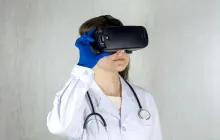
Overview of emergency department demand and telehealth response
Across modern health care systems, emergency departments contend with a complex mix of urgent, nonurgent, and sometimes life threatening conditions. The demand for acute care is shaped by demographic changes, evolving disease patterns, and the accessibility of timely primary care. Telehealth has emerged as a strategic response to these pressures, offering a bridge between patients and clinicians that can resolve many concerns without requiring an in person visit to the emergency department. When used effectively, telehealth can identify issues that truly require emergent attention and triage those that can be managed in outpatient settings or through self care, thereby reducing unnecessary trips to the ER. The potential impact is multifold, touching patient experience, clinical workflow, and the broader economics of health care delivery. This context explains why many health systems have integrated telehealth into their emergency care pathways and why patients increasingly perceive virtual visits as a viable first step when symptoms arise during evenings, weekends, or periods of limited primary care access. The goal is not to replace emergency medicine but to compress the marginal gap between symptom onset and appropriate care, enabling faster decision making and better resource allocation in hospitals and clinics alike.
When telehealth interfaces with emergency triage frameworks, clinicians can assess red flags using patient history, external symptom checklists, and video observation. Even without a physical examination, skilled clinicians can identify signs of instability, dehydration, neurological compromise, respiratory distress, or severe pain that warrants immediate in person evaluation. Conversely, many common complaints such as minor infections, skin conditions, allergies, or medication management questions can be addressed remotely with guidance, prescriptions, or escalation plans. This ability to discern what requires an in person visit helps to prevent crowding, reduces patient exposure to infectious agents in waiting rooms, and keeps emergency departments available for the most time sensitive cases. The value proposition extends beyond the ER; it encompasses improved access to care, reduced travel time for patients, and the potential to avert complications by delivering timely advice and treatment early in the course of an illness. Telehealth becomes a strategic tool for aligning care with urgency, which is essential in environments where the cost of waiting or misjudging severity can be high.
Crucially, telehealth does not simply substitute video visits for in person encounters; it creates a continuum of care that can triage, diagnose, monitor, and coordinate services with a level of precision that was harder to achieve before digital connectivity existed. In rural areas and underserved urban settings, telehealth expands the reach of clinicians who may be geographically distant from patients. It also enables rapid access to specialists who can provide real time opinions on complex conditions that might otherwise delay triage decisions. The result is a more responsive health system, where urgent care is delivered through the most appropriate modality and setting. As this flexibility becomes more widespread, emergency departments gain capacity to focus on the patients who truly need immediate lifesaving interventions, while telehealth channels handle a larger share of non emergent cases with appropriate follow up. The net effect is a more efficient and resilient health care ecosystem capable of adapting to fluctuating demand and evolving patient expectations.
How telehealth functions within an acute care pathway
Telehealth operates within a structured care pathway that starts with accessible outreach, continues with rapid remote assessment, and culminates in clear disposition and follow up. In this model, patients reach out through a telehealth platform that supports video and audio connections, secure messaging, and integration with electronic health records. The first interaction focuses on triage: is there a need for urgent in person evaluation, can the issue be solved remotely, or should the patient be directed to alternate care settings such as a walk in clinic, urgent care center, or pharmacist led clinics? A well designed platform uses standardized protocols that prioritize safety, ensuring that potential emergencies are escalated promptly to 911 or the local emergency number when necessary. This ensures that telehealth does not inadvertently delay life saving care and that clinicians retain access to critical patient information. In many setups, telehealth clinicians have real time access to vital signs data, imaging requests, and prior medical history, which enhances diagnostic confidence and reduces the likelihood of misinterpretation. The pathway also incorporates patient education components, enabling individuals to understand warning signs, action steps, and when to seek in person care. The end result is a coordinated process that channels patients toward the most appropriate care setting, aided by digital tools and clinician judgment.
From a workflow perspective, telehealth reduces unnecessary in person visits by providing timely advice and management plans for conditions that are safe to treat remotely. In addition, telehealth often accelerates the triage process, since clinicians can review symptoms, assess risk, and determine appropriate next steps in a fraction of the time it might take when patients must physically travel to a clinic. This efficiency is particularly valuable during peak hours or in clinics with limited staff, as it preserves resources for patients with higher acuity. Telehealth also supports asynchronous care, allowing patients to upload photos of rashes, wound images, or documentation of symptoms for clinician review even when a real time video call is not possible. The ability to combine video, image sharing, messaging, and integrated clinical decision support makes these telehealth encounters robust, versatile, and capable of contributing meaningfully to reduced ER visits.
Discussions around triage accuracy are central to telehealth implementation. Clinicians rely on patient history, symptom checklists, and visible cues during video encounters to judge severity. While not every condition can be diagnosed remotely, many conditions that once prompted a same day ER visit can be managed with appropriate guidance and follow up. For instance, a patient with a fever and mild breathing symptoms may be guided toward home care with instructions and red flags, a prescription if necessary, and a plan to recheck if symptoms worsen. Another patient with a suspected urinary tract infection can often be diagnosed from history and simple testing performed at home with a pharmacy or clinic follow up. In some cases, telehealth triggers a rapid escalation to urgent in person evaluation when the patient’s vital signs or reported symptoms exceed safe thresholds. All of these dynamics contribute to a dynamic, iterative process where telehealth acts as an enabling layer that aligns patient needs with evidence based pathways, rather than simply replacing traditional care with a digital alternative.
Evidence of reduced visits to emergency departments
Numerous studies and health system reports have begun to quantify the impact of telehealth on emergency department utilization. In many settings, patients who receive telehealth triage and management for non emergent complaints show lower rates of subsequent ER visits within 72 hours, suggesting that initial remote assessment and guidance effectively resolves issues without requiring hospital based care. The reasons are multifaceted. Telehealth often provides earlier access to care, which can prevent condition escalation that might otherwise lead patients to seek emergent services. When patients have a clear plan for home management, including symptom monitoring and when to seek urgent attention, they are less likely to default to the ER due to uncertainty. Moreover, telehealth can connect patients with primary care coaches, pharmacists, or nurse navigators who coordinate follow up, medications, and testing, thereby reducing fragmentation that might otherwise drive unnecessary ER use. In settings with integrated care teams, telehealth can create a seamless flow from virtual triage to outpatient testing, minimizing delays that might push patients toward emergency care. While results vary by population and health system, the overall trend shows meaningful reductions in inappropriate ER visits and improved use of urgent care when telehealth is appropriately embedded in the care continuum.
Cost containment is another dimension of the evidence base. Reductions in ER visits translate into lower facility based expenses, decreased staffing burdens in crowded emergency departments, and better utilization of imaging and procedural resources. At the patient level, telehealth can lower indirect costs associated with hospital visits, such as transportation and time off work, which reinforces the appeal for patients to seek remote care first. Additionally, telehealth can shorten wait times and reduce patient anxiety about access to care, which further discourages unnecessary ED presentations driven by uncertainty. Some studies have highlighted that telehealth programs paired with 24/7 nurse line services can divert a portion of visits away from the ER by offering immediate guidance and pathways to appropriate care settings. These findings contribute to a broader understanding of how telehealth can reshape the demand curves faced by emergency departments across diverse health care landscapes.
Real world experiences provide practical illustrations. In hospital systems that implemented tele triage services at scale, administrators reported declines in non urgent ER visits and better patient flow during periods of surge. Clinicians described telehealth as a means to maintain continuity of care for chronic conditions that might otherwise trigger urgent visits when symptoms flare, as well as a platform to deliver rapid, guideline based recommendations during respiratory illness seasons. The observed reductions are often accompanied by improved metrics on patient satisfaction, as patients feel heard, reassured, and guided by credible, accessible professionals. However, it is important to note that telehealth is not a panacea. Some patients require direct in person assessment for safety reasons, some conditions demand rapid testing, and infrastructure limitations can affect the reach of telehealth services. In sum, while the evidence points toward meaningful decreases in ER utilization for appropriately chosen conditions, success depends on careful integration, rigorous triage protocols, and robust patient education materials.
Triaging and remote assessment techniques
High quality triage during remote encounters relies on structured interviewing, symptom characterization, and decision support that balances safety with efficiency. Clinicians use standardized questions to assess onset, duration, intensity, and progression of symptoms, along with red flag indicators such as shortness of breath, chest pain, severe dehydration, confusion, and sudden weakness. Through visual inspection, remote assessments can identify perilous cues such as cyanosis, facial droop, or visibly distressed breathing, which can trigger urgent in person evaluation. The integration of patient history with real time data from connected devices—such as home blood pressure monitors, pulse oximeters, or glucose meters—further enriches the remote assessment, allowing clinicians to quantify risk and tailor management plans. While not every patient can be fully evaluated remotely, telehealth triage helps to standardize the process, reducing variability in initial assessments and helping patients understand why a given disposition was recommended. Disposition decisions may include home management with clear red flags, scheduling a follow up telehealth visit, directing the patient to urgent care or primary care clinics, or arranging transport to an emergency department for conditions that clearly meet emergency criteria. This tiered approach supports patient safety and optimizes the allocation of emergency resources through data driven decision making.
Clinical protocols embedded within telehealth platforms support consistent handling of common urgent but non emergent complaints, including short descriptions of when to escalate. For instance, tele health teams often use checklists for fever in adults, pediatric respiratory symptoms, potential appendicitis, and hydration status. These checklists are designed to catch instances where symptoms could rapidly worsen, ensuring that patients receive timely in person evaluation if necessary. In addition, telehealth platforms frequently route patients to appropriate care settings based on triage outcomes, which reduces the cognitive load on clinicians and standardizes patient experiences. When clinicians can rely on evidence based pathways rather than ad hoc judgments, the overall reliability of remote triage improves, leading to more consistent reductions in unnecessary ER visits. The discipline of remote assessment thus becomes a cornerstone of tele health driven ER demand management.
Patient education is an essential companion to triage. After a remote assessment, clinicians often provide written or visual instructions outlining home care steps, warning signs that require urgent care, and instructions for self monitoring. This educational content can be delivered through secure patient portals, follow up messages, or interactive chat interfaces, ensuring that information is accessible when symptoms evolve. Clear guidance about when to seek in person care reduces anxiety and supports timely decision making, which is particularly important for vulnerable populations such as older adults and caregivers of children. The educational component also reinforces adherence to treatment plans and follow up appointments, which further reduces the risk of delayed escalation to emergency care as conditions progress. In combination, triage, remote assessment, and patient education form a cohesive mechanism for balancing safety with efficiency in acute care delivery.
Chronic disease management and prevention
Telehealth provides continuous engagement with patients who have chronic diseases, enabling proactive management that can prevent acute episodes that might otherwise trigger emergency visits. When clinicians monitor chronic conditions remotely, they can detect deviations from established baselines early and intervene before an urgent event occurs. Remote monitoring through devices that track blood pressure, glucose, weight, oxygen saturation, and symptom diaries gives clinicians a longitudinal view of a patient’s health trajectory. This information supports timely medication adjustments, lifestyle counseling, and coordinated referrals to in person care when necessary. The resulting improvement in disease control reduces the frequency of emergency department visits driven by complications such as hypertensive crises, hypoglycemic episodes, heart failure decompensation, or severe infections in immunocompromised individuals. Telehealth thus complements primary care by extending the reach of chronic disease management beyond scheduled office visits, ensuring that patients receive continuous support even during weekends or holidays when clinics may be closed.
From a patient experience perspective, remote management can be more convenient and less disruptive than in person visits for routine follow ups, medication renewals, or symptom checks. The convenience reduces the temptation to seek urgent care for issues that could be addressed through a timely phone or video encounter accompanied by adjustments to therapy or care plans. In turn, this reduces the volume of non emergent ER visits and improves patients’ sense of control over their own health. At the same time, telehealth fosters closer collaboration between patients and primary care teams, enabling coordinated care plans that dissuade patients from turning to emergency services for problems that can be managed effectively elsewhere. The synergy between chronic disease management and emergency room utilization highlights an important channel through which telehealth can deliver both clinical and system level benefits.
Prevention strategies are also enhanced by telehealth through educational campaigns, vaccination reminders, and lifestyle coaching that can be delivered remotely. When patients receive timely information about vaccines, influenza prophylaxis, or smoking cessation, they are more likely to adopt preventive measures that reduce the likelihood of acute illness requiring emergency care. In this way, telehealth supports a proactive model of health care, emphasizing prevention and early intervention as opposed to reactive, urgent care only after a problem becomes severe. The cumulative impact of prevention, timely management, and coordinated care can shift the entire pattern of ER visits toward more appropriate, lower acuity utilization, with the caveat that high acuity emergencies remain correctly triaged and managed.
Mental health and urgent care via telehealth
Telehealth has a particularly important role in mental health, where timely access to support can avert crises that might otherwise result in emergency department visits. Virtual behavioral health consultations provide confidential, immediate access to psychiatrists, psychologists, social workers, and licensed counselors who can assess risk, provide crisis stabilization guidance, and coordinate urgent or outpatient follow up as needed. In many communities, access to in person mental health services is limited by workforce shortages or geographic barriers. Telehealth helps bridge this gap, delivering evidence based interventions for anxiety, depression, substance use disorders, and crisis management in ways that are flexible and responsive. By offering screening, brief intervention, safety planning, and referral pathways, telehealth reduces the likelihood that a mental health episode ends in an ER visit due to lack of timely support, misinformation, or fear about the appropriate care setting. The result is not only a potential reduction in ER load but also improved patient outcomes through earlier, more targeted mental health care.
In crisis situations, telehealth platforms can connect patients with trained professionals who can assess immediacy and provide supportive interventions while arranging urgent care if necessary. This capability is particularly valuable during evenings, weekends, and holidays when local mental health services may be less accessible. By providing continuous, non judgmental support and clear guidance on safety planning, telehealth can stabilize situations and buy time for more intensive interventions if needed. The mental health dimension of tele health thus represents a substantial lever for reducing ER visits that arise from acute distress rather to chronic disease mis management alone.
Technology and access disparities
Access to telehealth is not uniform across populations, and disparities in technology, connectivity, digital literacy, and language can influence the effectiveness of remote care as a strategy to curb ER visits. Rural communities often have broadband limitations that hamper video visits, although audio only calls or asynchronous messaging can still provide meaningful care. Socioeconomic factors may affect the availability of devices, data plans, or private spaces for sensitive conversations, which can influence patient willingness to engage with telehealth. Health systems address these gaps by deploying multiple modalities, including telephone based triage, text message based follow ups, and multilingual chat capabilities, ensuring that patients who lack high bandwidth connections still receive appropriate support. Programs may also provide community outreach and digital literacy training to empower people to use tele health tools more confidently. The goal is to maintain equity in access to telehealth services so that reductions in ER visits are not limited to those with premium technology access. In parallel, policy makers and payers should consider coverage, reimbursement incentives, and technical support that encourage broad adoption while maintaining high quality standards for remote care.
Digital literacy is a critical factor in patient engagement. Some patients benefit from step by step guidance for setting up telehealth accounts, testing devices before visits, and understanding how to share images or data securely. Health systems can support these patients through patient education materials, helplines, and in person onboarding sessions, which help to ensure that telehealth services are welcoming rather than intimidating. Language access is another important dimension; telehealth platforms increasingly offer interpreter services and translated materials to support non English speakers, improving their ability to participate in remote triage and follow up. When access barriers are addressed, telehealth becomes a more inclusive tool for reducing ER visits across diverse communities. This attention to equity is essential because disparities in emergency department use often reflect deeper inequalities in access to primary care and preventive services. Telehealth, thoughtfully deployed, has the potential to mitigate some of these inequities by extending the reach of care outside traditional clinic hours.
It is important to monitor outcomes and iterate on design to ensure telehealth platforms meet the needs of all patients. This includes collecting feedback about ease of use, perceived safety, and satisfaction with remote triage. By continuously refining user interfaces, reducing friction in sign in processes, and simplifying the flow from remote triage to in person care when needed, telehealth programs can broaden their impact and contribute to more efficient emergency department operation. The equity lens remains central: if telehealth is to reduce ER visits sustainably, it must be accessible, acceptable, and usable for patients in different socioeconomic and cultural contexts.
Cost implications for patients and systems
From a financial perspective, telehealth can influence costs in several directions. For patients, remote consultations may reduce out of pocket expenses tied to travel, parking, and time off work. Some telehealth services are reimbursed at parity with in person visits, while others may differ by payer and region, influencing patient choice and uptake. When telehealth prevents unnecessary ER visits, the savings accrue to hospitals, insurers, and ultimately to the health system as a whole. Reduced ER volumes translate into lower facility overhead, less demand for rapid imaging or surge capacity resources, and better utilization of staffing across departments. The savings are not limited to the ER; telehealth can also lower costs in primary care clinics by distributing demand more evenly, enabling clinics to triage and treat more efficiently. Hospitals can re channel funds toward expansion of tele health services, data analytics, and population health programs that further reduce emergency care needs. However, it is critical to align incentives across payers, providers, and patients to preserve the value proposition of tele health, ensuring that cost reduction does not compromise access or quality of care.
For health systems, telehealth programs may require upfront investments in technology, security, training, and change management. Over time, though, the operational efficiencies achieved through improved triage accuracy, faster decision making, and streamlined follow up can yield positive return on investment. In addition, telehealth platforms can support population health initiatives by aggregating data, identifying high risk cohorts, and enabling proactive outreach that reduces the likelihood of ER visits for chronic conditions. The financial calculus becomes a mix of initial capital expenditure and ongoing operating costs against long term savings from avoided ED utilization and improved patient outcomes. Health economists and administrators typically model these dynamics to determine the appropriate scale of telehealth adoption for their communities.
The patient experience is also shaped by costs in significant ways. Telehealth offers a convenient, predictable care pathway, where patients know what to expect in terms of wait times, data sharing, and follow up. The practical benefits include less time spent in medical facilities, a lower likelihood of interrupted work schedules, and better management of acute episodes that might otherwise necessitate emergency care. When patients feel more in control of their care and experience less friction in navigating services, their willingness to engage with telehealth increases, reinforcing a virtuous cycle of access, satisfaction, and reduced ER use. The economic dimension therefore intertwines with patient experience to create a compelling argument for integrating telehealth into broader efforts to optimize emergency department demand.
Policy and reimbursement landscape
The policy environment surrounding telehealth reimbursement, licensure, and cross jurisdiction practice has evolved rapidly in recent years. Government programs and private payers are testing new payment models that incentivize appropriate use of telehealth for urgent but non emergent conditions, while ensuring that life saving remote care remains accessible and fairly compensated. Reimbursement policies that support teletriage visits, remote monitoring, and asynchronous communication are essential to sustain the operational viability of tele health programs. When reimbursement aligns with the goal of reducing unnecessary ER visits, health systems can invest more confidently in telehealth infrastructure, training, and patient outreach activities that extend care beyond the walls of the emergency department. At the same time, policies that set clear standards for privacy, data security, and clinical quality help to maintain patient trust and clinical rigor. As telehealth becomes an integral part of acute care, policy makers are increasingly focused on ensuring equitable access, minimizing disparities, and providing robust oversight to ensure that remote care maintains high safety and effectiveness standards.
Regulatory considerations also address licensure portability, particularly for patients who seek care across state or national borders. Streamlined cross jurisdiction licensing can enable clinicians to respond rapidly to surge events and to provide specialized expertise when local capacity is strained. In addition, policies encouraging the integration of tele health with emergency medical services help to create a more cohesive system in which EMS professionals can coordinate pre hospital triage with virtual consultations, enabling more precise disposition decisions even before a patient reaches the hospital. The evolving policy landscape reflects the recognition that telehealth is not just a set of tools but a fundamental component of how modern health care organizes access, safety, and value in urgent and emergent care scenarios.
Future directions and design considerations
The next wave of telehealth innovation is likely to emphasize interoperability, advanced decision support, and patient centered design. Interoperability ensures that telehealth platforms communicate effectively with diverse electronic health record systems, laboratory information systems, and imaging repositories so that clinicians have a complete view of a patient’s health status during remote encounters. Advanced decision support can assist triage by providing evidence based prompts, risk scores, and adaptive guidance that evolves with new research and local practice patterns. Patient centered design focuses on creating intuitive interfaces, reducing cognitive load, and tailoring experiences to individuals’ preferences, languages, and cultural contexts. In practice, this means refining video quality, simplifying intake forms, enabling easy sharing of photos and documents, and providing multilingual support that scales across diverse communities. Wearable sensors and home monitoring devices will likely become more integrated, allowing clinicians to observe trends in vital signs and activity levels and to intervene earlier to prevent deterioration that could trigger ER visits.
There is also potential for telehealth to extend beyond episodic care into remote diagnosis and treatment in select settings such as dermatology, wound care, post operative monitoring, and triage for minor head injuries where clinical judgment can be augmented by imaging review and standardized scoring. As the technology matures, the emphasis will be on safety, reliability, and equity. Ensuring that remote care does not substitute for necessary in person assessment, particularly for high risk populations, will require robust research, continuous quality improvement, and ongoing alignment with clinical guidelines. In this environment, telehealth is not a fixed solution but a dynamic component of adaptable care models that evolve with patient needs, health system capabilities, and societal expectations.
From an organizational standpoint, building a sustainable telehealth program to reduce ER visits entails careful workflow design, staff training, and governance. It requires aligning clinical roles, scheduling patterns, data flows, and escalation protocols so that every encounter—whether virtual or in person—contributes to patient safety and system efficiency. Leadership must foster a culture of continuous improvement, monitor key performance indicators related to triage accuracy, patient satisfaction, and downstream utilization, and invest in user friendly technologies that fit into clinicians’ daily routines. Collaboration with primary care, urgent care, EMS, and hospital based services creates a connected care ecosystem where telehealth acts as a catalyst for smoother patient trajectories. The design challenge is to balance speed with accuracy, flexibility with standardization, and reach with high quality care, all while preserving patient trust and ensuring privacy.
Real world case studies and testimonials
Across diverse health systems, case studies illustrate how telehealth interventions can reduce emergency department visits while maintaining or improving patient outcomes. In some urban centers, nurse driven tele triage lines connect with emergency physicians to determine whether a patient with chest pain can be evaluated remotely with a plan that includes observation at home, rapid access to testing, or expedited clinic follow up. In rural clinics, telehealth has expanded access to remote clinicians who can guide management for dehydration, fever, or respiratory illness, helping families avoid lengthy travel to the ER. Hospitals that implemented tele visits for pediatric care frequently report reductions in ED utilization for fever and minor injuries when parents receive trustworthy guidance about red flags and home care strategies. In regions with high chronic disease burdens, continuous remote monitoring programs lower the frequency of emergency presentations by stabilizing disease trajectories and enabling timely therapeutic adjustments. While results vary by context, the overarching narrative is that telehealth, when integrated into a thoughtful care pathway, can meaningfully reduce unnecessary emergency department use and support better patient experiences.
Testimonials from patients emphasize the accessibility and reassurance provided by tele health services. People describe feeling heard by clinicians who respond quickly and provide actionable guidance, which often reduces anxiety and friction that would otherwise drive an ER visit. Families report that having a virtual option on evenings and weekends makes it easier to manage child health concerns without disrupting daily life. Clinicians share experiences of enhanced job satisfaction when telehealth enables them to intervene earlier and coordinate care more effectively, avoiding the bottlenecks that frequently occur in crowded ERs. Administrators highlight improved patient flow, better alignment of care with acuity, and measurable declines in non emergent ER visits once tele triage becomes an established part of the care ecosystem. The stories underscore how technology, when applied with clinical wisdom and patient centric design, can transform the experience of urgent care for both patients and providers.
These case studies also illustrate the importance of local adaptation. Health systems must tailor telehealth configurations to their populations, capabilities, and workflows. What works in one setting may require modification in another, and continuous evaluation is essential to maintain safety and effectiveness. The best practices emerge from a combination of robust data analytics, frontline clinician feedback, and patient input, creating a cycle of improvement that reinforces the role of telehealth as a core component of emergency care strategy. As institutions gain experience, they refine triage algorithms, optimize staffing models for virtual encounters, and broaden the range of conditions that can be responsibly managed remotely. The cumulative impact of these lessons is a more resilient health system capable of delivering high quality care while easing the demand on emergency departments.
Overall, the evidence from real world implementations supports the view that telehealth is a powerful enabler of safer, more efficient emergency care. It helps clinicians identify which patients truly require hospital level care and which can be managed at home, in urgent care settings, or with targeted outpatient follow up. It supports patient empowerment by offering timely information and clear action plans, reducing uncertainty and unnecessary anxiety. It fosters better coordination across care settings, enhancing continuity of care and enabling more precise resource planning in hospitals. While challenges remain—such as ensuring equitable access, maintaining data security, and aligning reimbursement models with value—the trajectory of telehealth in reducing emergency room visits appears robust and continues to gain momentum as technology, clinical guidelines, and policy frameworks mature.