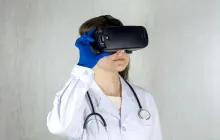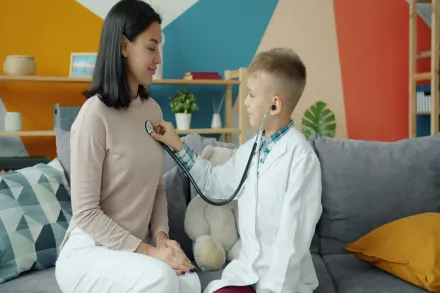
Telehealth has moved from a convenience feature to a foundational component of modern pediatric care, reshaping how children access services, how families participate, and how clinicians monitor growth and health over time. In pediatrics, the stakes of timely, developmentally appropriate care are high, and telehealth offers a way to bring expert guidance to the child's daily environment. The core promise is to extend the reach of pediatric teams beyond clinic walls while preserving or even improving the quality of care through continuity, observation, and collaboration. By integrating technology with compassionate, child centered practice, telehealth supports families in making informed decisions, tracking developmental milestones, and engaging with clinicians in ways that fit busy lives and shifting schedules.
Telehealth is not a single service but a spectrum of possibilities that adapts to diverse patient needs. For families living in rural or underserved urban areas, it can mean the difference between a long drive and a same day or same week consultation. For families juggling work, school, and caregiving for multiple children, quick video visits or remote check ins can reduce time away from work and minimize disruption to daily routines. The patient experience shifts from a single appointment in a sterile clinic to a continuous partnership that honors the rhythms of childhood, including nap times, after school activities, and caregiver discretion. The overarching goal is to ensure that every child has timely access to appropriate care regardless of geography, transportation, or socioeconomic status, while preserving the warmth and attentiveness that define pediatric medicine.
Expanded access for diverse families
One of the most meaningful advantages of telehealth in pediatrics is its capacity to reach families who might otherwise encounter obstacles to care. In communities where pediatric wait times are long, fractions of a day can be lost to travel, parking, or arranging childcare for siblings. Telehealth helps minimize those frictions by offering remote visits that can be conducted from home, a school clinic, or a local community center equipped with a private space and the necessary devices. This increased accessibility is particularly beneficial for families with limited mobility, caregivers who work nontraditional hours, or households that must coordinate multiple medical appointments for chronic conditions. By enabling rapid triage, telehealth reduces the risk that a mild concern escalates into an urgent visit, while preserving the option for in person care when physical examination or diagnostic testing is essential.
Beyond geography, telehealth supports linguistic and cultural inclusivity when platforms offer language interpretation and family centered interfaces. Clinicians can connect with families in their preferred language, providing explanations that are culturally sensitive and easier to understand. This not only improves comprehension and adherence to treatment plans but also reinforces trust between families and the health system. In addition, telehealth enables clinicians to involve extended family members who may live far away but play a critical role in caregiving and decision making. The result is more comprehensive family engagement, which is especially important for pediatric patients navigating complex health needs or developmental concerns.
Timely care and triage in pediatrics
Time is a precious resource in pediatric care, and telehealth helps ensure that care is delivered promptly when symptoms emerge. Video visits and asynchronous messaging allow clinicians to assess urgent concerns quickly, provide interim guidance, and determine whether an in person visit is necessary. For conditions such as fever without a clear source, respiratory symptoms, or skin rashes, rapid remote assessment can guide families toward appropriate actions, reducing unnecessary emergency department visits and enabling faster reassurance or treatment. In chronic conditions, telehealth supports regular check ins that monitor symptom progression, medication tolerance, and growth parameters between in person visits. This proactive approach helps prevent crises by catching warning signs early and adjusting care plans in a timely manner.
Another important aspect of timely care is the ability to schedule visits outside of traditional hours when feasible. Evening or weekend telehealth options can accommodate school schedules and caregiver responsibilities, ensuring that children receive care in a way that respects their routines. By blending synchronous video with asynchronous follow ups, clinicians can maintain continuity of care without compromising the family’s daily life. This model also opens the door to remote triage by pediatric nurses or physicians who can answer questions, provide safety guidance, and determine the appropriate next steps, all while preserving a family focused approach that centers on the child’s best interest.
Chronic disease management and remote monitoring
Many pediatric chronic conditions, from asthma to diabetes to congenital heart disease, require ongoing monitoring, medication adjustments, and frequent communication between visits. Telehealth extends the cadence of monitoring by enabling remote data sharing from home devices such as peak flow meters, blood glucose monitors, pulse oximeters, and blood pressure cuffs. When used with secure patient portals or compliant telehealth platforms, this data becomes a meaningful part of the clinical picture, allowing clinicians to detect trends, identify adverse effects, and tailor treatment plans without requiring the family to travel for every check in. The practical benefits include more precise medication titration, timely education about device use, and enhanced safety nets that protect children during seasonal illnesses or fluctuations in activity level.
For families managing asthma, telehealth can facilitate proactive coaching on inhaler technique, trigger avoidance, and action plan updates when symptoms change. For children with type 1 diabetes, remote monitoring can support daily glucose trends, insulin adjustments, and dietary planning with real time feedback from the care team. In epilepsy or seizure disorders, caregiver-reported events and wearable data can be reviewed collaboratively to refine therapy and reduce seizure burden. The overarching effect is a shift from episodic to continuous care, enabling pediatric teams to respond to the evolving needs of a growing child while preserving the family’s sense of control and partnership in the care process.
School based telehealth and community integration
Telehealth is transforming the interface between health care and education by enabling school based clinics to deliver timely evaluations, mental health support, and preventive services during the school day. School based telehealth reduces time away from classrooms and minimizes parental work disruption, while providing access to pediatric specialists who may be scarce in the surrounding community. Through secure video visits, school nurses can collaborate with pediatricians to address chronic conditions, administer wellness checks, and implement individualized health plans that align with academic goals. This integration fosters a holistic approach to child health, recognizing that well being directly influences learning, attention, and social development.
Families benefit when school linked telehealth streams information back to the child’s primary care team with appropriate consent and privacy safeguards. The coordinated care model encourages consistent messaging about vaccination, growth monitoring, and developmental milestones, ensuring that school based care complements, rather than replaces, the family physician or pediatrician. When a student’s needs exceed the school setting, seamless transitions to in person or telehealth visits with the child’s regular clinician are facilitated, maintaining continuity of care across environments and reducing fragmented care. In communities investing in school centered telehealth, the outcome is a more resilient pediatric health system that is responsive to both medical and educational needs.
Telehealth modalities and clinical effectiveness
Telehealth encompasses a range of modalities designed to fit different clinical scenarios and family preferences. Synchronous video visits enable real time visual examination, verbal communication, and nonverbal cues that aid in diagnosis and counseling. Asynchronous options, such as secure messaging or store and forward sharing of photos and reports, support timely responses without requiring simultaneous availability of clinician and family. This mix allows clinicians to triage concerns, provide education, and coordinate referrals while optimizing time management. In practice, the combination of modalities can improve adherence to preventive care, such as timely vaccination reminders and post visit follow ups, by ensuring families receive guidance through the channels they prefer and can access most easily.
Effectiveness data across pediatric telehealth domains indicate improvements in access, patient satisfaction, and caregiver confidence. When telehealth is implemented thoughtfully, with attention to user experience, privacy, and cultural relevance, outcomes such as reduced emergency department utilization, higher rates of scheduled preventive visits, and better management of chronic conditions have been observed. Importantly, telehealth does not replace the physical examination when it is essential; rather, it complements in person care by enabling timely assessment, education, and coordination. Clinicians can also leverage telehealth to involve subspecialists in complex cases without the burden of travel, expanding the repertoire of expertise available to the patient.
Digital literacy, usability, and family centered care
Successful pediatric telehealth hinges on digital literacy and an empathic user experience. Families bring a range of comfort levels with technology, from familiarity with video platforms to limited access to reliable internet. Pediatric teams must tailor their communication, provide clear setup instructions, and offer alternatives when technology barriers arise. Training for both clinicians and staff emphasizes how to build rapport through screens, how to explain complex medical concepts in child friendly language, and how to engage caregivers as partners in decision making. The design of the telehealth workflow should minimize friction, offering multilingual support, accessible instructions, and options for caregivers to capture questions ahead of visits. When families feel capable and respected within the telehealth encounter, engagement improves, adherence to care plans strengthens, and the trust essential to pediatric care deepens.
From a clinical perspective, telehealth visits should integrate seamlessly with electronic health records, lab orders, and medication reconciliation. Clinicians benefit from patient portals that present a concise, patient friendly summary of visit notes, care plans, and follow up actions. The privacy and security framework must be robust, with clear consent processes for pediatric patients and age appropriate autonomy considerations as children mature. By foregrounding family partnership, clinicians can ensure that telehealth serves the child’s best interests, supports the family’s values, and respects the child’s dignity and evolving privacy rights as they grow.
Equity, inclusion, and language access
Equity considerations are central to telehealth in pediatrics. Programs should prioritize access for underserved populations by offering devices or connectivity support, waiving in person visit requirements when feasible, and providing interpreter services during visits. Language concordance between clinician and family strengthens understanding and reduces miscommunication about symptoms, treatment options, and follow up care. Telehealth platforms should be adaptable to different devices, from smartphones to tablets to desktops, and offer accessibility features for parents or guardians who may have hearing or vision differences. Community partnerships can extend reach by providing private spaces with reliable connectivity in public libraries, community centers, or health outreach hubs where families can access telehealth with assistance when needed. By actively addressing digital deserts and language barriers, telehealth becomes a platform for inclusive pediatric care rather than a friction point that exacerbates disparities.
Privacy, safety, and ethics in pediatric telehealth
Pediatric telehealth requires careful attention to privacy and safety, particularly given the involvement of guardians and, in older youths, the growing need to respect emerging autonomy. Consent processes should be age appropriate and transparent, explaining who can access the visit record and how information will be used to coordinate care. Clinicians must verify the child’s identity, ensure that a secure and private environment exists for the visit, and document the consent status within the medical record. It is essential to discuss boundaries around sensitive topics, situations that require in person evaluation, and the steps families should take if they experience a technical failure or privacy breach. As telehealth technologies evolve, clinicians should stay current on regulatory requirements, data protection standards, and best practices that ensure child safety remains the central priority of every encounter.
Clinicians also navigate ethical considerations around the representation of pediatric patients and the inclusion of family members in the visit. While caregivers are often central to pediatric care, older children and adolescents deserve appropriate privacy for sensitive issues. Establishing clear guidelines that balance safety with respect for the child’s evolving autonomy helps cultivate trust and encourages honest communication during telehealth encounters. By embedding ethics and privacy into routine workflows, pediatric telehealth can maintain high standards of professional conduct while supporting family needs and patient rights.
Clinical education, training, and research implications
Telehealth expands opportunities for education and skill development among pediatric clinicians. Trainees can gain experience in remote communication, virtual examination techniques, and digital care coordination, while experienced clinicians can share best practices across geographies. Programs that include simulation based telehealth scenarios help clinicians refine their communication style, learn to detect subtle cues on video, and practice delivering difficult news with sensitivity in a remote format. Ongoing research into telehealth outcomes, patient and family satisfaction, cost effectiveness, and long term health trajectories informs continual improvement. By cultivating an evidence based culture around telehealth, pediatric teams can identify which conditions benefit most from remote care, optimize visit length and content, and tailor telehealth platforms to evolving clinical needs.
In addition, integrated research initiatives explore the impact of telehealth on developmental surveillance, vaccination coverage, and mental health outcomes. Data from telehealth encounters can contribute to population health analyses, while safeguarding patient privacy and ensuring data stewardship. As technology and clinical practice advance in tandem, pediatric telehealth stands to drive innovations in preventive care, early intervention, and coordinated care that reflect the realities of families living with competing demands and diverse life circumstances.
Future directions and evolving models of care
The future of pediatric telehealth is evolving toward more sophisticated models that blend digital tools with in person care in synergistic ways. Artificial intelligence can support triage, personalize educational content, and flag warning signs in remote monitoring data, while maintaining a human centered approach that values caregiver intuition and child comfort. Innovations in tele presence, remote auscultation, and enhanced imaging may extend the reach of subspecialists and pediatric surgeons to communities that previously faced barriers to specialized expertise. Simultaneously, policy developments and reimbursement reforms continue to shape the sustainability and accessibility of telehealth programs, encouraging long term investment in resilient, high quality pediatric care. As clinicians, families, and communities collaborate to navigate this landscape, the guiding principle remains clear: telehealth should augment compassionate, comprehensive pediatric care by honoring the unique needs of each child and the practical realities of every family’s daily life.