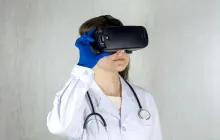
Telehealth has reshaped patient access to medical expertise by enabling secure, timely connections between patients in diverse settings and specialists who reside beyond traditional geographic boundaries. Through real-time video visits, high-resolution image sharing, and integrated data streams from wearable devices and electronic health records, telehealth creates a bridge that reduces the friction of obtaining expert opinions. For communities that previously faced long travel times, a single remote consultation can save hours of time and alleviate stress while preserving a continuity of care that keeps patients engaged with their clinicians. In this context, the role of the specialist expands from being tied to a single clinic to becoming part of a distributed network that serves patients wherever they are and whenever they need specialized input.
As digital health platforms mature, the telehealth ecosystem supports a spectrum of consultation styles. Some encounters resemble classic in person visits but occur over a screen, allowing specialists to observe, question, and guide management without the patient leaving home or a local clinic. Other encounters emphasize rapid second opinions when diagnostic uncertainty arises, while yet another modality focuses on multidisciplinary case conferences where teams across institutions deliberate a complex case. Across these models, the central thread is the ability to leverage technology to extend the reach of skilled clinicians and to democratize access to expertise that might otherwise be geographically or financially out of reach.
The expansion of specialist access through telehealth is not merely a matter of convenience. It has meaningful implications for the timeliness of diagnosis, the appropriateness of treatment plans, and the personalization of care. When patients in remote areas can connect with breast radiologists for timely image interpretation, or when a patient with a rare metabolic disorder can obtain guidance from a genetics specialist who is located hours away, the window for early intervention widens. The combination of rapid connectivity, secure data exchange, and clinician collaboration creates a virtuous cycle where better information leads to better decisions, and those better decisions increase the likelihood of favorable outcomes. The patient experience benefits through reduced travel burdens, more predictable scheduling, and the reassurance that top tier expertise is available without the complexities of relocation or long waiting lists.
Equally important is the way telehealth reframes the responsibilities and workflows of specialists themselves. For clinicians, participating in telehealth can be a professional catalyst, offering opportunities to reach broader patient populations and to contribute to a more equitable health system. Specialists can integrate telehealth into their practice in a way that preserves the core elements of clinical excellence, including thorough examination, careful documentation, and thoughtful patient engagement. The digital tools supporting telehealth also enable new forms of collaboration, such as asynchronous review of imaging or pathology slides, which can complement live consultations and help optimize the use of specialist time. In this sense, telehealth does not merely replicate the in person experience; it expands the modalities by which clinical expertise can be delivered, enabling more flexible and scalable models of care while maintaining high standards of professional accountability.
Bridging geographic divides in rural and underserved communities
Rural communities often face stark disparities in access to specialists. In many regions, the nearest cardiologist or oncologist may be hundreds of miles away, creating delays that affect outcomes and increase anxiety for patients and families. Telehealth reframes this reality by enabling remote access to the same specialists who practice in tertiary centers. When a patient in a rural clinic presents with a complex symptom cluster, a telehealth consult can bring a specialist into the room in real time, providing diagnostic reasoning that would otherwise require patient transport. The result is more timely decision making, improved triage, and better alignment of local resources with patient needs. In some cases, telehealth serves as a bridge to expedited workups, ensuring that necessary referrals and testing occur promptly rather than getting delayed by logistical barriers. The net effect is a reduction in unnecessary travel, a decrease in missed work or school days, and a more humane patient journey that respects time, finances, and family commitments.
For communities that have historically struggled to sustain a critical mass of specialists, telehealth creates a durable channel for ongoing collaboration. Local clinicians gain a window into specialist thinking through live case discussions, joint rounds, and follow up visits that reinforce a shared standard of care. This collaborative ecosystem can also support community health initiatives by aligning local public health goals with expert input, helping to identify trends, allocate scarce resources, and implement best practices across a population. The cumulative effect is a more resilient health system that can respond to evolving needs without forcing patients to choose between care quality and geographic convenience.
Beyond direct patient care, telehealth often integrates with educational activities that empower rural clinicians to manage complex conditions with greater independence. Streamlined access to specialty guidelines, review of imaging studies, and real time feedback on treatment plans contribute to capacity building at the local level. When clinicians feel connected to a broader professional network, they are more likely to pursue continuing education, participate in joint case reviews, and adopt evidence based protocols. This virtuous loop strengthens trust between patients and the care team and reinforces the quality of care delivered at local facilities while keeping the anchor of specialist expertise accessible through telehealth channels.
From the patient perspective, telehealth reduces the burden of travel, accommodation, and time off work that often accompanies specialist visits. For families managing chronic illness, the ability to schedule a telehealth appointment with a pediatric endocrinologist or a pediatric nephrologist can dramatically simplify care coordination. In addition to comfort and convenience, patients frequently report a sense of increased involvement in their own care when expert input is accessible in familiar surroundings. Real time visual examination, remote monitoring data, and the ability to ask questions during a telehealth visit contribute to a collaborative relationship between patient and clinician that can be elusive in rushed, in person encounters. This sense of partnership is a powerful driver of adherence to treatment plans and engagement in preventive care."
Advances in telehealth technology also help address rural connectivity challenges. Modern platforms optimize video quality, adapt to varying bandwidth, and embed data sharing within the same secure interface used for consultation. This convergence of capabilities means that high quality specialist input is not contingent upon perfect internet access, but rather can be sustained through resilient design and thoughtful workflow integration. For patients with mobility constraints or limited transportation options, telehealth becomes not only a convenience but a lifeline that makes timely specialist attention feasible and reliable. The cumulative impact is a more equitable distribution of specialty care, with telehealth acting as a critical equalizer across geographic boundaries.
Technology enablers that connect patients with experts
At the heart of telehealth is a suite of technologies that enable secure, efficient, and meaningful exchanges of clinical information. High definition video platforms, compliant with health information privacy standards, provide the foundation for live encounters where clinicians can observe, palpate through description, and collaborate on visible signs, such as dermatologic lesions, retinal images, or wound healing progress. In many specialties, the ability to transmit high fidelity images, scans, or videos is essential for accurate assessment and timely decision making. Telehealth systems also integrate scheduling tools, documentation templates, and order entry that streamline the patient journey, reduce administrative burden, and standardize data capture across encounters.
Remote monitoring devices play a growing role in the specialist toolkit. Wearable sensors, home blood pressure cuffs, digital stethoscopes, and portable ultrasound devices enable continuous data streams that specialists can interpret between visits. When these data arrive in a structured, secure format, clinicians can detect trends, flag anomalies, and adjust treatment plans with greater confidence. This continuous data feedback loop supports proactive care, reduces the likelihood of acute events, and can shorten the time between needed interventions. It also eases the patient experience by providing reassurance and a sense of ongoing oversight, even when a formal appointment is not immediately scheduled.
Interoperability is another key enabler. Seamless access to a patient’s records, imaging studies, laboratory results, and prior treatment notes allows specialists to form a more complete clinical picture. Strong interoperability reduces redundancy, accelerates decision making, and minimizes the risk that important context is missing during remote consultations. When systems can speak to each other securely, the telehealth encounter becomes more informative and efficient, which translates into better care and higher patient satisfaction. In practice, this means design choices that favor standardized data formats, robust authentication, and clear audit trails to protect both patients and clinicians.
As telehealth platforms evolve, the user experience becomes central. Clinicians benefit from intuitive interfaces that facilitate quick access to patient history, imaging, and consult notes. Patients benefit from straightforward navigation, clear instructions for connecting, and the reassurance that the technology is stable and private. Human centered design, including language, tone, and responsiveness, helps ensure that technology supports the human relationship at the core of medicine rather than replacing it. The ultimate aim is a hybrid care model where technology enhances empathy, accuracy, and efficiency without compromising safety or trust.
Lighting, camera quality, and sound fidelity also matter, especially in specialties that rely on visual analysis or auscultation. Telehealth devices and platforms are increasingly optimized for mobile use, allowing patients to participate from home, clinics, or community centers with minimal disruption. In many clinics, telehealth consults are integrated into standard workflows, so patients feel a cohesive care experience rather than a fragmented technological intervention. When telehealth becomes a natural extension of routine care, its adoption grows, and so does the potential for expanded access to experts who can guide complex cases with confidence and clarity.
Security and privacy remain foundational concerns in any telehealth program. End to end encryption, secure authentication, and strict access controls help protect sensitive health information during every exchange. Consent processes are clear, and patients understand how their data will be used in consultations, saved for future reference, and shared with other providers as part of a coordinated care plan. Transparent privacy practices foster patient trust, which in turn supports engagement with telehealth services. Clinicians benefit from governance frameworks that define responsibilities, accountability, and quality metrics, ensuring that telehealth interactions meet the same standards as traditional in person visits.
Beyond the clinical and technical layers, telehealth relies on robust operational design. Scheduling models that accommodate time zone differences, language preferences, and caregiver involvement contribute to a smoother patient experience. Clear expectations about what can be achieved during a remote visit, what requires in person evaluation, and what information should be gathered beforehand help to maximize the value of each encounter. Workflow integration extends to billing and documentation, with templates that capture the essential elements of a telehealth consult while aligning with payer requirements and regulatory guidelines. When operations are aligned with clinical goals, telehealth programs can scale effectively and sustain high levels of quality over time.
Clinical pathways shaped by teleconsultations
Clinical pathways are standardized plans that guide the management of specific conditions. Teleconsultations contribute to the rapid refinement of these pathways by providing timely specialist input when needed. In complex scenarios, a telehealth consult can help determine whether a patient should begin a targeted therapy, enroll in a diagnostic workup, or pursue a referral to a tertiary center. The ability to access expert advice at critical decision points reduces uncertainty and helps ensure that patients receive evidence based care consistent with best practices. Over time, data gathered from teleconsultations supports the refinement of pathways, enabling clinics to adopt higher quality standards and to measure outcomes more precisely.
In oncology, telehealth can enable rapid treatment planning by bringing together medical oncologists, radiation oncologists, pathologists, and palliative care specialists to review a case. Through a shared digital workspace, the team can discuss tumor boards, review imaging, and align on a treatment plan without requiring every member to travel. For dermatology, specialists can review high resolution images taken in the local clinic or by the patient at home, providing timely diagnosis and recommendations for biopsy or biopsy avoidance when appropriate. In neurology, teleconsultations support rapid assessment of neurological signs, coordination of imaging studies, and scheduling of follow up testing, all of which help streamline care while preserving patient safety. The overarching effect is a more coherent, efficient pathway from initial presentation to evidence based treatment and ongoing monitoring.
Teleconsultations also facilitate expert second opinions that can clarify uncertain diagnoses or rapidly validate treatment choices. Patients who are navigating rare diseases or unusual symptom clusters benefit from the breadth of specialist knowledge that a telehealth network can assemble. Rather than waiting months for a face to face appointment with a single specialist, patients can receive a multidisciplinary evaluation within a compressed timeline. The resulting decisions are typically more robust because they integrate diverse perspectives and collectively weigh the risks and benefits of different diagnostic or therapeutic options. In many cases, this collaborative approach reduces the need for invasive procedures, minimizes unnecessary testing, and speeds up the delivery of appropriate care.
As telehealth grows, it also enables dynamic monitoring of patients who require ongoing specialist oversight. Telemedicine can support a cycle of decisions, tests, and follow up observations that align with established clinical pathways. When a specialist can observe a patient remotely, or receive streaming vitals and lab results, they can adjust management plans promptly in response to changing conditions. This capability is especially valuable for chronic illnesses where small changes in a patient’s status over time can indicate a need for therapy adjustment, dose modification, or a shift in lifestyle recommendations. A robust telehealth program therefore serves as a living component of clinical pathways, enabling real time adaptation and continuous improvement in patient care.
The integration of telehealth into clinical pathways also has implications for care coordination. Local providers, specialists, laboratories, and imaging centers synchronize their activities through shared telehealth platforms. This coordination reduces the risk of fragmented care, ensures that patients experience consistent messaging, and helps to prevent duplicated tests. When each stakeholder understands the teleconsultation process, referrals become more purposeful and timely, and the patient journey is more streamlined. In this way, telehealth acts as a connective tissue that binds disparate components of the health system into a unified approach to disease management, prevention, and wellness support.
Clinical pathways informed by teleconsultations further support population health initiatives by enabling standardized management across a region. Telehealth can be scaled to cover large geographic areas where access to specialists is scarce, helping health systems to achieve equity goals and reduce variability in care. By capturing data on consultation patterns, treatment choices, and outcomes, health systems can identify gaps, adjust resource allocation, and invest in training where it is most needed. In this way, telehealth not only expands access but also enhances the overall quality and consistency of care delivered to diverse patient groups across a broad landscape.
In pediatrics and neonatology, telehealth has proven especially valuable for bridging gaps in specialist access. Pediatric subspecialists, such as pediatric endocrinologists, hematologists, and developmental pediatricians, can collaborate with frontline clinicians to support infant and child care. For families in remote communities, remote evaluations, developmental screening, and remote consultations with child psychiatrists or specialists in rare pediatric conditions can lead to earlier identification of issues and timely intervention. The family centered nature of pediatric care aligns well with telehealth modalities, where caregivers can participate in visits, ask questions, and learn about at home management strategies in a supportive setting. By combining expert guidance with local resources, telehealth ensures that children receive the comprehensive care they need without enduring burdensome travel or prolonged waits.
From a training perspective, teleconsultations create opportunities for real time education. Community clinicians can observe specialist interactions with patients, join in on case discussions, and ask questions about interpretation and decision making. This informal learning environment complements formal continuing medical education and helps translate knowledge into practice more rapidly. The long term effect is a workforce that is increasingly confident in seeking specialist input, recognizing when to escalate care, and applying evidence based approaches that they have learned through direct telehealth engagement. As clinicians become more adept at leveraging telehealth, the overall capacity of the health system to deliver high quality specialist care grows, benefiting patients across diverse settings.
Impact on chronic disease management
Chronic diseases place a steady demand on healthcare systems, often requiring ongoing monitoring, medication adjustments, and regular specialty input. Telehealth makes it feasible for patients with conditions such as diabetes, heart failure, chronic kidney disease, and autoimmune disorders to involve specialists in a timely and convenient way. Through remote consultations, specialists can review glucose logs, monitor blood pressure and weight trends, assess symptom evolution, and guide therapy changes without the patient having to travel to a clinic. This continuous care model helps stabilize conditions, prevent hospitalizations, and support healthier, more active lives for patients who might otherwise feel constrained by their illness and by the logistics of routine visits.
For patients with complex comorbidities, telehealth can facilitate multidisciplinary management. A single teleconsultation can bring together a primary care physician, an endocrinologist, a nephrologist, and a nurse coordinator to align on a unified care plan. The shared digital space allows each provider to contribute perspectives, reconcile overlapping recommendations, and document a coherent course of action. The end result is a patient who experiences consistent messaging and tangible progress, rather than conflicting advice that can occur when specialists operate in isolation. Telehealth thereby supports joint decision making that centers the patient and structures care around long term health goals rather than episodic encounters.
In the realm of preventive care, telehealth enables regular check ins with specialists who guide risk factor modification and early detection strategies. For example, a cardiologist can assess risk reduction strategies for someone with hypertension, while a nutritionist provides dietary planning in conjunction with the cardiology visit. Regular, accessible expert feedback encourages adherence to therapy and fosters proactive health behaviors. By maintaining an ongoing relationship with a specialist through telehealth, patients receive timely advice when lifestyle changes or medication adjustments are needed, reducing the likelihood of disease progression and improving overall quality of life.
Telehealth also supports shared decision making surrounding treatment intensity and preferences. In chronic conditions, patients may weigh the benefits and burdens of aggressive interventions versus conservative management. Telehealth consultations allow these conversations to take place in an environment of familiarity and security, with the patient’s values and goals at the forefront. When patients feel heard and supported by a team that respects their choices, engagement with care improves and adherence to management plans as well as relevant monitoring becomes more reliable. Across the spectrum of chronic disease, telehealth enhances the continuity and personalization of care that patients rely on to maintain day to day well being.
Cost considerations are a practical reality in chronic disease management. Telehealth can reduce transportation expenses, time off work, and administrative overhead for both patients and healthcare systems. Although reimbursement policies vary by region and payer, a growing body of evidence demonstrates that appropriate telehealth use for chronic diseases can lower overall costs by preventing avoidable emergency visits and hospital admissions. When telehealth is implemented with careful attention to patient selection, scheduling efficiency, and data integration, it can align economic and clinical objectives in ways that support sustainable, long term care for people living with chronic disease.
Patient empowerment is another notable benefit. Telehealth platforms often provide patients with access to educational materials, self management tools, and remote monitoring dashboards. This access supports informed decision making and helps patients become active partners in their own care. For people managing complex conditions, the ability to review their data, understand the rationale for treatment changes, and participate in goal setting fosters a sense of agency that is linked to better health outcomes. When patients feel connected to their care team and understand the path forward, they are more likely to adhere to recommendations and participate in preventive strategies that protect their health over time.
The expansion of telehealth into chronic disease management also invites ongoing research into best practices. Studies explore which patient populations benefit most from remote specialist input, which modalities produce the greatest improvements in outcomes, and how to optimize workflows to support high value care. As researchers collect real world data, they refine criteria for eligibility, determine the most effective uses of asynchronous versus synchronous consultations, and identify ways to mitigate disparities in access. The learning health system model emerges as telehealth platforms amass evidence and translate it into practical improvements for patients living with long term illnesses.
In practice, the success of telehealth in chronic care hinges on collaboration between specialists, primary care providers, and patients. Strong communication channels, clearly defined roles, and shared care plans form the backbone of effective remote management. When a telehealth program is designed to support those relationships—rather than replace them—patients receive a unified message from their care team and a coherent plan that guides day to day decisions. The result is more resilient chronic disease management, fewer complications, and a care experience that aligns with patient preferences and life circumstances.
As telehealth expands into chronic disease management, it also prompts clinics to rethink resource allocation. Instead of dedicating scarce travel time to remote patients, clinics can re distribute specialist hours to where they are most impactful, balancing in person encounters with virtual consultations to maximize access and efficiency. This rebalancing has the potential to improve wait times for urgent cases while maintaining steady support for patients needing routine specialist oversight. In effect, telehealth becomes a strategic tool for optimizing care delivery in a world where demand for specialized knowledge continues to grow alongside advances in medicine.
From a patient education perspective, telehealth offers opportunities to reinforce self management skills. Remote encounters can be structured to include coaching on medication adherence, symptom tracking, and lifestyle modifications. Clinicians can review patients’ self monitoring data during visits, demonstrate homebased techniques, and guide families through care routines. This educational dimension complements the clinical aspects of telehealth, helping patients translate professional guidance into practical everyday actions. The cumulative effect is a more informed patient base capable of actively partnering with clinicians to achieve better health outcomes over the long term.
Mental health and behavioral health expansion through telepsychiatry
Telepsychiatry and behavioral health teleconsultations have emerged as powerful avenues to expand access to mental health care. In communities with few psychiatrists or long wait times for appointments, remote options provide timely access to assessment, therapy, and medication management. Clinicians can establish trust through video sessions that feel personal and confidential, supporting ongoing engagement in treatment. This access is especially meaningful for individuals facing stigma, transportation barriers, or severe shortages of local mental health professionals.
Telepsychiatry also facilitates multidisciplinary collaboration in complex cases, such as when mood disorders intersect with substance use, chronic medical illness, or cognitive impairment. A remote consultation can bring together psychiatrists, psychologists, social workers, and primary care clinicians to coordinate care plans that address both psychiatric symptoms and physical health needs. This integrated approach improves the coherence of treatment and reduces the risk of conflicting recommendations. In addition, telehealth platforms can incorporate screening tools, educational resources, and remote monitoring for medication side effects, which supports safe and effective pharmacologic management in a community setting.
For pediatric populations, telepsychiatry provides access to child and adolescent specialists who are equipped to address developmental considerations, family dynamics, and school related stressors. Virtual visits with pediatric psychiatrists can be particularly beneficial when caregivers need flexible scheduling or when transportation challenges limit attendance at in person appointments. The flexibility of telepsychiatry can reduce the escalation of symptoms, minimize crises, and contribute to more stable mental health trajectories for young patients and their families. Overall, telepsychiatry broadens the spectrum of care available at the community level and helps normalize ongoing behavioral health support as part of comprehensive wellness.
From a policy and reimbursement perspective, telepsychiatry has benefited from evolving guidelines that recognize the importance of behavioral health services. Many payers have expanded coverage for telehealth visits, including psychotherapy sessions and psychiatric consultations, which incentivizes clinics to invest in telepsychiatry programs. Regulatory frameworks continue to adapt to telehealth modalities, emphasizing privacy, informed consent, and secure data handling. As these policies mature, more communities can sustainably integrate telepsychiatry into their mental health care networks, ensuring that individuals receive timely, respectful, and confidential treatment when they need it most.
In practice, telepsychiatry often pairs with community based interventions to broaden impact. For example, remote consults can guide the integration of behavioral health into primary care settings, enabling a more holistic approach to patient well being. Virtual care pathways may include follow up visits, crisis management planning, and coordination with school or workplace supports where appropriate. By weaving telepsychiatry into the broader care ecosystem, clinics can promote early intervention, reduce stigma, and support healthier communities through accessible mental health services that respect patient preferences and cultural contexts.
Patient experience in telepsychiatry tends to center on confidentiality, rapport, and perceived empathy. Clinicians can convey warmth and attentiveness through careful communication, active listening, and responsive care planning. For patients who have previously avoided mental health services due to distance or scheduling challenges, telepsychiatry can offer a discreet, convenient entry point into care. Positive experiences are reinforced when platforms provide clear instructions, reliable connectivity, and timely follow up; conversely, technical difficulties or perceived privacy concerns can undermine trust. Ongoing attention to usability and privacy is essential to sustaining engagement with these important services.
In the broader context of behavioral health, telepsychiatry supports population level goals such as screening for anxiety and depression, promoting early intervention for substance use disorders, and extending access to behavioral health consultations in primary care settings. By enabling timely triage and timely referrals to specialists when needed, telehealth strengthens the overall continuum of care and helps ensure that mental health needs are addressed with the same seriousness and regularity as physical health concerns. This alignment is crucial in building a health system that treats mental and physical health with equal importance, embracing telehealth as a core strategy for expanding access to care where it matters most.
In summary, telepsychiatry and behavioral health teleconsultations expand access to expert care for millions of people who would otherwise face delays, stigma, or logistical barriers. They also enrich the collaboration between mental health professionals and primary care teams, supporting integrated approaches that address both mind and body. As adoption grows, the potential for improved outcomes—reduced hospitalizations, better symptom control, and enhanced resilience—becomes more tangible. The ongoing challenge is to balance accessibility with quality and privacy while maintaining the human connection that lies at the heart of effective behavioral health care.
Oncology and dermatology via high-resolution imaging and remote review
Oncology presents a compelling case for telehealth given the need for rapid interpretation of imaging, tissue samples, and treatment planning across a complex care pathway. Tele oncology enables multidisciplinary tumor boards to convene virtually, integrating input from medical, surgical, and radiation oncologists, pathologists, and other specialists. Through secure image sharing and real time discussion, patients can receive a coordinated plan that reflects the latest evidence while avoiding repeated travel to distant centers. The ability to consult quickly on tumor boards, to obtain second opinions, and to coordinate palliative care discussions remotely reduces time to treatment and enhances patient confidence in the recommended strategy. In remote or underserved regions, tele oncology can connect local clinicians with national and international experts, expanding the universe of treatment options accessible to patients locally.
In dermatology, telemedicine has become a practical, widely adopted modality for initial evaluation and follow up. High quality smartphone cameras, dermatoscopes attached to mobile devices, and secure image sharing enable dermatologists to examine lesions, assess changes over time, and make decisions about biopsies or referrals. Tele dermatology supports timely triage for urgent conditions, such as rapidly changing skin cancers, while also enabling routine monitoring for chronic conditions like eczema or psoriasis. When physicians can review images quickly and asynchronously, they can provide guidance on treatment adjustments, phototherapy schedules, and prevention strategies without requiring an in person visit. This accelerates care and improves patient satisfaction by reducing waiting times and providing more convenient access to expertise.
The integration of tele oncology and tele dermatology into routine practice requires attention to diagnostic accuracy and standards for image quality. Clinicians must ensure that images are captured with sufficient resolution, lighting, and framing to support confident interpretation. Protocols for when to escalate to an in person evaluation are essential to safeguard patient safety. Additionally, robust documentation of telehealth encounters is critical, including clear notes on the rationale for remote management, treatment plans, and follow up scheduling. When implemented thoughtfully, tele oncology and tele dermatology not only expand access to specialists but also promote more patient centered care that respects time, comfort, and privacy while maintaining high diagnostic standards.
Therapeutic decision making in oncology often involves weighing invasive treatments against systemic therapies and supportive care. Telehealth supports rapid clarification of goals of care, discussion of potential side effects, and planning for transitions to hospice or palliative care when appropriate. By facilitating timely conversations between patients, families, and the care team, telehealth helps ensure that patients understand their options and participate actively in decisions that align with their values. In dermatology, telehealth can reduce the burden of unnecessary biopsy procedures through careful remote assessment and by identifying cases where biopsy is essential. Together, these disciplines demonstrate how telehealth can harmonize expert input with patient preferences to guide compassionate, evidence based care across complex disease trajectories.
The cost and accessibility advantages of tele oncology and tele dermatology are significant. Patients living far from comprehensive cancer centers can receive initial assessments, surveillance consultations, and treatment plan discussions near their homes. Clinicians in community hospitals or private practices can leverage telehealth to extend specialty services to larger numbers of patients, optimizing the use of scarce resources and reducing patient travel burdens. As the technology and workflows mature, these modalities are likely to become even more ingrained in standard cancer and skin care pathways, contributing to earlier detection, more timely intervention, and a more satisfying patient experience overall.
Privacy and consent considerations remain central to tele oncology and tele dermatology alike. Providers must ensure that imaging data, pathology results, and treatment information are transmitted securely and stored in a compliant manner. Patients should be informed about who will access their data, how it will be used, and who will participate in virtual consultations. When clinical teams adhere to rigorous privacy standards and maintain transparent communication with patients about data handling, trust is reinforced, and telehealth services can be deployed more widely and sustainably across diverse settings.
In practice, the collaboration between oncologists, dermatologists, radiologists, and primary care teams facilitated by telehealth can streamline care paths and shorten the time from suspicion to diagnosis and treatment. The virtual exchange of expertise accelerates decision making while preserving the essential human elements of empathy, patient education, and shared decision making. As telehealth capabilities continue to improve, the role of distant specialists in oncology and dermatology is likely to become even more integral to patient care, ensuring that high value, expert care is accessible to patients regardless of where they live.
Cardiology and neurology: remote monitoring and specialist input
Cardiology benefits from telehealth through remote monitoring of heart rhythm, blood pressure, weight, and other vital indicators that provide early warning of decompensation or therapy failure. Wearable devices and home blood pressure monitors feed data into secure systems that clinicians can review between visits, allowing timely adjustment of medications, lifestyle recommendations, and follow up testing. Telehealth visits for cardiology can address not only acute concerns but also routine follow ups that optimize therapy and reduce the burden of travel for patients with chronic heart conditions. The ability to combine patient reported symptoms, device data, and laboratory results in a single virtual encounter enhances the clinician’s capacity to tailor interventions to each patient’s unique circumstances.
In neurology, telehealth supports a spectrum of activities from acute stroke assessments to chronic disease management. Remote neurology consultations can be critical when time is of the essence in stroke care, enabling rapid decision making about thrombolysis or mechanical intervention by specialists who are not physically present at the patient’s location. Tele neurology also assists with seizure management, multiple sclerosis, movement disorders, and cognitive decline by providing access to expert interpretation of EEGs, MRIs, and other imaging modalities, as well as collaborative management planning with local teams. The scope of practice in neurology benefits from telehealth through improved diagnostic accuracy and more timely initiation of appropriate therapies.
For patients in rural or underserved areas, remote neurology consultations can bridge a gap that might otherwise delay diagnosis or prevent access to subspecialist opinions. This capability is particularly valuable for complex presentations, where a second opinion from a neurologist with subspecialty expertise helps to confine the differential diagnosis and to guide further testing. In cardiology and neurology alike, telehealth supports risk stratification, enables rapid escalation when warning signs emerge, and connects patients with the right specialist at the moment when intervention is most likely to improve outcomes.
Telehealth platforms that support remote monitoring and real time expert input also enable longer term care strategies. For example, a cardiology program might coordinate with a primary care team to adjust therapy gradually while monitoring patient adherence and response, reducing hospital admissions due to worsening heart failure. In neurology, remote follow up for chronic conditions allows clinicians to observe symptom evolution, review imaging results, and modify therapy in a manner that keeps patients engaged in their own care. The net effect is a more continuous, proactive model of care that can adapt to changing patient needs without requiring constant in person visits.
Quality assurance remains a cornerstone of tele cardiology and tele neurology programs. Clinicians ensure that remote assessments are conducted following established guidelines, that data are accurately interpreted, and that decisions are documented with clear rationale. Protocols for when to request in person evaluations, when to escalate to emergency care, and how to coordinate with local emergency services help to maintain safety and trust in remote care. When executed with rigor, telecardiology and tele neurology deliver high value through timely expert input, improved management of chronic conditions, and enhanced patient outcomes across diverse populations.
Training and collaboration are essential to sustaining high standards in these fields. Specialists engage in ongoing education about telehealth best practices, remote examination techniques, and the interpretation of data gathered from home monitoring devices. Local clinicians participate in joint rounds and case discussions that broaden their skill sets and build confidence in remote co management. As telehealth becomes more integrated into cardiology and neurology care pathways, it supports a more flexible, resilient health system that can respond to patient needs quickly and effectively, wherever they may be located.
From the patient perspective, telecardiology and tele neurology often translate into a more convenient, less disruptive care experience. Patients can schedule appointments that fit their daily routines, receive expert opinions without long travel times, and maintain continuity with their primary care team. The ability to share diagnostic data and receive timely feedback helps patients feel supported and informed throughout their treatment journey. As technology and workflows continue to mature, these specialties will likely broaden their reliance on remote expert input, expanding access to quality care and strengthening patient trust in the telehealth ecosystem.
Ethical considerations remain central to telehealth in cardiology and neurology. Clinicians must ensure informed consent, clearly explain the limitations of remote assessments, and maintain vigilant privacy protections for sensitive health data. They must also remain mindful of disparities in access that can arise from digital divides, working to minimize barriers for patients with limited bandwidth or technology familiarity. When these concerns are addressed, telehealth can deliver safe, effective, and equitable specialist care that enhances patient outcomes without compromising ethical standards.
Payer coverage, reimbursement, and policy considerations
One of the pivotal drivers of telehealth expansion is the evolution of payer policies and reimbursement structures. When payers recognize telehealth visits as clinically appropriate and financially viable, clinics can sustain remote specialist services and offer them at scale. Clear coverage guidelines for video visits, remote monitoring, and asynchronous consultations help clinical teams plan workflows, allocate resources, and invest in the technologies that support high quality care. Reimbursement policies that reflect the value of telehealth care encourage providers to adopt and integrate telehealth into routine practice rather than treating it as a sporadic or experimental service.
Policy developments have also focused on reducing barriers to access. Flexibilities around location requirements, cross state practice, and patient consent have aimed to simplify the process by which patients can receive telehealth services from out of state or from non traditional care settings. As policymakers consider the balance between patient privacy, data security, and convenience, they are designing frameworks that support innovation while upholding rigorous safety standards. These efforts are critical to unlocking the full potential of telehealth to connect patients with specialists who bring technical expertise, experience, and specialized clinical judgment to the table.
Quality measurement and accountability form another cornerstone of successful telehealth programs. Payers and regulators increasingly emphasize metrics that reflect patient outcomes, access, patient experience, and provider performance. Programs that track timeliness of access to specialist input, reduction in unnecessary travel, patient satisfaction, and clinical results create a data driven basis for continuous improvement. This evidence helps ensure that telehealth expansion translates into real value for patients and communities, and it provides a framework for scaling successful models across different regions and health systems.
Security and privacy requirements continue to evolve as telehealth adoption grows. Payers, providers, and technology vendors collaborate to implement encryption, secure authentication, audit trails, and breach response protocols that protect patient information. Clear patient consent processes clarify how data will be used in telehealth encounters and how it may be shared with other members of the care team. Maintaining trust is essential to sustained telehealth utilization, particularly for sensitive specialties like psychiatry or oncology where patient perceptions of privacy and confidentiality are central to engagement and compliance with treatment plans.
Licensure and regulated practice across jurisdictions are ongoing policy considerations. Telehealth often requires clinicians to be licensed in the patient’s jurisdiction or to operate under compacts that simplify cross jurisdiction practice. Policy discussions continue about supervision requirements for trainees, the scope of practice for remote clinicians, and the responsibilities of employers and vendors in ensuring compliance. As the rules evolve, telehealth programs can expand more confidently to serve diverse patient populations while maintaining robust professional standards and patient protections.
Overall, payer coverage and policy frameworks shape the pace and scope of telehealth expansion. When coverage is stable, predictable, and aligned with clinical value, healthcare organizations invest in the tools and workflows that enable reliable access to specialist care. This stability supports patients who rely on remote expert input for chronic disease management, complex diagnoses, and timely treatment decisions. As the telehealth landscape continues to mature, ongoing collaboration among clinicians, payers, policymakers, and technology developers will be essential to ensure that access to specialist care remains equitable, high quality, and sustainable for the long term.
In addition to formal reimbursement considerations, clinical governance and professional accountability are essential to maintaining trust in telehealth. Clear guidelines about clinical responsibility in remote encounters, documentation standards, and escalation procedures help ensure that remote consultations meet the same ethical and professional expectations as in person visits. Engaging patients in shared decision making, explaining the limits and capabilities of telehealth, and offering opt in opportunities for additional support are important aspects of patient centered telehealth programs. When governance structures are robust, telehealth can deliver on its promise of expanded access while preserving safety, quality, and patient autonomy.
Equity considerations are increasingly central to policy discussions about telehealth. Ensuring that rural, minority, and low income populations can access telehealth requires investment in broadband infrastructure, affordable devices, digital literacy training, and culturally appropriate communication strategies. Programs that address language barriers, disability access, and user friendly interfaces contribute to more inclusive telehealth experiences and higher utilization among diverse communities. As health systems aim to reduce disparities, telehealth policies increasingly emphasize universal access to specialized care rather than selective deployment in well connected urban centers. The result is a more just distribution of expert resources, with telehealth acting as a mechanism to bridge longstanding gaps in care delivery.
Patient experience, trust, and privacy considerations
Patients’ experiences with telehealth are shaped by the ease of access, the quality of the interaction, and the perceived empathy of the clinician. When scheduling is straightforward, technical issues are minimal, and patients feel heard during the encounter, satisfaction tends to be high. The patient experience also hinges on the clarity of information provided about the purpose of the telehealth visit, what can be accomplished remotely, and what requires an in person evaluation. Clear communication helps set expectations and fosters trust, which is essential for patient engagement and adherence to recommended plans.
Privacy and confidentiality are central to patient confidence in telehealth. Patients expect that their data will be protected and that visits will occur in secure environments. Clinicians must be transparent about who will have access to information from the telehealth encounter, how data will be stored, and for how long it will be retained. When patients understand the safeguards in place, there is greater willingness to participate in virtual care, share sensitive information, and engage in long term management that benefits from consistent specialist input. Maintaining privacy is not a one time action but a continuous practice that underpins the legitimacy and acceptance of telehealth as a core component of modern medicine.
In addition to privacy, clinicians consider the comfort and accessibility of technology. User friendly interfaces, clear audio and video, and intuitive navigation contribute to positive experiences for patients who may be unfamiliar with digital health tools. Multilingual support, accessible design for people with disabilities, and accommodations for caregivers are important features that broaden the reach of telehealth. When platforms are designed with inclusivity in mind, a wider spectrum of patients can participate in remote consultations and benefit from specialist expertise. The human side of telehealth remains foundational; technology serves as a means to enhance relationship building, not replace it.
Trust is reinforced when telehealth experiences demonstrate reliability and responsiveness. Prompt appointment availability, punctual communication, and timely follow up all contribute to a sense of security. When patients perceive that clinicians are thorough, compassionate, and attentive to details, they are more likely to maintain ongoing participation in telehealth programs, which supports continuous care and better health outcomes. Trust is also cultivated through consistency: consistent clinical standards, consistent privacy practices, and consistent patient education across visits. Over time, trust strengthens the patient’s willingness to share information, adhere to treatment plans, and engage with remote care in a meaningful and sustained way.
From the clinician’s perspective, patient experience data informs ongoing improvements. Feedback about interface usability, appointment logistics, and perceived clarity of recommendations helps refine telehealth workflows and refine patient communications. Clinics that actively solicit patient input and adjust services accordingly demonstrate responsiveness and patient centeredness. The iterative cycle between patient experience and service design supports a telehealth ecosystem that continues to improve in quality, accessibility, and satisfaction. This alignment between patient needs and service delivery is essential for the long term success of telehealth as a mechanism to expand access to specialists.
Privacy, trust, and patient experience are interdependent. A telehealth program that protects data, communicates effectively, and prioritizes patient comfort creates a virtuous circle in which patients are more likely to engage in telehealth, share complete information, and participate in care decisions. When these elements coalesce, telehealth not only extends the reach of expert care but also reinforces the therapeutic alliance that lies at the heart of medicine. A patient who trusts the provider and feels respected and informed is more likely to maintain engagement, follow through on recommendations, and participate in preventive or early intervention strategies that yield better long term health outcomes.
Equity and access: addressing disparities through telehealth
Equity in access to care is a central motivation for telehealth expansion. Telehealth has the potential to level the playing field by delivering specialist input to underserved populations, reducing geographic disparities, and offering alternatives to travel burdens for people with mobility challenges or caregiving responsibilities. By lowering logistical barriers, telehealth makes it feasible for patients who would otherwise forgo care to obtain timely expert assessments, second opinions, and ongoing management from specialists who care about their overall well being. This access is especially impactful for patients in regions with physician shortages, where delays in specialist input can have measurable consequences for outcomes in chronic diseases, cancer care, and critical pediatric consultations.
Cost considerations also influence equity. While telehealth can reduce certain expenses for patients, there are potential barriers related to technology access, broadband availability, device costs, and digital literacy. Programs that bundle telehealth with devices, provide community based access points, and offer training can mitigate these barriers and ensure that low income patients can benefit from specialist services without incurring disproportionate burdens. In this way, telehealth becomes not only a technical solution but a social initiative that supports health equity by ensuring access to knowledge, expertise, and care for everyone, regardless of where they live or what resources they possess.
Language, culture, and disability considerations are essential elements of equitable telehealth. Offering interpreter services, culturally competent care, and accessible platforms reduces barriers for diverse patient populations. Providers must consider social determinants of health and tailor telehealth experiences to meet the needs of communities with varied health literacy levels. When telehealth programs address these factors, they create a more inclusive care environment in which all patients have equitable opportunities to access specialist input and participate actively in their health journeys.
Community engagement is another mechanism to promote equity. Local partnerships with schools, community centers, and faith organizations can raise awareness about telehealth services and facilitate access for people who may not be connected to traditional healthcare networks. Outreach efforts that emphasize privacy, translation, and easy to use interfaces help demystify telehealth for newcomers and encourage broader participation. By embedding telehealth within the social fabric of communities, health systems can extend the reach of specialty care and support healthier populations with fewer barriers.
Education and training for patients complement technology driven initiatives. Providing simple guides on how to join a telehealth visit, how to enable device audio, and how to prepare for an appointment can reduce anxiety and confusion that might otherwise deter participation. Community based workshops, helplines, and on site assistance at clinics or libraries can empower patients to take advantage of telehealth services. When patients feel competent using the technology, they are more likely to engage regularly with specialists and to benefit from ongoing remote care.
Finally, ongoing evaluation of equity outcomes helps ensure that telehealth does not inadvertently widen gaps in access. Data collection, transparent reporting, and targeted improvement efforts allow health systems to identify where telehealth is succeeding in expanding access and where it needs additional support. By maintaining a continuous focus on equity, telehealth programs can evolve to serve more patients more effectively, delivering the promised benefits of remote specialist access while honoring the diversity and dignity of the communities they serve.
In this vision, telehealth stands as a powerful instrument for expanding access to specialists, reducing care gaps, and advancing health equity. The evolution of technology, policy, and practice will determine how fully this promise is realized in the coming years, but the trajectory is clear: telehealth has the capacity to bring expert knowledge to the doorstep of patients who need it most, while preserving the personal, compassionate elements that define quality medical care. As stakeholders collaborate to address barriers and optimize outcomes, telehealth can continue to transform access to specialist care in ways that matter deeply to real people across the world.
The ongoing transformation of telehealth into a mainstream modality for specialist access is supported by evidence from diverse health care settings. Hospitals expanding their specialty telemedicine programs report faster consult times, increased patient satisfaction, and improved adherence to treatment plans. Community clinics increasingly rely on remote especialistas to deliver high quality care without sacrificing local relationships. Patients describe telehealth encounters as empowering, because they can participate in decisions and receive timely expert feedback without the disruption of long trips or complex scheduling. This fusion of local care with national or global expertise represents a new era in which geography no longer determines the depth of medical knowledge a patient can access.
As telehealth becomes embedded in the fabric of health systems, it is essential to maintain a patient centered focus. The most successful programs actively solicit patient input on their preferences for communication style, scheduling, and the balance between remote and in person care. They also recognize that telehealth is a means to an end: the end being better health outcomes, patient satisfaction, and a more sustainable health care system. With thoughtful implementation, ongoing evaluation, and a commitment to equity and privacy, the expansion of telehealth can continue to broaden access to specialists while preserving the essential human elements of compassion, listening, and shared decision making that define good medical care for all patients.
Looking ahead, telehealth is poised to become even more capable as technology advances. AI assisted triage, automated data collection from home monitoring devices, and more sophisticated remote assessment tools may enable even faster specialist input and deeper insights from remote encounters. The combination of clinician expertise with innovative tools promises to improve diagnostic accuracy, personalize treatment, and empower patients to take active roles in their health journey. While challenges remain—ranging from policy alignment to ensuring universal access—the momentum behind telehealth suggests a continued expansion of access to specialists, with meaningful benefits for individuals, families, and the broader health system.
In the final analysis, telehealth expands access to specialists not by replacing traditional care but by extending it across space, time, and resource constraints. It enables patients to receive infectious disease consultations in remote areas, oncology second opinions from national experts, dermatology evaluations for skin conditions, neurology assessments for complex presentations, and cardiology input for remote monitoring and management. It supports education, collaboration, and continuous improvement across disciplines while centering the patient experience and safeguarding privacy. The future of specialist care is in many ways a hybrid model that blends the best of in person interactions with the expansive reach of telehealth, delivering high quality, equitable, and compassionate care to more people than ever before.