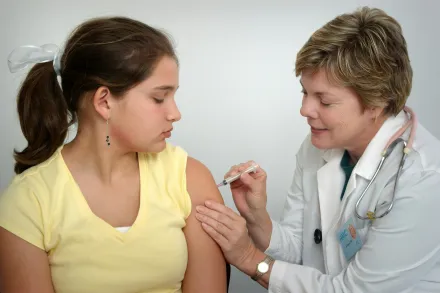
Vaccination guidelines for adults are a dynamic and essential part of public health that aim to protect individuals from preventable diseases while reducing the spread of infections within communities. These guidelines are issued by public health authorities, most notably the Centers for Disease Control and Prevention in the United States, and are shaped by evidence from clinical studies, surveillance data, and expert recommendations. The guidelines emphasize both routine vaccines that are broadly applicable to most adults and targeted vaccines for people with specific health conditions, lifestyles, or travel plans. They recognize that adults may have gained natural immunity through prior infection, but this immunity often fades or varies, making vaccination an important strategy to maintain protection over time. When people review vaccination guidelines, they encounter a careful balance between safety, effectiveness, timing, and personal health history. This balance guides decisions about which vaccines to receive, when to receive them, and how to plan follow up doses to sustain protection across the lifespan.
The idea behind adult vaccination guidelines is not only to prevent illness in a single person but to reduce the burden of disease in the broader population. By ensuring high vaccination coverage among adults, communities can lower the risk of outbreaks and protect those who cannot be vaccinated due to medical reasons or age. Individuals benefit from a tailored approach that considers their age, past vaccination record, existing medical conditions, and potential exposure to diseases through work, travel, or social networks. The guidelines encourage adults to review their vaccination history with a clinician, obtain documentation of vaccines they have already received, and identify any gaps that need to be addressed. They also acknowledge that the vaccination landscape changes as new vaccines are developed, as new data emerges on vaccine safety and effectiveness, and as circumstances such as pandemics or disease trends evolve over time. This makes ongoing dialogue with health professionals a central component of maintaining up-to-date protection.
At the core of adult vaccination guidelines is the concept of catch-up schedules. Unlike childhood vaccination, where sequences are relatively standardized, adult schedules often require careful assessment of prior immunization, existing antibodies, and risk factors. A catch-up approach is designed to prevent missed opportunities to be protected when adults transition through different life stages, such as college, career advancement, family planning, or aging. The catch-up process may involve vaccines that are routinely recommended for most adults, as well as additional doses for people with certain health concerns or lifestyles. A clinician may consider factors such as prior vaccine responses, possible contraindications, and the presence of chronic conditions that may alter the timing or choice of vaccines. This approach helps ensure that adults are not left immutably unprotected simply because they did not receive a vaccine at an earlier age or did not complete a past series. The guidelines thereby support a proactive stance toward prevention that can lead to longer, healthier lives through immunity against preventable diseases.
Understanding the guidelines also involves recognizing the differences between vaccines that adults should receive broadly and vaccines that are specifically recommended for subgroups. For many vaccines, there is strong consensus that most adults should be protected against diseases such as influenza and tetanus, while other vaccines are advised based on age thresholds, occupational exposure, risk factors, or geographic considerations. The framework used by health authorities typically includes assessing age, immune status, pregnancy plans, and potential exposure through travel or work. It also accounts for the safety profile of vaccines across different populations and emphasizes informed consent, where patients discuss the benefits and risks with their healthcare provider. The overall aim is to enable adults to make confident decisions that align with their health goals and personal circumstances while staying aligned with the best available scientific evidence.
One practical feature of adult vaccination guidelines is the emphasis on yearly updates and local adaptations. National bodies publish recommendations, yet regional practices may vary in response to local disease activity, vaccine availability, and healthcare infrastructure. Clinics and pharmacies often implement these guidelines through reminders, immunization records, and patient education. The dynamic nature of guidelines means that adults should check for updated recommendations periodically, especially after major events such as disease outbreaks or the introduction of new vaccines. Keeping track of vaccines received, including the date and the type of vaccine, helps ensure that future vaccination decisions follow the most current guidance and minimizes gaps in protection. This ongoing process is a collaborative effort that involves patients, primary care providers, specialists, pharmacists, and public health systems working together to sustain population immunity while respecting individual choices and health needs.
Across the spectrum of vaccines, safety remains a central pillar of guidelines. Each vaccine undergoes rigorous evaluation for safety and effectiveness before it is recommended, and monitoring continues after approval to identify rare side effects and to assess long-term outcomes. The guidelines present clear information about possible adverse reactions, typical timing of responses, and how to distinguish minor, common reactions from signals that require medical evaluation. They also outline contraindications and precautions, such as certain severe allergic reactions or specific immune system conditions, to help clinicians tailor recommendations. This emphasis on safety helps build trust in vaccination programs and supports informed, shared decision making between patients and clinicians. It also underlines the importance of reporting adverse events to national surveillance systems so that data can inform future recommendations and ensure the ongoing integrity of vaccination programs.
Additionally, adult vaccination guidelines address the concept of boosters and repeated doses. Some vaccines require a primary series followed by one or more booster doses to maintain protection over time. The timing of boosters may depend on the vaccine, the person’s age, immune status, and exposure risk. For example, certain vaccines that provide protection against respiratory pathogens may require annual updates due to evolving strains, while others may be scheduled every several years or tailored to travel plans. The guidelines provide practical frameworks for clinicians to assess and implement booster schedules, taking into account the patient’s medical history, prior responses, and potential interactions with other vaccines. In this way, booster strategies are integrated into comprehensive preventive care, reinforcing long-term immunity and reducing the likelihood of breakthrough infections that can occur when protection wanes.
Finally, the guidelines emphasize patient education as a cornerstone of successful vaccination programs. Clear, accessible information helps adults understand why vaccines are recommended for them, how vaccines work, what to expect during and after vaccination, and how vaccines fit into broader health goals. Education often covers the difference between vaccination for protection against infectious diseases and other types of preventive care, the role of herd immunity, and the steps adults can take to minimize disease risk beyond vaccination, such as hand hygiene, respiratory etiquette, and timely medical evaluation when symptoms arise. A well-informed patient is more likely to participate in recommended vaccination plans, adhere to follow-up doses if required, and engage in proactive health management that can improve quality of life over the long term.
In summary, understanding vaccination guidelines for adults involves recognizing the role of authoritative sources, the importance of catch-up strategies, and the need to personalize recommendations based on age, health status, and exposure risk. It requires ongoing conversation with healthcare providers, attention to updates in the field, and an appreciation for the broader public health impact of keeping adults protected against preventable diseases. By approaching vaccination as a coordinated, evidence-based, and individualized aspect of preventive care, adults can navigate the complexities of guidelines with confidence and participate actively in maintaining their health and the health of those around them.
Key vaccines that are commonly recommended for adults
The landscape of vaccines for adults includes a set of core recommendations that aim to protect against diseases with substantial public health impact and potential complications. Among these vaccines, influenza vaccination stands out as an annual necessity because flu strains mutate each year and vaccine composition is updated to reflect current circulating variants. Receiving the influenza vaccine every year is considered one of the most effective ways to reduce the risk of influenza illness, hospitalization, and severe outcomes, particularly for older adults and those with chronic conditions. The vaccine is designed to be safe for the broad adult population, and most people experience minimal side effects such as a sore arm or mild fatigue. Regular annual vaccination also helps reduce transmission in the community, contributing to protection for vulnerable groups that cannot be vaccinated or who have less robust immune responses. Beyond personal protection, influenza vaccination has a significant societal impact by mitigating the strain on healthcare systems during busy seasons, reducing doctor visits, and lowering the probability of complications that can escalate into more serious illnesses.
The tetanus, diphtheria, and pertussis vaccine, commonly grouped as Tdap, is routinely recommended for adults who have not previously ridden a full series or who require a booster. Tetanus protection is particularly important because tetanus is a rare but life-threatening disease that can result from even minor wounds. A primary series of vaccines is followed by periodic boosters to maintain immunity throughout adulthood. The pertussis component, sometimes called whooping cough, provides protection that is especially valuable for adults who are in close contact with infants who have not completed their own vaccination series, since pertussis can be dangerous for newborns and young babies. For most adults, a single Tdap dose is recommended if they have not received one previously, followed by routine Td boosters every ten years to sustain tetanus and diphtheria protection. This approach protects both the individual and the people around them, particularly infants and those with imperfect immune defenses. Emphasis on this vaccine within guidelines reflects the goal of interrupting transmission and preventing severe respiratory disease across populations.
Shingles, caused by reactivation of the varicella-zoster virus, affects a large portion of the adult population as age advances. The vaccine for shingles, historically known as the varicella vaccine in earlier iterations, has evolved into products designed to prevent shingles and the prolonged nerve pain that can accompany it. The current recommendations typically include a series of two doses for adults starting at a certain age, commonly 50 years and older, though schedules can differ slightly by country or region. The burden of shingles and its complications, such as postherpetic neuralgia, makes this vaccination a high priority for many adults. The vaccine has demonstrated strong effectiveness in reducing the incidence of shingles and associated complications, contributing to greater comfort and resilience in aging populations. The guidelines encourage adults within the eligible age bracket to discuss shingles vaccination with their clinician, especially if they have a history of shingles, immunocompromise, or other risk factors that could influence vaccine choice or timing.
Pneumococcal vaccines form a central part of adult preventive care, particularly for older adults and individuals with chronic health conditions that increase vulnerability to pneumonia and its complications. The pneumococcal vaccine portfolio for adults has evolved to include options that cover a broad range of Streptococcus pneumoniae serotypes. The guidelines provide specific recommendations about who should receive the vaccine and at what intervals. In general, adults aged sixty-five years or older, as well as younger adults with chronic cardiovascular, lung, liver, kidney diseases, diabetes, or immune suppression, are considered candidates for pneumococcal vaccination. The vaccines may be given as part of a catch-up strategy for those who have not completed a vaccination series in childhood or who have not previously received certain pneumococcal vaccines. By reducing rates of pneumonia, meningitis, and other invasive pneumococcal diseases, these vaccines contribute substantially to health outcomes, hospital avoidance, and quality of life for at-risk populations.
Hepatitis B vaccination is another cornerstone of adult immunization, particularly for adults who are at risk due to occupation, behavior, travel, or chronic liver conditions. Hepatitis B is a bloodborne viral infection that can lead to chronic liver disease, cirrhosis, and liver cancer in some cases. The hepatitis B vaccine typically requires a series of shots over several months to establish durable protection. The guidelines emphasize offering hepatitis B vaccination in settings such as workplaces with exposure risk, healthcare facilities, and among individuals with risk factors such as partners who are infected, multiple sexual partners, or a history of intravenous drug use. Many adults who did not receive the vaccine in childhood should also be offered catch-up vaccination to ensure immunity. Achieving broad Hepatitis B vaccination coverage contributes to reducing the reservoir of infection and protecting vulnerable populations who may experience more severe consequences if infected.
Hepatitis A vaccination is advised for adults who are at risk due to travel to regions with higher rates of hepatitis A, those with certain chronic liver diseases, or people with specific occupational or lifestyle factors. The duration of protection and the number of doses can vary by product and by the person’s health status. While hepatitis A is often preventable through vaccination, it can cause acute illness that lasts for weeks and can be more severe in older adults or those with underlying conditions. The guidelines encourage adults to assess travel plans, living arrangements, and potential exposure environments to determine the need for hepatitis A vaccination as part of comprehensive travel advisory and preventive care strategies. Vaccination decisions for hepatitis A are typically made in consultation with a clinician who can review risk factors and discuss potential combinations with other vaccines to streamline care.
Measles, mumps, and rubella vaccination for adults is typically considered for individuals who lack evidence of immunity. Adults who did not receive the vaccine or who do not have documented immunity through prior infection may receive a monovalent or combination MMR vaccine, depending on age and health status. The guidelines recognize that measles has resurged in some areas and that older adults may have different susceptibility patterns due to historical vaccination coverage. Ensuring immunity to MMR in adults helps prevent outbreaks and protects people who may be at higher risk of severe disease, including pregnant women who may be at risk for complications if they contract rubella during pregnancy. In some situations, healthcare providers may review serologic status to determine whether vaccination is necessary, rather than assuming immunity based on age alone.
Varicella vaccination is intended for adults who have no evidence of immunity to the varicella-zoster virus, meaning they have never had chickenpox and are not immune through prior infection. The decision to vaccinate adults with varicella depends on their immunity status and their exposure risk. The vaccine is generally well tolerated, but it is not suitable for people with certain immune suppression or other contraindications. In adults who have not had chickenpox and have not completed varicella vaccination, receiving the vaccine can prevent the infection and reduce the likelihood of complications. As with other vaccines, healthcare providers assess individual history and potential interactions with other vaccines or medical conditions to determine the best vaccination plan.
Human papillomavirus vaccination has evolved to cover a wider age range for adults who may benefit from protection against HPV-related diseases, including certain cancers and genital warts. The age thresholds for HPV vaccination have changed with ongoing research and policy updates, and clinicians consider the patient’s sex, sexual history, vaccination status, and risk factors to decide on vaccination. For some adults, vaccination can still be beneficial, especially if they did not receive the vaccine in adolescence. The guidelines encourage shared decision making in these cases, with attention to alternative preventive measures and the patient’s overall health trajectory. HPV vaccination is part of a broader strategy to reduce cancer risk associated with HPV infections and to improve long-term health outcomes for adults who are within the eligible range.
Travel-related vaccines are an important component of adult vaccination guidelines because travel can expose individuals to diseases uncommon in their home regions. The vaccines needed for travel depend on the destination, length of stay, activities, and the traveler’s immune status. Guidance often includes recommendations for vaccines such as yellow fever, typhoid, hepatitis A and B, meningococcal, and others that are specific to certain countries or regions. Health professionals assist travelers in planning vaccines well before departure to ensure adequate time for immune responses to develop. In addition to vaccines, travelers are advised on non-vaccine preventive measures, such as food and water safety and insect bite prevention, which complement immunization in reducing risk. The interplay between travel health and routine vaccination highlights the dynamic and context-specific nature of adult immunization strategies, where personal plans intersect with public health objectives.
COVID-19 vaccination guidelines have evolved significantly since the initial emergence of the SARS-CoV-2 virus. Adults are advised to receive primary vaccination series and subsequent booster doses according to current data on waning immunity, circulating variants, and vaccine effectiveness. The guidelines emphasize staying up to date with vaccines as a critical measure to reduce severe disease, hospitalization, and death associated with COVID-19. They also reflect the importance of tailoring recommendations to individual circumstances, including age, immune status, comorbidities, and risk of exposure. Healthcare providers help patients decide when to receive boosters and which formulation is most appropriate based on the latest evidence, local availability, and personal health considerations. The broader public health goal remains to minimize severe outcomes and preserve healthcare system functionality during ongoing viral circulation and potential future waves.
In addition to these core vaccines, guidelines address vaccines that are particularly relevant for people with certain health conditions. For example, individuals with chronic lung disease, cardiovascular disease, liver disease, or kidney disease may have elevated risks for certain infections and may benefit from targeted vaccination strategies. The guidelines provide conditional recommendations that consider the person’s immune function, comorbidities, and potential interactions with medications. They emphasize that a thorough medical history review, including current therapies and organ function status, is essential when planning vaccination. This care coordination helps ensure that vaccines are given safely and that the timing of doses aligns with the patient’s treatment plan, especially in complex scenarios such as cancer therapy or organ transplantation, where immune status can be altered. The overarching aim is to maximize protection while minimizing any risk of vaccine-related adverse events in vulnerable populations.
Vaccination by age group: tailoring the approach as life progresses
As adults move through different phases of life, vaccination needs can change in ways that reflect evolving health status, exposure risk, and the likelihood of acquiring infections. The guidelines often describe age-based considerations that guide clinicians in recommending vaccines at specific milestones. For younger adults who are transitioning from late adolescence into early adulthood, catch-up strategies focus on completing vaccines that may have been missed and on establishing a foundation of protection during adulthood. For midlife adults, attention may shift to vaccines that address diseases more likely to affect this age group or to those that become more critical as immunity naturally wanes over time. In older adults, the emphasis typically expands to include vaccines that prevent severe disease and hospitalization and to account for the higher risk of complications from infections such as influenza, pneumonia, and shingles. This age-linked approach helps ensure that protection is maintained across the lifespan while respecting the realities of changing health needs and access to care.
In the late twenties and early thirties, many individuals may focus on vaccines that guard against sexually transmitted infections, travel-related diseases, and routine respiratory pathogens. The guidelines acknowledge that lifestyle, occupational exposure, and travel patterns can influence these decisions. Adults in these years may benefit from a universal approach to influenza vaccination, tetanus boosters, and protection against varicella or measles if immune status is uncertain. For those who are or plan to become parents, rubella immunity and other perinatal considerations can shape vaccination discussions. This period also has implications for health maintenance, as establishing a habit of preventive care, including vaccination, lays groundwork for lifelong protection. The guidelines encourage dialogue with healthcare providers to align immunization choices with personal and professional life plans while ensuring consistency with national recommendations.
Midlife adults, typically in their forties and fifties, often encounter a combination of practicality and risk evaluation. Vaccination considerations during these years may involve ensuring that boosters are up to date for tetanus, diphtheria, and pertussis, as well as maintaining immunity to influenza and pneumococcal disease for those at higher risk. Chronic conditions common in this age range, such as asthma, diabetes, or cardiovascular risk factors, may prompt clinicians to reinforce protection against pathogens that could worsen existing illnesses. HPV vaccination may still be an option in some circumstances, depending on previous vaccination history and local guidelines, and hepatitis B vaccination may be revisited for those with occupational exposure or uncertain immunity. The overarching aim is to maintain a robust level of protection during a period of potential increases in exposure and the emergence of new health concerns that require a resilient immune response.
In older adults, typically sixty-five years and above, the guidelines emphasize protection against serious infections and complications. Vaccination decisions often prioritize influenza vaccination, pneumococcal vaccines, and shingles prevention, with careful consideration given to any immunosuppressive therapies, prior vaccines, and overall health status. The immune system tends to respond differently with age, so clinicians may adjust vaccine schedules, discuss the benefits and risks more thoroughly, and monitor for adverse reactions more closely. Travel considerations may also prompt updates to immunization status if a senior traveler plans trips to regions with distinct disease profiles. The goal in this life stage is to reduce the likelihood of severe illness, preserve independence, and safeguard the most vulnerable segments of the population by maintaining strong herd immunity through well-coordinated adult vaccination strategies.
Across all ages, the guidelines recognize that pregnancy status, planned pregnancy, or breastfeeding can influence vaccination decisions for adults and that maternal and infant health considerations may shape which vaccines are ideal or contraindicated during gestation. Healthcare providers review the possibility of live vaccines, the timing of vaccination relative to pregnancy, and any potential interactions with medications or preexisting conditions. They work with patients to plan safe and effective vaccination that supports both maternal health and infant safety. This dimension of care illustrates how vaccination guidelines integrate reproductive health with infectious disease prevention, recognizing the interconnections between personal health choices and family outcomes.
Special considerations for adults with chronic conditions
Chronic health conditions can alter the risk of infections and the way vaccines work in the body. The guidelines emphasize personalized assessments to determine which vaccines are most beneficial and how to time them in relation to other treatments. For instance, adults with diabetes may have an increased risk of serious pneumonia, so pneumococcal vaccination and influenza vaccination become particularly important. Those with chronic lung disease, such as asthma or chronic obstructive pulmonary disease, may gain greater protection from vaccines that reduce respiratory infections, helping to prevent disease flare-ups and related hospitalizations. While vaccines are generally safe for people with chronic conditions, clinicians carefully consider the patient’s current medications, potential interactions, and the overall stability of the condition before administering a vaccine. This careful approach ensures that immunization supports health without inadvertently complicating a complex medical picture.
Cardiovascular disease, including heart failure or previous heart attack, adds another layer of consideration. Vaccines that prevent influenza and pneumococcal disease are particularly relevant, as viral or bacterial infections can stress the heart and worsen outcomes. In these cases, the timing of vaccines is coordinated with other treatments such as procedures, imaging studies, or medication changes to minimize risk and optimize the immune response. Similarly, for adults with liver disease, kidney disease, or cancer, the guidelines provide nuanced recommendations that take into account the patient’s immune status and treatment plan. In some situations, certain vaccines may be deferred briefly during intense medical therapy; in others, vaccination continues with appropriate precautions. This tailored approach helps maximize protection while maintaining compatibility with ongoing health care needs.
Immunocompromising conditions, including HIV infection or post-transplant status, require special attention. In such cases, the choice of vaccines and the timing of doses may differ from the general population to ensure safe and effective immune responses. Live vaccines may be avoided in some immunocompromised individuals, while in others, certain vaccines remain appropriate with medical supervision. The guidelines emphasize close collaboration with specialists in infectious disease or immunology when necessary, ensuring that vaccination plans align with immune status, current therapies, and the risk of opportunistic infections. The result is a careful, patient-centered plan that maintains protection without introducing undue risk in vulnerable populations.
All special considerations share a common theme: vaccination decisions in adults with chronic conditions require personalized planning, ongoing communication, and documentation. Clinicians are encouraged to review the patient’s complete medical history, verify prior vaccination status, and discuss the rationale for each recommended vaccine. They also counsel patients about potential side effects, what to do if side effects occur, and when to seek medical care for unusual or severe reactions. This comprehensive process supports safe vaccination, higher adherence to recommended schedules, and greater confidence among patients who live with chronic health conditions.
Travel, work, and the broader context of adult vaccination
Travel and occupational exposure are powerful factors shaping vaccination recommendations for adults. Travel health professionals assess the destinations, activities, and duration of trips to determine the vaccines that should be considered before departure. Some regions require certain vaccines for entry, while others recommend vaccines to reduce risk during travel. The guidelines support proactive planning, advising adults to start the vaccination process well before travel to ensure adequate immune protection. This planning is particularly important for vaccines that require multiple doses or have specific timing windows to achieve full efficacy. By combining routine immunizations with travel-specific vaccines, adults can reduce the likelihood of illness abroad and minimize the chance of acquiring or spreading infections upon returning home.
Workplace requirements and occupational exposure also influence adult vaccination decisions. Some jobs necessitate certain vaccines, such as hepatitis B for healthcare workers or meningococcal vaccination for laboratory personnel. Even when not mandatory, vaccines may be strongly recommended for workers in high-risk settings, given the potential to protect colleagues, customers, and families from transmission. The guidelines encourage employers and employees to maintain up-to-date immunization records, facilitate access to vaccines, and support vaccination as part of a comprehensive health and safety program. This approach helps create safer work environments while sustaining a culture of prevention that benefits the entire organization and the communities it serves.
In the broader public health context, vaccination guidelines for adults reflect ongoing surveillance, research, and policy updates. They recognize that pathogens evolve, vaccines are refined, and new data emerges about effectiveness and safety in diverse populations. Therefore, the guidelines are designed to be adaptable, with revisions that respond to current disease patterns and scientific advances. Clinicians are encouraged to view these guidelines as living documents that require regular review and practical application in clinical settings. Adults, in turn, are encouraged to engage in open conversations with their healthcare providers, ask questions about the benefits and risks of vaccines, and participate actively in decisions that affect their health. This collaborative stance helps translate complex information into accessible, personalized care that supports long-term well-being.
Adherence to vaccination guidelines also intersects with the concept of herd immunity, which refers to the protection afforded to the community when a high proportion of individuals are immune to a given disease. Even people who cannot be vaccinated due to medical reasons benefit from herd immunity when a large share of the population is protected. For adults, achieving a robust level of immunity across age groups helps limit the spread of contagious diseases, reduces the burden on healthcare systems, and protects vulnerable populations, including infants, pregnant individuals, and people with compromised immune systems. The guidelines emphasize collective responsibility and the social value of vaccination, encouraging individuals to consider not only their own health but also the potential impact on their families, coworkers, and communities.
Recordkeeping plays a practical role in applying vaccination guidelines to individual lives. Maintaining an up-to-date immunization record helps healthcare providers avoid duplicating vaccines or missing essential doses. It also facilitates consistent follow up for booster doses and catch-up schedules. Many health systems offer electronic records or patient portals where people can view their vaccination history, receive reminders for upcoming doses, and access educational materials. Keeping accurate records supports continuity of care, helps clinicians tailor recommendations to each patient, and reduces the risk of missed opportunities for protection. Patients can bring records to appointments, share information with new providers, and participate more fully in decisions about their health trajectories across different life stages.
Clinician-patient conversations about vaccines are most productive when they are grounded in clear, evidence-based information. Clinicians explain the benefits of vaccines in terms of reduced risk of illness, potential to prevent severe outcomes, and the long-term health and economic advantages of staying protected. They also discuss common side effects and address concerns about safety, rare adverse events, and the balance between risks and benefits. For many adults, a simple, transparent discussion can clarify misconceptions and help them feel confident in their vaccination choices. The ongoing dialogue supports adherence to recommended schedules and fosters a collaborative relationship focused on achieving the best possible health outcomes for the individual and the community at large.
The patient experience of vaccination extends beyond the act of receiving a shot. Health systems often provide education about what to expect after vaccination, how to manage minor reactions, and when to seek advice for more serious symptoms. They may offer guidance on how to store and handle vaccines, understand injection site reactions, and recognize signs that warrant medical attention. This comprehensive approach helps demystify vaccination, reduces anxiety, and promotes a sense of control and safety for adults who may be anxious about injections or who have concerns about how a vaccine could affect their health conditions. Clear instructions, respectful care, and accessible resources contribute to positive vaccination experiences and encourage continued engagement with preventive health services.
As the science of immunization advances, new vaccines and updated recommendations periodically enter the guidelines. This ongoing evolution requires a commitment to lifelong learning for both clinicians and patients. Healthcare providers strive to stay current with the latest evidence regarding vaccine effectiveness, safety signals, and population-specific considerations. Patients benefit when clinicians translate new information into practical advice that fits their personal health plans. The dynamic nature of guidelines underscores the importance of flexibility, patience, and shared decision making, ensuring that adults receive the most appropriate vaccines based on the best available knowledge at any given time. In this sense, vaccination guidelines are not a fixed prescription but a responsive framework that honors scientific progress and everyday health realities.
In practice, interpreting and applying adult vaccination guidelines involves a holistic view of health. It means recognizing how vaccines intersect with nutrition, physical activity, sleep, mental health, and management of chronic diseases. When adults approach preventive care, vaccines are one important component of a broader strategy that promotes resilience, reduces illness-related disruptions, and supports the ability to participate fully in daily life. The guidelines thus encourage a comprehensive approach to wellness, where vaccination decisions are integrated with other preventive measures like cancer screening, blood pressure monitoring, lipid management, and glycemic control. This integrated perspective helps adults optimize their health assets and navigate life with greater confidence and protection against preventable diseases.
The practical takeaway for adults seeking to understand vaccination guidelines is to engage with healthcare providers early, maintain up-to-date records, and seek regular updates on recommendations that may change over time. Adults should consider their age, health status, travel plans, occupational exposure, and personal values in shaping their vaccination plan. They should also be proactive in asking questions about the vaccines offered, the expected benefits, the schedule in which doses will be given, potential side effects, and how vaccines fit with other medications or therapies. This active participation is essential to translating guidelines into meaningful protection and achieving the shared public health goal of reducing the impact of infectious diseases across communities.
In closing, understanding vaccination guidelines for adults requires attention to the core ideas of safety, effectiveness, personalization, and societal benefit. It involves recognizing the purpose of vaccines as a preventive tool, the role of catch-up and booster doses, and the need for ongoing dialogue with health professionals. By remaining informed, keeping accurate records, and aligning vaccination choices with personal health plans and public health priorities, adults can navigate the complexities of immunization with clarity and confidence. The ultimate aim is to empower individuals to make informed decisions that support their well-being and contribute to healthier communities for years to come.