Historical Foundations and Core Principles
The field of orthopedics rests on a long tradition of seeking to restore function after injury or deformity. In the earliest records, practitioners learned to manipulate bones and soften soft tissues with makeshift tools, guided by empirical observation and careful trial and error. Over centuries, the art evolved into a science as surgeons began to document outcomes, refine techniques, and combine mechanical insight with a growing understanding of anatomy. The emergence of structured training, professional societies, and standardized procedures gradually transformed orthopedic practice from ad hoc remedies into a disciplined specialty. Amid these changes, certain principles endured: respect for the native biology of bone and soft tissue, precise alignment of joints and limbs, stable fixation that allows healing, and a focus on restoring the patient’s ability to perform essential activities without compromising future growth or function.
As modern science advanced, the field embraced antisepsis, anesthesia, radiography, and eventually advanced imaging, all of which expanded the surgeon’s toolbox. The shift from large, exposed operations to more refined approaches coincided with an increasing appreciation for preserving blood supply, minimizing soft tissue damage, and optimizing rehabilitation. These enduring ideas—biological respect, mechanical precision, and patient-centered outcomes—continue to shape every step of a surgical plan, from initial assessment through recovery and long-term function. In current practice, surgeons bring together detailed knowledge of musculoskeletal biology, biomechanics, surgical technique, and evidence-based decision making to tailor interventions to each patient’s unique anatomy, goals, and life circumstances.
Contemporary orthopedics thrives on the integration of classic concepts with transformative technologies. An appreciation for the way bone heals, the forces acting on joints, and the constraints of soft tissues guides the choice of approach and fixation. At the same time, new materials, imaging modalities, and computer-assisted methods expand what is possible while introducing new considerations about risk, cost, and training. This synthesis of time-honored wisdom and innovative tools allows surgeons to address complex deformities, traumatic injuries, degenerative disease, and congenital conditions with a spectrum of techniques designed to optimize stability, function, and quality of life for patients across all ages.
Classification of Surgical Techniques in Orthopedics
Orthopedic surgical techniques can be viewed through multiple lenses that help clinicians organize decisions and communicate with patients. One common framework distinguishes open procedures from minimally invasive or arthroscopic approaches, with the latter emphasizing small incisions, reduced tissue disruption, and targeted visualization of joints and interfaces. Another axis divides techniques by fixation strategy, separating internal fixation, where hardware remains within the body, from external fixation, where devices are used outside the body to stabilize fractures or correct deformities. A third dimension considers the anatomical region and the purpose of intervention, ranging from spine to upper and lower limbs, from acute fracture management to reconstructive joint procedures and corrective osteotomies. Within each category, engineers and surgeons collaborate to select implants, alignment targets, and soft tissue strategies that support healing and functional restoration over time.
Additionally, the biologic dimension recognizes methods that leverage the body’s own healing processes, including bone grafting, growth factors, and cellular therapies. In many cases, surgeons combine mechanical strategies with biologic augmentation to enhance healing potential, particularly in challenging fractures or poorly vascularized bone. The patient-specific dimension emphasizes preoperative planning, consideration of comorbid conditions, and shared decision making to align surgical plans with functional goals. Across all these classifications, the central aim remains the same: to reestablish structural stability, enable biological healing, and restore the patient’s capacity to perform meaningful daily activities with confidence and minimal risk of setback.
Open Surgical Approaches
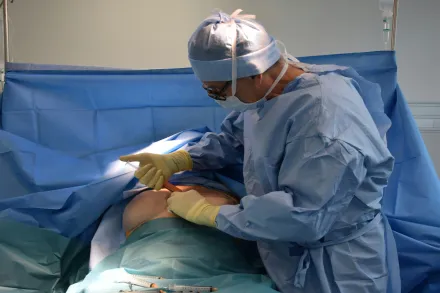
Open surgical approaches in orthopedics involve a deliberate and direct exposure of the target anatomy through incisions large enough to allow visualization, manual dissection, and precise placement of implants or hardware. The surgeon must balance the benefits of immediate visualization with the risks of soft tissue injury, blood loss, and infection. To optimize outcomes, meticulous technique is required to preserve the periosteum and local blood supply, protect essential neural and vascular structures, and minimize collateral damage to surrounding tissues. The exposure itself is only the initial step; subsequent steps include accurate reduction of fractures, alignment of bone fragments, and stable fixation that permits early but controlled mobilization while healing progresses.
In open procedures, the choice of incision and dissection plane is guided by the anatomy of the involved region and the goals of surgery. For example, in long bone fractures, the surgeon may create a pathway that permits clean reduction and secure fixation with plates and screws, while shielding the surrounding muscles from excessive trauma. The fixation strategy often involves a combination of rigid constructs and biologic considerations to promote robust healing. Soft tissue management remains a critical determinant of recovery; surgeons strive to preserve the local muscular envelope, minimize tissue stripping, and maintain soft tissue perfusion to support healing and reduce postoperative pain.
Despite the advantages of direct visualization, open techniques carry a higher burden of wound-related complications in some contexts. As a result, surgeons increasingly weigh the benefits of alternative approaches, especially when dealing with fragile bones, compromised tissue, or high-risk patients. Even within open surgery, refinements such as muscle-sparing dissection, careful incision planning, and precise hemostasis have reduced complication rates and improved functional outcomes. The ongoing challenge is to deliver reliable mechanical stability while maintaining the integrity of the soft tissues that contribute to joint function, proprioception, and normal movement patterns in the weeks and months after surgery.
Minimally Invasive and Arthroscopic Techniques
Minimally invasive and arthroscopic techniques reflect a paradigm shift toward smaller access, targeted visualization, and accelerated rehabilitation. Arthroscopy uses a small portal to insert a camera and instruments into a joint, allowing direct assessment of cartilage surfaces, ligaments, and menisci with minimal disruption to surrounding structures. When appropriate, these approaches enable accurate debridement, repair, or reconstruction without the extensive soft tissue exposure associated with traditional open procedures. The benefits often include reduced postoperative pain, shorter hospital stays, faster return to activities, and fewer wound complications, all of which contribute to improved patient satisfaction in suitable cases.
The scope of arthroscopic techniques extends across multiple joints, including the knee, shoulder, ankle, hip, and wrist, each presenting unique anatomic challenges and healing considerations. In addition to diagnostic assessment, therapeutic arthroscopy can address degenerative changes, meniscal tears, rotator cuff pathology, impingement syndromes, and intra-articular loose bodies. When realignment or reconstruction is required, surgeons may combine arthroscopic visualization with limited open work in a hybrid approach that respects soft tissue planes while achieving the necessary stability. The careful selection of indications, patient optimization, and postoperative rehabilitation are essential components of successful minimally invasive care.
Beyond true arthroscopy, minimally invasive techniques can encompass percutaneous fixation, small plate constructs, and targeted injections or biologic augmentations delivered through short incisions. The overarching theme is to achieve the surgical objective with the least disruption to native tissues while preserving the natural biomechanics of the joint and limb. In practice, success depends on rigorous preoperative planning, precise intraoperative execution, and a clear pathway for rehabilitation that takes advantage of the quicker recovery associated with less extensive tissue trauma.
Internal Fixation Methods
Internal fixation refers to hardware that remains inside the body to stabilize fractures, correct deformities, or secure osteotomies. The selection of implants is guided by the location of the injury, the pattern of bone involvement, and the expected loading conditions as healing progresses. Plates, screws, intramedullary nails, and other devices such as lag screws, wires, or cerclage cables form a toolbox that allows surgeons to achieve stable alignment while preserving the biology of the fracture environment. A critical balance exists between achieving rigidity to support healing and allowing micro-motion at the fracture site that can promote callus formation in certain contexts.
Plate-and-screw constructs have evolved with advances in metallurgy, geometry, and locking technology. Modern locking plates offer angular stability that can accommodate osteoporotic bone and complex fracture patterns, providing support when conventional compression methods would be unreliable. Intramedullary nails are particularly valuable for long bone injuries, offering robust axial and bending stiffness with a load-sharing configuration that supports early mobilization. The choice between a fixed-angle construct and a dynamic solution is influenced by fracture biology, regional anatomy, and the surgeon’s experience, as well as patient factors such as activity level and comorbid conditions.
Soft tissue preservation remains a central concern in internal fixation. Surgeons aim to minimize periosteal stripping, protect the surrounding muscles, and ensure that hardware placement does not compromise tendon pathways or neurovascular structures. Biologic considerations, including bone grafting or substitutes when there is bone loss or delayed union, complement mechanical fixation to facilitate healing. Postoperative plans emphasize controlled progression of weight bearing and range of motion, with attention to pain control, edema management, and prevention of complications such as stiffness or infection. In well-selected cases, internal fixation enables predictable restoration of alignment and function while supporting long-term joint health.
External Fixation and Ilizarov Methods
External fixation involves devices mounted outside the body to stabilize fractures, manage complex deformities, or enable gradual lengthening or correction of alignment. External fixators provide rapid stabilization and can be adapted to changes in swelling, soft tissue status, and skin condition. The rings or frames communicate through pins or wires that pass through bone, allowing or resisting controlled movement as healing progresses. This approach is particularly valuable when the soft tissue envelope is compromised, there is a need for rapid stabilization, or the fracture pattern demands incremental adjustment over time.
One notable tradition in external fixation is the Ilizarov method, which employs a circular frame to achieve precise circular alignment, gradual distraction, and elongated consolidation. This technique facilitates limb lengthening, deformity correction, and reconstruction in a way that can be tailored to the patient’s growth potential and rehabilitation capacity. While external fixation can be highly effective, it requires meticulous pin care, patient education, and ongoing monitoring to prevent infection at pin sites, manage soft tissue irritation, and ensure that the frame remains correctly calibrated during the healing process. When integrated into a comprehensive treatment plan that includes physiotherapy and analgesia, external fixation can unlock possibilities in challenging cases that would be difficult to address with internal methods alone.
Joint Replacement and Arthroplasty
Joint replacement, or arthroplasty, represents a transformative approach for restoring function when articular surfaces have degraded due to injury, arthritic disease, or congenital pathology. Replacement surgery typically involves removing diseased joint components and substituting them with durable prosthetic implants that reproduce the geometry and motion of a native joint. The hip, knee, and shoulder are among the most commonly treated joints, with arthroplasty offering substantial pain relief and functional improvement for many patients who have exhausted conservative options. Prosthetic designs incorporate bearing surfaces of metal, ceramic, or highly crosslinked polymer to reduce wear and prolong implant life in active individuals.
In arthroplasty, decisions about fixation mode, material combinations, and component geometry are tailored to each patient. Cemented implants rely on cement to secure the prosthesis to bone, providing immediate stability in patients with certain bone quality profiles, while cementless implants achieve biologic fixation over time as bone grows into porous surfaces. The choice between durable, contemporary materials and the need for a robust biological interface requires careful evaluation of patient factors, activity expectations, and life expectancy. Postoperative rehabilitation emphasizes early controlled motion, muscle strengthening, and gradual progression to full functional activities as the implant integrates with the surrounding tissues and the surrounding musculoskeletal system adapts to the new joint mechanics.
Surgeons also consider ancillary procedures that accompany arthroplasty, such as soft tissue balancing, ligament reconstruction in select cases, and careful management of implants in the context of comorbidities like osteoporosis or inflammatory disease. The overarching objective is to restore a smooth, stable joint surface that reduces pain and preserves or enhances mobility while minimizing the risk of dislocation, loosening, or infection. Patients benefit from thorough preoperative counseling about realistic outcomes, potential risks, and the rehabilitation pathway that will help them achieve meaningful improvements in daily life.
Osteotomy and Realignment Procedures
Osteotomy involves surgically cutting bone to correct deformities, redistribute load, or improve alignment in joints that have been affected by malunion, congenital differences, or degenerative changes. Realignment procedures require precise planning, often combining imaging studies with sophisticated models of how the limb bears weight in daily activities. The goal is to reposition bone segments so that load is transmitted through healthier bone and joint surfaces, alleviating abnormal stresses that may have contributed to pain or accelerated wear. Osteotomies can be performed at various levels, including the femur, tibia, or pelvis, depending on the specific deformity and the patient’s functional demands.
The success of an osteotomy relies on accurate osteotomy angle, controlled fixation, and effective postoperative rehabilitation. In some scenarios, osteotomy is staged or combined with bone grafting or biologic augmentation to promote robust healing and maintain structural stability during the recovery period. Precision in preoperative planning is enhanced by three-dimensional imaging and computer-assisted tools that help predict postoperative alignment and joint mechanics. After surgery, a structured rehabilitation plan guides progressive weight bearing and range of motion, balancing fracture healing with the restoration of motor control and proprioception needed for safe, dynamic movement.
Biologic Augmentation and Tissue Engineering
Biologic augmentation and tissue engineering complement mechanical strategies by stimulating the body's natural healing capacity. Bone grafts, either autografts harvested from the patient or allografts sourced from donors, provide a scaffold and cellular milieu that can bridge gaps and encourage new bone formation. Other biologic modalities include growth factors, such as bone morphogenetic proteins, and stem cell therapies that aim to enhance the regenerative environment at the fracture or osteotomy site. When used judiciously, these biologic approaches can reduce healing times, improve union rates, and support bone in areas where blood supply is tenuous or skeletal integrity is compromised.
Integrating biologic augmentation into orthopedic procedures requires thoughtful consideration of indications, potential risks, and cost-effectiveness. Surgeons must balance the theoretical benefits against the realities of patient factors such as age, comorbidity, smoking status, and nutritional health. In addition, regulatory and ethical considerations govern the use of biologic materials, and rigorous evidence from clinical studies guides the evolution of these therapies. When combined with stable fixation and appropriate rehabilitation, biologic augmentation can enhance the body’s natural healing processes and contribute to durable functional recovery for patients facing complex injuries or degenerative conditions.
Pediatric Orthopedics Considerations
In pediatric patients, the presence of growth plates and ongoing development adds layers of complexity to surgical planning and execution. The goal in children is to correct deformities and restore function while preserving the potential for continued growth. Surgeons consider the location and status of physes, the child’s expected growth trajectory, and the risks of physeal injury that could lead to long-term deformity or aluminumization of bone. Techniques are often adapted to minimize disturbance to growth plates, and hardware may be chosen or placed with attention to future remodeling and the possibility of hardware removal as the child matures.
The pediatric period also emphasizes the importance of rehabilitation and functional outcomes that align with developmental milestones. Children require age-appropriate explanations and supportive education for families to facilitate adherence to post-surgical protocols and physical therapy regimens. Multidisciplinary care teams, including pediatric anesthesiologists, physical therapists, and orthopedic nurses, collaborate to optimize analgesia, minimize hospital stays, and ensure safe progression through growth and activity. Because growth and healing can vary substantially among children, individualized plans and regular follow-up are essential to monitor alignment, progression, and realignment as the skeleton continues to mature.
Imaging, Planning, and Intraoperative Technologies
Accurate imaging and meticulous preoperative planning lie at the heart of successful orthopedic surgery. High-resolution radiographs, computed tomography, magnetic resonance imaging, and advanced three-dimensional modeling provide insights into fracture patterns, bone quality, joint alignment, and soft tissue status. These data inform decisions about incision location, fixation strategy, and whether biologic augmentation is warranted. In many centers, preoperative simulations enable the surgical team to rehearse complex maneuvers, anticipate potential complications, and determine the optimal sequence of steps before entering the operating room.
During surgery, intraoperative navigation and imaging technologies help verify alignment, hardware placement, and implant fit. Some procedures integrate real-time fluoro or three-dimensional guidance to refine reduction and assess stability from multiple angles. In addition to accuracy, these tools can shorten operative time, reduce radiation exposure by enabling focused imaging, and increase the likelihood of achieving an anatomically correct result. Postoperative imaging confirms that the intended targets have been achieved and serves as a baseline for subsequent follow-up assessments during recovery and rehabilitation.
Beyond imaging, computer-assisted techniques and robotics are increasingly applied to orthopedic procedures. Robotic systems can assist with bone preparation, implant placement, and navigation to consistent tolerances, particularly in complex deformities or minimally invasive settings. While these technologies are not universally required, they offer potential advantages in precision, reproducibility, and customization of implants to an individual’s anatomy. The integration of digital planning with operative execution epitomizes the blend of engineering and medicine that characterizes contemporary orthopedics, empowering surgeons to translate advanced concepts into tangible improvements in patient care.
Rehabilitation, Outcomes, and Patient Education
Rehabilitation is a central component of orthopedic care because the benefits of a well-executed operation are magnified when the healing process is supported by structured movement, strength training, and functional retraining. Physical therapy programs are typically initiated soon after stabilization and fixation to optimize joint range of motion, muscle strength, proprioception, and gait mechanics. The pace of rehabilitation must respect the biology of bone healing and the stability of the construct while encouraging early loading when appropriate to stimulate tissues. Patients who understand the rationale for each phase are better positioned to participate actively in their recovery.
Outcomes in orthopedics are influenced by multiple factors, including the quality of fixation, the biology of healing, the patient’s baseline function, and adherence to rehabilitation protocols. Surgeons monitor progress through clinical assessments and imaging studies to ensure that alignment is maintained, bone is healing as expected, and joint function is improving. Communication with patients about realistic expectations—pain trajectories, return-to-work timelines, and the potential need for future interventions—helps manage anxiety and fosters collaborative decision making. A patient-centered approach, coupled with evidence-based protocols, supports durable improvements in pain, function, and quality of life.
Educational engagement extends beyond the perioperative period. Providing clear explanations about activity restrictions, wound care, signs of complications, and the importance of nutrition and sleep helps patients participate meaningfully in their recovery. Shared decision making recognizes that surgical choices involve tradeoffs among invasiveness, recovery time, and long-term outcomes. By aligning surgical strategies with patient goals and real-world demands, clinicians strive to maximize the likelihood of sustained functional gains and minimize the risk of reoperation or chronic limitations.
Complications, Risk Management, and Ethics
Every surgical intervention carries inherent risks, and orthopedic procedures are no exception. Potential complications include infection, delayed or nonunion of bone, hardware irritation or failure, nerve or vessel injury, and adverse reactions to anesthesia. The occurrence and severity of complications depend on factors such as fracture complexity, patient comorbidities, bone quality, and the chosen approach. Proactive risk management involves meticulous aseptic technique, careful patient selection, optimized perioperative nutrition, and structured postoperative monitoring to detect problems early and intervene promptly.
Ethical practice in orthopedics emphasizes informed consent, transparent discussion of alternatives, and respect for patient autonomy. Clinicians communicate the likelihood of success and the range of possible outcomes, including the need for revision procedures. Resource considerations, including the availability and cost of implants, imaging, and rehabilitation services, are weighed with the patient’s goals and broader health context. The evolving field continually prompts clinicians to balance innovation with safety, ensuring that new techniques are supported by credible evidence and that patient welfare remains the central priority in every decision.
Future Directions and Trends in Orthopedics
The trajectory of orthopedic surgery is shaped by advances in materials science, imaging, computational planning, and biologic innovation. Materials with improved wear characteristics and biocompatibility extend the longevity of implants, while smart sensors and modular components enable more precise monitoring of implant performance over time. Imaging modalities that merge high-resolution detail with functional information may enhance the accuracy of preoperative planning and intraoperative navigation, supporting safer and more predictable outcomes in complex cases. The growing role of robotics and automation promises to augment human skill with repeatable precision in delicate bone work and alignment corrections.
Meanwhile, computer-assisted planning and simulation enable surgeons to examine multiple scenarios before entering the operating room, helping to optimize implant choice, alignment targets, and soft tissue handling. Biologic therapies, including targeted growth factors and stem cell technologies, hold promise for accelerating healing in fractures with challenging biology or in bone graft recipients. The convergence of data science, personalized medicine, and biomechanics is gradually enabling a more nuanced approach to patient care, where treatment decisions are informed by large datasets, patient-specific modeling, and outcome feedback. As the field continues to evolve, the central task remains clear: to restore function with durable, safe, and sustainable strategies that align with each patient’s aspirations and life course.