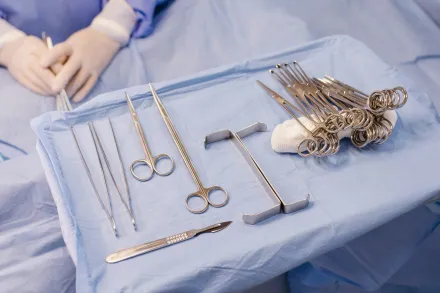
Joint replacement surgery stands at the intersection of advanced engineering and clinical medicine, where damaged surfaces inside a joint are replaced with artificial components to restore smooth motion, reduce pain, and improve daily function. The procedure is typically considered after nonoperative treatments have failed to provide adequate relief or when the joint’s degeneration has progressed to a point that ordinary activities become increasingly difficult or painful. The goal is not merely to remove diseased tissue but to recreate a functional joint surface that mimics, as closely as possible, the natural biomechanics of a healthy joint. In many cases, the outcome is life changing, enabling patients to resume activities that had been difficult or impossible for years, while also providing a framework for long-term mobility and independence.
Understanding the surgical pathways for joint replacement begins with recognizing that joints such as the hip, knee, shoulder, elbow, and ankle vary in anatomy, range of motion, and load patterns. Each joint presents unique challenges and demands on the implants and surgical technique. The decision to proceed with replacement involves a careful conversation among the patient, the orthopedic surgeon, and the broader care team, including physical therapists, nurses, and sometimes a preoperative educator. The discussion covers not only what the operation aims to achieve but also the realistic expectations for rehabilitation, the typical timeline for recovery, and the potential risks inherent to major surgery. It is a collaborative process designed to empower the patient to make an informed choice while preparing for a structured course of perioperative care that can optimize outcomes.
From the patient perspective, the journey begins with a clear picture of the state of the joint and the impact of pain and stiffness on daily life. A medical history review often reveals chronic conditions that might influence anesthesia and postoperative recovery, such as cardiovascular disease, diabetes, lung disease, or osteoporosis. A preoperative assessment typically includes targeted physical examinations, imaging studies like X-rays or MRI scans, and occasionally laboratory tests to ensure that the patient is physically prepared for anesthesia and surgery. The aim of this preparation is to identify any factors that could increase risks during or after the procedure and to address them ahead of time. In many clinics, a dedicated preoperative program emphasizes patient education about what to expect, how to manage pain after surgery, and the importance of early mobilization as part of the recovery process. This preparation helps set the stage for a smoother experience and can contribute to better functional outcomes once rehabilitation begins.
Indications and patient selection
The decision to pursue joint replacement hinges on a combination of pain severity, functional impairment, and the effect on quality of life. When a patient experiences chronic joint pain that persists despite comprehensive medical therapy, physical therapy, and activity modification, and when imaging confirms advanced degeneration, replacement becomes a viable option. In many cases the degenerative process is related to conditions such as osteoarthritis, rheumatoid arthritis, posttraumatic arthritis, or certain deformities that limit alignment and stability. The surgeon also evaluates bone quality, which affects implant fixation and longevity, as well as the alignment and balance of surrounding soft tissues that influence joint movement after surgery. A thorough discussion about goals is essential, because patient values, such as the desire to return to a specific sport or to perform daily activities without pain, will shape the selection of implants and the pace of rehabilitation. The overall aim is to restore function to a level that allows activities that had become impractical or impossible before surgery, while maintaining safety and long-term joint health.
Patient selection includes consideration of age, activity expectations, and the presence of medical comorbidities that may affect anesthesia risk or perioperative management. For some individuals, comorbid conditions require optimization prior to surgery, and alternative treatments may be explored when the risks of immediate replacement outweigh potential benefits. The surgeon collaborates with anesthesiology, primary care, and specialty services to ensure that the patient’s health status is as stable as possible on the day of operation. The shared decision-making process emphasizes transparency about potential outcomes, including the possibility of revision in the future, and clarifies the long-term commitments needed for successful recovery, such as adherence to rehabilitation protocols, weight management, and ongoing medical follow-up.
Imaging and functional assessment play a central role in refining the candidacy for joint replacement. High-quality radiographs often reveal bone loss, deformity, or malalignment that guides implant selection and surgical planning. In some situations, a computed tomography or magnetic resonance imaging study is used to provide a more complete view of bone stock and joint geometry, which can influence the approach and the sizing of implants. A careful assessment of surrounding ligaments, tendons, and muscles determines how the joint will move after implantation and how soft tissues should be balanced to achieve stability and range of motion. The culmination of this stage is a personalized plan that accounts for the patient’s anatomy, functional goals, and overall health, setting the stage for a surgical strategy that can deliver durable relief from pain and improved mobility.
Preoperative planning and imaging
Preoperative planning combines advanced imaging with bone and soft-tissue assessment to anticipate the technical demands of the operation. Surgeons study the patient’s anatomy to choose the most appropriate implant design, bearing materials, and fixation method. The planning process often involves collaboration with imaging specialists and, in some centers, the use of computer-assisted planning tools or patient-specific guides that tailor the procedure to the individual’s anatomy. The selection of implant components is driven by factors such as bone quality, soft-tissue balance, and the goals for postoperative stability and motion. Importantly, preoperative planning also addresses alignment targets that promote even load distribution across the artificial joint, which can influence the future durability of the reconstruction. This careful preparation helps guide intraoperative decisions and supports consistent implantation outcomes across patients with varied anatomy.
In the period leading up to surgery, clinicians provide detailed instructions about medications, activity restrictions, and wound care to minimize perioperative complications. Patients are advised on when to stop certain medicines that can increase bleeding risk, how to manage chronic conditions around the time of surgery, and what signs would require medical attention after discharge. A structured education session may cover anesthesia options, pain management plans that reduce reliance on opioids, and the role of physical therapy immediately after the operation. This early education is designed to foster active patient participation in recovery and to establish realistic expectations about the recovery timeline, as well as strategies to handle potential discomfort and to maintain joint function during healing.
In parallel with planning, clinicians usually perform a comprehensive assessment of cardiovascular risk, pulmonary function, and metabolic health. This multidimensional evaluation helps anesthesiologists craft a tailored perioperative plan that minimizes risks such as blood pressure fluctuations, respiratory complications, and infection. The goal is to secure a stable physiological environment during the operation and to facilitate rapid recovery after anesthesia. When necessary, prehabilitation programs may be offered, focusing on improving strength, flexibility, and cardiovascular fitness before surgery to optimize the body’s resilience to the upcoming surgical stress. The overall approach emphasizes preparation, precision, and patient engagement as essential ingredients in achieving a successful outcome.
Anesthesia and perioperative care
The anesthesia strategy for joint replacement balances safety, comfort, and the goal of enabling an early start to rehabilitation. General anesthesia, regional anesthesia such as spinal or epidural blocks, or a combination of these techniques may be chosen based on the joint involved, the patient’s health status, and surgeon and anesthesiologist preferences. Regional anesthesia can provide targeted pain relief during and after the procedure, potentially reducing the need for systemic opioids and facilitating earlier mobilization. Throughout the operation, the anesthesia team monitors vital signs, fluid balance, and temperature to support organ function and to respond promptly to any changes in the patient’s condition. The perioperative plan also includes measures to prevent infection, control pain, and minimize blood loss, which can involve meticulous surgical technique, the use of antifibrinolytics in some cases, and careful management of blood transfusion if required. Collaboration between surgeons, anesthesiologists, nurses, and allied health professionals is essential to optimize safety and comfort from the moment the patient enters the operating room through the immediate recovery period.
Postoperative care begins in the recovery area with careful monitoring for pain and vital signs, followed by a structured plan that promotes early movement and protection of the new joint. Physical therapy often starts within hours after surgery, focusing on gentle range-of-motion exercises and gradual strengthening to support proper joint kinematics and reduce stiffness. The inpatient course varies depending on the joint operated on and the patient’s baseline health, but the overarching objective is to restore function quickly while ensuring the new joint is stable and free from excessive stress during the initial healing phase. Discharge planning includes instructions for home exercise programs, the use of assistive devices if needed, and arrangements for outpatient therapy or home visits, to sustain progress achieved during the hospital stay.
Surgical principles and general approaches
Joint replacement relies on a set of fundamental principles that apply across different joints. A central idea is to remove the diseased surfaces while preserving as much healthy bone and soft tissue as possible. The goal is to recreate a smooth articulating surface that allows for natural movement and symmetry in alignment. The choice of approach—how the surgeon reaches the joint—depends on the specific joint and patient anatomy, balancing exposure with protection of important muscles and neurovascular structures. The implants used in these procedures are designed to restore stability and function, with components that mimic the geometry of natural joints. Load bearing is distributed through the prosthesis to mimic normal biomechanics, which helps reduce wear on the materials and extend the life of the reconstruction. Throughout the operation, precise alignment and secure fixation are emphasized because small deviations can affect motion, wear patterns, and long-term durability. The operation also requires careful management of soft tissues to minimize postoperative pain and promote early movement, which is a critical determinant of recovery speed and ultimate function.
Another enduring principle is the balance between immediate structural restoration and long-term durability. Surgeons choose implant designs and materials with attention to wear resistance, corrosion resistance, and compatibility with the patient’s biology. The integration of computer-assisted planning in some centers adds a layer of precision by translating imaging data into surgical actions that align components with the patient’s bone geometry. While technology can assist, the artistry of joint replacement still rests on meticulous technique, gentle tissue handling, and the surgeon’s experience in restoring proper tension in ligaments and surrounding musculature. By combining these elements, the procedure aims to produce a stable, functional joint with a natural range of motion, while also anticipating the mechanical demands that the joint will face during daily activities and athletic pursuits alike.
In practice, the surgical steps unfold with careful sequencing: preparing the joint surfaces, removing diseased cartilage and bone as needed, accommodating the prosthetic components, and securing fixation in a way that ensures durable fixation. The surgeon confirms proper alignment, checks soft-tissue balance, and verifies that the joint moves smoothly through its intended range before closure. Postoperative imaging is often used to confirm that the implants sit correctly within the bone and that alignment targets have been met. The entire process is designed to maximize functional restoration while minimizing complications, with careful attention to how the patient will begin moving and bearing weight in the immediate and short-term postoperative period.
Hip replacement: indications, components, and implants
Hip replacement replaces the ball-and-socket joint of the hip with prosthetic components designed to replicate natural hip mechanics. The typical goal is to relieve deep seated pain, restore leg length and functional gait, and allow a broader range of motion that was previously restricted by arthritis or deformity. The procedure often involves removing the damaged femoral head and resurfacing the acetabulum, then placing a stemmed femoral component that fits within the femur and a matching acetabular component that articulates with the femoral head. The bearing surfaces may be made from materials such as metal on highly crosslinked polyethylene, ceramic on ceramic, or other combinations that balance durability with smooth articulation. Contemporary practice emphasizes soft tissue preservation, careful restoration of leg length, and precise restoration of joint center to achieve stable, functional movement after recovery. The implant design and fixation method depend on bone quality and surgeon preference, with options ranging from cemented to cementless stems and cups, chosen to optimize initial stability and long-term durability. Postoperative rehabilitation emphasizes early ambulation, range of motion exercises to prevent stiffness, and gradual strengthening while protecting the healing tissues and the new joint structure.
In addition to the standard hip arthroplasty, some patients require specialized approaches to address unique pathologies or anatomy. For example, resurfacing techniques may be considered for younger, more active individuals with preserved bone stock, while dual mobility cups have emerged as a productive option to reduce dislocation risk in selected patients. Each variation in design carries implications for surgical technique, rehabilitation, and potential future revision work, but all share the common objective of restoring pain-free, functional hip movement. Effective communication about postoperative expectations, activity modification, and signs of potential complications remains essential to achieving a positive outcome and sustaining joint health over time.
Knee replacement: indications, design, and rehabilitation
The knee is a complex hinge that maintains stability across multiple planes, and knee replacement involves replacing the articulating surfaces of the femur, tibia, and sometimes the patella with articular components. Total knee arthroplasty aims to relieve pain from arthritic surfaces and to restore a functional range of motion that supports daily activities, walking, and mobility. The implant design seeks to reproduce the natural geometry of the knee while ensuring stable tracking of the patella and smooth articulation with the surrounding ligaments. Materials selected for the bearing surfaces are chosen for wear resistance and biocompatibility, often involving polyethylene, metal alloys, and sometimes ceramic elements. The surgical approach focuses on preserving crucial soft tissues, balancing the joint ligaments, and achieving precise alignment to distribute forces evenly across the knee during movement. Rehabilitation emphasizes early mobilization, quadriceps strengthening, and neuromuscular reeducation to restore proprioception and coordinated gait.
Patellofemoral and unicompartmental knee replacements reflect variations tailored to specific patterns of arthritis and bone preservation. Unicompartmental, or partial knee replacement, replaces only the affected compartment of the knee, preserving healthy cartilage elsewhere, which can offer advantages in recovery time and preservation of natural knee kinematics for some patients. The decision between full and partial replacement depends on the extent of disease, joint alignment, and the condition of the ligaments, particularly the ligaments that provide crucial stability. Regardless of the exact design, patient education remains central, helping individuals understand the recovery timeline, expected improvements in pain and function, and the importance of adherence to weight-bearing guidelines and rehabilitation protocols designed to optimize implant longevity.
Long-term success for knee replacements depends on accurate component sizing, correct limb alignment, and balanced soft tissues. The surgeon’s ability to restore the knee’s natural axis and maintain soft-tissue tension is critical for preventing instability or ongoing pain. Patients often begin walking with assistive devices soon after surgery and gradually progress to more demanding activities as strength and range of motion improve. The rehabilitation journey continues for weeks to months, with periodic follow-up to monitor implant position, address any concerns about stiffness or pain, and ensure that the knee maintains its function and alignment as activity levels evolve over time.
Shoulder replacement: when and how it is performed
The shoulder joint presents unique challenges due to its wide range of motion and reliance on a dynamic balance of muscles around the ball and socket. Shoulder replacement can involve anatomic implants that replace the humeral head and glenoid surface, or a reverse shoulder arthroplasty in which the ball and socket configuration is reversed to compensate for deficiencies in the rotator cuff or glenoid cartilage. Indications typically include severe pain, loss of function, and radiographic evidence of joint destruction from arthritis or complex fractures. The goal is to recreate a stable articulation that allows lifting and rotating the arm with less pain and improved strength. Implants are crafted from a combination of metals and polymers designed to resist wear while supporting smooth glenohumeral motion. The surgical approach must respect the delicate architecture of the shoulder, including the rotator cuff tendons and the axillary nerve, to minimize risks while achieving durable fixation and reliable function postoperatively.
Shoulder arthroplasty requires careful selection of the correct prosthetic design based on the patient’s anatomy, the extent of soft-tissue involvement, and the functional goals after recovery. Reverse shoulder implants have expanded the indications by providing improved function in cases where the rotator cuff is deficient, enabling the deltoid muscle to drive shoulder movement more effectively. As with other joint replacements, rehabilitation emphasizes gradual restoration of range of motion, progressive strengthening, and careful monitoring for complications such as instability, infection, or loosening of components. Patients are guided through exercises that promote shoulder girdle stability and coordinated motion, with the understanding that the shoulder’s complex biomechanics require a patient-specific approach to each stage of recovery.
Elbow and ankle replacements
Elbow and ankle joints are less commonly replaced than hips and knees but can offer significant improvements in function and quality of life for selected patients. Elbow arthroplasty is typically considered after traumatic injury or degenerative conditions that cause pain and loss of motion, with careful attention paid to preserving nearby nerves and the elbow’s intricate range of flexion and extension. Ankle replacement aims to restore ankle motion and alleviate severe pain from arthritis by replacing the tibial plafond and talar components with articulated implants designed to withstand the unique loading patterns of ambulation and balance. Both procedures require precise planning and meticulous technique to maintain stability and prevent soft-tissue complications. Rehabilitation protocols are tailored to the specific joint and implant, emphasizing early, controlled motion while protecting the reconstructed surfaces in the initial healing period. In both cases, patient selection and realistic expectations about the pace of recovery significantly influence the overall success of the operation.
Prosthetic components for these joints are designed to maximize longevity while accommodating the mechanical demands of daily activities. Material choices balance durability with biocompatibility, and fixation methods are tailored to bone quality and patient-specific considerations. The overarching objective remains consistent across joints: to provide a reliable, pain-relieving, mechanically stable joint that allows a return to meaningful activities and reduces disability. The surgical craft involves aligning the prosthetic surfaces with the patient’s anatomy, preserving important soft tissues, and ensuring the reconstructed joint can endure the functional tasks demanded in real life. This comprehensive approach culminates in a recovery program that supports early movement, progressive strengthening, and careful monitoring to detect and address any complications promptly.
Prosthetic components and materials
Joint replacement implants consist of multiple components designed to articulate smoothly with minimal wear and long-term stability. Common materials include metals such as cobalt-chromium alloys or titanium, high-density polyethylene bearing surfaces, and ceramics in certain head-to-socket configurations. The choice of materials is guided by wear characteristics, biocompatibility, and the expected load environment of the joint. Fixation methods vary, with cemented implants providing immediate stability in weaker bone, while cementless or press-fit designs rely on bone ingrowth to achieve long-term stability. The aim is to create a secure interface between the implant and the bone while enabling natural joint motion that resembles normal biomechanics as closely as possible. The variety of designs and materials allows surgeons to tailor the reconstruction to the patient’s anatomy, bone quality, and lifestyle, with ongoing research focused on reducing wear, improving fixation, and extending the life of artificial joints.
Advances in materials science and manufacturing have led to implants with improved wear resistance and reduced ion release, contributing to fewer complications and longer-lasting joints. Ceramic bearings, highly crosslinked polyethylene, and advanced metal alloys are examples of innovations that have influenced the durability of joint replacements. While technology continues to evolve, the core principles of successful joint replacement remain consistent: stable fixation, accurate alignment, preservation of soft tissues, and an environment that supports early, safe rehabilitation. The cumulative impact of these components and decisions is reflected in the patient’s ability to perform daily tasks, participate in valued activities, and maintain independence over many years following surgery.
Rehabilitation and recovery timelines
Rehabilitation after joint replacement is a structured journey that begins in the immediate postoperative period and extends over weeks to months. Early mobilization and controlled exercises promote joint movement, prevent stiffness, and support the healing of soft tissues around the new joint. The rehabilitation plan typically starts with gentle range-of-motion movements and progress to progressive strengthening of the surrounding muscles. As patients gain confidence and stability, activities that promote balance, gait training, and functional tasks are gradually introduced. The rate of recovery is influenced by multiple factors, including age, baseline mobility, presence of comorbidities, and adherence to the prescribed therapy schedule. Clear communication between the patient, physical therapist, and surgeon helps tailor the rehabilitation protocol to individual needs and goals, ensuring that progress is safe and sustainable.
In the weeks following surgery, patients may use assistive devices such as canes or walkers to support ambulation while the leg muscles regain strength. Pain control strategies, including multimodal analgesia and nonpharmacologic approaches, contribute to improved participation in therapy and a smoother recovery. The rehabilitation plan also emphasizes strategies to protect the joint from unnecessary stress during the healing window, such as avoiding extreme bending beyond safe limits, ensuring proper seating and posture, and encouraging gradual increases in activity. Over time, most patients experience meaningful improvements in pain, range of motion, and function, with the pace of progress gradually accelerating as healing progresses and muscles adapt to the new joint mechanics.
Long-term success hinges on ongoing exercise, weight management, and routine medical follow-up. Even after the initial recovery phase, periodic evaluation by the surgical team monitors implant position, wear patterns, and overall joint health. Rehabilitation and maintenance are not confined to the hospital or clinic; they continue as part of a sustainable lifestyle that supports joint longevity and overall well-being. Patients are encouraged to remain active in a manner appropriate to their joint, with professional guidance helping to design activities that optimize safety while maintaining or improving range of motion and strength.
Risks, complications, and long-term outcomes
All surgical procedures carry inherent risks, and joint replacement is no exception. Potential complications include infection, bleeding, blood clots, nerve injury, and issues related to the prosthetic components such as loosening, wear, or dislocation. The risk profile varies by joint, patient health status, and the specific implant design. Surgeons mitigate these risks through meticulous technique, anesthesia plans, prophylactic antibiotics, early mobilization, and vigilant postoperative monitoring. Some complications may require additional interventions, including revision surgery, which carries its own set of considerations and recovery dynamics. Long-term outcomes for most patients are favorable when surgery is appropriately indicated, the implants are well designed for the patient’s anatomy, and adherence to rehabilitation and follow-up plans is strong. The likelihood of meaningful improvement in pain and function remains high for a broad range of individuals, even as a small proportion may experience persistent challenges or require further treatment in the future.
Patient education about risk factors, symptom recognition, and prompt reporting of concerning signs remains a cornerstone of successful outcomes. Infections may present with redness, warmth, fever, or unusual drainage; loosening or mechanical problems may manifest as new pain, instability, or changes in gait. Understanding these red flags and seeking timely care improves the chances of a favorable response to early treatment. Ongoing surveillance with imaging studies and clinical assessments ensures that any changes are detected early, enabling appropriate management and preserving joint function for as long as possible. The ultimate measure of success is not merely the absence of complications but the restoration of pain-free movement, improved activity tolerance, and a sustained sense of well-being that supports a high quality of life after surgery.
Longevity, revisions, and future considerations
Prosthetic joints are designed for durability, but implants can wear out or fail over time due to mechanical stress, bone changes, or the progression of joint disease in surrounding tissues. Revision arthroplasty is a more complex operation than primary replacement, often requiring different surgical strategies and implants to address bone loss or altered anatomy. Successful revision relies on precise planning, specialized surgical expertise, and carefully coordinated postoperative rehabilitation. Patients who undergo joint replacement today can anticipate many years of improved function, and ongoing advancements in materials, design, and surgical technique continue to extend implant life and broaden the scope of who can benefit. A proactive approach to bone health, infection prevention, and consistent follow-up care contributes to extending the longevity of the joint and preserving mobility over time, underscoring the importance of integrated care throughout the patient’s life span.
As research advances, new implant technologies and surgical methods aim to enhance stability, reduce wear, and simplify revision procedures when necessary. Developments such as improved bearing materials, advanced imaging for precise placement, and refined perioperative protocols all contribute to better outcomes. The field continues to evolve with a focus on patient-centered care that aligns surgical decisions with individual goals, whether those goals involve returning to a preferred sport, performing daily tasks with less pain, or maintaining independence in daily life. In this evolving landscape, the partnership among patients, surgeons, rehabilitative clinicians, and the broader medical team remains central to achieving the best possible results and a sustainable, active lifestyle following joint replacement.
The journey through understanding surgical procedures for joint replacement is ultimately a journey about restoring function and enabling a return to meaningful activities. It blends careful evaluation, precise surgical technique, thoughtful implant selection, and a well-coordinated rehabilitation plan. Each patient’s path reflects a combination of anatomy, biology, and personal aspirations, guided by expert medical care and supported by a multidisciplinary team dedicated to optimizing every stage of recovery. The result is not merely a technical accomplishment but a renewed sense of mobility, reduced pain, and an enhanced capacity to engage with life’s everyday moments with confidence and vitality.
For many people, the decision to pursue joint replacement is a turning point that opens new possibilities. The operation itself is part of a broader continuum of care that includes preoperative preparation, meticulous surgical technique, and comprehensive rehabilitation. By understanding the principles behind the procedure, the roles of different implants and materials, and the expectations for recovery, patients can actively participate in their care and collaborate with their medical team to achieve the best possible outcome. This approach emphasizes safety, personalization, and long-term joint health, ensuring that the benefits of modern joint replacement are realized in ways that align with each patient’s life and goals.
Ultimately, the understanding of surgical procedures for joint replacement is an ongoing conversation between patient and clinician, enriched by evidence, experience, and a shared commitment to restoring function and quality of life. As treatments advance and rehabilitation strategies become more refined, the path toward recovery grows more predictable, empowering patients to plan ahead, set realistic milestones, and move forward with renewed confidence. The joint is remade not only in its physical form but in its capacity to support a life marked by activity, independence, and sustained well-being, even years after the procedure has restored mobility and eased pain. This living partnership between technology, medicine, and patient resilience defines the promise of modern joint replacement and the future of mobility for countless individuals around the world.