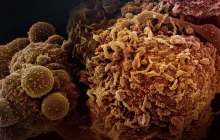
Heart disease is a broad term that encompasses conditions affecting the heart's structure and function, including coronary artery disease, heart failure, and congenital problems. In recent decades, scientists have explored the remarkable potential of stem cells to repair damaged heart tissue. This potential arises from the unique capacity of stem cells to renew themselves and to differentiate into specialized cell types found in the heart, such as cardiomyocytes, vascular smooth muscle cells, and endothelial cells. The idea is to replace lost cells, rebuild the microenvironment of the heart, and restore a more normal rhythm and contractile function. While early optimism was tempered by the complexity of the heart’s architecture, advances in biology and bioengineering have steadily improved our understanding of how stem cells can contribute to cardiac repair and regeneration.
Introduction to stem cells and heart disease
Stem cells are undifferentiated cells with the ability to give rise to many cell types and, in some cases, to self-renew for long periods. In the context of heart disease, researchers focus on cells that can be coaxed into becoming heart muscle cells or that can create supportive tissue such as blood vessels. The heart, unlike some other organs, has limited intrinsic regenerative capacity, and after injury such as a myocardial infarction, scar tissue forms and contractile function diminishes. This creates a therapeutic window where cell-based strategies could potentially replenish functional tissue, support neovascularization, and modulate the inflammatory milieu that accompanies injury. The challenge is to guide cells safely, efficiently, and sustainably to achieve meaningful clinical benefits.
What makes the heart a challenging organ to repair
The heart is a highly organized organ with a precise three-dimensional structure, electrical networks that coordinate rhythm, and a demanding workload that requires steady, continuous contraction. After injury, surviving cardiomyocytes die, and the surrounding matrix remodels, leading to stiffening and remodeling with adverse ventricular geometry. Even if new cells could be generated, integrating them into the existing cardiac tissue without disrupting the electrical conduction system or provoking arrhythmias is a major hurdle. In addition, the hostile post-injury environment—characterized by inflammation, hypoxia, and mechanical stress—poses substantial obstacles to cell survival and proper maturation. These realities mean that stem cell therapies must do more than simply deliver new cells; they must also create a compatible niche that supports repair and function over time.
Types of stem cells relevant to cardiac therapy
Several categories of stem cells have been explored for heart repair, each with distinct properties, advantages, and limitations. Embryonic stem cells are pluripotent, capable of giving rise to all cell types in the body, including cardiomyocytes, but their use raises ethical considerations and immune compatibility concerns. Induced pluripotent stem cells, which are generated by reprogramming adult cells to an immature state, offer a potential path to patient-specific therapies while reducing ethical debate, though they share some safety challenges such as the risk of tumor formation if undifferentiated cells are transplanted. Adult stem cells, including mesenchymal stem cells derived from bone marrow or adipose tissue, have been studied extensively for their paracrine effects and immunomodulatory properties rather than for direct replacement of heart muscle. Cardiac progenitor cells, a more specialized lineage recovered from heart tissue, promise closer alignment with the heart’s own developmental programs, but their scarcity and expansion potential in the laboratory pose practical barriers. The landscape of stem cell types is thus diverse, and researchers often compare these options through a lens of safety, practicality, and the achievable magnitude of functional recovery.
Mechanisms by which stem cells could aid heart repair
Stem cells may contribute to heart repair through several interconnected mechanisms. Some cells can differentiate into cardiomyocytes and integrate as new beating tissue, although achieving electrical and mechanical coupling with native myocardium remains difficult. A broader and perhaps more impactful avenue is the paracrine effect, where transplanted cells release signaling molecules that influence the surrounding cells, reduce inflammatory damage, promote blood vessel formation, and help remodel the extracellular matrix in a favorable way. Vascularization is a crucial aspect because new blood supply supports the survival of transplanted cells and improves perfusion to rescue ischemic tissue. Another mechanism involves recruiting resident cardiac cells to proliferate or shift toward a more regenerative phenotype, thereby amplifying the healing response. These processes do not work in isolation; they interact with the heart’s immune system and its mechanical environment, making the therapeutic outcome a product of multiple converging pathways rather than a single trick of cell replacement.
Approaches to stem cell therapies in cardiology
Clinical strategies have evolved from simple injections of cells into the heart to more sophisticated approaches that integrate material science and bioengineering. Direct transplantation of cells seeks to deliver a dose of therapeutic cells to the damaged region with the hope that they will engraft and contribute to repair. However, poor survival of transplanted cells in the hostile tissue environment has driven the development of supportive scaffolds and biomaterials that create a more hospitable niche, enabling better retention and maturation. In tissue engineering, researchers build three-dimensional constructs that mimic heart tissue, combining cardiomyocytes with vascular networks and extracellular matrix components to improve mechanical properties and electrical compatibility. Additionally, there is growing interest in delivering secreted factors or exosomes that can recapitulate the regenerative signals without requiring long-term engraftment of cells. The diversity of strategies reflects the complexity of cardiac repair and the need to tailor approaches to patients’ stages of disease, age, and comorbidities.
Clinical research landscape and major trials
In the clinical arena, investigators have conducted trials using bone marrow–derived cells and mesenchymal stem cells to treat myocardial infarction and heart failure, with mixed but generally encouraging signals regarding safety and modest improvements in functional metrics. Early studies emphasized feasibility and tolerability, while later work sought to quantify effects on left ventricular function, perfusion, and exercise capacity. A major theme across studies has been the importance of choosing the right patient population, timing after injury, and dosing strategies to maximize potential benefits while reducing risks. More recently, research has expanded into engineered tissues and iPSC-derived cardiomyocytes, pursuing the possibility of more direct replacement of damaged muscle. Across these domains, investigators continually refine isolation methods, cell purification, and delivery techniques to minimize inflammation and immune responses while preserving the therapeutic properties of the cells.
Safety considerations and challenges
Safety remains a central focus of stem cell therapy for the heart, with attention to arrhythmogenic risks, tumor formation, immune rejection, and the possibility of unintended tissue growth. Some cell types can create electrical discontinuities that predispose to arrhythmias, particularly if mature electrical integration is not achieved. The risk of teratoma or other tumor formation is a particular concern for pluripotent stem cell derivatives if residual undifferentiated cells are transplanted. Immune compatibility is another factor; even autologous iPSCs may require careful screening to prevent immune reactions after differentiation. Manufacturing challenges include ensuring purity, consistent potency, and stability of the therapeutic product. Long-term monitoring is essential to detect late adverse effects, such as delayed arrhythmic events or inflammatory responses, which emphasizes the need for robust post-treatment surveillance and registries.
Ethical and regulatory dimensions
Ethical considerations have evolved alongside technological advances. The use of embryonic stem cells raised longstanding debates that shaped policy and funding decisions, while induced pluripotent cells offered a means to sidestep some concerns at the cost of new safety questions. Regulatory agencies require rigorous demonstration of safety, efficacy, manufacturing quality, and traceability through standardized protocols before any therapy reaches patients. This translates into multi-phase clinical trials, closely controlled production environments, and transparent reporting of adverse events. The path to clinical adoption also demands ethical consent processes that inform participants about uncertainties, potential risks, and the likelihood of benefit, ensuring that patient interests and social values are foregrounded in research design and practice.
Economic and access considerations
The economic aspect of stem cell therapies is intertwined with their scientific complexity. Manufacturing at scale while maintaining quality can be expensive, and the logistics of delivering personalized or highly specialized products add layers of cost that influence reimbursement and accessibility. Health systems must evaluate the added value of these treatments in terms of reduced hospitalizations, improved quality of life, and longer-term outcomes, all weighed against the price of goods and procedures. Accessibility also depends on the availability of trained centers, the capacity for consistent cell production, and the ability to monitor long-term safety in diverse patient populations. Equitable access hinges on policies that balance innovation incentives with patient protection and affordability for diverse communities.
Current limitations and ongoing research hurdles
Despite steady progress, several barriers persist. Achieving durable regeneration of functional myocardium requires cells that mature and integrate with the host tissue in a synchronized manner. Controlling the fate of transplanted cells to prevent unwanted differentiation into non-cardiac lineages remains a critical challenge, as does ensuring that introduced cells contribute to contractile force without compromising conduction. The inflammatory milieu of failing hearts can hamper cell survival, while age and comorbidities influence the regenerative capacity of therapies. Manufacturing consistency, scalable differentiation protocols, and robust quality control are essential for translating promising laboratory results into reliable clinical products. As researchers address these issues, they also explore combinatorial strategies that couple cellular therapies with pharmacology, physical therapy, or electrical stimulation to optimize outcomes.
Future directions: what could become possible
Looking forward, the field imagines several convergent trends. Patient-specific iPSCs offer the possibility of personalized cardiac patches and cells that minimize immune concerns, while universal donor cell lines aim to provide off-the-shelf options with manageable safety profiles. Advances in gene editing may refine the properties of stem cells, enhancing their maturation, electrical compatibility, and resistance to inflammatory damage. Bioengineering innovations, including three-dimensional printing of cardiac tissue and biocompatible scaffolds, could enable more precise replication of cardiac architecture. The integration of sensor technologies and real-time monitoring might allow clinicians to track the behavior of transplanted cells, respond to adverse signals promptly, and adjust therapy as the patient’s physiology evolves. In this evolving landscape, progress will be measured not by a single breakthrough but by the cumulative improvement of safety, consistency, and patient-reported outcomes over time.
Patient perspectives and clinical decision-making
Patients facing heart disease often seek options that extend life, restore independence, and reduce symptoms with a manageable risk profile. The prospect of stem cell therapies can evoke optimism but also caution, since many approaches remain experimental and require rigorous testing. Shared decision making becomes paramount, with clinicians explaining the knowns and unknowns, the expected timelines, and the possible need for ongoing treatments alongside regenerative strategies. Psychological readiness, expectations regarding procedural burdens, and the trade-offs between potential gains and potential risks should all inform the choice to participate in a trial or seek access to novel therapies through compassionate use programs. As therapies advance, patient education will continue to shape acceptance, adherence, and engagement with comprehensive cardiovascular care.
Ethical, social, and policy implications in the near horizon
The expansion of stem cell treatments raises questions about distribution, consent, and accountability that touch on ethics and public policy. Ensuring that benefits do not accrue only to those with the means to access cutting-edge therapies requires thoughtful funding models and clear regulatory pathways. Transparent reporting of trial outcomes, including negative results, helps guard against hype and protects patients from unrealistic expectations. Data sharing, privacy protections, and long-term follow-up are essential components of responsible innovation. Societal discussions about the prioritization of regenerative medicine, its integration into standard cardiac care, and the balance between research investment and other proven treatments should be ongoing, inclusive, and informed by patient voices and clinical realities.
Translational pathways and the roadmap to routine care
Translating stem cell research into routine clinical practice requires a coordinated ecosystem that spans laboratory discovery, preclinical testing, regulated manufacturing, and hospital-based delivery. Robust quality systems ensure that cell products meet safety and potency criteria, while standardized delivery protocols reduce variability in patient outcomes. Clinical trials must be designed to capture meaningful endpoints that matter to patients, such as functional status, exercise tolerance, and symptom burden, alongside traditional measures of heart structure and performance. Health care providers need education and infrastructure to integrate regenerative approaches with conventional therapies, including careful patient selection and multidisciplinary care teams. As progress continues, international collaboration, harmonized guidelines, and adaptive trial designs will help accelerate safe adoption while maintaining patient protection and scientific integrity.