What radiation therapy is and how side effects arise
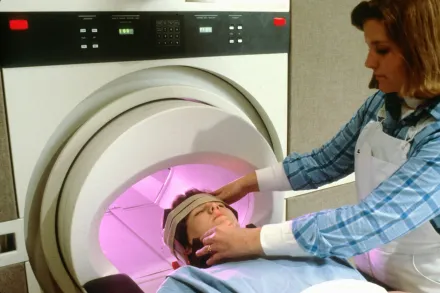
Radiation therapy is a treatment modality that uses high energy waves or particles to damage the DNA inside cancer cells, with the intention of slowing their growth or causing them to die. The same physical mechanism that targets tumor cells can also affect nearby healthy tissues, which leads to side effects. The likelihood and severity of these effects are influenced by many factors, including the type and energy of the radiation, the total dose delivered, how the dose is divided over time (a concept known as fractionation), and the specific location of the treatment. Individual variables such as age, overall health, nutritional status, existing medical conditions, and the body’s natural ability to repair tissue play a major role in shaping the side effect profile. A patient who is well nourished, well hydrated, and maintaining a steady weight often experiences fewer complications and recovers more quickly after a session. In addition, the precision of modern radiation therapy, which uses imaging to map the tumor and protect surrounding organs, has improved substantially in recent years, reducing the amount of healthy tissue exposed to high doses. Nevertheless, some degree of irritation or disruption to normal cells is expected because radiation cannot distinguish perfectly between malignant and normal tissue in the treated region. This shared vulnerability of healthy tissue explains why side effects vary so much from person to person and from one treatment area to another.
During a course of therapy, the patient’s care team tracks symptoms closely and adjusts plans as needed. The overall objective remains clear: to maximize the meaningfully beneficial impact of the radiation on the cancer while keeping side effects within a range that the patient can tolerate and manage. Communication between patient and clinician is essential in this process. If a particular side effect becomes troublesome, or if new symptoms arise, early reporting allows the team to intervene promptly, potentially preventing a complication from progressing. The landscape of side effects is dynamic, with the timing and intensity of these effects shifting over days, weeks, and sometimes months after the start of treatment. For many patients, side effects gradually subside as therapy ends and the body begins to repair itself, but some late effects may persist for months or years and require ongoing monitoring.
To understand why side effects appear in some patients and not in others, it helps to imagine the treated area as a complex system of tissues, each with different roles and tolerances. Skin, mucous membranes, glands, and organs such as the lungs, intestines, or bladder respond differently to radiation based on their level of exposure, their baseline health, and their ability to repair damage. When precise doses are delivered to a tumor, nearby tissues still absorb some energy. Those tissues react by inflaming, shedding or swelling, and sometimes by temporary changes in function. Knowledge of these mechanisms allows doctors to anticipate common problems, to educate patients about what to expect, and to design proactive strategies to minimize discomfort and maintain daily life activities during treatment.
Acute side effects that may appear during treatment
Many people experience a cluster of symptoms known as acute side effects, which typically emerge within the first days to a few weeks after starting radiation therapy. The skin in the treated area may become red, dry, or slightly irritated, particularly when a large surface is included in the treatment field. This dermatitis can feel itchy or sensitive and may look sunburned, pale, or darker than usual, depending on the person’s skin tone. The skin response is often most noticeable where the beams enter and exit the body, and it may fluctuate with the daily schedule of radiation sessions. In some patients, mild tenderness or a stinging sensation accompanies everyday activities such as touching the skin or wearing clothing. Mouth and throat tissues can become sore if the radiated area involves the head and neck; swallowing may feel uncomfortable and meals might require adjustment in texture or temperature to reduce discomfort. The bowel or bladder may exhibit a sense of urgency or mild irritation when the pelvis is treated, and some people report changes in appetite, taste sensation, or the way certain foods feel in the mouth. Fatigue is a common accompanying symptom that evolves gradually, often described as a heavy, dragging feeling that makes usual tasks feel more effortful. Sleep patterns may shift as the body responds to the ongoing treatment. Although these acute effects can be disconcerting, they are frequently reversible and tend to improve once treatment ends, though this improvement can take days to weeks.
The clinical team often provides practical guidelines tailored to the individual’s situation. These can include gentle skin care routines that avoid harsh soaps or irritants, selecting clothing made from soft fabrics to minimize rubbing, and using nonirritating moisturizers if approved by the clinician. For mouth and throat irritation, options such as saltwater rinses, hydration strategies, and nutritional adjustments may be recommended to maintain comfort and minimize risk of infection. If fatigue becomes significant, pacing activities, prioritizing rest, and planning light exercise as tolerated might help. The overarching aim is to preserve daily functioning while maintaining the integrity of the treatment plan.
Common side effects by treatment area
Radiation therapy does not affect all patients in the same way because the side effects are highly dependent on the anatomic region being treated. For those receiving radiation to the chest or breast, the skin in the chest wall can become tender or irritated, and the breast tissue may feel sore or sensitive during therapy. Some patients notice a temporary swelling or firmness in the treated breast, a reaction that often improves after completion of the course. In long courses near the heart or lungs, there is a chance of chest discomfort or a mild cough, usually due to inflammation in the surrounding tissues; careful monitoring helps distinguish reversible irritation from more serious concerns. People treated in the abdominal region may report stomach upset, slight nausea, or changes in appetite; the intestines can react with increased gas, cramping, or occasional loose stools, particularly if a portion of the abdomen is within the radiation field. When the pelvis is included in the plan, urinary frequency or discomfort may be experienced, and the rectum might respond with mild irritation or a changed pattern of stool consistency. In head and neck treatments, mucosal tissues lining the mouth and throat can become dry, sore, or sensitive, affecting eating, swallowing, and speaking. Each of these patterns has its own management approach, but the guiding principle remains the same: minimize the disruption to daily life while ensuring the cancer receives the necessary therapeutic dose.
In all regions, the magnitude of these effects is tempered by methods that focus the beam, protect critical structures, and adjust dose distribution. Technological advances have introduced increasingly precise imaging and planning tools, allowing clinicians to sculpt dose contours that conform to the tumor’s shape and spare adjacent healthy tissue. Even with these improvements, transient irritation is often unavoidable, and patients should be prepared for a journey that may include phases of both gradual adjustment and episodic symptom flare-ups. The care team may suggest strategies such as adjusting the timing of activities to accommodate fatigue, selecting foods that are easier to chew or digest, and employing protective skin care measures that are safe for the treated area.
Skin changes and radiation dermatitis
Radiation dermatitis is one of the most recognizable side effects in many patients. The skin may begin to look pink or red and may feel warm to the touch, like a sunburn. With ongoing exposure, the skin can become dry, flaky, cracked, or blistered in the most sensitive areas. The texture of the skin may change, and some people notice a slight darkening or lightening of pigment in the treated region, which often fades over time but may persist for longer in some individuals. The degree of skin reaction typically correlates with the total dose and the size of the treated area, yet individual susceptibility plays a substantial role as well. Gentle skin care becomes a central component of management. Patients are often advised to use mild cleansers, avoid perfumed products, and apply prescribed moisturizing agents or barrier creams after consulting with the healthcare team. Clothing decisions can influence comfort, with soft, loose-fitting fabrics reducing friction and irritation. The likelihood and severity of dermatitis usually follow a predictable arc: a mild reaction emerges during the early days, may peak midway through the course, and gradually improves after treatment concludes, though the tail of healing can extend for several weeks. In cases where the skin becomes painful or shows signs of infection, such as warmth, swelling, or pus, urgent consultation with the treating clinician is warranted, as infections require specific therapies.
Prevention and proactive care are often as important as treatment itself. For some patients, a carefully tailored skin care plan is incorporated as part of the daily routine, and the clinician may recommend avoiding hot baths, minimizing heat exposure, and shielding the skin from friction or chemical irritants. Adequate hydration and balanced nutrition support the healing process, and consistent monitoring ensures that any signs of a more serious reaction are addressed promptly. It is important to remember that dermatitis is usually a temporary condition linked to the treated tissue and often improves significantly after therapy ends, but some residual skin sensitivity may persist for months. The clinical team remains available to modify skin care guidance based on the evolving course of the reaction and the patient’s comfort level.
Fatigue and energy management
Fatigue is a pervasive and often underestimated challenge during radiation therapy. It is not simply a byproduct of physical exertion; it reflects the body's response to ongoing tissue repair, inflammation, and the emotional stress that can accompany a cancer diagnosis. Fatigue can fluctuate daily, with some days feeling more demanding than others. It may intensify during weeks of sustained treatment or after multiple sessions when the body has accumulated a higher stress load. The experience of fatigue is multidimensional: it encompasses physical weariness, cognitive dulness or difficulty concentrating, and a feeling of emotional heaviness. Because fatigue reduces the capacity to perform routine activities, many patients adjust schedules by prioritizing essential tasks, allowing for rest periods between activities, and weaving light activity into the day as tolerated. Gentle movement, such as short walks or stretching, often helps relieve stiffness and improves mood, though patients should avoid pushing beyond their comfort zone and should seek guidance if activity worsens symptoms. Adequate sleep hygiene, balanced meals, and consistent hydration contribute to energy levels, while strategies like planning rest after treatments can help stabilize daily energy. The care team may also review medications, nutritional supplements, or treatment timing to minimize fatigue, providing a tailored approach that respects the patient’s life outside treatment.
During treatment, fatigue can also be amplified by dehydration, illness, or poor nutrition, so attention to fluid intake and meal quality becomes important. If weight loss occurs or appetite declines, a dietitian can help design a meal plan that sustains strength and supports healing. Psychological support, mindfulness practices, and social engagement are not optional extras but integral components of managing fatigue, because mood and stress levels can profoundly influence perceived energy. As therapy concludes, many patients notice a gradual return of energy, though the pace of recovery varies. In some cases, patients may experience residual tiredness that fades slowly over weeks or months, underscoring the importance of ongoing communication with the care team about any persistent fatigue.
Digestive and urinary changes
When radiation targets the abdominal or pelvic regions, the lining of the digestive tract and the urinary system can respond with irritation. The most common digestive changes include mild nausea, a sense of fullness, changes in appetite, and a temporary shift in bowel habits such as loose stools or cramping. In some instances, people report bloating or gas that does not seem to be linked to the foods they eat, which can be uncomfortable but is usually temporary and manageable with diet adjustments. The urinary tract can become sensitive, leading to frequency, urgency, or a burning sensation during urination in particularly vulnerable patients. Hydration plays a crucial role in stabilizing these symptoms, but it must be balanced with practical considerations and medical advice, especially in individuals who already have kidney issues or other health concerns. A common approach involves adjusting meal timing, choosing easily digestible foods, and using mild ginger or peppermint options to soothe the stomach, as advised by the clinician. In many cases, symptoms peak during the middle of the course and gradually improve after treatment ends. Severe or persistent symptoms warrant evaluation to rule out infection or other conditions that may require targeted treatment.
The healthcare team often offers strategies to maintain comfort and prevent dehydration, including small, frequent meals, electrolyte-balanced beverages, and informed choices about fiber intake and texture. For pelvic radiation, clinicians may provide guidance on managing bowel movements, including timing and consistency, to reduce friction for those who sit for extended periods or engage in activities that stress the lower abdomen. A supportive care approach emphasizes patience, gradual improvement, and open reporting so that any symptom that disrupts daily life can be addressed promptly.
Hair loss and skin pigment changes
Hair loss in radiation regions often accompanies treatment to the head or neck but may also occur in areas like the chest or pubic region if those regions are included in the radiation field. Unlike chemotherapy-induced hair loss, radiation-related thinning or loss occurs in a predictable stripe or patch corresponding to the treated area. In many cases, hair regrows after therapy ends, though the texture or color may differ slightly from the original. The regrowth can be slow and inconsistent in some patients, and in rare instances hair may not return to its previous state. Skin pigment changes can accompany dermatitis, with areas of lighter or darker skin appearing as the tissue heals. These changes usually become more evident as the skin recovers and may persist for months or longer in some individuals. While cosmetic concerns are real and can affect self-image, clinicians work with patients to explore options that align with their personal preferences and treatment goals, including guidance on sunscreen, clothing choices, and, if appropriate, cosmetic alternatives.
Patients who experience hair or pigment changes should discuss any anticipated impact on self-esteem or daily life with their care team. Emotional support, counseling, and peer networks can help with coping, and discussing these concerns openly often leads to practical strategies that improve quality of life during recovery.
Salivary glands and mouth health
When radiation involves the head and neck region, the salivary glands can be affected, leading to reduced saliva production, a condition known as xerostomia. Saliva plays a key role in lubricating the mouth, supporting swallowing, and protecting teeth from decay. A dry mouth can be uncomfortable, increase the risk of dental problems, and alter taste sensation. Patients may notice that foods become less enjoyable or that certain textures feel different, which can influence appetite and nutrition. In addition, the mucous membranes lining the mouth and throat may become inflamed, contributing to mouth sores or a burning sensation. The combination of dryness and irritation can also make dental hygiene more challenging, underscoring the importance of regular dental care during and after radiation therapy. Clinicians may advise saliva substitutes, meticulous oral hygiene, flavored sugar-free lozenges, and specific mouth rinses that help keep tissues moist and reduce discomfort. Nutritional counseling becomes particularly relevant in this context to maintain adequate intake and support healing.
Long-term monitoring is essential because changes in salivary flow can persist for an extended period after therapy ends. Some people experience partial recovery of saliva production over time, while others may have ongoing dryness requiring supportive care. The medical team can tailor strategies to protect teeth, minimize infections, and maintain comfort, thereby preserving the patient’s enjoyment of meals and overall well-being.
Breathing and lung-related effects
Radiation directed at the chest or surrounding thoracic structures can affect the lungs and airways. Common early respiratory symptoms include a mild cough or a feeling of heaviness in the chest, which often reflects temporary inflammation of lung tissue known as pneumonitis. Pneumonitis typically develops weeks to a few months after treatment begins and can cause shortness of breath, chest discomfort, or fatigue related to reduced oxygen intake. Fortunately, in many patients this inflammation improves with time and responds to supportive care, such as breathing exercises or medications prescribed by the clinician. In some individuals, especially those who receive higher doses or have preexisting lung conditions, scarring or fibrosis can develop later, potentially leading to persistent shortness of breath or changes in lung capacity. The likelihood and severity of late lung effects are heavily influenced by the amount of lung tissue exposed, the overall lung health, and ongoing smoking status. Regular checkups, pulmonary function tests when indicated, and timely management of respiratory symptoms are important components of care both during and after radiotherapy.
While the prospect of lung-related side effects may raise concerns, it is important to remember that many patients tolerate chest radiation well and maintain a good quality of life. Healthcare teams emphasize early recognition of symptoms, prompt treatment of inflammation, and tailored rehabilitation strategies to preserve lung function. If breathing becomes more difficult, clinicians may adjust treatment plans or provide supportive therapies to ease symptoms while continuing cancer control efforts.
Heart, thyroid, and nerve system effects
Radiation exposure near the heart, neck, or spine carries a potential risk for late effects on cardiovascular health. In some cases, patients may experience fluctuations in blood pressure, changes in rhythm, or mild chest discomfort years after therapy, particularly if a significant portion of the heart received exposure. Moreover, radiation targeting the neck can impact the thyroid gland, potentially leading to hypothyroidism many months or even years after treatment. Symptoms such as fatigue, weight changes, cold intolerance, and mood alterations may emerge as the thyroid slows its hormone production. Regular monitoring of thyroid function helps identify these changes early, and hormone replacement therapy can effectively restore balance for most patients, though timing and dosing require individualized assessment. Nerve-related effects are less common but can occur when the spinal cord or peripheral nerves near the treated area are affected. Such issues might present as tingling, numbness, weakness, or altered sensation. The appearance of any new neurological symptoms warrants immediate medical attention to determine whether they are linked to radiation exposure or another medical cause.
In all cases, the goal is to preserve essential functions while ensuring that the cancer control remains strong. The care team often discusses cardiovascular risk factors, thyroid screening intervals, and neurological evaluations as part of a long-term survivorship plan. Patients who have existing heart or thyroid conditions benefit from collaboration between their oncologist and their primary care physician to optimize management during and after radiation therapy.
Effects in children and young people
Growing bodies respond differently to radiation, and younger patients require careful consideration of long-term effects. In children, radiation can influence growth plates, developing organs, and cognitive development in specific brain-targeted therapies. Short-term side effects may include skin irritation, fatigue, and changes in appetite, but the emphasis in pediatric care is on protecting growth potential while ensuring effective cancer control. The medical team often uses tailored plans that minimize exposure to healthy tissue, employs age-appropriate support services, and coordinates with pediatric specialists such as endocrinologists, nutritionists, and psychologists to address the unique needs of a growing child. Long-term follow-up is particularly important in this population, with regular checks to monitor growth, educational development, endocrine function, hearing and vision, and heart and lung capacity as the child matures. Parents and caregivers play a central role in monitoring changes at home and maintaining open lines of communication with the treatment team to safeguard both immediate well-being and future health.
Education and psychosocial support are essential for young patients and their families. The experience of cancer treatment in childhood can affect school performance, social interactions, and emotional resilience, so clinicians frequently connect families with school liaison services, counseling resources, and peer networks that help ease the journey through treatment and into recovery. When possible, plans are made to preserve the child’s normal activities and to foster a sense of continuity in daily routines, which can have lasting benefits for emotional and cognitive development.
Recovery and long-term monitoring
Even after radiation therapy completes, the healing process continues. Acute side effects typically diminish as new cells replace damaged tissue, and most patients notice a steady improvement in symptoms within weeks. However, some late effects may appear months or years later, underscoring the importance of ongoing follow-up care. Late effects can involve the same organ systems that received radiation, but they may manifest in different ways or at different times compared with the acute phase. For example, a person treated in the pelvic region might develop bowel or bladder changes years later, while a patient with chest radiation could experience subtle cardiac or pulmonary symptoms years down the line. Regular surveillance through physical exams, imaging when indicated, and laboratory tests helps detect these late effects early, when they are easier to manage. Survivorship plans often include lifestyle recommendations, vaccination guidance, and strategies to maintain general health, such as maintaining a healthy weight, staying physically active within individual limits, and avoiding tobacco exposure. The goal of follow-up is not only to monitor for recurrence but also to preserve quality of life and promote resilience as the person transitions from active treatment to longer-term recovery.
Long-term monitoring also addresses the risk of delayed skin changes, persistent dryness, or pigment differences that may require dermatologic care or cosmetic planning. In addition, mental health support remains important long after treatment ends, because the emotional impact of cancer therapy can linger. Patients are encouraged to maintain open lines of communication with their healthcare team, to report new or changing symptoms promptly, and to engage in preventive health measures that reduce the likelihood of other health problems. A comprehensive survivorship approach recognizes that healing encompasses physical, emotional, and social dimensions, and it seeks to empower individuals to return to their daily activities with confidence and support.
Managing side effects and what to discuss with your care team
Effective management of radiation-related side effects hinges on proactive communication and personalized care. Patients are encouraged to discuss any symptom that interferes with eating, sleeping, work, school, or daily functioning. Early reporting can help clinicians adjust the treatment plan when feasible, offer supportive medications, or introduce practical interventions to ease discomfort. Management strategies are diverse and tailored; they may include topical treatments for skin irritation, medications to control nausea or diarrhea, swallowing aids or mouth rinses for mucosal irritation, and pain relief options that balance relief with the goal of preserving function. Clinicians may also propose dose adjustments or schedule modifications if side effects become challenging to manage, especially in the presence of additional health issues. Nutrition and hydration fill an essential role in maintaining strength and accelerating healing, so referrals to dietitians or nutrition specialists are common. Physical therapy or respiratory rehab can support lung or chest-related symptoms, while sleep hygiene recommendations and stress reduction techniques address fatigue and mental well-being. Always clarify which symptoms require urgent attention, such as signs of infection, severe dehydration, uncontrolled vomiting, high fever, chest pain, or sudden shortness of breath, since these can indicate complications needing immediate care.
Engaging family and caregivers in the conversation can also improve outcomes, because support networks help patients adhere to skin care routines, meal plans, and medication schedules. Patients should keep a personal log of symptoms, treatments received, and responses, which becomes a valuable resource during follow-up visits. This collaborative approach fosters reassurance, helps align expectations, and enhances the patient’s sense of control during a challenging period.
Diet, hydration, and lifestyle during therapy
Nutrition and hydration are foundational to tolerating radiation therapy well. A balanced diet rich in fruits, vegetables, lean proteins, whole grains, and adequate fluids supports tissue repair, energy levels, and immune function. Some patients experience taste changes, mouth irritation, or digestion problems that make eating less appealing; in these cases, small, frequent meals, soft textures, and temperature adjustments can improve comfort and intake. Staying hydrated helps reduce fatigue, support kidney function, and ease urinary symptoms. The care team may recommend a hydration target tailored to the individual, taking into account kidney health, diuretic use, and climate. When appetite is limited, a registered dietitian can suggest nutrient-dense options and, if necessary, supplements that do not interfere with therapy. Physical activity, as tolerated, can preserve muscle strength, improve mood, and support overall well-being, while gentle routines can be adapted to energy levels on particular days. Lifestyle choices, including stress management, regular sleep patterns, and avoidance of tobacco and excessive alcohol, also contribute to resilience during treatment and recovery.
Patients often find that planning ahead reduces stress. Preparing meals in advance, arranging transportation for treatment days, and setting realistic goals help maintain a sense of normalcy. In some cases, medical devices or simple aids, such as mouth lubricants or barrier creams, can relieve symptoms and protect tissues during therapy. Working closely with the treatment team ensures that dietary strategies remain compatible with the cancer plan and responsive to evolving symptoms.
Psychological impact and support resources
The experience of radiation therapy can trigger a spectrum of feelings, from concern and fear to frustration and relief. The psychological effects may arise from the diagnosis itself, the physical changes brought on by treatment, or the disruption to ordinary routines. Acknowledging these emotions is an important step in maintaining overall health. Patients benefit from access to counseling services, support groups, and resources that address coping strategies, stress management, and decision-making during a time of uncertainty. Caregivers and family members also require support, because their well-being directly influences the patient’s experience and adherence to treatment plans. Mental health professionals, social workers, and patient navigators can help families navigate practical challenges, such as transportation, finances, and communication with various members of the healthcare team. Encouraging open conversations about fears, expectations, and goals enables patients to participate actively in their care and fosters a sense of partnership with clinicians. In many clinics, integrative approaches such as mindfulness, gentle exercise, and peer-led discussions are offered to complement medical treatment and enhance quality of life throughout the treatment journey.
Understanding radiation therapy side effects involves recognizing that each symptom has a context and a potential path to improvement. While the prospect of side effects can be daunting, healthcare providers aim to prepare patients with clear information, practical steps, and timely interventions. The individual plan reflects the patient’s values, needs, and priorities, ensuring that cancer control remains the central objective while preserving comfort and dignity. This balanced approach, built on education, communication, and supportive care, equips patients to navigate the treatment experience with confidence and resilience, regardless of the complexity of symptoms that may arise.