Radiation oncology is a specialized medical field that sits at the intersection of physics, biology, and clinical care, dedicated to the diagnosis, treatment, and ongoing management of cancer using ionizing radiation. The discipline grew from a convergence of scientists who sought to understand how high energy particles interact with cellular structures, and clinicians who recognized the potential to destroy malignant cells while preserving as much healthy tissue as possible. Over the decades, advances in imaging, treatment planning, and biological insights have transformed radiation therapy from a crude and empirical practice into a precise, personalized modality that can be tailored to the unique biology and anatomy of each patient. This evolving specialty requires a collaborative framework among radiation oncologists, medical physicists, dosimetrists, radiation therapists, radiobiologists, and surgeons, all aligning their expertise to optimize outcomes and minimize harm. The practice rests on a firm foundation of physics principles, an intricate understanding of cellular responses to radiation, and a patient centered approach that respects dignity, preferences, and quality of life as core to the therapeutic equation.
What is Radiation Oncology
At its core, radiation oncology focuses on using controlled doses of ionizing radiation to eradicate cancer cells while sparing normal tissues. The process begins with a diagnostic workup that confirms the cancer type, stage, and location, followed by careful deliberation about whether radiation will play a primary role, a complementary role, or a palliative one. Radiation is unique among cancer therapies because it can be delivered externally, from machines outside the body, or internally, through implants or radioactive substances placed near or within tumors. The ultimate goal is to maximize tumor control probability while minimizing normal tissue complication probability, a balance achieved through meticulous planning, precise delivery, and ongoing assessment. Throughout treatment, clinicians monitor the patient for response and tolerance, adjusting strategies as necessary to address changes in the tumor or in the patient’s health status. This field embraces both the artistry of individualized care and the rigor of scientific evidence, ensuring that each plan is built on data, technology, and compassion.
The core objective of radiation oncology is to apply a carefully calibrated amount of energy to malignant cells that disrupts essential biological processes, leading to cell death or permanent growth arrest. The radiation beams are designed to exploit differences between cancerous and normal tissues in ways that reduce collateral damage. In practice, radiotherapy is frequently integrated with surgery, systemic therapies such as chemotherapy or targeted agents, and immunotherapy, forming comprehensive treatment regimens that can be sequenced or combined to enhance effectiveness. Decisions about indication, dose, fractionation, and treatment duration are informed by tumor biology, tissue sensitivity to radiation, and the patient’s overall fitness. The field continually evolves as new evidence emerges, enabling clinicians to refine protocols and adopt innovative techniques that extend the boundaries of what is possible in cancer care.
The Physics Behind Radiation Therapy
The science of radiation oncology relies on a deep understanding of how energy deposited by radiation interacts with matter. Photons, electrons, protons, and heavy ions each have distinct physical properties that influence how energy is distributed within the body. The concept of absorbed dose, typically measured in grays, quantifies the amount of energy delivered per unit mass and forms the basis for comparing treatment plans. Modern machines use sophisticated beam shaping, steering, and modulation technologies so that high doses conform tightly to the tumor while surrounding healthy tissues receive lower exposures. Techniques such as three dimensional imaging, computer optimized dose calculations, and intensity modulated radiotherapy enable clinicians to sculpt dose distributions with remarkable precision. The physics framework is complemented by dosimetric quality assurance programs that verify treatment plans and machine performance before and during therapy, ensuring patient safety and treatment fidelity. The synergy between physics and medicine is central to achieving consistent, reproducible outcomes across diverse patient populations.
From a safety perspective, rigorous protocols govern how radiation is produced, delivered, and monitored. Shielding design, machine calibrations, patient positioning procedures, and interlock systems are part of a broader culture of safety that seeks to minimize exposure to therapists and other staff while maintaining treatment accuracy. As technology advances, new modalities such as highly precise particle therapy and adaptive approaches that respond to changes in anatomy during treatment offer opportunities to further refine the distribution of energy. Yet with greater precision comes the responsibility to understand potential risks, manage uncertainties, and communicate clearly with patients about the benefits and limitations of each approach. The physics underpinning radiation therapy is not a distant abstraction; it is a practical toolkit that guides every clinical decision in real time and over the course of a patient’s journey.
Biology of Radiation Response
Radiation interacts with cells at multiple levels, triggering a cascade of molecular events that eventually determine cell fate. At the cellular level, DNA damage occurs when the radiation disrupts the integrity of genetic material, creating breaks that can be misrepaired or left unrepaired. Cancer cells often exhibit defects in DNA repair pathways, rendering them more sensitive to radiation compared with most normal cells. This differential sensitivity underpins the therapeutic window that clinicians strive to exploit. The biological response to radiation is not uniform; it varies according to tumor histology, oxygenation status, metabolic activity, and the microenvironment surrounding the tumor, including the presence of stromal cells and immune components. Understanding these nuances helps clinicians predict tumor control probabilities and the risks of side effects for different tissue types. Ongoing research continues to map the heterogeneity of responses across cancers, paving the way for biomarker driven customization of dose and scheduling.
In addition to direct DNA damage, radiation can influence the tumor microenvironment and mobilize immune responses. Radiation-induced changes can alter the expression of antigens, modulate inflammatory signaling, and potentially augment the effectiveness of systemic therapies such as immunotherapy. These immunomodulatory effects are a focus of contemporary investigations seeking to harness synergy between local radiotherapy and systemic approaches to cancer control. The biology of radiation also encompasses effects on normal tissues, where cell turnover, vascular integrity, and stem cell populations determine the likelihood and severity of acute and late toxicities. A deep appreciation of these biological processes informs treatment planning, patient counseling, and strategies to mitigate adverse outcomes without compromising tumor control.
Imaging and Treatment Planning
Imaging is the visual language of radiation oncology, translating anatomy, function, and physiology into actionable information for planning. Modern radiotherapy relies on a combination of anatomical imaging, such as computed tomography and magnetic resonance imaging, with functional or molecular imaging that highlights regions of metabolic activity, hypoxia, or specific receptor expression. The integration of imaging data into treatment planning allows clinicians to delineate target volumes with precision and to identify critical organs at risk that must be spared. The planning process involves translating this information into a dose distribution that achieves the desired tumor coverage while maintaining safety margins around sensitive structures. Advanced planning algorithms simulate how beams traverse tissues, account for patient movement, and adapt to changes in anatomy over the course of treatment. Throughout this workflow, the aim is to create a personalized map that guides the delivery system to deposit energy exactly where it is needed, with robust verification to protect patient safety.
During treatment, image guided radiotherapy uses repeat imaging to verify patient positioning and anatomical changes in real time or near real time. This capability allows adjustments to beam angles, shapes, and energies to preserve plan integrity even as a patient’s weight, posture, or internal organ motion evolves. The fusion of imaging with planning also enables adaptive radiotherapy, where the plan is modified in response to observed tumor shrinkage or growth during the treatment course. Such adaptability demands a tight loop between imaging, physics, and clinical judgment, along with clear communication with patients about what changes mean for their therapy. The net effect is a treatment process that continuously aligns with the evolving portrait of the patient’s disease, reinforcing the commitment to precision and personalization that defines contemporary radiation oncology.
Treatment Modalities and Techniques
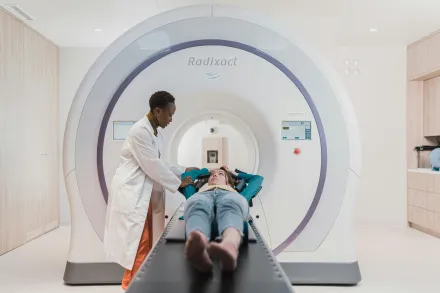
Radiation therapy employs a spectrum of modalities that can be selected or combined to address a wide array of cancers. External beam radiotherapy delivers high energy beams from outside the body, shaped and modulated to target tumors while reducing exposure to surrounding tissue. Brachytherapy places radioactive sources directly inside or near the tumor, achieving a steep dose falloff that can be particularly advantageous for certain sites, such as gynecologic, prostate, or head and neck cancers. Systemic radiopharmaceutical therapy uses radioactive drugs that preferentially localize to tumor tissue, offering therapeutic effects for specific malignancies like bone metastases or certain hematologic diseases. Each modality has distinct physical characteristics, dose rates, and logistic considerations, and the selection is guided by tumor biology, anatomic constraints, prior treatments, and patient preferences. The increasing availability of image guided and motion managed techniques further enhances the precision with which these modalities can be delivered, expanding the range of cancers that can be treated with curative intent or meaningful palliation.
In addition to traditional modalities, innovative approaches such as stereotactic body radiotherapy provide highly conformal doses in a small number of fractions, delivering ablative levels of energy to small targets while protecting nearby organs. Proton therapy and other particle therapies exploit different physical properties to further limit dose to normal tissue, a feature that is particularly relevant for tumors near critical structures or in pediatric patients whose developing tissues are especially sensitive to radiation. The decision to use one modality over another is never one-size-fits-all; it rests on a careful synthesis of tumor control probability, normal tissue complication probability, patient comorbidities, logistical feasibility, and the values and goals expressed by the patient. The field embraces a diverse toolkit that can be matched to the complexities of individual clinical scenarios, underscoring the importance of personalized care in modern cancer treatment.
Quality Assurance and Safety in Practice
Quality assurance is the backbone of safe and effective radiation therapy. It encompasses all steps from imaging and planning to machine performance and treatment delivery. Before a patient begins treatment, plans undergo rigorous reviews to confirm that dose calculations reflect the intended targets, that organs at risk are appropriately constrained, and that the plan adheres to institutional protocols and national guidelines. During treatment, daily and weekly checks verify patient setup, machine calibration, and reproducibility of beam parameters. Any discrepancies trigger corrective actions to safeguard the patient and preserve treatment integrity. From a cultural perspective, safety in radiation oncology extends beyond technical compliance; it requires open communication, a nonpunitive environment for reporting near misses, and ongoing education that keeps every team member current with evolving standards. This comprehensive safety ecosystem ensures that patients receive consistent, high quality care across different sites and eras of technology. The ultimate measure of success is not only tumor control but also the minimization of acute and late toxicities that could impair quality of life years after therapy ends.
Another layer of QA involves patient-specific considerations such as motion management, organ filling status, and daily physiological variations. Techniques to counteract motion, including breath-hold strategies, breath coaching, and real-time tracking, contribute to the fidelity of dose delivery. In pediatric or elderly populations, additional attention to sedation needs, comfort, and psychological support helps reduce anxiety and facilitate adherence to treatment protocols. As the field develops, data sharing and standardized reporting enable benchmarking against best practices and foster continuous improvement. The convergence of meticulous planning, rigorous verification, and compassionate care defines the safety ethos that makes radiation therapy a trusted option for many patients facing cancer.
Personalized Medicine and Genomics in Radiation Oncology
The era of personalized medicine has reached radiation oncology through efforts to tailor treatment to a tumor’s molecular profile and a patient’s genetic makeup. Genomic and molecular information can influence decisions about dose intensity, fractionation schemes, and the integration of radiosensitizers or protective strategies for normal tissues. Biomarkers that reflect hypoxia, proliferation, or DNA repair capacity offer the potential to predict treatment response and guide adaptive approaches. Additionally, germline genetics can reveal predispositions to certain toxicities, guiding supportive measures and surveillance strategies. While not every cancer currently benefits from genomic-guided radiotherapy, ongoing research aims to uncover robust predictors that translate into clinically meaningful adjustments. The promise lies in selecting the most effective combination of radiation with systemic therapies for each individual, rather than applying a universal protocol to all patients with a given histology.
Beyond biomarkers, the synergy between radiation and immunotherapy represents a frontier where biology informs practice. Radiation can alter the tumor milieu in ways that enhance immune recognition, potentially converting some tumors into more visible targets for immune-based treatments. Clinical trials explore sequencing, dosing, and patient selection to maximize this synergy while monitoring for additive toxicities. The movement toward precision radiotherapy integrates physiologic imaging, molecular characterization, and patient values to craft treatment plans that are both scientifically grounded and personally meaningful. As such, radiation oncology is increasingly a discipline that blends computational analytics, laboratory science, and empathetic patient care to deliver nuanced, evidence-based therapies.
Patient Experience and Care Pathways
The journey through radiation therapy begins with education and shared decision making. Patients often seek clarity about why radiation is recommended, what the treatment involves, how many visits are anticipated, and what side effects might arise. Educational materials, pre-treatment consultations, and patient navigators play important roles in demystifying the process and aligning expectations with likely outcomes. The care pathway typically involves an initial consultation, a planning session where imaging and contours are defined, a simulation or rehearsal of setup, and the actual treatment series. Throughout this trajectory, therapists and clinicians strive to minimize the time burden on patients, accommodate daily routines, and preserve overall well-being. Emotional support, access to nutrition and physical therapy resources, and fertility considerations where relevant are integrated into holistic care plans designed to support patients beyond tumor control.
The patient experience also encompasses survivorship planning, as many individuals live for years after treatment with ongoing surveillance for recurrence and late effects. Survivors may grapple with fatigue, dryness, cognitive changes, or organ-specific symptoms that become part of the long-term care conversation. Multidisciplinary teams coordinate to address these evolving needs, ensuring continuity of care across primary and specialty services. A patient-centric approach recognizes that the success of radiotherapy is not measured solely by tumor metrics but by the preservation of function, independence, and meaningful quality of life. In this spirit, clinicians endeavor to maintain transparent communication, validate patient concerns, and support informed choices at every juncture of the treatment journey.
Side Effects and Supportive Care
Every therapeutic intervention carries potential risks, and radiation therapy is no exception. Acute effects can include skin irritation, fatigue, soreness, or transient gastrointestinal symptoms depending on the treated region. Late effects, which may manifest months to years after treatment, can involve tissue fibrosis, organ dysfunction, or changes in hormonal balance, among other possibilities. The likelihood and severity of these effects are influenced by radiation dose, fractionation, treatment volume, age, comorbidities, and prior therapies. Proactive management strategies emphasize skin care, pain control, nutrition, physical activity, and symptom monitoring to catch complications early. Supportive care encompasses rehabilitation services, psychosocial support, fertility counseling, and palliative approaches when cure is not feasible. The overarching aim is to maintain the patient’s dignity and function while maximizing comfort and symptom relief during and after therapy.
Effective communication is essential in discussing side effects. Clinicians explain the rationale for predicted toxicities, set realistic expectations, and outline practical measures to mitigate them. Patients are encouraged to report new or worsening symptoms promptly so that interventions such as medications, adjustments to daily routines, or temporary treatment hold can be implemented. This collaborative model of care treats adverse effects as manageable challenges rather than insurmountable obstacles, reinforcing the patient’s agency in their own healing process. In many cases, symptom management and supportive therapies not only improve comfort but also enable patients to complete the prescribed course of radiation with minimal disruptions to their overall health and daily lives.
Ethical and Societal Considerations
The practice of radiation oncology is framed by ethical principles that emphasize patient autonomy, beneficence, nonmaleficence, and justice. Decisions about who should receive radiotherapy, the allocation of scarce resources, and access to advanced technologies must be guided by fairness and transparency. In diverse populations, disparities in access to high quality radiotherapy persist, influenced by geographic, socioeconomic, and systemic factors. Addressing these gaps requires policy advocacy, resource allocation, and innovative care delivery models that bring expertise and equipment to underserved communities. Clinicians also navigate complex conversations about prognosis, goals of care, and preferences, honoring the patient’s values while providing candid information to help informed choice. As technologies evolve, ethical stewardship includes ensuring equitable access, protecting patient privacy in data-driven approaches, and balancing innovation with proven benefit for each patient’s circumstances.
The field also faces ongoing considerations regarding dose optimization, balancing tumor control against potential harms to normal tissues, and ensuring that patients understand the rationale behind complex treatment regimens. In pediatric populations, special care is required to minimize growth-related risks and lifelong consequences, while in elderly patients, considerations of frailty and competing comorbidities guide shared decisions about treatment intensity. Collaboration with families, caregivers, and social workers helps build a supportive framework around the patient, aligning medical goals with the person’s broader life context. The ethical landscape in radiation oncology continues to evolve as society integrates patient voices, advances in technology, and new scientific knowledge into everyday clinical practice.
Global Access, Education, and Workforce Development
Access to high quality radiation therapy remains a global health priority because it is a potent, cost effective modality for many cancers. In some regions, infrastructure and trained personnel are limited, creating disparities in outcomes that emphasize the need for investment in equipment, training, and safe practice standards. International collaborations, telemedicine, and standardized curricula help accelerate knowledge transfer, improve quality assurance, and support sustainable service delivery. Education extends beyond clinicians to include patients, families, and communities, empowering people to seek timely care and participate meaningfully in treatment decisions. Workforce development focuses on cultivating skilled medical physicists, radiation therapists, dosimetrists, and clinicians who can operate sophisticated equipment, interpret complex imaging, and apply evolving guidelines to real world settings. The global effort is about building capacity, sharing best practices, and ensuring that every person who could benefit from radiotherapy has a fair opportunity to receive it, regardless of where they live.
As technologies become more accessible, training must keep pace with the rate of change. Simulation laboratories, online courses, and hands on mentorship programs support ongoing professional development for the radiation oncology team. Research training, data science literacy, and interdisciplinary collaboration are essential to staying current with rapidly evolving standards of care. Public health messaging about the value of radiotherapy, survivor support networks, and patient advocacy groups all contribute to a more informed, engaged, and resilient cancer care ecosystem. In short, expanding access and elevating education are inseparable from the clinical advances that define radiation oncology and are critical to achieving equitable outcomes on a global scale.
Interdisciplinary Collaboration and the Patient Journey
Radiation oncology thrives on collaboration with a wide range of specialties, including surgery, medical oncology, pathology, radiology, nuclear medicine, rehabilitation services, and palliative care. Each discipline contributes a unique perspective that enriches treatment planning and supports comprehensive patient care. The patient’s journey typically involves multiple encounters across teams, from diagnostic consultations through planning sessions to follow up visits and survivorship care. This integrated approach enhances decision making, ensures continuity, and reduces the likelihood of fragmentation that can complicate recovery. Effective communication channels and shared electronic records help synchronize efforts, while regular tumor boards provide a forum for collective deliberation about challenging cases. The essence of this collaborative model is a shared commitment to the patient’s well being, the pursuit of best available evidence, and the continual refinement of practice through experience and inquiry.
In many centers, patient centered rounds, multidisciplinary clinics, and survivorship programs create structured pathways that support efficient, compassionate care. Clinicians practice with an understanding that cancer care is not solely about eradicating disease but about preserving dignity, autonomy, and the ability to lead a meaningful life during and after treatment. The integration of psychosocial support, spiritual care, nutrition, and physical rehabilitation complements the technical aspects of radiotherapy, ensuring that healing is approached in a holistic, humanizing way. The patient’s voice remains central in every decision, and the healthcare team remains accountable to that voice as therapy progresses and evolves in response to goals and outcomes.
Future Directions and Innovations
As science pushes forward, radiation oncology continues to integrate advances from multiple domains. Developments in imaging, computing, and artificial intelligence promise to enhance target delineation, automate routine planning tasks, and improve reproducibility across centers. Real time adaptive radiotherapy, where plans are modified during a treatment session based on live imaging, holds potential to further reduce exposure to healthy tissues and tighten control over tumor geometry. In parallel, research into radioprotectors and radiomitigators aims to lessen the burden of side effects for patients while maintaining or increasing tumor kill. The exploration of combination therapies seeks to exploit synergistic effects between radiation and targeted therapies or immunotherapy in ways that individual modalities cannot achieve alone. The future of radiation oncology is characterized by a move toward highly individualized, evidence based strategies that respect patient preferences and deliver durable cancer control with minimal disruption to daily life.
A central challenge remains translating scientific insights into widely accessible, high quality care. This requires not only technological breakthroughs but also thoughtful policy design, sustainable funding models, and robust training pipelines. As patient populations diversify and cancer biology reveals new complexities, clinicians will rely increasingly on collaborative networks, data sharing, and standardized quality measures to ensure that innovations reach every patient in a timely and equitable manner. The ongoing evolution of radiation oncology is a testament to the power of multidisciplinary science translated into practical healing, and it reflects a steadfast commitment to alleviating suffering while advancing knowledge in the service of human health. By embracing curiosity, rigor, and empathy, the field continues to broaden the horizons of what is possible in cancer treatment and survivorship.