Since ancient times, human beings have sought to alter the body in order to relieve pain, restore function, and extend life. Surgery occupies a unique space in medicine as a discipline that translates understanding of anatomy, physiology, and pathology into tangible change in the living organism. It is neither a mere technical craft nor a distant ideal of intervention; it is a structured process that begins with asking a question about what constitutes a disease state, continues with careful evaluation, and culminates in a controlled act that aims to restore balance within the body's systems. The role of surgery in treating diseases is best understood not as a single method but as a flexible framework that adapts to the spectrum of illness, the preferences of patients, and the evolving evidence that guides practice. In this view, surgery complements medical therapies, supports rehabilitation, and often proves decisive when nonoperative options fail to achieve durable relief.
Historical foundations of surgical intervention
In the earliest eras, surgical acts were embedded in ritual and rudimentary technique, yet even then the impulse to remove diseased tissue, to repair a rupture, or to drain an abscess displayed a practical instinct that would shape medical care for centuries. The maturation of surgical science depended on improving sterility, refining instrumentation, and expanding anatomical knowledge. Across the Renaissance and into the modern era, surgeons began to view the body as a dynamic system whose structure and function could be selectively modified without destroying life itself. Innovations such as anesthesia, antisepsis, and imaging transformed surgery from a perilous ordeal into a disciplined practice capable of precise and reproducible outcomes. This historical arc established a durable expectation that surgery could be tailored to conditions ranging from trauma to congenital anomalies, from neoplasms to chronic degenerative diseases, with a measurable emphasis on safety and patient benefit.
Defining the scope of surgery in contemporary medicine
Today, surgery is a broad field that encompasses procedures aimed at diagnosis, treatment, palliation, and rehabilitation. In the diagnostic realm, procedures such as biopsies or minimally invasive explorations can reveal the nature of a pathology and guide further therapy. Therapeutic surgery seeks to remove disease, restore anatomy, or reconstruct function, often through precise excision, restoration of continuity, or replacement of damaged tissues. Palliation focuses on relieving symptoms when cure is not feasible, while rehabilitation-oriented operations aim to optimize recovery and preserve quality of life after treatment. The scope of surgical care extends across organ systems, from the brain and cardiovascular apparatus to the digestive tract, lungs, limbs, and soft tissues, reflecting the intertwined relationships between structure, function, and the patient’s overall health status. In this landscape, surgery is not a one-size-fits-all tool but a diversified set of options chosen through careful reasoning and shared decision making with patients and families.
Indications for surgery and patient selection
Indications for surgical intervention arise when a disease process threatens life, causes irreversible impairment, or imposes substantial limitations on daily functioning that cannot be adequately addressed by nonoperative measures. The decision to operate requires a thoughtful appraisal of risks and benefits, the natural history of the condition, and the patient’s goals and values. In selecting candidates for surgery, clinicians weigh factors such as the severity of symptoms, the stage of disease, comorbid conditions, and the likelihood of meaningful improvement after the procedure. Patient preferences, including how risks are perceived and the anticipated impact on independence, are essential to shared decision making. The timing of surgery matters as well; operating too late may miss a window of opportunity for cure, while operating too early could expose a patient to unnecessary risks. A holistic assessment that integrates physical health, mental well-being, and social support systems helps ensure that the choice to proceed with surgery is well grounded and ethically sound.
Breath of surgical approaches: open, minimally invasive, and hybrid techniques
The repertoire of surgical techniques has expanded dramatically in recent decades, offering a spectrum of approaches that balance invasiveness, precision, and recovery trajectories. Open surgery provides direct access and broad visualization, which can be advantageous for complex pathology or when tactile feedback is essential. Minimally invasive methods, including laparoscopic, thoracoscopic, endoscopic, and robotic-assisted techniques, prioritize smaller incisions, reduced tissue disruption, and often faster recuperation, while relying on imaging guidance and specialized instrumentation to achieve comparable or superior outcomes. Hybrid approaches combine elements of different modalities to tailor treatment to individual circumstances. The choice among these options is guided by the anatomic location of disease, the surgeon’s expertise, the patient’s anatomy, and the anticipated impact on organ function. In many cases, a staged or combined strategy may be employed to optimize safety and efficacy while maintaining a clear focus on the patient’s long-term health goals.
Preoperative assessment and patient optimization
Effective surgical care begins before the first incision, with a thorough preoperative evaluation designed to identify risk, optimize health, and plan the procedure in detail. This process includes reviewing medical history, summarizing current medications, and evaluating organ function through targeted testing. It also involves risk stratification for anesthesia, assessment of cardiovascular and respiratory reserve, and consideration of nutritional status and functional capacity. When modifiable risks are identified, targeted optimization can reduce the likelihood of complications after surgery. Prehabilitation programs that emphasize gradual physical conditioning, nutritional support, smoking cessation, and psychosocial preparation have emerged as valuable adjuncts to surgical planning, helping patients enter the operating room in the best possible condition and emerge into a smoother recovery trajectory. The emphasis in this phase is collaborative communication, ensuring that patients understand the plan, the alternatives, and the expected course of recovery.
Intraoperative decision making, anesthesia, and the surgical craft
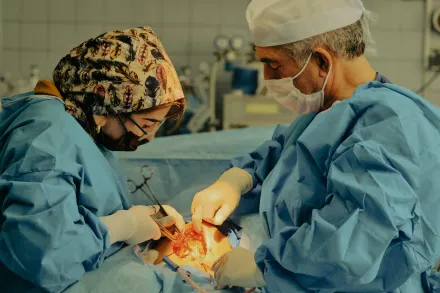
The intraoperative period concerns the execution of a well-conceived plan while maintaining safety, adaptability, and precision. Anesthesia plays a central role, providing both analgesia and unconscious or sedated states that facilitate meticulous work while preserving physiology. The surgeon’s craft combines technical skill with real-time decision making, responding to unexpected findings, balancing oncologic or functional aims against potential harm, and preserving critical structures. Advanced visualization, carefully chosen instruments, and measures to minimize tissue trauma are part of the daily practice that shapes outcomes. Effective teamwork, streamlined communication, and vigilant monitoring in the operating room help reduce errors and support rapid responses if complications arise. The intraoperative phase ends with deliberate closure, verification of hemostasis, and a clear plan for immediate and longer-term postoperative care.
Postoperative care, recovery pathways, and rehabilitation
The immediate postoperative period is defined by stabilization, pain control, and the early assessment of organ function. Pain management strategies that reduce narcotic use where possible, along with multimodal approaches, contribute to smoother recovery. Early mobilization, respiratory exercises, and wound care prevent complications and promote return to daily activities. Recovery pathways vary by procedure and patient resilience, yet they share the common goal of restoring independence and functionality as quickly and safely as possible. Adequate nutrition, infection prevention, and close surveillance for signs of complications form the backbone of this phase. Rehabilitation often involves physical therapy, occupational therapy, and strategies to reintegrate patients into their communities, workplaces, and family life, thereby extending the benefits of surgical intervention beyond the operating room itself.
Outcomes, safety, and quality of care in surgical treatment
Outcomes in surgery are multifaceted, encompassing durability of disease control, restoration of function, symptom relief, and the overall impact on survival and quality of life. Safety metrics—rates of infection, bleeding, organ injury, anesthesia-related complications, and readmissions—are monitored to guide improvements in technique and process. High-quality surgical care relies on robust data, transparent reporting, and continuous learning from both successes and adverse events. Shared decision making that aligns patient expectations with realistic possibilities is a core determinant of perceived success, while objective measures such as complication rates, length of stay, and time to return to activity contribute to benchmarking and accountability. The aim is not only to perform an operation but to ensure that the operation achieves meaningful and lasting benefit within the patient’s broader life context.
Complications, risk management, and ethical dimensions
Despite advances in technique and precision, all surgical interventions carry some risk. Bleeding, infection, adverse reactions to anesthesia, and injury to adjacent structures are potential complications that require vigilance, timely recognition, and effective management. Ethical considerations arise throughout the surgical journey, starting with candid conversations about prognosis, alternatives, and the uncertainties intrinsic to medical decision making. Informed consent is a dynamic process where patients' values guide choices about the balance of potential benefits and harms. Equity in access to surgical care, respect for patient autonomy, and sensitivity to cultural and personal beliefs are integral to responsible practice. Surgeons are called to act with humility when data are uncertain, to pursue improvements in safety, and to communicate clearly when the trajectory of disease or the risks of an operation may diverge from hopeful expectations.
Multidisciplinary teams and patient-centered care
Effective surgical care typically unfolds within teams that include surgeons, anesthesiologists, nurses, imaging specialists, pathologists, rehabilitation professionals, and often nutritionists and social workers. This collaborative model ensures that decision making accounts for diverse perspectives and expertise, enabling nuanced assessments of risks, alternatives, and anticipated outcomes. Patient-centered care requires listening deeply to patient goals and values, incorporating social determinants of health, and supporting decisions that reflect the patient’s preferences alongside clinical judgment. The integration of family and caregivers into the care plan can strengthen adherence to postoperative regimens and enhance psychological resilience throughout recovery. In such environments, surgery becomes part of a broader strategy that respects the person behind the disease and recognizes that treatment success extends beyond the operating room.
Global health perspectives: access to surgical care and disparities
Access to timely and effective surgical care remains uneven across geographies and populations. Barriers include shortage of trained personnel, limited facilities, financial constraints, and geographic isolation, all of which can delay essential interventions and worsen outcomes. Addressing these disparities requires not only investment in infrastructure but also workforce development, capacity building, and policies that protect patient safety across diverse settings. Telemedicine, remote planning, and standardized training programs can help bridge gaps, while globally oriented research can illuminate context-specific solutions. A concerted effort to expand surgical capacity aligns with broader public health goals by reducing preventable morbidity and mortality, supporting social equity, and enabling communities to thrive even in the face of complex diseases that demand surgical expertise.
Innovation and the future: robotics, imaging, and data-driven surgery
The trajectory of surgical innovation is shaped by advances in robotics, high-definition imaging, augmented reality, and artificial intelligence that enhance precision and decision making. Robotic platforms can improve dexterity in confined spaces, while improved imaging modalities provide clearer tumor delineation, safer navigation, and better preservation of critical anatomy. Data integration—from electronic health records to intraoperative sensors—enables real-time analytics that can guide choices about the extent of resection, the need for reconstruction, and postoperative plans. These technologies hold promise for expanding the boundaries of what is operable, personalizing surgical strategies to individual anatomy and biology, and reducing variability in outcomes. At the same time, careful evaluation of benefits, costs, and ethical implications is essential to ensure that innovation translates into real improvements in patient care rather than aspirational novelty.
Education, training, and professional standards in surgery
Preparation for a career in surgery encompasses rigorous education, hands-on apprenticeship, and a commitment to lifelong learning. From mastering anatomical principles to refining technique under supervision, trainees develop the judgment required to balance speed with safety, efficiency with empathy, and ambition with humility. Continuous professional development, participation in peer review, and adherence to evidence-based guidelines are critical for maintaining quality of care. Simulation-based training and standardized certification processes help ensure that surgeons possess the competence to perform complex procedures across a range of contexts. Cultivating a culture that values patient safety, ethical practice, and collaboration across specialties is essential for sustaining public trust and advancing the field.
Future directions: redefining the role of surgery in disease management
Looking ahead, the role of surgery in treating diseases is likely to become more integrated with nonoperative modalities, precision medicine, and personalized risk assessment. Surgeons will increasingly participate in decision making that spans prevention, early detection, and long-term surveillance, recognizing that surgical outcomes depend not only on technical prowess but also on the health ecosystem surrounding the patient. Advances in tissue regeneration, biomaterials, and gene therapy may alter the aims of certain operations or reduce the need for invasive intervention altogether in some conditions. This evolving landscape calls for adaptive training, robust data sharing, and thoughtful policy development to ensure that surgical care remains safe, equitable, and aligned with patients' deepest values and goals.
Synthesis: surgery as a cornerstone of comprehensive disease management
In a holistic view of medicine, surgery serves as a foundational tool that complements prevention, pharmacology, rehabilitation, and supportive care. Its strength lies in the ability to remove, repair, or restore critical structures, enabling physiologic systems to function more normally and reducing the burden of disease on the patient. Yet the true power of surgical care emerges when it is embedded in a framework of patient-centered planning, multidisciplinary collaboration, and continuous quality improvement. By integrating rigorous scientific evidence with compassionate practice, surgeons contribute not only to extending life but also to enhancing its quality, reducing suffering, and supporting individuals as they pursue meaningful activities and relationships. The evolving story of surgery thus remains a testament to human ingenuity, the resilience of patients, and the enduring quest to heal with precision, empathy, and responsibility.