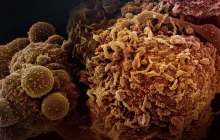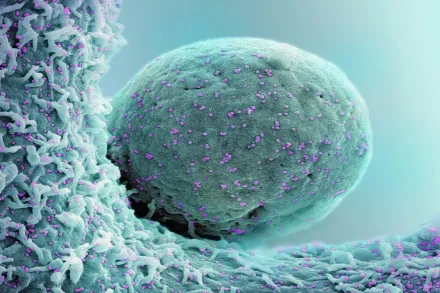
The field of tissue regeneration sits at the intersection of basic biology, clinical medicine, and bioengineering, and at its core lies the remarkable versatility of stem cells. These cells possess the dual abilities to renew themselves through self-renewal and to differentiate into diverse specialized cell types that form the tissues and organs of the body. The study of stem cells offers a window into how organisms maintain tissue integrity over time, how they respond to injury, and how artificially guided cellular processes can replace or repair damaged structures. The journey from fundamental concepts about stem cell biology to practical regenerative therapies unfolds through careful observation of cell fate, careful manipulation of signaling environments, and the design of materials and devices that support cellular growth and organization. In a wide variety of tissues, stem cells orchestrate repair by balancing proliferation, differentiation, migration, and interaction with their surrounding microenvironment, and this balance is shaped by intrinsic genetic programs as well as extrinsic cues from neighboring cells, extracellular matrix, and systemic signals. The role of stem cells in tissue regeneration is therefore not merely about a single cell with remarkable potential, but about an integrated network that governs how tissues recover, remodel, and adapt after injury or disease.
Foundations of stem cells and tissue renewal
At the most foundational level, stem cells are defined by two fundamental properties: the capacity for self-renewal, which ensures a pool of progenitor cells over time, and the ability to differentiate into specialized lineages that constitute mature tissues. This dual capacity allows stem cells to sustain tissues that persist throughout life and to participate in repair processes when homeostasis is disrupted. The potency of a stem cell describes how broadly it can differentiate. Totipotent cells, such as the earliest embryonic cells, can give rise to all embryonic and extraembryonic lineages, while pluripotent cells can form cells from all germ layers but not placental structures. Multipotent stem cells are restricted to a subset of lineages within a tissue or organ system, and unipotent cells differentiate into only one cell type but can still renew themselves to maintain that lineage. In the context of tissue regeneration, multipotent and unipotent stem cells often play central roles within specialized niches, continuously supplying cells to replace those that are lost to routine turnover or injury. This framework helps explain why different tissues rely on distinct stem cell pools to sustain their integrity over time, and it highlights the necessity of understanding where these cells reside, how they interact with neighboring cells, and how they respond to injury and aging.
The concept of a stem cell niche captures the idea that stem cells do not operate in isolation. A niche is a specialized microenvironment that provides signals, physical support, and extracellular cues that regulate stem cell behavior. Within niches, stem cells receive a coordinated mix of chemical signals such as growth factors, cytokines, and morphogens, as well as mechanical and metabolic cues derived from the surrounding extracellular matrix and neighboring cells. The niche acts as a gatekeeper that preserves stem cell identity while allowing controlled proliferation and differentiation when needed. Changes in the niche, whether due to aging, injury, inflammation, or disease, can alter stem cell function and thereby influence tissue regeneration outcomes. The study of niches reveals why simply transplanting stem cells into damaged tissue is not always sufficient; the success of regeneration often hinges on reconstituting an appropriate microenvironment that supports the intended cell fate and organizes cells into functional tissue architectures. Thus, understanding niche biology is essential for designing therapies that harvest, expand, and deploy stem cells in a way that harmonizes with the body's intrinsic repair programs.
Another foundational concept is the temporal orchestration of repair. After tissue injury, a cascade of events unfolds, beginning with hemostasis and inflammation, followed by proliferation and remodeling. Stem cells participate at multiple stages of this cascade. In the early inflammatory phase, soluble signals released by damaged cells guide resident and infiltrating stem cell populations toward the injury site. As the healing tissue progresses into the proliferative phase, stem cells contribute to the formation of new cellular layers, the generation of vascular networks, and the synthesis of extracellular matrix. In the later remodeling stage, they may differentiate into mature phenotypes that integrate into the regenerated tissue. The capacity of stem cells to respond dynamically to environmental cues ensures that tissue regeneration can adapt to varying injury contexts, from minor wounds to substantial architectural loss. Through this integrated sequence of events, stem cells couple cellular plasticity with tissue-specific demands, producing functional restoration that goes beyond simple scar formation.
Types of stem cells and regenerative potential
The stem cell landscape is diverse, spanning cells from early developmental stages to those residing in mature tissues. Embryonic stem cells arise from the inner cell mass of the blastocyst and are characterized by their pluripotency, which enables them to differentiate into virtually any cell type. This property makes embryonic stem cells a powerful model for studying development and disease, as well as a potential source for regenerative applications. However, the use of embryonic stem cells raises ethical and immunological considerations that have steered research toward alternative strategies and safeguards. Induced pluripotent stem cells represent a pivotal advance in this regard. By reprogramming differentiated adult cells back to a pluripotent state, researchers can generate patient-specific iPSCs that carry the donor’s genetic information. This approach helps mitigate immune rejection and aligns with ethical concerns while preserving the broad differentiation potential of pluripotent cells. Yet iPSCs also carry risks, including genetic and epigenetic abnormalities that can arise during reprogramming and expansion, underscoring the importance of rigorous quality control and comprehensive screening in clinical contexts. The practical use of pluripotent cells hinges on balancing powerful regenerative potential with careful management of safety considerations, such as minimizing the chance of teratoma formation and ensuring controlled lineage commitment once transplanted or differentiated into target tissues.
Adult stem cells constitute another major category and are essential for tissue homeostasis and repair in many organs. These include hematopoietic stem cells that replenish blood cells, mesenchymal stem/stromal cells that can give rise to bone, cartilage, and connective tissues, and neural stem cells that contribute to specific neural lineages. Adult stem cells are often more limited in their differentiation capacity compared to pluripotent cells, but their native compatibility with the tissue environment typically reduces immune complications and improves engraftment prospects. Some tissues also harbor perivascular stem cells and tissue-specific progenitors that respond briskly to injury by increasing proliferative activity and accelerating regeneration. The study of adult stem cells emphasizes the balance between maintaining a reservoir of undifferentiated cells and producing mature cells that fulfill functional roles in tissue repair. Even within the same tissue, diverse stem cell subtypes can operate in complementary ways, delivering redundancy and resilience to the regenerative program. This diversity represents a practical advantage for designing therapeutic strategies that take into account tissue-specific architecture and time-sensitive repair needs.
In clinical and research settings, researchers increasingly rely on sophisticated models that combine primary stem cells, expanded cultures, and differentiated derivatives to explore regeneration under controlled conditions. The use of scaffolds, biophysical cues, and microfabrication techniques can guide stem cell fate toward desired lineages. Organoids and organ-on-a-chip systems exemplify how stem cells can self-organize into three-dimensional structures that resemble native tissues, enabling in-depth study of developmental processes and drug responses while providing a platform for testing regenerative interventions. The interplay among cell intrinsic programs, the extracellular milieu, and mechanical forces shapes the regenerative outcome, making it essential to tailor strategies to the unique demands of each tissue and patient context. This versatility highlights the core idea that stem cells are not simply therapeutic agents but dynamic participants in a larger regenerative ecosystem that integrates biology, engineering, and clinical insight.
Mechanisms of regeneration at the cellular level
Regeneration emerges from a constellation of cellular mechanisms that coordinate to restore structure and function. Central to this process are signaling pathways that control cell fate decisions, including pathways such as Wnt, Notch, Hedgehog, BMP, FGF, and TGF-beta. These signals act within a carefully tuned network that governs whether a stem cell remains quiescent, enters the cell cycle, or differentiates into a specialized progeny. The same signaling nodes can trigger distinct outcomes depending on their intensity, duration, and the context provided by neighboring cells and the extracellular matrix. The dynamic interplay of these cues allows stem cells to respond to injury by initiating cell replacement, promoting angiogenesis, and shaping the extracellular environment to support tissue reconstruction. Beyond intrinsic signaling, mechanical stimuli such as substrate stiffness, three-dimensional architecture, and tensile forces influence stem cell behavior. A soft or stiff scaffold can bias differentiation toward certain lineages, thereby providing a handle for researchers to guide regeneration in tissue-specific directions. The mechanical landscape of a regenerating tissue is as consequential as the molecular cues, because it translates physical properties into biochemical signals that inform cell behavior. This integration of chemical and physical signals underlies the fidelity of regeneration and explains why simply adding cells to a wound is rarely sufficient without a matched biophysical context.
Another critical layer is the cell’s immediate neighborhood. The tissue microenvironment includes not only extracellular matrix components but also resident support cells, immune cells, endothelial cells forming blood vessels, and fibroblasts that lay down structural scaffolding. Interactions within this multicellular milieu provide trophic support, present soluble factors, and orchestrate inflammatory responses that either aid or hinder regeneration. The inflammatory phase, often viewed as a potential barrier to healing, can paradoxically set the stage for regeneration when resolved appropriately. Macrophages and other immune cells release signals that recruit stem cells, promote clearance of debris, and shift the tissue toward a pro-regenerative state. Conversely, chronic inflammation can derail regeneration by sustaining deleterious signals that impair stem cell function or promote fibrosis. Therefore, regulated inflammatory responses are an integral part of regenerative mechanisms, bridging immunity, tissue repair, and stem cell biology in a coherent framework that supports functional recovery rather than scar formation alone.
A particularly compelling aspect of regeneration is the formation of vascular and neural networks that reconstitute functional tissue. Stem cells contribute to angiogenesis by differentiating into endothelial cells or by secreting pro-angiogenic factors that recruit host vessels to integrate the regenerating tissue with the circulatory system. Without proper vascularization, newly formed tissue cannot receive oxygen or nutrients, and regeneration stalls. Similarly, neural regeneration requires guidance cues and supportive glial cells to restore connectivity and signaling. In some contexts, stem cells can differentiate into neural lineages, while in others they secrete trophic factors that promote endogenous nerve repair. The balance between differentiation and paracrine activity—where stem cells influence surrounding cells through secreted molecules rather than directly replacing tissue—emerges as a central theme in therapeutic strategies. By leveraging both direct and indirect mechanisms, researchers aim to orchestrate complex tissue reconstruction that embodies structural integrity, vascular function, and restored sensory or motor capabilities.
Stem cell niches and the microenvironment
The microenvironment surrounding stem cells, often called the niche, is a highly organized and dynamic habitat that governs stem cell function. Niches provide a curated set of extracellular matrix proteins, adhesion molecules, and soluble signals that anchor stem cells in place and modulate their behavior. The ECM itself communicates with cells through receptors such as integrins, translating mechanical properties and biochemical composition into intracellular responses that influence gene expression and fate decisions. The physical properties of the niche, including stiffness, porosity, and topography, contribute to lineage bias, guiding stem cells toward particular differentiation trajectories that match the needs of the surrounding tissue. In regenerative contexts, engineering niches that replicate native features has proven to be a powerful approach for improving stem cell survival, engraftment, and functional integration. That replication extends to oxygen tension, nutrient availability, and metabolic state, all of which influence stem cell biology. For instance, a hypoxic microenvironment can preserve stemness in certain populations, while reoxygenation and metabolic shifts can drive differentiation along specific lines. By modeling and modulating these microenvironmental aspects, scientists seek to optimize regeneration outcomes and reduce unintended consequences such as uncontrolled cell growth or inappropriate lineage formation.
Immune cells and inflammatory mediators also shape the niche during regeneration. The inflammatory milieu not only clears debris but also provides signals that either support or suppress stem cell activity. Granulocytes, macrophages, and lymphocytes release growth factors, cytokines, and chemokines that influence stem cell survival and recruitment. In some regenerative settings, transient inflammation is beneficial because it mobilizes stem cells and initiates matrix remodeling; in others, prolonged inflammation can hinder repair and promote fibrosis. Therefore, a nuanced understanding of how the immune system interacts with stem cells is essential for developing therapies that harness regenerative potential while avoiding chronic inflammatory states. The niche concept emphasizes that successful regeneration emerges from a coordinated dialogue among stem cells, resident supporting cells, immune elements, and the extracellular framework, all of which must be tuned to the tissue context and the scale of injury.
Spatial organization within the niche matters as well. Stem cells often reside in specialized microcompartments where signaling gradients are established by local sources of growth factors, matrix-bound cues, and cell-to-cell contact. The localization of stem cells within these microdomains ensures that they receive the appropriate combination of signals necessary to maintain a balance between quiescence and activation. When tissue damage occurs, signals from the wound site can alter this microarchitecture, releasing stem cells from a protected niche and guiding their migration to areas that require repair. The migratory behavior of stem cells, whether through intrinsic motility programs or in response to chemotactic cues, contributes to efficient tissue restoration by allowing cells to reach damaged regions even when they are not in immediate proximity to the original stem cell reservoir. In sum, the stem cell niche is a dynamic and context-dependent framework that integrates molecular cues, mechanical properties, immune signals, and spatial organization to regulate regenerative outcomes.
Clinical applications and therapeutic strategies
Translating stem cell biology into regenerative therapies requires thoughtful design that respects both biological constraints and clinical realities. In orthopedics and maxillofacial medicine, stem cells are explored for bone and cartilage regeneration. Mesenchymal stem/stromal cells have shown promise in promoting bone repair and mitigating cartilage degeneration when delivered within supportive matrices or combined with osteoinductive factors. The goal is not only to replace damaged tissue but to reconstitute the structural and mechanical integrity of the tissue, enabling normal load-bearing and joint function. In dermatology and wound care, stem cells contribute to skin regeneration by replacing keratinocytes and dermal fibroblasts, promoting re-epithelialization, and supporting angiogenesis. Across these domains, a common thread is the use of scaffolds or vehicles that deliver cells in a way that preserves viability, aligns cells with native tissue architecture, and provides sustained cues for maturation. Biocompatible materials, growth factor cocktails, and controlled-release systems are employed to guide differentiation and ensure that transplanted cells participate effectively in the healing process. The therapeutic paradigm often combines cells with biomaterials to create an integrated construct that mimics the hierarchical organization of native tissues, thereby increasing the likelihood of functional restoration rather than mere structural fill.
In cardiovascular and neural contexts, the regeneration challenge becomes even more nuanced due to the complexity of functional integration. Cardiac tissue, for example, is comprised of cardiomyocytes with precise electrical and mechanical properties. Regenerative approaches in this domain include the use of iPSC-derived cardiomyocytes, tissue-engineered patches, and bioactive scaffolds designed to support electrical coupling with host myocardium. Similarly, neural regeneration requires strategies that promote axonal growth, guide synaptic connections, and preserve neural circuitry. Stem cells can provide new neurons or support endogenous repair through neurotrophic factor release, while biomaterials and microelectrode interfaces may facilitate integration with existing neural networks. In oncology and regenerative medicine, there is growing interest in harnessing the paracrine activity of stem cells—the secretion of growth factors, cytokines, and extracellular vesicles that modulate inflammation, recruit endogenous progenitors, and orchestrate tissue remodeling. This paracrine dimension offers therapeutic avenues that circumvent some of the challenges associated with direct cell replacement, while still achieving meaningful regenerative outcomes.
Organoids and organ-on-a-chip platforms illustrate how stem cell biology can reproduce tissue-level architecture in a controlled environment. These systems enable researchers to model development, disease progression, and drug response with unprecedented fidelity, providing a bridge between basic science and clinical translation. By recapitulating functional features of organs, organoids help identify regenerative strategies that promote proper tissue patterning, vascularization, and function. The translational potential of such models lies in their capacity to screen regenerative therapies, optimize culture conditions, and predict clinical efficacy and safety before proceeding to human trials. Together, these therapeutic strategies reflect a holistic approach to regeneration that emphasizes not only cell replacement but also the restoration of integrated tissue function through synergistic combinations of cells, materials, signals, and devices.
Ethical and safety considerations shape the path from bench to bedside. The sourcing of cells, especially embryonic material, raises moral questions that society seeks to address through regulation, oversight, and the development of alternatives such as iPSCs and ethically sourced adult stem cells. Safety concerns include genetic and epigenetic instability in expanded cell populations, the risk of immunogenicity or immune rejection, and the potential for uncontrolled growth or tumor formation. Rigorous preclinical testing, standardized manufacturing practices, robust quality control, and long-term post-implantation monitoring are essential components of responsible translation. Clinical programs increasingly emphasize personalized approaches, leveraging patient-derived cells to reduce immune complications while tailoring therapies to the individual's genetic background and tissue environment. The regulatory landscape continues to evolve as science advances, balancing the promise of regenerative therapies with the need for patient safety, ethical integrity, and equitable access to novel treatments.
Biomaterials and scaffolds to support regeneration
Biomaterials form a fundamental part of regenerative strategies by providing structural support, guiding cell organization, and delivering bioactive signals. Scaffolds crafted from natural or synthetic polymers can be engineered to mimic the mechanical properties of target tissues, offering porosity, degradation profiles, and surface chemistries that promote cell adhesion and differentiation. Hydrogels, in particular, offer a highly tunable platform to create a three-dimensional milieu where stem cells can proliferate and differentiate in a physiologically relevant context. By adjusting crosslink density, tunable stiffness, and incorporated cues like adhesive ligands and growth factors, researchers can steer stem cell fate toward desired lineages. Decellularized extracellular matrices represent another powerful approach, preserving native tissue architecture and biochemical cues that support regeneration. These ECM scaffolds provide a ready-made microenvironment for seeded cells, facilitating integration with host tissue and enabling functional restoration. Additive manufacturing and 3D printing further expand the design space, enabling precise control over scaffold geometry, pore structure, and spatial distribution of cells and signals. In practice, the choice of biomaterial depends on the target tissue, the required mechanical load, the expected immune response, and the desired rate of degradation to coincide with tissue maturation. The integration of cells with thoughtfully engineered materials creates regenerative constructs that can replace, repair, or augment damaged tissues with increasing fidelity to their natural counterparts.
Beyond providing physical support, biomaterials can also perform active roles in regeneration. They can deliver growth factors in a controlled manner, present peptides that promote specific cell programs, or release anti-inflammatory agents to modulate the wound environment. The interface between a scaffold and the host tissue is critical, as it dictates not only initial engraftment but long-term remodeling and function. Therefore, researchers pay careful attention to biocompatibility, immunomodulatory properties, and the potential for adverse reactions. By integrating stem cells, signaling molecules, and materials science, regenerative engineering aims to create coherent tissue units that can withstand physiological demands and adapt to the local environment, ultimately restoring native function rather than leaving a scaffold as a placeholder. This convergence of disciplines exemplifies how modern regenerative medicine transforms fundamental biology into tangible clinical possibilities that can improve healing outcomes and quality of life for patients with degenerative diseases, traumatic injuries, or congenital defects.
Ethical, legal, and social considerations
As regenerative medicine progresses, ethical, legal, and social considerations emerge as guiding principles for responsible development. The use of embryonic material has historically raised questions about the moral status of embryos, leading to varied regulatory approaches across jurisdictions. Alternatives such as induced pluripotent stem cells mitigate some ethical concerns but introduce other challenges, including concerns about long-term genetic stability and the potential for misuse. Informed consent, donor privacy, and the fair distribution of advanced therapies are societal issues that accompany progress in stem cell research. Clinically, ensuring informed patient understanding about the benefits, risks, and uncertainties of cell-based therapies is essential, given that regenerative interventions may involve complex trade-offs and varying trajectories of outcome. Data sharing, transparency in reporting results, and collaboration across disciplines require careful governance to avoid hype, manage expectations, and prioritize patient safety. Public engagement and education play a crucial role in aligning scientific advances with societal values and ensuring that breakthroughs translate into real-world benefits without compromising ethical integrity or patient trust.
Regulatory frameworks must keep pace with scientific innovation. Robust standards for manufacturing, quality control, and post-market surveillance help minimize risks such as contamination, unwanted differentiation, or mechanistic failure. Collaboration among researchers, clinicians, industry, and regulatory bodies is necessary to harmonize definitions of efficacy, appropriate endpoints, and long-term follow-up requirements. Equity in access to regenerative therapies is another pressing concern. As advanced cellular therapies become available, ensuring affordability and distribution across diverse populations remains a moral imperative. By addressing ethics, governance, and access in parallel with scientific progress, the field can advance in a manner that respects human values while delivering meaningful regenerative benefits to patients who need them most.
Challenges, risks, and future directions
Despite remarkable progress, the field faces several challenges that temper the pace of translation. One major concern is the risk of tumorigenicity and uncontrolled growth, particularly with pluripotent cells that retain full developmental potential. Comprehensive screening and tightly regulated differentiation protocols are essential to minimize this risk. Immunogenicity and rejection remain considerations, though patient-specific iPSC approaches have mitigated some concerns by reducing the immunological barrier. Genomic and epigenomic stability during cell expansion and long-term culture demands vigilant monitoring to prevent adverse effects that could compromise safety or efficacy. Manufacturing scalability and reproducibility are practical hurdles, requiring standardized protocols, quality assurance, and robust supply chains to deliver consistent products for diverse clinical indications. Additionally, ensuring that regenerated tissue achieves durable functionality—such as mechanical resilience in cartilage or electrical integration in cardiac tissue—requires multi-disciplinary collaboration and sophisticated testing. The future direction of stem cell-based regeneration lies in mastering the orchestration of cells, signals, and materials in three-dimensional, dynamic environments that mimic living tissue more closely than traditional systems. Integrating gene editing, personalized medicine, and automated manufacturing may accelerate the translation of regenerative therapies while maintaining safety and ethical stewardship. As the science advances, a careful balance between ambition and prudence will guide investments, clinical trial designs, and patient-centered outcomes that define the next era of tissue regeneration.
In the realm of research and application, a recurring theme is integration. Regeneration does not depend solely on transplanted cells but on how those cells cooperate with host tissues, how local signals are remodeled, and how mechanical forces shape tissue architecture. The most effective strategies often combine cell therapy with supportive scaffolds, controlled release of bioactive molecules, and methods to recruit and empower the patient’s own regenerative programs. Such an integrated approach holds promise for repairing complex tissues such as joints, muscles, nerves, and organs where simple replacement of cells would be insufficient. As our understanding deepens, new paradigms may emerge that leverage endogenous stem cell activation, vascular engineering, and immune modulation to orchestrate regeneration in ways that are precise, predictable, and tailored to individual patients. The horizon of regenerative medicine thus rests on our ability to harmonize cellular plasticity with the body’s own healing symphony, creating therapeutic modalities that restore structure, function, and vitality in ways that were once the stuff of science fiction.
Looking ahead, the field is likely to witness a shift from single-component interventions toward composite therapies that combine cells, biomaterials, and bioactive cues in patient-specific configurations. This shift will be supported by advances in imaging, computational modeling, and systems biology that illuminate how cells behave within complex tissues. Such insights will enable the design of regenerative strategies that anticipate tissue needs, adapt to changing conditions, and evolve alongside the patient’s biology. Ultimately, the Role of Stem Cells in Tissue Regeneration is not merely about replacing lost tissue but about recapitulating the elegance of natural development and repair in a way that improves health, resilience, and quality of life across a broad spectrum of diseases and injuries.
In clinical practice, success will hinge on careful patient selection, clear therapeutic goals, and a realistic appraisal of what stem cell therapies can deliver in a given scenario. For some conditions, stem cell–based regeneration may offer meaningful restoration of function and pain reduction, while in others it may be most beneficial as a complement to conventional treatments or as part of a staged, interdisciplinary rehabilitation plan. By advancing scientific understanding, refining engineering approaches, and upholding ethical and regulatory standards, the field strives to build a durable foundation for regenerative medicine that benefits patients today and defines the therapeutic standards of tomorrow. The ongoing dialogue among scientists, clinicians, patients, policymakers, and industry stakeholders will shape how stem cell science translates into safe, effective, and accessible regenerative therapies that address unmet medical needs while honoring the complex biology that governs tissue renewal.
As researchers continue to untangle the mysteries of how stem cells sense injury, decide what to become, and interface with the surrounding matrix and immune system, the potential for innovative treatments expands. The Role of Stem Cells in Tissue Regeneration encompasses a spectrum of possibilities—from precise cellular therapies that replace damaged components to tissue engineering strategies that rebuild whole organs with functional architecture. The convergence of discoveries about cellular plasticity, niche dynamics, and biomaterial design creates a fertile ground for breakthroughs that could redefine recovery after injury, slow the progression of degenerative diseases, and restore independence and vitality for countless individuals. The pursuit of these goals remains a collaborative, iterative enterprise that blends curiosity with concern for patient outcomes, ensuring that every advance translates into tangible benefits while maintaining a careful, reflective stance toward risk, ethics, and long-term well-being.