Introduction to Stroke and Rehabilitation
Stroke represents a medical emergency in which the flow of blood to a portion of the brain is abruptly interrupted or a vessel within the brain tears, leading to tissue damage. The consequences vary widely, ranging from mild weakness to severe motor and cognitive impairment, and the recovery journey is deeply personal and dynamic. Physical therapy enters the scene as a central pillar of rehabilitation, translating medical stabilization into tangible improvements in movement, balance, strength, and endurance. The essence of physical therapy in this context is not merely to restore a static level of function but to enable meaningful participation in daily life, work, and social activities. In the weeks and months after a stroke, the brain often demonstrates remarkable adaptability, a phenomenon called neuroplasticity, which skilled physical therapy seeks to harness through repetitive, task-specific practice that is scaled to the person’s abilities and goals. Through a careful blend of observation, hands-on facilitation, and progressive loading, therapists guide the patient along a path from isolation of impaired movements toward coordinated, purposeful action in real-world settings.
Recovery after stroke is seldom linear, and the role of physical therapy extends beyond muscle strength. It encompasses cardiovascular conditioning, joint mobility, motor control, reflex integration, and the development of strategies to cope with fatigue, uncertainty, and changed body schema. A successful PT program recognizes the emotional and social dimensions of recovery as equally important as the physical. Therapists collaborate with patients and families to set realistic milestones, adjust plans as progress occurs, and celebrate small but meaningful gains. The overarching aim is to maximize independence while maintaining safety, reducing secondary complications, and preserving the integrity of the person’s identity and daily routine. By centering care on the person’s environment, preferences, and living situation, physical therapy becomes a practical bridge from hospital corridors to home, community activities, and, when possible, meaningful work or hobbies.
The scope of physical therapy in stroke care encompasses a spectrum of activities that begin early and continue across rehabilitation settings. In hospital and acute care, therapy focuses on preventing deterioration and enabling early mobilization. In subacute and inpatient rehabilitation, the emphasis shifts toward reestablishing fundamental skills, improving walking ability, and rebuilding endurance. In outpatient and home-based programs, the goal is to sustain gains, promote long-term health, and integrate exercise into life. Across all stages, skilled therapists tailor interventions to the individual’s impairments, goals, and safety considerations, employing evidence-informed practices that have proved beneficial in reducing disability and enhancing quality of life. This article delves into the mechanisms, strategies, and practical aspects of physical therapy in stroke recovery, weaving together scientific concepts, clinical wisdom, and the lived experiences of patients and families.
Central to the discipline is a philosophy of practice that treats recovery as an active partnership between the patient and the therapist. This partnership rests on clear communication, respect for patient autonomy, and a shared understanding of priorities. Therapists emphasize task-oriented training—practice of meaningful activities that resemble the actions the person wants or needs to perform—over isolated exercises that lack functional context. They monitor symptoms such as increased heart rate, breathlessness, dizziness, or pain, and they adjust the intensity and complexity of tasks accordingly. The therapeutic relationship is built on trust, encouragement, and the belief that every patient can improve with the right combination of challenge and support. In this sense, physical therapy becomes not only a technical set of interventions but also a framework for resilience, adaptation, and renewed confidence.
The Foundations of Physical Therapy after Stroke
At the heart of post-stroke physical therapy lies an understanding of how motor learning and neural reorganization occur after brain injury. Repetition of purposeful movement strengthens existing neural pathways or fosters the formation of new connections that support coordinated action. Therapists design activities that are meaningful and directly relevant to the patient’s goals, so motivation remains high and engagement is sustained. The physical therapy approach integrates principles of intensity, specificity, and task relevance. High repetition with deliberate practice helps patients relearn motor patterns, while variability in practice promotes flexibility in motor strategies, allowing individuals to adapt to different environments and task demands. In addition to motor tasks, therapists address sensory processing, proprioception, and the integration of vision and balance sensations, all of which contribute to stable and accurate movement. The goal is not only to move well in a clinic but to perform with confidence in the kitchen, at work, or on a walk in the neighborhood.
Another foundational concept is shaping and progression. Early interventions create a foundation by reducing stiffness, maintaining joint range of motion, and preventing contractures while gradually increasing the complexity and duration of activities. As patients advance, therapy emphasizes functional transfer—getting from chair to standing, from standing to walking, and from one surface to another—with a focus on safety strategies such as assistive devices, environmental modifications, and caregiver education. The neurophysiological underpinnings of therapy are complemented by a biopsychosocial perspective, which recognizes that emotions, cognition, caregiver support, and social participation all influence recovery trajectories. In practice, this means the physical therapist collaborates with speech-language pathologists, occupational therapists, physicians, and family members to create a cohesive plan that addresses both body and life context. The interdisciplinary nature of stroke rehabilitation reflects the reality that movement is inseparable from function, communication, and daily living.
Therapists also rely on standardized assessment tools to quantify impairment, activity, and participation levels, and to track progress over time. By carefully measuring parameters such as strength, range of motion, speed, balance, and functional mobility, they can determine which interventions yield the most meaningful gains for each person. Yet numbers never tell the whole story. The qualitative aspects of recovery—the patient’s confidence, ability to tolerate longer activity periods, or willingness to engage in social activities—are equally critical. The best physical therapy programs blend objective measurements with patient-reported outcomes, ensuring that improvements translate into real-world benefits. This patient-centered evaluation framework informs goal setting, guides progression, and ultimately shapes the course of rehabilitation in ways that honor each person’s unique story.
Assessment and Goal Setting in Physical Therapy
Initial assessment in physical therapy after stroke encompasses a comprehensive examination of strength, coordination, tone, sensation, balance, gait, endurance, trunk control, and postural alignment. Therapists also assess cardiovascular tolerance, pain, range of motion, and the integrity of joints and connective tissues. They consider cognitive aspects that affect participation, such as attention, memory, and problem solving, because these elements influence how well a patient can execute a plan of care. The information gathered informs a collaborative goal-setting process in which patients and families articulate priorities that reflect daily living activities, independence milestones, and participation in community life. Goals are specific, measurable, achievable, relevant, and time-bound, creating a clear roadmap for therapy and a basis for monitoring progress.\n\n
Progression planning follows a logic that respects the body’s recovery rhythm. In the early phase, goals may focus on bed mobility, safe transfers, and improving leg and trunk control. As the patient demonstrates readiness, goals shift toward standing balance, assisted or independent walking, stair negotiation, and endurance tasks such as shopping or household chores. The process is iterative: therapists continually reassess, revise targets, and introduce new challenges to prevent plateaus. The patient’s feedback about difficulty, comfort, and perceived meaning guides the adjustments, ensuring that therapy remains tolerable and motivating without being overwhelming. In this context, feedback is a two-way conversation, with therapists providing guidance and patients conveying their experiences and preferences.
Safety considerations permeate assessment and goal setting. Therapists vigilantly monitor blood pressure, heart rate, and signs of fatigue during activity, adjusting intensity to minimize risk while maintaining an effective stimulus for adaptation. They assess environmental risks in the home and community, and they educate caregivers about proper assistance, transfers, and the use of adaptive devices. The ethical dimension of this work emphasizes autonomy and informed choice, with therapists ensuring that patients have a voice in deciding which activities to pursue and how aggressively to pursue them. A well-constructed plan balances ambition with realism and honors the patient’s values, cultural context, and social supports. In this way, assessment and goal setting become a shared, ongoing conversation rather than a one-time determiner of outcomes.
To support long-term success, physical therapists often develop home exercise programs that translate clinic-based improvements into daily life. These programs emphasize safety, simplicity, and consistency, since sustainable gains depend on regular practice beyond therapy sessions. Therapists tailor home plans to fit the patient’s schedule, living space, and caregiver availability, using clear written instructions or verbal demonstrations as needed. They also provide strategies to monitor progress remotely, such as simple check-ins or symptom logs, which help sustain motivation and accountability. When patients experience changes in health status or access to services, therapists respond with flexible adaptations, maintaining continuity of care and avoiding gaps that could compromise recovery momentum.
Early Stage Rehabilitation: The Acute and Subacute Phases
In the hospital and early rehabilitation environment, physical therapy focuses on preventing complications that commonly accompany acute illness, such as muscle wasting, joint stiffness, pneumonia, and venous thromboembolism. Therapists work with physicians and nurses to initiate gentle, controlled movement soon after stabilization, emphasizing safety and patient comfort. Early mobilization helps preserve muscle mass, stimulates circulation, and reduces the length of hospital stay for many patients. The initial sessions often target transitions from bed to chair, gentle limb movements, and strategies to shield the affected joints from excessive stress while the nervous system begins to reorganize control of movement. This early work sets the stage for more structured practice as the patient’s medical status improves and discharge planning emerges.
Subacute rehabilitation follows, typically in dedicated inpatient units or specialized facilities. Here the intensity of therapy increases, and the range of activities broadens to include gait training, balance challenges, and functional tasks such as dressing, bathing, and meal preparation. Therapists carefully calibrate progression to avoid overwhelming fatigue while ensuring continual adaptation. They introduce assistive devices when necessary and begin to explore community-based activities that anticipate the transition home. Throughout this phase, there is a strong emphasis on safety and education for patients and families about risk reduction, energy management, and the importance of consistent practice. The subacute period is often characterized by rapid gains that require vigilant monitoring to maintain momentum and prevent relapse into dependence.
In both acute and subacute phases, a collaborative approach is essential. Physical therapists coordinate with neurologists, nurses, occupational therapists, speech-language pathologists, and social workers to time interventions with medical treatments, imaging results, and discharge planning. This collaboration ensures that therapy aligns with medical stability and patient goals while facilitating a smooth transition to the next stage of recovery. By maintaining open communication with families, therapists empower them to participate actively in care decisions, reinforce therapeutic strategies at home, and provide reassurance during what can be a stressful and uncertain time.
Motor Recovery: From Impairment to Function
Motor recovery after stroke involves a progression from regaining basic movement to achieving coordinated, purposeful action in daily life. Physical therapy employs a variety of evidence-based approaches designed to promote motor relearning and reduce compensatory patterns that may hinder long-term recovery. Task-specific training, in which activities closely resemble real-life tasks are practiced repeatedly, helps the nervous system reorganize in a functional way. Therapists emphasize quality of movement, teaching patients to initiate movements with proper sequencing, trunk stabilization, and controlled activation of the affected muscles. By focusing on both proximal control of the trunk and distal control of the limbs, therapy fosters stable postural alignment that supports more precise hand and foot actions.\n\n
Repetition is essential, but repetition alone is not enough. The practice must be meaningful, varied, and appropriately challenging to promote durable change. Therapists often incorporate functional simulations such as reaching for objects, manipulating utensils, or stepping over obstacles, gradually increasing the complexity or speed as capability improves. In some cases, specialized techniques may be used to augment motor learning. Constraint-induced movement therapy, for example, encourages use of the affected limb by restricting the non-affected limb for a defined period, thereby stimulating cortical reorganization and improving voluntary control. Mirror therapy, where patients observe the reflection of the unaffected limb performing tasks, can also facilitate motor activation and attention to the paretic limb. While these approaches are not universal solutions, they offer important options when tailored to the patient’s profile and tolerance.
Spasticity, dystonia, and abnormal tone can shape the trajectory of recovery. Therapists address these challenges through a combination of passive stretching, manual techniques, positioning, and functional activity that promotes relaxation and normal muscle length. They also integrate neurophysiological strategies such as repetitive, rapid alternating movements to facilitate motor flexibility and control. The selection and sequencing of interventions reflect a nuanced understanding of how the brain and muscles interact after stroke. In practice, therapists repeatedly assess the effectiveness of each technique, ready to modify approaches to optimize outcomes. The result is a dynamic program that evolves with the patient’s changing abilities, preserving motivation and minimizing frustration as much as possible.
Another critical dimension of motor recovery is neuroprotection against relapse and secondary complications. Therapists emphasize strategies to maintain cardiovascular health, bone density, and skin integrity while retraining movement. They teach safe fall-prevention approaches, proper energy conservation, and pacing to avoid overexertion. By integrating these elements into daily routines, physical therapy helps patients regain confidence and sustain improvements over the long term. The journey from impairment to functional independence is rarely linear, but with patient-centered planning, targeted practice, and supportive coaching, steady progress is achievable and meaningful across various life contexts.
Balance, Gait, and Mobility
Balance impairment after stroke often coexists with leg weakness, altered sensory feedback, and compensatory movement patterns. Physical therapy prioritizes restoring sensorimotor integration, trunk control, and weight-shifting strategies that underpin stable standing and confident walking. Therapists use a progression that begins with standing and static balance tasks, advancing to dynamic activities such as obstacle navigation, dual-task walking, and transitions between surfaces. Gait training focuses on posture, foot placement, stride symmetry, and cadence, with attention to speed-accuracy tradeoffs that influence real-world performance. Assistive devices, orthoses, and environmental modifications are introduced when needed to reduce fall risk and promote safety during daily activities.
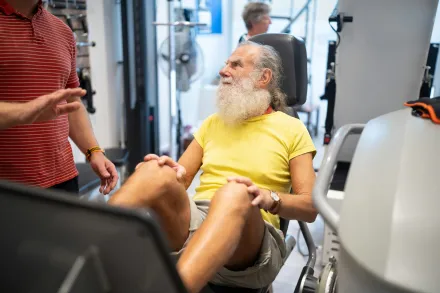
Walking recovery is a central goal for many stroke survivors because independent mobility profoundly affects independence and participation. Therapists may employ treadmill training, sometimes with body-weight support, to provide a controlled environment for gait practice. Overground walking drills emphasize gradual increases in distance, outdoor terrain adaptation, and the management of fatigue. Balance training often integrates sensory challenges such as eyes-closed tasks or variable lighting to enhance postural strategies under real-world conditions. The key is to tailor the balance and gait program to the person’s goals, ensuring that improvements translate into confident community ambulation, successful navigation of crowded spaces, and the ability to engage in preferred activities without excessive risk.
Safety considerations are woven into every gait and balance exercise. Therapists assess medications, fatigue tolerance, pain levels, and cardiovascular response to activity, adjusting pace and difficulty to prevent dizziness or overexertion. They also teach environmental safety, such as how to negotiate stairs, curbs, and uneven surfaces, and they provide practical guidance for caregivers who support mobility routines at home. The ultimate aim is not only to improve speed or distance but to restore a sense of control and autonomy during everyday movement, making basic tasks like grocery shopping, attending appointments, or visiting friends less daunting and more enjoyable.
Endurance, Cardiovascular Fitness, and Energy Management
Stroke recovery places significant demands on the circulatory and respiratory systems, particularly as endurance deficits limit participation in daily activities. Physical therapy incorporates aerobic conditioning, strength training, and flexibility work to bolster overall fitness while staying within safe parameters for each patient. Therapists monitor heart rate, blood pressure, and perceived exertion during activities, progressively increasing duration and intensity as tolerance improves. The emphasis is on gradual, consistent improvement rather than rapid escalation, with careful attention to signs of overuse or stress that could derail progress. By enhancing aerobic capacity, patients often experience less fatigue, improved mood, better sleep, and greater ability to engage in meaningful tasks for longer periods.
Energy management becomes an essential skill in rehabilitation and everyday life. Therapists teach pacing strategies, activity scheduling, and the efficient organization of tasks to prevent crashes that erode motivation. They help patients recognize early warning signs of fatigue and adjust plans accordingly, ensuring that exercise remains a positive and sustainable part of life. This approach respects the reality that recovery is a marathon, not a sprint, and it honors the patient’s preferred rhythm while still advancing capacity. In addition to structured exercise, therapists encourage light, enjoyable movement throughout the day, such as short walks or gentle stretching, to reinforce the habit of staying active without triggering exhaustion. This balanced perspective helps sustain gains and supports long-term health beyond the immediate rehabilitation window.
The integration of cardiovascular conditioning with functional training also supports secondary health goals, such as improving blood lipid profiles, controlling blood pressure, and maintaining healthy body weight. While physical therapy is not a substitute for medical management of cardiovascular risk factors, it plays a supportive role by making physical activity more accessible and enjoyable, which fosters adherence. The collaboration with physicians to tailor a safe exercise plan is crucial, particularly for individuals with coexisting conditions such as diabetes, atrial fibrillation, or prior cardiovascular events. Through thoughtful planning and compassionate coaching, physical therapy creates a foundation for a more active and resilient life after stroke.
Postural Control, Pain Management, and Upper Limb Function
Postural stability is a cornerstone of successful movement after stroke. Therapists address trunk alignment, pelvis position, and shoulder girdle mechanics to support the alignment required for reaching, standing, and walking. They use manual techniques to improve joint play and reduce stiffness, complemented by targeted exercises that retrain the core and the proximal segments of the limbs. Pain—whether from joint stiffness, neuropathic discomfort, or overuse—can impede participation, so addressing pain through multimodal strategies is essential. Therapists provide education about pacing, ergonomics, and protective strategies to minimize pain flares and facilitate continued practice.
Upper limb recovery remains a challenging but achievable objective for many patients. After stroke, the arm often loses a portion of its functional repertoire, but with deliberate practice and supportive cues, patients can regain purposeful hand and arm movements. Therapists incorporate reaching tasks, grip and release activities, and fine motor control exercises, adjusting complexity to challenge without inducing frustration. They may use assistive devices or splints to support alignment during practice, always emphasizing safety and patient preference. In many cases, multimodal approaches that combine sensory retraining, motor planning, and real-time feedback help patients re-establish volitional control over the affected limb and reconstitute functional use in daily tasks.
Education about posture and movement quality is sustained across sessions and applied to daily routines at home. Patients learn to position the arm during tasks to minimize compensatory strategies that can limit recovery, such as relying too heavily on the nonparetic limb. Therapists also encourage engagement in activities that stimulate coordination, such as kitchen tasks or grooming activities, which provide meaningful practice and reinforce motor learning. The combination of hands-on guidance, patient-driven goals, and consistent feedback helps translate laboratory-like therapy into practical skills that restore independence and self-efficacy.
Technology and Innovation in Stroke Physical Therapy
Advances in technology expand the toolkit available to physical therapists working with people recovering from stroke. Robotic-assisted devices can provide high-repetition, precise, and safe practice for upper and lower limbs, while treadmill-based gait training with body-weight support allows patients to practice walking with reduced effort and enhanced confidence. Virtual reality and computer-based simulations offer engaging ways to perform functional tasks, providing immediate feedback that supports motor learning. Functional electrical stimulation can augment muscle activation during purposeful movement, potentially improving motor output and promoting more natural patterns of use. While technology can enhance therapy, it is most effective when integrated with a patient’s goals, preferences, and everyday activities, rather than used as a stand-alone solution.
Tele-rehabilitation and home-based care are growing modalities that extend the reach of therapy beyond clinic walls. Remote monitoring, video-guided exercise sessions, and caregiver coaching help maintain continuity of care, particularly for individuals with transportation barriers or living in remote areas. The flexibility of these approaches supports sustained engagement, reduces the risk of deconditioning, and fosters an ongoing culture of activity. Technology’s promise lies in augmenting human expertise with reliable feedback, personalized programming, and convenient access, while preserving the essential human elements of empathy, encouragement, and collaborative problem-solving that underpin successful rehabilitation.
In addition to technological tools, emerging evidence supports multifaceted approaches that combine motor training with sensory retraining, cognitive strategies, and motivational interviewing concepts to boost adherence and outcomes. The aim is to build a comprehensive, adaptable program that respects the patient’s preferences, cultural background, and life context. Therapists continually review research findings and integrate best practices into clinical reasoning, ensuring that patients benefit from innovations while avoiding unproven or excessive interventions. The result is a balanced, evidence-informed practice that evolves with science and patient experience.
Family, Caregiver Involvement, and Home-Based Programs
A successful stroke recovery plan extends into the home and community through active family and caregiver participation. Educating caregivers on safe transfer techniques, correct assistance during mobility tasks, and strategies to support routine practice is essential. Caregivers become partners in therapy, reinforcing strategies learned during sessions and helping to create a consistent home environment that fosters independence. Home-based programs are designed to be practical, affordable, and sustainable, with simple equipment, clear instructions, and a realistic schedule. When families feel competent and confident in supporting the patient, participation in therapy, community activities, and daily life improves, which in turn reinforces progress and resilience.
Communication within the rehabilitation team is critical for aligning goals and ensuring continuity of care. Therapists share progress notes, discuss any barriers to participation, and coordinate with other professionals to optimize treatment plans. Regular family meetings or care conferences support shared understanding of expectations, potential challenges, and adjustments needed as recovery unfolds. This collaborative approach respects the patient’s autonomy while leveraging the strengths of the support network, ultimately creating a sustainable pathway back to meaningful activities and social engagement.
Home programs often emphasize safety, energy management, and environmental modifications. Practitioners help identify simple adaptations, such as removing trip hazards, ensuring usable lighting, and arranging frequently used items within easy reach. They guide patients and caregivers through structured routines that balance activity with rest, providing cues to maintain proper technique and prevent compensatory patterns. By bridging clinic practice with home life, physical therapy supports continuous improvement and helps ordinary tasks regain their familiar prominence in daily living.
Outcomes, Recovery Trajectories, and Long-Term Wellness
Outcomes after stroke vary widely, but several common themes emerge across successful rehabilitation journeys. Many patients experience meaningful gains in mobility, independence with activities of daily living, balance confidence, and participation in social and recreational activities. The pace of improvement is influenced by factors such as the location and extent of brain injury, premorbid health, age, social support, and the presence of comorbid conditions. Early intensity of therapy, consistent practice, and goal-directed training correlate with better functional outcomes, but the quality of movement and the patient’s engagement are equally important. The trajectory often shows rapid gains in the initial weeks, followed by a slower but steady progression as skills become more automatic and integrated into daily life.
Long-term wellness after stroke hinges on maintenance and prevention. Physical therapy encourages ongoing activity, strength training, flexibility work, and balance challenges to keep the nervous system adaptable and muscles resilient. Lifelong habits of movement reduce the risk of deconditioning and secondary health issues, contribute to better mood and cognitive function, and support a higher quality of life. Therapists help patients design sustainable routines that fit their interests, with options ranging from swimming and cycling to walking clubs, dance, or adapted yoga. The emphasis is on creating a lifestyle that promotes health, autonomy, and happiness rather than a temporary phase of rehabilitation.
The overall impact of physical therapy on stroke recovery is best understood as a convergence of science, personalized care, and human connection. When evidence-based practices are aligned with patient-centered goals, therapy can transform the experience of stroke from one of limitation to one of possibility. Therapists celebrate every improvement, however small, and use it as fuel to pursue the next objective. In this way, physical therapy supports a hopeful, practical, and resilient pathway through recovery that honors each person’s story while guiding them toward a more active, fulfilling life. The journey continues as patients and families integrate learned strategies into daily routines, maintain momentum through community engagement, and nurture ongoing health and well-being beyond the immediate rehabilitation period.