Overview and goals of physical therapy after joint replacement
Physical therapy after joint replacement is a critical pillar of successful recovery that extends far beyond the clinical procedure itself. It is a structured, progressive and evidence guided process designed to restore movement, reduce pain, rebuild strength, and help patients resume meaningful activities with independence and confidence. At its core, physical therapy aims to reestablish the normal mechanics of the affected joint while protecting the healing tissues, preventing complications, and enabling the patient to participate in daily tasks, work, hobbies, and social life. An effective rehabilitation plan is rooted in a clear understanding of the surgical goals, the patient’s medical history, and the functional demands the person wants to meet in the weeks and months after surgery. Therapists tailor programs to the unique anatomy of each joint, the type of prosthesis implanted, and the individual risk factors that can influence healing, such as age, preexisting mobility, and overall health. The result is not simply a return to baseline but a reeducated movement pattern that supports lasting joint health and a higher quality of life.
Preparation before surgery and planning for postoperative rehabilitation
Preparation before joint replacement, often referred to as prehab, equips patients with knowledge, expectations, and practical strategies that facilitate smoother rehabilitation after surgery. Even when the focus is postoperative, there is value in assessing baseline strength, range of motion, and functional capabilities while discussing practical plans for pain management, swelling control, and safe mobility. A thoughtful plan considers the patient’s home environment, available caregiving support, Adaptive equipment needs, and transportation logistics for therapy sessions. Education plays a crucial role in this phase, because understanding the purpose of each exercise, the safety considerations of movement, and the signaling of potential problems helps patients engage more actively in their recovery. When possible, clinicians introduce simple exercises and breathing techniques that can begin even before the incision heals, fostering a mindset of partnership and responsibility for outcomes. This preparation lays a foundation for consistent participation in the rehabilitation program and sets realistic milestones that can guide a patient through the early weeks following surgery.
Early postoperative phase and acute care rehabilitation
The earliest days after joint replacement are critical for setting the trajectory of recovery. Physical therapy in the hospital or short stay facility focuses on pain control, reduction of swelling, protection of the surgical site, and the restoration of safe movement. A careful progression toward full weight bearing, if permitted by the surgeon, helps prevent muscle atrophy and compensatory movement patterns. In this phase, the therapist guides gentle range of motion exercises that aim to prevent stiffness yet preserve the healing tissues, while carefully balancing activity with the risk of inflammation. Gait training becomes central as the patient learns to use assistive devices such as a walker, crutches, or a cane, depending on the joint involved and the surgeon’s protocol. The approach is patient centered, with frequent re-evaluation to adjust exercise intensity, duration, and rest periods. Pain management strategies, including positioning, modalities, and breathing techniques, are integrated to maintain a tolerable level of discomfort that permits active participation in therapy. Clinicians also educate patients about signs of potential complications that require urgent attention, such as sudden severe swelling, persistent fever, or redness around the incision, and they establish a plan for ongoing monitoring after discharge.
Subacute and intermediate rehabilitation after knee replacement
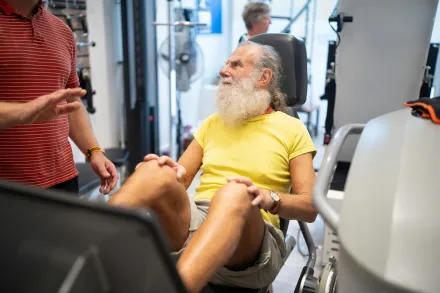
In the weeks following knee replacement, rehabilitation emphasizes restoring range of motion, aligning a safe and efficient gait, and regaining strength in the muscles around the joint, particularly the quadriceps and the hip stabilizers. Therapists design progressive resistance training that targets functional tasks such as stepping, standing from a seated position, and negotiating stairs with proper form. They also address swelling and pain through hands on techniques and careful patient education about activity modification. A central goal during this phase is to dissociate compensatory patterns from normal movement, encouraging a patient to rely on the operated leg in ways that distribute load evenly and protect the prosthesis. Balance and proprioception training are introduced to improve stability and confidence on varied surfaces, which is essential for reducing the risk of falls in the longer term. As the knee regains motion, therapists integrate functional simulations such as sit-to-stand transfers, walking drills, and light household tasks to ensure that gains in the clinic translate into daily life.
Subacute and intermediate rehabilitation after hip replacement
Hip replacement rehabilitation presents its own set of precautions and priorities that influence the therapy plan. Early focus centers on gentle motion within the surgeon’s precautions, control of swelling, and gradual restoration of hip range of motion while protecting the joint from dislocation. Therapists teach controlled hip movements, safe bed and chair transfers, and careful positioning that minimizes stress on the healing tissues. Strengthening exercises target the gluteal muscles, hip abductors, and core stabilizers to support pelvic alignment and gait mechanics. Gait training seeks a balanced, symmetrical stride, promoting efficient energy use and reducing overreliance on the nonoperative limb. Education about activity progression, sleep posture, and long-term joint protection helps patients avoid provocative positions and maintain the benefits of surgery. Throughout this process, therapists monitor response to activity, adjust the program to symptoms, and collaborate with the surgical team to ensure adherence to the prescribed precautions and timelines.
Rehabilitation for shoulder joint replacement and other upper extremity joints
Shoulder replacement rehabilitation presents distinct considerations in terms of range of motion, strength balance, and functional tasks. Early protocols prioritize protected motion to safeguard the implanted joint while gradually restoring flexibility in the shoulder complex. Therapists guide passive, assisted, and active range of motion exercises that respect the surgeon’s limits, gradually introducing resistance as healing progresses. Scapular stabilization, rotator cuff strengthening, and postural retraining are integrated to support functional reach, lifting, and overhead activities. For other joints such as the ankle or elbow, physical therapy emphasizes a tailored combination of mobility, strength, and functional training that aligns with the patient’s daily demands and athletic or work-related goals. The common thread across upper and lower extremity joints lies in thoughtful progression, patient education, and a focus on restoring confidence in movement that patients can sustain at home and in the community.
Techniques and modalities commonly employed in postoperative physical therapy
Physical therapists draw on a wide repertoire of techniques to facilitate healing and functional recovery while prioritizing safety and patient comfort. Manual therapy may include soft tissue mobilization and joint mobilization to improve tissue extensibility and range of motion, combined with gentle massage to ease stiffness and pain. Therapeutic exercise forms a central pillar, encompassing aerobic conditioning, flexibility work, muscular strengthening, and neuromuscular reeducation to restore coordinated movement patterns. Proprioceptive and balance training, often using stable and unstable surfaces, supports stability and confidence in daily activities and community mobility. Gait retraining and transfer training help patients move efficiently using assistive devices when needed and reduce compensatory loading that can affect adjacent joints. In some cases, modalities such as electrical stimulation, ultrasound, or cryotherapy may be employed judiciously to manage pain and swelling while enabling more effective participation in therapeutic activities. Aquatic therapy may be used in appropriate settings to reduce joint loading and facilitate early movement in a warm, buoyant environment that promotes confidence and endurance. The therapist continually balances the desire for progressive challenge with the imperative to protect healing tissues and respect surgical precautions.
Role of home exercise programs and patient engagement
Home exercise programs (HEPs) are a cornerstone of successful rehabilitation after joint replacement. A well-designed HEP provides a structured, easy-to-follow framework that empowers patients to take charge of their recovery between clinic visits. Clear instructions, realistic goals, and regular progression help maintain motivation and ensure that gains achieved in the clinic are reinforced at home. Engagement with HEPs fosters consistency, which is a key predictor of improved outcomes. Therapists teach patients how to monitor signs of overexertion, how to pace activities according to energy levels, and how to modify exercises when pain or swelling increases. The involvement of caregivers or family members is encouraged when appropriate, because support at home can reinforce adherence and ensure safety during exercises, transfers, and activities of daily living. Regular communication between the patient, the physical therapist, and the rest of the healthcare team ensures that the home program remains aligned with medical prescriptions and personal goals.
Measuring progress, outcomes, and functional goals
Progress in physical therapy after joint replacement is tracked through a combination of objective measures and subjective feedback. Clinicians assess range of motion, strength in key muscle groups, gait symmetry, and the ability to perform functional tasks such as standing from a chair, climbing stairs, and reaching overhead. Patient-reported outcomes focused on pain levels, functional limitations, and perceived quality of life provide valuable insight into how the patient experiences recovery beyond numerical values. Functional tests, sometimes adapted to the patient’s level, offer a practical snapshot of real-world capabilities and help guide decisions about advancing activity or exploring adjustments to the plan. The ongoing interpretation of these measures helps therapists tailor the program, set meaningful milestones, and communicate realistic expectations about the pace of recovery. Transparent discussion about progress supports patient motivation and reinforces continued participation in therapy and home practice.
Potential complications and how physical therapy helps mitigate risk
Joint replacement recovery carries potential risks, including swelling, stiffness, pain flare-ups, deep vein thrombosis, infection, and issues related to prosthetic alignment. Physical therapy plays a proactive role in mitigating these risks through early mobilization, edema management, and controlled loading of the joint. Therapists educate patients about recognizing warning signs that require medical attention and stress the importance of maintaining movement within safe limits to prevent stiffness and muscle atrophy. By guiding patients through a careful progression of activities, PT helps maintain circulation, maintain joint tracking, and ensure that the prosthesis functions as intended. In addition, PT can facilitate the safe resumption of daily activities, work tasks, and recreational pursuits by teaching strategies that reduce stress on healing tissues and protect the integrity of the surgical repair.
Safety, education, and lifestyle integration
Safety remains a continuous thread throughout rehabilitation. Therapists emphasize correct body mechanics during transfers, lifting, bending, and stair navigation to minimize strain on the operated joint and surrounding structures. Education covers ergonomic principles for daily tasks, strategies to reduce fall risk, and planning for long-term joint protection. Lifestyle considerations such as maintaining a healthy weight, staying physically active, and avoiding high-impact activities that could jeopardize the prosthesis are discussed in a practical, nonjudgmental manner. Long-term success hinges on ongoing self management, with the patient transitioning from formal therapy to sustained home exercise, community-based fitness activities, and periodic professional check-ins to adjust the plan as the body adapts and goals change.
Interdisciplinary collaboration and patient education
Rehabilitation after joint replacement thrives on collaboration among surgeons, physical therapists, nurses, occupational therapists, and primary care providers. A cohesive communication loop ensures that the therapy plan aligns with surgical details, medical management, and the patient’s broader health goals. Patient education is a continuous process, spanning prehab, hospital care, discharge instructions, and follow-up visits. Each member of the care team contributes important perspectives, from pain management strategies to home safety assessments and vocational or recreational goal setting. This collective approach helps to ensure that the patient receives consistent messages, that progress is accurately tracked, and that any deviations from the expected trajectory are discussed openly to adjust plans promptly.
Long-term rehabilitation and maintenance after joint replacement
Even after the formal therapy course concludes, the work of rehabilitation continues in daily life. Long-term maintenance involves a sustainable exercise routine that preserves flexibility, strength, and cardiovascular fitness, along with periodic reassessment to catch subtle changes before they impact function. The therapist’s role often shifts toward coaching and supervision, providing refinements to technique, encouraging progression to higher levels of activity, and supporting safe participation in activities of interest. A robust maintenance plan may incorporate group fitness, guided walking programs, balance training, and specific strengthening routines tailored to the patient’s lifestyle, occupation, and goals. By fostering autonomy and resilience, physical therapy helps patients integrate recovered function into a fulfilling and active life while minimizing the likelihood of setback and promoting durable joint health.
Impact on daily living, independence, and quality of life
Successful rehabilitation after joint replacement is measured not only by numerical improvements in range of motion or strength but by meaningful changes in how patients perform daily tasks, return to work, and enjoy leisure activities. Regaining the ability to prepare meals without discomfort, to participate in family outings, to drive safely, and to engage in hobbies that require precise movement all reflect the return of functional independence. Physical therapy is instrumental in bridging the gap between clinical recovery and real life, translating gains in the clinic into practical confidence. This transformation is frequently accompanied by enhanced mood, reduced fear of movement, and a strengthened sense of control over one’s body. Therapists acknowledge that each person’s journey is unique, and they celebrate incremental improvements while supporting the patient through remaining challenges with patience, empathy, and evidence-based strategies.
Tailoring rehabilitation to individual needs and goals
Every joint replacement represents a unique partnership between the patient and the rehabilitation team. The program is adjusted to reflect individual goals, life roles, occupations, and personal preferences. For a patient with a physically demanding job, the emphasis may be on fast-tracking functional tasks that relate to the workplace, while someone whose priorities include mobility for social activities may focus more on endurance, balance, and painless walking. Cultural values, education level, language, and health literacy also influence how therapy is delivered, with clinicians adapting explanations, demonstrations, and written instructions to ensure comprehension and engagement. This patient-centered approach respects differences in age, comorbidities, and prior levels of function, and it seeks to empower each person to take an active role in their recovery journey.
Continuity of care and access to rehabilitation services
Access to high-quality physical therapy after joint replacement depends on a seamless care continuum. Many patients begin therapy in the hospital and smoothly transition to outpatient or home-based services, with telehealth options increasingly used to extend reach and sustain momentum when travel is difficult. The goal is to minimize disruption in rehabilitation, maintain consistent progress, and ensure that the patient receives timely adjustments to the program as healing unfolds. Efforts to coordinate scheduling, ensure transportation, and address financial or insurance considerations contribute to removing barriers that could hinder adherence. When access to therapy is reliable, patients typically experience shorter recovery times, fewer complications, and a higher likelihood of achieving postoperative goals that matter most to them.
Future directions and ongoing research in postoperative rehabilitation
Research in physical therapy after joint replacement is continually evolving, with investigations into optimization of exercise timing, dosing, and modalities aimed at accelerating recovery while preserving tissue integrity. Studies explore personalized rehabilitation algorithms that integrate patient-reported outcomes, sensor data, and functional performance measures to create adaptive programs that respond to real-time progress. Innovations in technology, such as wearable devices that monitor movement quality and tele-rehabilitation platforms that extend access to expert guidance, hold promise for expanding the reach and effectiveness of postoperative care. As the body of evidence grows, therapists refine best practices to deliver care that is both scientifically grounded and deeply patient centered, ensuring that individuals receive the most effective support possible throughout their rehabilitation journey.