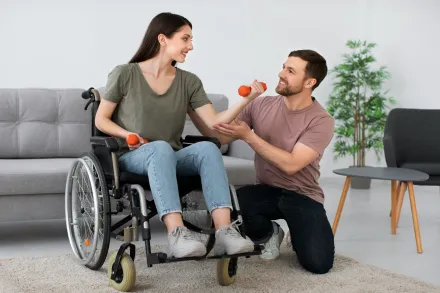
Physical rehabilitation stands at the intersection of science, care, and everyday life, weaving together knowledge from anatomy, physiology, psychology, and social factors to help people recover, adapt, and participate fully in their communities. It is not a single intervention but a coordinated series of assessments and therapies designed to restore function after injury or illness, reduce the burden of disability, and empower individuals to reclaim autonomy. At its heart lies a patient centered philosophy that recognizes each person as a unique combination of body, mind, and environment, whose goals, preferences, and life context should shape every treatment plan. In practical terms physical rehabilitation covers a spectrum that includes evaluation, goal setting, active and passive therapies, education, self management strategies, and ongoing monitoring, all delivered within a framework of safety, evidence, and compassionate care. The overarching purpose is to translate scientific insights into meaningful improvements in everyday life, from walking without pain to engaging in meaningful work or leisure activities, while also addressing the emotional and social dimensions that accompany physical change. Within this broad scope, rehabilitation professionals collaborate with patients, families, and other clinicians to tailor interventions that address present limitations while building resilience for the future, recognizing that progress is rarely linear and that recovery often unfolds within a dynamic landscape of health, function, and well being.
In many healing journeys the role of physical rehabilitation begins at the moment of injury or disease onset and continues through the phases of recovery, adaptation, and optimization of function. It encompasses more than the restoration of range of motion or strength; it also seeks to mitigate secondary complications such as poor circulation, deconditioning, pressure injuries, and loss of motor control patterns that can arise when movement is restricted. The rehabilitative process integrates manual techniques, therapeutic exercises, modalities, and support strategies with patient education that clarifies expectations, explains the rationale for interventions, and builds confidence in self managed care. A crucial element is the emphasis on prevention—anticipating risks, teaching safe movement patterns, and fostering habits that reduce relapse or recurrence. By focusing on how people actually move and function in their day to day lives, rehabilitation professionals help translate clinical gains into practical improvements that matter to quality of life, independence, and participation in family or community activities. The cultural humility embedded in modern rehabilitation also attends to language, beliefs, and values that influence how care is received, ensuring that interventions respect preferences and avoid imposing rigid norms in diverse populations. In essence, physical rehabilitation is a dynamic practice that seeks to restore not only physical capacity but also a sense of agency and purpose that can guide a person through the uncertainties of recovery with clarity, hope, and determination.
The field of physical rehabilitation draws on a robust body of evidence that guides when to use particular approaches, how to measure progress, and how to adjust plans in response to changing needs. Clinicians rely on validated assessments to identify functional limitations, quantify impairment, and monitor outcomes over time. These assessments may be specific to a patient’s condition—such as gait analysis after a hip fracture, neuromuscular tests following a stroke, or endurance testing for chronic cardiopulmonary disease—as well as general measures of function, balance, pain, and mood. The interpretation of these findings informs the selection of interventions, setting of realistic goals, and negotiation of a treatment timeline that aligns with medical status, personal priorities, and resource availability. Importantly, evidence in rehabilitation emphasizes the interaction between physical capacity and psychosocial factors; motivation, fear, and social support can profoundly influence the pace and extent of recovery. Therefore, the best rehabilitation plans integrate physical strategies with psychological encouragement, social considerations, and practical arrangements for maintaining gains beyond the clinical setting. This integration is reinforced by continuous professional development, patient feedback, and a commitment to safety, quality, and equity in care as the field evolves with new discoveries, technologies, and models of care.
In clinical practice, rehabilitation is often delivered by teams that bring complementary expertise to the patient’s journey. A typical rehabilitation encounter may involve a physical therapist who designs and guides therapeutic exercises and functional training, an occupational therapist who supports the performance of daily tasks and adaptive strategies, a speech language pathologist when communication or swallowing is affected, and a physician who coordinates medical care and tracks medical risk. Nurses, social workers, psychologists, and sometimes vocational counselors contribute to addressing the full spectrum of needs that accompany physical impairment. This interdisciplinary collaboration allows for comprehensive assessment and management that recognizes how mobility, dexterity, cognition, sensation, and social context interact to determine a person’s ability to participate in life as fully as possible. Communication within the care team is essential, with regular case conferences, shared goals, and clear handoffs that reduce fragmentation of care. The patient remains at the center of this network, guiding decisions through expressed preferences and informed consent, while clinicians provide expertise to translate goals into concrete, achievable steps. When teams work well, rehabilitation becomes a cohesive journey in which each member’s contributions reinforce one another, creating a synergy that accelerates functional recovery and nurtures sustained improvements in health and well being. In practice this means coordinated care plans, consistent monitoring, and flexible scheduling that respects the realities of patients’ lives, including work responsibilities, caregiving duties, and transportation constraints, all of which influence adherence and outcomes in meaningful ways.
Introduction to physical rehabilitation
Physical rehabilitation is fundamentally about enabling function and participation. It begins with careful assessment of movement, strength, balance, endurance, and coordination, then proceeds to establish goals that reflect what matters most to the patient. The process is iterative: clinicians reassess, refine, and adapt strategies as healing progresses or as new challenges arise. Central to effective rehabilitation is a belief in the body’s capacity for change, paired with a disciplined approach that blends evidence with individualized care. This combination helps patients regain independence in daily life, resume preferred activities, and return to work or school when possible. The rehabilitative journey is not solely about restoring lost ability but also about preventing decline, reducing pain, and improving confidence. When patients perceive tangible improvements and recognize that the plan is responsive to their evolving needs, they are more likely to engage actively, report satisfaction with care, and sustain healthy behaviors after formal therapy ends. The ultimate aim is to help people move beyond mere survival from illness or injury toward a future where they can actively shape their trajectories and live with meaning and purpose, even in the presence of limitations that may persist. In this sense physical rehabilitation embodies both science and humanism, combining measurable gains with a deep respect for individual experience and dignity.
Historical perspective and evolving practices
To understand today’s rehabilitative landscape it is helpful to glance back at the arc of history and recognize how practice has evolved in response to new knowledge, technologies, and patient expectations. Early rehabilitation was often intermittent and informal, grounded in general exercise and mobilization without the benefit of systematic measurement or standardized protocols. Over time, as anatomy and physiology were clarified, as surgical techniques advanced, and as the consequences of immobility became increasingly evident, practitioners developed structured approaches to restore motor function, reduce pain, and prevent complications. The modern era of rehabilitation gave rise to specialized disciplines, stronger emphasis on evidence based practice, and the emergence of patient centered models that prioritize individual goals, preferences, and values. Innovations such as precise gait analysis, targeted neuromuscular re education, and task oriented training emerged from research and clinical observation, demonstrating that purposeful, functional practice leads to meaningful improvements. The integration of technology—motion capture, wearable sensors, telehealth, and digital platforms—expanded reach and allowed for remote monitoring, enabling rehabilitation to extend beyond the walls of clinics into homes and communities. As populations age and the burden of chronic disease grows, rehabilitation has increasingly aligned with public health principles: preventing disability, promoting physical activity, and supporting participation across diverse settings. This historical trajectory reveals a field that is both rooted in timeless human needs for movement and capable of rapid adaptation as science and society change, a combination that renders physical rehabilitation a dynamic and essential component of comprehensive health care.
The evolution of rehabilitation also reflects shifts in patient expectations and social awareness. People seek care that not only restores function but also respects autonomy, facilitates return to meaningful roles, and addresses the emotional impact of disability. The emphasis on person centered care has encouraged practitioners to listen more carefully, to involve patients in decision making, and to tailor interventions to the realities of life, including caregiving responsibilities, cultural beliefs, and access to resources. As evidence accumulates about what works for different conditions, clinicians increasingly adopt flexible models that combine in person treatment with home based programs, tele rehabilitation, and community resources. This broader perspective acknowledges that recovery is influenced by social determinants of health such as transportation, housing, education, and income. By acknowledging these factors and integrating strategies to address them, physical rehabilitation becomes more effective, equitable, and sustainable. The ongoing evolution of the field thus rests on a cycle of inquiry, clinical practice, patient experience, and system level improvement that strives to maximize function, safety, and participation for every person who seeks care.
In contemporary practice, rehabilitation professionals continually refine their approaches through rigorous research, clinical audits, and professional development. Randomized trials, observational studies, and quality improvement initiatives contribute to understanding which interventions yield the best results for particular conditions and populations. Yet knowledge alone is not enough; the translation of research into practice requires skilled communication with patients and collaboration across disciplines. Clinicians must interpret evidence in the context of each patient’s unique story, balancing the strength of data with clinical judgment and practical feasibility. This is why continuous education, reflective practice, and mentorship are valued in rehabilitation settings. It is also why guidelines increasingly emphasize personalization, safety, and shared decision making. The net effect is a field that remains deeply practical while remaining responsive to new insights, ensuring that care stays relevant, effective, and humane for people who are navigating the complexities of health, disability, and recovery.
As modern rehab continues to integrate advances from neuroscience, biomechanics, and behavioral science, the role of patient empowerment grows stronger. Rehabilitation no longer happens primarily in clinics; it unfolds wherever people live, work, and move. Home exercise programs, guided by clinicians, become central to maintaining gains, while community resources such as fitness facilities, adaptive sports, and peer support networks extend the rehabilitative reach. Tele rehabilitation, online coaching, and remote monitoring tools provide alternatives that can overcome geographic and logistical barriers, enabling people in rural or underserved areas to access high quality care. The field increasingly recognizes the importance of mental health, coping strategies, and motivation as determinants of success, leading to more integrated approaches that address mood, stress, and confidence as part of physical recovery. This broader understanding marks a maturation of physical rehabilitation from a collection of exercises to a comprehensive, life oriented practice that supports people across the spectrum of health and illness.
Core components of rehabilitation programs
At the core of every rehabilitation program lies a thoughtful assessment that maps strength, flexibility, balance, endurance, coordination, sensation, and functional capacity. This assessment serves as a compass for setting realistic, meaningful goals that reflect what matters most to the patient, whether that is walking without assistive devices, returning to a beloved hobby, or performing tasks with greater ease and safety. From there, programs typically incorporate a blend of active and passive therapeutic modalities designed to restore mechanical function, relearn motor patterns, and reduce pain. Exercise therapy forms a central pillar, featuring graded activities that progressively challenge the musculoskeletal and nervous systems while protecting tissues from overload. Gait and mobility training help people regain efficient, safe movement in daily life, while strength and flexibility work addresses imbalances that can predispose to injury or setback. Neuromuscular re education targets coordination and control, enabling more precise and efficient movement, especially after neurological events or orthopedic injuries. Education is woven throughout, providing patients with practical strategies to manage symptoms, pace activities, and integrate safe movement into routines. In many programs, manual therapy may accompany active work, offering skilled hands on methods to facilitate joint mobility, reduce stiffness, and support circulation. The use of modalities such as heat, cold, electrical stimulation, or ultrasound is implemented judiciously to complement active interventions and manage symptoms in ways that are supported by evidence. Beyond physical techniques, rehabilitation emphasizes patient empowerment through self management plans, home exercise programs, activity pacing, and strategies to maintain gains during transitions from therapy to independent living. In addition, psychosocial support, goal revision, and ongoing communication with the patient and family help sustain motivation and adherence, turning rehabilitation from a finite course into a durable approach to life after injury or illness.
Common elements across rehabilitation disciplines include a focus on safety and risk reduction, ensuring that exercises match the patient’s current abilities while progressively increasing challenge as tolerance improves. A typical program is structured yet adaptable, with milestones that mark progress and guide adjustments. The setting may be a hospital or clinic, but increasingly it includes home based visits, community centers, or remote sessions that bring expertise to the patient’s everyday environment. A good program integrates functional tasks that resemble real life, such as lifting groceries, climbing stairs, or negotiating uneven surfaces, so improvements translate into practical capabilities. It also integrates patient preferences, such as choosing preferred activities, music, or environmental contexts that facilitate engagement and adherence. Finally, outcomes are measured not only in objective improvements in strength or range of motion, but also in how confident people feel, how pain affects daily life, and how well they can participate in roles that are meaningful to them. This holistic approach ensures that rehabilitation is not merely about returning to baseline but about reclaiming a sense of competence and independence that enhances overall well being.
When planning therapy, clinicians consider potential barriers to progress such as comorbidities, medications that influence balance or cognition, fatigue, sleep quality, nutrition, and emotional health. They also anticipate safety concerns, including fall risk, joint instability, or cardiovascular stress, and design interventions to minimize risk while maximizing benefit. This comprehensive perspective requires ongoing communication with medical teams to adapt treatment as new information arises about a patient’s health status. For example, a patient recovering from a stroke may require a combination of motor practice, constraint induced movement therapy, and communication strategies, while someone with chronic obstructive pulmonary disease may benefit from aerobic training, breathing techniques, and energy conservation education. The overarching principle is that rehabilitation is an active, collaborative process in which the patient and clinicians co create a path toward greater function, with regular evaluation ensuring that the path remains aligned with changing needs and aspirations.
Interdisciplinary collaboration and care teams
Interdisciplinary collaboration lies at the heart of effective rehabilitation because many conditions affect multiple aspects of function and daily life. A well functioning team coordinates assessment, shares goals, and harmonizes interventions to avoid duplication while maximizing synergies. The physiotherapist often leads movement based therapies and technical rehabilitation strategies, translating anatomical knowledge into practical exercise plans. The occupational therapist focuses on tasks of daily living and adaptive equipment, teaching strategies that enable independence in home and work settings. Speech language pathologists address communication and swallowing difficulties that may accompany neurological injuries, ensuring that cognitive and language abilities support safe participation. Physicians monitor medical stability, oversee medication usage, and coordinate referrals to subspecialists when needed. Nurses provide bedside care, monitor progress, and support healing in inpatient settings. Social workers help navigate the social and financial dimensions of care, connecting patients with community resources, transportation options, and supports that ease access to services. Psychologists assist with coping, motivation, and behavior change, recognizing that emotional health can amplify or hinder physical recovery. Vocational counselors, educators, and community health workers extend the reach of rehabilitation into employment, education, and social participation. In this collaborative ecosystem clear communication, respect for each discipline, and shared decision making are essential, ensuring that patients receive comprehensive, coherent care that respects their values and goals. This integrated approach not only improves clinical outcomes but also enhances patient satisfaction, reduces fragmentation, and fosters a culture of continuous learning within health systems.
In practice, successful team based rehabilitation requires efficient leadership, robust care pathways, and reliable information sharing. Documentation must be transparent and timely to support continuity of care across settings, and care plans should be adaptable to the realities of funding, availability of therapists, and patient life circumstances. When teams function well, they create a therapeutic environment that reinforces progress, reduces anxiety about care transitions, and builds a sense of partnership between patients and clinicians. The result is a more resilient form of rehabilitation that can withstand the pressures of busy clinics and complex patient needs while maintaining a steadfast commitment to safety, dignity, and outcomes that matter to patients’ daily lives.
Rehabilitation across life stages
Physical rehabilitation is relevant across the lifespan, from early childhood through late adulthood, with strategies tailored to developmental stage and life context. In pediatric rehabilitation the focus extends beyond recovery from injury to supporting growth, play, and participation in school and social activities. Therapies emphasize motor development, coordination, and access to age appropriate activities, while families learn how to create supportive environments and encourage exploration. In adolescence rehabilitation often intersects with sports participation and a desire to maintain independence amidst school demands. The objective is to promote safe activity, adaptive problem solving, and resilience, while respecting the unique social dynamics of this life phase. For adults rehabilitation centers on regaining function after illness or injury, returning to work, and maintaining independence in daily routines. Middle aged and older adults require attention to comorbidities like diabetes, cardiovascular disease, arthritis, and balance disorders, with programs that emphasize sustainable activity, fall prevention, and functional autonomy. In late life rehabilitation prioritizes safety, subtle improvements in mobility, communication, and social engagement, and strategies to preserve cognitive health and prevent isolation. Across all ages, rehabilitation adapts to cultural expectations, family roles, and available community supports, recognizing that successful outcomes depend as much on the environment as on the person’s physical capacity. The continuity of care, transitions between hospital, outpatient, and home based programs, and access to resources are particularly important as people navigate aging, disability, or chronic illness.
Children and youth may benefit from play based therapies that harness curiosity and motivation while building strength, balance, and coordination in a developmentally appropriate manner. Adults with acute injuries often require rapid initiation of rehabilitation to prevent deconditioning and to scaffold return to function, whereas individuals managing chronic diseases may focus on energy conservation, pacing, and long term lifestyle integration. Geriatric rehabilitation emphasizes multifactorial risk reduction, addressing persistent pain, sarcopenia, frailty, and the social support networks that sustain independence. Across all groups, rehabilitative care seeks to optimize participation by aligning medical, social, and environmental factors. The aim is not merely to restore function, but to enable meaningful engagement with life in ways that reflect each person’s values, capacities, and aspirations. This age spanning approach reinforces the idea that rehabilitation is a lifelong process that can be integrated into ongoing health maintenance and personal growth rather than treated as a episodic intervention reserved for crisis periods.
Rehabilitation in acute care and chronic disease management
Acute care environments require rapid, precise, and often high intensity rehabilitation efforts designed to stabilize medical status while preserving or restoring movement. Early mobilization after surgery or critical illness can prevent muscle atrophy, reduce delirium, and shorten hospital stays, and it requires tight coordination with nurses, physicians, and therapists to monitor vitals, pain, and fatigue. As patients transition to sub acute or community settings, the focus shifts toward functional independence, safety at home, and strategies to manage symptoms in daily life. In chronic disease management rehabilitation emphasizes ongoing activities that promote cardiovascular health, musculoskeletal integrity, respiratory efficiency, and energy conservation. It recognizes that chronic conditions interact with lifestyle factors, psychosocial stress, and access to care, and it offers a structured yet flexible plan that supports sustained engagement. Programs such as cardiac, pulmonary, and diabetes rehabilitation illustrate how physical therapy, education, nutrition, and behavior change strategies can combine to reduce symptom burden, improve exercise tolerance, and enhance overall health status. Across these contexts, rehabilitation seeks to stabilize health, reduce disability, and help individuals participate in meaningful activities in the face of illness or aging. The capacity to tailor intensities, progressions, and supports to individual trajectories is what makes rehabilitation a durable investment in health, with benefits that extend beyond the clinic into family life, work, and community involvement.
In acute settings a common aim is to minimize bed rest, encourage safe movement, and prevent complications of immobility, such as pressure ulcers or venous thromboembolism, while coordinating with medical teams to ensure that movement does not compromise healing. In chronic disease care the emphasis shifts toward lifestyle modification, long term adherence to exercise regimens, and the integration of rehabilitation into daily routines. The synergy between acute and chronic pathways lies in a continuous loop of assessment, intervention, and re evaluation that tracks progress, anticipates barriers, and updates goals as patient circumstances evolve. When this loop functions optimally, rehabilitation becomes a reliable anchor for patients navigating complex medical journeys, offering structure, hope, and practical tools to maintain functionality and participation across varying levels of health and energy.
Technology and innovation in rehabilitation
Technological advances have expanded the reach and precision of rehabilitation in profound ways. Robotic assisted devices support repetitive, precise, and scalable movement practice, enabling patients to relearn motor tasks with less fatigue and improved consistency. Virtual reality and immersive simulations create engaging environments for therapy, allowing patients to practice functional tasks in safe, controllable settings while providing real time feedback on performance. Telerehabilitation brings expert guidance into homes and communities where access is limited, reducing travel burdens and enabling more frequent touchpoints between patients and clinicians. Wearable sensors monitor movement, gait, and activity levels in real world contexts, generating data that can refine treatment plans and motivate ongoing participation. Artificial intelligence and data analytics help interpret complex information from multiple sources, supporting personalized decision making, predicting risk of relapse or deterioration, and guiding resource allocation within health systems. Importantly, technology acts as an amplifier rather than a substitute for human interaction; empathetic communication, encouragement, and shared decision making remain core to rehabilitation, while digital tools provide scalable means to implement best practices. As innovation continues, clinicians must balance novelty with evidence, ensuring that new technologies demonstrably improve outcomes, accessibility, and overall patient experience without widening disparities in care.
Beyond devices and software, innovations in rehabilitation also include new models of care that emphasize early engagement, home based programs, and community partnerships. Multidisciplinary teams may utilize standardized pathways that embed evidence based protocols while preserving flexibility to adapt to individual needs. Digital platforms can host educational resources, track progress, and facilitate asynchronous communication between patients and providers. Wearables can provide immediate feedback on technique and effort, reinforcing correct movement patterns and preventing compensatory strategies that may cause longer term problems. The integration of precision medicine concepts is also beginning to influence rehabilitation, with attention to genetic, metabolic, and psychosocial factors that shape how a person responds to exercise and therapy. As the field becomes more sophisticated, it will increasingly rely on transparent reporting of outcomes, patient reported experience measures, and economic evaluations to determine which innovations deliver real value in real world settings. Ultimately technology should extend the reach of rehabilitation while preserving the personal, hands on aspects that make therapy meaningful and effective for each patient.
Patient engagement and empowerment
A central principle of modern rehabilitation is that lasting change requires active patient participation. Engagement grows when patients understand the why behind each intervention, feel capable of performing prescribed activities, and perceive concrete progress toward valued goals. Education is not a one time event but a continual dialogue that helps people interpret symptoms, manage discomfort, and navigate setbacks with resilience. When patients are co creators of their plans, they are more likely to adhere to home exercises, adopt lifestyle modifications, and sustain gains after formal therapy ends. Empowerment also involves addressing fears about movement, uncertainty about prognosis, and concerns about independence, providing psychological support alongside physical training. Social support from family, friends, and peer networks enhances motivation and accountability, while accessible resources such as transportation assistance, flexible scheduling, and affordable services reduce practical barriers to participation. Shared decision making respects patient preferences and values while integrating clinical expertise, creating a partnership in which patients feel heard, respected, and responsible for their own health. In this environment, rehabilitation becomes not a passive process of receiving care but an empowering collaboration that reinforces autonomy, competence, and hope, guiding individuals toward healthier, more meaningful lives despite the challenges they face.
Effective engagement is nurtured by clear communication about progress and realistic timelines. Clinicians employ plain language, check for understanding, and invite questions to ensure that patients grasp the purpose and expected benefits of their interventions. They celebrate small victories, normalize fluctuations in pace of recovery, and reinforce a mindset of gradual improvement rather than dramatic overnight change. By aligning goals with everyday activities, therapists help patients see the relevance of each tactic and maintain motivation over the long term. Education about body mechanics, pain science, and energy management equips people with skills to self monitor, adjust intensity, and make wise lifestyle decisions. This emphasis on empowerment extends to caregivers and families, who often play a critical role in supporting adherence and creating adaptable home environments. In sum, patient engagement is the engine that transforms rehabilitative science into practical, sustainable value in real life, ensuring that every intervention serves the person’s unique life story and future aspirations.
Outcomes and measurement
Measuring success in rehabilitation involves a blend of objective data, subjective experience, and real world impact. Clinicians track functional gains such as walking distance, balance, grip strength, and ability to perform daily tasks, using standardized tests that enable comparison across individuals and time. Patient reported outcome measures capture the person’s perspective on pain, fatigue, mood, and participation in meaningful activities, providing essential context for interpreting clinical findings. The integration of objective and subjective data supports a nuanced understanding of progress, helping clinicians distinguish genuine improvement from temporary fluctuations related to pain, sleep, or stress. In addition to clinical outcomes, rehabilitation programs increasingly examine process metrics such as adherence, safety events, and patient satisfaction, recognizing that these indicators influence long term success and health system performance. Economic outcomes, including cost effectiveness and resource utilization, are also considered, informing policy decisions and the optimization of care pathways. A robust measurement framework helps clinicians adapt plans promptly, communicate effectively with patients and families, and demonstrate value to funders, policymakers, and communities. As methods evolve, greater emphasis is placed on patient centered metrics that reflect what matters most to people in their daily lives, ensuring that rehabilitation continues to deliver tangible improvements in function, well being, and social participation across diverse settings.
Standardized collections of measures in rehabilitation are increasingly integrated with electronic health records, enabling seamless data sharing, benchmarking, and quality improvement. This data rich environment supports research that answers practical questions about how best to deploy exercises, how to sequence therapies, and how to tailor care for subgroups with different needs. Clinicians use this information to refine guidelines, train new practitioners, and advocate for resources that broaden access to high quality rehabilitation. At the patient level, transparent feedback about progress reinforces motivation and fosters collaboration. When individuals can see concrete evidence of their improvements, confidence grows and engagement strengthens, creating a virtuous cycle of effort and reward. Across institutions and systems, the emphasis on outcomes and measurement encourages accountability, continuous learning, and a culture that prioritizes effective, equitable care for people facing mobility, cognitive, or functional challenges.
Ethical and accessibility considerations
Rehabilitation stands on ethics anchored in respect for personhood, autonomy, dignity, and justice. Providers strive to honor patient preferences while offering candid information about prognosis, risks, and realistic possibilities. In practice this means ensuring informed consent, privacy, and respectful communication; avoiding coercive practices; and remaining vigilant about potential biases that could influence treatment decisions. Accessibility is a fundamental concern, as barriers related to geography, income, language, disability, or disability stigma can limit who benefits from rehabilitation. Efforts to mitigate disparities include offering sliding scale payments, designing services that can be delivered in multiple settings, providing interpreters or culturally adapted materials, and advocating for public policies that fund essential rehabilitation services as a right rather than a privilege. Ethics also encompasses safe innovation: new therapies and technologies must be evaluated for safety, efficacy, and equity, with prioritization given to interventions that truly improve outcomes for the people most in need. Finally, rehabilitation professionals must confront dilemmas about resource allocation, balancing individual needs with system constraints, and maintaining a commitment to fairness even when decisions are difficult. In sum, ethical and accessibility considerations are inseparable from the practice of rehabilitation, guiding every step of assessment, planning, and delivery toward a more inclusive, humane, and effective model of care.
Rehabilitation in global health contexts
In global health contexts, rehabilitation faces distinct challenges and opportunities shaped by resource availability, workforce capacity, and cultural norms. In low and middle income settings, innovative, cost effective approaches such as community based rehabilitation, task shifting, and integration with primary care can extend reach and reduce disability, supporting people to participate in education, work, and family life. Community based rehabilitation emphasizes training and empowering local volunteers and allied health workers to deliver basic movement therapies, provide education about injury prevention, and link individuals to services, thereby building local capacity and resilience. Even in settings with fewer formal facilities, simple, evidence based practices such as home exercise programs, safe lifting techniques, and balance training can yield meaningful improvements when delivered within supportive networks. In higher resource environments, rehabilitation programs can leverage advanced diagnostics, robotics, and telehealth; however, the core principle remains the same: interventions should be person centered, culturally appropriate, and accessible to those in need. Global health efforts thus foreground equity, inclusion, and sustainability, encouraging cross cultural learning and the sharing of knowledge to improve rehabilitation outcomes everywhere. This global perspective reminds us that disability is a universal human experience, and that the role of physical rehabilitation is to maximize participation and quality of life for all people, regardless of where they live or what resources are available to them.
Future directions and challenges
Looking ahead, rehabilitation faces both exciting possibilities and complex challenges. Advances in neuroscience, biomechanics, and data analytics promise more precise diagnoses, personalized therapies, and adaptive treatment plans that respond in real time to a patient’s progress. The integration of artificial intelligence with clinical reasoning may help clinicians predict risk, tailor exercise intensity, and optimize scheduling in increasingly constrained health systems. Tele rehabilitation and home based care will continue to grow, offering flexible access while maintaining the human connection essential to effective therapy. Yet barriers persist: workforce shortages, uneven distribution of services, reimbursement constraints, and the digital divide that can leave some patients behind. The field must continue to prioritize equity, ensuring that innovations are accessible to diverse populations and do not widen existing health disparities. It must also embrace sustainability, designing programs that are efficient, scalable, and capable of delivering high value while respecting patient autonomy and preferences. Research will be essential to identify not only which interventions work best, but for whom and under what circumstances, so that rehabilitation can be targeted with precision and compassion. As the role of physical rehabilitation expands into preventive care, community settings, and integrated health systems, its potential to improve lives grows correspondingly, offering a compelling vision of care that supports mobility, independence, and participation for people at all stages of life.