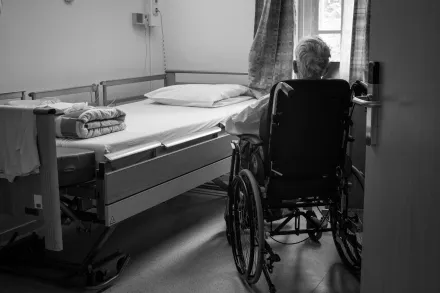
Palliative care is an approach to medical care that centers on alleviating suffering and enhancing the quality of life for patients and families facing serious illness, including terminal conditions. It is not reserved for the final days of life, nor is it synonymous with giving up on treatment. Rather, palliative care integrates with curative or disease-modifying therapies to address physical symptoms such as pain, breathlessness, fatigue, and nausea, while also tending to emotional, social, and spiritual needs. This holistic framework emphasizes the dignity of the person, respects patient and family values, and supports informed decisions across the trajectory of illness. By providing early and ongoing support, palliative care helps people navigate complex medical choices and adapt to changing circumstances with clarity and resilience.
What is palliative care?
Palliative care is defined by a philosophy of care that seeks to lessen the burden of illness in all its dimensions. It involves a multidisciplinary team that may include physicians, nurses, social workers, chaplains, psychologists, and other specialists who collaborate to craft a plan that aligns with the patient’s goals. The emphasis is on comprehensive symptom control, clear communication about prognosis and options, and coordination of care across different settings such as hospitals, clinics, the home, or hospice facilities. Palliative care recognizes that relief from suffering should be available at any stage of a serious illness, not merely in its last chapters. Through timely intervention, patients often experience improved functioning, greater participation in daily life, and more meaningful engagement with loved ones.
The goals of palliative care
The primary goals of palliative care are to relieve suffering, optimize quality of life, support families, and facilitate decisions that reflect the patient’s values and preferences. This involves managing pain and other distressing symptoms with evidence-based strategies, addressing anxiety and depressive symptoms, and ensuring that spiritual or existential concerns are acknowledged and explored with sensitivity. A second aim is to help patients maintain autonomy by providing information, exploring choices about treatment intensity, and ensuring that care plans remain in step with evolving wishes. Importantly, the process invites patients to define what a meaningful life looks like at any given moment and to adjust goals as circumstances change, without stigma or pressure to pursue aggressive interventions that contradict personal values.
Symptom management across diseases
Across terminal illnesses, symptom burden can be intense and multifaceted. Physical symptoms such as severe pain, organ failure-related distress, dyspnea, and cachexia can profoundly limit daily activities. Palliative care employs a combination of pharmacologic therapies, nonpharmacologic approaches, and careful monitoring to minimize side effects and maximize comfort. Equally essential is addressing nonphysical symptoms, including anxiety, fear, social isolation, and concerns about the loss of independence. By adopting a patient-centered approach, clinicians tailor interventions to the individual’s unique constellation of symptoms, cultural background, and personal priorities, ensuring that relief is real, timely, and aligned with what matters most to the person and their family.
Communication and decision making
Open, compassionate communication lies at the heart of effective palliative care. Healthcare professionals guide conversations about prognosis, treatment options, and anticipated outcomes with honesty, while honoring patient autonomy. Shared decision making involves presenting choices clearly, listening to the patient and family, and translating medical information into culturally appropriate terms. Advance care planning, including the designation of surrogates and the articulation of goals for care, is an ongoing process that may occur over months or years as the illness evolves. Through skilled communication, patients can articulate preferences for the level of intervention, the desired setting of care, and how they wish to allocate time with loved ones, even in the face of uncertainty.
Timing and early integration
Evidence increasingly supports integrating palliative care early in the course of serious illness, not only when symptoms become severe but when patients begin to confront difficult decisions about treatment direction. Early involvement allows for timely symptom control, reduces hospitalizations, and improves patient and family satisfaction. In many settings, introducing palliative care alongside disease-directed therapies helps to normalize conversations about prognosis and goals, reducing the sense of abandonment when treatment plans shift. Early integration also creates a framework for continuity of care, ensuring that transitions between hospitals, clinics, and home are seamless and that care remains coherent with patient values.
Care setting models
Palliative care can be delivered through multiple models designed to meet diverse needs. Inpatient consultation teams may assist when complex symptoms or difficult decisions arise during hospitalization. Home-based palliative care brings expert support into a patient’s residence, enabling symptom control, caregiver education, and respite for family members while maintaining links to specialty services. Outpatient palliative care clinics offer ongoing follow up, medication adjustments, and goal-concordant planning without requiring admission. Hospice programs, when appropriate, focus on comfort and quality of life during the final months, with an emphasis on dignity and support for both the patient and the family. Across these settings, the core principle remains the same: care should be accessible, coordinated, and responsive to changing needs.
Impact on patients and families
For patients, palliative care often translates into better symptom control, more consistent functioning, and greater satisfaction with care. Families benefit from structured support, education about caregiving tasks, and strategies to cope with stress and bereavement. When palliative care teams actively listen and validate the experiences of both patients and caregivers, relationships can deepen rather than fracture under the strain of illness. Caregiver burden, a common concern, may lessen through access to practical resources, caregiver training, and the reassurance that a knowledgeable team is available to help. The ripple effects of well-coordinated palliative care extend beyond the patient, strengthening the social fabric of the family and community alike.
Ethical and cultural considerations
Ethical practice in palliative care centers on respect for autonomy, beneficence, nonmaleficence, and justice. Clinicians strive to honor diverse cultural beliefs about illness, mortality, and caregiving, ensuring that care plans reflect values rather than assumptions. This includes respecting language preferences, spiritual needs, and traditional healing practices, as well as recognizing disparities in access to services. Providers work to reduce inequities by collaborating with community organizations, offering translation and interpretation, and advocating for policies that broaden coverage for palliative interventions. In this framework, decisions about life-sustaining treatments are guided by patient wishes, not by systemic pressures or misperceptions about what constitutes appropriate care.
Challenges and misconceptions
Several barriers complicate the adoption of palliative care. Some patients and families perceive palliative care as a signal that prognosis is imminent or that cure is no longer possible, leading to resistance or delayed engagement. Others worry about the cost or availability of services, especially in under-resourced settings. Healthcare systems may face difficulties coordinating interdisciplinary teams or navigating insurance requirements. Addressing these challenges requires clear education about the role of palliative care, transparent discussions about prognosis and options, and creative integration of services within existing care pathways. Dispelling myths that palliative care equals euthanasia or abandonment is essential to building trust with patients and communities alike.
The research and future directions
Research in palliative care spans symptom science, communication, care delivery, and health economics. Trials explore strategies to reduce hospitalizations, improve mood and sleep, and support families in bereavement. Innovations such as telepalliative care extend expert reach to rural or home-bound patients, while data-driven approaches help tailor interventions to individual needs. Education and training tools are being developed to embed palliative principles into general medical practice, ensuring that clinicians across specialties are equipped to discuss goals and manage discomfort early in the disease course. Ongoing policy reforms also aim to standardize access to palliative services and to recognize their value as part of high-quality care for serious illness.
The role of caregivers and community resources
Caregivers are integral partners in palliative care, often balancing multiple roles while managing the patient’s comfort and daily routines. Community resources, including home health aides, spiritual care providers, social workers, and patient advocates, complement medical teams and help sustain families through long illnesses. Education for caregivers addresses practical tasks such as medication management, recognizing red flags in symptoms, and coordinating appointments. By strengthening community networks and offering predictable support schedules, the care plan becomes more resilient to disruptions, and families gain the confidence to participate actively in decisions without feeling overwhelmed.
Practical steps for patients and families
Starting a palliative care conversation can be smoother when patients and families approach it as a process of partnership rather than a one-time event. Early discussions about goals, preferred settings, and expectations for symptom relief can guide future decisions and reduce uncertainty. Questions to ask a palliative care team may include how they prioritize symptoms, what treatments are being considered, how care will be coordinated across settings, and how conflicts in preferences will be resolved. It is important to identify a trusted contact person within the care team who can provide timely information and coordinate services as needs evolve, while maintaining a sense of continuity and familiarity in the patient’s care journey.
Narrative illustrations of palliative care in action
Consider a patient with a terminal illness experiencing breathlessness and anxiety that limit sleep and participation in daily life. A palliative care team might assess medications, adjust dosages to balance relief with side effects, and introduce nonpharmacologic techniques such as breathing exercises and environmental modifications. They would also explore the patient’s fears about dependence and the possibility of prolonged suffering, inviting family members to share their concerns and offering respite care to prevent caregiver burnout. Over time, the patient might choose to adjust treatment goals, shifting emphasis from aggressive intervention to comfort-focused care in a way that preserves dignity and aligns with personal values. In another case, a caregiver who feels overwhelmed by coordinating appointments receives guidance, education, and a structured plan that reduces confusion and ensures timely symptom management, strengthening the overall sense of security for the family as a unit. These narratives illustrate how palliative care can intersect with real life, adapting to evolving needs with empathy and practicality.
Interdisciplinary collaboration
Successful palliative care depends on a sustained collaboration among diverse professionals who contribute unique expertise. Physicians bring medical knowledge about disease processes and treatment options, nurses monitor symptoms and administer therapies, social workers address practical and financial concerns, chaplains and spiritual care providers attend to existential questions, and therapists or counselors support emotional well-being. This collaborative approach extends to communication with primary teams, pharmacists who optimize medications, and home health professionals who maintain continuity between hospital and home. Through regular team meetings and shared care plans, patients experience coherent care that reflects a comprehensive understanding of their whole person, not just their disease.
In this model, the patient remains at the center, with family members deeply involved in conversations about goals and preferences. The team respects patient autonomy while offering expertise, ensuring that decisions are informed by the best available evidence and shaped by what matters most to the patient. The synergy of different disciplines creates a safety net that minimizes suffering and strengthens capacity for living, even in the face of advancing illness.
As the illness progresses, the care plan evolves to address new symptoms, changing priorities, and shifting emotional landscapes. Regular reassessment ensures that treatment choices remain aligned with current goals and that any transitions—such as moving from hospital-based care to home-based management or entering a hospice program—are handled with sensitivity and clarity. The ultimate objective is to provide a steady, compassionate presence that supports patients and families through the uncertainties of terminal illness while preserving dignity, meaning, and connection with loved ones and the wider community.
In this ongoing journey, palliative care stands as a testament to medical compassion. It translates clinical expertise into humane acts that honor both the science and the humanity of care, ensuring that relief from distress and the deep human need for connection are not luxuries but fundamental rights for anyone facing life-limiting illness. By normalizing conversations about comfort, values, and care preferences, palliative care becomes a stabilizing force that helps patients continue to live with purpose, even as the disease progresses. This is not a retreat from treatment but a refined partnership that elevates the quality of life for as long as life remains meaningful to the person and their families.