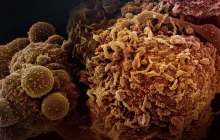
Leukemia represents a spectrum of hematologic cancers characterized by malignant transformation of blood and bone marrow cells, leading to abnormal production and function of white blood cells. The term chemotherapy refers to the use of cytotoxic drugs and other systemic agents that target rapidly dividing cells, a hallmark of many leukemic lineages. The marriage of chemotherapy with precise clinical reasoning has shaped how leukemia is diagnosed, staged, and treated, offering pathways to remission, long term disease control, and in some cases cure. Over time, the understanding of how these drugs affect malignant cells, as well as how to protect normal tissues, has evolved into more nuanced and patient centered strategies that weigh potential benefits against potential harms. In this comprehensive discussion the aim is to illuminate the role of chemotherapy within the broader context of leukemia management, highlighting how different disease subtypes demand distinct therapeutic plans and how supportive care and monitoring influence outcomes as much as the cytotoxic potency of the drugs themselves.
Why chemotherapy remains central in leukemia care
Chemotherapy remains central in many cases of leukemia because malignant cells often originate from the bone marrow compartments where normal blood cell development occurs. Agents that disrupt DNA replication and cell division exert cytotoxic effects on both malignant and normal rapidly dividing cells. The challenge lies in achieving a therapeutic balance that suppresses the leukemic clone vigorously enough to induce remission while preserving enough normal hematopoiesis to prevent life threatening complications. In acute leukemias, rapid disease control is essential because blasts can proliferate rapidly and crowd normal marrow function, leading to life threatening cytopenias and infections. In chronic leukemias, chemotherapy may be employed to slow disease progression, relieve symptoms, and prolong survival, sometimes in combination with targeted therapies that specifically disrupt leukemic signaling pathways. Across subtypes, chemotherapy acts through multiple mechanisms including interference with DNA synthesis, disruption of key metabolic pathways, and induction of programmed cell death in malignant cells. The systemic reach of chemotherapy allows treatment to address both circulating leukemic cells and malignant cells that reside within marrow and sanctuary sites, contributing to meaningful reductions in disease burden and improvements in quality of life for many patients.
Historical evolution and the shift toward combination therapy
Historically chemotherapy for leukemia began with single agents that offered modest gains and notable toxicities. As investigators gained insight into the biology of leukemic cells, strategies progressed toward combination regimens that integrated drugs with complementary modes of action. The rationale behind combination therapy rests on maximizing cancer cell kill while limiting drug resistance through simultaneous pressure on multiple cellular targets. In practice this has translated into protocols that combine drugs with different chemical classes and distinct mechanisms, scheduled to optimize bone marrow recovery and minimize cumulative toxicity. The evolution of supportive care, including growth factors, antimicrobial prophylaxis, and transfusion strategies, has also enabled more aggressive regimens to be delivered more safely. The result has been a continual improvement in complete response rates, event free survival, and overall survival for certain leukemia subtypes, while preserving a consideration of long term toxicity and the patient’s overall well being. The historical arc also reflects the growing integration of genetic and molecular diagnostics to tailor regimens, select patients likely to benefit, and adjust therapies in response to early markers of effectiveness or emerging resistance.
Mechanisms of action and major categories of chemotherapeutic agents in leukemia
The agents used to treat leukemia operate through a spectrum of biochemical targets, each contributing to the disruption of leukemic cell growth and survival. Antimetabolites mimic natural molecules essential to DNA synthesis, thereby blocking the replication process. Alkylating agents crosslink with DNA, producing irreparable damage and triggering cell death when cells attempt to divide. Anthracyclines and other intercalating drugs insert themselves into DNA and interfere with topoisomerase enzymes, further stalling replication and activation of cell death pathways. Antimicrotubule agents disrupt the spindle apparatus during cell division, preventing proper chromosome separation and leading to arrest and death. In some regimens, combinations incorporate inhibitors that interfere with specific signaling pathways important for leukemic cell survival or with agents that modulate the immune response to facilitate eradication of malignant clones. The heterogeneity of leukemia means that different subtypes may rely more heavily on particular drug classes, and contemporary practice often seeks a balanced approach that employs several mechanisms in concert to maximize efficacy while balancing toxicity.
Leukemia subtypes and how chemotherapy strategies differ
Acute lymphoblastic leukemia and acute myeloid leukemia are driven by rapid proliferation of immature cells, and their treatment requires quick and robust chemotherapy to induce remission. The precise regimens may vary by age, performance status, cytogenetic findings, and molecular mutations, with pediatric protocols frequently emphasizing fewer long term complications and higher cure rates while adult protocols focus on achieving durable remissions with acceptable toxicity. Chronic leukemias such as chronic myeloid leukemia or chronic lymphocytic leukemia often rely on targeted therapies in combination with or instead of conventional cytotoxic chemotherapy, reflecting the deeper understanding of disease biology. In chronic lymphocytic leukemia, for instance, chemoimmunotherapy regimens combine chemotherapy with antibodies that recruit immune mechanisms to destroy malignant cells, illustrating how chemo can be integrated with biologic agents to enhance efficacy. The variability among subtypes underscores the necessity of personalized treatment plans where the same general principle of cytotoxic chemotherapy can manifest in markedly different regimens and intensity guided by disease biology and patient factors.
Chemotherapy in acute lymphoblastic leukemia: regimens, timing, and goals
In acute lymphoblastic leukemia the treatment objective is rapid, deep remission, ideally eradicating leukemic cells from the marrow and other compartments. Regimens typically employ sequential phases that progress from induction to consolidation and maintenance, each phase designed to eradicate residual disease and consolidate the response. Induction seeks to achieve hematologic remission, consolidation aims to destroy micrometastatic disease, and maintenance sustains remission over a prolonged period. The drugs used span antimetabolites, corticosteroids, vinca alkaloids, and sometimes anthracyclines, arranged in a schedule that is carefully tuned to maximize kill while protecting marrow function and minimizing organ toxicity. Throughout therapy, close monitoring of blood counts, organ function, and treatment response guides subsequent decisions, including dose adjustments and the introduction of additional agents. The pediatric approach has long informed adult practices due to differences in tolerance and the potential for long term cure, and modern protocols increasingly reflect a harmonized understanding across age groups while preserving individualized regimens based on cytogenetics and molecular markers.
Chemotherapy in acute myeloid leukemia: balancing rapid cytoreduction with toxicity management
In acute myeloid leukemia, the cornerstone regimen often includes a combination of an anthracycline with cytarabine in the early intensive phase, designed to induce remission by delivering a high dose of cytotoxic agents over a short period. The intensity of therapy must be weighed against the patient’s age, organ function, and comorbidities because marrow suppression can expose patients to infectious complications and bleeding risks. Postremission strategies may involve additional cytotoxic therapy at reduced intensity or the pursuit of allogeneic hematopoietic stem cell transplantation for suitable candidates, depending on risk stratification. The dynamic between achieving rapid disease control and minimizing treatment related harm remains central to decisions in AML care, with ongoing research exploring novel combinations, lower intensity regimens for older patients, and targeted approaches that complement standard chemotherapy.
Supportive care and toxicity management during chemotherapy for leukemia
Supportive care is a critical complement to chemotherapy in leukemia treatment. It encompasses measures to prevent and treat infections, manage anemia and thrombocytopenia, mitigate mucositis and gastrointestinal toxicity, protect organ function, and support nutrition and physical well being. Prophylactic antibiotics, antifungals, and antiviral strategies reduce the risk of life threatening infections during periods of neutropenia. Growth factors such as colony stimulating agents may be used to shorten the duration of low blood counts in selected regimens, facilitating recovery and enabling timely administration of planned therapy. Nutritional support, dental care, skin protection, and pain management contribute to overall quality of life during arduous treatment courses. The toxicities of chemotherapy can be cumulative and unpredictable, underscoring the necessity for careful patient monitoring, dose modifications, and clear communication about expected side effects and available supportive options. A patient centered approach ensures that therapy decisions reflect not only the potential for disease control but also the patient’s goals, preferences, and life context.
Minimal residual disease, monitoring, and adapting chemotherapy plans
The concept of minimal residual disease refers to very small numbers of leukemic cells remaining after therapy, which can herald relapse if not controlled. Modern strategies incorporate sensitive molecular and flow cytometry techniques to detect MRD and guide subsequent treatment decisions. Early identification of rising MRD may prompt intensification of therapy, modification of regimens, or consideration of alternative approaches such as transplantation or targeted therapies. Regular monitoring during and after chemotherapy helps clinicians assess response, adjust doses, and tailor maintenance therapy to the evolving disease landscape. The ability to translate laboratory measurements into practical treatment decisions highlights the intersection of science and clinical judgment that characterizes modern leukemia care. This continuous feedback loop is essential for sparing patients unnecessary toxicity while preserving the chance of durable remission or cure in responsive subtypes.
Resistance, relapse, and strategies to overcome treatment failure
Resistance to chemotherapy arises through clonal evolution, drug efflux, DNA repair mechanisms, and other adaptive cellular processes that allow leukemic cells to survive despite exposure to cytotoxic agents. Relapse remains a major challenge in many leukemia subtypes, often requiring a dramatic rethinking of the therapeutic plan. Strategies to overcome resistance include switching to agents with different mechanisms, escalating doses within tolerance limits, employing escalation followed by stem cell transplantation when feasible, and integrating targeted therapies or immunotherapeutic approaches that engage the patient’s immune system to recognize and destroy malignant cells. The evolving landscape of leukemia treatment increasingly emphasizes detecting resistance early, reinterpreting disease biology through genetic profiling, and offering personalized options designed to recapture disease control even after relapse. In all cases, the goal is to regain a trajectory toward disease remission while preserving patient safety and function.
Personalized approaches: genetic and molecular considerations in chemotherapy planning
Advances in genomics and molecular biology have deepened the capacity to individualize chemotherapy for leukemia. Cytogenetic abnormalities and gene mutations help predict responsiveness to specific drugs, potential toxicities, and long term outcomes. Some alterations may guide the choice of chemotherapy backbones, while others indicate the likely benefit from integrating immunotherapy or targeted inhibitors into the regimen. Pharmacogenomic considerations influence drug metabolism and clearance, informing dosing strategies to optimize efficacy and minimize adverse effects. The trend toward personalization reflects a broader objective: to align therapy with the biology of a patient’s leukemia, thereby increasing the probability of a meaningful therapeutic response with tolerable toxicity. This patient centered precision medicine framework prompts ongoing research, collaborative decision making, and careful consideration of tradeoffs that matter most to each individual patient and their family.
Chemotherapy across age groups: pediatric, adolescent, young adult, and older adults
Age influences both disease biology and treatment tolerance, which in turn shapes chemotherapy planning. Pediatric patients often tolerate intensive regimens surprisingly well and may achieve higher cure rates in certain leukemias, while adolescents and young adults require carefully balanced strategies that reflect developmental considerations. Older adults frequently present with comorbidities and diminished organ reserve, necessitating approaches that preserve quality of life and minimize toxicity while still pursuing meaningful disease control. Across all ages, supportive care, antimicrobial strategies, nutritional support, and rehabilitation services play vital roles in enabling adherence to regimens and preserving functional status. The goal remains to tailor therapy to the individual, maximizing the chance of remission or long term disease control while respecting personal preferences and life circumstances.
Comparisons with targeted therapies and immunotherapies
Chemotherapy is one among several modalities used in leukemia care. Targeted therapies that interrupt specific molecular drivers of leukemic cell growth, and immunotherapies that harness the patient’s immune system to attack malignant cells, have transformed the treatment landscape for many leukemia subsets. In some scenarios, chemotherapy remains foundational, either as a backbone for induction and consolidation or as a prelude to transplantation, while in others it is combined with targeted agents or immune-based therapies to enhance efficacy. The decision to use solitary cytotoxic chemotherapy versus a combination strategy depends on disease characteristics, patient factors, prior responses, and the availability of novel therapies. Even as new drugs emerge, chemotherapy’s role persists due to its broad cytotoxic activity, its longstanding track record, and its complementary potential when integrated with more precise therapeutic approaches.
Outcomes and quality of life during chemotherapy for leukemia
Outcomes with chemotherapy vary widely across leukemia subtypes and individual patients. For some, chemotherapy can drive sustained remissions and even cure, while for others it primarily extends survival and alleviates symptoms. Quality of life during treatment is influenced by the balance of disease control against treatment related side effects, the patient’s baseline health, and the effectiveness of supportive care. Pain, fatigue, infection risk, mucosal toxicity, and mood changes are common experiences during chemotherapy, yet careful symptom management and psychosocial support can significantly improve daily functioning. Shared decision making, clear communication about realistic goals, and a plan for monitoring and adjusting therapy all contribute to a patient experience that respects dignity, autonomy, and hope even in the context of challenging disease trajectories.
The future of chemotherapy in leukemia care
Looking forward, research continues to refine dosing strategies, discover novel cytotoxic compounds with improved selectivity, and identify optimal combinations that maximize benefit while reducing harm. The integration of pharmacogenomics and pharmacokinetics aims to personalize dosing to each patient’s metabolic profile, potentially reducing toxicity while preserving efficacy. Innovative delivery methods, such as targeted drug conjugates, may sharpen the focus of chemotherapy on malignant cells and spare normal tissues. In addition, the intersection of chemotherapy with immunotherapy and targeted inhibition holds promise for achieving deeper remissions and longer lasting disease control. As our understanding of leukemia biology expands, the therapeutic paradigm will increasingly emphasize tailoring therapy to disease biology, patient goals, and real time monitoring of response. The result is a future where chemotherapy remains a foundational, evolving, and thoughtfully applied component within a broader, patient centered framework of leukemia care that seeks to maximize cure rates and improve life quality across diverse patient populations.
Putting it all together: practical implications for patients and clinicians
For patients facing leukemia, the prospect of chemotherapy can be daunting, yet it is often a central pathway to disease control and potential cure. Clinicians aim to present clear information about what to expect in terms of treatment schedule, possible side effects, and the kinds of supportive care that will be available. This includes discussions about how chemotherapy regimens are structured, the rationale for combining drugs, and how decisions evolve in response to treatment responses and emerging laboratory findings. Practically, this safety net encompasses close laboratory monitoring, timely management of any adverse events, and ongoing support for nutrition, mental health, and physical activity. The collaborative relationship between patient and clinician underpins the successful execution of complex treatment plans, ensuring that therapies align with both clinical goals and the patient’s personal values and life circumstances. Through this partnership, chemotherapy for leukemia becomes not only a medical intervention but also an opportunity to navigate care with honesty, empathy, and resilience.