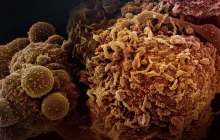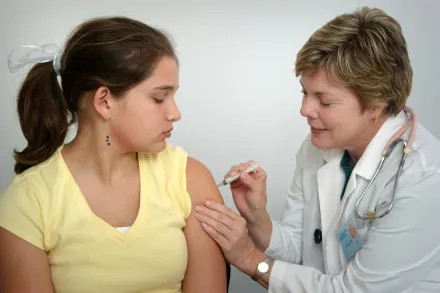
Vaccines are medical tools designed to prepare the immune system to recognize and neutralize pathogens without causing the illness themselves. They work by presenting the body with a safe version or part of a pathogen, or sometimes by delivering instructions that enable cells to manufacture that part. This early exposure triggers a cascade of immune events that lay the groundwork for rapid and specific defenses if the real microbe later tries to invade. The result is a memory friendly response that can prevent disease or lessen its severity, a clinical phenomenon that has transformed public health over the last century.
At the core of how vaccines work lies a delicate balance between triggering enough immune activity to forge lasting protection and avoiding the kind of immune overreaction that can lead to complications. The body has a built in surveillance system that can detect unfamiliar molecular shapes associated with microbes. When a vaccine introduces these shapes in a controlled and non threatening way, specialized sentinels in the tissue, known as antigen presenting cells, step forward to interpret the message and begin the process of training the immune response. The training involves both the immediate defenses and the longer lasting citizenry of immune cells that remember, recognize, and respond with greater speed and precision in future encounters.
Innate signals and the first encounter with a vaccine
The initial encounter with a vaccine occurs when innate immune sentinels such as dendritic cells, macrophages, and other resident immune cells detect adjuvants, if present, and the molecular patterns associated with the vaccine components. These sentinels act as alarm bells, releasing signaling molecules called cytokines that orchestrate the local environment and recruit additional immune participants. The alert not only helps to contain the initial exposure but also marks the moment when the adaptive system is invited to participate in a targeted and specific manner. The strength and quality of this innate response influence how robust the subsequent adaptive response will be, shaping both the magnitude of antibody production and the diversity of T cell responses that follow.
Antigen presentation as a bridge to adaptive immunity
After recognizing the vaccine antigen, antigen presenting cells internalize it, process the protein into smaller fragments, and display those fragments on their surface using molecule carriers known as major histocompatibility complex proteins. This display serves as a personalized invitation for T cells to inspect the fragments and decide whether they recognize them as dangerous. The interaction between the antigen presenting cell and a naïve T cell requires not only the visual cue from the antigen fragment but also additional signals that confirm the need for an immune response. This two step dialogue is essential to avoid accidental activation and to ensure that immune attention is directed toward the right targets. The result of this dialogue is the activation and proliferation of specific T cells that can assist B cells or directly attack infected cells.
How different vaccine types reveal antigens to the immune system
Vaccine platforms vary in how they present antigens and how they stimulate the immune system. Live attenuated vaccines use weakened forms of pathogens that can replicate just enough to provoke a natural like immune response without causing disease. Inactivated vaccines employ killed organisms that are unable to reproduce yet still provide recognizable structures to the immune system. Subunit vaccines contain only selected components of a pathogen, such as proteins, which reduces the risk of adverse reactions while still training the immune system to recognize the real organism. Toxoid vaccines target toxins produced by bacteria rather than the organism itself, training the body to neutralize harmful substances. Newer approaches include genetic instructions delivered by messenger RNA or viral vectors that cause host cells to produce specific antigens themselves, thereby simulating infection and driving a robust immune response without introducing a live pathogen. Each of these strategies has its own balance of safety, immunogenicity, and duration of protection that informs how it is used in public health programs.
Adjuvants: amplifiers of the immune signal
Many vaccines rely on adjuvants to strengthen and shape the immune response. Adjuvants are substances that are not directly protective themselves but enhance the body's recognition of the antigen and sustain the immune dialogue over time. They can stimulate innate immune receptors or alter the delivery and presentation of the antigen to immune cells, producing a more diverse and durable set of responses. The presence of an adjuvant can influence which types of helper T cells are favored, how long antibody producing cells persist, and how effectively memory cells are formed. In this sense, adjuvants function as conductors, guiding the orchestra of immune activity to generate a well balanced and sustained defense rather than a brief flutter of activity that fades quickly.
The humoral response: antibodies as frontline defenders
The antibody mediated arm of the immune system plays a central role in protecting against extracellular pathogens. When B cells encounter their specific antigen, often with help from activated T helper cells, they begin to proliferate and differentiate into two main lineages: short lived plasma cells that flood the bloodstream with antibodies and long lived memory B cells that lie in wait for future encounters. Antibodies can neutralize pathogens by blocking essential functions, mark invaders for destruction by other immune cells, and activate complement pathways that help to dismantle the microbial threat. The quality of the antibody response is shaped by germinal center reactions where B cells mutate their antibody binding regions to improve affinity and specificity, a process known as affinity maturation that refines protective defenses over time.
The cellular response: T cells orchestrate and execute immunity
Beyond antibodies, T cells provide crucial cellular defenses. Helper T cells assist B cells and coordinate immune responses by releasing cytokines that influence other cells, shaping the magnitude and character of the reaction. Cytotoxic T cells identify and destroy infected cells that display pathogen fragments on their surface, preventing the spread of infection within tissues. A subset of T cells also contributes to tissue surveillance and memory, ensuring that future encounters with the same pathogen are met with swifter and more precise action. The balance between helper and cytotoxic signals influences not only how quickly protection emerges but also how durable and adaptable that protection remains as pathogens evolve.
Priming memory: the foundation of lasting protection
One of the most remarkable aspects of vaccination is the formation of immunological memory. Following the initial exposure, populations of memory B cells and memory T cells persist in a resting yet vigilant state, ready to respond rapidly upon re encounter with the same antigen. When a vaccinated person is later exposed to the real pathogen, memory cells can initiate a quick and potent response, often neutralizing the threat before it can establish infection or significantly damage tissues. This memory is influenced by the initial quality of the response, the duration of antigen presence, and the support provided by helper cells and adjuvants during the priming phase. The result is a protective shield that can endure for years or even decades in some cases.
Factors that shape individual immune responses to vaccines
Individual variation plays a significant role in how vaccines perform in different people. Age can alter the architecture of the immune system, with younger immune networks often responding vigorously and older systems sometimes showing slower or less comprehensive responses. Nutritional status and metabolic health influence energy resources necessary for immune cell proliferation and maintenance. Genetics determine the baseline characteristics of immune receptors and signaling pathways, which can affect how antigens are recognized and how robustly memory is formed. The microbiome, a complex community of microorganisms within the body's ecosystems, can modulate immune tone and impact vaccine responsiveness. Environmental exposures, prior infections, and the overall history of immune challenges also contribute to the final outcome of a vaccination.
Timing, dosing, and schedules: shaping outcomes over time
The schedule of vaccination is designed to optimize the development of protective immunity while minimizing risk. A primary dose initiates the initial priming, followed by one or more boosters that reinforce memory and broaden the immune repertoire. The interval between doses can influence the durability of antibody responses and the maturation of memory cells, allowing the immune system to refine its recognition and response capabilities. Different vaccines may require distinct dosing strategies depending on the platform, the target pathogen, and the population being protected. Flexibility in schedules also accommodates considerations such as pregnancy, underlying health conditions, and potential co administration with other vaccines.
Safety, monitoring, and the risk benefit calculus
Safety is a central pillar of vaccination programs. Each vaccine undergoes rigorous testing to assess safety, efficacy, and potential adverse events before it reaches the public. Post licensure monitoring continues to track rare events and to investigate signals that might emerge as vaccines are used in larger and more diverse populations. The immune activation produced by vaccines is carefully calibrated to minimize harm while maximizing protective benefits. In practice, the safety profile of vaccines is typically strong, and the benefits of preventing serious disease and its complications far outweigh the risks for the vast majority of people. Transparent communication about risks and benefits helps individuals make informed decisions in consultation with trusted healthcare providers.
Implications for public health and population immunity
When a robust proportion of a community receives vaccination, the protective effects extend beyond individuals to create herd immunity, a phenomenon that reduces the transmission of pathogens and protects those who cannot be vaccinated. This communal shield depends on consistent coverage and on the lasting performance of vaccines against circulating strains. Public health strategies rely on continuous surveillance, data driven adjustments to vaccine composition when pathogens evolve, and equitable access to immunization services. The ultimate aim is to maintain a high level of functional immunity across the population, thereby reducing outbreaks, hospitalizations, and the societal burden of disease.
Emerging technologies and the frontier of vaccine design
Advances in science are expanding the toolkit for stimulating immune responses in safe and precise ways. Messenger RNA vaccines instruct cells to produce antigenic proteins, producing robust responses without the need for live pathogens. Nanoparticle delivery systems can improve antigen presentation and adjuvant effectiveness, guiding the immune system toward the most protective pathways. Protein subunits and virus like particles offer modular options for presenting targets to the immune system while minimizing risk. Researchers are exploring universal vaccine concepts that aim to cover multiple strains of a pathogen and mucosal vaccination strategies that stimulate immune defenses at the entry points of pathogens, potentially preventing transmission in addition to disease itself.
Impact of vaccination on the balance of immune memory and response
Vaccination reshapes the immune memory landscape by favoring responses that are rapid, precise, and durable. The immune system learns to recognize conserved features that are unlikely to change across different strains, preserving a core of protective memory even as pathogens evolve. By guiding the distribution of antibody isotypes and the programming of T cell subsets, vaccines influence not only immediate protection but also long term resilience against future encounters. This dynamic process reflects the adaptability of the immune system and the careful design behind modern vaccination strategies, which aim to outpace pathogen variation while maintaining excellent safety profiles.
Special considerations for vulnerable populations
Some groups require tailored vaccine approaches to achieve optimal protection. Infants and young children have developing immune systems that respond differently to vaccines, necessitating carefully spaced schedules and sometimes higher emphasis on booster responses. Older adults may experience immunosenescence, a gradual decline in immune function, which can affect the magnitude and duration of protection. Individuals with immune compromise or chronic conditions may require alternative strategies or additional doses to reach protective levels. In all these cases, healthcare systems adapt recommendations to balance safety with the best possible protective outcomes for each person.
Integrating vaccines with other health strategies
Vaccination does not operate in isolation but forms part of a broader set of health measures. Adequate sleep, balanced nutrition, regular exercise, and avoidance of tobacco exposure support immune function and can influence vaccine responses. Management of comorbid conditions, timely treatment of infections, and public health interventions such as sanitation and vector control complement immunization programs, reducing the opportunities for pathogens to spread and enabling vaccines to perform at their best. The synergy of these elements contributes to more resilient communities and safer health systems overall.
Ethical considerations and informed consent in vaccine practice
Ethical practice in vaccination involves transparent communication about benefits and risks, respect for individual autonomy, and attention to social equity. Providing clear, accessible information empowers people to make informed choices while recognizing the collective benefits of high vaccination coverage. In addition, health authorities work to minimize disparities in access to vaccines, ensuring that socioeconomic status, geography, and other barriers do not prevent people from receiving protection. An ethical framework underpins the trust that communities place in vaccination programs and their willingness to participate in ongoing public health efforts.
The future of vaccines and the ongoing immune narrative
The story of vaccines continues to evolve as science uncovers new layers of how the immune system learns and remembers. Researchers are exploring booster strategies that sustain protection over time, methods to broaden the range of protection against evolving pathogens, and adaptive platforms that can be rapidly deployed in response to emerging threats. The goal remains to maximize safety while expanding the reach of vaccines, ultimately reducing the burden of infectious diseases, saving lives, and enabling societies to thrive with greater confidence in their defenses against microbial challenges.