Understanding vulnerability and the protective purpose of vaccines
In public health, vulnerability describes a set of circumstances that increase the risk of severe illness, disability, or death from infectious disease. Age, existing medical conditions, and immune system status are key biological dimensions, while living conditions, access to care, and social determinants shape how quickly someone may become exposed or unable to recover. Vaccines sit at the intersection of biology and society by strengthening the body's frontline defenses while simultaneously reducing the opportunities pathogens have to spread. When communities embrace vaccines, they reduce the burden of disease not only for individuals but also for families, workplaces, and neighborhoods, where fragile periods or crowded living situations can amplify transmission. The protective power of vaccination arises from both personal immune readiness and the broader pattern of population immunity that limits outbreaks and protects those who cannot mount full responses on their own, such as newborns and certain patients with immune compromise. In this sense, vaccines serve as both medical interventions and social barriers that restrict the pathways through which infections move through communities.
Biological mechanisms by which vaccines protect individuals and communities
Vaccines work by priming the immune system to recognize specific pathogens without causing disease in the person receiving them. A vaccine introduces components that mimic parts of a microorganism or, in some cases, use harmless genetic instructions to guide cells to produce harmless pieces of a virus or bacterium. This exposure triggers the activation of immune cells and the development of targeted antibodies and memory cells that can respond rapidly upon real exposure. The result is durable protection that can prevent illness or, at a minimum, lessen its severity. Beyond individual protection, vaccines reduce the overall amount of circulating pathogen in a population, which lowers the chance that others encounter a contagious agent. This dual effect — personal immune readiness and community-wide transmission reduction — is particularly meaningful for those who may not respond well to vaccines due to aging, chronic disease, or immune suppression. In addition to circulating antibodies, some vaccines induce mucosal immunity at sites where pathogens commonly enter the body, providing a first line of defense that can blunt infection at its earliest moments and prevent onward spread. The cumulative effect of these mechanisms is a lasting shield that works best when broad coverage is achieved across diverse groups and settings.
Protection for the elderly and people with chronic conditions
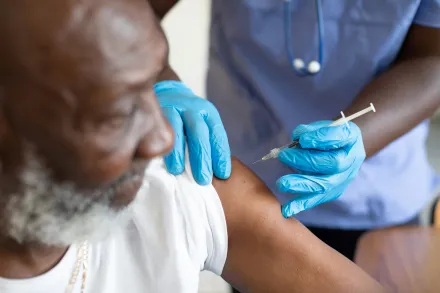
The aging immune system often responds less vigorously to vaccines, yet the elderly bear a heavy burden from respiratory infections and other illnesses that vaccines can prevent or mitigate. In this population, vaccines such as influenza and pneumococcal vaccines have a demonstrated role in reducing hospitalizations, complications, and mortality. For individuals with chronic conditions such as heart disease, diabetes, or lung disease, the protective effects can translate into a lower risk of severe disease, fewer days of illness, and better overall outcomes. Vaccination campaigns that emphasize accessibility, scheduling flexibility, and timely reminders help ensure higher uptake among older adults and those managing long-term health issues. When these individuals are well vaccinated, the consequences of entering a care setting or encountering a contagious pathogen are reduced, which in turn limits resource strain on healthcare systems and safeguards capacity for urgent needs in the community. The evidence base for this protective pattern has grown through decades of surveillance, clinical trials, and real-world effectiveness studies, reinforcing the idea that vaccines are a critical component of optimizing health in later life for those with chronic disease footprints.
Protecting infants and pregnant people through maternal and infant vaccination
Infants rely on the protection provided by maternal antibodies transferred during pregnancy and through breast milk, a natural bridge that helps bridge the gap before a child can begin their own immunization series. Maternal vaccination against diseases such as influenza or pertussis can significantly reduce the risk of severe illness in newborns during their first months of life, a time when their own immune systems are still maturing. In many communities, high vaccination coverage among pregnant people translates into lower rates of neonatal complications and reduced hospital admissions for infants who are too young to be vaccinated themselves. In addition to maternal immunization, the deliberate scheduling of infant vaccines helps establish a robust early-life defense that evolves as the child grows, continually updating the immune repertoire to recognize and respond to circulating strains. When both pregnant individuals and their newborns are protected, a two generation shield emerges that enhances protection across the earliest vulnerable phases of life and provides a foundation for sustained health across childhood and adolescence. This approach not only benefits individual families but also contributes to community resilience by decreasing the number of severe cases among the youngest residents and their caregivers.
Vaccinations and immunocompromised populations
People with weakened immune systems face unique risks because their bodies do not respond to infections as effectively or as quickly as those with fully functioning immune systems. Vaccination strategies for these populations carefully balance efficacy with safety, often favoring inactivated vaccines that do not contain live organisms capable of causing disease. Healthcare providers weigh the timing of vaccines against ongoing therapies such as immunosuppressive medications, aiming to maximize immune response where possible while avoiding potential adverse interactions. In many cases, the best available protection comes from immunizing close contacts and caregivers to minimize exposure risk through herd protection and to create a protective cocoon around vulnerable individuals. Achieving high vaccination coverage in households, clinics, and nursing facilities contributes to a safer environment and reduces the likelihood that immune-compromised people will encounter pathogens in settings where they may be unable to mount strong responses to infection. The field continues to refine immunization schedules and develop vaccines that elicit robust responses in immunosuppressed populations, advancing both personal safety and public health goals without compromising safety or well being.
Herd immunity and its impact on vulnerable populations
Herd immunity describes the protection that emerges when a sufficient proportion of a population is immune, thereby interrupting transmission chains. For vulnerable groups who cannot be vaccinated or for whom vaccines produce limited protection, herd immunity offers a critical form of indirect defense. When high vaccination rates curb the spread of pathogens, exposure risk for those who are elderly, immunocompromised, or newly exposed is greatly reduced. This protective effect extends to workplaces, schools, and care facilities, creating environments where outbreaks are less likely to take root and spread. The practical implication is that protecting oneself through vaccination can contribute to a broader shield for others who share spaces or rely on caregivers who might themselves be at heightened risk from infection. Sustained high coverage requires social trust, accessible vaccines, and consistent public health messaging that explains both personal and communal benefits in clear terms. The result is a virtuous circle in which individual protection reinforces community protection and vice versa.
Vaccination in healthcare settings and long-term care facilities
Healthcare environments and long-term care facilities concentrate individuals who are at higher risk of complications from contagious diseases. Staff vaccination reduces the probability that workers become vectors of transmission to residents and patients, while vaccination programs for residents correspond to fewer outbreaks, shorter illness durations, and more stable operations. In these settings, vaccines play a dual role by safeguarding patients with underlying vulnerabilities and supporting the well being and morale of the workforce who serve them daily. When vaccination coverage among staff and residents is high, the likelihood of rapid transmission events diminishes, enabling facilities to maintain essential care with less interruption. Public health partnerships that provide on-site vaccination clinics, flexible scheduling, and clear protections for staff who participate help ensure that clinics reach every corner of the facility and that no one is left unprotected due to access barriers or logistical challenges. The cumulative effect is a safer care environment and a more resilient system that can respond to evolving infectious threats with confidence.
Equity, access, and global health considerations
Vaccine equity rests on the simple truth that contagious diseases do not respect borders or social hierarchies. Inequities in access, affordability, and distribution leave segments of the population more exposed to disease and its consequences, particularly in communities that face poverty, unstable infrastructure, or discrimination. When vulnerable populations are left behind in vaccination campaigns, the risk of outbreaks increases not only for those groups but for the broader society as well. Addressing these disparities requires a mix of targeted outreach, culturally appropriate communication, and practical interventions such as community vaccine sites, transportation support, and financial incentives to reduce indirect costs of vaccination. Global health initiatives highlight that protecting the most vulnerable within one country helps safeguard neighbors and reduces the risk of pathogen persistence worldwide. By aligning policies with equity goals, health systems can foster trust, improve uptake, and create a lasting foundation for resilient protection across generations and geographies.
Barriers, hesitancy, and evidence-based communication strategies
Vaccine hesitancy exists on a spectrum, shaped by concerns about safety, effectiveness, and personal beliefs, as well as by experiences with health systems and the quality of public information. Addressing hesitancy requires listening, empathy, and clear, evidence-based messaging that acknowledges uncertainties while explaining how vaccines work, what protective effects look like in real-world settings, and how benefits compare to potential risks. Effective communication centers on trusted messengers, consistent information across channels, and transparent discussion of uncertainties as research evolves. It also involves making vaccines accessible in convenient locations and at times that fit diverse schedules. When communities feel heard and see demonstrable benefits of vaccination in terms of reduced illness, fewer hospital visits, and better overall health, confidence tends to rise. In this collaborative process, the scientific community, healthcare providers, policymakers, and community leaders share responsibility for accurate information and practical solutions that strengthen protection for vulnerable populations without diminishing individual autonomy or dignity.
Policy and practical strategies to strengthen protection for vulnerable populations
Policy approaches that prioritize protection for vulnerable groups rely on a combination of universal vaccination baselines and targeted interventions for high-risk populations. This includes maintaining robust immunization schedules, ensuring affordable access, and supporting outreach that reaches people where they live and work. Programs may expand clinic hours, implement mobile vaccination units for underserved neighborhoods, and integrate vaccination services into routine care visits so that immunization becomes a seamless part of health maintenance. In institutions such as elderly care facilities or specialized clinics, policies may require high vaccination coverage among staff and visitors to minimize exposure risk. Training for healthcare workers on risk communication, infection prevention, and the importance of vaccination helps create a consistent, trusting environment that encourages participation. The ultimate goal is to reduce harm by aligning logistical capabilities with ethical commitments to protect those most at risk, while maintaining respect for individual choice and cultural contexts. These principles guide ongoing improvements in health systems as infectious threats evolve and new vaccines become available.
Future directions in vaccines and public health
Advances in vaccine technology, surveillance, and data analytics promise to enhance protection for vulnerable populations in the coming years. Innovative platforms such as messenger RNA technologies, vector-based vaccines, and novel adjuvants offer opportunities to elicit stronger and longer lasting immune responses with favorable safety profiles. Ongoing research into universal vaccines aims to broaden protection across multiple strains and variants, reducing the need for frequent reformulations and accelerating timely deployment in response to emerging threats. Improved surveillance systems will help identify at risk groups earlier, allowing targeted vaccination campaigns that maximize impact. Investments in cold chain resilience, supply chain transparency, and real-time monitoring of vaccine distribution will minimize gaps in access and ensure that vulnerable communities receive vaccines promptly. The ethical dimension of these advances remains central, calling for inclusive decision making that considers equity, consent, and the right to health as core global norms. As science advances, public health practice must integrate new evidence with trusted communication and practical logistics to sustain and strengthen protection for those who stand to benefit the most from immunization.
Measuring impact and evaluating outcomes for vulnerable groups
Evaluations of vaccination programs rely on a combination of epidemiological data, clinical outcomes, and health system metrics to understand the real-world benefits for vulnerable populations. Researchers examine trends in hospitalization rates, severity of illness, and mortality before and after vaccine introduction or during campaigns, while also considering indirect effects such as reduced absenteeism and improved caregiver capacity. Quality measures in care settings increasingly incorporate vaccination status as a key indicator of preparedness and resilience against outbreaks. Health economists analyze cost savings from prevented disease and reduced emergency care utilization, balancing these against program costs and logistical needs. In communities facing barriers to access, researchers work with local partners to identify bottlenecks and test strategies to remove them, ensuring that data translate into practical improvements. Transparent reporting and continuous learning underpin the credibility of vaccination programs and help sustain investment in protection for those most at risk of adverse outcomes from infectious diseases.
Ethical dimensions of protecting vulnerable populations through vaccination
Ethics in vaccination policy centers on balancing individual rights with collective responsibilities, especially when the protection of others depends on personal decisions about vaccination. Safeguards include informed consent, respect for cultural and religious beliefs, and clear explanations of the potential harms and benefits of immunization. Policies that prioritize vulnerable groups must be designed with sensitivity to stigma, privacy, and autonomy, while still recognizing the public health imperative to reduce disease burden and safeguard essential care capacities. Engaging communities in the design and implementation of vaccination programs helps ensure that interventions are culturally appropriate and that people feel respected and heard. This ethical framework supports equitable access, reduces disparities, and strengthens the social contract that binds individuals to responsible action for the greater good. In practice, ethics guide every step from research and development to deployment, monitoring, and ongoing communication about risk and benefit for those who need protection most.