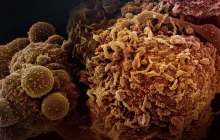
Understanding Influenza and Its Impact
Influenza, commonly known as the flu, is a contagious respiratory illness caused by influenza viruses that circulate in humans and several animals. These viruses are notorious for their ability to change each year through genetic shifts and drifts, which can alter which strains predominate in a given season. The illness can range from a mild feverish illness to a severe respiratory disease that requires medical care, and in some cases it can lead to hospitalization or death, particularly among young children, older adults, pregnant individuals, and people with certain chronic health conditions. The spread of influenza typically occurs through droplets released when an infected person talks, coughs, or sneezes, and these droplets can land in the nose or mouth of nearby people or be inhaled into the lungs. In addition to direct person-to-person transmission, contaminated surfaces can play a smaller role when someone touches a surface and then touches their face. The seasonal pattern of influenza varies by geography and climate, but each year many communities experience a wave of illness that disrupts schools, workplaces, and health care services, reminding societies of the importance of prevention, including vaccination. The disease burden is not limited to the individual patient; it encompasses families, caregivers, and the broader health system, which must allocate resources for diagnostic testing, treatment, and supportive care during peak periods of activity. This broader impact underscores why a vaccine that can provide protection even against a portion of circulating strains is valuable in reducing overall illness and preserving health system capacity.
In addition to the acute symptoms commonly associated with influenza, such as fever, fatigue, cough, sore throat, and body aches, the virus can lead to complications like pneumonia, bronchitis, and exacerbations of underlying medical conditions. For certain populations, even a mild case can have lasting consequences, while in others the illness may be more intense and prolonged. Public health strategies to limit transmission often include vaccination as a primary tool, because vaccines have the potential to decrease the number of people who become infected in the first place and to lessen the severity of illness if breakthrough infection occurs. Understanding how vaccination contributes to individual protection as well as community protection is essential for making informed decisions about immunization and for recognizing the role of vaccines in a comprehensive approach to disease prevention.
The immune system is the body's defense network, capable of recognizing foreign invaders and mounting targeted responses. When a person receives a vaccine, a carefully prepared piece of the virus or a representative protein from the virus is introduced in a form that does not cause disease. This exposure prompts the immune system to generate antibodies and activate immune cells that remember the invader. If the real influenza virus encounters the body later, the prepared immune system can respond more rapidly and effectively, often preventing illness or reducing its severity. Vaccination thus trains the immune system to act as a vigilant guard, standing ready to identify and neutralize the virus before it can establish a strong foothold in the respiratory tract. The memory formed by prior vaccination can persist for months or years, helping to maintain level protection across multiple influenza seasons, though the exact duration of protection can vary and may be influenced by several factors, including age and the match between the vaccine and circulating strains.
One of the key reasons influenza vaccines are updated yearly is the virus’s ability to change its surface proteins, which are the primary targets of the immune response. When the virus mutates in a way that alters these targets, antibodies generated by a previous vaccine may be less effective at recognizing the new version. Health authorities rely on global surveillance networks to monitor circulating strains and predict which forms are most likely to pose a public health risk in the coming season. Based on these predictions, manufacturers produce vaccines that incorporate components designed to induce protective immunity against the anticipated strains. While no vaccine is perfect, even partial protection can reduce the likelihood of infection and, for those who do become infected, often lessen the severity, shorten the duration of symptoms, and decrease the risk of serious complications.
Vaccination also contributes to the health of communities through a concept known as herd immunity. When a substantial portion of the population is immune to influenza, transmission chains are interrupted more effectively, making it harder for the virus to spread. This indirect protection is particularly important for individuals who cannot be vaccinated or who may respond less robustly to vaccines, such as newborns or those with weakened immune systems. By decreasing the overall amount of circulating virus, vaccines help to protect vulnerable groups and support the functioning of health care systems during peak influenza activity by lowering hospitalization rates and demand for medical resources. The collective benefit of widespread vaccination is a public health achievement that complements antiviral medications and nonpharmaceutical interventions, creating a layered defense against a virus that can cause widespread illness in communities year after year.
How Flu Vaccines Are Made
The development of influenza vaccines is a complex process that blends scientific insight with practical manufacturing considerations. Each year, health authorities and researchers work together to forecast which strains are likely to be predominant during the upcoming flu season. The resulting vaccine formulation is designed to trigger immune responses against those specific strains, while also providing some cross-protection against closely related variants. The production of vaccines often involves growing virus components in controlled systems, and the choice of production method can influence the speed of manufacturing, the scale of distribution, and the fraction of the population that can be reached in time for the season. Historically, some vaccines have been produced using eggs, which allows large quantities to be produced with well-established techniques, but other methods, such as cell-based or recombinant technologies, are increasingly used to diversify options and to shorten manufacturing timelines in response to emerging strain patterns. Each production route results in a slightly different product profile, but all aim to present the immune system with recognizable influenza antigens that prompt durable antibody responses without causing disease in the recipient.
Inactivated vaccines, which contain killed virus, have long been a mainstay of seasonal influenza protection and are typically administered by injection. Live attenuated vaccines, which contain weakened virus, are designed for nasal administration and tend to induce immune responses in the mucosal tissues of the respiratory tract, potentially offering additional layers of protection. The noncellular and adjuvanted vaccines include formulations designed to boost the immune reaction in populations that may respond less vigorously, such as older adults. The process of updating vaccines each year is guided by global surveillance and scientific evaluation, and the resulting products are tested for safety, potency, and consistency before they are approved for use. The end goal across all production approaches is to present the immune system with immunogenic components that resemble circulating influenza viruses closely enough to generate protective antibodies while maintaining an excellent safety profile for recipients.
Beyond the traditional egg-based approach, modern vaccine development harnesses techniques that can shorten development times and expand the reach of vaccination programs. Cell-based vaccines grow influenza viruses in mammalian cell cultures rather than eggs, offering an alternate production path that can reduce certain production challenges. Recombinant vaccines use purified protein components without the need for live virus, enabling rapid manufacturing and potentially improving vaccine safety in specific groups. Quadrivalent vaccines, which include protection against two influenza A strains and two influenza B strains, are now common, broadening the spectrum of coverage within a single shot. This diversity in manufacturing and formulation supports flexibility in responding to the evolving influenza landscape while maintaining a focus on delivering safe, effective protection to as many people as possible.
The overall goal of vaccine design is to stimulate immune memory against the most impactful influenza viruses while minimizing adverse reactions. Even though strains and exact compositions may vary from year to year, the underlying principle remains constant: prime the immune system so it can recognize and respond quickly to real infections. This preparation is particularly important for individuals who may be exposed in crowded settings, such as schools, workplaces, and public transportation hubs, where the opportunity for virus transmission is higher. By investing in diverse production paths and continuously refining formulations, health systems aim to provide timely access to vaccines that are both protective and safe for people across different ages and health statuses.
Types of Influenza Vaccines
Influenza vaccines come in several forms, each designed to suit different age groups, health conditions, and logistical considerations. Most commonly used vaccines are inactivated vaccines administered by injection, which contain killed virus and stimulate protective antibodies without causing disease. In some countries, a nasal spray version is available that uses a live attenuated virus; while this formulation can be appropriate for certain healthy individuals, it is not recommended for everyone, particularly those with certain medical conditions or pregnancy. Adjuvanted vaccines include substances that help intensify the immune response, which can be beneficial for older adults or people with weaker immune systems. High-dose formulations, containing a larger amount of antigen, are sometimes provided to older adults to achieve stronger protection. Recombinant vaccines sidestep some traditional production methods and focus on purified viral proteins to trigger an immune response, offering alternatives for people with specific concerns about traditional vaccine components. All these types share the common aim of producing robust, durable antibodies that recognize the influenza viruses most likely to circulate during the season, while maintaining a favorable safety profile across diverse populations.
Most vaccination programs emphasize quadrivalent vaccines, which cover four influenza virus strains across the two main influenza A subtypes and two influenza B lineages. Including both lineages reduces the risk that a mismatch would leave people unprotected against a prevalent B strain. The choice of vaccine type may depend on age, health status, and local recommendations, but the overarching message is clear: getting vaccinated is a practical step toward preventing influenza illness, reducing complications, and lessening the strain on families and health care systems. The availability of multiple vaccine options allows clinicians to tailor immunization strategies to the needs of individuals and communities, balancing efficacy, safety, and access with the goal of protecting as many people as possible each season.
In addition to standard vaccines, ongoing research explores new approaches that could broaden protection or improve performance in populations traditionally slower to respond to vaccines. For example, some studies examine vaccines designed to provoke stronger mucosal immunity in the respiratory tract, while others assess the potential of universal vaccines that target more conserved parts of the virus. While these innovations are promising, the practical reality remains that current seasonal vaccines provide meaningful protection and are a crucial pillar of public health strategies against influenza. Clinicians and scientists continue to monitor effectiveness data from each season to refine recommendations, promote equity in vaccine access, and enhance communication with the public about what vaccines can and cannot do in the context of an evolving viral landscape.
With the growth of vaccination in community settings, schools, workplaces, and clinics, the logistics of delivering vaccines efficiently become an essential component of success. Cold chain requirements, accurate record-keeping, and clear communication about scheduling all contribute to high vaccination coverage and timely protection. Health systems invest in outreach programs to reach underserved or hard-to-reach populations, recognizing that convenience and trust are as important as the biological efficacy of a given shot. By aligning scientific guidance with practical implementation, vaccination campaigns aim to create a robust, equitable shield against influenza that benefits individuals as well as the broader society by reducing the total burden of disease each season.
Effectiveness and Real-World Impact
The effectiveness of influenza vaccines can vary from season to season and among different groups of people. Several factors influence how well a vaccine works in a given year, including how closely the vaccine strains match the circulating viruses, the age and health status of the person receiving the vaccine, and the type of vaccine used. When the match between vaccine strains and circulating viruses is strong, vaccine effectiveness tends to be higher, leading to fewer infections and a reduction in severe outcomes such as hospitalizations and deaths. Even in seasons with partial matches, vaccines can still reduce the risk of influenza-related complications and shorten the duration of illness for those who do become infected. Real-world data from health systems consistently show that higher vaccination coverage correlates with lower rates of severe disease and less strain on hospitals during peak influenza periods, underscoring the broad public health value of immunization programs.
Researchers continue to refine methods for evaluating vaccine performance, using a combination of clinical trial results and observational studies conducted during actual flu seasons. These assessments help policymakers determine optimal vaccination strategies, such as prioritizing certain age groups or adjusting vaccination timing to better align with expected circulation patterns. The concept of vaccine effectiveness is constantly evolving as new vaccine technologies are introduced and as the viral landscape shifts. The overarching takeaway remains that vaccination not only lowers the chances of getting flu but, when infections do occur despite vaccination, it frequently results in milder symptoms, faster recovery, and a reduced likelihood of serious complications.
In addition to individual protection, immunization contributes to community health by dampening the speed and reach of transmission. When a greater proportion of people in a community are immune, the virus struggles to find new hosts, which translates into fewer overall cases. This effect is especially important for protecting people who cannot be vaccinated or who have a less robust immune response due to age or medical conditions. By reducing the total amount of virus circulating in society, vaccination indirectly protects vulnerable groups such as newborns, pregnant persons, and individuals with chronic illnesses. The net result is a healthier population, fewer days lost to illness, and more stable access to essential services during influenza season.
Vaccination also interacts with treatment strategies. Antiviral medications are most effective when used early in the course of illness, but widespread vaccination can reduce the number of people who require treatment and can complement pharmacologic approaches by lowering overall disease severity. When communities maintain high vaccination rates, health care facilities experience lower patient inflow, which helps preserve capacity for those with urgent needs and reduces the risk of hospital crowding during peak months. The synergy between vaccination, early treatment, and appropriate nonpharmacologic measures creates a layered approach to influenza that can lessen the burden on families, clinics, and public health systems alike.
Another dimension of vaccine impact lies in the long-term health trajectory of populations. By preventing influenza infections, vaccines can reduce the risk of secondary complications that can follow respiratory illness, including bacterial infections or worsening of chronic conditions. People with asthma, diabetes, cardiovascular disease, or immune suppression often face heightened risk when infected with influenza, and vaccination can meaningfully diminish the likelihood and severity of these adverse events. In this way, vaccines contribute to broader goals of health maintenance and resilience, enabling individuals and communities to navigate influenza seasons with greater confidence and stability.
Public health programs that promote annual vaccination also help shift cultural norms toward preventive care. Regular vaccination becomes part of routine health maintenance, similar to other preventive services such as routine screenings and childhood immunizations. This normalization encourages adults who might otherwise delay vaccination to consider it as a standard protective habit, reinforcing the social contract that individuals have with one another to reduce collective risk. By framing vaccination as an accepted and responsible choice, health authorities strive to sustain high coverage levels, which in turn strengthens the protective barrier that safeguards both individual and community well-being against influenza.
During seasons when vaccine effectiveness is observed to be modest in some age groups, health professionals emphasize a multi-pronged approach to protection. This includes staying home when ill, practicing good hand hygiene, covering coughs and sneezes, and wearing masks in certain settings when respiratory illness activity is high. While vaccines constitute the cornerstone of prevention, combining immunization with other protective measures helps to further reduce transmission and protect those who may be more susceptible to adverse outcomes. The integrated approach recognizes that no single intervention provides complete protection, but together they create a robust framework for reducing the impact of influenza on society.
Safety Considerations and Common Side Effects
Influenza vaccines undergo rigorous testing and ongoing safety monitoring before and after they are introduced to the public. Most people experience only mild, temporary side effects, such as a small soreness at the injection site, low-grade fever, or fatigue. These reactions typically subside within a day or two and are generally much less burdensome than the potential consequences of influenza itself. Serious adverse events are rare, and health authorities maintain systems to detect and investigate any unusual safety signals. The risk-benefit profile of influenza vaccination remains favorable for the vast majority of people, including those with common chronic conditions, pregnant individuals, and children. Health care providers can offer guidance about what to expect after vaccination, including how to manage mild side effects and when to seek medical attention for anything that feels unusual or prolonged.
Allergic or medical considerations regarding influenza vaccines are evaluated on an individual basis. Some individuals with a history of severe allergic reaction to a previous influenza vaccine component may require an alternative formulation or medical consultation before vaccination. In general, people with egg allergies can still receive most flu vaccines, though specific recommendations may vary by vaccine type and by country. Pregnant individuals can receive influenza vaccination as a protected way to safeguard both maternal and fetal health, and this practice has a strong evidence base supporting safety and effectiveness during pregnancy. Children, older adults, and people with chronic respiratory or cardiac conditions can benefit from vaccination just as other groups do, and clinicians tailor vaccination plans to address any unique health considerations, aiming to maximize protection while minimizing risk. Ongoing pharmacovigilance ensures that any rare events are thoroughly investigated and addressed through appropriate safety communications and policy adjustments when needed.
In addition to universal safety monitoring, communication about vaccine safety emphasizes transparency about benefits and potential limitations. People are encouraged to discuss their medical history, current medications, and any prior adverse reactions with their health care providers to make informed choices. Clear information helps individuals weigh the predictable, short-term discomfort of vaccination against the well-documented dangers of influenza, which can entail hospitalization, complications, or long recovery in vulnerable populations. This careful balancing of risks and benefits underpins trusted health guidance and supports informed consent for vaccination across diverse communities and settings.
Community vaccination programs also play a role in safety by elevating the quality of service delivery. Trained staff, proper storage of vaccines, and adherence to vaccination schedules are essential elements that protect vaccine integrity and patient well-being. Education about the vaccine’s purpose, potential side effects, and the expected timeline for immune protection helps people anticipate and accept the experience without undue concern. When people feel informed and respected, they are more likely to participate in vaccination programs and to encourage others in their networks to consider immunization as an important step toward personal and public health.
For most individuals, the decision to vaccinate is straightforward and supported by a long history of safety and effectiveness. In rare cases where new safety signals emerge, public health authorities issue guidance promptly to address concerns, adjust recommendations if necessary, and communicate clearly about the implications for specific populations. The overarching aim of vaccine safety programs is to sustain trust and ensure that immunization remains a reliable and accessible option for preventing influenza. By maintaining high safety standards and open dialogue, health systems encourage continued participation in annual vaccination, which remains a cost-effective and protective measure for communities around the world.
When considering vaccination for children, caregivers often weigh the benefits of protection during school years against potential discomfort from injection. The well-established safety profile of influenza vaccines supports their use in pediatric populations, where vaccination can reduce school absenteeism, limit the spread of illness within households, and protect younger siblings and other family members. Pediatric vaccination is typically integrated with other routine immunizations, making it easier for families to receive timely protection without additional appointments or barriers. Health professionals strive to deliver vaccines in a manner that minimizes distress for young patients while achieving the best possible immunogenic response.
Older adults represent a group at heightened risk for severe influenza outcomes. In response, certain vaccines and dosing strategies are specifically designed to elicit stronger immune responses in the elderly. These approaches address the natural changes in the aging immune system and seek to achieve meaningful protection where the burden of disease is greatest. The safety profile of high-dose and adjuvanted vaccines remains favorable, with many recipients reporting only mild, transient effects. By prioritizing vaccination in older populations, health systems aim to reduce hospitalizations, protect independence, and preserve quality of life during peak flu seasons.
People with chronic health conditions, such as asthma, heart disease, diabetes, or respiratory ailments, also benefit from annual influenza vaccination. In these groups, the virus can trigger more serious complications and longer recovery times, so prevention through vaccination becomes even more critical. The vaccine’s role in reducing the risk of severe illness, hospitalization, and the need for urgent care is supported by substantial clinical data and population-level studies. Clinicians often discuss timing, potential drug interactions, and any specific recommendations related to a patient’s condition to optimize vaccine effectiveness while maintaining safety and comfort during treatment.
Pregnant individuals receive influenza vaccination for both maternal and fetal protection. Vaccination during pregnancy reduces the risk of severe influenza for the mother and provides passive immunity to the newborn after birth, offering protection during the early weeks of life when infants are too young to be vaccinated themselves. The safety record for influenza vaccines in pregnancy is robust, and most guidelines endorse vaccination at any stage of pregnancy. Counseling during prenatal visits helps expectant parents understand how vaccination contributes to healthier outcomes for both mother and child, while also reinforcing the importance of reducing influenza transmission within the household and community.
Health care workers and other frontline personnel are suggested to receive influenza vaccination not only to protect themselves but also to safeguard the patients they serve. In clinical settings, higher vaccination uptake reduces the likelihood that health-care–associated outbreaks occur and can help maintain continuity of care during influenza seasons. The rationale for vaccination in professional environments emphasizes both personal protection and ethical responsibility to minimize the risk of transmitting influenza to vulnerable patients. Practical considerations, such as convenient access to vaccines at workplaces or clinics and supportive policies, further encourage participation and help sustain protective coverage within health systems.
Addressing myths and misconceptions about influenza vaccination is an important part of public health communication. Some people worry that vaccines can cause influenza or that vaccination is unnecessary if one feels healthy. The evidence consistently shows that the vaccines cannot cause seasonal influenza because they do not contain live, fully infectious viruses capable of causing illness. Others question effectiveness or safety based on anecdotes rather than data. Public health messaging emphasizes trust, transparency, and evidence, explaining that vaccines reduce the risk of infection, lessen the severity of illness when infections occur, and provide broader community protection through herd immunity. By confronting misinformation with accurate information, communities can make informed decisions and participate more fully in vaccination programs.
Getting vaccinated is a straightforward step with clear, personal, and public health benefits. The process is typically quick, with clinics, pharmacies, and health centers offering annual influenza vaccines. Scheduling can be flexible, and many systems provide walk-in options or routine appointment slots to accommodate different needs. Insurance coverage and public health subsidies help keep vaccination accessible for diverse populations, including families, students, workers, and seniors. Individuals are encouraged to contact their primary care provider or local health department to learn about vaccine availability, preferred formulations for specific age groups, and any seasonal advisories that may influence timing or dosage recommendations. Vaccination is a practical, proactive choice that contributes to personal resilience and community protection year after year.
The protective benefits of influenza vaccination extend beyond the immediate flu season. By contributing to lower transmission, vaccines can reduce the overall pressure on health services and enable better management of concurrently circulating respiratory pathogens. This broader impact supports continuity of essential services, such as pediatric care, obstetric services, and care for people with chronic illnesses. The cumulative effect of widespread vaccination is a population that is better prepared to withstand influenza outbreaks, experience fewer days of illness, and recover more quickly when infections do occur. Through ongoing research, robust safety monitoring, and continued public education, vaccination remains a central, evidence-based strategy for reducing the burden of influenza across communities worldwide.
In summary, vaccinations protect against influenza by preparing the immune system to recognize key viral components, reducing the likelihood of infection and, when infection occurs, diminishing its severity. The vaccines are updated to match circulating strains, manufactured through diverse methods to ensure supply and resilience, and delivered through programs designed to reach as many people as possible. While no vaccine is perfect, the substantial evidence demonstrates that vaccines save lives, reduce hospitalizations, and contribute to healthier communities. As seasons change and viruses evolve, vaccination remains a foundational tool in disease prevention, alongside timely treatment, good hygiene, and responsible health practices that together create a safer environment for individuals and societies alike.