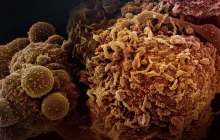
Radiotherapy is a powerful medical tool used to treat many forms of cancer. It uses energy to damage the DNA of cancer cells with the goal of stopping their ability to grow and divide. Modern radiotherapy is highly precise, designed to deliver high doses to malignant tissues while sparing surrounding healthy tissue as much as possible. In practice, this means that patients may receive a carefully planned sequence of treatments over weeks, often in daily sessions that fit into busy lives. Radiotherapy is commonly used as a primary treatment for certain cancers, as an adjuvant treatment after surgery to reduce the risk of recurrence, or in combination with chemotherapy to enhance the overall effectiveness. The decision to use radiotherapy depends on the type, location, stage of the cancer, and the patient’s overall health, and it is always guided by a team of specialists who weigh the potential benefits against possible risks. This article explores how radiotherapy works, the different techniques available, how treatment is planned, and what patients can expect before, during, and after therapy, all with a focus on the goal of maximizing cancer control while maintaining quality of life.
Understanding the fundamentals of radiotherapy
At its core, radiotherapy relies on accumulating energy from particles or waves that penetrate the body and interact with cellular structures. The energy damages cellular DNA, and when cancer cells experience enough damage, their ability to repair itself is compromised, leading to cell death or the inability to divide. A key concept in radiotherapy is that normal cells have a greater capacity to recover from radiation damage than cancer cells, especially when the dose is carefully fractionated into many small daily doses. Fractionation is the practice of delivering a total prescribed dose in multiple small portions, which allows healthy tissue time to repair between sessions while cancer cells remain vulnerable. This balancing act—delivering enough energy to control the tumor while preserving normal tissues—requires detailed imaging, meticulous planning, and precise delivery guided by technology and clinical judgment. As science advances, the strategies for choosing the energy, the intensity, and the timing of each treatment become more refined, enabling clinicians to adapt plans to the unique anatomy and biology of each patient.
Radiotherapy can be conceptualized as a targeted assault on cancer cells that uses beams of ionizing radiation. These beams can be produced by machines outside the body or generated from radioactive sources placed near or within the tumor. The effectiveness of radiotherapy rests on several factors, including the radiation type, the dose, the schedule of delivery, and the inherent sensitivity of the tumor to radiation. Some cancers respond dramatically to radiation, while others require combination strategies to achieve the best outcomes. The physical principles also involve careful accounting of how radiation travels through tissues, how much energy is deposited in the tumor versus surrounding organs, and how to manage the cumulative effects that accumulate over weeks of treatment. The outcome is a treatment that can shrink tumors, control disease, alleviate symptoms, and, in some cases, cure cancer without the need for invasive surgery.
How radiation damages cancer cells and why fractionation matters
Ionizing radiation creates damage in cells primarily by producing free radicals and by directly breaking chemical bonds in DNA. Cancer cells, which often divide rapidly and have compromised repair mechanisms, are particularly susceptible to this kind of assault. When DNA is damaged beyond repair, cells cannot continue to replicate, which slows the growth of the tumor or leads to cell death. Normal cells are not immune to radiation injury, but they tend to repair damage more effectively and more quickly than malignant cells, especially when the dose is spread out over time. Fractionation exploits this differential sensitivity and is a foundational principle in radiotherapy. By dividing the total dose into smaller fractions delivered over several weeks, clinicians can accumulate a biologically effective dose to the tumor while allowing normal tissues to repair and recover between sessions. The scheduling of fractions, often five days a week for several weeks, also accommodates tumor biology such as oxygen availability, which influences how strongly cells respond to radiation. In tumors with poor blood supply and hypoxic regions, the effectiveness of radiation can be reduced, prompting the use of higher doses, hypoxia-modifying strategies, or combination treatments to improve outcomes.
Another important concept is the idea of margin and targeting. With advanced imaging and treatment planning, radiotherapy can focus the radiation on the exact tumor volume with tight margins. This precision reduces exposure to nearby organs and reduces the risk of side effects. Yet, because every patient’s anatomy is unique, each treatment plan is individualized based on imaging studies such as CT, MRI, or PET scans that reveal the size, shape, location, and movement of the tumor. The interplay of tumor biology, patient anatomy, and technical capabilities creates a personalized map that guides the delivery of the radiation dose from one session to the next. In the end, the goal is to maximize tumor control probability while minimizing normal tissue complication probability, which translates into better outcomes and a more tolerable treatment experience for patients.
Historical context and modern advances in radiotherapy
Radiotherapy has a long and evolving history that reflects the broader story of cancer care. Early pioneers observed that radiation could shrink tumors, but the therapeutic window was small and side effects were common. Over time, advances in physics, imaging, and computer technology transformed radiotherapy into a highly sophisticated discipline. The development of three-dimensional conformal radiotherapy allowed clinicians to shape beams to the contours of a tumor, reducing exposure to adjacent tissues. Later, intensity-modulated radiotherapy made it possible to deliver varying doses within the same beam, further sparing healthy organs. Image-guided radiotherapy added real-time information about the position and movement of targets, enabling adjustments during treatment to account for patient breathing and other motion. The emergence of proton therapy and other particle therapies introduced a different physical approach, with the potential to spare even more normal tissue due to the distinct energy deposition patterns of protons. These innovations, coupled with adaptive radiotherapy, which modifies plans in response to changes in the patient or tumor during the treatment course, illustrate a field that continually refines its ability to tailor therapy to each person.
The history of radiotherapy also reflects a broader shift toward multidisciplinary care. Oncologists, medical physicists, dosimetrists, radiologists, surgeons, nurses, and supportive care teams collaborate to translate complex physics into practical, patient-centered treatments. This collaboration ensures that decisions about dose, fractionation, and treatment fields consider cancer biology, patient preferences, nutritional status, and the goals of care. As researchers explore new combinations with chemotherapy, immunotherapy, and targeted therapies, radiotherapy remains a central pillar of cancer management, offering both curative potential in select settings and palliative benefits in others.
External beam radiotherapy: how the beam is delivered from outside the body
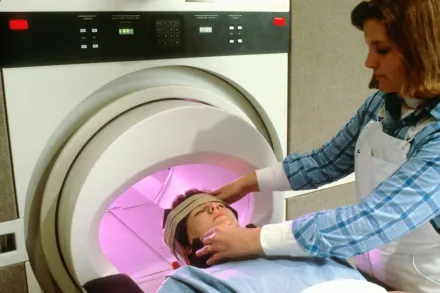
External beam radiotherapy is the most widely used form of radiotherapy. In EBRT, high-energy photons or charged particles are generated by a machine located outside the patient and directed toward the tumor. Before treatment begins, a detailed planning process called simulation is performed. This involves immobilizing the patient with specialized devices, acquiring high-resolution imaging, and delineating the tumor and nearby organs at risk. The planning process computes the optimal angle, energy, and intensity pattern of the beams, creating a dose distribution that maximizes tumor coverage while minimizing collateral exposure. Once the plan is approved, the patient undergoes daily treatment sessions, typically five days a week over several weeks. Each session delivers a precisely calibrated dose, and modern systems may adjust the beam in real time as the patient breathes or as the tumor moves, a dynamic adaptation that further enhances precision. Side effects vary by location and dose but can include fatigue, skin changes, and temporary irritation of nearby organs. The possibility of late effects exists and is monitored through long-term follow-up care.
In practice, EBRT encompasses a range of techniques designed to exploit different physical properties of radiation. Conventional photons are effective for many cancers and can be adapted with sophisticated planning to spare critical structures. Advanced methods, such as intensity-modulated radiotherapy and image-guided approaches, allow clinicians to sculpt dose distributions with remarkable granularity. Some tumors near delicate organs, like those in the brain or spine, require meticulous planning to avoid damage that could affect function. When used in combination with systemic therapies or surgery, EBRT contributes to shrinking tumors, preparing for surgical removal, or consolidating disease control. The ongoing evolution of imaging, motion management, and dose calculation continues to broaden the applicability and safety of external beam radiotherapy.
Brachytherapy and internal radiation: placing sources inside or near the tumor
Brachytherapy involves placing radioactive sources directly inside the tumor or in its immediate vicinity. By delivering high doses of radiation over short distances, brachytherapy can achieve exceptional local control while limiting exposure to distant tissues. This approach is particularly useful for cancers of the prostate, cervix, uterus, breast, and skin, among others. There are different modalities within brachytherapy, including permanent implants where small seeds remain in the tissue, and temporary placements where sources are removed after a prescribed period. Imaging guidance, precise applicators, and careful dose calculations ensure that the treatment conforms to the tumor geometry. Patients undergoing brachytherapy may receive anesthesia or local sedation depending on the site and complexity of the procedure. Side effects can be local to the treatment area but are typically well managed with supportive care. The duration of brachytherapy treatments can range from a few minutes per session to several days for temporary implants, with the overall course tailored to the disease and patient needs.
One of the advantages of brachytherapy is its capacity to deliver high radiation doses directly to the tumor while limiting exposure to surrounding organs. For example, in cervical cancer, brachytherapy is often combined with external beam radiotherapy to enhance local control. In prostate cancer, a combination of permanent seed implants and external beams can achieve excellent outcomes for many patients. The planning process for brachytherapy involves meticulous imaging to locate the tumor and nerves, blood vessels, and other critical structures, followed by careful placement and verification of the radioactive sources. The safety and efficacy of brachytherapy rely on a detailed understanding of radiation physics, close collaboration among surgeons, radiation oncologists, and medical physicists, and careful patient selection to optimize the balance between benefits and potential risks.
Systemic radiotherapy and radiopharmaceuticals: treating beyond the primary tumor
Systemic radiotherapy uses radioactive drugs that travel through the bloodstream to reach cancer cells throughout the body. Unlike external beam radiotherapy or brachytherapy, systemic radiopharmaceuticals address micrometastatic disease—small clusters of cancer cells that may be present beyond the primary tumor. These therapies can be particularly valuable for cancers that have spread in patterns that are difficult to target with localized radiation. The medicines used for systemic radiotherapy work in different ways: some deliver radiation directly to cancer cells, while others modify the tumor’s environment or interact with cellular pathways to enhance anticancer effects. The choice of agent depends on the cancer type, the amount of disease, and the patient’s overall health. Common examples include radioactive iodine for certain thyroid cancers and other compounds such as radiopharmaceuticals labeled with isotopes like lutetium, samarium, or yttrium in cancers that have limited or no opportunities for curative local therapy. These systemic approaches are often combined with realistic goals, such as improving symptoms, slowing progression, or extending survival, while maintaining a focus on the patient’s quality of life.
Systemic radiotherapy requires rigorous safety measures because radioactive materials emit radiation that can affect both patients and caregivers. Healthcare teams provide clear instructions for isolation, monitoring of blood counts, kidney and liver function, and management of side effects. The pharmacokinetics of each radiopharmaceutical—how quickly it distributes, accumulates in tumor tissue, and clears from the body—are carefully studied to optimize dosing schedules. Patients often undergo nuclear medicine imaging to confirm uptake patterns before administration, ensuring that the radioactive agent is concentrating in the intended areas. The evolving field of systemic radiopharmaceuticals holds promise for treating disseminated disease while maintaining a targeted therapeutic profile.
Benefits and risks: balancing cancer control with quality of life
The primary benefit of radiotherapy lies in its ability to reduce tumor burden, relieve symptoms such as pain or obstruction, and improve the likelihood of disease control in many cancer types. In some settings, radiotherapy can be curative, particularly when tumors are localized and manageable with precise dose delivery. In others, it serves a palliative role, alleviating symptoms and improving comfort for patients with advanced disease. The risks of radiotherapy are real but can be anticipated and managed. Short-term side effects may include fatigue, skin changes, dry mouth, or mucosal irritation, depending on the treatment site. Long-term or late effects may affect organs near the treated area, such as decreased organ function, fibrosis, or risk of secondary cancers, particularly after high-dose regimens or treatments near sensitive tissues. The likelihood of side effects is influenced by the total dose, fraction size, treatment site, and the patient’s overall health. A proactive approach that includes patient education, symptom monitoring, and supportive care can mitigate many adverse effects and preserve quality of life during and after radiotherapy.
However, radiotherapy’s benefits must be weighed against potential impacts on daily living, fertility, and sexual function for some patients. Clinicians strive to tailor plans to each individual, incorporating patient preferences, comorbidities, and life goals into the therapeutic equation. Advanced planning techniques, motion management, and adaptive strategies continually reduce unnecessary exposure and limit toxicity. In all cases, the care team emphasizes open communication, shared decision making, and a commitment to minimizing disruption to the patient’s life while pursuing the best possible cancer control.
The role of a multidisciplinary team in radiotherapy
A successful radiotherapy program hinges on collaboration among several specialists who bring different expertise to the table. Oncologists determine when radiotherapy is appropriate and how it should be integrated with other treatments such as surgery or systemic therapy. Medical physicists ensure that machines deliver accurate doses with precise geometry and safety checks. Dosimetrists translate the clinical plan into a computable dose distribution that the treatment machine can execute. Radiographers operate the equipment, position the patient, and monitor treatment delivery. Nurses and allied health professionals provide supportive care, address side effects, and help patients navigate appointments, nutrition, pain control, and psychosocial support. This multidisciplinary approach ensures that radiotherapy is not delivered in isolation but as part of a comprehensive cancer care plan that considers the patient’s overall wellbeing and life circumstances.
Communication within the team and with the patient is essential. Before treatment begins, a planning conference reviews the tumor’s biology, anatomical considerations, and the patient’s goals. During the course of therapy, clinicians monitor response, adjust plans if the tumor shrinks or moves, and manage any emerging side effects. After radiotherapy ends, the team continues to monitor for late effects and to coordinate follow-up imaging, laboratory tests, and supportive services. The integration of expertise across disciplines helps maximize the therapeutic ratio—the balance between tumor control and preservation of normal function—while respecting the patient’s values and preferences.
Preparing for radiotherapy and what to expect
Preparation for radiotherapy begins with a thorough medical assessment, including imaging studies that define the tumor’s size and position. In many cases, patients undergo a simulation session that helps to replicate the daily treatment setup. During this step, immobilization devices, such as custom moldings or masks, are created to keep the patient in exactly the same position for every treatment, a critical factor for precision. Education about what to expect during treatment, potential side effects, and the importance of continuing daily life routines helps patients feel more empowered and less anxious. Pre-treatment evaluation may also include laboratory tests and a review of medications to identify any factors that could interact with radiation or increase sensitivity of healthy tissues. For some cancers, trials or additional imaging are planned to refine the plan further, reflecting the dynamic nature of modern radiotherapy.
On the day of treatment, most patients arrive at a designated clinic, are positioned by the radiation therapists, and receive a brief verification check using imaging to confirm the exact target. The actual delivery might take from a few minutes to longer sessions, depending on the complexity of the plan and the treatment site. After each session, patients usually return home with little or no immediate discomfort, although some may experience fatigue or localized skin changes as the body adapts to the cumulative dose. Nursing teams provide guidance on skin care, nutrition, rest, and when to report new or worsening symptoms. The overall experience is designed to be tolerable, with attention to minimizing disruption to daily life and ensuring that patients feel supported throughout the journey.
Quality of life, survivorship, and follow-up care
Quality of life during and after radiotherapy is a central focus of modern cancer care. Clinicians aim to relieve symptoms, preserve function, and maintain independence whenever possible. Survivorship care plans typically include periodic imaging to assess response, regular physical examinations, and ongoing evaluation of any late side effects. Rehabilitative services, nutrition counseling, mental health support, and social work assistance are integrated to help patients adapt to life after treatment. Follow-up intervals may vary by cancer type and treatment intent, but the overarching goal is early detection of recurrence, immediate management of any late effects, and continuous support for the patient’s overall wellbeing. The personalized nature of survivorship care reflects a broader understanding that cancer treatment is not merely about eradicating disease but about restoring as much normal life as feasible.
For many patients, radiotherapy also opens doors to additional therapeutic options if needed in the future. Advances in biomarkers and imaging may guide subsequent treatments, whether another course of radiotherapy, systemic therapy, or surgical considerations. The long-term relationship between the patient and the care team remains important, ensuring that changes in health status or new symptoms are evaluated promptly. Empathy, clear information, and shared decision making help patients navigate the uncertainties of cancer care and maintain a sense of control.
Future directions and ongoing research in radiotherapy
Researchers continue to push the boundaries of what radiotherapy can achieve. Innovations such as proton, heavy ion, and other particle therapies promise to reduce the dose to surrounding tissues even further, potentially expanding the range of tumors that can be treated with curative intent. FLASH radiotherapy, which delivers ultra-high doses in a fraction of a second, is an area of active investigation with the aim of minimizing normal tissue injury while maintaining tumor control. Advances in imaging, physics, and computer science enable more precise real-time adaptation to a patient’s anatomy and tumor response. Personalized radiotherapy, guided by molecular profiling and functional imaging, strives to tailor doses not only to the tumor’s location but also to its biological characteristics, optimizing effectiveness and reducing toxicity. Collaborative efforts across centers, clinical trials to compare strategies, and continued attention to patient experience will shape how radiotherapy evolves. The ultimate goal remains to extend survival, reduce suffering, and provide meaningful, lasting improvements in quality of life for people facing cancer.