Introduction to inpatient insulin therapy
In hospital settings, insulin therapy stands as a cornerstone of acute and chronic glucose management, yet it remains among the most safety sensitive and dynamically managed aspects of patient care. The hospital environment forces clinicians to translate outpatient practices into a context where illness, fluctuations in nutrition, variations in organ function, and the needs of procedures or surgeries intersect with pharmacology, nursing workflow, and electronic systems. Monitoring insulin therapy in this milieu therefore goes beyond simply prescribing a dose; it requires a disciplined, data driven approach that harmonizes rapid decision making with thoughtful consideration of patient-specific factors. The objective is to maintain glucose within predefined targets that support recovery, reduce infection risk, and minimize the metabolic stress associated with hyperglycemia, while simultaneously guarding against hypoglycemia, which can have immediate and lasting consequences for cognition, hemodynamics, and overall safety. The clinical landscape is characterized by frequent reassessments, continuous communication among nurses, physicians, pharmacists, nutritionists, and informatics staff, and the relentless pursuit of processes that turn measurements into timely, appropriate actions. In practice, monitoring encapsulates the collection of glucose data, interpretation through established protocols, and the translation of insights into dose adjustments, transitions between regimens, and collaborative decisions tailored to each patient’s trajectory. The complexity of inpatient care elevates the need for standardized protocols that still accommodate individual variability, because even small delays in response or misinterpretations of a trend can precipitate significant glycemic excursions. It is this combination of accuracy, speed, and adaptability that defines how insulin therapy is monitored within hospital walls and across the continuum of care from admission to discharge.
Beyond drug administration, the process is deeply informed by the broader goals of patient safety, quality improvement, and educational growth. Hospitals invest in training, double checks, and decision support to reduce errors and harmonize practice across shifts and departments. Nurses become the first line of defense for real time data collection and bedside interventions, while pharmacists bring essential oversight of drug interactions and regimen compatibility with nutrition and comorbidities. Physicians and endocrinologists provide overarching medical judgment and ensure that protocols remain aligned with evolving guidelines, the patient’s changing health status, and the demands of perioperative planning or critical illness management. The interface between technology and care is particularly salient; infusion pumps, glucometers, laboratory analyzers, and, in some settings, continuous glucose monitoring systems, all generate streams of data that must be captured, interpreted, and acted upon in a narrow time window. The outcome is a living system where measurement, interpretation, and action reinforce one another, creating a safety culture in which monitoring is not just a task, but a continuous, shared commitment to precision, patient well being, and learning from each clinical experience.
Physiological and pharmacological foundations
To understand how monitoring informs insulin therapy, it helps to revisit the physiology underpinning glucose control and the pharmacology of the agents used in hospital settings. Insulin’s primary function is to promote cellular uptake of glucose, suppress hepatic glucose production, and modulate lipid and protein metabolism. In the inpatient arena, a spectrum of insulin types is deployed, ranging from rapid acting analogs used around meals and for correction of hyperglycemia to basal insulins that maintain a steady background level and prevent fasting hyperglycemia. Intravenous insulin infusions, often continuous, provide the highest level of control due to their direct entry into circulation and the rapid adjustability of dose in response to real time glucose values. This immediacy is particularly valuable in critical illness, post operative states, or when patients are receiving nutrition support, where insulin sensitivity can swing quickly. Subcutaneous regimens introduce a pharmacokinetic lag that must be anticipated in relation to meals, activity, and gastric emptying. In addition to the pharmacology of insulin itself, hospital care must take into account the impact of coexisting conditions and concomitant medications. Steroids, catecholamines, infections, fever, renal dysfunction, liver impairment, and fluid status all influence insulin sensitivity and the distribution and clearance of insulin, thereby altering both the height of glucose excursions and the timing of peak effects. The net result is a dynamic landscape in which dosing algorithms must be flexible enough to accommodate abrupt changes while staying aligned with patient safety and glycemic targets. The inpatient setting thus requires a sophisticated integration of physiology, pharmacology, and clinical judgment to shape monitoring strategies that anticipate variability rather than merely react to it.
The pharmacodynamic properties of different insulin preparations drive decisions about how to monitor and adjust therapy. Rapid-acting insulins are favored for correcting hyperglycemia and covering meals with more precise timing, while long-acting formulations provide a baseline that supports fasting glucose management. When insulin is delivered intravenously, the relationship between the infusion rate and the resulting glucose trajectory becomes a near immediate feedback loop; even small changes in rate can translate into measurable shifts within minutes. This attribute makes IV insulin a powerful tool in the control of acute hyperglycemia but demands careful monitoring, robust documentation, and alarm management to avoid overshoot. In contrast, subcutaneous regimens rely on gradual absorption and distribution, so dose adjustments must be planned with an awareness of the timing of meals and the anticipated insulin action profile. A central theme in hospital monitoring is the recognition that pharmacology does not occur in a vacuum; it operates within a living patient whose nutrition, activity, organ function, and concurrent therapy collectively shape the kinetics and dynamics of insulin. This interdependence underpins the need for continuous reassessment, prudent interpretation of glucose readings, and a measured approach to dose modification that minimizes risk while maximizing therapeutic benefit.
Monitoring methods in hospital settings
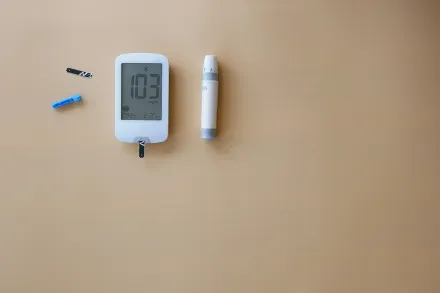
Glucose monitoring in hospitals typically leverages a combination of bedside point-of-care testing and laboratory measurements to create a robust feedback loop for insulin dosing decisions. The most common practice uses fingerstick or capillary glucose testing performed with portable glucometers at the patient’s bedside. These values serve as the primary input for most intravenous and subcutaneous insulin dosing algorithms and are often obtained at frequent intervals, particularly for patients on IV insulin or those with unstable health status. The speed and accessibility of point-of-care testing enable rapid adjustments that can stabilize glucose levels, but accuracy can be influenced by hematocrit, temperature, sampling technique, and device calibration. Therefore, hospitals implement stringent quality control practices, regular device validation, and supplier-specific calibration schedules. Laboratory measurements, drawn from venous blood, provide a higher degree of accuracy and are used to confirm critical readings, verify discordant results, and guide decisions during transitions or when precise dosing is essential for safety. Laboratory data also play a role in identifying underlying metabolic disturbances, such as lactic acidosis or renal impairment, which may alter insulin requirements and necessitate regimen changes beyond what a single glucose value would imply. The integration of data from multiple sources requires reliable electronic health records and seamless interoperability with infusion pumps and monitoring devices to avoid data fragmentation and miscommunication. In some hospitals, continuous glucose monitoring systems are introduced as an adjunct to traditional testing, offering a stream of glucose values and trend information that can anticipate upcoming excursions and support proactive management. However, the successful use of CGMs in inpatient settings demands rigorous validation, staff training, and clearly defined protocols to reconcile CGM data with conventional measurements, especially during transitions in care, events that alter perfusion, or when devices experience sensor limitations. The monitoring approach in hospitals, therefore, thrives on redundancy, cross validation, and the ability to translate a complex array of numbers into timely clinical actions.
Beyond measurement modalities themselves, the process rests on disciplined documentation. Each glucose value, the time it was obtained, the device used, and the corresponding insulin dose must be captured and linked to the patient’s current regimen. This record enables trend analysis, ensures that subsequent orders reflect the latest clinical picture, and supports accountability across shifts. Alarm systems for glucose values, pump parameters, and device malfunctions are configured to balance sensitivity with practicality, ensuring that alerts prompt appropriate and immediate responses without contributing to alarm fatigue. The result is a data-rich environment in which clinicians can observe trajectories over hours and days, identify patterns of variability, and intervene with confidence rather than conjecture. The quality of documentation directly impacts patient safety, as it provides the narrative that connects each measurement to a therapeutic decision, a transition of care, or a plan for discharge.
Insulin infusion protocols and dosing strategies
In many hospital settings, particularly in surgical wards and intensive care units, intravenous insulin infusions are guided by carefully designed protocols intended to standardize care while accommodating patient-specific factors. A typical protocol begins with a comprehensive initial assessment, incorporating current glucose level, nutritional status, kidney and liver function, hydration state, and the presence of medications that may affect insulin sensitivity. Based on this assessment, an initial infusion rate is established, expressed in units per hour, with an algorithm that dictates subsequent adjustments contingent on the most recent glucose measurements. The adjustment logic often employs a tiered approach: a higher glucose reading triggers an uptick in the infusion rate, while a lower reading prompts a careful decrement. The safety architecture of these programs includes built-in safeguards such as mandatory double-checks for certain dosing steps, automatic stoppages if the rate would exceed physiologic boundaries, and comprehensive logging of dose history for auditability and clinical review. When patients transition from IV insulin to a subcutaneous regimen, careful planning is essential to avoid glucose troughs or surges. The transition requires coordination of the timing of the last IV dose, the expected onset of the chosen long-acting insulin, meal plans, and current insulin sensitivity. Often, clinicians use a basal-bolus strategy for the subcutaneous phase, with a long-acting insulin providing background coverage and rapid-acting insulin administered for meals and glucose corrections. The first 24 to 48 hours of such a transition demand particularly close observation, as pharmacokinetic and nutritional factors shift and the risk of misalignment between insulin action and carbohydrate intake remains high. In critical care environments, where patients may not tolerate oral nutrition and demands on their physiology are more intense, protocols may taper the aggressiveness of correction strategies and rely on tighter intervals for glucose checks and more frequent dose recalibration. Across the spectrum, the objective remains consistent: to deliver predictable insulin exposure that minimizes glycemic excursions, supports organ function, and aligns with the patient’s evolving clinical status.
In all these efforts, dose adjustments are not made in isolation. They are the product of a collaborative rhythm that blends protocol fidelity with clinical judgment. When glucose remains out of range for extended periods, clinicians reassess nutritional plans, review concomitant therapies, and refine goals to reflect the patient’s risk profile and recovery trajectory. The continuous interplay between data, pharmacology, and patient context constitutes the essence of how IV insulin protocols are implemented, monitored, and refined in real time to meet the twin aims of safety and effectiveness.
Role of the multidisciplinary team
The management of insulin therapy in hospitals is a team sport that depends on clear roles, mutual respect, and shared goals. Nurses function as the frontline agents in daily monitoring, performing glucose checks, adjusting infusion rates within approved parameters, managing infusion equipment, and responding to alarms. Their vigilance and timely interventions help prevent glycemic extremes and maintain stability during transitions in care. Pharmacists bring a different lens, focusing on the safety of insulin regimens, ensuring compatibility with other medications, verifying dose accuracy, and addressing potential interactions with agents like diuretics, steroids, or antibiotics that can alter glucose control. Dietitians contribute critical insights into carbohydrate intake, nutritional plan adjustments, and the relationship between enteral or parenteral nutrition and insulin dosing. They help design meal plans and nutrition support that are congruent with the insulin regimen, while accounting for real world variations in appetite and tolerance. Physicians, including hospitalists and endocrinologists, hold the therapeutic authority to authorize changes in regimens, interpret complex glucose patterns, and oversee transitions between IV and subcutaneous strategies, as well as transitions to outpatient care. The team collaborates through rounds, embedded order sets, and decision support tools, using a shared mental model that safety and patient-centered outcomes trump departmental silos. Training and ongoing education reinforce this teamwork, ensuring that every member understands how to respond to alarms, how to adjust treatment in light of evolving evidence, and how to communicate changes effectively to patients and families. In this ecosystem, a culture of safety, continuous learning, and meticulous documentation becomes the backbone of reliable insulin monitoring and high-quality patient care.
Safety, hypoglycemia prevention, and risk management
Preventing hypoglycemia is a central safety objective in hospital insulin management because even short episodes can destabilize a patient’s condition and complicate recovery. To reduce this risk, monitoring programs emphasize timely glucose measurement, careful interpretation of readings in the context of the patient’s status, and cautious dosing adjustments that avoid abrupt changes. Institutions set explicit targets that may be tailored to age, comorbidities, acuity, renal function, and nutritional status, recognizing that a one-size-fits-all goal is inappropriate for a diverse inpatient population. When a reading approaches the lower limit of the target range, clinicians double-check with a confirmatory measurement, review the patient’s recent intake, and assess whether an adjustment to the infusion rate or correction bolus is warranted. Hypoglycemia protocols often include ready access to fast-acting carbohydrates, guidance on when and how to administer rescue therapy, and predefined steps for pausing insulin therapy during bed rest or procedures when appropriate. Conversely, persistent hyperglycemia triggers a reexamination of the underlying drivers, including infection control, inflammatory illness, or inadequate nutrition, and prompts thoughtful recalibration of the dosing strategy rather than simplistic, repeated corrections. The safety framework also addresses the risk of dosing errors by implementing standardized order sets, requiring cross-checks for high-risk or variable regimens, and promoting intuitive device design and user training to minimize operator error. Alarm management is another pillar of safety, balancing the need to detect clinically meaningful changes with the reality of bustling clinical environments, where excessive alerts can lead to desensitization. Regular safety audits, incident reporting, and learning loops ensure that the monitoring system evolves, closing gaps that are revealed by real-world experience. In the end, the safety net for insulin therapy rests on careful measurement, reasoned interpretation, decisive action, and a culture that prioritizes patient welfare above workflow convenience.
Special situations and challenges
Insulin monitoring in hospitals faces a spectrum of special situations that demand adaptive thinking and flexible protocols. Steroid therapy is notorious for provoking hyperglycemia; when steroids are in use, insulin needs may rise, and dosing schedules must reflect the timing and potency of the steroid regimen. If meals become irregular or if a patient is NPO for surgery or diagnostic testing, clinicians must adjust the regimen to avoid hypoglycemia during fasting while still preventing hyperglycemia during periods of stress or glucocorticoid exposure. In the context of critical illness, the metabolic milieu shifts dramatically due to inflammatory mediators, fluid shifts, and organ dysfunction, often resulting in unpredictable insulin sensitivity. This scenario requires closer glucose surveillance and sometimes more conservative insulin adjustments to stabilize fluctuations. Renal impairment reduces insulin clearance, increasing the risk of accumulation and prolonged action, which may necessitate dose trimming or altered infusion rates. Hepatic dysfunction can disrupt glucose production and insulin metabolism, complicating correction strategies and requiring frequent reassessment. Pregnancy adds unique metabolic demands, including tighter glucose control and careful consideration of maternal and fetal safety when selecting regimens and targets. Postoperative patients frequently experience transient postoperative hyperglycemia driven by stress responses, pain, and sedatives, requiring perioperative planning that coordinates analgesia, nutrition, and insulin dosing to smooth recovery. Enteral and parenteral nutrition introduce continuous carbohydrate exposure that must be reconciled with ongoing insulin therapy, demanding synchronized nutrition support plans and dose titration. Throughout all these scenarios, the guiding principle remains clear: monitor, analyze, and adjust with a focus on patient-specific context rather than relying solely on fixed rules. This adaptive approach ensures that insulin therapy remains effective across the diverse and evolving clinical landscape of hospital care.
Documentation and data interpretation
Accurate and comprehensive documentation is essential to safe insulin management. The electronic medical record acts as the central repository where every glucose value, insulin dose, route of administration, time stamp, nutrition status, and clinical observation are recorded. Clinicians interpret data over time, seeking patterns that reveal persistent hyperglycemia, variability, or recurrent hypoglycemia, and then translate those patterns into purposeful changes in the regimen. Rather than fixating on isolated numbers, the focus is on trends, rate of change, and the patient’s overall trajectory. Alarms and trends offer guidance, but must be integrated with a clinician’s assessment of the patient’s current condition, upcoming procedures, and anticipated changes in nutrition or medication. Errors in documentation or data fragmentation can create blind spots that compromise safety; thus, teams emphasize complete charting, consistent device calibration, and prompt reconciliation of any reading discrepancies. Regular audits and quality improvement initiatives help pinpoint gaps in data collection, interpretation, or action and support iterative refinements to protocols, training, and technology interfaces. In a mature monitoring system, documentation becomes a reliable narrative machine that supports continuity of care, informs decisions across shifts, and serves as a defensive and educational tool for the care team.
Transitioning care and discharge planning
Preparing a patient for discharge while maintaining glycemic control presents a critical transition point. The inpatient team designs a seamless plan that bridges hospital care with outpatient management, selecting regimens that align with the patient’s anticipated lifestyle, preferences, and access to medications. The plan includes specifying an appropriate basal-bolus approach or a simplified outpatient regimen, arranging supplies and home insulin equipment, and ensuring patient and family education covers dosing schedules, hypoglycemia recognition, and the importance of meal timing and consistency. Coordination with primary care or endocrinology clinics becomes essential to ensure continuity of care, with follow-up arrangements that reflect the patient’s risk profile and anticipated changes in daily routine. Pharmacy services contribute by packaging patient-specific regimens, providing clear instructions, and ensuring that instructions are comprehensible to patients and caregivers. Social workers or case managers assist with practical barriers such as medication costs, insurance coverage, and access to clinical services after discharge. An effective discharge plan reduces the risk of glycemic instability after leaving the hospital and supports the patient in maintaining the benefits achieved during inpatient monitoring.
Future directions and innovations
The trajectory of insulin therapy monitoring is moving toward greater automation, precision, and integration. Closed-loop or automated insulin delivery systems, which couple real-time glucose data with sophisticated dosing algorithms and programmable infusion devices, have matured in outpatient settings and are being explored in hospital environments with strong safety controls. Inpatient deployments aim to reduce glycemic variability, shorten time to target, and minimize hypoglycemia, especially in high-risk populations. In parallel, predictive analytics and machine learning tools are being developed to forecast glucose trajectories based on a patient’s history, current status, and treatment context, enabling preemptive dose adjustments before dramatic excursions occur. The integration of comprehensive electronic health records with continuous monitoring streams supports more nuanced decision making and allows clinicians to observe glucose patterns across time, across units, and across patient populations, driving empirically grounded improvements to protocols. Technological advances in infusion pump design, alarm engineering, and interoperability further reduce the potential for human error and improve safety margins. Nutrition and pharmacology support systems are being enhanced by digital platforms that facilitate precise matching of insulin to carbohydrate intake and to the influence of co-administered medications. A sustainable future in hospital insulin monitoring will depend on maintaining a strong safety culture, elevating clinician education, and empowering patients and families with knowledge about insulin therapy, all while leveraging data-driven innovations that preserve patient autonomy and improve outcomes.
Education and training for staff and patients
Education underpins every successful effort to monitor and manage insulin therapy in hospitals. For healthcare professionals, ongoing training covers the pharmacology of insulin, interpretation of glucose trends, operation of infusion devices, and the use of decision support tools. Simulation-based training, case reviews, and interdisciplinary education programs help cultivate competence and confidence in handling complex scenarios such as rapid transitions between regimens, unexpected nutrition changes, or the onset of critical illness. For patients and families, education focuses on understanding the purpose of insulin therapy, recognizing signs of hypo- and hyperglycemia, and learning how to engage with the care team during hospital stays. Clear, accessible explanations about how insulin dosing is determined, what data are collected, and how meals and medications interact empower patients to participate in their own care and improve safety outcomes. The educational component remains an ongoing investment, ensuring that new staff integrate seamlessly into established protocols while experienced clinicians refine their practice in light of evolving guidelines, technologies, and patient needs.
Quality metrics and governance
Hospitals quantify the performance of their insulin monitoring programs through a suite of quality metrics designed to reflect safety, efficacy, and patient experience. Time in the target glucose range, incidence of hypoglycemia, rates of insulin dosing errors, and adherence to prescribed protocols are commonly tracked to assess performance. Data from these metrics feed into governance structures, prompting periodic reviews, updates to order sets, and targeted education to address observed gaps. Quality initiatives often involve cross-disciplinary teams that examine near misses, adverse events, and practice variations to identify root causes and implement corrective actions. The governance process ensures that insulin monitoring evolves in a data informed manner, consistent with national guidelines and institutional risk tolerance, while maintaining a patient-centered focus. Continuous improvement cycles translate insights from daily practice into tangible changes in protocols, device configurations, and staff training, reinforcing a culture where safety, reliability, and patient outcomes are the primary measures of success.
Ethical considerations and patient autonomy
Ethical considerations permeate every decision in inpatient insulin management. Clinicians balance patient autonomy with clinical judgment, respect for cultural and personal preferences, and the need to protect vulnerable individuals who may have limited capacity to participate in their care. When a patient’s values or beliefs influence dietary choices, fasting patterns, or the acceptance of specific insulin regimens, care teams strive to accommodate these preferences without compromising safety. Informed consent for treatment modifications, procedures that affect glucose management, and transitions in care are integral parts of the process, with clear communication to patients and families about risks, benefits, and alternatives. Equity considerations also come into play, as differences in access to medications, education, or post-discharge support can impact glycemic outcomes. Hospitals recognize these ethical dimensions by embedding patient-centered communication, cultural humility, and shared decision making into the fabric of insulin monitoring, ensuring that the treatment plan aligns with the patient’s goals and life circumstances while remaining clinically sound.
Global perspectives and resource variability
Around the world, hospitals operate under diverse resource constraints that shape how insulin therapy is monitored. In high resource settings, sophisticated continuous glucose monitoring, touchscreen infusion pumps, integrated electronic systems, and highly structured education programs may be readily available, enabling rapid data exchange and nuanced dosing strategies. In resource-limited environments, clinicians rely more on validated protocols, frequent bedside glucose testing with reliable point-of-care devices, and pragmatic approaches to nutrition and insulin administration that emphasize safety and feasibility. Even in these settings, the core principles—accurate measurement, timely interpretation, collaborative decision making, and patient safety—remain constant, but the execution adapts to local realities. Sharing best practices, creating adaptable guidelines, and investing in training that emphasizes core competencies can help bridge gaps and support better glycemic outcomes across diverse hospital contexts. The global perspective on insulin monitoring thus blends universal medical science with context-specific adaptations that honor both safety and practicality.