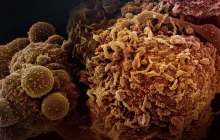
Psoriasis is a chronic inflammatory condition that manifests primarily on the skin but often involves online networks of immune activity that extend beyond the visible plaques. At its core, psoriasis reflects a misfired immune response in which certain white blood cells become overly active and set off a cascade of signals that drive skin cells to proliferate more rapidly than normal. The resulting thickened, reddish patches are often accompanied by silvery scales, itch, and sometimes pain. While environmental triggers and genetic predisposition contribute to the disease, the central phenomenon in most patients is an immune system that sustains a local and systemic inflammatory state. Historically, treatments focused on reducing symptoms or suppressing the immune system in general, which could lead to broad side effects. In recent decades, biologic drugs have offered a more targeted approach, aiming at specific molecules or cells that play pivotal roles in psoriasis without silencing the entire immune system. This shift has brought meaningful improvements in skin clearance for many individuals and has reshaped the standard of care for moderate to severe disease.
Biologic therapies stand apart from traditional systemic medications because they are designed to interfere with particular inflammatory pathways that are critical to the development and maintenance of psoriatic plaques. Rather than broadly suppressing immune function, biologics home in on cytokines and cell surface receptors that orchestrate the cascade of events leading to keratinocyte proliferation and sustained inflammation. The result is a more precise intervention with the potential for improved efficacy and a distinct safety profile compared with older systemic drugs. Understanding how these drugs work requires a closer look at the immune system’s architecture and the specific factors that are most consistently implicated in psoriasis. Dendritic cells, T helper cells, and a range of cytokines including tumor necrosis factor alpha and interleukins form a network that communicates across tissues. When this network becomes dysregulated, the skin responds with excessive cell growth and visible disease. Biologic therapies are designed to interrupt particular nodes in this network to disrupt the pathological conversation that sustains disease activity.
Another important aspect of biologic therapy is patient selection and individualized care. Not every patient responds in the same way to a given biologic, and some people may experience complete skin clearance while others have partial improvement. Factors that influence choice include the pattern and severity of disease, previous responses to treatments, comorbidities such as psoriatic arthritis, cardiovascular risk, infection history, and pragmatic considerations such as dosing schedule and mode of administration. In recent practice, the goal has shifted toward achieving and maintaining high levels of skin clearance, often measured by standardized scoring systems, while minimizing adverse effects. The advent of multiple biologic agents with distinct targets has given clinicians a larger toolbox to tailor therapy to the biology of an individual patient. This personalized approach holds promise for improving long term outcomes and quality of life for many people living with psoriasis.
Beyond skin plaques, psoriasis is increasingly understood as a systemic condition for some patients, with associations to joint disease and metabolic comorbidities. This perspective reinforces the rationale for biologic therapy, as some agents not only address skin inflammation but also reduce systemic inflammatory markers and may influence cardiovascular risk profiles. The broader view of psoriasis as a disease with systemic signals has driven interest in long term safety data, real world effectiveness, and the integration of biologic therapy with lifestyle modifications. While treating cutaneous disease remains a central objective, contemporary management also considers joint symptoms, mental health, sleep quality, and overall stamina. The overarching aim is to restore function and well being while maintaining a favorable safety balance over time, recognizing that biologic therapy is typically a long term commitment for many patients.
The immune system and inflammatory pathways in psoriasis
Central to the pathology of psoriasis is an inflammatory loop that involves skin-resident cells and circulating immune cells. Dendritic cells among the skin’s immune sentinels present antigens and release signals that recruit T cells to the site of inflammation. The recruited T cells adopt specialized phenotypes that produce cytokines, signaling molecules that amplify the inflammatory response. Among the most influential of these signals are tumor necrosis factor alpha and a pair of interleukins that drive the activation and expansion of T helper cells. The cytokines then act on keratinocytes, the predominant cells in the outermost layer of the skin, telling them to proliferate rapidly and to shed more quickly than normal. This abnormal turnover contributes to plaque formation and scaling. The inflammatory milieu also induces vascular changes and can create a feedback loop that sustains the plaques and symptoms over time. Understanding this cascade is the key to appreciating how biologic drugs can interrupt disease progression at multiple critical points.
The interlinked roles of T cells, dendritic cells, and cytokines explain why therapies that target a single molecule can yield meaningful clinical benefit. For instance, when a biologic neutralizes a proinflammatory cytokine such as tumor necrosis factor alpha, the intensity of downstream signaling is reduced and the recruitment of inflammatory cells diminishes. Similarly, when a drug blocks interleukin pathways that favor the differentiation and maintenance of inflammatory T cells, there is a shift in the immune environment that can lead to a calmer skin landscape over time. This mechanistic clarity helps clinicians anticipate which patients are likely to respond to specific agents and how durable those responses may be. It also underpins the safety considerations that accompany biologic therapy, because each targeted pathway participates in broader immune functions beyond the skin and joints. A balanced approach seeks to achieve disease control while preserving defenses against infections and maintaining immune surveillance against other processes.
The biology of psoriasis further reveals why certain patients develop psoriasis in the context of other inflammatory conditions, such as inflammatory bowel disease or spondyloarthritis. Shared cytokine networks can explain comorbidity patterns and inform biologic selection when joint or bowel involvement is present. In clinical practice, the presence of psoriatic arthritis, for example, often steers clinicians toward therapies with proven efficacy in both skin and joint disease. The nuanced understanding of these relationships emphasizes that psoriasis is not a uniform illness; rather, it is a spectrum of immune-mediated conditions that can converge on similar inflammatory pathways. Biologic drugs, by virtue of their specific targets, offer opportunities to address this complexity with tailored interventions that address the organ systems most affected in an individual patient.
In the context of ongoing research, scientists continue to map the precise roles of different cell types and cytokines in psoriasis. Advances in genomics, proteomics, and systems biology are refining our comprehension of disease heterogeneity and the way it influences treatment response. This evolving knowledge signals that future biologics could be designed to engage even more precise molecular targets or to combine beneficial effects across pathways with favorable safety such as reducing systemic inflammation while preserving host defenses. While the core therapeutic principles remain anchored in interrupting disease-driving signals, the horizon of psoriasis treatment includes deeper personalization, potential biomarkers that predict response, and strategies to sustain remission with minimal treatment burden. Such progress holds the potential to redefine disease control for a broader segment of patients and to improve long term life quality by aligning therapy with the biology of each individual case.
Biologic therapies stand as a practical translation of this growing mechanistic understanding. They translate research insights into medicines that patients can administer with confidence and that clinicians can monitor with clear endpoints. The journey from bench to bedside in psoriasis has been marked by defining which molecules to target, confirming that blocking these molecules yields skin improvement, and ensuring that the benefits outweigh potential risks in the context of a patient’s overall health profile. The continuing refinement of biologic therapies reflects both advances in basic science and improvements in clinical trial design, pharmacovigilance, and real world evidence collection. The result is a more nuanced—and often more effective—approach to treating psoriasis, one that respects the complexity of immune signaling while delivering tangible relief for those who live with the condition.
In essence, psoriasis emerges from a misregulated immune conversation that, when left unchecked, drives skin pathology and systemic inflammation. Biologic drugs intervene by interrupting select lines of communication within that conversation, thereby damping the inflammatory response and allowing normal skin turnover to resume. The success of these therapies depends on a careful balance between potency and safety, as well as on ongoing clinical consideration of patient-specific factors. The treatment landscape continues to evolve, offering patients more precise choices and the possibility of sustained remission. The promise of biologic therapy lies in its ability to translate a deep understanding of immunology into meaningful skin and overall health outcomes, improving daily living for many individuals affected by psoriasis.
What are biologic drugs and how do they work?
Biologic drugs are manufactured substances derived from living organisms that target specific components of the immune system involved in psoriasis. They are engineered to interact with particular proteins or cell receptors that play a central role in initiating and maintaining inflammatory signals. By focusing on these precise targets, biologics aim to disrupt pathological processes while preserving other essential immune functions. Their mechanism of action is fundamentally different from older systemic therapies, which often adopt a broader approach to immune suppression. The result is an opportunity for more controlled intervention with the potential for favorable responses in skin clearance and symptom relief, often accompanied by a more favorable safety profile for selected patients. The development of biologics has been driven by a combination of scientific discovery about psoriasis biology and careful clinical evaluation to demonstrate both efficacy and tolerability in diverse patient populations.
In practice, a biologic therapy is typically delivered through injections or intravenous infusions at regular intervals. The dosing schedules are designed to achieve and sustain adequate drug levels that continuously modulate immune pathways without causing excessive immune suppression. Some agents are given less frequently once a steady state is reached, while others may require more frequent administration during the initial months of therapy before a stable response is established. Patient adherence to the scheduled treatment plan is a critical determinant of success, as gaps in therapy can allow disease activity to rebound. Healthcare teams work with patients to plan convenient dosing patterns, monitor response, and adjust therapy if needed. The real world experience with biologics has highlighted the importance of ongoing monitoring for adverse events, infection risk, and the emergence of rare but serious complications, all of which inform long term management strategies.
Mechanistically, biologic drugs either neutralize a cytokine, block a receptor, or inhibit a signaling molecule that would otherwise propagate inflammatory messages. When a drug binds to its target, it reduces the activity of the immune pathway and thereby decreases the production of inflammatory mediators. This, in turn, reduces the stimuli that drive keratinocyte proliferation, leading to thinner plaques, reduced scaling, and alleviation of itch. The specificity of action minimizes collateral interference with other immune processes, which is why the safety considerations for biologics differ in meaningful ways from broader immunosuppressants. Nevertheless, because the immune system remains engaged, clinicians carefully screen patients for infections such as tuberculosis and hepatitis before initiating therapy and regularly monitor for infections, malignancies, and other potential risks during treatment. The goal is to optimize the balance between disease control and the maintenance of immune function over time.
It is important to recognize that each biologic class engages with psoriasis biology at a distinct point in the inflammatory cascade. For instance, some drugs are designed to bind to cytokines like tumor necrosis factor alpha, thereby mitigating a central driver of inflammation. Others block interleukins that guide the development or activity of inflammatory T cells, altering the immune landscape in the skin and sometimes beyond it. This specialization allows clinicians to tailor therapy to the individual’s disease pattern, including whether joint involvement is present or whether there is a need to address comorbid inflammatory conditions. The scientist’s aim is to translate a detailed map of immune signaling into a practical, personalized plan that yields meaningful, durable skin improvement and improved quality of life for the patient. The clinical experience with biologics has shown that, for many people with moderate to severe psoriasis, the benefits can be substantial and sustained when therapy is well managed and combined with ongoing medical follow up.
From a patient perspective, understanding how biologics work can help in discussing options with clinicians, setting realistic expectations about onset of action, and recognizing the differences in how quickly improvements may appear and how long they may last. Patients may notice changes in plaque thickness and scaling within weeks of starting therapy, while some improvements become more evident after several months. Because the immune system is a dynamic network, responses can vary over time, and some patients may require adjustments or a change in therapy if a particular biologic does not achieve the desired outcome. The journey toward effective disease control is typically collaborative, involving dermatologists, nurses, pharmacists, and the patient, with shared decision making that respects patient preferences, safety considerations, and life circumstances. With careful management, biologic therapy can offer a meaningful path to control for many individuals living with psoriasis.
In addition to direct mechanisms of action, the mode of administration and pharmacokinetics of biologic drugs influence both efficacy and convenience. Some agents are human or humanized antibodies, designed to reduce the likelihood of immune reactions against the therapy itself. Others may be fusion proteins that combine antibody fragments with other molecules to modulate their distribution, half life, or tissue penetration. The pharmacology of each agent informs practical decisions about when to administer, how often, and how to monitor for potential adverse events. These considerations are integrated into guidelines that help clinicians balance speed of onset, durability of response, and safety in the context of each patient’s health status. As practitioners gain experience with these medicines, treatment algorithms become more nuanced, supporting a more sophisticated approach to achieving durable disease control with manageable risk. The end result is that biologics have become a cornerstone of modern psoriasis care for a subset of patients who require more targeted therapy than conventional options can provide.
Ultimately, the practical goal of biologic therapy is not merely to quiet skin symptoms but to restore function and well being in a way that fits into the patient’s daily life. This includes considerations such as the patient’s employment, social activities, and psychological health, all of which can be profoundly affected by psoriasis. By offering precise intervention with a track record of meaningful skin improvement, biologics hold the potential to transform the day to day experience of living with psoriasis for many people. Clinicians emphasize individualized plans that consider past responses to treatment, existing comorbidities, and patient preferences while maintaining vigilance for safety signals. The evolving science behind these therapies continues to inform practice and to inspire ongoing research aimed at expanding options and optimizing outcomes for psoriasis across diverse patient populations.
Categories of biologic therapies used in psoriasis
Biologic therapies used in psoriasis are grouped by the molecular targets they interact with. The major categories include agents that neutralize tumor necrosis factor alpha, those that interfere with cytokines in the interleukin families, and those that block specific receptors on immune cells. Within each category, several drugs have been studied and approved for use in psoriasis, sometimes with differences in activity, dosing, and approved indications such as accompanying psoriatic arthritis. The existence of multiple approved agents within a single class allows clinicians to tailor therapy to an individual’s disease behavior, history of prior treatments, and tolerance of potential side effects. While all aim to reduce disease activity, the choice among them depends on nuanced clinical judgment, patient-specific factors, and the practitioner’s experience with managing treatment response and safety concerns over time. The following overview highlights the principal classes and representative medicines, while recognizing that newer agents may continue to enter clinical practice as research advances.
TNF inhibitors
Tumor necrosis factor alpha inhibitors were among the first biologic therapies to demonstrate robust skin clearance in psoriasis and remain widely used in many patients. These drugs dampen a potent inflammatory signal that is central to the activation and maintenance of immune responses. By blocking TNF alpha, they reduce the cascade of inflammatory mediators that contribute to plaque formation and keratinocyte hyperproliferation. Clinically, patients may observe noticeable improvement within several weeks to a few months, with the trajectory varying according to individual pharmacodynamics and disease characteristics. Beyond skin relief, TNF inhibitors can also influence associated symptoms and comorbidities in psoriasis, including certain patterns of joint inflammation when psoriatic arthritis is present. Safety considerations for TNF inhibitors include vigilance for infection, potential reactivation of latent tuberculosis, and rare but important risks of autoimmune phenomena or demyelinating disorders, which require careful screening and ongoing monitoring. The need for regular laboratory checks and infection surveillance is balanced against the potential for rapid symptom relief and durable responses in many patients with moderate to severe disease.
Representative members of this class include agents delivered by various routes and dosing schedules, with some administered as injections and others via infusions. The choice among these medicines can reflect prior therapy response, patient preference, and practical considerations such as access to infusion centers or home-based administration. As with other biologics, the real-world experience of TNF inhibitors complements randomized trial data and provides insight into how sustained benefits accrue over time, how to manage breakthrough disease, and how to address safety signals with clinicians who know the patients well. Ultimately, TNF inhibitors remain a vital option for psoriasis management, particularly for patients who have joint involvement or for whom TNF-targeted strategies have shown favorable outcomes in the past. The ongoing use of these therapies in diverse patient populations reinforces their role as a foundational pillar in the biologic treatment landscape for psoriasis.
In clinical practice, the effectiveness of TNF inhibitors can differ from one patient to another, which underscores the importance of a personalized approach. Some individuals achieve rapid and robust skin clearance, while others may require escalation to alternative therapies or combination strategies. The decision to continue a TNF inhibitor often rests on a careful balance between sustained disease control and the tolerability of any adverse effects experienced during treatment. Regular follow-up appointments enable clinicians to adjust dosing, monitor for infection or laboratory abnormalities, and discuss the patient’s experience with the therapy. The nuanced data gathered through routine care supplement trial results, helping to refine patient selection and optimize therapeutic outcomes over the long term. Given their solid track record, TNF inhibitors continue to be a mainstay in the psoriasis treatment landscape, especially in patients with concomitant inflammatory conditions where TNF signaling plays a pivotal role across organ systems.
Another practical consideration with TNF inhibitors is their impact on quality of life, including reductions in itching and improvements in sleep and daily functioning. The speed of onset varies, as does the durability of response, but for many patients, these therapies can offer meaningful relief within weeks and sustained control for years when the therapy is well tolerated and there are no major safety concerns. Ongoing pharmacovigilance and post marketing data help clinicians remain vigilant for rare events and to adapt management strategies accordingly. In sum, TNF inhibitors represent a mature and versatile option for psoriasis management, offering a proven path to skin clearance and symptom relief particularly for patients who also present with psoriatic arthritis or who have previously benefited from TNF-targeted approaches in related inflammatory conditions.
IL-12/23 inhibitors
Targeting interleukin pathways that guide early inflammatory events has proven to be an effective strategy in psoriasis. The IL-12/23 inhibitors work by intercepting cytokines that drive the differentiation and function of T cells implicated in the psoriatic process. By neutralizing these signals, they modulate the activity of immune cells that otherwise promote and sustain skin inflammation. Clinically, patients treated with IL-12/23 inhibitors often experience meaningful reductions in plaque burden and symptoms, with dosing regimens that can be convenient and favorable for long term adherence. The safety profile of these agents is generally favorable, though, as with all biologics, monitoring for infections and other potential adverse effects remains an essential component of care. The disease-modifying effect on the immune system tends to be durable, and many patients enjoy extended periods of disease control after completing the initial treatment phase.
Ustekinumab is the prototypical IL-12/23 inhibitor and has been studied across diverse patient populations, including those with psoriatic arthritis. Its mechanism involves binding shared subunits of the IL-12 and IL-23 cytokines, thereby dampening the downstream signaling that promotes inflammatory T cell activity. Clinicians assess response by examining plaque clearance, patient-reported outcomes, and functional improvements over time. The decision to adopt an IL-12/23 inhibitor depends on the disease pattern, prior response to therapies, and the presence of joint symptoms that may suggest broader inflammatory involvement. While newer agents have entered the field with different pharmacokinetic features, the IL-12/23 inhibitors continue to be a cornerstone in the therapeutic portfolio due to their robust efficacy and predictable safety profile in many patients.
Patients may appreciate the dosing schedules associated with these drugs, which can range from monthly administration to longer intervals once the initial series is completed. This practicality is an important aspect of real world utilization, reinforcing adherence and maximizing the chance of sustained skin clearing. The durability of response often translates into improved quality of life and reduced disease activity, reinforcing the rationale for selecting an IL-12/23 inhibitor in appropriate clinical contexts. As with all biologics, clinicians monitor for infection risk and other potential adverse events and engage in shared decision making with patients to determine the best long term plan. In many treatment pathways, IL-12/23 inhibitors provide a reliable option that balances efficacy, convenience, and safety for individuals who may benefit from targeted immune modulation with a favorable tolerability profile.
IL-17 inhibitors
Interleukin 17 inhibitors emerged as a potent and highly effective class in psoriasis therapy, reflecting the central role of the IL-17 axis in driving inflammatory signals that promote keratinocyte proliferation and plaque formation. By blocking IL-17A or related pathway components, these agents reduce the inflammatory cascade at a critical juncture, often leading to rapid skin clearance in many patients. Clinically, IL-17 inhibitors have demonstrated strong efficacy across a broad spectrum of plaque psoriasis, including individuals who previously failed other therapies. The onset of improvement is commonly observed within weeks, and durable responses are frequently maintained with ongoing treatment. Safety considerations for this class include monitoring for mucocutaneous infections and rare but serious adverse events, with ongoing pharmacovigilance informing long term use. The balance of rapid symptom relief and a favorable safety profile has contributed to the popularity of IL-17 inhibitors in modern psoriasis management.
Representative medicines in this category include agents that specifically target IL-17A, as well as those that impede the receptor through which IL-17 signals. The clinical experience with these drugs also extends to patients with associated conditions such as psoriatic arthritis and axial spondyloarthritis, where IL-17 blockade can yield joint improvements alongside skin benefits. The dosing regimens are typically convenient, with injections given at intervals ranging from every few weeks to monthly, depending on the particular medication and life circumstances. The choice among IL-17 inhibitors depends on disease characteristics, prior responses to therapy, and considerations related to safety and tolerability. The robust efficacy profile of this class has made it a central option for many patients who seek rapid and durable disease control with a favorable impact on quality of life.
Long term experience with IL-17 inhibitors has reinforced their value for a wide patient population, though clinicians remain mindful of potential associations with infections and rare inflammatory events in certain individuals. Ongoing research continues to refine our understanding of which patients are most likely to respond and how to sequence these therapies in the context of broader disease management. The ability of IL-17 inhibitors to deliver meaningful improvements, sometimes after prior incomplete responses, has made them a cornerstone in the contemporary approach to psoriasis, especially in patients who require prompt skin clearance and who may have concomitant joint involvement. The ongoing evolution of this class is closely watched as new agents offer potential advantages in safety, dosing, and breadth of activity across related inflammatory disorders.
IL-23 inhibitors
IL-23 inhibitors represent a more targeted approach within the cytokine network that sustains psoriatic inflammation. By selectively blocking the p19 subunit of IL-23, these drugs interrupt a critical axis that supports the survival and activity of inflammatory T cells while preserving other immune pathways. The clinical impact often includes substantial plaque clearance, reduced itch, and improved overall skin condition. Dosing regimens for IL-23 inhibitors typically feature extended intervals once the initial induction phase is complete, which can provide convenience for patients seeking steady disease control with fewer clinic visits. Safety considerations align with the broader class of biologics, emphasizing infection monitoring and vigilance for rare immune-related events, while often presenting a favorable tolerability profile compared with some older systemic therapies.
Drugs such as guselkumab, tildrakizumab, and risankizumab have demonstrated strong efficacy across diverse patient populations and have contributed to a shift in treatment paradigms by focusing on the IL-23 pathway rather than a broader inflammatory signal. The practical implications for clinicians include the option to tailor therapy according to disease severity, prior treatment history, and coexisting medical considerations. Given the distinct mechanism of IL-23 inhibitors, these agents can be particularly effective in patients who have not achieved satisfactory results with other biologic classes or who require a regimen with less frequent dosing. The growing confidence in their performance has established IL-23 inhibitors as a preferred choice for many patients seeking durable skin clearance with a manageable safety profile.
Safety and monitoring during biologic therapy
Biologic therapies, while targeted and often well tolerated, require careful safety monitoring due to their immunomodulatory effects. Before initiating a biologic, clinicians typically screen for latent infections such as tuberculosis and assess hepatitis status, cardiovascular risk, and a baseline laboratory profile. During treatment, patients are monitored for signs of infection, autoimmune phenomena, and changes in laboratory parameters that could signal adverse events. The frequency and type of monitoring depend on the specific agent, patient comorbidities, and concerns identified at the outset of therapy. Clinicians also counsel patients on recognizing early symptoms of infection, liver or kidney problems, and related safety signals that would necessitate prompt medical evaluation. In practice, the pharmacovigilance framework surrounding biologics supports rapid identification and management of potential issues while allowing patients to reap the benefits of disease control when therapy is well tolerated.
Another dimension of safety involves vaccination status and updates, as biologics interact with the immune system in ways that may influence vaccine responses. Healthcare teams work with patients to ensure appropriate immunizations are up to date and to schedule vaccinations in a way that minimizes interference with ongoing therapy. This planning is particularly important for vaccines that require immune system priming, as timing relative to biologic dosing can affect both efficacy and safety. Clinicians also consider the risk of malignancy with long term immune modulation, though observational data have not shown a uniform increase in cancer risk across all biologic classes. The risk profile is nuanced and individualized, with careful weighing of the benefits of disease improvement against these potential concerns. Regular communication between patient and physician remains essential to maintaining a favorable balance during long term biologic therapy.
Understanding safety and monitoring helps patients engage in informed discussions about therapy choices. An effective treatment plan accounts for the likelihood of achieving strong skin clearance, the potential for joint benefits, and the importance of maintaining general health through preventive care, infection screening, and appropriate dosing. The monitoring landscape continues to evolve as newer biologics enter practice, generating real world data that can refine risk estimates and inform best practices. In this context, clinicians emphasize a proactive approach, ready to adjust the therapeutic course if safety concerns arise or if patient circumstances change. This continuous, collaborative management supports sustained disease control while protecting overall well being and immune health over time.
Choosing a biologic: patient-specific factors
The selection of a biologic for psoriasis is a personalized decision that integrates disease features, patient preferences, and practical realities. Physicians consider whether the patient has isolated skin disease or concurrent psoriatic arthritis, as well as any history of prior biologic exposure and the response to previous therapies. Comorbid conditions such as cardiovascular risk, inflammatory bowel disease, or a history of recurrent infections also influence the choice of target and the risk profile of a given drug. The convenience of a dosing schedule matters to many patients, as well as the potential for rapid skin improvement and durability of response. Insurance coverage and patient access to medications are practical considerations that can shape therapy initiation and continuity. Ultimately, a successful approach combines scientific rationale with real world practicality, aligning the chosen biologic with the patient’s biology, lifestyle, and goals for treatment.
Clinicians often discuss expectations with patients, clarifying what constitutes a meaningful level of skin clearance and how long it may take to achieve that level. They may also set milestones to assess efficacy, such as changes in plaque area, itch reduction, and impact on daily activities. If a first-choice biologic does not achieve the desired outcome within a reasonable period, safe transitioning to an alternative agent with a different target is a common strategy. This approach recognizes the heterogeneity of psoriasis and the reality that no single drug universally works for every patient. The goal is to build a sustainable plan that optimizes symptom relief, minimizes safety risks, and preserves quality of life over the long term.
Biologic therapy in special populations
Special populations require particular attention when considering biologic therapy. In pediatric psoriasis, dosing, safety profiles, and long term effects demand careful evaluation, with clinicians relying on age-appropriate data to guide therapy. In older adults, concerns about comorbidity and polypharmacy necessitate a cautious approach to selecting a biologic with a favorable safety balance and minimal potential drug interactions. Pregnant individuals pose unique considerations, as pregnancy planning and fetal safety are important when evaluating potential treatment options. Across these contexts, shared decision making becomes essential, with clinicians explaining the expected benefits and potential risks in language that respects the patient’s priorities and life stage. While biologics offer substantial advantages for many, medically complex patients require individualized plans, close monitoring, and collaborative care with specialists as appropriate to address coexisting health needs.
In the setting of psoriatic arthritis, certain biologics may offer additional joint benefits beyond skin clearance, which can influence therapy choice. The presence of axial disease or inflammatory bowel involvement may also guide the selection of agents with favorable efficacy signals in those domains. The ultimate aim remains to coordinate skin and joint outcomes while preserving safety. If a patient has a history of reactions to previous injections or infusions, clinicians may consider alternative administration routes or different formulations that maximize tolerability and adherence. The nuanced assessment of individual risk and benefit underlines the value of personalized care in optimizing biologic therapy for psoriasis and related inflammatory conditions.
Combination and sequencing strategies
In some patients, biologic therapy is used in combination with topical agents, phototherapy, or traditional systemic medicines to enhance response or to address residual disease burden. The decision to combine therapies depends on the extent of skin involvement, patient preferences, and access to different treatment modalities. Sequencing strategies—deciding the order in which biologics are tried when an initial agent does not produce adequate results—reflect a growing body of clinical experience. Clinicians consider prior responses, reasons for discontinuation, and the availability of alternative targets when planning a switch. The overarching goal is to maintain disease control with minimal interruption to daily life, and sequencing decisions are guided by evidence, expert consensus, and patient-specific factors. The evolving data on switching and combining therapies continues to inform best practice for achieving durable improvement while preserving safety in the long term.
As new agents and targets emerge, sequencing strategies may evolve further, offering options to reengage disease control after loss of response or after adverse events. Clinicians monitor emerging trial results and real world experiences to refine guidance on the most effective transitions between biologics, aiming to minimize gaps in disease control and optimize patient satisfaction with treatment. The practical implications of these strategies are pronounced in patients who have lived with flares or partial responses for periods of time, as thoughtful sequencing can restore confidence and consistency in symptom management. The goal remains to achieve and maintain a state of minimal disease activity, empowering patients to engage more fully in daily life while maintaining a sustainable safety profile over the course of therapy.
Future directions in psoriasis biology and biologics
The future of psoriasis therapy is likely to involve even more precise targeting of immune pathways, integration of biomarkers to guide treatment choice, and the development of therapies with longer durability and easier administration. Researchers are exploring combinations that could deliver synergistic effects, as well as strategies to identify patients who are most likely to respond to particular targets based on genetic or molecular signatures. Advances in imaging, diagnostics, and data analytics will enhance the ability to monitor response and tailor therapy in real time. In addition, ongoing safety surveillance and post marketing studies will continue to shape guidelines and recommendations for long term use. The overarching promise is that novel biologics will expand the spectrum of effective options, enabling clinicians to personalize care with an even greater level of precision and to reduce the burden of psoriasis for an expanding number of patients around the world.
In parallel with pharmacologic advances, there is growing emphasis on holistic patient care, including skin care routines, psychosocial support, nutrition, exercise, and sleep health, all of which interact with inflammatory biology. A comprehensive management approach recognizes that disease control extends beyond lesion clearance to encompass overall well being, function, and mood. As biologic therapies become more accessible and well understood, clinicians aim to integrate these medicines into broader, patient-centered care models that respect life goals, minimize treatment burden, and promote long lasting wellness. The trajectory of research and clinical practice suggests that the next generation of psoriasis therapies will continue to refine the balance between efficacy, safety, convenience, and quality of life, offering hope to many individuals who endure the challenges of chronic inflammatory disease.