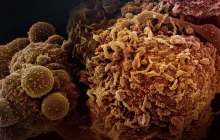
The human immunodeficiency virus, or HIV, presents a unique challenge because it is a tiny, highly adaptable retrovirus that exploits the machinery of the human immune system to replicate. This virus attacks the very cells that coordinate the immune response, primarily CD4+ T cells, leaving the body more vulnerable to a wide range of infections and diseases. In the early years of the epidemic, HIV infection was often a rapidly progressive illness with a grim prognosis. Over time, scientists discovered a class of medicines that could interrupt the life cycle of the virus, prevent the spread of infection within the body, and dramatically improve the health and longevity of people living with HIV. These medicines, commonly referred to as antiretroviral drugs, can be used in combination to create regimens that suppress viral replication to undetectable levels in many patients, a goal that not only preserves immune function but also reduces the risk of transmitting the virus to others. The story of antiviral therapy for HIV is one of continual innovation, where each new medication adds a layer of protection, broadens choices for patients, and opens opportunities to tailor treatment to individual needs and circumstances. The overarching strategy relies on hitting the virus at multiple points in its life cycle, because HIV can mutate, and single-drug strategies often lead to the selection of resistant viral strains. By employing combinations of drugs with different mechanisms of action, clinicians can create barriers for the virus that are both deep and durable, slowing or stopping disease progression while minimizing adverse effects and drug interactions. This approach, known as antiretroviral therapy, has transformed HIV from a fatal condition into a manageable chronic disease for millions of people around the world, and its ongoing evolution continues to redefine what is possible in the realm of viral suppression, immune restoration, and public health impact.
Foundations of HIV and antiviral strategies
To understand how antiviral drugs treat HIV, it helps to map the virus’s life cycle and identify the steps where medicines can intervene. HIV enters the body and targets immune cells that normally protect against infections. The virus binds to receptors on the cell surface, fuses with the cell membrane, and releases its RNA genome into the cell. Once inside, the viral enzyme reverse transcriptase converts the viral RNA into complementary DNA, a critical step that creates a template for integration into the host genome. The next phase involves integrase, an enzyme that inserts the viral DNA into the host’s own DNA. From this integrated state, the virus uses the cell’s machinery to manufacture viral proteins, which then assemble into new virus particles. These immature particles mature through processing by the viral protease enzyme, becoming infectious particles that can go on to infect other cells. Each of these steps represents a potential pharmacologic target where a drug can interrupt the viral life cycle. In practice, modern HIV treatment does not rely on a single drug to block a single step; rather, it uses a combination of medications that together constrain the virus’s ability to reproduce, adapt, and escape pressure. The biological complexity of HIV means that drug regimens must be carefully designed to cover multiple targets, maintain sufficient drug levels in the body, and minimize the potential for adverse effects or interactions with other medicines. The historical progression from first antiretroviral drugs to current regimens reflects deepening insights into pharmacology, virology, and patient care, as well as an expanding toolkit of medications that can be used in various combinations to suit diverse needs and circumstances. The ultimate objective is sustained viral suppression, which translates into improved immune function, reduced incidence of opportunistic infections, and better long-term health outcomes, all while preserving the patient’s quality of life and ability to participate in daily activities.
Classification of antiviral drugs used against HIV
Antiretroviral therapy relies on several categories of drugs, each designed to interrupt a different stage of the HIV life cycle and each bringing its own pharmacologic profile and practical considerations. Among these categories, nucleoside and nucleotide reverse transcriptase inhibitors, commonly abbreviated as NRTIs, imitate the natural building blocks of DNA. When HIV’s reverse transcriptase enzyme attempts to copy the viral RNA into DNA, it inadvertently incorporates these faulty blocks, leading to premature termination of DNA synthesis and a halt in viral replication. The result is a slowing of the infection process, often accompanied by a reduction in the amount of virus circulating in the blood. Another major class is the non-nucleoside reverse transcriptase inhibitors, or NNRTIs, which bind to an allosteric site on the reverse transcriptase enzyme and obstruct its function without providing DNA building blocks themselves. By changing the enzyme’s shape or chemical environment, NNRTIs prevent the transcription step essential for viral propagation. Protease inhibitors are a different type of tool that obstruct the processing of viral polyproteins into mature, functional proteins. Without properly formed proteins, nascent virus particles remain immature and unable to infect new cells, which helps to curb the spread of the virus within the body. A further category comprises integrase inhibitors, which block the enzyme that inserts the viral DNA into the host genome, a crucial step required for the virus to establish a lasting presence in a cell. Drugs in this group effectively lock the viral genome out of the cell’s DNA, preventing the creation of new replication-competent viral genomes. Entry inhibitors protect against the initial interaction between the virus and the host cell or impede events necessary for the virus to gain entry. Some entry inhibitors prevent the virus from binding to cellular receptors, while others interfere with the fusion process that would allow viral membranes to merge with the cell membrane. Fusion inhibitors belong to a related subset that directly hinder the conformational changes needed for fusion, thereby blocking the entry of the virus into the cell. A distinct class, the CCR5 antagonists, specifically target a chemokine receptor on certain immune cells that a subset of HIV strains uses to gain entry. By occupying the receptor, these agents reduce the ability of the virus to fuse with the cell when the virus uses the CCR5 pathway. In practice, clinicians tailor regimens to combine drugs from one or more of these classes, striking multiple targets and increasing the likelihood of continuous viral suppression. The choice of which classes to use is guided by the particular viral resistance profile, prior treatment history, concomitant medical conditions, potential drug interactions, and the patient’s ability to adhere to the prescribed regimen. Fixed-dose combinations, blending several active agents into a single daily pill, have emerged as a particularly effective strategy to simplify regimens, improve adherence, and maintain consistent drug exposure, all of which contribute to successful long-term outcomes. The diversity of drug classes and combination options means today’s treatment landscape offers a wide range of possibilities for meeting the needs of people living with HIV across different ages, ethnicities, and health conditions, while also accommodating considerations such as pregnancy, coinfections, and organ function. The net effect is a set of tools that allows clinicians to craft individualized regimens that balance potency, safety, and practicality in pursuit of durable viral suppression and immune restoration.
The mechanism of action in depth
Delving into how these drugs work at a molecular level helps illuminate why combinations are so effective. NRTIs mimic the natural nucleosides that serve as building blocks for DNA. Once incorporated into the growing DNA chain by reverse transcriptase, these analogs cause chain termination because they lack the necessary chemical groups required for further elongation. The accumulation of terminated DNA strands prevents the completion of the viral genome’s synthesis, effectively halting replication. NNRTIs, by contrast, act as noncompetitive inhibitors by binding to a distinct site on reverse transcriptase, inducing conformational changes that reduce the enzyme’s catalytic efficiency, thereby suppressing DNA synthesis even when normal building blocks are present. Protease inhibitors act at a late stage of viral maturation; the viral protease enzyme cleaves long polyproteins into individual functional proteins that the virus needs to assemble infectious particles. When protease activity is blocked, the virus produces noninfectious, immature particles that cannot propagate infection, reducing viral load and the rate at which resistance can emerge. Integrase inhibitors stop the integration step by binding to the integrase-DNA complex or the active site of the enzyme itself, preventing the viral genome from becoming a permanent part of the host genome. This interruption is particularly powerful because it limits the establishment of reservoirs of infection within long-lived cells. Entry inhibitors prevent viral entry by stopping the virus from attaching to receptors or fusing with the cell membrane, thereby acting at the earliest possible moment of infection. Fusion inhibitors share a similar aim but act by stabilizing the viral envelope in a way that prevents the conformational changes necessary for fusion to proceed. CCR5 antagonists provide a more targeted approach by blocking a receptor that certain strains of HIV use to enter cells, though they are not effective against HIV strains that use alternative coreceptors. The pharmacokinetic properties of these drugs — how they are absorbed, distributed, metabolized, and eliminated — interact with dosing schedules and adherence patterns to determine real-world effectiveness. Drug–drug interactions, particularly with medications that affect liver enzymes, can influence both efficacy and safety, necessitating careful monitoring and sometimes adjustments in therapy. In combination therapy, the goal is not simply to block a single pathway but to create a layered defense that minimizes the virus’s ability to mutate and adapt. The intricate interplay between a drug’s mechanism of action, its pharmacokinetics, and the human host underscores why personalized treatment plans and ongoing clinical surveillance are essential in achieving sustained health improvements for people living with HIV.
Drug safety, side effects, and resistance
Any medical treatment carries the potential for adverse effects, and antiretroviral therapy is no exception. The risk and profile of side effects vary depending on the specific drugs chosen, the dose, the duration of therapy, and individual factors such as age, genetics, coexisting medical conditions, and concomitant medications. Early antiretrovirals were associated with a higher burden of toxicities, including bone marrow suppression, mitochondrial toxicity, and metabolic disturbances. Advances in drug design and formulation have markedly improved tolerability, yet adverse effects remain an important consideration. Common issues across regimens can include fatigue, nausea, headaches, sleep disturbances, lipid abnormalities, and changes in body fat distribution, among others. Some regimens may raise the risk of insulin resistance or influence kidney or liver function, and certain drug interactions can alter the effectiveness of therapies or increase the risk of toxicity. Clinicians carefully assess risk and benefit, monitor laboratory parameters, and adjust treatment as needed to minimize harm while preserving antiviral potency. Resistance is another central concern in HIV management. The virus can acquire mutations that reduce the susceptibility to one or more drugs, particularly when adherence is imperfect or when viral exposure to suboptimal drug levels occurs. Resistance testing, conducted by sequencing viral genes, helps identify which drugs are likely to remain effective and which should be avoided. When resistance emerges, clinicians may switch to alternative agents from different drug classes or modify the combination to reestablish suppression. The interplay between adherence, resistance, and drug tolerability emphasizes the importance of patient education, support services, and simple dosing regimens that can be sustained over years. Adherence is critical because continuous suppression of viral replication reduces the chance of resistance developing and improves long-term outcomes. Programs that provide education, reminders, and integrated care help patients maintain steady drug exposure, reinforcing the therapy’s protective effect. The safety profile of antiretroviral drugs is also influenced by comorbidities such as hepatitis coinfections, cardiovascular risk factors, and metabolic disorders. In some cases, clinicians select regimens with a more favorable side-effect spectrum in the context of these conditions, aiming to maintain quality of life while achieving virologic goals. Overall, the balance between effectiveness, tolerability, and convenience is central to successful therapy, and ongoing research seeks to discover drugs with better safety profiles, fewer interactions, and longer intervals between doses, while preserving the capacity to overcome resistance when it arises.
Regimens and treatment goals
The primary objective of HIV treatment is sustained virologic suppression, defined by undetectable levels of virus in the blood for an extended period. Achieving this goal depends on a combination strategy that combines potent antiviral activity with practical considerations such as dosing frequency, pill burden, and tolerability. Fixed-dose combinations, where several active medications are packaged into a single daily tablet, have been a major advance because they simplify regimens, helping people stay adherent and maintain viral suppression. In addition to suppressing the virus, ART supports immune recovery by enabling the restoration of CD4+ T cell counts, reducing the risk of opportunistic infections, and improving overall health outcomes. Treatment decisions take into account the patient’s baseline viral load and CD4+ cell counts, as well as potential coexisting infections, pregnancy plans, and other medical conditions. Regular monitoring of viral load and immune function guides clinicians in assessing response to therapy and detecting any early signs of treatment failure. In some circumstances, drug resistance testing is repeated to tailor therapy if the virus begins to rebound. A successful regimen is one that preserves future options by maintaining a robust set of usable drugs should changes become necessary, which is particularly important given the long-term nature of HIV treatment. Beyond clinical targets, contemporary care emphasizes the social and behavioral dimensions of living with HIV. Adherence support, mental health resources, nutrition, exercise, and strategies to reduce stigma all contribute to the effectiveness of the medical plan. Patient education helps individuals understand how the medications work, why consistency matters, and what to do if doses are missed or if side effects arise. The collaboration between patients and clinicians supports shared decision making, ensuring that therapy aligns with personal goals while delivering the best possible virologic and immune outcomes. The ultimate measure of success is a durable reduction of the viral burden to undetectable levels, which translates into improved health, reduced transmission risk, and the possibility of a near-normal lifespan for many people living with HIV. In this framework, the practice of HIV care becomes a comprehensive, ongoing process that integrates pharmaceutical science with compassionate, patient-centered care.
Delivery, pharmacokinetics, and adherence challenges
Pharmacokinetics, the study of how drugs move through the body, plays a central role in selecting regimens that patients can tolerate over the long term. A drug’s absorption, distribution, metabolism, and excretion determine how much of the active drug reaches the site of action, how often it must be taken, and how consistently levels remain in the therapeutic range. Some medications are formulated as extended-release tablets or once-daily dosing to reduce the burden of daily medication and improve adherence. Others may require careful timing with respect to meals or interactions with other drugs, including common over-the-counter medicines. Adherence, or the extent to which a patient follows the prescribed treatment plan, is a critical determinant of success. Even small deviations from the regimen can create periods of subtherapeutic drug exposure, allowing the virus to replicate and potentially develop resistance. Healthcare providers address adherence by simplifying regimens, offering patient education, and integrating support services that address barriers such as transportation, cost, forgetfulness, or mental health concerns. Tolerability also affects adherence; if side effects are frequent or severe, patients may be less likely to continue therapy consistently. Ongoing research aims to improve pharmacokinetic profiles, minimize side effects, and expand options for long-acting formulations that require less frequent dosing, such as monthly injections or biweekly regimens. Long-acting therapies can be particularly beneficial for people who have difficulty taking daily pills or who want to maintain a stable regimen with fewer daily reminders. However, the introduction of long-acting options also requires thoughtful planning around access, clinic visits, and the management of potential adverse effects over extended intervals. In the real world, effective HIV treatment depends on a careful balance of scientifically sound regimens, practical dosing strategies, and robust support networks that help patients stay engaged with care, maintain adherence, and achieve lasting virologic control. The field continues to refine its understanding of how best to tailor pharmacokinetic properties to individual needs, aiming to optimize not only how well a drug works but also how sustainably it can be used in daily life.
Global access and future directions
Access to antiretroviral therapy remains a critical global health issue, with substantial disparities between regions and income groups. In high-income countries, the majority of people living with HIV have access to effective regimens and can receive regular monitoring and supportive services. In lower-resource settings, barriers such as cost, supply chain challenges, laboratory infrastructure, and trained personnel can hinder timely diagnosis, initiation of treatment, and ongoing care. International initiatives have achieved remarkable progress in expanding access, driving down drug prices, distributing essential medications, and supporting patient education and adherence programs. Yet persistent gaps shape the global landscape of HIV outcomes, and addressing these gaps requires coordinated efforts across policy, funding, manufacturing, and clinical capacity. The future of HIV antiviral therapy is characterized by a continuing expansion of therapeutic options, including long-acting regimens that reduce dosing frequency and potential adherence barriers, as well as more tolerable drugs with fewer interactions. Researchers are exploring strategies to shorten the time to viral suppression, broaden the range of regimens that work across diverse viral strains, and address comorbid conditions that affect treatment choices. In addition, vaccine research continues in parallel with therapeutic innovations, offering the potential for complementary approaches that could further reduce transmission and improve disease control at the population level. The ultimate aim is to achieve equitable access to life-saving therapies for all people living with HIV, regardless of where they are born or the resources available to them. Realizing this vision requires ongoing collaboration among governments, healthcare providers, patient communities, and industry, coupled with sustained investment in health systems, supply chains, and education. As the science advances, the practical challenge is to ensure that every person who needs treatment can receive it promptly, adhere to it reliably, and experience the full benefits of modern medicine in a way that respects dignity, autonomy, and long-term well-being.