Chronic back pain is a complex experience that extends beyond a simple anatomical failure in a single structure. It typically refers to pain in the back that persists for weeks or months, often defined clinically as lasting longer than twelve weeks, and it can fluctuate in intensity over time. The symptoms may begin with a clear incident or arise gradually, and they can be accompanied by muscle stiffness, limited mobility, and a sense of fatigue that colors everyday activities. Understanding why this pain persists requires looking at a broad landscape of potential contributors, including mechanical factors, degenerative changes, nerve involvement, inflammatory conditions, infections, tumors, and the wider psychosocial and lifestyle contexts in which pain lives and evolves. This comprehensive view helps patients and clinicians navigate a path from symptom relief toward addressing underlying drivers whenever possible, while recognizing that chronic pain sometimes remains partly or predominantly a signaling pattern of the nervous system that requires targeted strategies for management and adaptation.
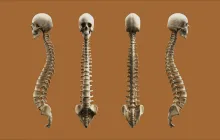
The back, or the axial skeleton, is a sophisticated structure designed to bear and distribute loads, protect the spinal cord and nerve roots, and allow a wide range of movement. It is composed of vertebrae stacked like a column, intervertebral discs serving as cushions, facet joints guiding motion, ligaments and muscles that support posture, and in the spinal canal a delicate relationship between the spinal cord and the exiting nerve roots. Each segment of the spine has a specific role in stability and flexibility, and pain can emerge from any of these components or from more than one simultaneously. Lumbar regions are particularly prone to chronic pain simply due to the loading patterns they endure in daily life, but the thoracic and cervical regions can also become the source of persistent discomfort when structural or systemic processes intervene. The interplay among these parts matters because a change in one area often alters forces elsewhere in the spine, potentially setting up a cycle of strain, inflammation, and sensitization that sustains pain over time.
Mechanical and degenerative processes are among the most common drivers of chronic back pain. Activities that require bending, twisting, or heavy lifting can accumulate small, repeated stresses that gradually wear down soft tissues and alter how the spine handles loads. Poor posture, especially when sustained for long periods during work or recreation, can shift weight away from the most protective parts of the spine and toward regions that are less capable of absorbing it. Over the years these patterns may lead to thickened ligaments, tightened paraspinal muscles, and changes in the alignment of vertebral segments, creating a background of stiffness and soreness that becomes more noticeable when activity resumes after a period of rest. Degenerative changes such as disc dehydration, disc height loss, and facet joint arthropathy may accompany aging and accumulate with time, reducing flexibility and amplifying pain in response to ordinary movements. In many individuals, these mechanical and degenerative factors interact with each other in a way that makes pain more persistent and less predictable, underscoring the idea that chronic back pain is rarely the result of a single defect, but rather a constellation of changes that reinforce one another.
Disc-related conditions are frequently at the center of chronic back pain stories. The intervertebral discs function as cushions that absorb shock and permit movement, yet they are subjected to repetitive loading and daily stresses that can lead to microtears and a loss of hydration. When discs deteriorate, they may bulge, prolapse, or become more fragile, sometimes compressing adjacent nerves. A herniated or bulging disc can irritate nerve fibers that exit the spine, producing sharp, electric sensations that radiate into the arms or legs, a symptom pattern often referred to as radicular pain or sciatica when the lower back is involved. Even disc-level degeneration without frank herniation can cause localized pain through inflammation and altered mechanics, particularly during bending or twisting. The subtlety of disc pathology means that imaging might reveal structural changes even in people who are largely asymptomatic, which highlights the importance of correlating imaging findings with the patient’s history and physical examination rather than relying on scans alone to explain pain.
Nerve involvement and radicular pain stand as a distinct category within chronic back pain because nerve roots and the spinal cord create a corridor through which sensory information travels from the body to the brain. When processes such as disc herniation, bone spurs, or thickened ligaments compress or irritate these nerves, the resulting pain can take on a specific distribution, often following a familiar dermatomal pattern. In addition to sharp or shooting pains, individuals may experience tingling, numbness, or weakness in a limb. The nerve roots also contribute to reflexive changes and altered muscle activation, which can perpetuate abnormal movement patterns and further strain the back. Chronic nerve irritation may lead to a state of heightened sensitivity in the nervous system, whereby even normal movements provoke disproportionate discomfort. This sensitization can be persistent and may require targeted strategies to retrain the nervous system in conjunction with addressing the structural or inflammatory drivers present.
Structural and alignment issues represent another essential piece of the puzzle in chronic back pain. Misalignment, abnormal curvature, and instability can stem from congenital factors, congenital variations that become problematic with age, injuries, or prolonged asymmetrical loading. Conditions such as scoliosis, kyphosis, and spondylolisthesis alter the way forces travel through the spine, which may produce uneven wear, muscle imbalances, and episodic or ongoing pain. In some individuals, these structural features alone do not cause pain, while in others they become a foundational contributor to chronic symptoms when coupled with degenerative changes or muscular compensation strategies. The complexity lies in recognizing how these structural elements interact with tissue health, nerve function, and the person’s activity patterns, since effective management often requires a balanced approach that respects both the anatomy and the lived experience of pain.
Inflammatory, autoimmune, and infectious processes provide another axis along which back pain can arise and persist. Inflammatory back pain is characterized by morning stiffness, improvement with movement, and a pattern that tends to wax and wane with fluctuations in systemic activity. Autoimmune conditions such as axial spondyloarthritis can target the spine and sacroiliac joints, producing chronic pain that is mechanistically distinct from purely mechanical sources and may respond differently to therapy. Infections involving the spine, although relatively rare, pose serious risks and can manifest as localized tenderness, fever, and elevated inflammatory markers, demanding prompt medical evaluation. In all these conditions, the pain is not solely a matter of tissue wear but also reflects immune activity, neural processing, and the body’s broader inflammatory milieu, which can modulate pain perception and recovery trajectories in meaningful ways.
Osteoporosis and the specter of cancer add additional layers of risk and complexity to chronic back pain. Osteoporosis can lead to compression fractures in the vertebral bodies, particularly in older individuals, which may present as sudden onset back pain or progressive height loss and deformity. These fractures alter spinal mechanics and can trigger a cycle of pain, muscle guarding, and reduced activity. Oncologic processes, whether metastatic disease that has spread to the spine or primary spinal tumors, can cause localized pain through bone destruction or compression of neural structures. In the presence of cancer, back pain often carries additional red flags such as unexplainable weight loss, night awakening due to pain, and neurological symptoms, underscoring the importance of a careful history and appropriate diagnostic workup in the right clinical context.
Systemic and lifestyle factors contribute profoundly to the experience of chronic back pain, sometimes by amplifying vulnerability or limiting the body's capacity to heal. Obesity shifts the mechanical balance of the spine, increasing the load on the lumbar region and promoting inflammatory pathways that sensitize pain signaling. Smoking has been associated with impaired blood flow to spinal tissues, reduced healing capacity, and increased disc degeneration, which collectively can heighten pain risk and prolong recovery. A sedentary lifestyle reduces the strength and flexibility of core and back muscles that stabilize the spine, while irregular sleep patterns and chronic stress can heighten pain perception and lower pain thresholds. These factors do not always create pain directly, but they shape the environment in which pain emerges, persists, and affects daily function, making them essential targets for integrated management strategies that complement medical interventions and physical rehabilitation.
Chronic pain can be understood as a broader syndrome that involves alterations in central nervous system processing, sometimes independent of obvious structural damage. Central sensitization describes a state in which the brain and spinal cord become more responsive to normal sensory input, leading to heightened pain experiences that outlast the initial tissue injury. In practice this means patients may notice pain in response to activities that previously felt harmless, or experience amplified pain with ordinary physical challenges. Psychological and emotional factors, including mood, stress, and anxiety, interact with sensory pathways to shape pain perception in meaningful ways. The concept of central sensitization emphasizes that effective treatment can require a combination of physical rehabilitation, targeted medicines when appropriate, psychological support, and strategies that help retrain the brain’s interpretation of sensory information, rather than focusing solely on structural abnormalities alone.
Psychosocial dimensions of chronic back pain deserve careful attention because they can sustain pain even when imaging or exam findings are modest. Beliefs about pain, fear of movement, and expectations about recovery can influence the course of symptoms and adherence to treatment plans. Social context, including family support, work demands, and access to care, shapes how pain is managed on a day-to-day basis. A comprehensive approach recognizes that pain is not purely a biomedical event but a lived experience that arises from the intersection of biology, psychology, and social life. When care teams acknowledge these layers, they can tailor interventions that address coping skills, activity pacing, and problem-solving strategies alongside physical therapies and medical treatments, which often improves adherence and overall outcomes even when the underlying biological drivers are multifaceted.
Assessing chronic back pain involves distinguishing when the cause is mechanical and when systemic, inflammatory, infectious, or malignant processes may be contributing. Red flags such as sudden severe neurological changes, loss of bowel or bladder control, progressive weakness, fever, history of cancer, unexplained weight loss, or night pain that is unrelieved by rest warrant urgent evaluation. A thorough history and physical examination guide whether imaging studies or laboratory tests are needed and help to avoid unnecessary procedures. Clinicians look for patterns in symptom onset, aggravating and alleviating factors, and the distribution of pain to infer whether joints, discs, nerves, or soft tissues play dominant roles. This careful process respects the individuality of each patient’s pain experience and informs a balanced plan that acknowledges uncertainty while pursuing clarity about possible drivers and realistic goals for function and comfort.
Imaging and diagnostic strategies contribute to understanding chronic back pain, but they must be integrated with clinical judgment. Magnetic resonance imaging can illuminate soft tissue conditions, nerve compression, disc integrity, and inflammatory changes, while X-rays reveal bone alignment and degenerative alterations. Computed tomography offers precise views of bony structures and is sometimes used to plan interventions. Yet imaging findings do not always correlate perfectly with pain intensity or disability, which reinforces the idea that treatment decisions should combine imaging data with patient-reported symptoms, functional assessments, and personal goals. In many cases, a conservative approach emphasizing physical therapy, activity modification, and symptom management can yield meaningful relief, reserving invasive procedures for situations where noninvasive strategies have not achieved desired improvement or when exam findings point to a clear structural target that is amenable to intervention.
Understanding the causes of chronic back pain has direct implications for management. Recognizing mechanical contributors prompts strategies to improve posture, optimize lifting techniques, and design ergonomic workspaces, combined with exercise programs that strengthen core muscles and enhance spinal stability. Addressing degenerative changes involves maintaining flexibility, managing weight, and using treatments that reduce inflammation and protect joint health. When nerve involvement is central, approaches may include targeted physical therapy that decompresses neural structures, modalities that reduce nerve irritation, and careful consideration of pharmacologic options to balance efficacy with safety. Inflammatory or autoimmune processes require disease-specific therapies, sometimes including biologic agents, while infections demand prompt antimicrobial treatment under specialist supervision. For osteoporosis and cancer-related pain, interventions focus on preventing fractures, stabilizing bone health, and addressing tumor-related factors in collaboration with oncologists and spine specialists. The overarching theme is that a nuanced understanding of cause guides a layered, patient-centered approach that can adapt as symptoms evolve and new information becomes available.
Management of chronic back pain thrives on a multidisciplinary framework that respects the diversity of contributing factors. Physical therapy plays a central role by teaching movement strategies that reduce tissue stress, improve mobility, and restore functional confidence. Pharmacologic treatments may be used to alleviate pain and improve participation in rehabilitation, with careful attention to potential side effects and interactions. Injections, such as epidural or facet joint therapies, are considered in specific scenarios where targeted relief can enable greater activity and participation in a structured exercise program. Surgical options, while not universally indicated, offer meaningful benefits for selected conditions when conservative care fails to provide relief or when a definite mechanical problem accounts for persistent symptoms. The intent behind these interventions is not merely to suppress pain but to restore function, support recovery, and help individuals reclaim meaningful daily life activities while minimizing the risk of relapse or progression of disability.
Beyond medical treatments, lifestyle adjustments and preventive strategies have powerful roles in shaping the long-term trajectory of chronic back pain. Regular, appropriate exercise improves muscular support for the spine, enhances flexibility, and promotes healthy weight management, all of which contribute to reduced mechanical load and better coping with discomfort. Ergonomic refinements in the workplace, careful sleep positioning, and creating routines that balance rest with gradual activity are practical steps that support recovery. Nutritional considerations, hydration, and overall metabolic health influence tissue resilience and inflammatory balance, reinforcing the idea that back pain management benefits from attention to general health. Mindfulness, stress reduction techniques, and cognitive-behavioral approaches can alter pain perception and help individuals engage more fully in active therapies, turning coping skills into a durable component of relief and resilience rather than a temporary fix. In this sense, the journey to understanding chronic back pain becomes a path toward empowerment through education, activity, and coordinated care that respects both the science of the spine and the lived human experience of pain.
The relationship between understanding causes and improving quality of life is bidirectional. When patients learn about the possible contributors to their pain, they become partners in decision-making, asking informed questions and sharing preferences, which often leads to care plans that are better aligned with personal values and daily realities. Clinicians benefit from listening closely to stories of daily function, work demands, and social supports, because these elements illuminate which interventions are most feasible and sustainable. The goal of this collaborative approach is not to eliminate pain entirely in every case, but to reduce its impact, expand functional opportunities, and restore a sense of control and hope. By integrating anatomical knowledge with evidence-based strategies and compassionate communication, healthcare teams can support individuals as they navigate the unpredictable course of chronic back pain, adapting treatment as symptoms evolve and individual goals shift over time.
In the broader context of health systems, recognizing the multifactorial nature of chronic back pain supports the development of comprehensive care pathways that emphasize early assessment, timely intervention, and ongoing monitoring. Such pathways encourage professionals to address not only the physical aspects of pain but also lifestyle, mental health, and social determinants that influence recovery. Research continues to refine our understanding of how different etiologies interact, how central nervous system processes contribute to chronicity, and which combinations of therapies yield the most meaningful improvements for diverse patient populations. As science advances, the patient experience remains central, guiding clinicians toward approaches that are respectful, effective, and sustainable in everyday life. The pursuit of relief, therefore, becomes a dynamic collaboration that honors both biological realities and the human desire for movement, independence, and well-being. The discussion of chronic back pain causes thus unfolds as an ongoing narrative that invites curiosity, careful evaluation, and a hopeful commitment to proactive care that adapts to each person’s circumstances and aspirations.