Introduction: Inflammation as a double-edged sword
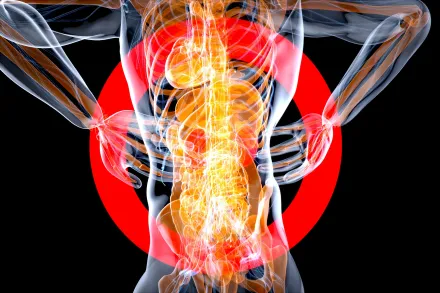
Inflammation is a fundamental biological response that protects tissues from injury and infection, mobilizing a cascade of immune signals to eliminate threats and initiate repair. In healthy circumstances, this process is tightly regulated, marked by the timely arrival of immune cells, the release of signaling molecules, and the orchestration of metabolic changes that contain damage and begin healing. Yet in many chronic illnesses this protective system becomes chronically activated or dysregulated, producing a persistent low-grade pulse of inflammatory signals that travels through the body. The consequences extend far beyond the original site of injury, influencing metabolic processes, neural circuits, organ function, and tissue homeostasis in ways that undermine resilience and promote disease progression. Understanding how a once-useful defense becomes a driver of chronic pathology requires a look at the architecture of inflammation, its checks and balances, and the contexts in which it is sustained rather than resolved.
From the cellular perspective, inflammation is not a single event but a tapestry of coordinated responses involving blood vessels, resident tissue cells, circulating immune cells, and molecular messengers. When this tapestry remains incomplete or unraveling, the same threads that normally guide healing can pull tissues into a state of chronic activation. The clinical reality is that chronic inflammatory states are not mere symptoms but active processes that reshape physiology, influence energy balance, alter nerve signaling, and change how organs function. In this broad sense, the study of inflammation in chronic illness becomes not only a tale of immune defense but a story about tissue resilience, aging, and the evolving dialogue between environment and biology. By exploring the underpinnings of persistent inflammation, we gain insight into why some conditions stubbornly persist and why interventions that modulate the inflammatory milieu can alter the course of disease and the quality of life for many people.
The biology of inflammation: cells, signals, and resolution
Inflammation begins with sentinel cells in tissues that sense danger signals. When confronted with pathogens, damaged cells, or metabolic stress, macrophages, neutrophils, dendritic cells, and tissue-resident lymphocytes release cytokines and chemokines that recruit additional immune cells from the bloodstream. The immediate aim is to neutralize threats, clear debris, and restore tissue integrity. At the heart of this response lie signaling networks such as NF-kB, which acts as a conductor guiding gene expression for inflammatory mediators, prostaglandins that modulate blood flow and pain, and interferons that prime antiviral defenses. The vascular system participates by loosening its endothelial barriers to allow immune cells to reach the tissue, a process that also raises the risk of collateral damage if the response fails to shut off when threats are gone. Resolution is not a passive event; it involves specialized pro-resolving mediators such as lipoxins, resolvins, and protectins that actively dampen inflammation, promote clearance of cellular debris, and encourage tissue remodeling. When this resolution phase is impaired, inflammation can linger, becoming a chronic condition that reprograms tissues and alters normal physiology.
Chronic activation of inflammatory pathways involves various cell types beyond the initial responders. Monocytes circulating in the blood can differentiate into macrophages within tissues, adopting functional states that range from inflammasome-driven producers of interleukin-1β to cells that promote tissue repair. T cells, including helper and cytotoxic subsets, contribute by shaping the adaptive response, sometimes enhancing immunity but also fueling autoimmunity when their regulation is compromised. The interplay between innate and adaptive immunity creates a network of feedback that can sustain inflammation even in the absence of an ongoing infection. Oxidative stress, mitochondrial dysfunction, and endoplasmic reticulum stress can amplify signaling cascades, reinforcing the expression of inflammatory genes and altering cellular metabolism. The accumulation of damaged mitochondria, for example, can release reactive oxygen species or mitochondrial DNA that further activates receptors on immune cells, creating a self-perpetuating loop. Together, these processes illustrate how inflammation transforms from a targeted protective mechanism into a systemic, self-sustaining milieu that can interfere with normal tissue function.
Chronic inflammation across diseases: a common thread
One of the striking features of chronic illness is that seemingly disparate diseases share a thread of persistent inflammatory activity. In cardiovascular disease, chronic vascular inflammation promotes atherosclerosis by attracting immune cells to arterial walls, oxidizing low-density lipoproteins, and destabilizing plaques. In type 2 diabetes and metabolic syndrome, adipose tissue expands with immune cells releasing cytokines that impair insulin signaling and promote lipotoxicity, creating a cycle of metabolic stress and inflammation. In neurodegenerative disorders, inflammatory mediators can cross or influence the blood-brain barrier, affecting neuronal signaling and function, contributing to synaptic loss and cognitive decline. Autoimmune diseases reveal an exaggerated and misdirected inflammatory response where the body's own tissues become targets for immune attack, leading to organ damage over time. Even conditions traditionally considered non-inflammatory, such as some chronic pain syndromes, fatigue disorders, and certain cancers, can exhibit inflammatory footprints that correlate with symptom severity and disease progression. The ubiquity of low-grade inflammation suggests that controlling this systemic signal might yield broad benefits across organ systems. Yet the heterogeneity of inflammatory signals across tissues also explains why treatments that work in one disease may not translate easily to another, underscoring the need for context-specific approaches that consider tissue microenvironments, genetic predispositions, and environmental exposures.
Beyond disease-specific effects, persistent inflammation can erode the body’s ability to repair tissue after minor injuries, lowering resilience to everyday stressors and reducing recovery capacity. This erosion creates a cycle in which small insults accumulate and become clinically meaningful, contributing to fatigue, reduced physical function, and a diminished quality of life. The interdependence of systems means that inflammation in the gut, the liver, or the brain can reverberate through hormonal pathways, appetite regulation, sleep patterns, and mood, illustrating the far-reaching reach of immune dysregulation. These interconnected consequences emphasize the importance of a holistic view when assessing and treating chronic inflammatory states, one that appreciates not only the primary disease but also the secondary effects that compromise overall health and well-being.
Mechanisms linking inflammation to chronic disease
Chronic inflammation is not a single pathway but a constellation of interconnected mechanisms. Persistent exposure to metabolic stress or infectious remnants can keep macrophages in a proinflammatory state, sustaining production of cytokines such as interleukin-6 and tumor necrosis factor alpha. These molecules influence tissue function by altering insulin signaling, lipid metabolism, and vascular tone, thereby contributing to metabolic syndrome and cardiovascular risk. In the vascular wall, inflammatory signaling promotes the expression of adhesion molecules that recruit more immune cells, fostering plaque growth and instability. In the liver, inflammatory cytokines influence triglyceride synthesis and glucose metabolism, which can fuel insulin resistance and nonalcoholic fatty liver disease. The nervous system is not exempt: cytokines and chemokines can alter neurotransmitter systems, affecting mood, motivation, and pain perception. Inflammasomes, particularly the NLRP3 complex, can respond to a range of stimuli, from metabolic danger signals to cellular debris, and drive the maturation of inflammatory cytokines that perpetuate tissue injury. Additionally, immune senescence and aging-related changes in immune cell function can tilt the balance toward chronic inflammation, a phenomenon observed in many aging populations. In sum, chronic disease emerges when the initial trigger is not resolved and the downstream inflammatory network becomes a self-sustaining system that interferes with normal cellular signaling, metabolism, and regeneration.
As inflammation persists, metabolic reprogramming within immune cells occurs, shifting energy use from efficient mitochondrial respiration toward glycolysis in order to meet the high-energy demands of ongoing immune activation. This metabolic shift not only fuels inflammation but also intersects with lipid and glucose metabolism in peripheral tissues, creating a systemic environment that favors insulin resistance and lipid dysregulation. The chronic production of proinflammatory mediators, such as IL-1β, IL-6, and TNF-α, can chronically suppress anabolic pathways in muscle and alter adipose tissue function, contributing to sarcopenia and loss of metabolic flexibility. The accumulation of senescent cells, whose secretory profiles include inflammatory factors, further amplifies the inflammatory milieu and impedes tissue repair. Collectively, these interconnected processes reveal a multi-layered network whereby inflammatory signaling propagates through tissues, hormones, and metabolic circuits, eventually shaping the phenotype of chronic illness beyond the original site of injury or insult.
Metabolic inflammation and obesity
Metabolic inflammation, often termed metaflammation, describes a persistent, low-grade inflammatory state linked to excess adiposity and metabolic dysfunction. Expanding adipose tissue recruits macrophages and other immune cells that release proinflammatory mediators, creating a local and systemic inflammatory milieu. This environment impairs insulin signaling by altering the phosphorylation state of key insulin receptor substrates, contributing to insulin resistance that can progress to type 2 diabetes. Adipocytes themselves may release chemokines that attract more immune cells, creating a feedback loop that sustains inflammation. The palette of immune cells in metabolic tissue includes a balance between inflammatory M1 macrophages and tissue-healing M2 macrophages; in obesity the scale tilts toward M1-like phenotypes, reinforcing inflammatory signaling. The inflammasome pathway, especially NLRP3, can be activated by fatty acids, cholesterol crystals, and mitochondrial danger signals, driving maturation of IL-1β and IL-18, which further impair metabolic control. This metabolic inflammation does not confine itself to fat tissue; it spills into the liver, muscle, and even the brain, linking systemic metabolic status to cognitive and mood-related outcomes. Lifestyle factors such as diet quality, physical activity, and sleep quality modulate metaflammation by affecting adipose tissue stress, gut permeability, and systemic antioxidant capacity. Understanding metabolic inflammation highlights the intersection of nutrition, energy balance, and immune signaling as a central axis in chronic disease risk and progression.
Moreover, metabolic inflammation intersects with aging processes, potentially accelerating age-related functional decline. When inflammatory signals accumulate over time, they can prompt a tilt toward catabolic states, reducing muscle mass, impairing physical performance, and diminishing metabolic reserve. The cross-talk between adipose tissue and the liver can lead to nonalcoholic fatty liver disease, a condition increasingly recognized as a metabolic-driven inflammatory disease rather than a purely isolated hepatic disorder. The gut microbiome contributes to metaflammation via microbial metabolites that influence host metabolism and immune tone, reinforcing the idea that systemic inflammation emerges from an integrated network of tissues rather than a single source. In clinical practice, strategies that reduce adipose tissue inflammation—through weight loss, improved diet, and physical activity—are associated with improved insulin sensitivity and better cardiovascular risk profiles, underscoring the practical value of targeting metabolic inflammation as part of comprehensive care.
Neuroinflammation and the brain
Neuroinflammation refers to the activation of glial cells within the central nervous system and peripheral signals that influence brain function. Microglia, the resident immune cells of the brain, respond to injury or infection by clearing debris and releasing cytokines. While this is essential for maintaining neural integrity, prolonged microglial activation can disrupt synaptic signaling, interfere with neurogenesis, and contribute to neuronal damage. The blood-brain barrier, once a robust shield, becomes more permeable in the setting of systemic inflammation, allowing peripheral cytokines and immune cells to influence brain networks. The consequences can include changes in mood, motivation, and cognitive performance, with associations observed in clinical contexts ranging from depressive symptoms to neurodegenerative disorders such as Alzheimer's disease and Parkinson's disease. In chronic inflammatory states, the brain may exhibit alterations in neural connectivity and plasticity that translate into fatigue, reduced executive function, and altered perception of pain. The interplay between neural networks and immune signaling demonstrates that the central nervous system does not exist in isolation from the body's inflammatory state, but rather is deeply influenced by the same molecular messengers that regulate immunity and metabolism. Therapeutic strategies aimed at reducing neuroinflammation may therefore have the potential to protect cognitive function and mood in chronic illness, although achieving targeted effects without broad immune suppression remains a central challenge.
In addition to neurodegeneration, chronic neuroinflammation can influence the brain’s reward circuits, potentially altering eating behavior and motivation. This creates a feedback loop in which inflammatory signaling affects behavior that, in turn, shapes metabolic risk and further inflammation. The sensitivity of brain regions to inflammatory cues varies among individuals, influenced by genetics, age, prior infections, and lifestyle. Understanding this variability helps explain why some patients experience profound mood disturbances or fatigue in association with inflammatory states while others remain relatively resilient. Interventions that minimize systemic inflammation may, therefore, confer benefits for mental health and cognitive function alongside physical health outcomes, highlighting the inseparable link between brain health and immune status in chronic disease contexts.
Gut health, microbiome, and systemic inflammation
The gut microbiome is a complex ecosystem that interacts with the immune system to tune inflammation. A balanced microbial community supports barrier integrity, helps train the immune system, and produces metabolites such as short-chain fatty acids that modulate immune and metabolic pathways. When the microbiome becomes imbalanced, or dysbiotic, intestinal permeability can increase, allowing microbial products to enter circulation and trigger systemic inflammatory responses. This gut-derived inflammation can influence distant organs, including the liver, brain, and heart, linking dietary patterns and lifestyle to chronic disease risk. Fiber-rich diets promote a healthy microbiome and the production of anti-inflammatory metabolites, while high-fat, high-sugar diets can foster proinflammatory microbial profiles. Stress, sleep disruption, and antibiotic exposure can further perturb microbial equilibrium, illustrating how lifestyle and environment shape inflammatory signaling through the gut. The crosstalk between the gut and immune system involves complex networks of cells and signaling molecules, including dendritic cells, regulatory T cells, and various cytokines, creating a dynamic environment where microbial cues calibrate systemic inflammation. Emerging research continues to reveal how specific microbial taxa and metabolites influence metabolic health, mental well-being, and tissue repair processes, suggesting new avenues for therapies that target the microbiome to manage chronic inflammation.
Beyond microbial balance, the gut’s immune landscape includes gut-associated lymphoid tissue where dietary antigens and microbial components are sampled. This local education of the immune system contributes to systemic tolerance or reactivity, depending on the context. Disruptions in this education process can predispose individuals to inappropriate inflammatory responses to otherwise harmless substances. The concept of intestinal permeability as a mediator of systemic inflammation has led researchers to explore interventions aimed at strengthening the barrier, restoring mucus layers, and promoting ecosystem diversity within the gut. Although much remains to be learned about the precise causal pathways, the accumulating evidence supports a model in which gut-derived signals act as a rheostat for inflammation, modulating risk for multiple chronic diseases and shaping responses to therapies that target systemic inflammation.
Sleep, stress, and inflammation
Sleep and stress are powerful modulators of the inflammatory system. Chronic sleep deprivation or poor sleep quality is associated with elevated levels of inflammatory markers such as C-reactive protein, interleukin-6, and tumor necrosis factor alpha. These signals can sensitize pain pathways, impair metabolic regulation, and alter mood and cognitive function. Stress triggers the release of glucocorticoids and catecholamines that acutely regulate immune responses, but when stress becomes chronic, the regulatory balance can falter, allowing proinflammatory pathways to dominate. The autonomic nervous system, the hypothalamic-pituitary-adrenal axis, and immune signaling intersect to determine the amplitude and duration of inflammatory responses. Behavioral strategies that improve sleep hygiene and reduce stress, such as mindfulness, regular physical activity, and relaxation techniques, can attenuate systemic inflammation and thereby potentially blunt the progression of chronic diseases. Recognizing the bidirectional relationship between mental state, behavior, and inflammation enriches the approach to care, highlighting the role of lifestyle modification alongside pharmacologic interventions in managing chronic illness.
In addition, circadian biology plays a role in shaping inflammatory rhythms. Immune cells exhibit time-of-day–dependent patterns in cytokine production and responsiveness, which can influence disease activity in conditions with diurnal fluctuations. Disruptions to circadian alignment—common with shift work or irregular sleep schedules—have been associated with heightened inflammatory tone and greater metabolic risk. Aligning daily routines with natural circadian cues, through consistent wake times, light exposure, and meal scheduling, could therefore be a practical, nonpharmacologic lever to modulate inflammation as part of a broader disease-management plan. This intersection of sleep science and immunology adds another layer to understanding how lifestyle factors contribute to chronic inflammation and offers tangible strategies for patients seeking to regain balance in their inflammatory milieu.
Biomarkers and diagnostics
Biomarkers of inflammation provide insights into disease activity and risk, guiding treatment decisions and monitoring responses. C-reactive protein is a widely used systemic marker reflecting acute phase responses and overall inflammatory burden. Interleukin-6 and tumor necrosis factor alpha offer more detailed portraits of cytokine signaling, while other markers such as fibrinogen, ferritin, and circulating immune cell profiles contribute to a composite view of inflammatory state. In some conditions, organ-specific markers reveal local inflammation, such as elevated liver enzymes in hepatic inflammation or brain imaging signals in neuroinflammation. The advent of high-sensitivity assays enables the detection of low-grade inflammation that can be clinically significant in chronic disease. Immunometabolic profiling, which integrates inflammatory signals with metabolic readouts, holds promise for stratifying patients into more precise therapeutic approaches. However, interpreting biomarkers requires caution, as inflammation is dynamic and context-dependent. Lifestyle factors, infections, and medications can influence biomarker levels, making longitudinal assessment and multi-parameter interpretation essential for meaningful clinical conclusions.
Advances in imaging and molecular diagnostics are expanding the toolbox for detecting and tracking inflammation. Novel imaging probes can highlight inflammatory cell activity within tissues, enabling clinicians to observe responses to therapy in real time. In parallel, advances in transcriptomics and proteomics allow for more nuanced characterizations of inflammatory states, revealing patterns that may predict who will respond to a given therapy or who is at higher risk for adverse events. The integration of clinical data with systems biology models enables a more holistic understanding of how inflammation interacts with comorbid conditions, helping to tailor interventions that address the root drivers of inflammation rather than merely suppressing symptoms. As this field evolves, clinicians will increasingly rely on composite scores and individualized risk profiles that reflect the complex, context-specific nature of inflammatory processes in chronic illness.
Therapeutic implications: targeting inflammation
Targeting inflammation in chronic disease involves a spectrum of strategies, from general lifestyle modifications that reduce systemic inflammatory burden to targeted pharmacologic interventions that interrupt specific signaling nodes. Anti-inflammatory medications such as non-steroidal anti-inflammatory drugs can alleviate pain and reduce inflammation but carry risks, particularly with long-term use. Corticosteroids are potent anti-inflammatory agents but have broad effects and potential adverse outcomes with prolonged exposure. Disease-modifying anti-rheumatic drugs and biologic therapies can selectively dampen inflammatory pathways; for example, monoclonal antibodies against interleukin-1 or interleukin-6 have shown benefits in selected conditions but require careful patient selection and monitoring for infections and immune suppression. Novel approaches aim to modulate the activity of the inflammasome, the NF-kB signaling axis, or metabolism-driven inflammatory pathways to achieve more precise control with fewer systemic effects. Beyond drugs, therapies focusing on metabolic health, gut barrier integrity, sleep normalization, and stress reduction can indirectly suppress inflammation and improve outcomes. The clinical reality is that inflammation is a shared driver across many diseases, yet treatment must be tailored to the tissue context, the underlying drivers of inflammation, and the patient’s overall health profile to balance efficacy with safety.
In addition to pharmacologic strategies, personalized lifestyle interventions—guided by biomarker feedback and functional assessments—offer a complementary route to dampen inflammation. Such approaches emphasize gradual changes that patients can sustain, reducing the likelihood of relapse into inflammatory patterns. Precision pharmacology, including agents that promote resolution rather than simply blocking inflammatory mediators, is an emerging frontier. By supporting the body’s own mechanisms for returning to a balanced, homeostatic state, these therapies aim to restore function without compromising host defense. The evolving therapeutic landscape reflects a shift from one-size-fits-all regimens toward nuanced, patient-centered plans that consider inflammatory tone, tissue-specific drivers, and individual vulnerabilities, ultimately striving to increase resilience across multiple organ systems.
Lifestyle strategies to modulate inflammation
Adopting a lifestyle pattern that supports inflammatory balance can have meaningful effects on chronic disease trajectories. Dietary patterns rich in whole foods, vegetables, fruits, whole grains, and healthy fats—such as the Mediterranean diet—are associated with lower inflammatory markers and improved metabolic health. Anti-inflammatory nutrients like omega-3 fatty acids, polyphenols, and dietary fiber contribute to a tissue milieu that favors resolution and repair rather than sustained activation. Regular physical activity reduces inflammatory signaling by improving adipose tissue function, enhancing insulin sensitivity, and promoting the production of anti-inflammatory cytokines in muscle. Sleep quality, as noted earlier, has a direct influence on immune regulation, making sleep optimization a foundational component of any strategy to reduce chronic inflammation. Stress management, mindfulness practices, and social connectedness also shape inflammatory responses, likely through neural and hormonal pathways that control immune function. Importantly, these lifestyle factors interact with each other in a synergistic way; improvements in one domain can reinforce gains in others, creating a positive feedback loop that lowers baseline inflammation and enhances resilience to future stressors. Integrating these strategies into patient care requires patient education, realistic goal setting, and sustained support to translate knowledge into action.
Beyond individual choices, creating supportive environments that encourage healthy habits can magnify benefits. Community programs that promote access to fresh foods, safe spaces for physical activity, and routines that support consistent sleep can reduce disparities in inflammatory burden across populations. Psychological well-being plays a crucial role as well; fostering social connections, purpose, and coping resources helps buffer chronic stress and its inflammatory consequences. Clinicians may incorporate multidisciplinary teams that address nutrition, exercise physiology, sleep medicine, and behavioral health to implement comprehensive, sustainable plans. In this way, managing inflammation transitions from a purely medical task to a shared lifestyle project that engages patients, families, and communities in a long-term commitment to health and resilience.
Future directions in inflammation research
The future of inflammation research is likely to be characterized by a move toward systems biology approaches that map the complex networks linking immune signaling, metabolism, and tissue function. Researchers are increasingly integrating genomic, transcriptomic, and metabolomic data to identify patient-specific inflammatory signatures that predict disease risk and treatment response. Precision medicine aims to tailor therapies not only to a disease label but to an individual’s unique inflammatory profile, genetic background, microbiome composition, and environmental exposures. The development of therapies that fine-tune inflammatory responses without suppressing essential defense mechanisms remains a central challenge, driving interest in agents that promote resolution, such as pro-resolving mediators, or that modulate immune cell metabolism. Advances in imaging, such as modalities that track inflammation in vivo, could offer real-time assessments of tissue activity and treatment effects. Public health initiatives that reduce chronic inflammatory burden at the population level—through better air quality, nutrition, and opportunities for physical activity—also hold promise for lowering the incidence and impact of chronic illness. Finally, patient education and engagement will be essential to ensure that advances in science translate into practical improvements in health outcomes, empowering individuals to participate actively in decisions about prevention, screening, and care strategies that influence inflammatory trajectories.