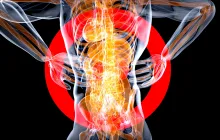
Pancreatitis is an inflammatory condition that can strike with sudden intensity or creep in over time, challenging people with unfamiliar abdominal discomfort and digestive disturbances. Understanding the signs and symptoms is essential because early recognition often leads to timely evaluation and treatment, reducing the risk of complications. The pancreas, a gland tucked behind the stomach, helps regulate digestion and blood sugar. When it becomes inflamed, its enzymes can irritate surrounding tissues and trigger a cascade of symptoms that may radiate to the back, chest, and even the shoulders. The experience of pancreatitis varies from person to person, influenced by the underlying cause, the body's response to inflammation, and the presence of other health issues. Reading the body’s messages carefully and seeking guidance when patterns recur is a prudent approach that can empower individuals to protect their health and avoid worsening conditions. This article walks through the spectrum of symptoms, how they typically present, and what makes certain signs more concerning, while stressing the importance of professional assessment when red flags appear.
Overview of pancreatitis and its impact on health
Pancreatitis occurs when the pancreas becomes inflamed, and this inflammation can be brief and resolve quickly or persist over months or years in the case of chronic disease. In acute pancreatitis, a person might experience a sudden, severe onset of abdominal pain accompanied by nausea or vomiting, and the condition can require urgent medical attention to prevent complications. In chronic pancreatitis, ongoing inflammation slowly damages the pancreatic tissue, leading to impaired digestion and nutrient absorption, which in turn can cause weight loss, fatigue, and deficiencies in essential vitamins. The signs and symptoms in each form share some common threads but also display distinctive patterns that clinicians use to guide diagnosis and treatment. Recognizing both the shared elements and the differences helps people understand when symptoms warrant immediate care and when they can be monitored in outpatient settings under medical supervision. The interplay between lifestyle factors, underlying diseases, and genetic predispositions also shapes how pancreatitis manifests, influencing both the timing and severity of symptoms over the course of a person's life.
Common early symptoms to watch for
One of the hallmark features of pancreatitis is abdominal pain that begins in the upper abdomen, often centered around the midline just below the ribcage. The pain can be constant or intermittent and may feel sharp, stabbing, or a deep ache. In many cases, the discomfort intensifies after meals, especially those rich in fats, and it can radiate toward the back, a signal that the inflammation involves deeper tissues or the surrounding organs. Nausea frequently accompanies the pain, and vomiting may occur, sometimes without relief after vomiting or after taking any food or drink. People who notice that pain persists for several hours or wakes them during the night cannot easily ignore it, and this combination of persistent abdominal pain with associated nausea should prompt medical consultation. Appetite loss is common, and some patients report a sour or metallic taste in the mouth, which can accompany digestive upset and dehydration from vomiting or poor intake. These early signs form a cluster that raises the possibility of pancreatitis, but they can overlap with other abdominal conditions, so professional evaluation is essential to determine the exact cause and appropriate care.
Pain patterns and what they may indicate
Pain linked to pancreatitis has a distinct character for many people, yet it can vary between individuals. Some describe a steady, gnawing discomfort in the upper abdomen that remains after a meal or when lying down, while others feel a sudden, severe wave of pain that radiates to the back, sometimes accompanied by a sense of fullness or bloating in the abdomen. Movement or positioning may influence the pain, with some individuals noticing that leaning forward or curling into a fetal position reduces the discomfort, while changing position makes it worse. The intensity can fluctuate from mild to intolerable, and in acute pancreatitis, the pain can escalate rapidly, prompting urgent evaluation. In chronic pancreatitis, the pain may be more persistent but gradually less intense in some people, yet it remains disruptive enough to affect daily activities and sleep. Recognizing the pattern—sudden onset, persistent duration, radiation to the back, and association with meals—contributes to an informed medical discussion, especially when paired with other symptoms such as nausea or fever. Clinicians consider these pain characteristics alongside laboratory tests and imaging to determine whether pancreatitis is the likely cause or if another condition better explains the picture.
Digestive changes and stool characteristics
Digestive consequences of pancreatitis reflect the pancreas’s role in breaking down fats, proteins, and carbohydrates. When enzyme secretion is impaired or blocked by inflammation, digestion becomes less efficient, leading to noticeable changes in stool. Many people with pancreatitis experience pale, foul-smelling, and unusually bulky stools that float in the toilet rather than sink. This steatorrhea results from fat malabsorption and can be accompanied by a sense of oily sheen on the water surface after bowel movements. To compensate for malabsorption, individuals may notice increased bowel frequency or urgency, and they might experience cramping or a feeling of incomplete evacuation after a bowel movement. In some cases, stool color can appear lighter, reflecting changes in bilirubin processing and bile flow, though this is not universal. These stool changes are valuable clues, especially when seen in combination with abdominal pain, nausea, and weight loss. They signal that the pancreas’s digestive role has been affected, and they warrant a medical assessment to identify whether pancreatitis is the underlying cause or whether other digestive disorders could be contributing to the symptoms.
Weight changes and appetite fluctuations
Weight loss is a common side effect of pancreatitis, particularly in chronic cases where digestion is persistently impaired. People may realize that despite normal or even increased food intake, weight declines gradually because the body cannot absorb nutrients efficiently. This malabsorption can also leave a person feeling fatigued and weak, as essential fats, vitamins, and minerals fail to enter the bloodstream in adequate amounts. Appetite can wax and wane in response to pain, digestive discomfort, and feelings of fullness after meals. Some individuals adopt smaller, more frequent meals to ease digestion, while others avoid fatty foods to minimize pain, which over time can contribute to further nutritional deficiencies if not balanced with professional dietary guidance. The weight trajectory in pancreatitis thus becomes a signal that the digestive system is not functioning normally and that nutritional support may be needed as part of comprehensive care.
Systemic signs that may accompany pancreatitis
In addition to abdominal symptoms, pancreatitis can trigger systemic signs that reflect the body’s response to inflammation. Fever may occur, signaling an inflammatory process that involves the immune system. A rapid heart rate, or tachycardia, can accompany pain and dehydration and may indicate higher stress on the body. Some people become pale or feel faint, especially with standing, and dehydration from vomiting or reduced intake can manifest as dry skin, mucus membranes, and reduced urine output. In severe cases, confusion, dizziness, or altered mental status can occur, a reminder that pancreatitis can affect organ systems beyond the digestive tract. While these systemic signs do not confirm pancreatitis on their own, their presence alongside abdominal symptoms strengthens the case for urgent medical evaluation to determine the cause and prevent complications.
When to seek urgent medical care
Urgent medical attention is warranted when a person experiences sudden, severe abdominal pain that does not subside with rest, accompanied by persistent vomiting, high fever, dehydration, or signs of fainting or shock such as pale skin, clammy feel, and confusion. Acute pancreatitis can be life-threatening if not promptly treated, particularly when pain is severe, persistent, and associated with a rapid heart rate, low blood pressure, or confusion. If someone has a history of pancreatitis and develops a sudden worsening of pain, persistent vomiting, or signs of an infection, it is wise to seek immediate medical care. People with chronic pancreatitis should monitor for new or worsening symptoms, including severe weight loss, persistent oily stools, or new onset of diabetes symptoms such as increased thirst, urination, and fatigue, and contact their healthcare provider if these appear. In all cases, when there is doubt about the seriousness of symptoms, consulting a clinician or visiting an urgent care center can provide the necessary assessment, testing, and guidance to determine the appropriate next steps.
Chronic pancreatitis and its distinctive signs
Chronic pancreatitis represents a long-term inflammatory process that slowly damages pancreatic tissue, reducing its ability to produce digestive enzymes and regulate blood sugar. The pain in chronic pancreatitis is often described as a persistent, burning, or dull ache in the upper abdomen that may radiate to the back, and it can linger for months or years with varying intensity. Over time, patients may notice increased fatigue, unintentional weight loss, and signs of malnutrition such as brittle nails, hair changes, or pale skin. The digestive consequences become more pronounced, leading to fatty, greasy stools and ongoing malabsorption, which may necessitate enzyme replacement therapy and dietary adjustments. The pancreas’s diminished capacity to produce insulin can raise the risk for diabetes, which requires ongoing monitoring of blood sugar and a careful switch in dietary and lifestyle patterns to minimize complications. Risk factors like a history of heavy alcohol use, the presence of gallstones, smoking, and metabolic conditions such as high triglycerides can set the stage for chronic inflammation and recurrent episodes, underscoring the need for long-term management and medical follow-up to slow progression and relieve symptoms.
Risk factors and triggers that intensify pancreatitis symptoms
Several factors increase the likelihood of developing pancreatitis or experiencing more pronounced symptoms. Alcohol consumption remains a major risk factor for many individuals, especially when intake is heavy or prolonged, as it irritates the pancreas and disrupts normal digestive processes. Gallstones can obstruct the pancreatic duct, triggering inflammation and pain that may be sudden and intense. High triglyceride levels, certain medications, autoimmune disorders, and genetic predispositions can also contribute to pancreatitis. In addition, smoking has been linked to an increased risk of pancreatic inflammation and disease progression. Obesity and poor dietary patterns can exacerbate symptoms by promoting fatty infiltration of the pancreas and by intensifying the metabolic stress on the organ. Understanding these factors helps individuals recognize potential triggers and seek early medical evaluation when signs emerge, enabling actions that may reduce recurrence and mitigate damage.
Variations in symptom presentation across ages, genders, and backgrounds
While pancreatitis can occur at any age, its presentation may differ based on age, sex, and overall health. Younger patients might report more acute, dramatic episodes of abdominal pain with less noticeable malabsorption, whereas older adults may experience a subtler symptom constellation, including digestion changes and weight loss that develops gradually. Women may experience symptoms that are mistaken for gallbladder disease or gastrointestinal discomfort, whereas men might describe pain patterns linked to risk factors such as alcohol use. In people with obesity or metabolic syndrome, the inflammatory process can coincide with other conditions, complicating the clinical picture. Ethnic and genetic factors can influence how the pancreas responds to injury or inflammation, which in turn can affect symptom severity and the timing of a diagnosis. Clinicians recognize this diversity by considering the whole person, including medical history, lifestyle, medication use, and family history, when evaluating signs that might point to pancreatitis rather than other abdominal or digestive disorders.
How doctors evaluate symptoms and reach a diagnosis
Evaluation begins with a careful interview that captures the onset, duration, location, and quality of pain, along with any associated symptoms such as fever, vomiting, weight loss, or changes in bowel habits. Physical examination aims to detect tenderness in the upper abdomen, signs of dehydration, or rebound tenderness that might indicate irritation of the abdominal cavity. Blood tests are routinely used to measure pancreatic enzymes such as amylase and lipase, which often rise during an episode of pancreatitis. Imaging studies, including abdominal ultrasound and, when needed, CT or MRI, provide visual confirmation of inflammation, ductal changes, gallstones, or complications like pseudocysts. Stool tests may be employed to assess malabsorption by detecting fat in the stool. In some cases, a thorough evaluation also includes screening for metabolic causes, autoimmune markers, and genetic testing, especially when pancreatitis presents at a young age or without obvious risk factors. The diagnosis results from integrating clinical presentation, laboratory findings, and imaging, followed by a plan that addresses both symptoms and the underlying cause.
Treatment approaches and symptom relief strategies
Treatment for pancreatitis focuses on stopping inflammation, addressing pain, and treating the underlying cause. In acute cases, hospital care may be necessary for fluids, electrolyte balance, and pain control, while addressing the root trigger such as gallstones or infection. Long-term management emphasizes dietary adjustments that reduce pancreatic workload, including smaller, more frequent meals and limiting fats, along with abstaining from alcohol. Pain management may involve medications in the short term, with careful monitoring to avoid long-term dependence. In chronic pancreatitis, pancreatic enzyme replacement therapy can help improve digestion and nutrient absorption, especially for individuals experiencing steatorrhea and weight loss. Some patients benefit from professional dietary counseling to ensure adequate nutrition while minimizing symptoms. Lifestyle changes, such as smoking cessation and weight management, support overall health and reduce the risk of further inflammation. Ongoing medical follow-up allows clinicians to monitor for complications, including diabetes and nutritional deficiencies, and to adjust treatment as the disease evolves.
Living with pancreatitis: long-term management and daily life
For people living with pancreatitis, day-to-day management becomes a balancing act that includes dietary planning, medication adherence, and attention to warning signs that could herald a flare or a complication. Adopting a heart‑healthy diet and focusing on nutrient-dense foods can support digestion and overall energy levels. Regular physical activity, tailored to an individual’s capacity, helps maintain weight and metabolic health, though activity choices should consider pain and fatigue issues during flares. Regular medical checkups help detect complications early, such as diabetes or pancreatic insufficiency, and enable timely adjustments to therapy. Emotional well-being also deserves attention, as chronic pain and dietary restrictions can affect mood and quality of life. Families and caregivers play a crucial role by learning about symptoms, recognizing when to seek care, and providing support that facilitates adherence to treatment plans and nutritional strategies. This holistic approach increases the likelihood of maintaining health and maintaining a sense of control even as challenges arise.
Clues from physical examination that clinicians rely on
During a medical visit, a clinician’s hands-on assessment can reveal clues about pancreatitis and its effect on the body. Upper abdominal tenderness, especially in the midline or left upper quadrant, may be noted. Rebound tenderness, guarding, or muscle rigidity can indicate irritation of the abdominal wall or peritoneal irritation. In some cases, skin signs like bruising around the flanks or around the umbilicus may appear, though these are less common and typically associated with more severe disease. Subtle indicators such as restlessness, facial pallor, or signs of dehydration contribute to the overall clinical picture. In severe or advanced disease, systemic signs like a rapid pulse, low blood pressure, or mental status changes may emerge, reinforcing the need for quick investigation. The clinician synthesizes these physical findings with lab results and imaging to formulate a precise diagnosis and a personalized treatment plan that addresses both symptoms and underlying causes.
Differential diagnosis: conditions that mimic pancreatitis
Abdominal pain and digestive disturbances can arise from several other conditions, and distinguishing pancreatitis from these alternatives is essential for appropriate care. Gallbladder disease, peptic ulcers, gastritis, and inflammatory bowel conditions can produce similar upper abdominal pain and changes in appetite. Bowel obstruction, kidney stones, and urinary tract infections can present with flank or back pain and nausea. Infections such as gastritis or viral gastroenteritis may mimic mild pancreatitis, while metabolic conditions like hypertriglyceridemia or autoimmune disorders can present with inflammatory signs that resemble pancreatic inflammation. Consequently, physicians typically employ a combination of history, physical examination, imaging studies, and laboratory tests to rule out these possibilities and identify pancreatitis as the primary diagnosis when supported by evidence. Understanding the range of potential mimics helps patients appreciate why a careful workup is necessary rather than relying on symptom alone.
Myth busting and common misconceptions about pancreatitis symptoms
Several ideas about pancreatitis persist in popular culture, and some may lead people to delay care or misinterpret their symptoms. It is not accurate to assume that pain always correlates with the severity of the condition; some individuals experience significant discomfort with relatively mild inflammation, while others have crushing pain with more subtle inflammatory changes. It is also a misconception that pancreatitis only affects heavy drinkers; while alcohol is a major risk factor, gallstones, high triglycerides, autoimmune conditions, and genetic predispositions can cause pancreatitis in people with very different lifestyles. Believing that all abdominal pain is easily managed at home can be dangerous, because pancreatitis can progress rapidly and produce life-threatening complications. Finally, some people assume that once pain subsides, the disease is gone; in chronic pancreatitis, symptoms can recur or persist even after initial improvement, requiring ongoing management and surveillance. Debunking these myths supports a more informed approach to symptoms, enabling individuals to seek timely care and engage actively in their health decisions.
Practical steps for self-awareness and timely medical help
Self-awareness starts with listening to the body and noting patterns over time. Keeping a simple symptom diary that records the onset and duration of pain, the location and intensity of discomfort, any triggering foods, accompanying nausea or vomiting, changes in appetite, and weight fluctuations can be invaluable when discussing concerns with a clinician. It is also helpful to track bowel habits, stool color and consistency, and any signs of fatigue or dehydration. If a person has established risk factors such as a history of gallstones, alcohol use, high triglycerides, or autoimmune conditions, this information strengthens the case for prompt medical evaluation when symptoms arise. When symptoms escalate, or when fever, persistent vomiting, severe pain, or signs of dehydration appear, seeking urgent care becomes the prudent course of action. Early assessment aids in distinguishing pancreatitis from other conditions and ensures that any necessary tests and treatments begin promptly, reducing the likelihood of complications and supporting a smoother recovery trajectory.
Medical evaluation and follow-up: what to expect after the initial visit
Following an initial evaluation for suspected pancreatitis, patients may undergo a series of steps designed to confirm the diagnosis and map out an effective treatment plan. Blood tests measuring pancreatic enzymes, liver function, and electrolyte balance provide vital clues about inflammation and organ function. Imaging studies such as ultrasound are often used as a first-line tool to visualize the pancreas and assess for gallstones or ductal changes, while CT or MRI may be ordered if the diagnosis remains uncertain or if complications are suspected. Depending on the severity and underlying cause, doctors may adjust medications, begin hydration therapy, or initiate dietary changes. In some cases, referral to a gastroenterologist, nutritionist, or surgeon might be appropriate. Ongoing follow-up visits help monitor symptoms, track weight and nutritional status, adjust enzyme replacement therapy if needed, and screen for potential long-term complications like diabetes or pancreatic insufficiency. The overarching goal is to relieve symptoms, prevent recurrence, and support a return to normal activities with a focus on sustainable health improvements.