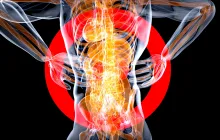
Pancreatic cancer remains one of the most challenging diseases to detect early, and the reasons are rooted in anatomy, biology, and the way symptoms reveal themselves. The pancreas sits deep in the abdomen, tucked behind the stomach and close to the spine, which means early tumors often cause vague or nonspecific discomfort rather than obvious, dramatic warning signs. Understanding how the body signals trouble in this region helps people and clinicians notice potential problems sooner, before cancer has advanced. A core message is that symptoms may be subtle and easy to overlook, but paying attention to persistent changes and seeking medical advice promptly can sometimes shift the odds in favor of early intervention. The goal of recognizing early signals is not to alarm but to empower individuals to act when something unusual persists beyond a typical week or two and to do so in collaboration with a health professional who can evaluate the possibilities with careful judgment and appropriate tests.
The pancreas plays a dual role in digestion and in regulating metabolism through hormones such as insulin. When malignant growth begins, it can quietly affect the organ’s structure and function. Tumors may remain small but disrupt nearby organs or drain the pancreas’ ability to secrete digestive enzymes, leading to a cascade of symptoms that patients might mistake for more common conditions like gastritis, acid reflux, or a stomach flu. Early cancers often lack the dramatic symptom cluster that people associate with more obvious illnesses, which is why vigilance and a careful appraisal of how symptoms evolve over time are crucial. In addition, some early signs are shared with other, more common diseases, making professional assessment essential to avoid unnecessary anxiety or, conversely, to avoid missing a serious condition. This delicate balance between prudent concern and medical evaluation is at the heart of recognizing early pancreatic cancer symptoms.
In clinical practice, the most important factor is not a single symptom but the pattern, duration, and progression of symptoms over weeks or months. When symptoms appear suddenly and rapidly worsen, or when a person experiences a new, persistent problem that does not respond to usual remedies, it becomes reasonable to seek evaluation. A patient who notices enduring upper abdominal discomfort or back pain that persists beyond a few weeks, especially if it occurs in conjunction with weight change, should discuss this with a clinician. Early recognition also involves noting changes in digestion, appetite, and energy levels that do not fit a person’s normal baseline. It is essential to communicate clearly with health providers about all symptoms, even those that seem minor, because patterns can point toward a common pathway that merits imaging or laboratory testing to confirm or rule out pancreatic involvement. This approach is particularly important for individuals in groups at higher risk, while remaining open to the fact that many early signs are not exclusively tied to cancer and can reflect benign conditions as well.
Early Warning Signs that May Signal Pancreatic Cancer
Persistent upper abdominal or mid back pain that radiates to the back is a hallmark symptom that often prompts investigation in clinical settings. The discomfort may feel dull or aching, and it can be provoked or worsened by eating, lying down, or certain positions. Over time, the pain pattern may become more continuous rather than intermittent, signaling that a structural issue in the pancreas or nearby tissues deserves attention. In some people, back pain emerges before other signs, which can delay recognition if the person attributes it to musculoskeletal causes. This symptom alone does not indicate pancreatic cancer, but when combined with other persistent changes, it becomes a meaningful signal to pursue medical evaluation. Addressing pain early with a clinician helps distinguish a routine issue from something that requires imaging studies to explore the pancreas and surrounding organs.
Unexplained weight loss without trying is another important clue. A loss of several pounds over a short period, especially when accompanied by decreased appetite, can be alarming. Weight loss may occur because the tumor interferes with digestion, causing fat malabsorption and reduced absorption of nutrients, or because systemic cancer processes shift metabolism. Many people notice that meals feel less satisfying, and they may feel full faster or experience a sense of early satiety even with small portions. The combination of ongoing weight loss, reduced appetite, and digestive changes is more concerning than any single symptom on its own, and it often prompts clinicians to pursue more detailed tests to understand the cause and to determine whether the pancreas is involved.
Changes in bowel habits and stool characteristics can also reflect an underlying problem in digestion. Steatorrhea, which is pale, bulky, greasy stools that float and are difficult to flush, can occur when pancreatic enzymes are not delivered in adequate quantities to the small intestine. This symptom signals that the pancreas or the ducts supplying it may not be functioning properly.普通 This type of stool change is not exclusive to pancreatic disease, but when it appears alongside weight loss or abdominal discomfort, it becomes a meaningful signal for a medical review. People may notice that the stool smells particularly strong or difficult to clean from the toilet, which can further point toward fat malabsorption that merits evaluation by a specialist.
Jaundice, the yellowing of the skin and whites of the eyes, can develop when a tumor blocks the bile ducts near the pancreas. This obstruction causes bile to accumulate and spill into the bloodstream. Jaundice may be accompanied by dark urine and pale stools, itching, and sometimes fever or abdominal pain. In the early stages, jaundice may be subtle, but a noticeable change in skin color or eye whiteness, especially if it arises suddenly or progresses rapidly, is a clear cue to seek urgent medical attention. Jaundice is a sign often associated with illnesses beyond pancreatic cancer, but its presence in conjunction with other pancreatic symptoms should be investigated promptly to determine the cause and, if possible, to treat it effectively and early.
New or rapidly worsening fatigue is a symptom that deserves attention, particularly when it cannot be explained by sleep disruption, stress, or lifestyle changes. Fatigue related to cancer tends to feel persistent and does not easily improve with rest or normal activity. In pancreatic cancer, fatigue may be linked to metabolic changes, reduced nutrient absorption, or systemic effects of a growing tumor. If fatigue persists for several weeks and is accompanied by other signals such as pain, weight loss, or digestive changes, it becomes reasonable to pursue a medical assessment to identify the underlying cause and to exclude or confirm pancreatic involvement.
Loss of appetite without a clear reason, even when a person is not engaging in an intense exercise regimen or extreme dieting, can be an early indicator of disease in the pancreas. Appetite changes may be subtle at first, with meals that previously seemed appealing becoming less appealing over weeks. This symptom can stem from digestion-related issues or from systemic processes associated with cancer. When appetite declines and weight loss follows, clinicians may order tests to evaluate digestive function and metabolic health, including an assessment of the pancreas, to determine whether a pancreatic process could be contributing to these changes.
Persistent nausea, occasional vomiting, or a sense of fullness after eating small amounts are digestive signals that require attention when they recur over weeks. These symptoms can reflect problems with the pancreas’ ability to release enzymes necessary for digestion. If a person notices a pattern of digestive discomfort that does not resolve with lifestyle tweaks, it is prudent to pursue a medical review to explore whether pancreatic insufficiency or other conditions are at play and to identify the most appropriate course of action for diagnosis and management.
New onset of diabetes or a rapid change in blood sugar control in someone without prior diabetes is a particularly noteworthy signal. Tumors in or around the pancreas can disrupt the cells that regulate insulin release, leading to elevated blood sugar or a sudden need for diabetes management where it was not previously required. This development is especially concerning in an adult who is not overweight or who lacks other risk factors typical of type two diabetes. If new diabetes appears suddenly or if existing diabetes worsens with unexpectedly difficult blood sugar control, a clinician may consider imaging studies to assess the pancreas as part of the diagnostic workup.
It is important to acknowledge that many of these symptoms are not unique to pancreatic cancer. They occur with a range of benign conditions such as gastritis, ulcers, gallbladder disease, reflux, or pancreatitis. However, when symptoms persist, worsen over time, or occur in combination, they warrant thorough medical evaluation rather than a single self‑care attempt. Early consultation does not guarantee a cancer diagnosis, but it increases the chance that any serious condition will be identified and managed promptly. People should keep a symptom diary, noting when symptoms began, their intensity, whether they change with meals, and any associated signs such as fever, vomiting, or changes in bowel habits, and bring that diary to consultations to aid the clinician in forming a diagnostic impression.
How Symptoms May Present Differently in Pancreatic Cancer
Pancreatic cancer does not follow a uniform pattern, and its presentation can vary widely among individuals. Some patients experience back pain or a dull ache in the upper abdomen that remains relatively constant, while others notice a sudden deterioration in digestive comfort with little prior warning. The root of this variability lies in the tumor’s location within the pancreas and its effect on adjacent structures such as the bile duct, stomach, or duodenum. Tumors that grow near the head of the pancreas more commonly cause obstructive symptoms like jaundice and pale stools earlier, whereas tumors in the body or tail may produce pain and weight loss with less obvious signs of bile obstruction. This diversity in presentation reinforces the importance of listening to the whole symptom arc rather than focusing on a single indicator. It also explains why sometimes early pancreatic cancer is missed, and why ongoing surveillance by a clinician is critical when symptoms persist or evolve in unexpected ways.
In some cases, people do not have dramatic or specific complaints at first. They may feel generally unwell or experience a sense of fullness after small meals. Others may experience intermittent abdominal discomfort that does not respond to typical remedies. The absence of dramatic symptoms should not delay medical evaluation if the person is at risk, particularly for those with a family history of pancreatic cancer or known genetic predispositions. Clinicians rely on a constellation of symptoms, physical examination findings, and patient history to determine who may benefit from imaging studies such as ultrasound, computed tomography, or magnetic resonance imaging. This careful approach helps maximize the chance of catching a tumor at a stage when treatment options are more effective and when the overall prognosis can be better managed with timely intervention.
It is also important to recognize that symptoms can be influenced by other concurrent conditions. For example, chronic pancreatitis, gallbladder disease, or peptic ulcers can cause pain and digestive disturbances that mimic early pancreatic issues. Differentiating between these conditions requires a thoughtful evaluation that may include laboratory tests and imaging. The medical team weighs the likelihood of various diagnoses and tailors the testing plan to the patient’s history, risk factors, and the specific characteristics of the presenting symptoms. This personalized approach aims to reduce unnecessary testing while ensuring that significant pancreatic pathology is not overlooked.
Beyond physical symptoms, some patients report changes in energy levels, mood, or overall well-being that seem disproportionate to the amount of physical activity or sleep they are getting. While these symptoms are nonspecific, they can contribute to a broader pattern when considered with digestive complaints, weight change, and jaundice in a cohesive clinical picture. Health professionals encourage patients to describe how daily activities and nutrition have shifted over time, because such information can help distinguish between benign conditions and something requiring more sophisticated investigation. Early recognition rests on openness to a range of signals and a collaborative effort to interpret them within the broader health context of the individual.
For many people, the journey to recognizing possible pancreatic cancer begins with an ordinary visit for a symptom that seems manageable at first. A clinician may then decide to order imaging tests or blood work to further assess the pancreas and neighboring structures. If the results raise concern, a referral to a specialist, such as a gastroenterologist, may follow for endoscopic evaluations and biopsy when appropriate. While the pathways for diagnosis can vary, the guiding principle remains the same: persistent, unusual, or progressive symptoms deserve professional attention to determine whether they reflect a benign condition or something that requires targeted cancer care. The ultimate aim is to identify the problem early enough to enable the most effective treatment options and to improve the chances of favorable outcomes whenever possible.
Ultimately, recognizing early symptoms involves a combination of patient vigilance and medical acumen. Individuals should feel empowered to seek assessment when symptoms persist despite standard care, when new patterns emerge after previously stable health, or when multiple signals converge in a way that suggests a possible pancreatic process. This approach supports timely diagnosis and informed decision-making, which are essential components of effective cancer care. The emphasis is on early evaluation when warranted, rather than on waiting for dramatic red flags that may never appear in every case. By fostering open communication with healthcare providers, people can participate actively in their health journey and contribute to a more proactive stance against a disease whose early signs can be elusive but are nonetheless meaningful anchors for action.
Recognizing Subtle Changes in the Digestive System
Even before jaundice or back pain becomes prominent, subtle changes in digestion can herald pancreatic involvement. A person may notice that meals feel heavier than usual, or that they experience bloating, gas, or cramps that are out of proportion to what was eaten. The digestion of fats may become less efficient, leading to stools that are lighter in color or uneven in texture. These changes are not definitive on their own, but when they persist or worsen, they deserve careful assessment. A clinician may consider tests that shed light on pancreatic enzyme production and the tract's anatomy to determine whether a disruption in pancreatic function contributes to the symptoms. This nuanced approach helps prevent overreaction to minor disturbances while ensuring that real concerns are not dismissed as incidental or inconsequential.
Another facet of digestive symptoms involves appetite and satiety. Some people report a sensation of fullness after consuming small amounts of food, which is unusual for their usual eating pattern. This early fullness can be frustrating because it may discourage enough caloric intake to maintain energy and nutrition. In combination with weight loss or abdominal discomfort, this feeling of full stomach after minimal food intake can point toward a process affecting the stomach or pancreas that warrants imaging or endoscopic assessment. Clinicians interpret these experiences within the broader clinical context, considering other signs and risk factors to decide whether a focused evaluation is appropriate. The overarching message is that digestive signals are rarely isolated; rather, they often form a pattern that, when combined with other clues, helps clinicians map a potential diagnostic path.
Persistent nausea or episodic vomiting is another sign that should not be dismissed if it persists beyond a typical short-term illness. When vomiting becomes chronic or recurs without a clear cause such as a viral infection or food intolerance, it can reflect an obstruction or a disruption in normal digestion. In the context of pancreatic problems, vomiting might relate to a tumor impacting the ducts or stomach intimately connected to pancreatic anatomy. The persistence of such symptoms over several weeks—especially when accompanied by weight loss or abdominal pain—merits prompt evaluation. A healthcare provider can perform a physical exam and order tests that reveal whether a pancreatic process is contributing to these digestive disturbances and, if so, how best to address it.
Loss of appetite combined with fatigue and weight loss creates a broader clinical picture that raises the index of suspicion for a pancreatic process. When appetite wanes and energy declines despite adequate sleep and average daily activity, clinicians explore multiple potential causes, including metabolic issues, inflammatory conditions, and malignancies. The pancreas, given its central role in digestion and metabolism, can influence many body systems, and early pancreatic cancer can subtly disrupt this balance. A clinician will typically pursue a sequence of evaluations that may include blood tests for nutritional status and organ function, imaging to visualize the pancreas, and, if indicated, tissue sampling to confirm or exclude cancer. The goal is timely yet precise assessment that informs treatment planning if cancer is present or identifies alternative explanations if the diagnosis lies elsewhere.
New onset diabetes is a particularly important sign because it may reflect an interruption of insulin production or regulation caused by a tumor affecting pancreatic tissue. When this type of diabetes emerges in a person without a strong family history or other risk factors for type two diabetes, it raises questions that justify medical follow-up. The diagnostic process may include fasting glucose measurements, oral glucose tolerance testing, and imaging studies to evaluate the pancreas. It is important to understand that diabetes can have multiple etiologies, and not every case signals cancer; however, new diabetes in an adult, especially when abrupt or associated with other digestive symptoms, warrants careful investigation to determine the underlying cause and to rule out pancreatic pathology as part of a comprehensive assessment.
Health literacy and self-advocacy play roles in recognizing these signs. Individuals who educate themselves about the range of pancreatic symptoms and maintain open dialogue with their healthcare providers can help ensure that subtle signals do not go unaddressed. Clinicians are mindful of how age, medical history, and risk factors shape the likelihood of pancreatic involvement, and they tailor their diagnostic approach accordingly. By combining patient-reported experiences with clinical findings and appropriate testing, it becomes possible to differentiate transient, benign disturbances from patterns that deserve deeper exploration and potential early intervention. The emphasis remains on thoughtful assessment, timely action, and a collaborative relationship between patient and clinician to optimize outcomes whenever a pancreatic process is suspected.
Emphasizing that early symptoms can be nonspecific does not diminish their importance. Rather, it highlights the need for careful interpretation in the context of the whole person. If a person notices ongoing abdominal discomfort, changes in stool or appetite, unexplained weight loss, or any of the other signals described, seeking medical advice is a prudent step. The process typically begins with a thorough history and physical examination, followed by targeted diagnostic tests that may include blood work to assess liver function and nutritional status, imaging modalities such as ultrasound or CT to visualize the pancreas and surrounding structures, and in some cases endoscopic procedures to obtain tissue samples for definitive diagnosis. The overarching aim is to identify the cause of symptoms as early as possible while avoiding unnecessary testing for conditions that are unlikely. This balanced approach supports timely and appropriate care, which is particularly important in diseases where early detection can influence treatment options and outcomes.
Spotting Signs in the Digestive System
Beyond the broad categories of pain and weight change, certain digestive signs deserve careful attention. Some people experience a sense of full early in a meal that does not resolve with smaller portions or lighter meals. Others notice persistent gas, bloating, or abdominal discomfort that does not neatly fit into a pattern associated with diet or stress. These digestive signals can arise from many conditions, but when they persist, they warrant a professional assessment to determine whether a pancreatic problem may be contributing. The evaluation often starts with a medical history, a physical examination, and basic laboratory tests to evaluate digestion and organ function. If results suggest a potential pancreatic involvement, imaging studies may be pursued to visualize the organ directly and to search for masses or ductal obstruction. The goal is to integrate all information into a coherent clinical picture that guides next steps in care.
Another dimension involves changes in stool consistency and color. Stools that are unusually light in color, particularly pale or clay-colored, may indicate bile duct obstruction. Bile flow is necessary for the digestion of fats, and disruption can manifest as changes in stool texture and color. A clinician will consider these signs alongside bilirubin levels and liver enzyme tests to determine whether there is an obstruction that could be related to a pancreatic head tumor. While this combination of symptoms can occur with other diseases as well, persistent pale stools or dark urine justify a careful diagnostic process to identify the underlying cause and to determine whether imaging of the biliary and pancreatic systems is warranted.
Persistent symptoms should also be evaluated in the context of any other risk factors. A family history of pancreatic cancer, certain genetic syndromes, long-standing diabetes, chronic pancreatitis, and lifestyle factors such as tobacco use can increase risk. While risk factors do not guarantee a cancer diagnosis, they influence the threshold for pursuing diagnostic testing. Clinicians take a patient-centered approach that respects personal concerns while applying evidence-based guidelines to decide which tests are appropriate. This approach helps ensure that symptoms are neither dismissed nor overemphasized, but rather interpreted within a comprehensive framework that prioritizes patient safety and timely care.
The concept of early recognition extends to awareness of how symptoms evolve over time. A single episode of discomfort or a brief period of indigestion is not necessarily alarming. However, when symptoms persist for weeks, intensify, or fail to respond to standard management, it becomes reasonable to seek medical assessment. In the context of pancreatic cancer, the trajectory of symptoms often informs the diagnostic plan. For example, a clinician may consider repeating tests or adding imaging when a patient’s symptoms persist despite initial reassurance, or when there is a combination of signs such as back pain, weight loss, and changes in digestion. This relational understanding—how symptoms relate to one another and to the person’s overall health—helps clinicians decide the most appropriate path for investigation and, when necessary, referral to specialists who can perform advanced diagnostic procedures. The emphasis is on a thoughtful, patient-centered process designed to arrive at a clear conclusion and to initiate treatment promptly if cancer is present.
In summary, recognizing early signs of pancreatic cancer requires attention to the pattern and persistence of symptoms, an appreciation for the body’s digestion system, and a collaborative approach with healthcare professionals. Because pancreatic disease can present in diverse ways and because many signs overlap with more common conditions, individuals should not hesitate to seek evaluation when symptoms are unusual or prolonged. Early consultation increases the chances that any underlying condition, benign or malignant, will be identified and managed in a timely fashion. This proactive stance is a practical and compassionate response to a disease where early detection holds the potential to improve outcomes and provide patients with more effective options for treatment and care.
Jaundice and Liver-Related Clues
Jaundice is more than a cosmetic change; it reflects a possible obstruction of bile flow and signals that something is affecting the liver or biliary system. In pancreatic cancer, jaundice can occur when a tumor blocks the bile duct near the head of the pancreas. The skin and eyes may take on a yellowish tint, and the urine may darken, while the stool can become unusually pale. Itching can accompany jaundice as bile acids accumulate in the skin. Not all jaundice is caused by cancer, as liver disease, gallstones, or other conditions can produce similar signs, but any new or worsening jaundice warrants prompt medical evaluation to determine the cause and to identify whether the pancreas is involved. Early detection of a biliary obstruction can guide targeted diagnostic steps and, if necessary, treatment to relieve the blockage and manage symptoms.
In addition to jaundice, liver-related patterns such as elevated liver enzymes in blood tests can hint at biliary obstruction or liver infiltration by cancer. A clinician uses these laboratory clues in conjunction with clinical signs and imaging results to refine the diagnostic impression. The combination of obstructive symptoms, abnormal liver tests, and compatible imaging findings increases the likelihood that the pancreatic region is implicated, prompting further evaluation. By integrating symptom assessment with laboratory and imaging data, clinicians pursue a diagnostic path that balances thoroughness with the goal of avoiding unnecessary interventions. This integrated approach helps identify the source of the obstruction and can guide treatment planning if cancer is confirmed.
It is important to note that the absence of jaundice does not rule out pancreatic cancer. A substantial proportion of early tumors, especially those located away from the head of the pancreas, do not cause bile duct obstruction. For these individuals, other symptoms such as abdominal pain, weight loss, or digestive disturbances may predominate. This variability underscores the need for a comprehensive evaluation guided by symptom patterns, risk factors, and clinical judgment. Even in the absence of jaundice, persistent digestive complaints, pain, or unexplained weight loss should prompt a careful assessment, which may include imaging studies that can reveal tumors that have not yet produced obstructive signs. The goal is to catch a tumor at a stage where treatment options are more favorable and the potential for successful management is greater.
As part of clinical care, doctors may also consider the possibility of other conditions that can mimic pancreatic cancer, such as chronic pancreatitis, gallbladder disease, or pancreatic cysts. Distinguishing among these possibilities requires a combination of history, physical examination, imaging, and sometimes biopsy. The process can be complex, but it is essential to ensure that a correct diagnosis is reached and that patients receive appropriate therapy. The emphasis remains on a careful, evidence-informed approach that respects patient concerns and strives to minimize delays in diagnosing serious conditions while avoiding unnecessary procedures. This balanced strategy reflects the realities of pancreatic disease and the critical importance of early recognition in guiding effective care.
In the end, recognizing jaundice and related liver clues is part of a larger diagnostic conversation. People who observe yellowing of the skin or eyes, dark urine, pale stools, or severe itching should seek medical attention to clarify the cause. The clinician will assess the full clinical picture, including symptom history and risk factors, and determine whether imaging of the pancreas and biliary tract is warranted. Through this collaborative process, early detection may be enhanced, enabling clinicians to act promptly if a pancreatic mass or other actionable condition is present. The pursuit of clarity in the face of complex symptoms is central to proactive health care and to the best possible outcomes for patients who may be facing pancreatic disease.
When to Seek Medical Help
Many people are uncertain about when to seek care for symptoms that could be pancreatic in origin. A practical guideline is to pursue medical advice if any symptom persists beyond a couple of weeks or recurs repeatedly, especially when the symptom is new or unusual for the person. Pain that lasts for several weeks and does not respond to typical remedies, particularly pain that spreads to the back, heightens concern and invites evaluation. Weight loss without overt cause, especially when it accompanies digestive changes or a loss of appetite, should also prompt consultation. The emergence of jaundice or a noticeable change in stool color or urine tone should be considered urgent signs that require timely medical assessment. When in doubt, contacting a clinician for an initial evaluation can help distinguish benign causes from conditions that need imaging and further testing.
Those who have known risk factors for pancreatic cancer may choose to seek medical advice sooner rather than later if any relevant symptoms arise. Individuals with a family history of pancreatic cancer, certain genetic syndromes, chronic pancreatitis, or a history of smoking should maintain a heightened awareness of new digestive symptoms or unexplained systemic changes. Even in the absence of a confirmed risk, persistent symptoms deserve attention because early detection improves the possibilities for successful treatment. The decision to seek care should be guided by the duration, intensity, and progression of symptoms, rather than by any single sign. Patients should feel empowered to contact their healthcare provider to discuss concerns, request an evaluation, and learn what steps, if any, should follow to investigate pancreatic health.
In an acute setting, any symptom that is accompanied by severe abdominal pain, fever, vomiting that prevents keeping fluids down, or signs of dehydration should be treated as a potential medical emergency. Such situations require urgent evaluation, often in an emergency department, to assess organ function, manage pain, and determine the necessity for rapid imaging or surgical consultation. The safety net of prompt medical care in urgent situations is essential, and it underscores the overall principle that timely access to professional evaluation contributes to better outcomes in serious illnesses, including those involving the pancreas. While not every symptom points to cancer, acting promptly when concerns arise is a prudent and protective measure for personal health.
What Doctors May Do to Confirm Pancreatic Cancer
The diagnostic journey typically begins with a thorough history and physical examination, followed by a strategic set of tests tailored to the person’s symptoms and risk factors. One of the first steps often involves imaging to visualize the pancreas and surrounding structures. Abdominal ultrasound can provide initial insights, but cross-sectional imaging with computed tomography or magnetic resonance imaging offers a more detailed view of the pancreas and can reveal tumors, ductal dilation, or involvement of nearby organs. In many cases, a contrast-enhanced CT scan is the preferred modality because it can delineate tumor size, arterial involvement, and potential metastasis, which are critical in planning treatment. When ultrasound and CT results are inconclusive or when a more precise assessment is needed, magnetic resonance imaging provides additional detail that can clarify the extent of disease and guide management decisions.
Endoscopic ultrasound is another valuable tool, particularly when tissue sampling is considered. This procedure uses an endoscope with an ultrasound probe to obtain high-resolution images of the pancreas and to guide fine-needle biopsy. Biopsy samples help confirm cancer and provide important information about tumor type and biology that can influence treatment choices. In some cases, endoscopic retrograde cholangiopancreatography is used to evaluate the bile and pancreatic ducts, especially if obstruction is suspected. ERCP can identify blockages and allows for therapeutic interventions such as stent placement to relieve obstruction and alleviate symptoms. These imaging and procedural steps are complemented by laboratory tests that assess liver function, digestive enzyme activity, nutritional status, and tumor markers such as CA 19-9, while acknowledging that no single test conclusively confirms cancer in all cases.
The process rarely ends with imaging alone. A tissue biopsy may be performed to obtain a definitive histopathological diagnosis, particularly when imaging shows a suspicious lesion. The biopsy can be performed synchronously with imaging-guided procedures or during endoscopic evaluation. The tissue analysis helps determine the cancer’s aggressiveness, helps guide the choice of therapy, and may inform prognosis. Importantly, not every suspected lesion will require immediate biopsy if imaging strongly suggests a benign condition or if the clinical scenario points toward alternative explanations. In such circumstances, clinicians may opt for careful surveillance with repeat imaging to detect any changes that would warrant further investigation. The overarching principle is to balance thoroughness with the patient’s comfort and overall health status, ensuring that the diagnostic plan is appropriate and targeted rather than excessive. This patient-centered approach supports timely confirmation of the diagnosis while minimizing unnecessary procedures and anxiety.
Additionally, oncologists and surgeons consider the overall health of the patient, the stage of the disease, and individual treatment goals when discussing diagnostic findings. The results of imaging, biopsy, and laboratory studies are synthesized into a comprehensive assessment that informs decisions about treatment options, which may include surgery, chemotherapy, radiation therapy, targeted therapies, or palliative care. Throughout this process, clinicians emphasize clear communication, explaining the meaning of results in accessible terms and outlining the potential benefits, risks, and alternatives of each approach. The aim is to empower patients to participate in decisions about their care and to support them with the resources and information they need to navigate a challenging diagnosis with confidence and hope for improved outcomes.
In the end, confirming pancreatic cancer requires a careful combination of symptom review, physical examination, targeted imaging, and, when appropriate, tissue sampling. The pathway is individualized, reflecting the patient’s symptoms, risk profile, and overall health. Even as advances continue in imaging and molecular analysis, the fundamental steps involve accurate visualization of the pancreas, interpretation of changes in the surrounding anatomy, and verification through biopsy when indicated. The thoughtful and collaborative work of the medical team, alongside the patient’s values and preferences, shapes the diagnostic journey and sets the stage for subsequent treatment decisions that best align with the individual’s goals and circumstances.
Risk Factors and the Case for Vigilance
Risk factors for pancreatic cancer are diverse and include both modifiable and nonmodifiable elements. Age is a significant factor, with most cases occurring in older adults, though younger individuals can be affected as well. Smoking is a well-established risk contributor, and long-term tobacco use has been linked to an increased likelihood of developing pancreatic cancer. Chronic pancreatitis, a condition characterized by ongoing inflammation of the pancreas, also increases risk, particularly when the disease has persisted for many years. A family history of pancreatic cancer or certain inherited genetic syndromes, such as mutations in the BRCA genes or other hereditary cancer syndromes, elevates risk and may prompt clinicians to consider surveillance strategies in select settings. Obesity and a sedentary lifestyle contribute to overall cancer risk and can influence pancreatic cancer likelihood indirectly through metabolic pathways. Diabetes, particularly new-onset diabetes in older adults or diabetes that unexpectedly worsens, has a complex relationship with pancreatic cancer and can serve as an early warning signal in some cases. A history of certain types of liver or biliary disease may also interact with pancreatic cancer risk, either by sharing risk factors or by reflecting an underlying process that involves the pancreas and biliary system.
Despite these risk factors, it is essential to emphasize that the majority of pancreatic cancer cases occur in individuals without strong identifiable risk factors. This reality means that relying solely on risk profiles is insufficient for detecting cancer early. It underscores the importance of listening to the body’s signals in combination with routine medical care, particularly as people age or develop new symptoms. Healthcare providers can help determine whether a person’s risk warrants targeted screening or more vigilant observation, which can differ from standard screening practices used for more common cancers. The balance between over-testing and under-testing is a nuanced clinical decision that relies on patient-specific information and current guidelines. The central idea remains clear: awareness of risk factors informs the conversation but should not replace attentive symptom monitoring and timely medical evaluation when concerns arise.
Understanding risk factors also helps patients and clinicians discuss prevention and early detection strategies in a constructive manner. While many risk factors cannot be modified, some lifestyle choices—such as avoiding tobacco, maintaining a healthy weight, engaging in regular physical activity, and managing chronic medical conditions like diabetes and pancreatitis—can contribute to overall health and may influence cancer risk in a broader sense. Health care providers can offer guidance on reducing risk where possible and on recognizing when symptoms require escalation to diagnostic testing. This proactive approach supports a patient-centered plan that honors individual preferences while prioritizing safety and well-being throughout the diagnostic journey.
Finally, it is important to acknowledge that risk factors do not guarantee a diagnosis, just as their absence does not guarantee safety. Pancreatic cancer can occur in people with no identifiable risk factors, and conversely, not every person with risk factors will develop cancer. This reality reinforces the essential message: vigilance for persistent, unusual, or progressive symptoms remains the most reliable compass for deciding when to seek medical care. In a medical landscape where early detection can influence treatment options and outcomes, maintaining open communication with healthcare providers about any evolving signs is a practical and hopeful course of action for patients and their families alike.
Promoting Early Detection: Practical Steps for Patients and Providers
In the absence of universal screening for pancreatic cancer in the general population, the emphasis shifts to practical steps that patients and clinicians can take to encourage earlier intervention. For patients, maintaining a routine of regular medical checkups and promptly reporting persistent symptoms that affect daily life is a foundational practice. Keeping a symptom diary that records duration, intensity, meal associations, and concurrent changes in weight or energy can be an invaluable aid when speaking with a clinician. This method helps distill a potentially complex picture into a coherent narrative that clinicians can interpret more efficiently. When symptoms persist beyond a reasonable period, asking for an evaluation or a referral to a gastroenterologist can expedite the testing process and reduce delays in diagnosis if a problem is present.
For clinicians, a careful approach involves integrating patient history, risk factors, and physical findings with a thoughtful plan for diagnostic testing. This often means considering imaging studies that reveal structural changes in the pancreas and ducts when symptoms are persistent, even if the patient does not exhibit a single definitive red flag. Physicians weigh the likelihood of pancreatic disease against other potential causes and choose tests that maximize diagnostic yield while minimizing unnecessary procedures. Shared decision making is central to this process, with clinicians balancing medical evidence and patient preferences, explaining the rationale for chosen tests, potential risks, and benefits, and outlining what the results could mean for subsequent steps in care. Collaboration between patients and providers fosters a sense of partnership and helps ensure that concerns are addressed promptly and compassionately.
From a public health perspective, raising awareness about the subtlety of early pancreatic cancer symptoms is beneficial. Education that emphasizes the importance of ongoing evaluation for persistent digestive changes, weight loss, and new diabetes can empower individuals to seek care sooner. It also supports clinicians in encouraging timely imaging when indicated and in guiding patients through the diagnostic journey with clarity and empathy. While not every symptom will indicate cancer, a proactive stance reduces the likelihood that a significant condition is overlooked. This collective effort—rooted in patient empowerment, clinical discernment, and accessible communication—enhances the potential for earlier detection and, consequently, improved treatment options and outcomes for those affected by pancreatic disease.
Living with the knowledge that early pancreatic cancer can be elusive does not have to be alarming if people approach health with curiosity and a willingness to seek guidance. The practical steps outlined here—maintaining symptom awareness, documenting changes, seeking timely medical evaluation for persistent signs, and engaging in open dialogue with healthcare providers—form a constructive framework for navigating potential concerns. This framework supports a healthcare system that can respond effectively when a pancreatic issue is suspected, using appropriate imaging, laboratory work, and, when necessary, tissue sampling to establish a precise diagnosis. In this way, patients, families, and clinicians work together to maximize the chances of early detection and the best possible care, even in the face of a disease that is historically difficult to identify early.
A Reality Check: What Early Symptoms Teach Us
Recognizing early symptoms of pancreatic cancer is not about certainty; it is about prudent vigilance and proactive collaboration with medical professionals. The reality is that the disease can present with a spectrum of signs that overlap with more common conditions, which makes a careful, patient-centered approach essential. The central lesson is to treat persistent, unusual, or progressive symptoms as meaningful signals that deserve assessment rather than dismissal. Early evaluation does not guarantee a pancreatic cancer diagnosis, but it improves the chances that a cancer, if present, will be detected at a stage where treatment is more effective and options are more favorable. This approach aligns with a broader principle of preventive health care: timely action in the face of concerning symptoms can influence outcomes and inform decisions that support the best possible quality of life for patients and their families.
In practice, the path to early detection involves education, awareness, and access to compassionate care. Patients should feel empowered to seek medical advice when they notice patterns such as ongoing abdominal discomfort, digestive changes, unexpected weight loss, appetite changes, or new jaundice signals. Providers, in turn, should respond with thoughtful evaluation and appropriate use of imaging and laboratory testing to illuminate the underlying cause. When cancer is not present, patients gain reassurance and clarity about their health status; when cancer is present, early detection opens doors to more treatment possibilities, potential surgical options, and favorable progression compared with later-stage disease. The ultimate aim is a collaborative journey that prioritizes patient well-being, informed choices, and timely, evidence-based care at every step of the diagnostic process.