Living with COPD presents a continuous balance between managing symptoms and preserving the ability to participate in daily life, and breathing exercises offer a foundational tool in that balance. These exercises are not a magic cure, but they empower individuals to influence how air moves in and out of the lungs, ease the effort of breathing, and improve overall stamina. By training the muscles involved in respiration, coordinating breath with movement, and learning gentle strategies to clear mucus, many people with COPD experience a reduction in breathlessness, a steadier breathing pattern, and a sense of greater control during episodes of anxiety or activity. This article explains practical techniques, explains why they work, and outlines how to incorporate them into a thoughtful, individualized plan that respects varying levels of lung function and daily energy.
Understanding COPD and the purpose of breathing exercises
Chronic obstructive pulmonary disease, commonly known as COPD, is a condition characterized by persistent airflow limitation that tends to worsen over time. It often involves damage to the airways and lungs from long term exposure to irritants such as tobacco smoke or environmental pollutants, leading to symptoms like chronic cough, excessive mucus production, wheezing, and a feeling of breathlessness that intensifies with physical activity. Breathing exercises are designed to support the respiratory system by training the muscles that drive breathing, increasing the efficiency of inhalation and exhalation, and helping to control the pace and depth of breaths. The practice also encourages better posture, reduced breathing effort, and improved coordination between breathing and movement, which together can lower the energy cost of daily tasks and can indirectly support heart function and oxygen delivery to tissues. Integrating these exercises with medical management, vaccination, smoking cessation when applicable, and regular physical activity forms a comprehensive approach that addresses symptoms, quality of life, and long term health goals.
Diaphragmatic breathing and abdominal breathing techniques
Diaphragmatic breathing, often called abdominal breathing, focuses on using the diaphragm more effectively rather than relying solely on the chest muscles. This technique begins in a comfortable seated or lying position with the shoulders relaxed and the spine supported. One hand rests on the chest while the other rests on the abdomen just below the ribcage. The instruction is to breathe in slowly through the nose, aiming to raise the abdomen as the diaphragm moves downward, while keeping the chest still or only slightly moving. The exhale should be steady and controlled, commonly through the mouth with a slight pursing of the lips to create a gentle resistance. A typical pace is to inhale for about four seconds and exhale for six to eight seconds, which helps to slow the breath, reduce tidal volume spikes, and promote even breathing. Over time, this approach strengthens the diaphragm, decreases reliance on accessory muscles in the neck and shoulders, and supports more stable oxygen exchange across the lungs. Maintaining a calm, relaxed posture during practice reinforces the benefit by minimizing tension that can intensify breathlessness and anxiety during exertion.
Pursed-lip breathing to control airflow and reduce air trapping
Pursed-lip breathing is a simple, practical technique that helps regulate the flow of air and alleviate the sensation of fullness or tightness in the chest. The patient inhales gently through the nose for a short count, then exhales slowly through pursed lips, creating a small amount of resistance that lengthens the exhalation phase. The goal is to match the exhale to the pace of the inhalation so that air remains in the lungs longer, which can prevent rapid, shallow breathing and may improve the exchange of oxygen and carbon dioxide. This method is especially useful during physical activity such as climbing stairs or walking against a light breeze, when breathlessness tends to spike. Practice sessions emphasize maintaining a relaxed jaw and neck, keeping shoulders down, and using the exhalation as the dominant phase to prepare the lungs for the next breath. With familiarity, pursed-lip breathing becomes a natural, automatic response during activity, reducing the perceived effort of breathing and supporting a steadier heart rate during exertion.
Coordinating breathing with everyday activities and pacing strategies
Many individuals with COPD receive the most benefit from learning to coordinate breathing with movement through pacing strategies. This approach does not demand slowing everything to a crawl, but rather it teaches timing: inhale during a moment of relative ease and exhale during the more demanding phase of a movement, such as lifting a light object, stepping up, or climbing stairs. The effect is to smooth air exchange and prevent a rush of breathlessness that can trigger anxiety and a sharp rise in heart rate. People discover that breaking tasks into smaller segments and allowing brief pauses for breathing can make a long day feel more manageable. Gentle progression in pacing, paired with diaphragmatic and pursed-lip techniques, builds confidence and resilience, enabling people to keep pace with routines they value while preserving energy for essential activities and social engagement.
Segmental breathing and chest wall mobility for improved ventilation
Segmental or focused chest wall breathing addresses areas of the ribcage that may be stiff or underused, improving mobility and allowing air to reach parts of the lung that may be slower to inflate. This practice involves slow, deliberate breaths that target specific regions of the chest wall, encouraging expansion in the upper chest, mid thorax, and lower rib area. The technique commonly uses a relaxed posture with hands placed on the chest to monitor symmetry, guiding the breath into the sides and back of the rib cage as well as the front. It is important to keep shoulders relaxed and avoid forcing the rib cage or neck. Over time, segmental breathing can increase thoracic compliance, reduce the sensation of tightness after activity, and enhance overall lung capacity by encouraging a more even distribution of air during inhalation. Practitioners may incorporate gentle lateral movements or guided visualization to support the body in releasing areas of stiffness and maintaining a comfortable, natural breathing rhythm.
Controlled coughing and airway clearance techniques
Controlled coughing is an important companion to breathing exercises because it helps clear mucus and reduces airway resistance that can accumulate during COPD. The technique typically begins with a set of diaphragmatic breaths to prepare the lungs, followed by a staged cough that is not forced in a single effort but released through a series of short, controlled bursts. The goal is to generate enough airflow to mobilize secretions without triggering dizziness or chest discomfort. A relaxed posture, a gentle forward tilt of the head, and the use of the abdominal muscles to aid the cough can improve effectiveness. It is important to avoid vigorous coughing that causes lightheadedness and to pace sessions if mucus becomes thick or abundant. For some individuals, humidified air or warm fluids can help loosen mucus, making expectoration easier and less taxing on the respiratory muscles. Proper technique supports mucus clearance, reduces the risk of infection, and fosters a sense of mastery over one’s breathing pattern and comfort during daily routines.
Breathing patterns for sleep and nighttime comfort
Sleep disturbances are common in COPD and can be aggravated by irregular breathing patterns and nocturnal coughing. Breathing exercises tailored for nighttime use emphasize gentle, uninterrupted breathing cycles, lower intensity, and a relaxed jaw and neck. Practitioners may guide individuals to practice a calm diaphragmatic rhythm before bed, allowing the body to settle into a steady state that reduces awakenings caused by breathlessness. Pursed-lip breathing can be adapted for lying down, with a focus on a slow exhale to prevent rapid nighttime sighs or gasping episodes. Creating a sleep-friendly environment, such as a cool room, comfortable bedding, and a loosely supported posture, complements the breath practice and supports more restorative sleep. Routine engagement with a consistent before-bed breathing pattern can yield improvements in sleep quality, daytime energy, and cognitive clarity during daily activities.
Safety guidelines and signs to pause or seek help
Breathing exercises should be practiced with attention to safety and personal comfort. Individuals should stop immediately if they experience increased chest pain, pressure or tightness, severe dizziness, confusion, fainting, or persistent shortness of breath that does not improve with rest. It is important to monitor oxygen saturation when available, and to adjust intensity according to personal tolerance and medical advice. If a person is receiving oxygen therapy, pulmonary rehabilitation, or lung rehabilitation supervision, exercising under professional guidance is advised to ensure the chosen techniques align with overall treatment goals and device settings. Hydration, avoiding triggers such as extreme heat or cold, and choosing comfortable, non-restrictive clothing also support a safer and more effective practice. Regular communication with a healthcare provider helps tailor breathing exercises to disease progression, comorbidities, and changes in medication or therapy plans.
Building a daily routine and consistent practice
The most durable benefits come from regular, thoughtful practice rather than sporadic sessions. A sustainable routine might include a short set of diaphragmatic and pursed-lip breathing exercises in the morning to set a calm tone for the day, followed by a longer practice during or after physical activity to reinforce breathing control. Consistency helps the brain learn efficient respiratory patterns and the body to adapt gradually to increased endurance. It is essential to listen to the body and adjust the length and complexity of sessions based on energy levels, symptoms, and the presence of any triggers such as infections or weather changes. A practical approach is to anchor sessions to daily events, such as after meals or before bedtime, so the practice becomes a natural habit rather than a chore. Over weeks and months, even modest daily engagement can translate into meaningful improvements in breath control, exercise tolerance, and perceived quality of life.
Adapting exercises to different severity levels and comorbidities
People with COPD present across a wide spectrum of severity, and breathing exercises can be tailored to fit individual needs. For those with mild to moderate symptoms, the focus may be on expanding diaphragmatic use and extending exhalation times to promote efficiency. In more advanced stages, gentle chest wall mobility, careful pacing, and shorter, more frequent sessions may be preferable to avoid fatigue. Comorbid conditions such as heart disease, gastroesophageal reflux, anxiety disorders, or musculoskeletal limitations can influence exercise choices and safety considerations. Clinicians may adjust parameters like inhalation duration, exhalation length, and the ratio between inhaled air and exhaled air to accommodate these complexities, while still preserving the core goal of improving breath control, reducing air trapping, and boosting overall energy for daily life.
Posture, movement, and the mechanics of everyday tasks
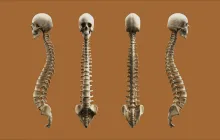
Posture plays a central role in the effectiveness of breathing exercises. An upright, aligned spine with relaxed shoulders supports better expansion of the chest and more efficient use of the diaphragm. Even small changes, such as keeping the neck in line with the spine and avoiding slumped positions during activities, can significantly influence airflow. Movement strategies that respect breath limits—such as pacing, using handrails, or chair-based methods for tasks like cooking or dressing—help maintain a stable breathing pattern and reduce the sense of struggle during activity. Integrating gentle mobility work and stretches that focus on the thoracic region can contribute to better rib expansion and decreased stiffness, thereby enabling longer and more comfortable breathing during daily routines.
Integrating breathing exercises with inhaler use and medication timing
Breathing techniques complement pharmacologic therapies and can be timed to maximize their effectiveness. For many individuals, using inhaled bronchodilators about ten to fifteen minutes before engaging in a breathing exercise or physical activity may improve ease of air movement. This coordination can lead to more consistent diaphragmatic movement and a calmer respiratory rate during practice. It is essential to follow the prescribed medication regimen and to work with a healthcare provider to understand how timing affects outcomes, particularly for inhaled corticosteroids, long-acting bronchodilators, or combination therapies. When integrated thoughtfully, breathing exercises and medications work together to optimize airway openness, reduce obstruction, and support a broader range of comfortable activities throughout the day.
Mood, anxiety, and the psychological aspects of breath control
Respiratory symptoms are often linked with anxiety and a sense of loss of control. Breathing exercises can serve as a self-regulation tool that helps calm the nervous system, decrease hypervigilance about symptoms, and promote a sense of mastery. Slow, deliberate breathing signals the body to shift away from a fight-or-flight response, which can reduce perceived breathlessness and improve focus during daily tasks. This psychological dimension is an important complement to physical benefits, as reduced anxiety can translate into greater willingness to engage in gentle activity and social interaction. When fear or panic arises, returning to a simple diaphragmatic rhythm or a controlled pursed-lip pattern can ground the person and create a stable platform from which to navigate the day.
Home environment and creating a supportive space for practice
A quiet, comfortable space at home can enhance the effectiveness and consistency of breathing practice. A calm corner with comfortable seating, suitable lighting, and available moisture for the air can help reduce irritation in the airways and support smoother inhalation and exhalation. The use of light, non-distracting music or nature sounds may aid focus and relaxation during sessions. A small, unobtrusive routine with easy-to-follow breathing cycles ensures that practice remains enjoyable rather than burdensome. The goal is to create a sustainable habit, not to overexert or push beyond comfort. A dedicated practice area also increases privacy and reduces barriers to continuing the exercises over time, which is important for real-world, long-term benefits.
Support from caregivers and professionals
Caregivers, family members, and healthcare professionals play pivotal roles in sustaining an effective breathing exercise program. Guidance from a respiratory therapist or COPD educator can tailor techniques to an individual's lung function, energy levels, and medication plan, while caregivers can provide encouragement, monitor symptoms, and help institute a consistent routine. Regular follow-up with a physician or a COPD rehabilitation team offers opportunities to adjust exercises as symptoms change, track progress, and address any concerns such as infections or changes in appetite, sleep, or mood. A collaborative approach ensures safety, optimizes benefits, and supports the person with COPD in maintaining independence and confidence in managing breath control across different environments and phases of the disease.
Looking ahead: staying informed and adapting to new strategies
The field of COPD management is continually evolving as research sheds light on how breathing patterns influence lung function and quality of life. Staying informed about new techniques, devices, and evidence-based guidelines can help individuals adjust their practice to align with current recommendations. It is important to consult with healthcare providers before starting a new exercise or using a novel device, especially if there are changes in symptoms or the introduction of new medications. A flexible mindset—ready to modify pacing, duration, and the balance between diaphragmatic and pursed-lip breathing—helps ensure that the practice remains safe and effective as circumstances change, including fluctuations in weather, infection status, and overall fitness levels.
Practical considerations for lasting impact
Ultimately, the value of breathing exercises rests in their ability to integrate with a broader strategy for living well with COPD. Consistent practice supports cardiovascular fitness, helps to manage dyspnea, and improves mucus clearance, which in turn can boost confidence in social and work-related activities. The combined benefits of improved breath control, better sleep, and reduced anxiety can illuminate a path toward more autonomy and participation in pursuits that matter most. By cultivating a routine that respects personal limits, emphasizes safety, and leverages supportive techniques such as diaphragmatic breathing, pursed-lip breathing, and controlled coughing, individuals with COPD can enhance their daily experience and maintain a more active, engaged lifestyle over time.