Strokes are medical emergencies that demand immediate attention because the brain's cells begin to die within minutes when blood flow is interrupted. Recognizing symptoms early can significantly improve the chances of survival and reduce the likelihood of long-term disability. People often underestimate how quickly a stroke unfolds, mistaking the sudden onset of one symptom for something temporary or minor. The reality is that every minute counts, and the faster a person receives appropriate medical care, the better the chances are for preserving function and reducing brain damage. This article explores how to recognize stroke symptoms early, what signs tend to appear, and how to respond effectively in everyday life. It emphasizes practical knowledge that can be shared with family members, coworkers, and members of the community so that help can be summoned without delay when symptoms arise. The goal is not to create fear but to provide clear, actionable information grounded in medical understanding and public health guidance.
The critical window and why early recognition matters
When a stroke occurs the brain loses access to oxygen and nutrients as blood supply is cut off or diverted. In ischemic strokes the blockage prevents blood from reaching affected regions, whereas in hemorrhagic strokes a bleed damages tissue directly. In both cases the damage unfolds rapidly, and treatment aims to restore blood flow or control bleeding as soon as possible to minimize the area of the brain that is injured. The concept of a critical window refers to the period during which interventions are most effective. Medical teams have identified time frames in which clot-busting medications or mechanical removal techniques can make a decisive difference. While these windows vary depending on the specific circumstances and the patient’s overall health, the overarching message is consistent: early recognition enables faster evaluation, triage, and delivery of therapy, which translates into better functional outcomes and fewer long-term disabilities for many patients. Recognizing the signs and acting without hesitation thus becomes a form of urgent care literacy that saves lives.
Understanding stroke types and how symptoms manifest
Strokes arise from problems with the blood vessels that supply the brain, and the resulting symptoms reflect the brain areas affected. Ischemic strokes, caused by a clot or narrowing of a vessel, may produce sudden weakness or numbness on one side of the body, trouble speaking, or confusion, while impairments more subtly involve vision, balance, or spatial skills. Hemorrhagic strokes occur when a vessel ruptures, releasing blood into brain tissue and causing abrupt, severe symptoms that can include a sudden severe headache, neck stiffness, vomiting, or a rapid decline in consciousness. The brain’s wiring is such that symptoms often localize to a hemisphere or specific functions such as language, movement, or vision, which means that the same general signs can appear with different underlying injuries. Understanding this distinction helps caregivers and bystanders interpret what they see without assuming a single cause, while still urging immediate action because the first seconds are about recognizing potential danger, not diagnosing the exact type of stroke.
Common signs to notice in yourself or others
Across most strokes, certain signs appear suddenly and may involve face, limbs, speech, or balance. A drooping smile or uneven facial expression may indicate facial weakness on one side, and the person may be unable to raise both arms equally or hold them steady. Speech often becomes slurred, or a person may be unable to find the right words or to understand spoken language. Confusion can spread rapidly, and vision may blur or fail in one or both eyes. A sudden sense of dizziness, difficulty walking, or a loss of coordination adds to the set of urgent clues. Some people experience a very abrupt, severe headache with no clear cause, especially in hemorrhagic strokes, while others might report numbness or tingling that spreads across a limb. What unites these signs is their abrupt onset and their potential to progress, which requires emergency evaluation rather than waiting to see if it improves on its own.
The FAST approach and why it helps
The FAST framework provides a concise way to remember the key warning signs and the immediate action to take. Face drooping or an uneven smile suggests weakness on one side of the face, and asking the person to show teeth or smile can reveal asymmetry. Arm weakness appears when the person tries to hold both arms out in front; one arm may drift downward. Speech difficulty is evident when the person slurs words, speaks oddly, or cannot form coherent sentences. Time to call emergency services is the crucial next step, and the moment you notice any of these signs you should act without hesitation, noting the exact onset time if possible. Even symptoms that resolve quickly deserve urgent assessment because a transient event can precede a major stroke, and early evaluation at a hospital can uncover underlying risks and prevent progression. The FAST approach is not a rigid test but a practical checklist that translates clinical knowledge into everyday action, enabling bystanders to become rapid responders in moments of crisis.
How symptoms can vary by person and stroke location
Brain networks control different functions, and their disruption creates varying patterns of symptoms. A stroke that affects language centers may cause speech and comprehension difficulties even when other motor functions appear intact. A stroke in the motor cortex may produce weakness or numbness primarily on one side of the body, while a stroke in the visual processing areas can cause sudden trouble with sight and perception. In some individuals, particularly younger patients or those with a high level of baseline fitness, symptoms may appear to be milder initially and evolve over minutes to hours. In other cases, symptoms remain persistent from the start. People with preexisting conditions such as diabetes, high blood pressure, or cardiovascular disease may experience atypical presentations, underscoring the importance of treating any sudden neurological change as a potential stroke until proven otherwise. The variability in presentations demands vigilance, empathy, and rapid evaluation, rather than complacency or skepticism about how symptoms manifest in different individuals.
When symptoms are transient: TIAs and stroke risk
Transient episodes of neurological disturbance, known as transient ischemic attacks, can flash across the radar as brief, self-limited symptoms that resolve within minutes or a few hours. TIAs are not harmless curiosity but important warning signals. They indicate that a blockage or narrowing exists in the brain’s blood vessels and that the risk of a subsequent stroke is higher in the near term. Even if symptoms disappear completely, a thorough medical assessment is essential to identify the cause, determine the location of the vascular issue, and discuss preventive strategies. Some TIAs involve brief weakness or numbness, others affect speech or vision, and all demand urgent evaluation because early treatment can address the underlying disease process and reduce the chance of a full-blown stroke. The distinction between a TIA and a stroke may blur in the moment, which is why emergency care should be sought whenever there is any doubt about the timing or trajectory of symptoms.
Onset time and the importance of documenting it
One of the most critical questions during emergency assessment is when the symptoms began. The onset time guides treatment decisions and determines eligibility for certain therapies. If the person is awake and aware, you can often estimate the moment when symptoms first appeared; if the person is unconscious or unable to communicate, bystanders and witnesses become essential sources of information. Time of last known well, the moment when the person was last symptom-free, is used by clinicians to calculate the window for interventions. Do not delay seeking care while attempting to confirm exact times or performing home remedies. Emergency teams can perform imaging and labs rapidly, and many therapies are time-sensitive, so every minute you spend discussing details can be critical. In high-stress situations, writing down or memorizing the onset time helps keep the focus on the central goal: getting life-saving care to the patient as quickly as possible.
What to do if you suspect a stroke
If you observe sudden neurological changes in yourself or someone else, call the local emergency number immediately. Do not attempt to drive the person to the hospital; professional responders can begin life-saving assessment and care on the way. While awaiting help, keep the person safe by guiding them to lie down or sit in a comfortable position, monitoring their breathing and responsiveness. Do not give food, drink, or medication unless a trained professional advises otherwise, because swallowing difficulties or hidden risks could cause choking or airway problems. If possible, gather essential information such as the person’s age, medical history, current medications, known allergies, and the time symptoms first appeared. This information helps clinicians tailor imaging tests and treatment decisions. Remain calm, speak clearly, and reassure the person while preparing for transfer to a medical facility, recognizing that every moment intensifies the urgency of timely treatment and diagnostic accuracy.
What happens in the hospital and why time is brain
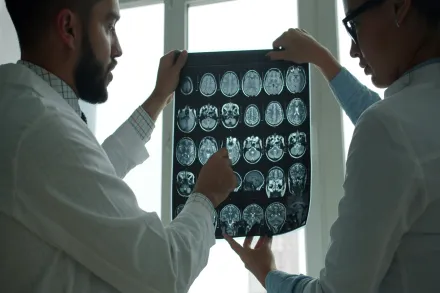
The hospital response to a suspected stroke is a coordinated effort that begins with rapid triage and neuroimaging. A non-contrast CT scan is typically performed to distinguish ischemic from hemorrhagic stroke, which determines the appropriate therapy. In ischemic strokes, clot-busting medications such as tissue plasminogen activator may be given if there are no contraindications and if treatment is initiated within a defined time window. In addition, advanced techniques may mechanically remove a clot using endovascular therapy, offering benefit even beyond the earliest hours for certain large vessel occlusions. The overarching aim is to restore blood flow and limit irreversible brain injury, and this depends on time, technology, and careful patient selection. Throughout this process, specialized teams monitor vital signs, manage blood sugar and blood pressure within safe limits, and address potential complications. The public health imperative behind these efforts is to make sure that the most effective interventions reach people quickly, which is why recognizing symptoms early in the community matters as much as the hospital’s capabilities do.
Public health factors: risk factors and prevention
Preventing strokes and reducing their impact rely on controlling a set of modifiable risk factors. Hypertension remains one of the strongest predictors of stroke risk, and maintaining blood pressure within healthy ranges during daily life and through medical management reduces the strain on cerebral vessels. High cholesterol contributes to plaque formation that narrows arteries and can precipitate ischemic events, while obesity, diabetes, and sedentary behavior increase vascular risk across multiple pathways. Smoking doubles the chance of stroke and worsens multiple cardiovascular risk profiles, making cessation a critical prevention step. Diet quality, physical activity, moderate alcohol consumption, and adequate sleep all influence stroke risk in meaningful ways, and timely management of atrial fibrillation or other heart rhythm disorders can lower the likelihood of embolic strokes. Beyond individual measures, community programs that promote blood pressure screening, healthy foods, safe spaces for exercise, and access to timely medical care amplify the impact of personal choices. The message is clear: early recognition is complemented by sustained risk reduction, and both strategies together reduce the burden of stroke on individuals and society.
Recognizing stroke in diverse populations and settings
Stroke does not discriminate, but its presentation can vary among different populations and environmental contexts. In older adults, strokes may occur more frequently and sometimes with subtler signs that require careful evaluation, while in younger people the signs can be dramatic but less predictable. Pregnant individuals face unique risks due to physiological changes and specific hypertensive disorders, which can influence symptoms and timing of onset. Language barriers, deafness, cognitive impairment, or preexisting conditions pose challenges for recognizing and interpreting stroke signs, which underscores the need for simple, widely understood warning cues and the availability of interpreter services and accessible education. Rural settings, crowded urban environments, and situations where medical care is miles away all demand public health strategies that improve recognition and accelerate transport to care. Equally important is the role of allies in the community across all ages and backgrounds who can notice abrupt changes, report them accurately, and support fast action without hesitation.
First aid education for families and communities
Education about stroke signs can be integrated into routine health visits, school programs, workplaces, and community centers. Teaching people to observe facial movement, arm strength, speech clarity, and walking or balance can create a shared language for recognizing danger. Creating a simple plan that includes who to call, where to go, and how to support a person who may be experiencing a stroke helps families act with confidence. Families can practice recognizing signs through real-life conversations that emphasize listening for sudden changes and validating them as medical concerns rather than passively hoping symptoms will improve. The broader community benefits when neighbors and coworkers know how to respond, as rapid action reduces time to hospital arrival and improves the likelihood of favorable outcomes. Keeping up-to-date information about emergency numbers and hospital routes, along with personal health history, empowers people to respond decisively when minutes matter most.
Debunking myths and focusing on facts about stroke symptoms
Several persistent myths can hinder timely response to stroke symptoms. Some people may believe that only older adults are at risk, or that severe symptoms are the only red flags, or that a sudden headache alone signals a stroke. Others may hope that symptoms will pass if they wait a while or may confuse a stroke with a migraine or a physical injury. The evidence, however, shows that sudden neurological changes—whether mild or dramatic, whether temporary or persistent—merit urgent assessment. Misperceptions about the seriousness of minor-looking signs delay care and can transform a potentially treatable situation into a major disability. Providing clear information about the range of presentations, from facial weakness to speech disturbances to balance problems, helps communities respond more effectively and reduces delays that cost lives and functionality.
Everyday actions that support early recognition in daily life
In daily life, small habits can have a large impact on how quickly stroke signs are noticed and acted upon. Keeping essential contact information accessible, ensuring that first aid kits and phones are within reach, and encouraging a culture where abrupt neurological changes are treated as urgent medical concerns all contribute to faster help. Regular health checkups, adherence to prescribed medications for blood pressure and cholesterol, and maintaining a healthy lifestyle reduce the risk of stroke and improve resilience for those who may experience one. In workplaces and schools, establishing clear procedures for emergencies, rehearsing responses, and distributing simple educational materials helps everyone respond correctly when time matters. The overarching theme is proactive preparation: by training eyes to spot sudden changes and by fostering calm, decisive action, communities become capable of saving brain tissue and preserving independence for people who experience strokes.
The ongoing importance of rehabilitation and awareness
Recovery after a stroke extends beyond the immediate event and engages physical therapy, language and cognitive rehabilitation, emotional support, and social reintegration. Recognizing stroke symptoms early reduces the severity of the initial injury, which in turn increases the likelihood of meaningful recovery. Rehabilitation begins in the hospital and continues after discharge through outpatient programs, home exercises, and community resources. Ongoing awareness remains essential because strokes can recur, sometimes with different symptoms that require fresh evaluation. Education for patients and families about warning signs of recurrence, risk factor management, and the importance of rapid response should become a lifelong habit. The synergy between immediate action, medical treatment, and sustained rehabilitation forms the backbone of a plan that supports independence, functionality, and quality of life after a stroke.
Sustaining awareness and preparedness for stroke risk
Empowerment around stroke recognition comes from knowledge, practice, and accessible resources. When communities understand that the signs of a stroke are not a minor inconvenience but a medical emergency, the instinct to act quickly becomes a shared norm rather than a decision made in a moment of fear. Preparedness means knowing emergency numbers, recognizing that time lost is brain lost, and supporting individuals to seek care promptly even if symptoms appear to subside. It also means supporting research, advocate for healthier environments, and encouraging people to manage chronic conditions that contribute to stroke risk. By cultivating awareness and nurturing confidence to respond appropriately, people increase the chances of preserving independence and reducing disability for those who experience stroke events, turning a frightening crisis into a coordinated, life-saving response that can change outcomes for the better.