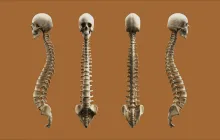
Osteoporosis is a condition characterized by weakened bones that are more prone to fractures. In women, the risk increases with age, largely due to hormonal changes that accompany menopause and the cumulative effects of years of bone remodeling. Understanding how bones gain and lose strength helps illuminate why certain strategies are effective for prevention. Bones are living tissue that continuously rebuild themselves through the coordinated actions of specialized cells. When this natural turnover becomes imbalanced in favor of bone loss, the bone becomes thinner and more fragile. The impact of osteoporosis reaches beyond the individual, influencing mobility, independence, and overall quality of life, which makes preventive measures especially important for women at every stage of adulthood. It is not only the elderly who can be affected; peak bone mass reached in adolescence and young adulthood sets the stage for lifelong skeletal health, underscoring the value of early preventive actions that continue throughout life. This broader view emphasizes that prevention is a lifelong practice rather than a single intervention at a chosen age. Understanding these dynamics can empower women to adopt routines that support bone density while also benefiting general health in parallel.
Recognizing osteoporosis as a public health concern helps frame the conversation around prevention. Fractures resulting from fragile bones impose substantial personal and economic costs, ranging from loss of independence after a hip fracture to long-term rehabilitation needs. Women often face unique challenges related to bone health, including a tendency toward lower peak bone mass in early life, longer life expectancy with more years of bone exposure to age-related decline, and the onset of menopause that accelerates bone loss. While risk is multifactorial, adopting a proactive stance that blends nutrition, physical activity, and mindful lifestyle choices can meaningfully reduce fracture risk. A preventive mindset is best built through consistent daily habits rather than episodic efforts, and this article explores practical, evidence-informed steps women can integrate into their routines at any age.
In practical terms, prevention centers on maintaining a robust bone remodeling process where bone formation keeps pace with bone resorption. This balance is influenced by a spectrum of factors, including nutrient intake, mechanical loading from activity, hormonal signals, and lifestyle choices. The principle is simple in concept: stronger bones are supported by regular, weight-bearing movement that challenges the skeletal system, a diet rich in nutrients that support bone formation and mineralization, and avoidance of behaviors that accelerate bone loss. The challenge lies in translating this principle into everyday actions that fit into busy lives, which requires planning, consistency, and a willingness to adjust routines as life changes. By framing bone health as an integrated aspect of overall well-being rather than a narrow medical target, women can approach prevention as part of maintaining vitality, mobility, and independence across decades.
Understanding osteoporosis and its impact on women's health
Osteoporosis is defined by low bone density and deterioration of bone tissue, which collectively raise the risk of fractures, particularly in the hip, spine, and wrist. In women, the decline in estrogen during menopause accelerates bone loss, sometimes dramatically, and can create a window during which even previously healthy bones become more fragile. This pattern highlights the importance of early preventive attention that begins well before menopause, while also addressing ongoing needs after hormonal changes occur. The consequences of fractures go beyond immediate pain; they can lead to reduced mobility, dependence on others, and a cycle of decreased activity that further weakens bones. Thus, prevention serves not only to protect bones but to preserve the capacity to stay active and engaged in daily life. Closer attention to bone health also involves recognizing that fractures often herald other health concerns, including sarcopenia, the gradual loss of muscle strength, which further compounds fall risk. Addressing bone health thus intersects with muscular strength, balance, and overall physical resilience, weaving together multiple elements of healthy aging.
When considering which strategies matter most, it is helpful to appreciate that bone health reflects cumulative life experiences, including childhood nutrition, adolescent growth, pregnancy history, lifestyle choices, and exposure to toxins or chronic illness. While no single action guarantees osteoporosis prevention, a combination of protective factors can substantially reduce risk. For instance, consistent physical activity that includes resistance and weight-bearing components stimulates bone formation more effectively than non-weight-bearing movements alone. Adequate calcium and vitamin D supply supports mineralization, while adequate protein intake helps preserve muscle mass, which in turn stabilizes joints and reduces fall risk. The goal is not perfection but steady progress across multiple domains, creating a resilient skeletal framework that remains strong as hormonal and metabolic changes unfold with age. In this broader view, the prevention of osteoporosis becomes an accessible and empowering pursuit rather than a distant medical ideal.
Key risk factors that disproportionately affect women
Several factors contribute to higher osteoporosis risk in women compared with men. The most prominent are the typical pattern of menopause and the resulting decline in estrogen, which plays a central part in maintaining bone density. As estrogen levels fall, bone resorption can outpace formation, leading to net bone loss that often accelerates in the years following menopause. Age compounds this effect, and the risk gradually rises with each advancing year. Body composition also matters; a lower body weight or small frame is associated with lower bone mass, and reduced mechanical loading on bones can limit the stimulus for bone formation. Genetic predisposition contributes as well, with a family history of osteoporosis or fragility fractures signaling a higher baseline risk. The interplay of these factors means that many women face a higher lifetime fracture risk, underscoring the importance of preventive measures tailored to individual circumstances.
Lifestyle choices substantially influence bone health. Smoking, for example, has been linked to accelerated bone loss and earlier onset of menopause, which in turn shortens the window for optimal bone accrual in younger years. Excessive alcohol intake is another modifiable factor associated with impaired bone formation and an increased risk of falls due to impaired balance and coordination. Sedentary behavior deprives bones of the loading they require to maintain density, while chronic under-nourishment or poor overall diet can reduce the availability of essential nutrients that bones rely on. Even moderate caffeine consumption, when combined with insufficient calcium intake, may influence calcium balance over time, though the effect is generally small and context-dependent. These interactions illustrate that prevention focuses on a landscape of daily choices rather than a single decisive action.
It is important to recognize that certain medical conditions and medications can affect bone health as well. For example, prolonged use of glucocorticoids, certain anticonvulsants, or therapies that alter hormone levels can influence bone remodeling dynamics. Chronic illnesses such as inflammatory diseases or hyperthyroidism may also contribute to bone loss if not managed effectively. Women with these risk factors should work closely with healthcare providers to monitor bone density and adjust preventive strategies accordingly. The overarching message is that risk is not destiny; it is modifiable through informed decisions, consistent routines, and timely medical guidance when necessary. The goal remains to create a strength-generating environment for bones that helps offset the natural trajectory of aging in a way that preserves mobility and independence.
Nutrition that supports bone health throughout life
Nutrition lies at the core of bone health, providing the raw materials for building and maintaining a strong skeletal framework. A balanced diet emphasizes calcium-rich foods alongside adequate vitamin D, which enables calcium absorption and utilization within the bones. While dairy products such as milk, yogurt, and cheese are traditional sources of calcium, many plant-based options including fortified plant milks, leafy greens, and certain seeds contribute meaningfully to daily intake. It is important to recognize that not all calcium sources are equal in terms of bioavailability; for example, some leafy greens contain compounds that can hinder calcium absorption, while others provide a more favorable balance of nutrients. A varied approach that combines several sources helps ensure that calcium needs are met without relying on a single food. Alongside calcium, vitamin D status is essential, and sun exposure combined with dietary sources or supplements often helps maintain adequate levels. Vitamin D also plays roles beyond bone health, supporting immune function and mood, which intersect with overall well-being.
Protein is a critical component of bone health because it supports muscle integrity and the structural scaffolding that bones use during remodeling. Adequate protein intake, spread through meals, helps preserve lean mass, which in turn contributes to bone strength and reduces fall risk. With age, maintaining muscle becomes increasingly important, and dietary protein becomes a practical tool in supporting a healthy balance between bone formation and resorption. In addition to calcium and protein, minerals such as magnesium, phosphorus, and trace elements contribute to bone mineralization and structural stability. Dietary patterns that emphasize whole foods—fruits, vegetables, whole grains, legumes, nuts, and seeds—provide these nutrients along with fiber and phytochemicals that support general health. The synergy between nutrition and physical activity becomes apparent when considering that nutrients are most effectively utilized in the context of regular movement and strength training, highlighting the interconnectedness of lifestyle components in maintaining bone health.
Beyond essential nutrients, certain lifestyle factors influence the body's ability to use calcium effectively. Adequate sleep supports hormonal regulation that can affect bone turnover, while limiting processed foods high in added sugars helps maintain metabolic balance. Moderation in caffeine and alcohol consumption can play a supportive role for some individuals, particularly when paired with a nutrient-dense diet. Consistent meal timing and balanced portions help distribute calcium and other nutrients optimally across the day, aiding absorption and utilization. For women who follow restrictive diets or have dietary restrictions, a careful assessment of nutrient adequacy, sometimes with the help of a registered dietitian, can ensure that bone-supportive nutrients remain available in sufficient quantities. In practice, a bone-friendly eating pattern becomes part of a broader lifestyle designed to sustain vitality, resilience, and mobility throughout life.
Targeted guidance often emphasizes achieving daily calcium intake through a combination of foods and supplements if needed. General ranges commonly cited suggest around 1000 milligrams per day for premenopausal women and up to 1200 milligrams per day for those at higher risk or postmenopausal, especially with low dietary intake. Vitamin D is often recommended in the range of 600 to 800 international units per day for adults, with higher amounts considered under medical supervision if blood levels are low. It is important to discuss supplementation with a healthcare provider to avoid excessive calcium intake, which can carry risks such as kidney stones or cardiovascular concerns in some individuals. The core message is that nutrition supports bone health not as a single miracle factor but as a reliable foundation that works in harmony with physical activity to sustain stronger bones over time.
How exercise protects bones: moving to strengthen bones
Exercise plays a central role in building and preserving bone density, and the benefits extend to muscles, balance, and coordination, all of which contribute to fracture prevention. Weight-bearing activities such as walking, dancing, stair climbing, and hiking subject bones to forces that stimulate bone formation. When we engage muscles through resistance training, we create mechanical loads that the bones respond to by increasing density and improving microarchitecture. A well-rounded program includes both weight-bearing aerobic activities and progressive resistance exercises. The key is consistency and gradual progression, ensuring that the bones experience a level of stress that challenges them without risking injury. This approach supports not only bone strength but also posture and functional ability, which are critical for maintaining independence as aging progresses.
In practice, integrating bone-supportive exercise into daily life involves finding activities that are enjoyable and sustainable. A typical plan might include brisk walking on most days of the week to provide regular loading, complemented by two to three sessions of resistance training that target major muscle groups. The resistance component can involve body-weight exercises, free weights, machines, or resistance bands, and it is important to begin with proper technique and gradually increase resistance as strength improves. Balance-focused activities, such as tai chi or specific balance training, add another layer of protection by reducing the likelihood of falls, a major cause of fractures in older adults. The overall objective is a holistic routine that enhances bone strength while supporting cardiovascular health, flexibility, and functional capacity. When combined with sufficient nutrition and healthy lifestyle choices, exercise becomes a powerful pillar of osteoporosis prevention for women across the lifespan.
The science behind exercise for bone health supports early and ongoing engagement. Adolescents and young adults benefit from activities that maximize peak bone mass, potentially reducing fracture risk later in life. For midlife women, continuing or adapting activity levels helps offset menopausal bone loss. In later years, maintaining muscle mass and balance becomes especially important, helping to prevent falls and associated fractures. The practical outcome for readers is clear: regular, varied movement that includes strength and balance components is a cornerstone of prevention, and it is a habit that pays dividends for many years as the body evolves through different life stages. By prioritizing physical activity, women invest in a resilient skeletal framework that supports daily functioning, energy levels, and overall well-being.
Lifestyle choices that influence bone density
Beyond nutrition and exercise, several lifestyle choices can meaningfully affect bone density and fracture risk. Quitting smoking is one of the most impactful steps, as tobacco use has been associated with lower bone mass and a higher risk of early menopause, both of which contribute to bone fragility. Similarly, moderating alcohol intake is advisable because excessive consumption is linked to falls and bone loss, particularly when combined with poor nutrition. Sleep quality and quantity influence hormonal regulation, inflammation, and recovery, all of which intersect with bone health. Chronic sleep deprivation can disrupt the hormonal milieu that supports bone maintenance, so prioritizing restful sleep becomes a practical preventive measure. Stress management is another relevant factor, as chronic stress can influence hormones such as cortisol, which may have downstream effects on bone remodeling if persistently elevated. A holistic approach to lifestyle recognizes that bone health echoes broader well-being, and improvements in these areas often offer widespread benefits beyond skeletal protection.
Sunlight exposure contributes to endogenous vitamin D synthesis, supplementing dietary sources and helping with calcium absorption. For individuals with limited sun exposure or higher skin cancer risk, dietary intake and supplementation become more important, and decisions are best made in consultation with healthcare providers. Regular health screenings, including bone density assessments when indicated, empower individuals to understand their bone health status and adjust preventive strategies accordingly. The overarching message is that a constellation of everyday choices—tobacco cessation, mindful alcohol use, adequate sleep, stress management, and sensible sun exposure—adds up to meaningful protection for bones. Each decision contributes to a healthier trajectory for bone density, balance, and independence as women age, reinforcing that prevention is an integrated lifestyle effort rather than a single intervention.
Hormones and bone health in women: the menopausal transition
The transition through menopause marks a pivotal period for bone health in women. The decline in estrogen accelerates bone resorption, reducing bone density and increasing fracture risk. This hormonal change, while natural, shifts the emphasis of prevention toward strategies that mitigate accelerated bone loss during this phase and beyond. The pace of bone loss is typically most rapid in the first few years after menopause, creating a critical window to implement protective measures. A combination of nutrition, exercise, and lifestyle choices gains heightened importance during this time, and healthcare providers may discuss personalized plans that address individual risk profiles. It is also important to recognize that while hormone levels influence bone health, they do not determine destiny. Women differ in their response to menopausal changes, and many successfully preserve strong bones by adopting early preventive habits that continue through the menopausal years and after.
For some women, menopausal symptoms may lead to changes in activity or energy that indirectly affect bone health. Managing symptoms effectively can support ongoing engagement in enjoyable physical activities and maintain consistent nutrition and sleep patterns. The conversation about hormones and bones often includes a careful assessment of risks and benefits of hormone-related therapies in specific cases. While hormonal interventions are not appropriate for everyone, they can offer bone-protective advantages for some women when carefully balanced against potential side effects. Ultimately, the goal is to tailor prevention to each individual, recognizing that bone health is interwoven with hormonal health, nutrition, lifestyle, and personal preferences. In this context, proactive steps taken during the menopausal transition can lay the groundwork for stronger bones in the years that follow, enhancing resilience in everyday life and reducing the likelihood of fractures and related complications.
Supplements and medications: a balanced approach
Supplements and medical therapies have roles in bone health that extend beyond dietary sources for some individuals. When diet alone does not meet calcium or vitamin D needs, supplements can fill gaps. It is important to approach supplementation judiciously and under professional guidance to avoid excessive intake, which can carry risks such as kidney stones or other adverse effects. Calcium supplementation should be considered in the context of total daily intake from foods and supplements, ensuring that the combination remains within safe ranges. Vitamin D supplementation is commonly recommended for those with insufficient sun exposure or low serum levels, and the appropriate dose is best determined through a test and discussion with a clinician. In some cases, bone density tests and fracture risk assessments inform decisions about additional preventive measures, including pharmacologic therapies. These medications, such as bisphosphonates or other agents, are typically prescribed for individuals with high fracture risk or established osteoporosis, and their use requires careful monitoring for potential side effects and adherence considerations. The key principle is to balance benefits and risks, aligning interventions with personal risk factors, preferences, and medical history to support safe, effective prevention.
When considering medications, it is essential to maintain open communication with healthcare providers about tolerability, potential interactions with other medicines, and the patient’s overall health status. The preventive framework encompasses lifestyle and nutritional strategies as foundational steps, while medications may be integrated into a comprehensive plan for individuals with pronounced risk or existing bone loss. This approach reinforces the notion that osteoporosis prevention is a collaborative process that honors patient values, medical realities, and evidence-based guidelines. By combining prudent supplementation with nutrition, activity, and risk management, women can actively pursue stronger bones and a higher quality of life, even as age-related changes unfold. The emphasis remains on sustainable habits that support bone health across decades, rather than temporary or extreme measures that may not provide lasting benefits.
Practical routines for daily life
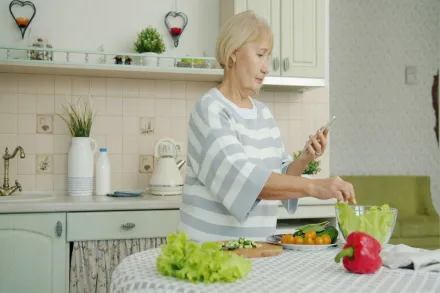
Translating prevention into daily life involves weaving bone-supportive practices into everyday routines in a manageable and enjoyable way. A practical plan begins with a realistic assessment of current habits, followed by small, incremental changes that accumulate over weeks and months. For example, incorporating a short daily activity that increases heart rate and loads the bones, such as a brisk walk, can become a habit that continues to yield benefits. Strength training sessions spread through the week can be scheduled as visible appointments in the calendar, emphasizing consistency and progression. Pairing meals with reminders to include calcium-rich foods or fortified options helps normalize a nutrient-dense pattern rather than relying on sporadic dietary changes. The daily routine should also include reminders about sunlight exposure or vitamin D supplementation if needed, and practical considerations such as sleep hygiene and stress management can support the overall framework for bone health.
Beyond individual actions, it is helpful to cultivate an environment that supports bone-friendly choices. This may involve planning meals ahead of time to ensure nutrient adequacy, engaging in social activities that encourage movement and outdoor time, and creating a home setup that reduces the risk of falls through clutter-free spaces, well-lit corridors, and supportive footwear. Accountability can be built through gentle self-monitoring, such as keeping a simple journal of activities, meals, and nutrient intake, or by partnering with a friend or family member to share progress. Freedom within routine comes from recognizing that prevention is a dynamic process; life events such as travel, illness, or seasonal changes may require adaptation, but the underlying commitments to bone health remain valuable and adaptable. The outcome is a sustainable lifestyle that preserves mobility, independence, and vitality over many years, with prevention embedded in everyday choices rather than isolated efforts.
In addition to personal routines, seeking professional guidance at key intervals supports effective prevention. Regular check-ins with a clinician, a registered dietitian, or a physical therapist can help tailor nutrition plans, exercise programs, and supplementation to evolving needs. Bone density testing, when indicated, provides objective feedback that can motivate continued adherence to preventive strategies. Education resources and community programs may offer opportunities to learn new exercises, share experiences, and gain encouragement from others who are pursuing similar goals. The integrated approach described here, combining evidence-based nutrition, movement, and lifestyle choices, serves as a practical blueprint for women seeking to strengthen their bones and protect their overall health. By embedding these practices into daily life, prevention becomes attainable, and the benefits extend beyond bones to cardiovascular health, mood, and energy levels, enriching daily living with greater resilience and confidence.
Expert perspectives and future directions
Experts emphasize a life-course perspective on bone health, recognizing that actions taken in youth can profoundly influence fracture risk decades later. Early-life nutrition, physical activity, and healthy weight maintenance contribute to higher peak bone mass, which provides a buffer against age-related loss. With the aging population, research continues to refine understanding of how best to prevent osteoporosis in diverse groups of women, accounting for factors such as ethnicity, genetics, and lifestyle. Advances in imaging, biomarkers, and personalized risk assessment hold promise for earlier detection and tailored preventive plans that maximize benefits while minimizing burdens on patients. In the realm of nutrition, ongoing studies examine not only calcium and vitamin D but also the roles of micronutrients, protein distribution across meals, and the impact of dietary patterns on bone health. The evolving picture suggests a comprehensive approach that integrates lifestyle, nutrition, and medical insights to optimize bone strength in real-world settings.
From a practical standpoint, healthcare teams increasingly advocate for shared decision-making, enabling women to participate actively in choosing prevention strategies that align with their values, preferences, and daily realities. Education plays a crucial role, equipping individuals with the knowledge to interpret bone density tests, understand risk scores, and evaluate the trade-offs of various intervention options. As research progresses, there is optimism that more precise guidance will emerge for different life stages, whether addressing adolescence, pregnancy, lactation, menopause, or later years. The future holds the potential for smarter prevention that respects personal autonomy while leveraging scientific advances to reduce fracture risk, improve bone quality, and promote lasting health. While certainty remains nuanced, the direction points toward integrating robust lifestyle practices with thoughtful medical oversight to build resilient bones across the lifespan for women worldwide.