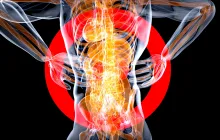
The obesity epidemic as a systemic metabolic state
Obesity represents a complex syndrome that goes beyond excess fat accumulation. It transforms the body's normal metabolic architecture, altering energy balance, hormonal signaling, immune function, and tissue microenvironments. When fat tissue expands beyond its healthy capacity, adipocytes enlarge, become stressed, and recruit inflammatory cells. This creates a persistent, low grade inflammatory milieu that spreads systemically through the bloodstream and localizes in tissues that later may become the sites of cancer development. The result is a chronic state in which nutrient excess, metabolic dysregulation, and immune perturbations intersect, providing fertile ground for malignant transformation and tumor progression. In this framework, obesity is not simply a risk factor in a vacuum but a driver of biological processes that collectively raise the probability that a normal cell will acquire malignant traits and that a nascent tumor will grow and spread.
Clinical observations across populations consistently show higher incidence rates for several cancer types in individuals with obesity, as well as worse outcomes after diagnosis. Yet cancer is not caused by a single mechanism, but by a constellation of interlocking pathways. The dysregulated metabolism that accompanies obesity overlaps with hormonal changes, chronic inflammation, altered adipokine signaling, and changes in the liver, gut, and immune system. The body becomes an environment in which cellular stress is persistent, DNA damage occurs more often, and cells with spreading advantages can survive longer, resist death, and acquire further alterations. The magnitude of risk conferred by obesity varies by sex, age, genetic background, fat distribution, and environmental influences such as diet and physical activity, but the overarching idea remains: obesity creates conditions that favor carcinogenesis and tumor progression.
At the level of adipose tissue, adipocytes serve as endocrine cells that release a spectrum of signaling molecules, including lipids, hormones, and cytokines. When adipose tissue expands, the balance among these signals shifts toward a proinflammatory and proproliferative profile. Systemic consequences include altered glucose and lipid metabolism, increased reactive oxygen species, and changes in hepatic function. In parallel, the microenvironment of various organs is shaped by fat depots and metabolic byproducts; these cues influence cell turnover, DNA repair capacity, and interactions among epithelial cells, stromal cells, immune cells, and blood vessels. The net effect is a long running program that primes tissues for malignant transformation and supports the growth of cancer cells once tumors arise.
Hormonal changes and estrogen signaling
In many individuals, obesity triggers increased aromatase activity in adipose tissue, which converts androgens into estrogens. This local estrogen production is particularly consequential in postmenopausal women, where circulating estrogen relies more heavily on peripheral conversion. Elevated estrogen levels can stimulate estrogen receptor signaling in breast tissue and other hormone-sensitive sites, promoting cellular proliferation and increasing the window of opportunity for genetic errors during cell division. The result is a heightened risk for hormone-driven cancers, including certain subtypes of breast cancer and endometrial cancer, among others. Importantly, these hormonal shifts interact with metabolic disturbances, compounding risk rather than acting in isolation.
Estrogen signaling does not act alone in promoting tumorigenesis. It intersects with insulin signaling, inflammatory mediators, and adipokine pathways to produce a cumulative effect. In addition, obesity-related insulin resistance alters the balance of sex hormones by reducing sex hormone-binding globulin, thereby increasing the bioavailability of estradiol and other estrogens. These layered hormonal changes contribute to a tissue-specific landscape in which malignant cells can seize proliferative signals more readily. The broader message is that obesity reshapes the hormonal milieu in ways that create a permissive context for cancer initiation and progression, with particular relevance to breast and endometrial tissues but extending to multiple organ sites.
Insulin resistance, hyperinsulinemia, and IGF-1 signaling
The metabolic consequence of excess adiposity often includes insulin resistance, a state in which cells respond inadequately to insulin. To maintain glucose homeostasis, the pancreas secretes more insulin, leading to hyperinsulinemia. Insulin and insulin-like growth factors collaborate to activate signaling cascades that promote cell growth, survival, and proliferation. The PI3K-AKT-mTOR axis, stimulated by insulin receptor and IGF-1 receptor signaling, promotes protein synthesis, cell cycle progression, and resistance to apoptosis. In many tissues, these pathways intersect with other obesity-driven signals, creating a feed-forward loop that supports the expansion of existing abnormal cell populations and the emergence of new malignant clones. Moreover, higher insulin levels can increase the bioavailability of insulin-like growth factors, enhancing mitogenic potential, particularly in tissues exposed to metabolic stress.
Hyperinsulinemia also influences the hepatic production of insulin-like growth factor-binding proteins, shifting the balance toward more free IGF-1. This creates a systemic environment that fosters cellular proliferation beyond the liver, affecting colon, breast, pancreas, and other organs. The net effect is that obesity-associated insulin resistance acts as a catalyst for tumor initiation and growth by providing a continuous source of growth-promoting signals. At the same time, hyperinsulinemia can interact with adipokines and inflammatory mediators to amplify pro-tumorigenic signaling in a tissue-dependent manner.
Adipokines and the inflammatory milieu
Adipose tissue secretes a variety of adipokines, among which leptin and adiponectin stand out for their opposing influences on cancer biology. Obesity raises circulating leptin levels while often reducing adiponectin, tilting signaling toward cellular proliferation, angiogenesis, and invasion. Leptin can stimulate mitogenic pathways and reinforce inflammatory responses, while lower adiponectin dampens anti-proliferative and anti-inflammatory signals that would otherwise restrain tumor formation. The imbalance in these adipokines interacts with insulin and growth factor signaling, producing a multi-layered pro-tumorigenic environment. Beyond adipokines, adipose tissue also releases resistin and other mediators that promote insulin resistance and inflammatory gene expression, further intertwining metabolic and inflammatory pathways that feed cancer risk.
The inflammatory milieu linked to obesity is not limited to fat tissue. Chronic, low-grade inflammation spills into circulation, elevating cytokines such as tumor necrosis factor alpha and interleukin-6. These mediators activate transcription factors like NF-kB and STAT3 in various cell types, including epithelial cells and stromal cells, fostering a pro-survival and pro-proliferative state. Over time, this inflammatory signaling can induce DNA damage responses, alter cell adhesion, and promote an environment in which cancer cells can escape standard growth controls. The convergence of adipokine imbalance and systemic inflammation presents a coherent mechanism by which obesity increases cancer risk across multiple tissues.
Chronic inflammation and cancer pathways
Persistent inflammatory signaling in obesity can drive genetic instability and create conditions that favor tumor initiation. Inflammatory cells within adipose tissue secrete reactive oxygen and nitrogen species, which can damage DNA and compromise genome integrity. At the same time, inflammatory mediators sustain a microenvironment that supports tumor cell survival, immune evasion, and angiogenesis. COX-2 activity is often upregulated in inflamed tissues, contributing to prostaglandin production that promotes cell proliferation, inhibits apoptosis, and enhances vascular permeability. The combination of DNA damage and pro-proliferative signaling raises the chance that cells accumulate oncogenic mutations and survive long enough to become malignant.
Inflammation also shapes the tumor microenvironment by recruiting and reprogramming immune cells. Macrophages in adipose tissue can adopt a pro-tumorigenic phenotype, releasing growth factors, remodeling the extracellular matrix, and facilitating the invasion of malignant cells into adjacent tissues. This immune contexture supports not only tumor initiation but also progression and metastasis, illustrating how obesity can influence cancer at several stages of its natural history.
Oxidative stress and DNA damage
Excess caloric intake and lipid overload increase mitochondrial respiration and metabolic flux, leading to elevated production of reactive oxygen species. When antioxidant defenses are overwhelmed, DNA lesions accumulate, contributing to mutagenesis. In the setting of obesity, the combination of oxidative stress with inflammatory signaling compounds the risk of genomic alterations that can initiate cancer. DNA repair pathways may become dysregulated under metabolic stress, reducing the capacity to correct errors and thereby increasing the probability that oncogenic mutations persist and propagate.
Additionally, lipid peroxidation products generated in obesity can form reactive aldehydes that form adducts with DNA and proteins, further contributing to mutagenic risk. The cumulative effect of oxidative damage, inflammation, and altered signaling is a central component of how obesity elevates cancer susceptibility across diverse tissue types.
Impact on the tumor microenvironment
The tumor microenvironment in obese individuals often contains abundant adipocytes, adipose-derived stromal cells, and inflammatory cells that collectively supply growth factors and energy substrates to developing tumors. Adipocytes can release fatty acids that fuel rapid tumor cell metabolism, especially in cancers with high lipid dependence. Stromal cells may adopt cancer-associated fibroblast phenotypes, remodeling the extracellular matrix and creating tracks that facilitate tumor invasion. Immune cells within the microenvironment can be skewed toward tumor-promoting phenotypes, reducing anti-tumor immunity and enabling cancer cells to grow with less surveillance. This finely tuned interplay between adipose tissue, stromal components, and immune cells exemplifies how obesity acts at the tissue level to nurture cancer growth and spread.
Obesity and the risk of specific cancer types
Among the cancers whose incidence is increased in obesity, breast cancer stands out in postmenopausal women, where hormonal and metabolic changes converge to boost risk. Colon and rectal cancers show elevated incidence and worse outcomes in individuals with high body mass, reflecting combinations of insulin signaling, inflammation, and gut microbiome alterations. Pancreatic cancer risk rises with obesity, potentially through insulin and inflammatory pathways that drive the survival and proliferation of malignant cells in pancreatic tissue. Endometrial cancer is particularly sensitive to estrogenic and inflammatory cues amplified by adipose tissue, making obesity a major risk factor for this malignancy. Liver cancer risk increases in the setting of nonalcoholic fatty liver disease, a condition closely linked to obesity and metabolic syndrome. Esophageal adenocarcinoma is more common in individuals with obesity, likely due to mechanical and inflammatory processes that accompany gastroesophageal reflux and adiposity-related changes in tissue homeostasis. Kidney cancer and certain other cancers also show associations with excess body weight, reflecting the far-reaching influence of obesity on cellular environments across organs.
Ultimately, the strength of the association between obesity and cancer risk depends on multiple interacting pathways. Lipid signaling, energy availability, hormonal balance, immune function, and tissue-specific factors all contribute to the probability that a cell will acquire cancerous traits and that a tumor will succeed in its growth and dissemination. These relationships are complex and often bidirectional: cancer biology can also affect metabolism and adipose tissue function, creating feedback loops that further entrench the link between obesity and malignancy.
Impact on the digestive system and liver health
Obesity profoundly affects the liver and the gut, two organs deeply involved in cancer risk. Fat accumulation in the liver leads to nonalcoholic fatty liver disease, which can progress to steatohepatitis, fibrosis, cirrhosis, and, in some cases, hepatocellular carcinoma. The metabolic disturbances accompanying fatty liver disease include oxidative stress, inflammatory signaling, and altered lipid metabolism, all of which intersect with carcinogenic processes. In the gut, obesity can influence the composition and activity of the microbiome, shifting bile acid profiles, increasing endotoxemia, and modulating mucosal immunity. These changes can alter DNA damage responses and augment the risk of colorectal cancer, among other malignancies. The liver and intestine thus act as critical nodes where obesity-related metabolic signals intersect with tissue-specific susceptibility to cancer.
Endocrine interactions and fat distribution
Where fat is stored in the body matters. Visceral adiposity, the fat around internal organs, is more metabolically active and more strongly linked to systemic inflammation and insulin resistance than subcutaneous fat. This regional pattern can help explain why some individuals with similar body mass indices have different cancer risks. Central obesity associates with higher circulating leptin, lower adiponectin, and greater inflammatory burden, amplifying pro-tumorigenic signaling in multiple tissues. Conversely, lower visceral fat often corresponds with a more favorable metabolic profile, underscoring the importance of fat distribution in cancer risk assessment and in designing targeted prevention strategies.
Age, sex, and race/ethnicity differences in risk
The interplay between obesity and cancer is shaped by demographic factors that influence biology and exposure. In women, postmenopausal status shifts risk toward hormone-related cancers, while in men, certain metabolic pathways may predominate in driving cancer risk. Age amplifies risk because cumulative exposure to metabolic abnormalities and inflammatory mediators increases over time, allowing more opportunities for genetic damage to accumulate. Genetic background, dietary patterns, physical activity, and socioeconomic determinants further modulate how obesity translates into cancer risk across diverse populations. Recognizing these differences helps tailor public health messages and clinical interventions to improve prevention and outcomes for those most affected.
Obesity, cancer treatment, and prognosis
Beyond cancer initiation, obesity can influence treatment choices and responses. Imaging and surgical planning may be complicated by excess tissue or altered pharmacokinetics. Some chemotherapeutic regimens require dose adjustments to accommodate body size and distribution, while obesity can affect drug toxicity and efficacy. In certain cancers, obesity is associated with higher rates of postoperative complications, wound healing challenges, and reduced tolerance to aggressive therapy. The tumor microenvironment established by obesity may also impact how tumors respond to immunotherapy and targeted agents. These treatment-related considerations underscore the importance of integrating weight management and metabolic health into cancer care as part of a comprehensive strategy to improve outcomes.
Prevention and reversibility: weight loss as a modulator of risk
Weight reduction, through lifestyle modification, medical therapy, or surgical approaches, can influence cancer risk by restoring metabolic homeostasis, reducing inflammation, and normalizing hormonal signals. Even moderate weight loss has the potential to decrease circulating insulin, IGF-1, and leptin while increasing adiponectin, thereby shifting the systemic environment away from pro-tumorigenic signaling. Improvements in liver health, gut microbiome balance, and physical fitness can all contribute to a lower cancer risk profile. The reversibility of certain obesity-associated processes provides a hopeful avenue for public health interventions and individual choices aimed at reducing the burden of cancer linked to excess body weight.
Biological nuances and future directions
Researchers continue to dissect the precise molecular circuits through which obesity promotes cancer, including the roles of lipid signaling pathways, mitochondrial dysfunction, and the crosstalk between adipose tissue and distant organs. Advances in genomic and metabolomic profiling are enabling more precise risk stratification and personalized prevention strategies. Understanding how fat quality, rather than quantity alone, influences cancer biology will help refine interventions. The ongoing exploration of gut microbiota, bile acids, and immune cell dynamics promises to reveal new targets for reducing obesity-associated cancer risk and for improving the effectiveness of cancer therapies in individuals living with obesity.
Breast cancer risk in obesity
In addition to the hormonal and inflammatory mechanisms described, obesity-related changes in breast tissue microenvironment can promote cancer initiation and progression. Adipose tissue around the breast provides energy substrates that tumor cells may exploit, and inflammatory mediators can drive epithelial to mesenchymal transitions that favor metastasis. Postmenopausal obesity is particularly associated with increased incidence of hormone receptor–positive breast cancers, where estrogen-driven signaling and insulin-like growth cues converge to accelerate tumor growth. The complex relationship between body weight, adipose tissue distribution, and breast cancer underscores the need for nuanced approaches to prevention that consider both metabolic and hormonal dimensions.
Colorectal cancer and obesity
Colorectal cancer risk rises with obesity through multiple mechanisms that include insulin resistance, elevated levels of circulating insulin and IGF-1, and a pro-inflammatory state in the intestinal mucosa. The colon and rectum experience exposure to bile acids and microbial metabolites whose profiles shift with obesity, potentially promoting DNA damage and promoting a microenvironment conducive to tumor initiation. Chronic low-grade inflammation in the gut can disrupt barrier integrity, alter epithelial cell turnover, and encourage aberrant growth. Lifestyle interventions that reduce weight and improve metabolic health have demonstrated tangible reductions in colorectal cancer risk and may also influence tumor behavior after onset.
Pancreatic cancer and liver cancer
Obesity is a well-recognized risk factor for pancreatic cancer, with metabolic disturbances such as hyperinsulinemia and inflammation contributing to carcinogenesis in the pancreatic tissue. Elevated insulin and IGF-1 signaling can promote the survival and proliferation of pancreatic progenitor cells and foster a microenvironment that supports early tumor growth. In the liver, obesity-related fatty liver disease progresses along a continuum to cirrhosis in some individuals, increasing the risk of hepatocellular carcinoma. Oxidative stress, lipid peroxidation products, and inflammatory cytokines cooperate to create genomic instability and an environment permissive to malignant transformation in hepatocytes.
Endometrial cancer and ovarian cancer
Endometrial cancer shows one of the strongest associations with obesity among solid tumors. The combination of increased estrogen exposure, insulin resistance, and inflammatory signaling in adipose-rich environments stimulates endometrial cell proliferation while impairing programmed cell death. Ovarian cancer risk appears more nuanced, but obesity can influence tumor biology by modifying hormonal milieu, immune responses, and the inflammatory landscape within the peritoneal cavity. These factors collectively shape incidence, aggressiveness, and response to therapies in obesity-associated gynecologic cancers.
Esophageal adenocarcinoma and gastric cardia cancer
Obesity contributes to gastroesophageal reflux disease and mechanical stress at the junction of the stomach and esophagus. The chronic inflammatory milieu, together with reflux-related injury, increases the risk of Barrett’s esophagus and progression to esophageal adenocarcinoma. In gastric cardia cancer, obesity-associated alterations in gastric physiology and inflammatory signaling similarly elevate risk. The metabolic and hormonal disturbances associated with obesity thus influence cancer risk at the gastroesophageal interface through a combination of tissue damage, regenerative processes, and abnormal cell signaling.
Kidney cancer
Renal carcinogenesis in obesity is linked to insulin signaling, hypertension, chronic inflammation, and obesity-related metabolic syndrome. Adipose tissue–derived cytokines can influence renal cell behavior, and mechanical factors related to increased body mass can alter renal perfusion and tissue oxygenation. Accumulating evidence supports a modest but meaningful elevation in risk for renal cell carcinoma among individuals with obesity, likely reflecting the integration of metabolic and inflammatory signals that affect kidney cell turnover and genomic stability.
Hepatocellular carcinoma and NAFLD
Nonalcoholic fatty liver disease, which often accompanies obesity, can progress to steatohepatitis, fibrosis, and cirrhosis, significantly elevating the risk of hepatocellular carcinoma. The disease process involves lipid accumulation, oxidative stress, mitochondrial dysfunction, and sustained inflammatory signaling within liver tissue. Even in the absence of cirrhosis, obesity-related metabolic disturbances can contribute to hepatocellular carcinogenesis by promoting cellular proliferation, DNA damage, and altered microenvironmental cues that favor tumor growth.
Integrating prevention strategies in public health and clinical care
Translating the biology into practical approaches involves a combination of population-level interventions and individualized care. Public health strategies aim to reduce obesity prevalence through accessible healthy foods, opportunities for physical activity, and policies that support healthier environments. Clinically, weight management programs, nutrition optimization, physical activity promotion, and consideration of metabolic comorbidity management can lower the likelihood that obesity will translate into cancer risk. The synergy between prevention and treatment highlights the necessity of an integrated approach that treats obesity as a modifiable cancer risk factor, rather than as a benign trait or purely cosmetic concern.
Conclusion without labeling and a forward-looking perspective
In sum, obesity influences cancer risk through a network of interconnected mechanisms that span hormonal signaling, insulin and growth factor pathways, chronic inflammation, oxidative stress, and alterations in tissue microenvironments. These processes are not isolated to a single organ; they manifest across the body's organs through shared signaling motifs and organ-specific vulnerabilities. Understanding this intricate web informs strategies for prevention, early detection, and the optimization of therapies for cancers associated with excess weight. As science advances, the hope remains that targeted interventions addressing metabolic health, nutrient balance, and immune function will translate into meaningful reductions in cancer incidence and improve outcomes for people living with obesity.