Chronic kidney pain is a symptom that can arise from a variety of conditions affecting the kidneys and urinary tract. The experience of this pain can range from a dull, persistent ache to sharp episodes that radiate toward the abdomen or groin. People often confuse kidney pain with back pain or muscular discomfort because the flank area touches several muscular zones, but distinguishing characteristics such as the location, timing, and accompanying symptoms can help a reader approach a clinician with more clarity. This article explores the multifaceted nature of persistent kidney pain and offers a comprehensive guide to management that blends medical strategies with lifestyle adjustments, aiming to improve quality of life while supporting kidney health. The discussion emphasizes safe practices, critical warning signs, and practical steps that can be discussed with a healthcare team so that each person can develop a tailored plan that respects individual medical histories and priorities.
Chronic kidney pain is not simply a single disorder but rather a signal that there may be ongoing processes in the kidneys or urinary system that require attention. It can be felt in the back, the sides, or the lower abdomen, and its intensity may fluctuate over days and weeks. Understanding the root cause of the pain is essential because the treatment that delivers relief for one problem may be inappropriate or even harmful for another. For some, pain stems from repetitive minor injuries or musculoskeletal strain that interacts with underlying kidney issues. For others, pain is associated with chronic conditions such as kidney stones, infections that recur, inflammatory diseases, or progressive kidney disease. A person experiencing persistent pain should consider both the sensation itself and the wider context in which it arises, including changes in urination, fever, weight, appetite, energy levels, and blood pressure readings. Awareness of these signals empowers individuals to seek timely medical evaluation and to participate actively in decisions about care that align with personal goals and tolerances for medical interventions.
In the broader landscape of kidney health, pain is just one marker among many that clinicians use to gauge how well the kidneys are working. The kidneys perform critical tasks such as filtering waste, balancing fluids, and regulating minerals that support bone health and cardiovascular status. Chronic pain can reflect fluctuating function, intermittent obstruction, or ongoing inflammation, and it can occur alongside other symptoms such as fatigue, swelling in the ankles or eyes, changes in urine color or volume, or a sense of pressure in the bladder. The presence of blood in the urine, fever, persistent nausea, or uncharacteristic dizziness can point to urgent issues that require prompt assessment. By approaching chronic kidney pain as a signal rather than a sole problem, patients and clinicians can adopt a holistic strategy that addresses both sensation and systemic health, fostering a path toward relief that also preserves kidney function over the long term.
The aim of this article is to build a practical framework for managing chronic kidney pain that minimizes risk while maximizing comfort and function. It emphasizes collaboration with healthcare providers, including primary care physicians, nephrologists, urologists, dietitians, and physical therapists, to craft an individualized plan. The plan supports not only pain control but also the preservation of kidney health, prevention of further injury, and improvement in everyday life activities. It invites an honest appraisal of current treatments, potential side effects, and the realistic expectations that come with chronic illness. In this way, managing kidney pain becomes a measured, patient-centered process rather than a sequence of isolated remedies, allowing each person to engage proactively with their care team and to adapt strategies as circumstances evolve over time.
Throughout this guide, emphasis is placed on safety, evidence-based practices, and clear communication. Readers will encounter discussions about when it is appropriate to use certain medications, how to interpret laboratory findings, the role of imaging and diagnostic tests, and the importance of lifestyle choices that influence pain perception and kidney function. The goal is to help readers move from moments of discomfort toward steadier management that reduces pain flare-ups, lessens the impact of symptoms on daily routines, and supports a sense of control and empowerment in the face of chronic kidney conditions. While information shared here is designed to inform and clarify, it does not replace personalized medical advice, and consultation with healthcare professionals is always recommended before making changes to treatment plans.
Understanding the roots of kidney pain
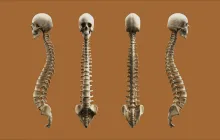
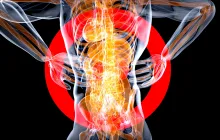
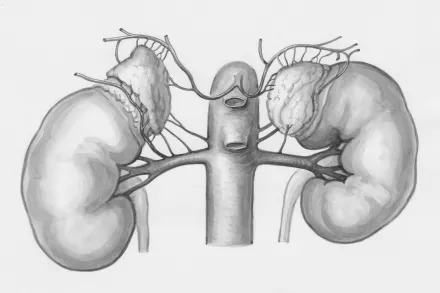
To manage chronic kidney pain effectively, it is helpful to understand where the pain originates and how different conditions can produce similar sensations. The kidneys lie high in the back on either side of the spine, protected by the rib cage. Pain from the kidneys is classically felt in the flank area and may shift toward the lower abdomen or groin in some individuals. When pain is caused by an obstruction such as a kidney stone, it can be sudden and intense, often accompanied by waves of severe pressure, sweating, nausea, and a sense of impending doom. In other cases, chronic inflammation from infections or autoimmune processes can produce a more constant dull ache that persists for weeks or months and may be worse at night or after activity. Differentiating these patterns requires careful attention to timing, character of the pain, and associated signs such as fever, urinary symptoms, or blood in the urine.
Kidney stones are a common cause of intermittent kidney pain that tends to be episodic and severe. In such cases, the pain typically starts in the back or side and radiates toward the lower abdomen or groin as the stone moves through the urinary tract. The intensity may wax and wane, and many people experience urgent or frequent urination between episodes. Recurrent stone formation can be influenced by fluid intake, diet, and underlying metabolic conditions. Infections affecting the kidneys or urinary tract can produce persistent discomfort along with fever, chills, and malaise. Pyelonephritis, an infection of the kidney, typically presents with more systemic symptoms and requires prompt treatment to prevent complications. Chronic infections or inflammatory diseases can produce a background level of pain that remains present even between acute episodes, creating a cycle that can be difficult to break without addressing the root cause and reinforcing healthy kidney function through comprehensive management.
Other structural or functional problems can contribute to chronic kidney pain. Cysts within the kidneys can create pressure and discomfort that persists over time, especially if they grow or become infected. Polycystic kidney disease, a hereditary condition, can involve multiple cysts that expand and cause pain as well as progressive loss of kidney function. Kidney stones, cysts, and related conditions may also coexist with metabolic disorders such as hypercalcemia or hyperuricosuria, which alter stone formation risk and can influence pain patterns. In some individuals, chronic pain may be linked to musculoskeletal factors or nerve sensitization in the surrounding tissues, which means that pain relief strategies must sometimes address pathways beyond the kidneys themselves. A comprehensive assessment that includes history, physical examination, and targeted diagnostic tests can help differentiate among these possibilities and guide an appropriate treatment plan that minimizes harm and optimizes relief.
Ultimately, recognizing that chronic kidney pain often arises from a constellation of factors rather than a single cause helps patients approach management with flexibility. This approach supports ongoing evaluation and adjustment as new information becomes available, enabling a dynamic plan that adapts to changes in kidney function, symptom burden, and life circumstances. By integrating clinical insights with patient experiences, healthcare teams can craft strategies that address pain while preserving kidney health and reducing the likelihood of adverse effects from therapies. The next sections explore practical steps that can be taken within this framework to reduce pain, support kidney function, and enable a better day-to-day experience.
Diagnostic pathways and what to expect in evaluation
When chronic kidney pain is present, clinicians typically begin with a careful interview to map the trajectory of symptoms, identify any triggering events, and uncover accompanying signs that might point to specific conditions. A detailed medical history helps reveal whether pain correlates with meals, activity, fluid intake, or certain medications, and whether episodes align with known risk factors such as a history of stones, infections, hypertension, or diabetes. A physical examination follows, focusing on areas around the lower back, flanks, abdomen, and pelvic region to identify tenderness patterns and to assess signs of systemic illness that may necessitate urgent attention. The diagnostic process often includes a sampling of laboratory tests, including blood work to measure kidney function through values such as creatinine and estimated glomerular filtration rate, a panel assessing electrolyte balance, hydration status, and markers of inflammation. Urinalysis provides insight into infections, blood, crystals, or protein leakage, each of which can suggest specific processes affecting the kidneys. In some cases, urine culture may be necessary to determine whether an infection is present, while a urine protein evaluation can reveal early signs of kidney disease that warrant closer monitoring. Imaging studies are frequently employed to visualize the kidneys and urinary tract. An ultrasound is a safe, noninvasive tool that can identify stones, cysts, obstruction, or structural anomalies. When more detail is needed, a computed tomography scan may be performed to elucidate complex stone disease or subtle blockages, whereas magnetic resonance imaging offers a radiation-free alternative for certain patients. In selected circumstances, a clinician may advise a kidney biopsy to investigate unexplained kidney inflammation or damage and to guide decisions about therapy, particularly for autoimmune or rapidly progressing conditions. The choice of tests depends on the symptom pattern, the likelihood of specific conditions, and the potential impact on treatment choices, always balanced against the safety and preferences of the patient. The goal is to construct a precise picture of the underlying processes so that interventions can be targeted and effective, with a view toward mitigating pain and safeguarding kidney function over time.
Patients should anticipate that evaluation for chronic kidney pain may unfold gradually, with follow-up visits to track changes in symptoms and laboratory results. It is common for clinicians to adjust the diagnostic plan as new information emerges or as the patient reports responses to initial treatments. Clear communication about tolerances for certain therapies, potential side effects, and personal health goals is essential, because pain management often requires a nuanced mix of approaches rather than a single remedy. Documentation of pain intensity, frequency, and triggers can be valuable during consultations, helping clinicians discern patterns and test hypotheses about what is contributing to the ongoing discomfort. Informed shared decision making is a cornerstone of modern kidney care, empowering patients to participate in decisions about medications, procedures, and lifestyle modifications that influence outcomes. The subsequent sections describe practical strategies that can be incorporated alongside medical evaluation to reduce pain and support overall kidney health, including careful use of medications, lifestyle modifications, and tailored rehabilitation approaches.
Moreover, individuals learning to manage chronic kidney pain benefit from understanding the potential limitations and risks associated with various treatment options. Some medications carry kidney-specific cautions, especially in people with reduced kidney function, so dose adjustments and monitoring are often necessary. Certain analgesics, such as nonsteroidal anti-inflammatory drugs, may worsen kidney function if used inappropriately and should be discussed in detail with a clinician before continuing. In contrast, other medicines like acetaminophen may be safer for short periods under medical guidance, while more complex pain syndromes may require adjuvant therapies that target nerve pathways or mood-related components of pain perception. The diagnostic journey, therefore, is not merely about identifying a cause but also about determining an appropriate, safe, and sustainable curve of interventions that maintain comfort while protecting the kidneys as much as possible. The next part of the guide outlines practical management approaches that can be pursued alongside medical treatment to address chronic kidney pain effectively and compassionately.
Medical management: choosing strategies that align with kidney health
Medical management of chronic kidney pain begins with a careful evaluation of risks and benefits associated with each therapeutic option. A central principle is to minimize harm by avoiding agents that can impair kidney function or cause additional complications when used long term. For instance, nonsteroidal anti-inflammatory drugs are powerful for short-term relief in some contexts but may advance kidney injury if taken frequently or in people with preexisting kidney impairment. Clinicians often prioritize nonpharmacologic strategies or safer pharmacologic alternatives first, and only then consider options that capitalize on a balance between pain relief and safety. In the realm of prescription medications, acetaminophen is commonly used for mild to moderate pain when kidney function is not severely compromised, with careful attention to cumulative daily dosing and potential liver-related risks. When pain persists, a clinician may evaluate the appropriateness of adjuvant therapies such as duloxetine or gabapentinoids for neuropathic pain, or antidepressants with analgesic properties that can help address pain in addition to mood and sleep disturbances that often accompany chronic illness. Opioid medications may be necessary in some individuals under close medical supervision, but they require careful titration, monitoring for tolerance and dependence, and strategies to minimize adverse effects like constipation and sedation. The aim is to tailor regimens to the individual’s medical status, kidney function, and personal preferences while maintaining the highest possible safety margin.
Another critical aspect of medical management involves addressing the underlying condition driving the pain. For stone-related pain, measures to prevent stone formation such as hydration optimization, dietary modifications, and sometimes medication to alter urine chemistry may be recommended. Infections require appropriate antibiotic therapy guided by culture results and clinical course, with follow-up to ensure resolution and prevent recurrence. In inflammatory or autoimmune conditions, immunosuppressive or anti-inflammatory therapies selected by specialists may control both pain and tissue damage, highlighting the importance of a precise diagnosis. For kidney tissue diseases that affect the filtering organs themselves, supportive care to maintain blood pressure control, blood sugar management, and lipid balance becomes an integral part of reducing pain and preserving kidney function. Importantly, any medication plan should consider potential interactions with other treatments, nutritional status, hydration, and renal clearance capacity, since these factors can profoundly influence both efficacy and safety. Collaboration with a pharmacist can be invaluable in optimizing regimens and preventing unintended consequences.
Nonpharmacologic strategies play a substantial role in complementing medications and can sometimes reduce the reliance on drugs. Heat therapy, such as warm compresses applied to the side or lower back, can provide symptomatic relief for some individuals by promoting muscle relaxation and improving blood flow, while gentle, guided physical activity can keep joints flexible, improve circulation, and help manage fatigue that often accompanies chronic kidney issues. Mind-body techniques such as breathing exercises, meditation, and mindfulness-based stress reduction have demonstrated benefits for pain perception and overall well-being, particularly when stress and sleep disturbances amplify pain signals. Physical therapy delivered by trained professionals can tailor a program to each person’s capabilities, focusing on core strength, posture, and safe movement patterns that minimize strain on the lower back and abdomen without compromising kidney safety. A well-rounded medical plan thus integrates pharmacologic and nonpharmacologic elements in a way that respects kidney health and patient preferences, aiming to create sustainable relief rather than temporary respite.
In all cases, ongoing monitoring is essential. Regular follow-up visits allow clinicians to assess pain control, track kidney function tests, review laboratory markers, and adjust dosages or strategies as needed. When a patient experiences a change in symptoms, new side effects, or a shift in daily functioning, timely communication with the healthcare team ensures that the plan remains aligned with the evolving clinical picture. The goal is to reduce pain intensity, shorten flare periods, and preserve kidney reserve so that daily life and activities feel more manageable. The following sections discuss practical steps that can be taken in daily life to reinforce medical management, including dietary considerations, hydration practices, sleep hygiene, and safe physical activity that respects kidney health while providing meaningful pain relief.
Non-drug strategies and lifestyle adjustments
Non-drug strategies form a cornerstone of chronic kidney pain management and can be effective when combined with medical therapies. A regimen that emphasizes regular movement, proper posture, and avoidance of activities that aggravate the flank region may help lessen pain episodes for many people. Gentle stretching, low-impact aerobic activity, and gradual strength training—when cleared by a clinician—can improve musculoskeletal support around the kidneys and reduce compensatory tension in the lower back. Consistency is key, and even small daily efforts can accumulate into meaningful improvements over time. Using heat modalities, such as warm showers, heating pads, or warm baths during periods of discomfort can promote relaxation of the muscles and improve perceived pain, provided there are no contraindications from medical conditions such as heat sensitivity or skin problems. Mindfulness and relaxation techniques can also alter pain perception by promoting a calmer nervous system response, reducing the intensity and duration of pain sensations in some individuals. The combination of physical activity with restorative practices helps create a resilient baseline that supports pain management beyond medications.
Sleep quality and stress management are tightly linked with pain experiences. Chronic sleep disturbance can heighten pain sensitivity and affect mood, which in turn can influence how pain is perceived and tolerated during the day. Establishing a consistent sleep routine, creating a comfortable sleep environment, and avoiding stimulants late in the day can contribute to better rest and a reduced pain burden. Stress management through structured routines, guided imagery, or gentle yoga can aid in lowering the body’s stress response, which often magnifies pain signals. It is important to tailor these practices to one’s physical capabilities and to consider medical advice when certain movements or activities might risk kidney injury or dehydration. When integrating non-drug strategies, it is helpful to keep a flexible mindset and to monitor how different approaches affect pain levels and overall well-being, adjusting as needed in collaboration with healthcare providers.
Nutrition and hydration represent another pivotal element of non-drug strategies. A kidney-friendly diet focuses on balanced hydration, appropriate protein intake, and moderation of minerals that influence kidney function depending on the underlying condition. For some individuals, limiting sodium and processed foods helps control blood pressure and reduces edema, potentially easing discomfort associated with fluid retention. For stones prone to certain compositions, dietary adjustments targeting the specific stone type can decrease recurrence risk and lessen pain episodes. A dietitian specialized in kidney health can tailor recommendations to a person’s medical status, kidney function, and dietary preferences, turning nutrition into a powerful ally in pain management rather than a source of limitations. In this way, everyday meals become an opportunity to support both symptom relief and long-term kidney health, reinforcing the overall treatment strategy rather than confronting it as a separate challenge.
Another practical consideration is medication safety in the context of kidney disease. People with reduced kidney function often require adjustments in dosing or even avoidance of certain medicines that are cleared by the kidneys. A healthcare professional, often including a pharmacist, can review all current medications, supplements, and over-the-counter products to identify potential interactions or nephrotoxic risks. This proactive approach helps prevent adverse effects that could worsen pain or accelerate kidney decline. Keeping a medication list up to date and sharing it during every medical encounter ensures that instructions remain consistent across different specialists and that any necessary modifications can be implemented promptly. Through these measures, non-drug strategies and careful medication management work together to create a safer and more effective framework for chronic kidney pain care.
Hydration, diet, and kidney-focused lifestyle choices
Hydration plays a central role in kidney health and can influence pain patterns, particularly in conditions such as stones or infections where urine flow and crystal formation are relevant. Adequate fluid intake helps dilute urine, support kidney filtration, and may reduce the risk of stone formation in some individuals, though the exact amount should be personalized based on factors like climate, activity level, age, and kidney function. A clinician can provide a hydration plan that avoids excessive fluid intake in situations where edema or high blood pressure is a concern, ensuring a balance that optimizes comfort while protecting cardiovascular and renal systems. The timing of fluid intake can also matter for some patients, with strategies designed to minimize nocturnal symptoms and support daytime functioning. Rather than prescribing a universal rule, clinicians tailor guidance to the patient’s baseline kidney function, medications, and overall health status, respecting personal preferences and practical realities such as work schedules and access to fluids.
Dietary considerations extend beyond hydration and include the management of protein, minerals, and other nutrients that impact kidney function and pain. For some individuals, reducing high-sodium foods helps control fluid retention and blood pressure, potentially decreasing abdominal or flank discomfort associated with edema. Others may need adjustments to protein intake to prevent load on compromised kidneys, a change that must be balanced against nutritional needs and muscle preservation, especially in older adults. Limiting foods rich in oxalate or phosphate might be advised for stone prevention or mineral balance, depending on laboratory results and medical history. A registered dietitian with expertise in kidney health can translate complex laboratory data into practical meal planning, offering culturally appropriate recommendations that fit with a person’s culinary traditions and tastes. In this way, dietary planning becomes a concrete, ongoing element of pain management that directly supports kidney function and patient quality of life.
Lifestyle choices, including regular activity, smoking cessation, and moderation of caffeine and alcohol, can influence both pain perception and kidney health. Smoking impairs circulation and can worsen inflammation, while excessive caffeine and alcohol intake can disrupt sleep, agitation, and dehydration, all of which may amplify pain. Gentle, consistent physical activity tailored to a person’s capabilities can improve stamina, posture, and overall well-being, reducing the risk of deconditioning that can magnify discomfort. Sleep hygiene and stress reduction complement these measures by stabilizing mood and decreasing the body’s reactivity to pain. An integrated approach that weaves hydration, diet, and lifestyle adjustments into daily routines helps create a sustainable foundation for managing chronic kidney pain while supporting long-term kidney health. It also fosters resilience by turning pain management into a coherent, predictable process rather than a series of disjointed efforts scattered across the week.
Special considerations for chronic kidney disease and pain management
Chronic kidney disease and pain management require careful tailoring of therapies to the stage of kidney dysfunction. In many cases, people with reduced kidney function need dose adjustments for medications and may require avoidance of certain drugs entirely. For example, some analgesics are partially cleared by the kidneys, and their accumulation can lead to adverse effects. In addition, CKD can alter electrolyte balance and blood pressure regulation, which has implications for both pain management and safety. Clinicians may emphasize nonpharmacologic approaches and safer medications while reserving more potent options for specific, well-monitored scenarios. Regular laboratory monitoring guides these decisions, with attention to kidney function, electrolyte levels, and liver health when hepatically metabolized drugs are used. The overarching objective is to relieve pain without accelerating kidney injury or precipitating dangerous side effects, recognizing that patients with CKD may require closer oversight and more frequent follow-up than individuals with preserved kidney function.
For people who depend on dialysis, pain can be multifactorial, arising from the dialysis procedure itself, infections, or concurrent conditions such as neuropathic pain or musculoskeletal strain. Pain management in this subgroup often involves a multidisciplinary approach that integrates nephrology, physical therapy, and sometimes palliative care perspectives. While dialysis can alleviate certain kidney-related symptoms by normalizing fluid and toxin levels, it can also introduce unique sources of discomfort that require targeted strategies. In all cases, collaborative care and open communication about what helps and what does not help are essential to achieving meaningful relief. Each patient’s treatment plan should reflect personal goals, quality of life considerations, and the realities of living with kidney disease, always with an eye toward preserving remaining kidney function whenever possible.
Important practical steps include establishing a clear plan for monitoring symptoms, recognizing warning signs that require urgent attention, and regularly reviewing medications with clinicians to ensure there are no conflicting therapies or harmful interactions. Patients should feel empowered to discuss alternative options or complementary therapies, provided they are consistent with medical advice and do not interfere with prescribed regimens. The aim is to create a cohesive, patient-centered regimen that integrates medical, lifestyle, and supportive care elements in a balanced way, delivering reliable pain relief while safeguarding kidney health over the long term. The following segment describes how to monitor progress, when to seek help, and how to refine a plan in response to changing health conditions and personal experiences of pain.
Monitoring, safety, and signs that require urgent care
Effective pain management relies on vigilant monitoring and a rapid response to warning signals. Individuals should be aware of red flags such as severe, sudden flank pain that is accompanied by fever, persistent vomiting, fainting, inability to keep fluids down, or symptoms suggesting dehydration. The appearance of blood in the urine with severe pain or fever can signal an urgent problem such as a complicated infection or obstruction, and medical evaluation should be sought promptly. Sudden swelling in the ankles, feet, or face, rising blood pressure that is not controllable with current treatment, or levels of confusion or dizziness that interfere with daily activities warrant immediate medical attention. In many cases, pain management includes careful assessment of kidney function, hydration status, and electrolyte balance, so regular communication with healthcare providers is essential. If pain worsens or new symptoms arise, a clinician may adjust the treatment approach to address both symptom relief and renal protection, which may involve modifying medications, ordering new tests, or recommending specialized therapies. Prompt reporting of changes ensures that risk remains low and that interventions remain aligned with the patient’s evolving clinical picture.
Safety in medication use is a critical component of chronic kidney pain management. Patients should follow prescribed dosing schedules, avoid self-prescribing additional medications without professional guidance, and disclose all substances they take, including supplements and over-the-counter products. Some substances can interact in ways that increase risk, alter drug clearance, or exacerbate kidney dysfunction. For example, certain herbal products may have nephrotoxic potential or interact with conventional medicines, so professional guidance is important before introducing them. Keeping a current list of medications, understanding potential side effects, and knowing when to contact a clinician for dose adjustments or safety concerns create a foundation for secure, effective pain management. In addition, keeping appointments for routine kidney function monitoring and following up on diagnostic tests help ensure that the plan remains appropriate as health status evolves.
Working with your care team and building a sustainable plan
A collaborative approach is essential in managing chronic kidney pain. The care team may include a primary care physician, a nephrologist who specializes in kidney diseases, a urologist who can address structural issues or stones, a dietitian who translates laboratory results into practical meal plans, a physical therapist who designs personalized exercise programs, and a pharmacist who assists with medication safety. Patients are encouraged to prepare for visits by documenting pain patterns, identifying triggers, and listing questions or concerns. A patient-centered plan emerges when the clinician and patient exchange information openly, define realistic goals, and agree on a sequence of steps that can be implemented gradually. In this context, pain management becomes an ongoing conversation, not a one-time prescription. The plan should emphasize safety, minimizing side effects, maintaining kidney function, and improving daily functioning. Regular review is crucial as medical conditions change, new therapies become available, and the patient’s life circumstances evolve. The ultimate objective is to reach a state where pain is manageable, activities are recoverable, and the person can maintain autonomy with a clear sense of control over their health journey.
Education and self-advocacy are important companions to medical care. Understanding the reasons behind certain recommendations, knowing which symptoms warrant urgent care, and being able to articulate personal priorities helps ensure that treatment aligns with values and daily life. For example, some individuals may place a high priority on maintaining work responsibilities or physical independence, while others may emphasize minimizing medication burden or reducing risk of adverse effects. A well-structured plan supports these preferences by offering options, explaining trade-offs, and enabling careful, informed decision making. With thoughtful collaboration, people living with chronic kidney pain can experience meaningful relief while safeguarding kidney function, improving mood and energy, and preserving the ability to participate in activities they value. The journey is highly individual, but the shared framework of safety, communication, and adaptability remains constant across diverse circumstances.
Practical next steps often include setting up a diary or journal to track pain intensity, duration, triggers, and responses to therapies. Consistent documentation helps reveal patterns that might not be evident in a single visit and informs future adjustments. It also empowers patients to communicate more precisely with their care team, which can shorten the time needed to identify effective strategies. Implementing a small, gradual change—such as increasing daily water intake by a modest amount, incorporating a brief walk, or experimenting with a relaxation exercise for a few minutes each day—can start a positive feedback loop that gradually improves symptoms and resilience. As patients experiment within the safety boundaries provided by clinicians, they can refine their routines to fit their unique life contexts, reducing the disruption caused by chronic pain while maintaining a hopeful, forward-looking outlook on kidney health. This patient-centered approach stands as a practical and compassionate path for managing chronic kidney pain over the long term.
The overarching message is that chronic kidney pain management is not a single action but a coherent, multi-part strategy that blends medical care, lifestyle adaptations, and personal support networks. By approaching pain through a holistic lens that prioritizes safety, patient education, and ongoing collaboration with healthcare professionals, individuals can achieve more stable and meaningful relief. The focus remains on preserving kidney function, reducing pain burden, and enhancing daily living, even as certain conditions require sustained attention and adaptation. With commitment, informed choices, and the right team, it is possible to transform a challenging symptom into a manageable aspect of overall health, enabling people to pursue their goals with greater confidence and fewer disruptions from pain. Practical steps to initiate this plan can be discussed with one’s healthcare team and tailored to fit personal needs and circumstances, ensuring that management remains as individualized as the condition itself.